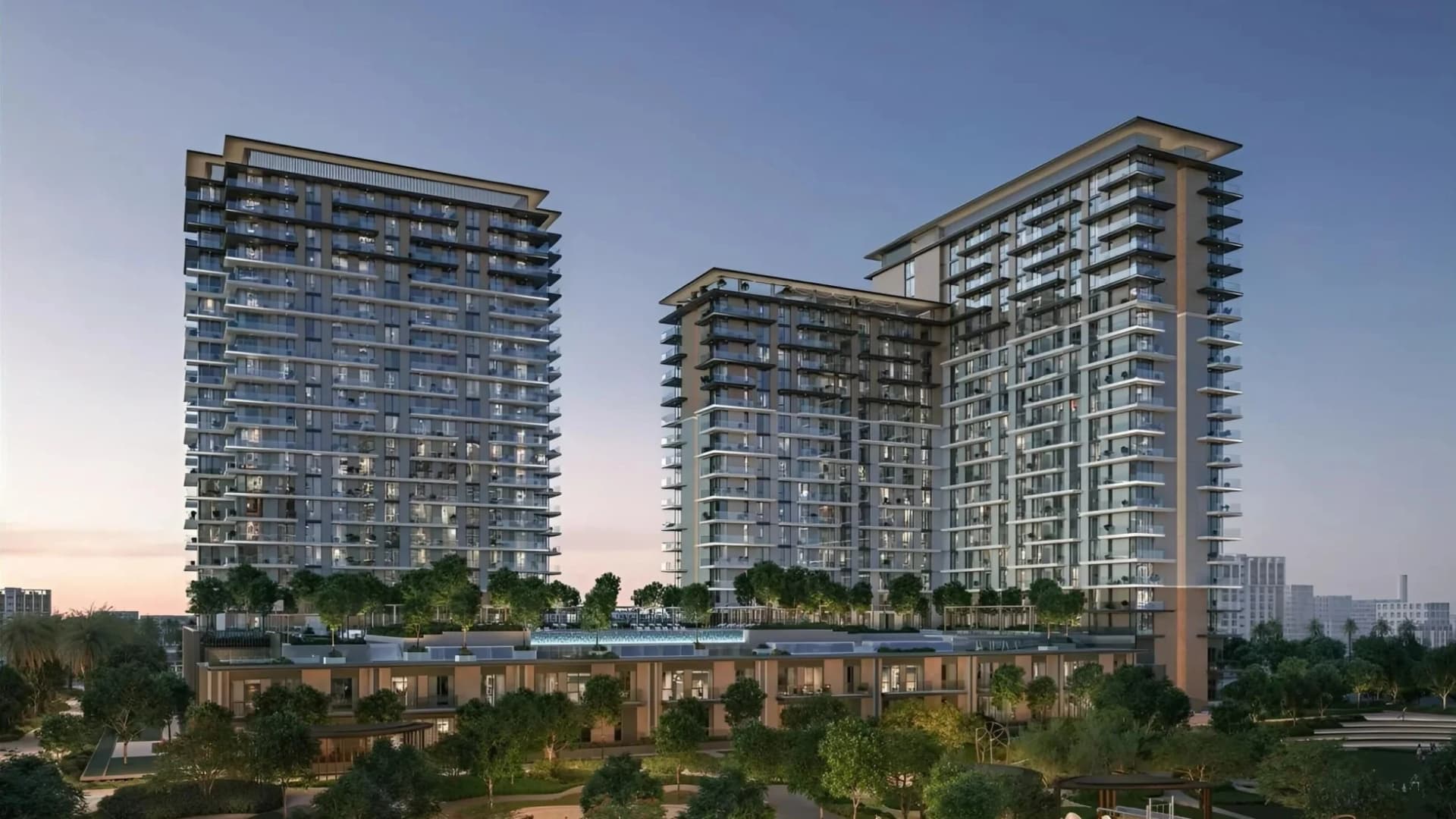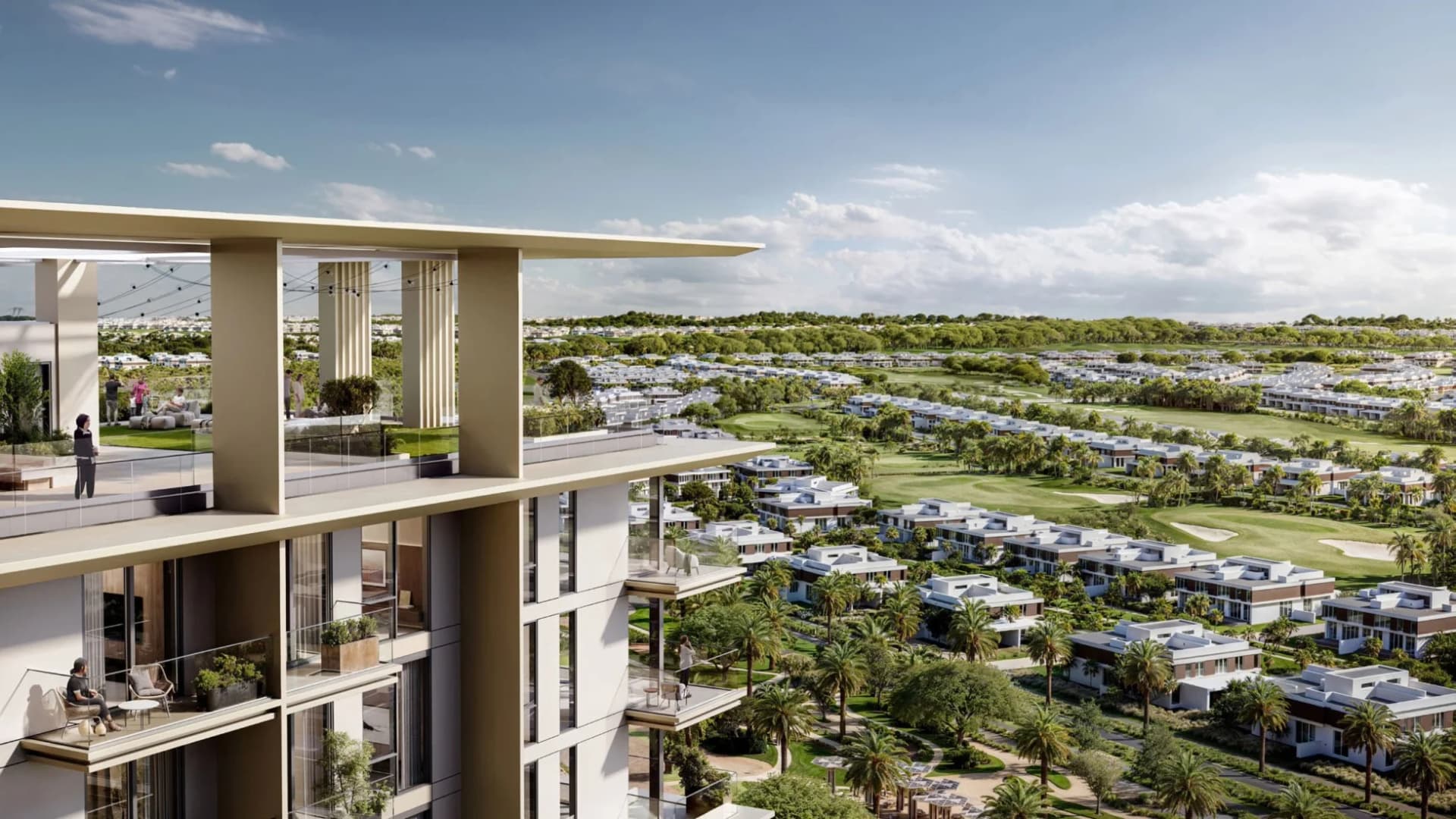
Dubai Hills vs Arabian Ranches: Family Living
Dubai Hills Estate villas cost 20-40% more than comparable Arabian Ranches villas, but deliver 8-10% annual capital growth versus 5-7% for Arabian Ranches. Arabian Ranches wins on yield, service charges, and community maturity. Both are Emaar-developed. Both attract families with school-age children. The decision comes down to whether you prioritize growth or cash flow.
We advise families on this comparison regularly. This guide puts the numbers side by side so you can make the decision based on data, not marketing brochures.
Key Takeaways
Dubai Hills villas cost 20-40% more than equivalent Arabian Ranches villas. A 4-bedroom Sidra villa sells for AED 5M-8M. A comparable Palmera villa in Arabian Ranches sells for AED 3.5M-5.5M.
Arabian Ranches has Dubai's lowest villa service charges at AED 4-8/sqft. Dubai Hills charges AED 14-20/sqft. On a 5,000 sqft villa, that is AED 30,000-60,000 per year in additional costs.
Dubai Hills has metro access. Arabian Ranches does not. The Blue Line station connects Dubai Hills to Business Bay and DIFC in under 15 minutes. Arabian Ranches requires a 25-30 minute drive to Downtown.
Location and Commute Times
Dubai Hills Estate sits along Al Khail Road between Downtown Dubai and Motor City. The Blue Line metro station connects the community to Business Bay and DIFC in under 15 minutes. Drive time to Dubai Marina is 20 minutes. Drive time to DXB airport is 25 minutes.
Arabian Ranches sits along Emirates Road (E311), farther from the city center. Downtown is 25-30 minutes by car. Dubai Marina is 30 minutes. The nearest metro is Mall of the Emirates station, a 15-minute drive. There is no metro station within the community.
For families where one or both parents commute to DIFC, Downtown, or Business Bay, Dubai Hills has a clear advantage. For families where remote work dominates or the commute runs to Jebel Ali or Dubai South, Arabian Ranches is equally practical and costs less.
Schools and Education Access
Both communities have KHDA-rated schools within their boundaries. Dubai Hills has GEMS Wellington Academy, GEMS New Millennium School, and JSS International School on-site. Arabian Ranches has Ranches Primary School, JESS Arabian Ranches, and Raffles Nursery.
standard is comparable. Both areas include KHDA "strong" and "Outstanding" rated institutions. The difference is capacity. Dubai Hills schools are newer and still expanding enrollment, making waitlists shorter. Arabian Ranches schools are fully subscribed. Waitlists for popular year groups can run 6-12 months.
Amenities and Lifestyle: Head-to-Head
| Feature | Dubai Hills Estate | Arabian Ranches |
|---|---|---|
| Mall | Dubai Hills Mall (600+ outlets) | Arabian Ranches Souk (boutique retail) |
| Golf | 18-hole championship course | 9-hole course |
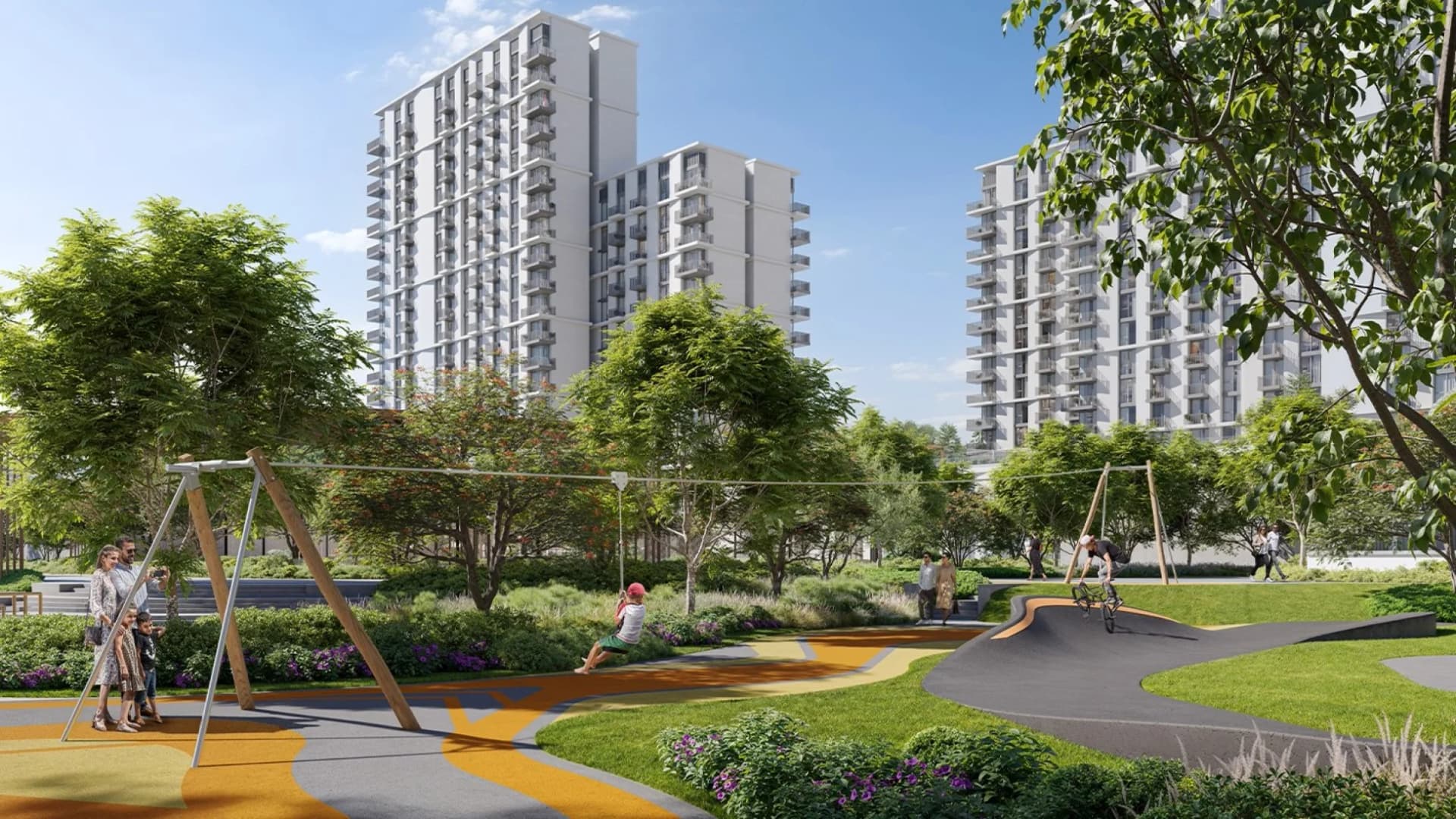
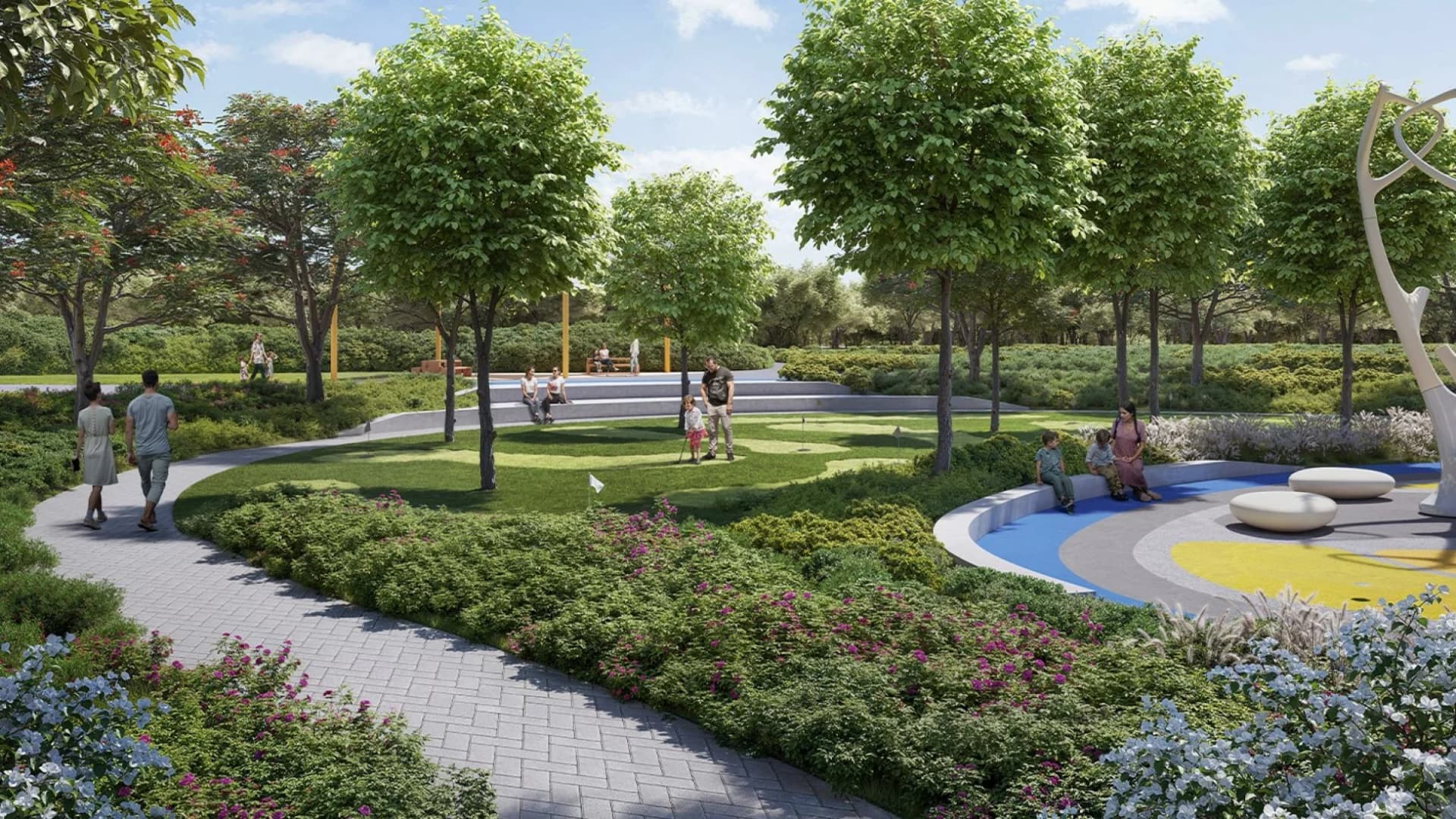
| Parks | 54 km of trails, central park | Community parks, polo club grounds |
| Metro | Yes (Blue Line) | No |
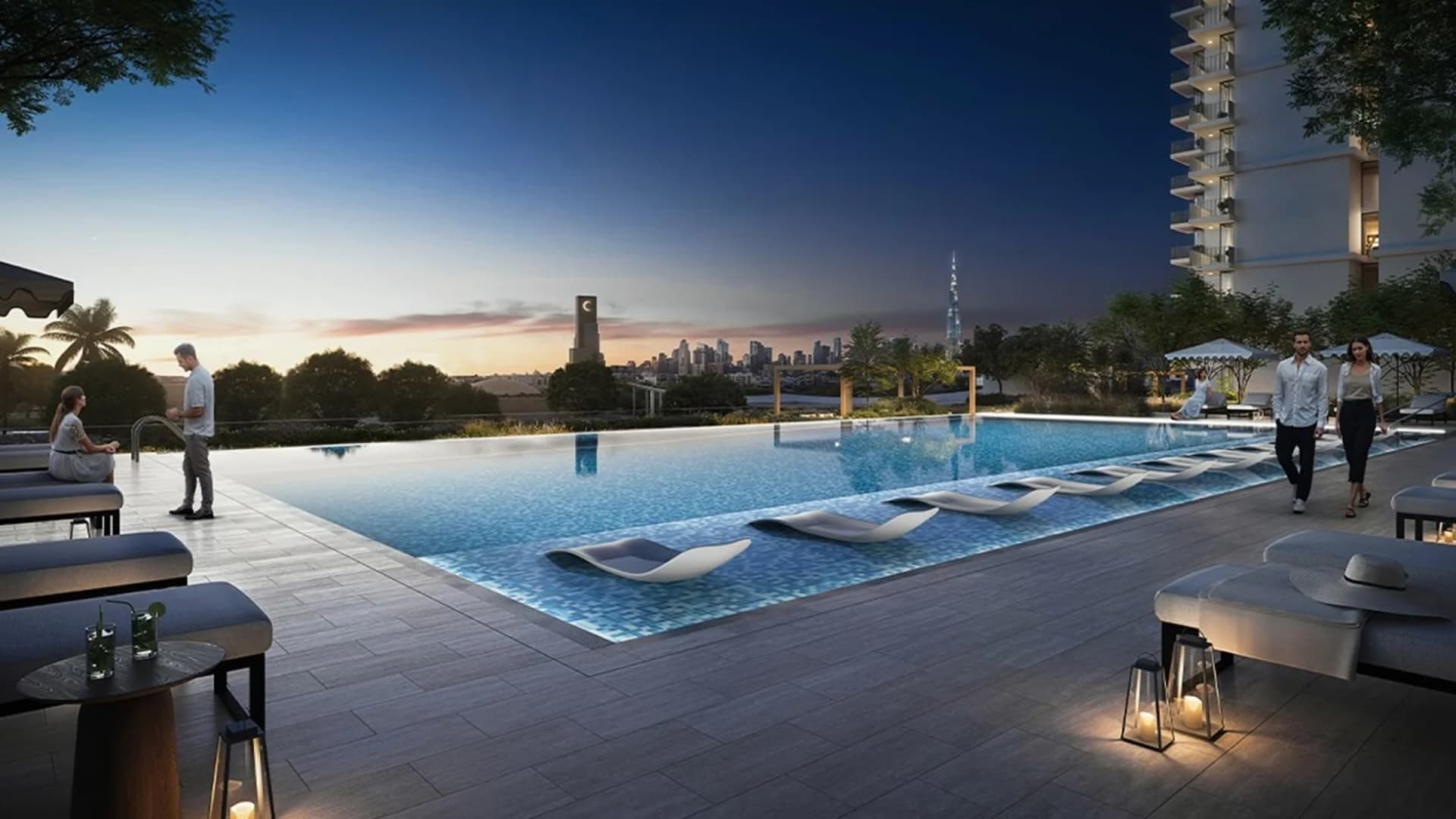
| Pool/Gym | Building amenities + club | Community center + individual pools |
| Dining | 50+ restaurants near mall | 15-20 restaurants in souk area |
| Supermarkets | Carrefour, Spinneys, Waitrose | Carrefour, Spinneys |
| Healthcare | Mediclinic, King's College Hospital nearby | Mediclinic Arabian Ranches |
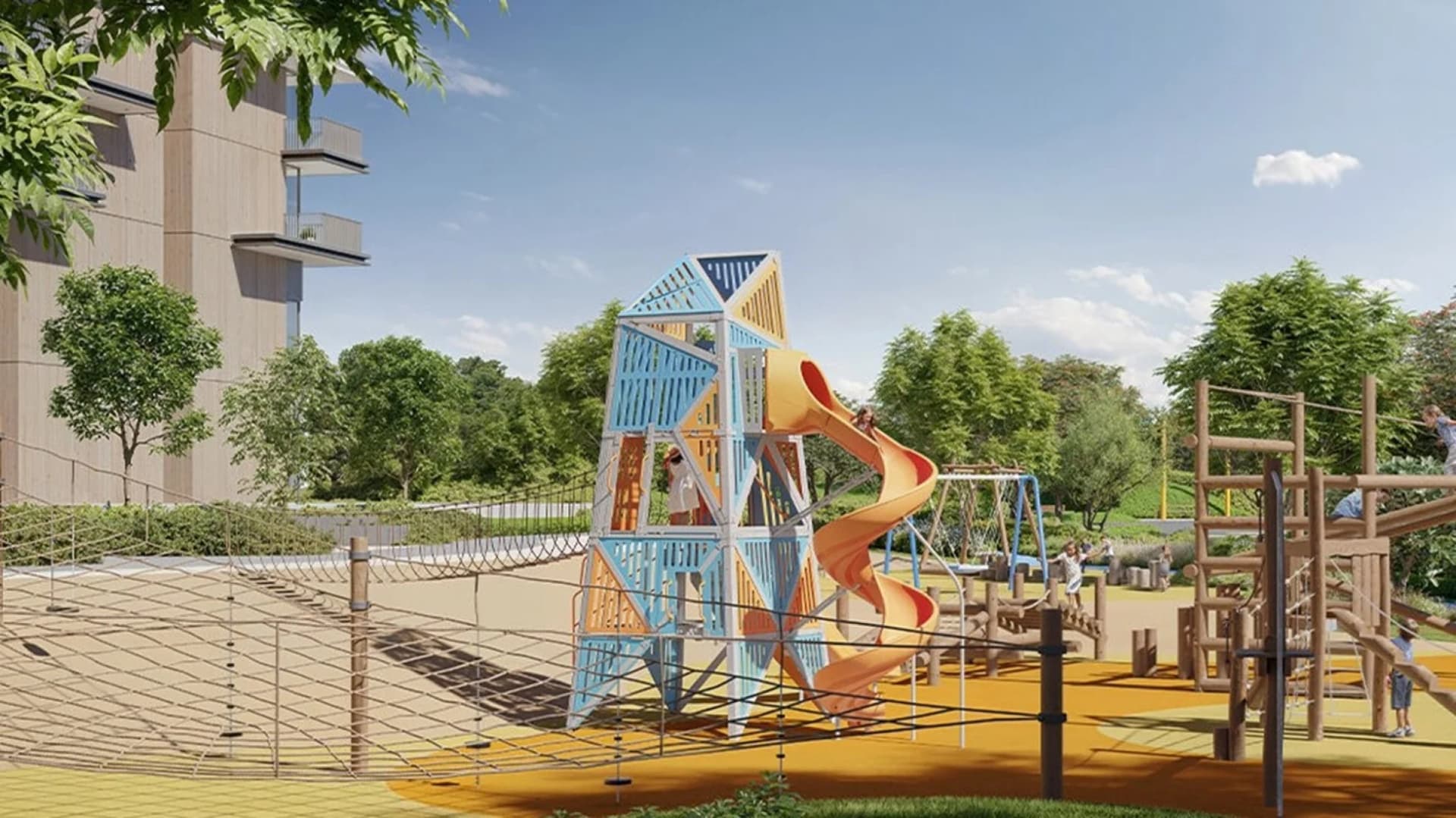
Dubai Hills has more retail and leisure density. Arabian Ranches offers a quieter, more suburban feel with lower foot traffic and a village-like atmosphere. Your family's lifestyle preference determines which profile fits better. Data sourced from Dubai Land Department. Last updated April 2026.
Price Comparison: Villa for Villa
We compared equivalent villa types across both communities to isolate the exact price differential.
| Villa Type | Dubai Hills (Sub-Community) | Price | Arabian Ranches (Sub-Community) | Price | Difference |
|---|---|---|---|---|---|
| 3-BR Townhouse | Maple | AED 4M-5.5M | Palmera | AED 3M-4M | +25-35% |
| 4-BR Villa | Sidra | AED 5M-8M | Alma, Savannah | AED 3.5M-5.5M | +30-40% |
| 5-BR Villa | Club Villas | AED 8M-15M | Polo Homes, Hattan | AED 6M-10M | +25-35% |
| 6-BR Villa | Golf Place | AED 15M-25M | Type 1 (Polo Homes) | AED 10M-16M | +30-45% |
The premium averages 30% across all comparable villa types. Investors pay that premium for newer building stock, the 18-hole golf course, the major mall, and metro access. Data sourced from Dubai Land Department. Last updated April 2026.
Rental Yield: Arabian Ranches Wins on Cash Flow
Arabian Ranches delivers slightly higher gross yields (4.5-6%) compared to Dubai Hills villas (4-5.5%). Lower purchase prices account for the gap. A 4-bedroom Arabian Ranches villa renting at AED 260,000 on a AED 4.5M purchase produces 5.8% gross yield. The same rental rate on a AED 6M Dubai Hills villa produces only 4.3%.
Service charges amplify the difference. Arabian Ranches charges AED 4-8/sqft annually. Dubai Hills charges AED 14-20/sqft. On a 5,000 sqft villa, Arabian Ranches costs AED 20,000-40,000/year in service charges. Dubai Hills costs AED 70,000-100,000. That AED 30,000-60,000 gap comes directly off your net yield.
For investors optimizing monthly cash flow, Arabian Ranches produces more income per AED invested. Dubai Hills requires a higher capital commitment to generate the same net return.
Capital Growth: Dubai Hills Leads on Appreciation
Dubai Hills villas appreciated 50-65% from 2021 to 2025. Arabian Ranches villas grew 35-45% over the same period. That gap reflects Dubai Hills' newer infrastructure, its larger retail and leisure offering, and the metro connectivity that Arabian Ranches lacks.
Arabian Ranches is fully built out, which limits new catalysts for price growth. Dubai Hills still has phases under construction that create fresh buyer interest. We expect the appreciation gap to narrow as both communities mature, but Dubai Hills will likely outpace Arabian Ranches on growth for the next 3-5 years.
Arabian Ranches compensates with 20+ years of proven demand stability. The community has held its value through multiple market cycles. Investors who prioritize downside protection over upside growth will prefer that track record.
Which Community Fits Your Goals
Choose Dubai Hills if: You want metro access, a new-build community, proximity to a major mall, and you prioritize capital growth over yield. You accept higher service charges for newer infrastructure. Your villa budget starts at AED 4M.
Choose Arabian Ranches if: You want Dubai's lowest villa service charges, a mature and proven community, and maximum net yield. You prefer a quieter, fully established neighborhood with a 20-year track record. Your villa budget starts at AED 3M.
Consider both if: Your budget exceeds AED 7M. Buy a villa in Arabian Ranches for high-yield rental income and an apartment in Dubai Hills for capital growth. We build multi-community portfolios that capture the strengths of each.
Contact our team for a side-by-side analysis using your specific budget and investment objectives. RERA BRN 1573501. Data sourced from Dubai Land Department. Last updated April 2026.
Related guides: - Dubai Real Estate Websites: Data Source Review - Dubai Real Estate Market Reports and Research - Highest Rental Yield Areas in Dubai: Rankings
Explore Dubai Areas on Oliva
Dubai Investor Visa: Property-Linked Residency Options
Since April 2026, a Dubai property purchase by a sole owner qualifies for the 2-year renewable investor visa with no minimum property value. Joint owners must each hold at least AED 400,000 in the property. A purchase of AED 2,000,000 or more, including off-plan and mortgaged assets, qualifies for the 10-year Golden Visa. The AED 1 million upfront cash requirement was scrapped under the February 2026 federal policy circular. Both visas grant residency rights and allow you to sponsor family members. Source: General Directorate of Residency and Foreigners Affairs (GDRFA) and Dubai Land Department.
| Ownership type | Visa Type | Threshold (post April 2026) | Duration | Family Sponsorship |
|---|---|---|---|---|
| Sole owner | Investor Visa | No minimum | 2 years, renewable | Spouse, children under 18 |
| Joint owners | Investor Visa | AED 400K per investor | 2 years, renewable | Spouse, children under 18 |
| Sole or joint | Golden Visa | AED 2M total (off-plan and mortgaged eligible) | 10 years, renewable | Spouse, children (all ages), parents |
Visa requirements: property must be completed (not off-plan), the title deed must be in your name, and the property must be residential freehold. The visa application is processed through the Dubai Land Department or ICP Smart Services portal. Processing takes 10-20 business days.
Holding a residency visa changes your financial profile in Dubai in meaningful ways. You qualify for UAE bank accounts, UAE-registered phone numbers, and UAE driving licenses. Resident investors also qualify for higher mortgage LTV ratios (up to 80% vs 50% for non-residents) on subsequent property purchases. RERA BRN 1573501. Source: Dubai Land Department.
Dubai Property Purchase: Step-by-Step Process and Costs
The Dubai property purchase process is standardized and transparent, governed by the Dubai Land Department (DLD) and RERA. Understanding each step prevents delays and protects your deposit.
Step 1: Agree on price and terms (Days 1-3). Negotiate with the seller or developer. For secondary market sales, your RERA-licensed agent prepares a written offer. For off-plan, request the developer's payment schedule and RERA escrow registration number.
Step 2: Sign the Memorandum of Understanding (Days 4-7). Form F (RERA's standard MOU template) is signed by buyer, seller, and agent. You pay a 10% deposit at this stage. This deposit is protected. If the seller backs out, they must return it with an additional 10% penalty. Trakheesi registration fee: AED 10 per party.
Step 3: Obtain the No Objection Certificate (Days 8-21). The developer issues an NOC confirming no outstanding service charges or mortgage obligations on the property. NOC fees range from AED 500 to AED 5,000 depending on the developer.
Step 4: Complete the DLD transfer (Transfer Day). You and the seller attend a DLD Trustee Office. The buyer pays: 4% DLD registration fee, AED 580 admin fee, and AED 4,200 trustee office fee. The title deed is issued the same day. Total acquisition cost typically runs 6.5-7.5% above the purchase price. Source: Dubai Land Department, RERA.
Dubai Property Investor Checklist
Before completing any Dubai property transaction, verify the essentials. Your agent holds a valid RERA BRN. The property is registered at Dubai Land Department. No outstanding service charges appear against the unit. Your NOC from the developer has been received. All acquisition fees are budgeted: 4% DLD transfer, 2% agency, plus admin costs.
Your legal documents are in order: passport with 6 months validity remaining, proof of address dated within 3 months, mortgage pre-approval letter if financing. Ejari is registered if this is a rental investment. DEWA has been transferred or connected. Your title deed has been issued and verified with DLD. RERA BRN 1573501. Source: Dubai Land Department.
Dubai Real Estate Transaction Fees: Complete Reference
Understanding all costs before signing protects your return on investment. The Dubai Land Department (DLD) charges a 4% transfer fee on the purchase price, paid at the trustee office on transfer day. A DLD admin fee of AED 580 applies to all residential transfers. Title deed issuance costs AED 500 for apartments.
Agency commission is typically 2% of the purchase price plus 5% VAT. Mortgage registration at DLD costs 0.25% of the loan amount plus AED 290 admin fee. A bank valuation fee of AED 2,500 to AED 5,000 applies if using a mortgage. Conveyance and typing fees range from AED 4,000 to AED 6,000.
The No Objection Certificate (NOC) from the developer costs AED 500 to AED 5,000 depending on the developer. Emaar, Nakheel, and DAMAC each publish fixed fee schedules on their portals. Service charge arrears are deducted from seller proceeds at transfer. Total buyer acquisition costs typically run 7 to 8% above the purchase price. Source: Dubai Land Department. RERA BRN 1573501.
Dubai Property Market Snapshot: Key Data for Investors
Dubai recorded 180,500 residential property transactions in 2024, the highest annual volume in the emirate history. Off-plan launches and active secondary market trading pushed total transaction value to AED 522 billion. Foreign buyers represented approximately 45% of all residential purchases during 2024.
Off-plan sales outpaced ready property transactions for the third consecutive year, accounting for 58% of total volume. Developer launches hit record levels in Q1 2026, with 31,000 new units released across 140 projects. Average off-plan prices rose 11.2% year-on-year in Q1 2026.
Ready property transaction volumes rose 18% in 2024 compared to 2023. Average apartment prices across Dubai increased 9.3% in 2024. Villa prices rose 14.7% over the same period; limited supply in established communities like Arabian Ranches and Jumeirah Islands drove this outperformance.
Gross rental yields averaged 6.8% across Dubai in Q1 2026, ranging from 4.2% on Palm Jumeirah to 9.8% in International City. Short-term rental yields averaged 8-11% for well-located apartments with DTCM permits. Vacancy rates across Dubai remained below 10% in most established communities. Source: Dubai Land Department. RERA BRN 1573501.
Dubai Property Legal Framework for Investors
Three primary regulations govern Dubai property law. Law No. 7 of 2006 establishes property registration and ownership rights, including freehold ownership rights for foreigners in designated zones. Law No. 8 of 2007 governs escrow accounts for off-plan projects, requiring developers to hold buyer funds in DLD-supervised accounts until construction milestones are certified.
The Real Estate Regulatory Agency (RERA), which Dubai established under Law No. 16 of 2007, licenses all brokers and developers. Every transaction involving a RERA-licensed broker must reference the broker BRN number. Agents without a valid BRN cannot legally receive commission. Verify any agent BRN at the Dubai REST app before signing any document.
Law No. 26 of 2007, updated by Law No. 33 of 2008, governs all residential tenancy agreements. This law sets maximum rent increase bands through the RERA rental index, requires 12 months written notice for eviction, and caps security deposits at 5% of annual rent for unfurnished units. The Rental Disputes Settlement Centre (RDSC) resolves landlord-tenant disputes.
Foreign investors can buy freehold property in 60+ designated zones across Dubai. These include Downtown Dubai, Dubai Marina, Palm Jumeirah, Business Bay, JVC, Dubai Creek Harbour, and 50+ additional areas. Outside freehold zones, foreigners can hold 99-year leasehold interests. No annual property tax applies to any Dubai property. No capital gains tax applies to resale profits. Stamp duty does not exist in the UAE. The total ownership cost is predictable and tax-efficient compared to most global markets. Source: Dubai Land Department. RERA BRN 1573501.
Important Notice
Source: Dubai Land Department, DLD Transaction Register. Past performance does not guarantee future returns. Investing in real estate involves risk, including the potential loss of capital. Rental yields, capital appreciation projections, and market statistics cited above are based on historical data and are provided for informational purposes only. Please consult a qualified financial or legal advisor before making any investment decision.
Frequently Asked Questions
Living in Dubai - Greenhouse Real Estate Dubai?
For Dubai Hills vs Arabian Ranches, the key factors are location, developer caliber, and yield potential. Dubai property is regulated by RERA under the Dubai Land Department, providing strong investor protections including escrow accounts for off-plan and DLD-registered title deeds for completed properties. Review current DLD transaction data for the most accurate pricing.
What are the best gated communities in the world?
Dubai Marina, Downtown Dubai, Palm Jumeirah, JVC, and Business Bay rank as the top five freehold areas by foreign buyer transaction volume. These areas combine liquidity (easy resale), established infrastructure, and proven rental demand. Data sourced from Dubai Land Department.
What is the best country to live as a rich person?
For Dubai Hills vs Arabian Ranches, the key factors are location, developer caliber, and yield potential. Dubai property is regulated by RERA under the Dubai Land Department, providing strong investor protections including escrow accounts for off-plan and DLD-registered title deeds for completed properties. Review current DLD transaction data for the most accurate pricing.
Is it a good time now to buy a villa in Dubai?
Dubai market fundamentals remain strong: population growing 2-3% annually, no income or capital gains tax, and gross rental yields averaging 6-8%. Rather than trying to time the market, focus on selecting the right area and property type for your investment goals.
Where in Dubai should expats consider investing in a villa?
The best area depends on your goals. For maximum yield (7-9%), consider JVC, Arjan, or Dubai South. For balanced returns, Business Bay and Dubai Hills offer 5-7% yields with strong appreciation. Capital growth strategies favor Dubai Creek Harbour and Dubai Islands as emerging premium areas.
Which Dubai areas are best for rental income?
JVC delivers 7-9% gross yields with entry prices from AED 450,000. Dubai South offers 7-9% on studios near Al Maktoum Airport. Arjan provides 7.5-8.5% with newer building stock. Business Bay yields 6.5-8.5% with strong tenant demand from corporate professionals.
Explore further
The project, area, and developer this post covers, with live Dubai Land Department data.
Related articles

Arabian Ranches Dubai: The 2026 Investor Guide

Arabian Ranches Communities Compared: Mira, Palmera, Rosa, Saheel, Alma, Ruba

Arabian Ranches vs Dubai Hills: Where Investors Actually Make More Money

Dubai Land Department: The Complete 2026 Investor Guide

RERA vs DLD: What's the Difference and Why It Matters to You