Underwrite before you commit
The figures in this post are checked against Dubai Land Department records and RERA filings. Get an independent underwriting score on any project, or ask Javier on WhatsApp.
Madinat Al Mataar: Dubai's Airport City Investment Zone
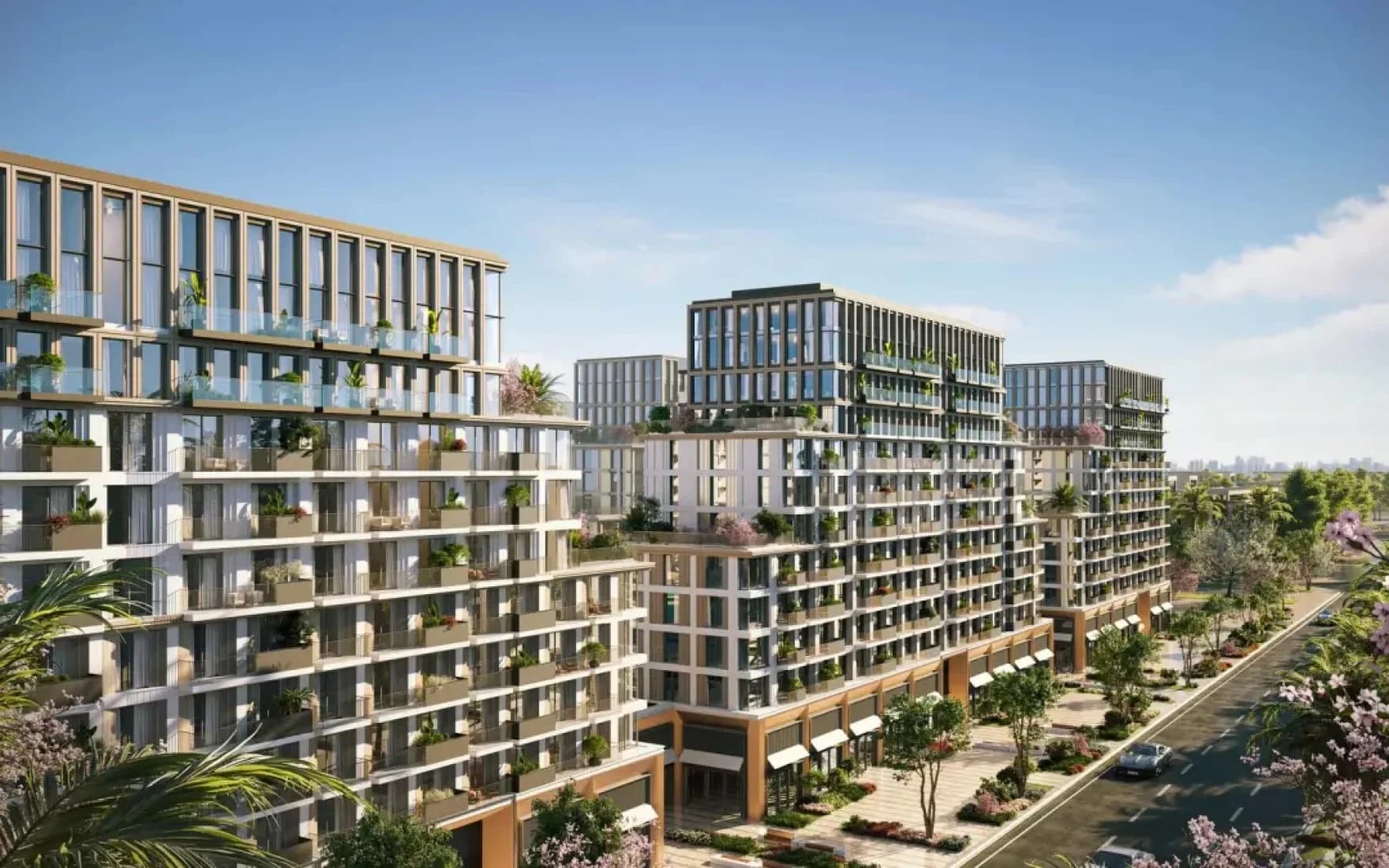
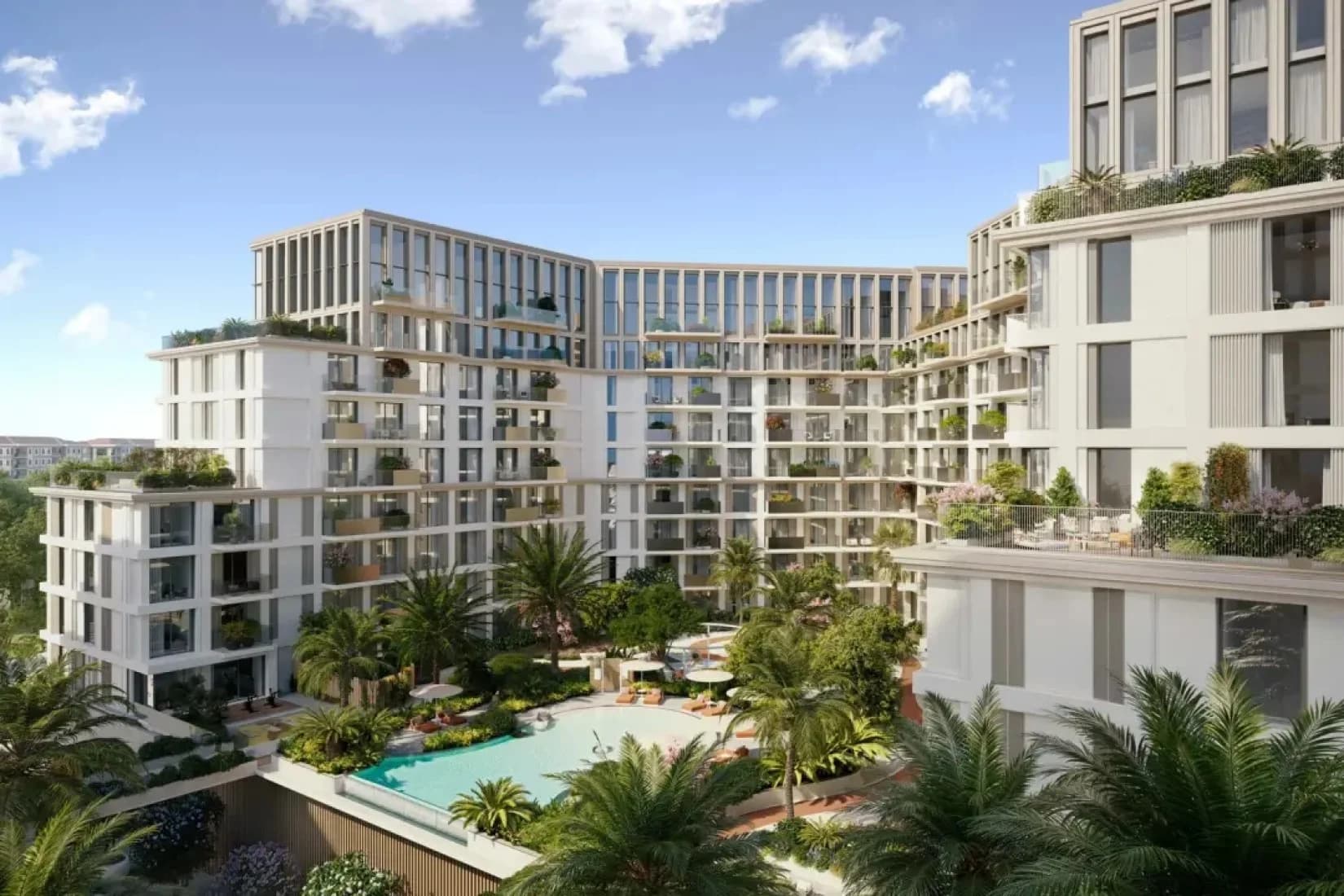
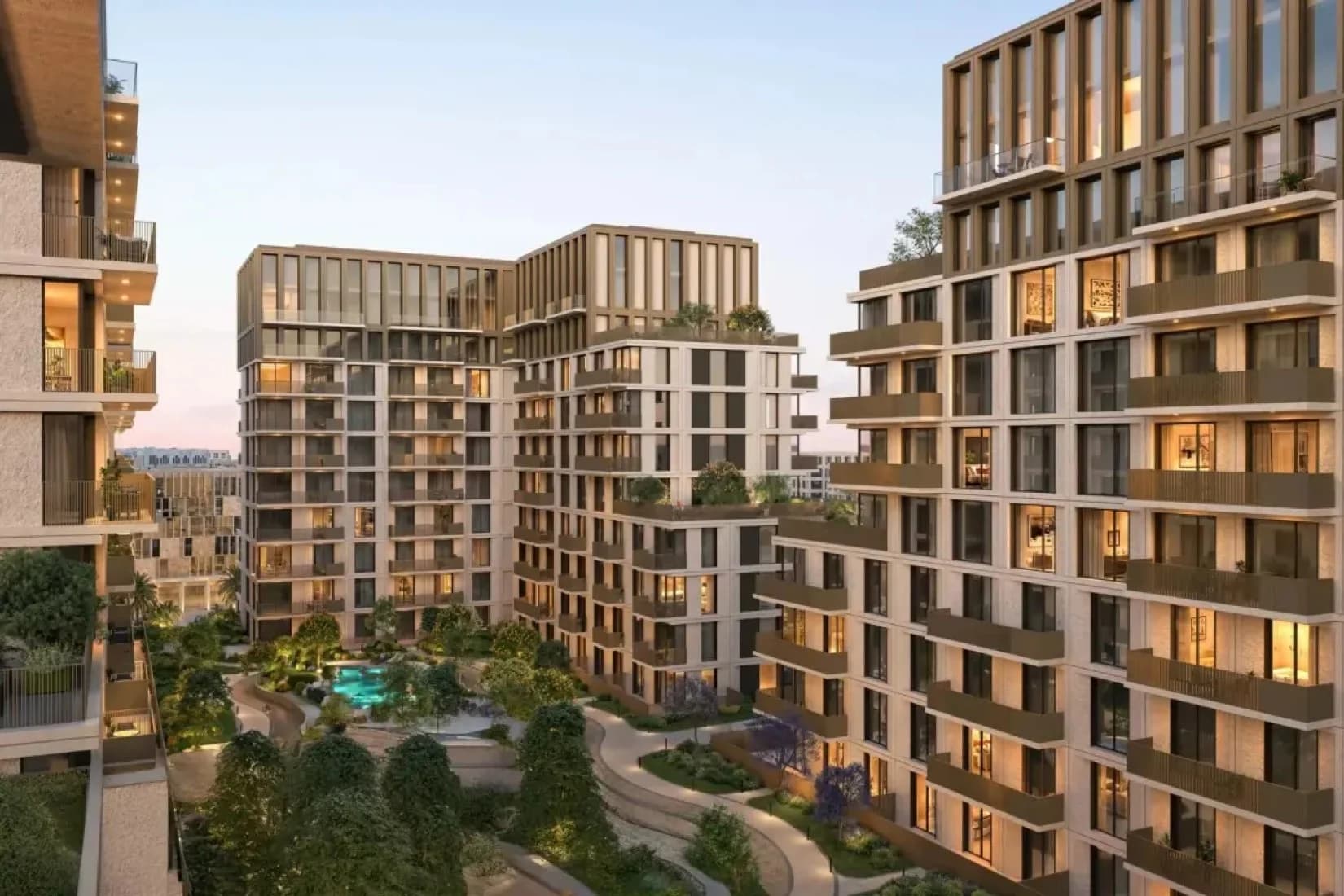
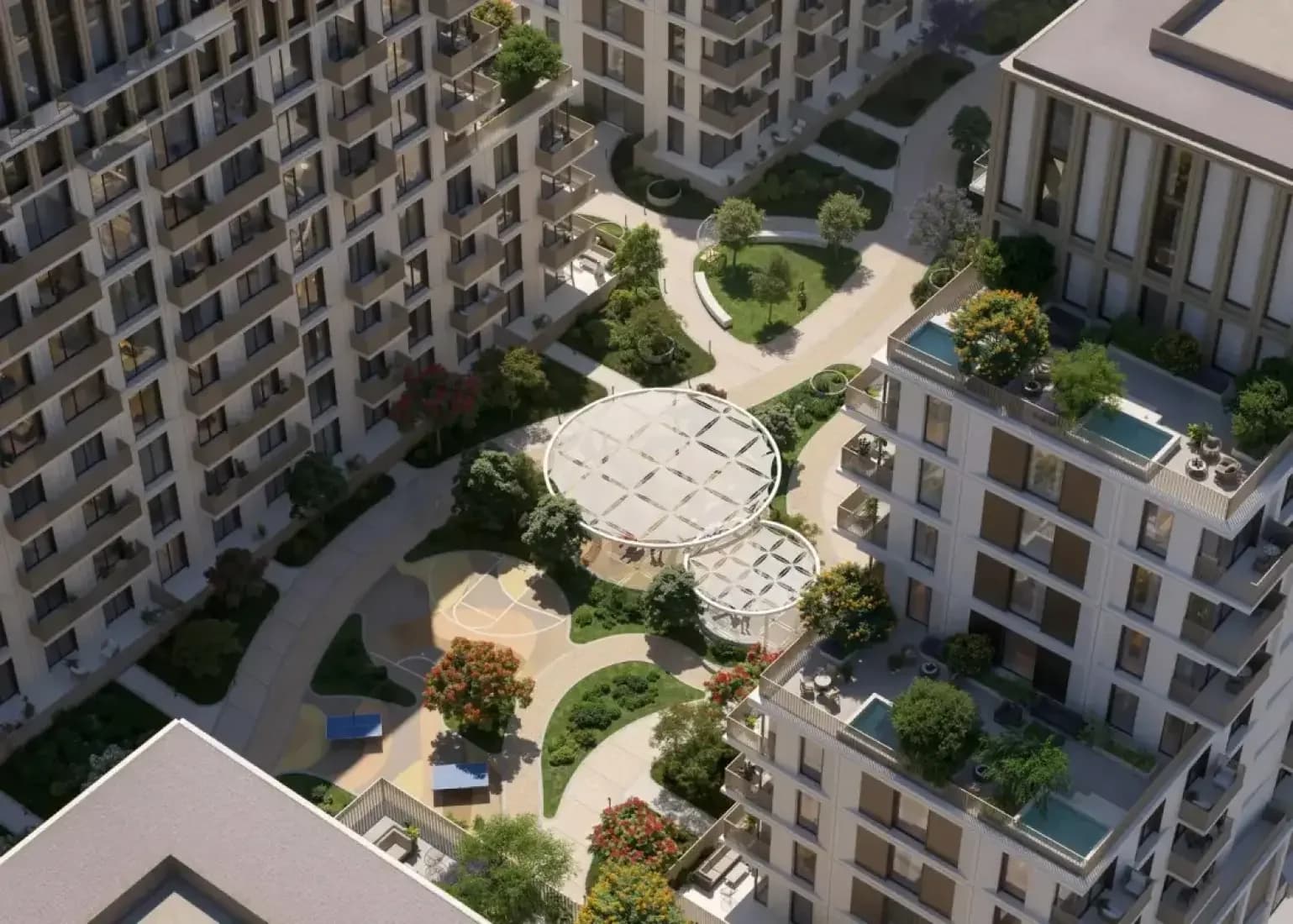
Madinat Al Mataar translates from Arabic The name communicates the concept directly: a planned mixed-use urban precinct built around Al Maktoum International Airport in Dubai South, southwest of the city. The zone is designed to serve aviation-related employment, logistics operations, hospitality, and residential demand generated by what is planned to be the world's largest airport by passenger capacity.
The investment case here differs fundamentally from yield-play industrial corridor zones like Al Yalayis or Saih Shuaib. Madinat Al Mataar is a planned urban development with master developer oversight, Route 2020 Metro connectivity nearby, and a long-term demand narrative anchored in one of the most significant infrastructure projects in the Gulf. Current yields of 6-8.5% are lower than the corridor zones, but the capital appreciation upside tied to airport expansion is a more credible thesis here than in any adjacent zone.
Why Investors Choose Madinat Al Mataar
The primary investment driver is the Al Maktoum International Airport expansion. Dubai Airports has announced plans to develop Al Maktoum into the world's largest airport, capable of handling 260 million passengers per year at full buildout. The construction program will generate direct employment in the hundreds of thousands. An airport of that scale creates demand for residential, hospitality, commercial, and retail real estate in the immediate vicinity. Madinat Al Mataar is positioned to capture that demand by design. Source: Dubai Airports, Dubai South Authority, 2025.
The Route 2020 Metro extension already serves the broader Dubai South corridor, with the Expo City terminus approximately 10-15 minutes from the zone. The planned extension of the metro further into the airport precinct, if confirmed, would directly enhance Madinat Al Mataar's connectivity and tenant appeal. At AED 700-1,200/sqft, the zone is priced above the industrial corridor alternatives but below the more central Dubai benchmarks that a mature airport city would eventually command.
Madinat Al Mataar at a Glance
| Metric | Detail |
|---|---|
| DLD zone name | Madinat Al Mataar |
| Translation | City of the Airport |
| Location | Dubai South, adjacent to Al Maktoum International Airport |
| Property types | Residential apartments, hotel and serviced apartments, commercial |
| Tenure | Freehold |
| Price range | AED 700-1,200/sqft |
| Gross yield | 6-8.5% |
| Route 2020 Metro | Expo City terminus 10-15 min drive |
| Al Maktoum Airport | Direct adjacency |
| Emaar South | Within 5 km |
| Data source | DLD transaction data, Property Monitor, Q1 2026 |
Property Types and Price Ranges
| Type | Size (sqft) | Price (AED/sqft) | Annual rent (AED) |
|---|---|---|---|
| Studio | 400-600 | 900-1,200 | 38,000-58,000 |
| 1-bedroom apartment | 700-1,000 | 850-1,150 | 58,000-85,000 |
| 2-bedroom apartment | 1,100-1,500 | 800-1,100 | 80,000-118,000 |
| 3-bedroom apartment | 1,500-2,100 | 750-1,050 | 105,000-150,000 |
| Serviced apartment unit | 350-700 | 1,000-1,200 | Nightly/weekly rates, gross yield up to 8.5% |
Serviced apartments and hotel apartment units serve the short-stay demand from aviation industry workers, airport visitors, and business travellers. This product category generates the highest gross yields in the zone but requires specialist hospitality management rather than conventional residential letting. Investors considering serviced apartment units should work with licensed hospitality management operators and understand the different cost structure versus standard residential letting.
Rental Yields and Investment Potential
| Unit type | Gross yield | Net yield (est.) |
|---|---|---|
| Studio | 7.5-8.5% | 6-7% |
| 1-bedroom | 7-8% | 5.5-6.5% |
| 2-bedroom | 6.5-7.5% | 5-6% |
| 3-bedroom | 6-7% | 4.5-5.5% |
| Serviced apartment | 7.5-8.5% | 5.5-7% |
Net yield estimates deduct service charges (AED 14-20/sqft for newer airport city buildings), management fees (5-8% for conventional residential, 15-20% for serviced apartments including hospitality management), and a vacancy allowance of 4-8 weeks. Serviced apartment net yields are sensitive to occupancy rates. A unit achieving 80% occupancy generates very different returns from one at 60%. Base yield calculations on 70% occupancy as a conservative assumption. Source: Property Monitor, DTCM, 2026.
Current yields of 6-8.5% are lower than the high-yield industrial corridor zones. The investment thesis for Madinat Al Mataar incorporates a capital appreciation component that the corridor zones lack. Investors who buy the airport expansion narrative should model total return (yield plus appreciation) over a 7-12 year horizon rather than focusing exclusively on current income.
Schools Near Madinat Al Mataar
| School | Rating | Distance |
|---|---|---|
| GEMS International School Al Khail | Good (KHDA) | 25-30 min drive |
| Emaar South School (planned) | Not yet KHDA rated | Within Dubai South |
| Delhi Private School | Good (KHDA) | 25-30 min drive |
| JSS International School | Good (KHDA) | 30 min drive |
School infrastructure in and around Madinat Al Mataar is developing in line with the broader Dubai South residential build-out. International school provision is improving but remains limited compared to established Dubai residential communities. The zone's airport city concept means the immediate resident population skews toward aviation industry workers and business travellers rather than long-stay families with school-age children. As the residential component of Dubai South matures, school provision will improve. Investors targeting family tenants should note this gap in current infrastructure.
Infrastructure and Connectivity
Madinat Al Mataar is adjacent to Al Maktoum International Airport, which provides a unique connectivity characteristic: direct access to international air travel from the residential zone. Sheikh Mohammed Bin Zayed Road (E311) connects the zone to central Dubai, with Dubai Marina approximately 40 minutes and Downtown Dubai approximately 45 minutes under normal traffic.
The Route 2020 Metro currently terminates at Expo City Dubai, approximately 10-15 minutes by road from Madinat Al Mataar. This is functional rather than walkable metro access, but it demonstrates the committed public infrastructure investment in the Dubai South corridor. The UAE government has confirmed plans to extend the metro deeper into the airport precinctruction progresses. When that extension opens, it will materially improve the zone's connectivity profile and tenant appeal. The timeline for metro extension remains subject to construction scheduling. Source: RTA, 2025.
Dubai South's internal infrastructure including roads, utilities, retail, and hospitality is developing rapidly. The Emaar South residential community 5 km away provides a reference point for what the zone will eventually look like as development matures. The commercial zones of the airport city, including free zone offices and logistics facilities, are operational and expanding.
Key Developers and Active Projects
Dubai South Authority is the master developer overseeing the overall zone, providing an institutional framework and quality oversight absent in the Al Yalayis and Saih Shuaib corridor zones. Emaar Properties is the most prominent private developer in the adjacent Dubai South residential areas, with Emaar South within 5 km providing a quality benchmark for the broader precinct.
Active development in Madinat Al Mataar and the broader airport city zone includes hospitality, mixed-use residential, and commercial projects. Several hotel brands and serviced apartment operators have established presence in the zone, responding to aviation industry demand. Off-plan residential projects are available from developers with Dubai South Authority approval, offering payment plans that spread acquisition cost over the construction period.
Browse properties on Oliva
How Madinat Al Mataar Compares to Similar Areas
| Area | Price (AED/sqft) | Gross yield | Metro | Key feature |
|---|---|---|---|---|
| Madinat Al Mataar | 700-1,200 | 6-8.5% | 10-15 min drive (Expo) | Airport city, master planned, Al Maktoum upside |
| Dubai South | 650-1,050 | 7-9% | Route 2020 nearby | Broader Dubai South zone, established residential |
| Expo City Dubai | 900-1,400 | 6-8% | Direct (Route 2020) | Post-Expo legacy zone, hotel and mixed-use |
| Emaar South | 850-1,200 | 6.5-8% | Route 2020 nearby | Emaar brand, golf community, strong quality |
| Saih Shuaib 1 | 400-700 | 9-13% | None | Higher yield, no master developer, industrial character |
Madinat Al Mataar occupies a distinct position in the Dubai South ecosystem: planned airport city product with master developer oversight, Route 2020 Metro proximity, and the most direct exposure to Al Maktoum Airport expansion demand. The yield premium versus the corridor zones is absent here, but the capital appreciation thesis is more credible than in any adjacent zone.
Who Should Invest in Madinat Al Mataar?
Madinat Al Mataar suits investors who combine income requirements with a belief in the Al Maktoum Airport expansion timeline. Deploying AED 700,000-2,000,000 into a one or two-bedroom apartment, collecting 6-8% gross yield while holding for a 7-12 year horizon to capture airport-driven capital appreciation, is the coherent investment thesis for this zone.
Serviced apartment investors with hospitality management experience will find the short-stay demand from aviation and business travellers attractive. The gross yield profile on serviced apartments is similar to conventional residential, but the management complexity and cost structure differ. This product type is best suited to investors with prior short-term rental market experience or who engage a professional hospitality operator from the outset.
Investors seeking maximum current yield should look at the Al Yalayis and Saih Shuaib zones instead. Madinat Al Mataar is for investors who are prepared to accept a lower current yield in exchange for a stronger total return narrative over a long holding period.
What to Watch Out For
The airport expansion timeline is the primary risk. Al Maktoum Airport's full buildout is a multi-decade project. Phases have been confirmed and construction is active, but large infrastructure projects of this scale face scheduling changes. Investors who price in rapid capital appreciation on a 3-5 year horizon are taking concentrated exposure to construction and regulatory timelines they cannot control. Underwrite the current yield as your base case and treat appreciation as upside.
Service charges in newer airport city buildings are higher than in older Dubai residential zones. AED 14-20/sqft annually is the typical range for buildings with the hospitality-grade facilities and shared infrastructure that airport city concepts require. Factor this cost explicitly into net yield calculations. A 7.5% gross yield with AED 18/sqft service charges on a 1,000 sqft apartment means AED 18,000 in annual charges against AED 70,000-80,000 in rent, which materially affects net income.
How to Invest Through Oliva
Oliva lists verified properties across the Dubai South and Madinat Al Mataar precinct. Each listing includes DLD-confirmed pricing, yield analysis based on confirmed comparable rents in the zone, service charge data, and full cost-of-ownership breakdowns. For airport city zones with a long-term appreciation thesis, we present the yield and the appreciation narrative separately so you can evaluate each component of the return independently.
Browse properties on Oliva
Frequently Asked Questions
What does "Madinat Al Mataar" mean and why does the name matter for investment?
Madinat Al Mataar means "City of the Airport" in Arabic. The name reflects the zone's planned function as a mixed-use urban precinct built around Al Maktoum International Airport in Dubai South. The concept directly links the zone's long-term value to airport development. When evaluating investment in this zone, the airport expansion timeline is the central variable in any capital appreciation thesis.
Is the Al Maktoum Airport expansion a reliable investment driver?
The airport expansion is confirmed and construction is active. It represents one of the largest aviation infrastructure projects in the world. The scale and Dubai government commitment make it more credible than many infrastructure-dependent investment theses. The risk is timeline: full buildout spans decades, and phased delivery means the demand surge for residential property near the airport will be gradual rather than immediate. Underwrite current yield as base case and treat airport-driven capital appreciation as upside over a 7-12 year horizon.
How does Route 2020 Metro access affect the Madinat Al Mataar investment case?
The current Route 2020 Metro terminates at Expo City Dubai, approximately 10-15 minutes by road from Madinat Al Mataar. This provides functional but not walkable metro access. Plans to extend the metro further into the airport precinct would materially improve the zone's connectivity and tenant appeal if confirmed and delivered. Metro extension represents upside optionality rather than a current feature. Source: RTA, 2025.
Are serviced apartments in Madinat Al Mataar a good investment?
Serviced apartments targeting short-stay aviation and business travel demand can generate gross yields of 7.5-8.5%. Net yields depend heavily on occupancy rates. Conservative modelling at 70% occupancy is appropriate for this corridor. Serviced apartment investment requires specialist hospitality management, which incurs costs of 15-20% of gross revenue versus 5-8% for conventional residential management. This product is appropriate for investors with hospitality management experience or who engage a professional operator from day one.
How does Madinat Al Mataar compare to Emaar South for investment?
Emaar South is an established golf community residential development 5 km from Madinat Al Mataar, with stronger brand recognition, better existing amenities, and a more mature secondary market. Emaar South prices AED 850-1,200/sqft with gross yields of 6.5-8%. Madinat Al Mataar offers more direct exposure to airport expansion demand at AED 700-1,200/sqft with yields of 6-8.5%. Investors who prioritise brand quality and liquidity should favour Emaar South. Investors who specifically want airport city exposure and are comfortable with a newer, less established community should consider Madinat Al Mataar.
Explore further
The project, area, and developer this post covers, with live Dubai Land Department data.
Related articles

Dubai Land Department: The Complete 2026 Investor Guide

Dubai South: Complete Investor Guide 2026 (Dubai South)

Expo City Dubai: Complete Investor Guide 2026

Emaar South (Dubai): Complete Investor Guide 2026

Wasl Gate: Complete Investor Guide 2026