Underwrite before you commit
The figures in this post are checked against Dubai Land Department records and RERA filings. Get an independent underwriting score on any project, or ask Javier on WhatsApp.
Two Nakheel Waterfronts, Two Very Different Bets
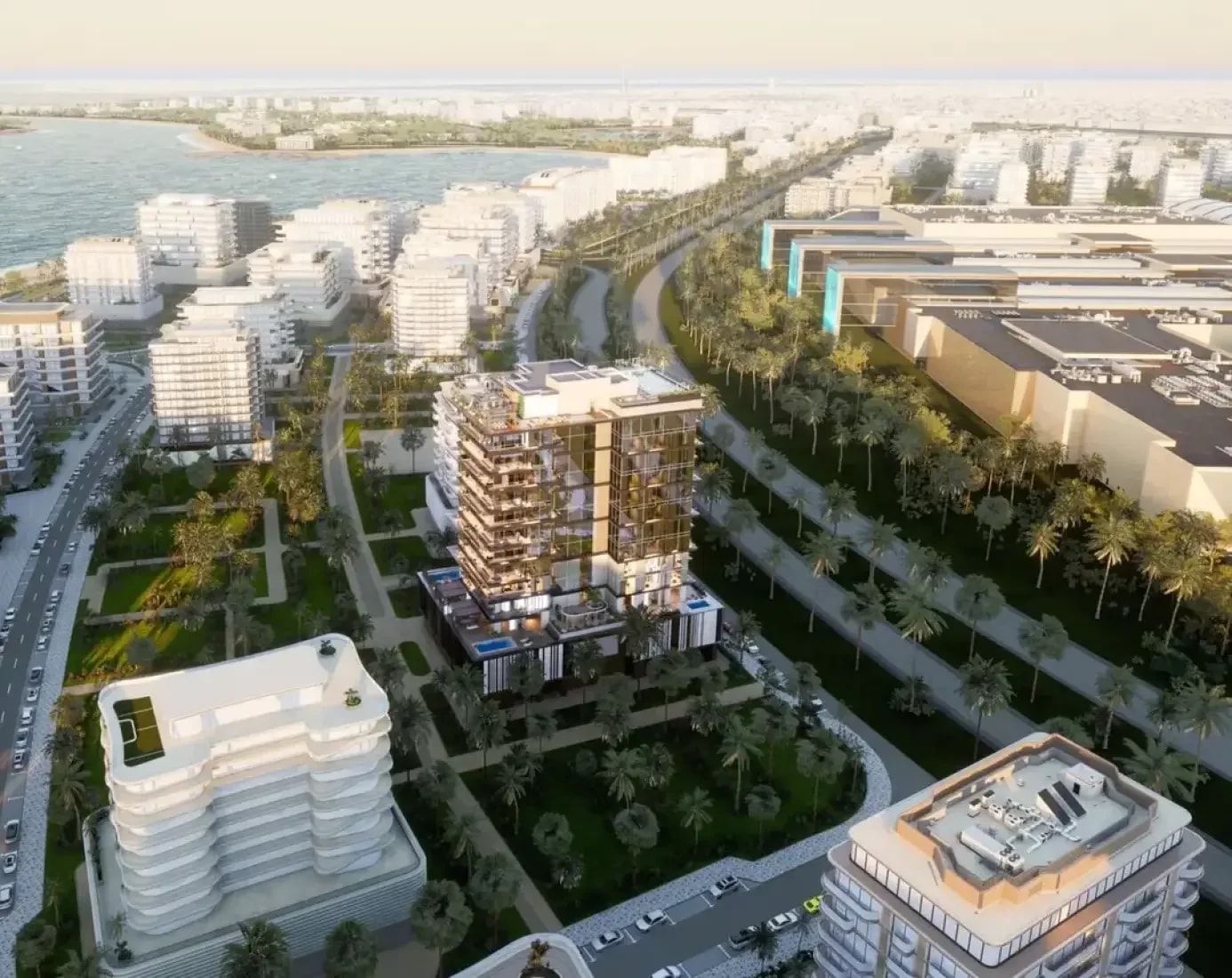
Dubai Islands
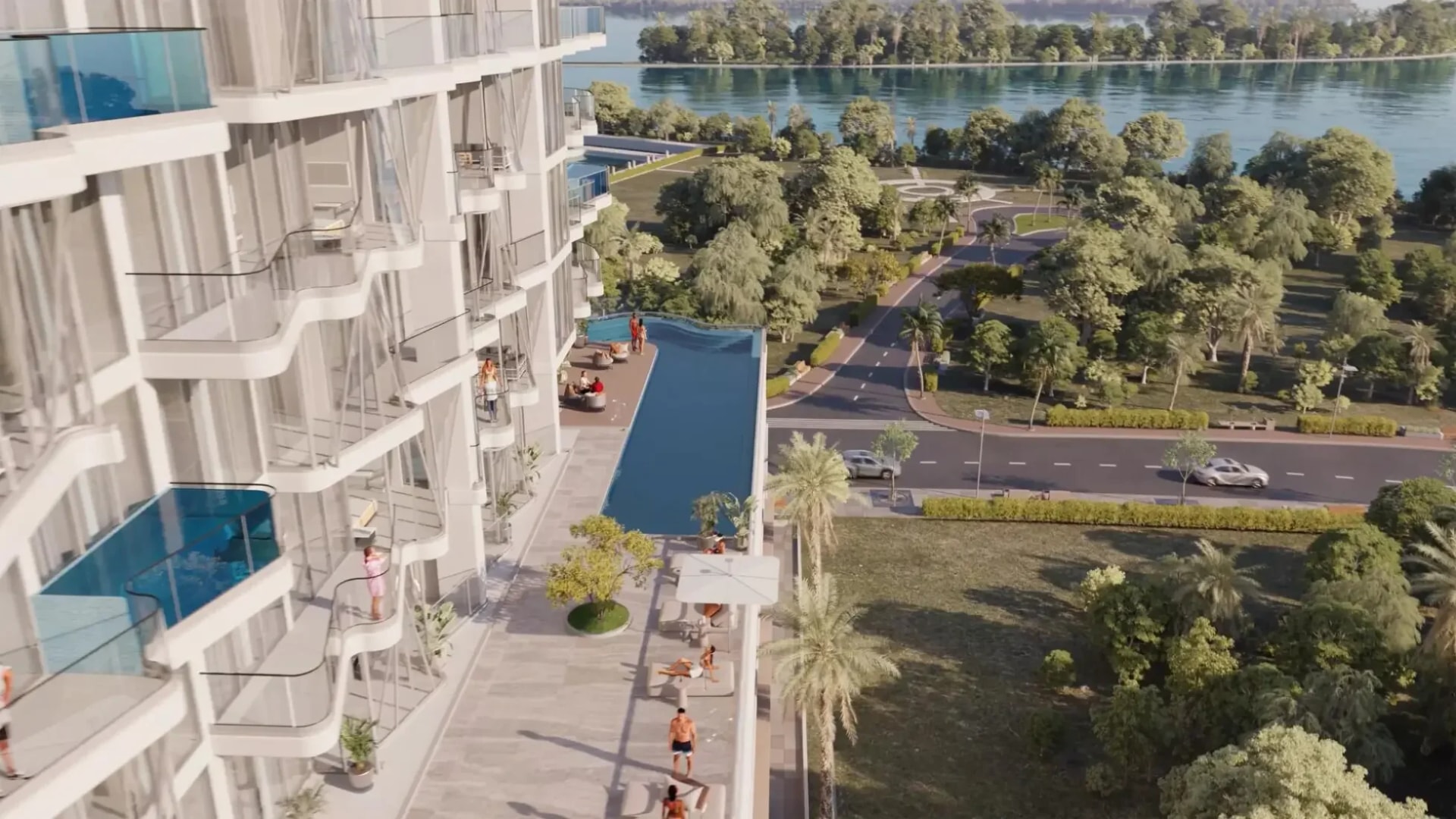
and Palm Jumeirah are both Nakheel-built waterfronts. They share a developer, a master plan ambition, and the underlying argument that reclaimed Dubai shoreline holds value across cycles. They also sit at two completely different points on the maturity curve, and that gap is where the investor decision lives in 2026.
Palm Jumeirah's first villas handed over in 2007. The community has 19 years of trading history, a deep secondary market, established branded residence concentration, and a recognised global address. Dubai Islands began its first project handovers in 2024 to 2025. It has 68 active projects, most still under construction, and a master plan that will not finish delivering until 2028 to 2030.
This comparison breaks down the two waterfronts on the metrics that matter for a 2026 investor: price per square foot, yield, transaction liquidity, location maths, branded residence pipeline, and infrastructure maturity. The conclusion is not that one is better than the other. It is that they fit different investor profiles, and choosing wrong on profile fit is the most expensive mistake in this comparison.
Pricing Per Square Foot
Palm Jumeirah apartment pricing in 2025 to Q1 2026 ranges from AED 3,500 to AED 6,000 per square foot per DLD transaction data. Branded residences (One at Palm Jumeirah, Six Senses, Atlantis The Royal Residences) sit at the top of this band and have cleared above AED 7,000 per square foot in the past 18 months. Villas on the Palm fronds run AED 4,000 to AED 7,500 per square foot.
Dubai Islands apartment pricing in 2025 to Q1 2026 ranges from AED 1,800 to AED 3,400 per square foot. Branded residences on Marina Island sit at the top of this range. Townhouses on Shore Island enter at AED 5.2M to AED 7.8M, equating to AED 1,650 to AED 2,400 per square foot on plot-adjusted pricing.
On a like-for-like apartment basis, Dubai Islands enters at roughly 50% of the Palm Jumeirah ticket. That gap is the upside argument for Dubai Islands and the address-premium argument for Palm Jumeirah. Whether the gap closes depends on how successfully Dubai Islands executes its hospitality and infrastructure plan over the next 5 to 7 years.
| Metric | Dubai Islands | Palm Jumeirah |
|---|---|---|
| Apartment AED/sqft | 1,800-3,400 | 3,500-6,000 |
| Villa AED/sqft | 2,200-4,500 | 4,000-7,500 |
| Branded residence ceiling | AED 4,200/sqft | AED 7,200/sqft |
| Entry ticket (1-bed) | AED 1.5-3.2M | AED 2.8-6.5M |
Yield Bands and the Real-World Income Gap
Palm Jumeirah apartment yields run 4.5% to 6.0% gross per DLD price and rent matching. Net yields after service charges (typically AED 18 to AED 30 per square foot in Palm towers), Dubai municipality fee, and management fall to roughly 3.0% to 4.5%. The Palm has been a capital appreciation play more than a yield play across most of its trading history.
Dubai Islands apartments are projected at 6.0% to 8.0% gross yield based on indicative pricing and broker rental forecasts. Realised yields are not yet visible at scale because most stock has not been handed over and tenanted. Net yields are projected at 4.5% to 6.0% after service charges (estimated AED 14 to AED 22 per square foot for current launches, but unverified until building takeover) and management. Those projections are easier to test against a real price list, which is what we do in House of WELL pricing and the Dubai Islands rental context.
The yield gap of roughly 150 to 200 basis points is the central case for Dubai Islands as a yield-play allocation. The risk is that gap compresses faster than expected if 2026 to 2028 supply concentration triggers initial-leasing rent compression. Investors should price the realised gap, not the brochure gap.
| Metric | Dubai Islands (projected) | Palm Jumeirah (DLD-realised) |
|---|---|---|
| Gross yield | 6.0-8.0% | 4.5-6.0% |
| Net yield estimate | 4.5-6.0% | 3.0-4.5% |
| Service charge | AED 14-22/sqft | AED 18-30/sqft |
Transaction Liquidity and Resale
Per DLD, Palm Jumeirah recorded over 7,800 transactions in 2024 across primary, secondary, and assignment trades. The community has 19 years of trading history, which means resale liquidity is deep, comparable sales are abundant, and pricing benchmarks are reliable. An investor exiting a Palm Jumeirah unit in 2026 has multiple comparable trades inside any 90 day window for valuation.
Dubai Islands recorded approximately 4,800 DLD transactions in 2024 and 6,200 in 2025, but the bulk of this is initial Oqood off-plan registrations rather than resale activity. Assignment trades (re-sales of off-plan contracts before handover) totalled roughly 480 in 2024 and 920 in 2025. Secondary handed-over resales are still a small share of total volume because most projects have not completed.
For an investor planning a 5 year hold and exit in 2031, this matters less. By that point Dubai Islands secondary liquidity should be substantially deeper. For an investor planning to flip on assignment inside 18 months, Palm Jumeirah is the more reliable exit market today. Dubai Islands flips work but carry assignment-clearing risk that Palm trades do not.
Location Maths: Airport vs Downtown Beach
The location calculus is the cleanest single point of differentiation between the two waterfronts.
Dubai Islands is 10 minutes from Dubai International Airport (DXB), 15 minutes from Downtown Dubai, 25 minutes from Dubai Marina, 30 minutes from DIFC. The airport proximity is the strongest commercial differentiator and supports short-term rental, serviced apartment, and aviation-industry tenant demand.
Palm Jumeirah is 25 to 35 minutes from DXB depending on traffic, 25 minutes from Downtown Dubai, 12 minutes from Dubai Marina, 30 minutes from DIFC, and 10 minutes from Mall of the Emirates. The Palm sits in the prime Jumeirah corridor with deep beach club, restaurant, and luxury retail infrastructure within a 5 to 10 minute drive.
For investors targeting hospitality and short-stay tenant demand, Dubai Islands' DXB proximity is the more powerful asset. For investors targeting end-user families, lifestyle tenants, and prime-address resale liquidity, Palm Jumeirah's Jumeirah corridor context is the stronger play. Neither location is universally better. They serve different tenant economies. The same waterfront-against-waterfront question comes up closer in, in House of WELL against Oceanz 2 in Dubai Maritime City.
Branded Residence Pipeline
Palm Jumeirah is one of Dubai's deepest branded residence markets. Operators include One at Palm Jumeirah, Six Senses, Atlantis The Royal Residences, Como, W Residences, Anantara, Raffles, and Cipriani. The branded residence concentration is a meaningful capital appreciation driver because these projects clear at AED 5,500 to AED 7,200 per square foot and pull broader Palm pricing upward as comparable trades.
Dubai Islands' branded residence pipeline in 2026 is concentrated on Marina Island and includes announced launches with Mandarin Oriental, Banyan Tree, and several mid-tier hospitality brands. The pipeline is real but materially shorter than Palm Jumeirah's. Branded residences typically launch at a 25% to 40% pricing premium over comparable non-branded stock in the same micro-market.
If the branded residence thesis is central to your investment, Palm Jumeirah's mature operator concentration is the higher-conviction allocation today. Dubai Islands offers earlier-stage exposure to a developing branded residence corridor at lower entry pricing, with the upside that Marina Island branded stock could clear at meaningful premiums by 2028 to 2030 if the marina ecosystem delivers.
Infrastructure Maturity
Palm Jumeirah's infrastructure is fully delivered. The Atlantis hotel, Nakheel Mall, the Pointe, Palm Tower, and the trunk-and-frond road network are all operational. The Palm Monorail connects the trunk to the Atlantis area. Beach access, retail, and F&B are mature. Investors buying on the Palm in 2026 know exactly what they are buying.
Dubai Islands infrastructure delivery extends through 2028 to 2030. Bridge connections, the Dubai Islands Mall, the Beach Promenade, and most of the planned 80 hotels and resorts are still under construction or unbuilt. Investors holding 2026 to 2027 handover positions will receive their unit before the surrounding ecosystem is complete.
This infrastructure-maturity gap is the single biggest risk-and-opportunity asymmetry between the two waterfronts. Palm Jumeirah is a known, finished asset. Dubai Islands is a build-out bet. The price differential reflects the gap. Whether the gap is correctly priced is the question every investor needs to answer for themselves.
Which Waterfront Fits Which Investor
Choose Palm Jumeirah if: You want established address recognition, deep secondary liquidity, mature branded residence inventory, and accept lower yields in exchange for proven capital preservation. Hold horizons under 3 years are workable on the Palm but uncomfortable on Dubai Islands given assignment-clearing risk.
Choose Dubai Islands if: You want airport-proximity tenant demand, higher projected yields, lower entry pricing per square foot, and accept infrastructure-build-out risk in exchange for earlier-stage upside on a Nakheel master plan. Hold horizons of 5 years or longer match the development arc better than short-term flips.
Choose both if: Your portfolio has the size to absorb diversified Dubai waterfront exposure. Palm Jumeirah anchors capital preservation. Dubai Islands provides yield and growth tilt. The two are complementary rather than directly substitutable.
Investors weighing this comparison can browse Dubai Islands and Palm Jumeirah inventory side by side on Oliva.
Your Next Steps
- Decide whether your priority is yield, address recognition, or both. The answer determines which waterfront is the cleaner allocation.
- Set your hold horizon. Sub-3-year holds favour Palm Jumeirah. 5+ year holds open Dubai Islands as a serious option.
- Validate developer and project specifics. Both waterfronts are Nakheel master plans, but individual project developers differ. Cross-check RERA escrow registration, Trakheesi-permitted updates, and DLD project status before signing.
- Run the realised-yield maths, not the brochure-yield maths. Service charges, management costs, and initial vacancy compress headline yield by 150 to 250 basis points.
- Browse current inventory by waterfront, project, unit type, and yield band on Oliva.
Frequently Asked Questions
Is Dubai Islands cheaper than Palm Jumeirah?
Yes. Dubai Islands apartments price at AED 1,800 to AED 3,400 per square foot in 2025 to Q1 2026, versus AED 3,500 to AED 6,000 on Palm Jumeirah. The roughly 50% entry-price gap reflects Palm Jumeirah's mature address recognition and 19 years of trading history versus Dubai Islands' earlier development stage. Whether the gap closes depends on Dubai Islands' infrastructure execution over the next 5 to 7 years.
Which has higher rental yields?
Dubai Islands has higher projected yields at 6.0% to 8.0% gross versus Palm Jumeirah's realised 4.5% to 6.0% gross. The gap of 150 to 200 basis points reflects Dubai Islands' lower entry pricing and airport-driven tenant demand. The risk is that 2026 to 2028 supply concentration could compress initial-leasing rents faster than projected, narrowing the realised yield gap.
Which is better for capital appreciation?
Palm Jumeirah has a 19 year track record of capital appreciation and proven address recognition. Dubai Islands is a build-out bet on a master plan that finishes delivering in 2028 to 2030. Investors with conviction in Nakheel's execution and a 5 to 7 year horizon may capture stronger appreciation on Dubai Islands from a lower entry price. Investors who prioritise capital preservation should lean toward Palm Jumeirah.
How long is the hold period for each?
Palm Jumeirah supports hold periods from 18 months to 10+ years given mature secondary liquidity. Dubai Islands works for 5+ year holds aligned with master plan completion. Sub-3-year flips on Dubai Islands carry assignment-clearing risk because secondary inventory is limited and competing developer launches still absorb buyer demand.
Can I get a mortgage on Dubai Islands properties?
Yes, but most Dubai Islands inventory in 2026 is off-plan, which means mortgage availability is tied to construction milestones. UAE banks typically issue mortgages at handover or near-completion stages. Off-plan payment is generally funded directly from buyer cashflow on the developer's payment plan. Confirm specific mortgage availability with a UAE-licensed mortgage broker before signing.
Do both have beach access?
Yes. Palm Jumeirah has continuous beach access along the trunk and frond shorelines, including public beaches and beach club access. Dubai Islands has continuous beach access planned along Shore Island's eastern shoreline, with the Beach Promenade delivering in phases through 2027 to 2028. Phase 1 of the promenade opened in 2025.
Explore further
The project, area, and developer this post covers, with live Dubai Land Department data.
Related articles

Dubai Islands: The 2026 Investor Guide

Dubai Islands Apartment Prices and Yields: 2026 Data

Nakheel: Developer Track Record and Dubai Islands Risk

Dubai Islands Handover Timeline and Construction Stage 2026

Wadi Al Safa 5 investor area guide: around Nuve by Zoya (2026)

Dubai Residence Complex for investors: the area around Celesto 2 (2026)
Related Dubai property analysis from the Oliva editorial team.