
Underwrite before you commit
The figures in this post are checked against Dubai Land Department records and RERA filings. Get an independent underwriting score on any project, or ask Javier on WhatsApp.
Key Takeaways on Al Yufrah Investment
High Rental Yields: Al Yufrah offers gross rental yields of 8-10%, which is significantly higher than returns in major Western markets like London or New York.
Affordable Entry Points: Villa prices range from approximately $410,000 to $1.09 million, allowing for portfolio diversification across multiple properties rather than concentrating capital in one expensive asset.
Location Trade-Off: The area is about a 25 to 30-minute commute from Dubai's central business districts, attracting tenants who prioritise larger living spaces and affordability over proximity to the city centre.
Unit Economics Vary: Three and four-bedroom villas are the most liquid and have consistent demand from families, while five-bedroom villas offer higher absolute rent but come with increased vacancy risk and longer selling times.
Developing Infrastructure: The community's infrastructure is still in its early stages, meaning tenants rely on neighbouring districts for schools and comprehensive retail, a factor that influences rental demand.
True Cost of Ownership: After factoring in acquisition costs (around 7-8%) and ongoing expenses like service charges and maintenance, the gross yield of 8-10% typically translates to a net yield of 6-7%.
Essential Due Diligence: The presence of multiple developers results in varied build quality, making professional property inspections an essential step to avoid unforeseen maintenance costs.
Clear Exit Strategy: While Dubai has no capital gains tax and straightforward capital repatriation, selling a property in Al Yufrah can take between three and twelve months, depending on market conditions.
Market Overview: Al Yufrah Investment Returns
These aren't developer projections or off-plan promises. We're talking actual rental returns from villas that exist, have tenants in them, and sit in a freehold market where you get proper title deeds and can move your capital out when you want.
Entry points start around $410,000 for a three-bedroom villa, topping out near $1.09 million for five-bedroom properties. That $435,000 flat in Zone 3 generating $1000 a month? Similar capital in Al Yufrah produces between $3,000 and $3,500 monthly.
Rental Yields in Al Yufrah: 8-10% Villa Analysis
That 8-10% yield range isn't coming from marketing brochures. When you dig into properties that have leased in the past six months, the numbers hold up consistently.
Al Yufrah rental yield fundamentals:
Gross rental yields: 8-10% across villa segments based on current market transactions
Yield comparison: 3-4x higher than London (2-3%) or New York (sub-2%) equivalents
Tenant demand: Stable mid-income expatriate families and local households
Market dynamics: Driven by population growth rather than speculative investment
Let's make this concrete. Say you've got $670,000 in a London buy-to-let generating $17,000 annually at 2.5% before maintenance and void periods. That same capital in Al Yufrah produces roughly $36,500 to $45,500 in annual rental income. That's the yield arbitrage worth the hassle of proper due diligence.
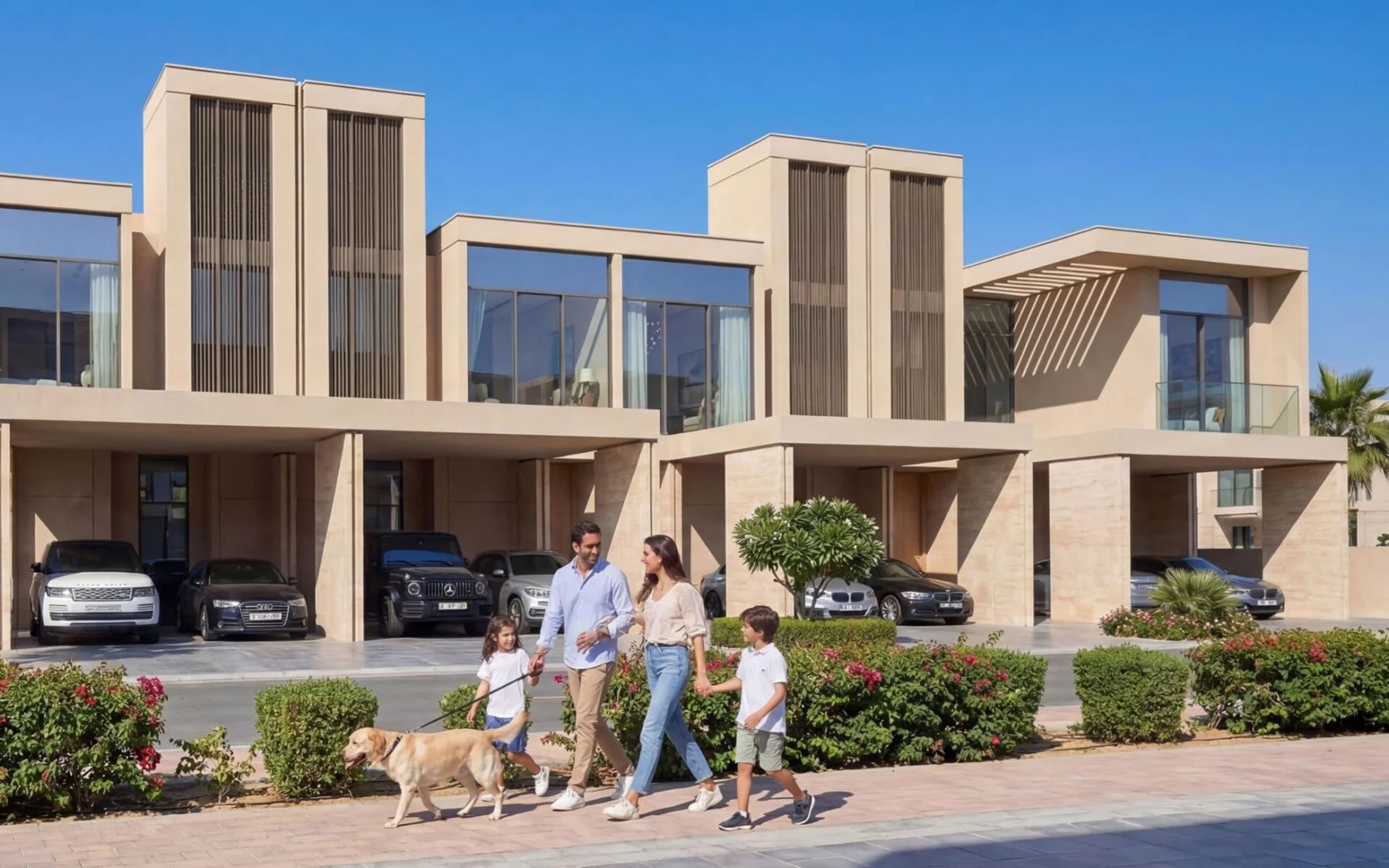
The tenant base is primarily mid-income expatriate families and local households seeking affordable villa accommodation within reasonable distance of employment centres. Demand stays steady, driven by Dubai's population growth and limited villa supply at this price point.
Al Yufrah Property Prices: Affordable Villa Entry Points
Al Yufrah's pricing reflects where it sits in Dubai's pecking order - developing community, not an established district like Arabian Ranches. That positioning creates the yield differential you're after.
Al Yufrah villa prices by property type:
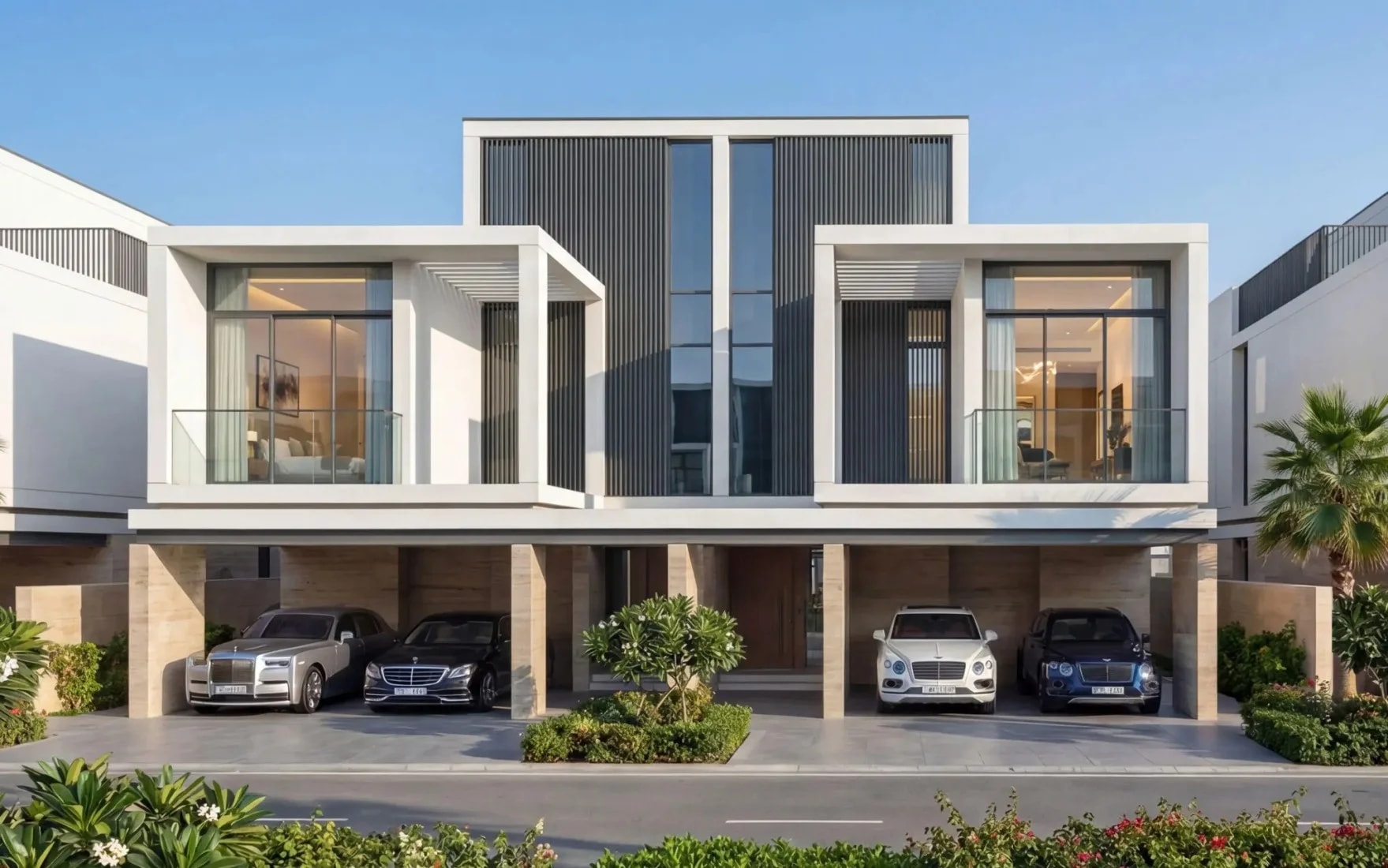
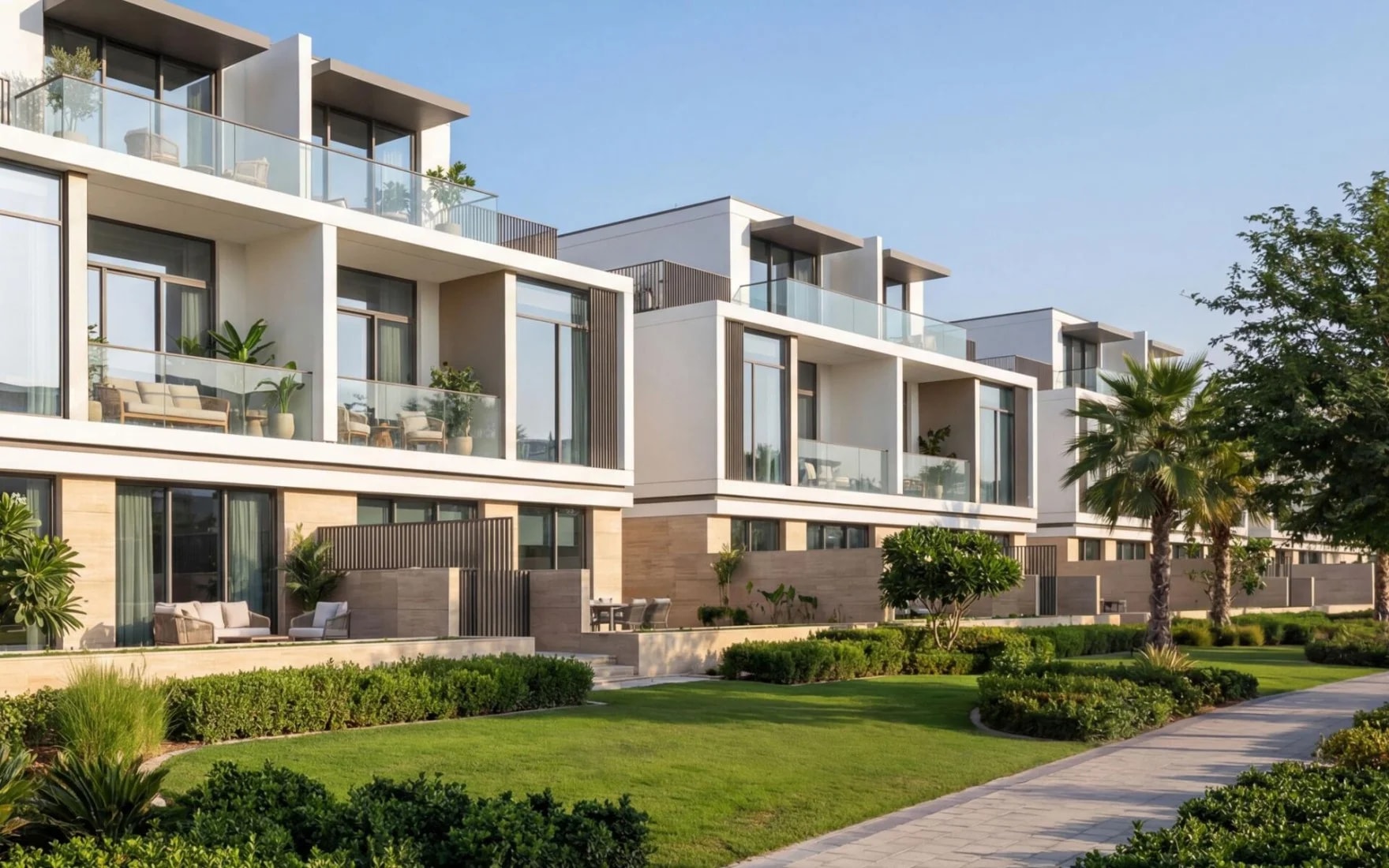
3-bedroom villas: $410,000 to $600,000 (small family homes)
4-bedroom villas: $545,000 to $820,000 (mid-market family homes)
5-bedroom villas: $765,000 to $1,090,000 (large family and executive properties)
Price determinants: Plot size, build quality, specific cluster location, developer reputation
Here's why these entry points matter. You've got $1.5 million in capital. Your choice is basically one mediocre property in West London or three to four income-generating villas in Al Yufrah. That diversification across multiple tenancies reduces concentration risk whilst maintaining aggregate yields that Western markets cannot deliver anymore.
The trade-off? Al Yufrah sits further from Dubai's central business districts, impacting tenant profile and capital appreciation potential. But if you're prioritising yield over location prestige (and you should be), that's precisely the arbitrage opportunity sitting here.
Al Yufrah Location and Connectivity
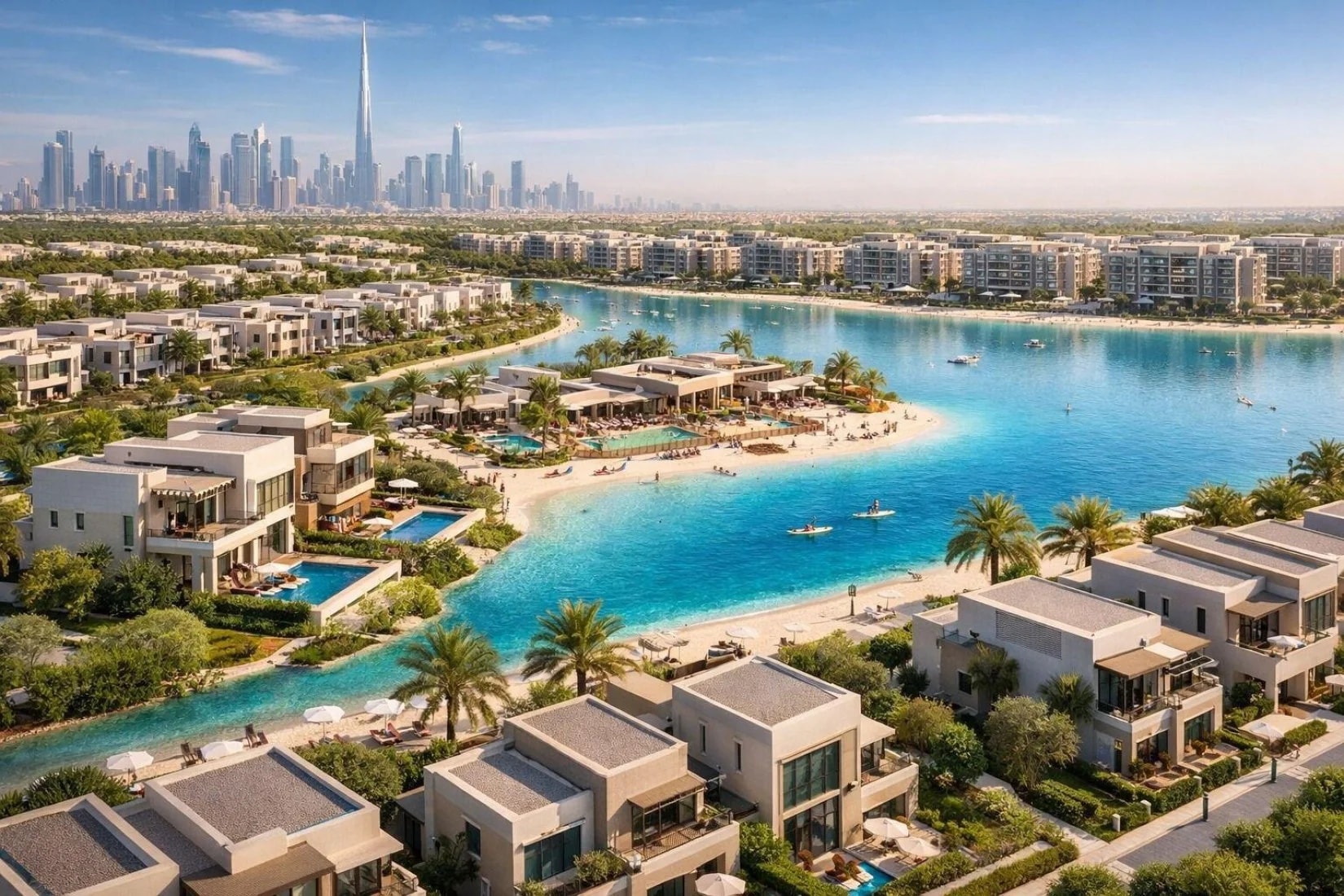
Geography drives rental demand. Al Yufrah's position on the Dubai-Al Ain Road (E66) creates both opportunity and constraint - direct arterial access to established areas at below-market pricing, but with commute dependencies you need to understand.
Proximity to Nad Al Sheba, Meydan, and Dubai-Al Ain Road
Al Yufrah borders established communities, including Nad Al Sheba and Meydan, both known for equestrian facilities and golf infrastructure. The E66 provides access to these areas in 10 to 20 minutes under normal traffic.
This proximity means tenants get access to existing amenities and schools without paying Meydan premiums. However, Al Yufrah's own infrastructure remains in earlier development phases, creating dependency on neighbouring areas for essential services.
Distance to Business Bay, Downtown Dubai, and Employment Hubs
Employment accessibility drives tenant demand anywhere. Al Yufrah sits roughly 25 to 30 minutes from Business Bay and Downtown Dubai under normal traffic conditions.
Al Yufrah travel times to key Dubai locations:
Nad Al Sheba: 10-15 minutes (neighbouring equestrian community)
Meydan: 15-20 minutes (established residential and leisure district)
Dubai Outlet Mall: 20 minutes (major retail destination)
Business Bay: 25-30 minutes (central business district)
Downtown Dubai: 25-30 minutes (Burj Khalifa and Dubai Mall area)
Dubai International Airport: 30 minutes (international connectivity)
Properties in Al Yufrah attract households willing to accept longer commutes for larger living spaces and lower costs. Your typical tenant profile includes families with children who value space over convenience, remote workers, or professionals with flexible schedules, rather than someone grinding through the 9-to-6 in a Business Bay office.
The risk consideration is simple. If commute times become prohibitive or comparable properties emerge closer to employment centres, tenant retention weakens. That's the location trade-off you're accepting for those 8-10% yields.
Unit Economics by Property Type
Yields vary meaningfully depending on property size. Understanding these economics determines where you should actually be allocating capital within Al Yufrah. Let's break down what different villa types actually return after you account for realistic tenant profiles and holding costs.
Three and Four-Bedroom Villas: Family Tenant Demand
Mid-sized villas capture the primary rental market in Al Yufrah. There's good reason for that, actually. These units hit the sweet spot for young families, dual-income households, professionals who need dedicated workspace beyond what apartment configurations offer.
Three and four-bedroom villa investment profile:
Purchase price range: $410,000 to $820,000
Annual rental income: $32,800 to $73,800 at 8-10% gross yields
Target tenant profile: Mid-tier expatriate families, local households, growing families
Occupancy stability: Consistent demand across economic cycles
Exit liquidity: Highest liquidity segment within Al Yufrah, largest buyer pool
Net operating costs: 10-15% of rental income (management and maintenance)
These units give you predictable cash flow rather than exceptional upside. Management and maintenance typically consume 10 to 15% of rental income annually. Factor those costs in when you're modelling actual returns - not aspirational returns.
Liquidity considerations matter here too. When you eventually exit, you're selling to the largest pool of potential buyers. Smaller units move faster than larger properties. If you've got a five-year hold period in mind, this segment gives you the clearest exit path.
Five-Bedroom Villas: Large Family and Extended Households
Larger villas target a narrower tenant segment, changing your investment equation entirely. These properties appeal to multi-generational families, expatriate executives with several children, households requiring staff accommodation. That's a smaller pool, which means vacancy risk increases even as absolute rental income rises.
Five-bedroom villa investment considerations:
Purchase price range: $765,000 to $1,090,000
Annual rental income: $61,200 to $109,000 at 8-10% gross yields
Vacancy risk: Higher due to smaller tenant pool compared to mid-sized villas
Maintenance costs: Significantly higher (pools, larger cooling requirements, garden upkeep)
Exit timeline: Six to twelve months marketing period, potentially longer during corrections
The bigger concern? Exit liquidity. When market conditions soften, five-bedroom villas take substantially longer to move. Factor marketing periods of six to twelve months into any exit planning, potentially longer during market corrections.
These units work for concentrated capital deployment in single assets rather than portfolio diversification. Size your allocation accordingly based on your broader strategy and liquidity requirements.
Al Yufrah Schools, Retail, and Community Facilities
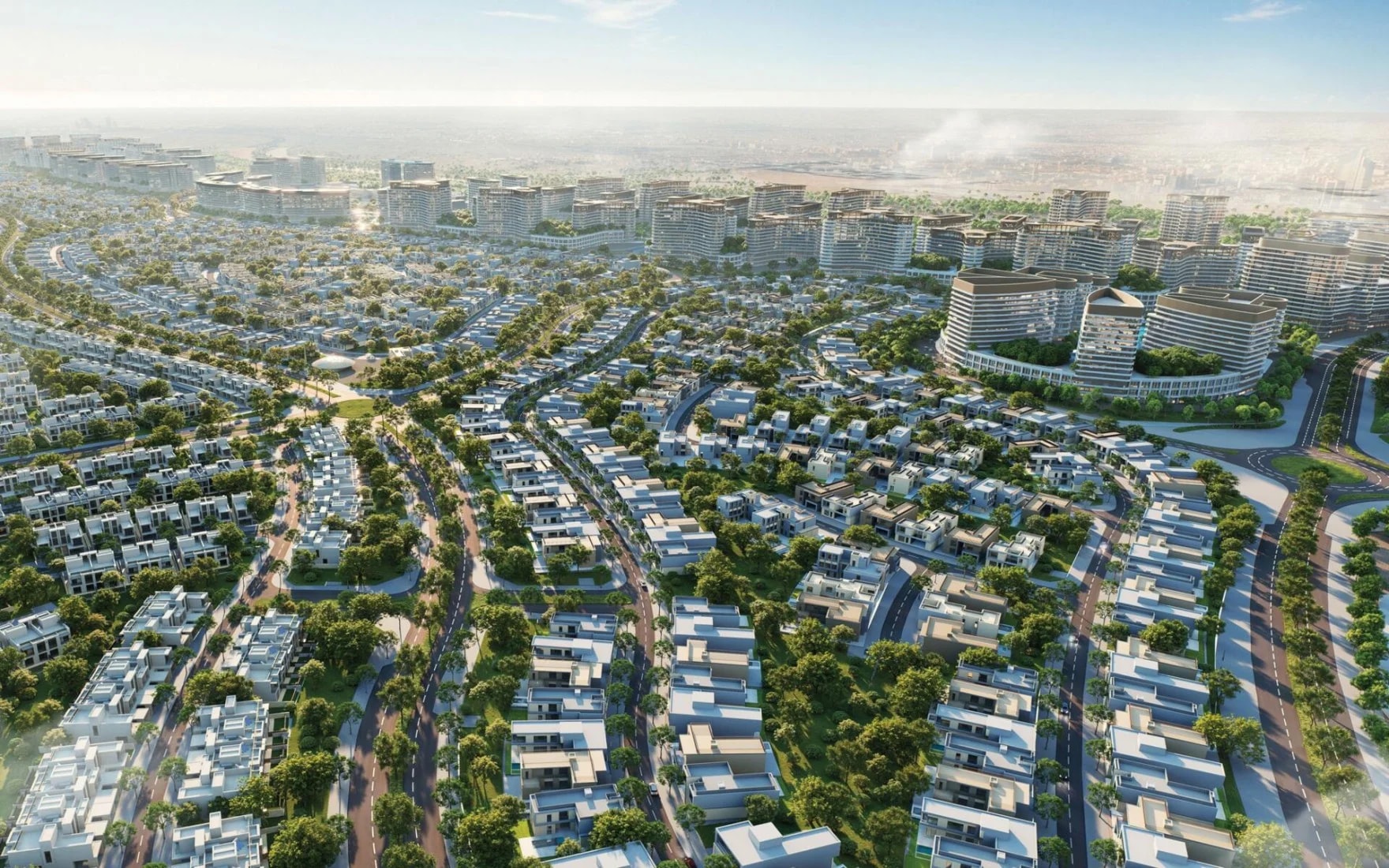
Al Yufrah's community infrastructure sits in earlier development phases. You need to understand what that means for both rental demand and your long-term capital appreciation potential.
Al Yufrah community infrastructure status:
Schools: Require travel to Nad Al Sheba, Meydan (15-25 minutes), no on-site international schools
Retail: Essential services available locally, comprehensive shopping requires travel
Healthcare: Basic clinics and pharmacies on-site, hospitals in neighbouring districts
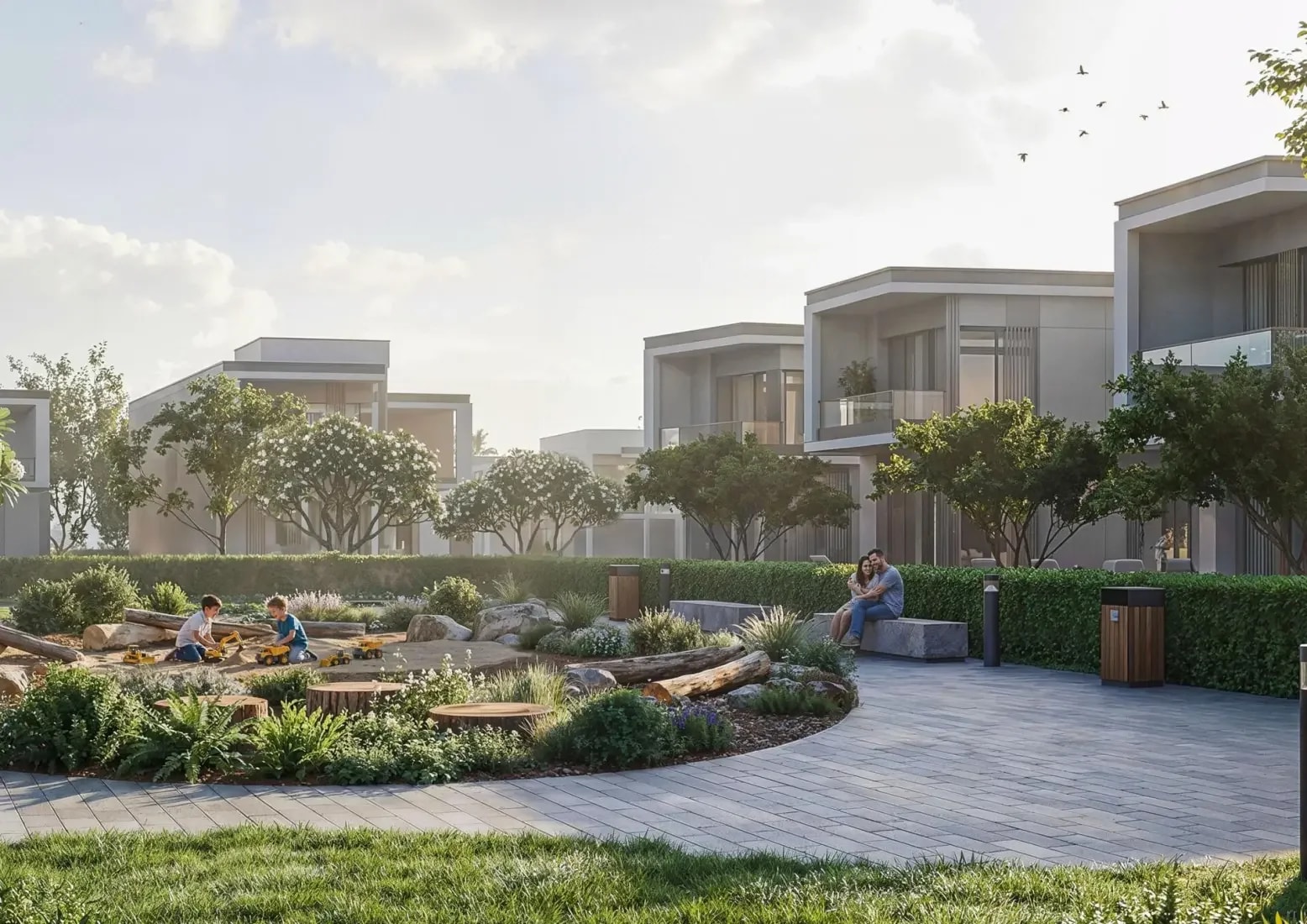
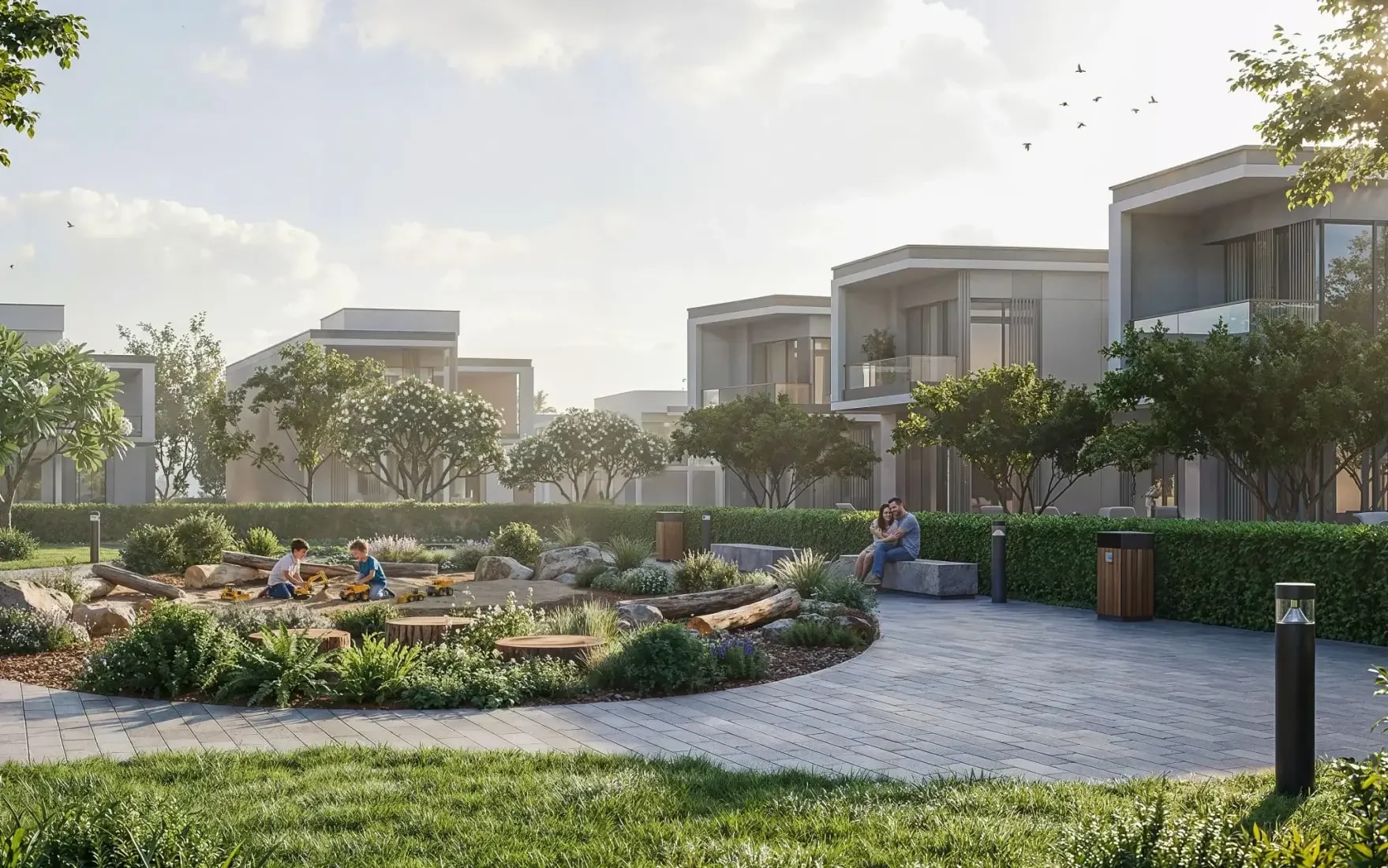
Recreation: Green spaces, children's play areas, walking paths within community
Development stage: Early phase infrastructure, significant amenities pending completion
Current educational options require travel to neighbouring communities. Parents evaluating Al Yufrah properties factor these commute requirements into rental decisions, affecting both achievable rental rates and tenant retention. If a comparable villa opens up 10 minutes closer to their children's school, you might lose that tenant despite competitive pricing.
Retail infrastructure centres on essential services rather than comprehensive shopping or dining options. For your tenants, this means weekend trips rather than walkable neighbourhood shops. Some people don't mind that trade-off. Others absolutely do.
Your long-term investment thesis for Al Yufrah depends partly on infrastructure development timelines. Properties purchased now at current pricing could benefit meaningfully from future amenity additions. However, those improvements remain contingent rather than certain.
Total Cost of Ownership in Al Yufrah
Understanding complete ownership costs separates realistic net yields from promotional gross figures. Your purchase price? That's only the initial capital requirement. The ongoing expenses determine whether those 8-10% gross yields actually translate to meaningful passive income.
Acquisition Costs and Villa Maintenance Considerations
Property acquisition in Dubai involves specific costs beyond the purchase price. But these fees are standardised and predictable.
Dubai property acquisition costs breakdown:
Dubai Land Department (DLD) fees: 4% of property value plus fixed AED 580 ($158) trustee fee
Real estate agency commission: 2% of purchase price plus 5% VAT (buyer pays)
Legal fees: $2,000 to $5,000, depending on transaction complexity
Mortgage registration: Approximately 0.25% of loan amount (if financing)
Total upfront costs: Approximately 7-8% of purchase price for cash buyers
For an $820,000 villa purchase, total upfront costs run approximately $58,220 (7.1% of purchase price).
Ongoing Al Yufrah villa ownership costs:
Annual service charges: $2,000 to $5,000 per year (varies by developer and cluster)
Maintenance reserve: 2-3% of property value annually
Property management: 8% of collected rent (for buy-to-let investors)
Here's where the 8-10% gross yield becomes a 6-7% net yield. For that $820,000 villa generating $73,800 annual rent at 9% gross yield, you're netting approximately $51,660 after management fees (8%), maintenance reserves (2.5%), and service charges ($4,000). That represents 6.3% net yield on your purchase price before financing costs.
Compare that 6-7% net yield against alternative investment opportunities on equivalent bases. If you're earning 2% net in London after all costs, the Gulf arbitrage remains compelling. But don't compare gross Dubai yields against net Western yields. That's not an honest comparison.
Multiple Developers and Build Quality Variance
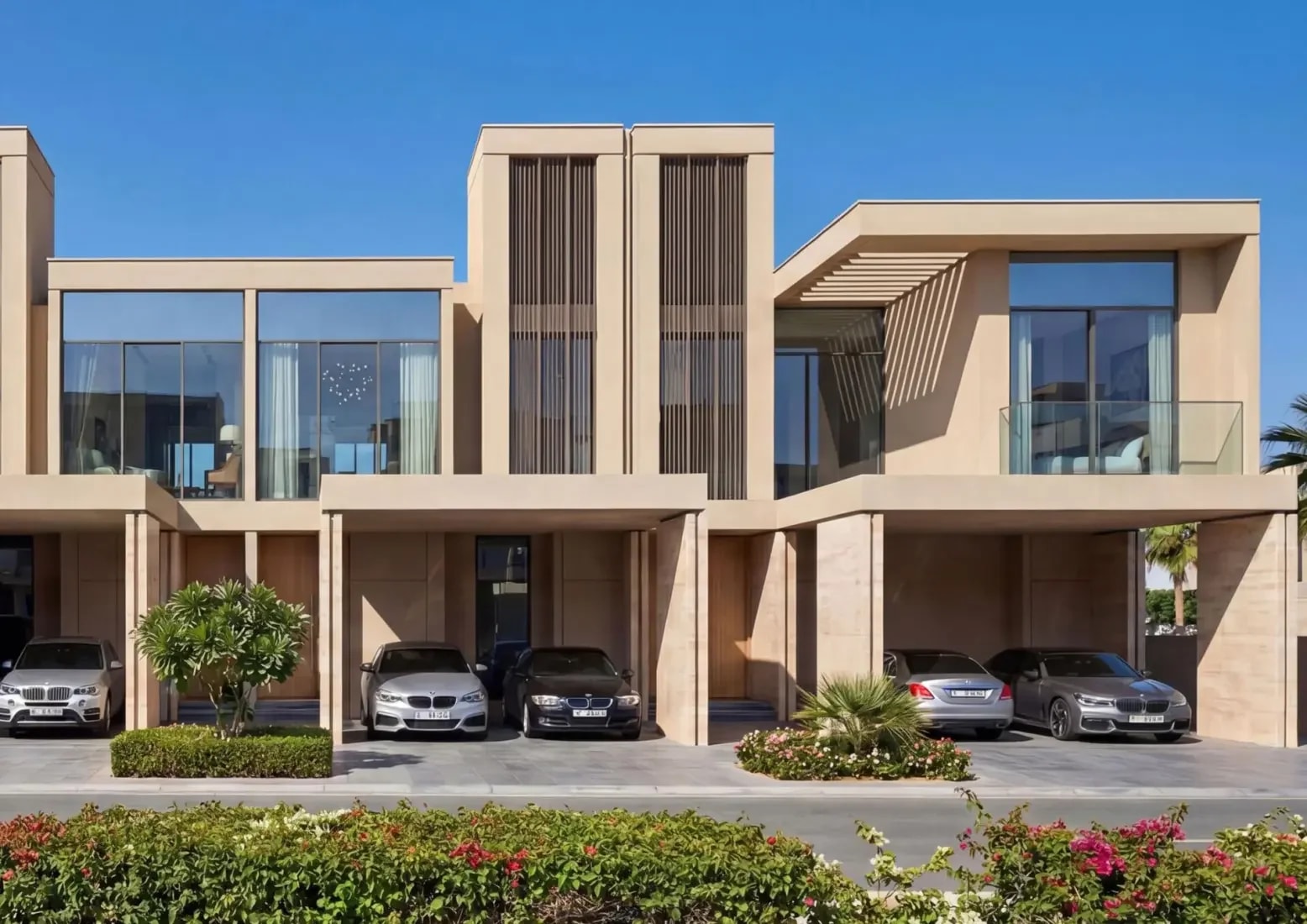
Al Yufrah's development involves several property developers rather than a single master developer like Arabian Ranches or Dubai Hills Estate. That fragmentation creates quality variance between different clusters and individual villas.
Al Yufrah developer categories and quality indicators:
Established developers: Proven track records, consistent construction standards, reliable warranty support
Boutique developers: Competitive pricing, unique designs, variable long-term support capabilities
Individual builds: Widest quality variance, dependent on specific contractor capabilities
Due diligence requirements: Professional property inspections essential before purchase
Build quality impacts both rental income potential and ongoing maintenance costs. Well-constructed properties command rental premiums, experience fewer vacancy periods, and require lower annual maintenance spending. A villa with persistent AC issues might sit vacant for months whilst a well-built property down the street leases immediately.
You need thorough due diligence on specific units rather than assuming consistent standards across Al Yufrah. Property inspections by qualified surveyors identify structural issues, mechanical system condition, finishing quality before you commit capital. This isn't optional due diligence. It's essential risk management.
The practical impact is straightforward. Never assume consistent quality across Al Yufrah just because two villas look similar from the outside. Skipping proper inspections to save $500 to $1,000 in survey fees risks purchasing properties with $20,000 to $50,000 in deferred maintenance or structural issues.
Remote Location Trade-offs and Commute Dependencies
Al Yufrah's investment case rests entirely on yield arbitrage. You're accepting location trade-offs in exchange for rental returns that central Dubai districts simply don't deliver anymore. Let's be clear about the risks you're taking on.
Al Yufrah location risk factors for investors:
Commute dependency: 25-30 minutes to central business districts limits tenant pool
Infrastructure reliance: Future metro extensions or road improvements could shift relative positioning
Capital appreciation: Conservative 2-3% annual growth expectations versus prime districts
Competition risk: New villa developments closer to employment centres threaten demand
Geographic concentration: Multiple properties in single community increases location-specific exposure
The primary risk factor is commute dependency. Properties located 25 to 30 minutes from central business districts face genuine tenant preference challenges when comparable alternatives emerge closer to employment hubs.
Tenant profiles in locations like Al Yufrah typically include families prioritising space over convenience, remote workers with minimal commute requirements, or budget-conscious households accepting longer journeys for rental savings. When companies tighten belts and reduce remote work flexibility, your tenant pool shrinks faster than in properties near major employment centres.
For portfolio construction, treat Al Yufrah properties as yield-focused rather than capital appreciation plays. Model conservative appreciation scenarios (perhaps 2-3% annually) whilst emphasising cash flow generation.
If you're acquiring multiple Al Yufrah properties, you're increasing exposure to location-specific risks such as infrastructure delays, changes in commute patterns, and new competing developments. Portfolio diversification across different Dubai districts or even different Gulf markets reduces this concentration risk.
The yield premium in Al Yufrah compensates for these risks. But you need to consciously accept the trade-offs rather than assuming high returns come without corresponding considerations. Infrastructure monitoring provides ongoing risk management - keep watch on planned road improvements, metro extensions, major employment centre developments near Al Yufrah.
Exit Planning and Capital Repatriation
Investment returns only materialise when you successfully exit and repatriate funds back home. Let's walk through what actually happens.
Dubai property exit and repatriation framework:
Ownership structure: Freehold land allows unrestricted resale to any qualified buyer
Capital repatriation: Straightforward international wire transfers, typically three to five business days
Currency stability: UAE dirham fixed peg to US dollar (AED 3.67 per $1) eliminates FX volatility
Capital gains tax: Zero tax on property sales in Dubai (4% DLD transfer fee only)
Typical sale timeline: Three to six months in normal market conditions, nine to twelve months during downturns
Home jurisdiction taxes: UK, European, North American investors may face capital gains tax domestically
Dubai's property market offers clear legal frameworks for foreign ownership and capital repatriation. Properties purchased on freehold land allow unrestricted resale to any qualified buyer. The UAE dirham maintains a fixed peg to the US dollar at AED 3.67 per dollar, eliminating currency volatility concerns.
Here's something important: Dubai imposes no capital gains taxes on property sales. Zero. You pay only the standard 4% DLD transfer fee during title deed transfer. Compare that to UK capital gains tax potentially consuming 18% to 28% of your profits, and the difference becomes meaningful for net returns.
However, liquidity timeframes vary significantly from Western markets. Villa properties in locations like Al Yufrah typically require three to six months to sell during normal market conditions, potentially extending to nine to twelve months during downturns.
Pricing discipline matters significantly during exits. Properties priced 10% to 15% above current market rates simply sit unsold. Realistic pricing based on comparable recent sales generates buyer interest within reasonable timeframes.
Model your exit scenarios before initial investment. Properties here suit longer-term holding strategies (ideally five to seven years minimum) rather than short-term trading approaches.
For UK, European, or North American investors, one critical consideration is tax treatment in your home jurisdiction. Whilst Dubai imposes no capital gains taxes, you may face tax liabilities on profits when repatriating funds to your home country. Professional tax advice in your home jurisdiction forms part of proper investment planning.
Wrapping Up Our Al Yufrah Investment Guide
Al Yufrah delivers meaningful passive income without the London or New York price tags. Those 8-10% gross yields translate to approximately 6-7% net returns after realistic operating expenses - a substantial premium over saturated Western markets.
Entry pricing from $410,000 to $1,090,000 creates accessible allocation thresholds for investors with $350,000 to $5 million in deployable capital. This enables portfolio diversification across multiple units rather than concentrating everything in a single Western property.
The investment case rests on freehold ownership frameworks comparable to Western markets, transparent Dubai Land Department title deed registration, predictable costs, zero capital gains taxes on exits, and consistent tenant demand within the mid-market villa segment.
What you're accepting: commute dependencies affecting tenant profiles, developing rather than fully established community infrastructure, build quality variance requiring thorough due diligence, and realistic exit timeframes of three to twelve months.
The due diligence remains non-negotiable. Individual property inspections by qualified surveyors, developer track record verification, realistic cost modelling, and clear exit planning, including home jurisdiction tax considerations - all determine whether actual returns match the investment thesis.
For investors frustrated with 2-3% London yields or negative cash flow in North American markets, Gulf real estate offers genuine yield arbitrage opportunities. But approach it as serious capital allocation. Understand what you're buying, accept the trade-offs consciously, and size positions appropriately within your broader portfolio strategy.
Explore Dubai Areas on Oliva
Frequently Asked Questions
What are the realistic net rental yields for properties in Al Yufrah?
While gross rental yields are advertised at 8-10%, a more realistic expectation is a net yield of around 6-7%. This figure accounts for essential ongoing costs such as annual service charges, property management fees, and a reserve for maintenance.
Who is the typical tenant in Al Yufrah?
The primary tenants are mid-income expatriate families and local households. These residents are typically looking for larger living spaces like villas and are willing to accept a 25 to 30-minute commute to central Dubai in exchange for more affordable rental prices.
What are the main risks to consider before investing?
The key risk is the area's dependency on commutes. Its distance from central business hubs limits the tenant pool. Other factors include its developing infrastructure, which is less established than in prime areas, and the potential for new, closer developments to create competition.
How long does it typically take to sell a property in this area?
Selling a villa can take between three and six months in a stable market. However, during a market downturn, this timeline could extend to nine or even twelve months. Larger, five-bedroom properties also tend to take longer to sell than smaller, more in-demand three or four-bedroom villas.
Are there any taxes on property investment profits in Dubai?
Dubai does not impose any capital gains tax on property sales, which is a significant advantage for investors. The only government fee you pay upon selling is the 4% Dubai Land Department transfer fee. However, you should consult a tax advisor in your home country, as you may be liable for taxes there when you repatriate the funds.
Which villa size offers the best investment returns in Al Yufrah?
Three and four-bedroom villas generally deliver the strongest risk-adjusted returns, with gross yields of 8-10% and the broadest tenant demand. They lease within four to six weeks and offer the best resale liquidity. Five-bedroom villas produce higher absolute rent but face longer vacancy periods and narrower buyer pools on exit.
Explore further
The project, area, and developer this post covers, with live Dubai Land Department data.
Related articles

Arabian Ranches Dubai: The 2026 Investor Guide

Arabian Ranches vs Dubai Hills: Where Investors Actually Make More Money

Dubai Land Department: The Complete 2026 Investor Guide
Returns on Investment in Dubai Property: Data

Service Charge Comparison: Top 10 Communities