
Underwrite before you commit
The figures in this post are checked against Dubai Land Department records and RERA filings. Get an independent underwriting score on any project, or ask Javier on WhatsApp.
Al Satwa: The Master Plan Question
Al Satwa
has been the subject of redevelopment proposals more often than almost any other central Dubai district. Master plans variously branded Al Wasl Asia Asia City, Jumeirah Garden City, and Al Satwa Heights have been announced and paused multiple times since the early 2000s. The question of how much weight to give these proposals when valuing current Al Satwa freehold inventory is fundamental to investment decisions in the district.
This guide separates the active 2026 pipeline (Jumeirah Garden City freehold extensions and selected mid-tier developer launches) from the long-tail master plan optionality (historic Al Satwa core potential redevelopment). The objective is a clear-eyed view of what is actually in delivery versus what remains speculative.
Investors should buy on current freehold inventory characteristics, current cash flow, and current pricing. Long-tail master plan delivery upside should be treated as long-tail optionality rather than a primary investment thesis.
The Active 2026 to 2029 Pipeline
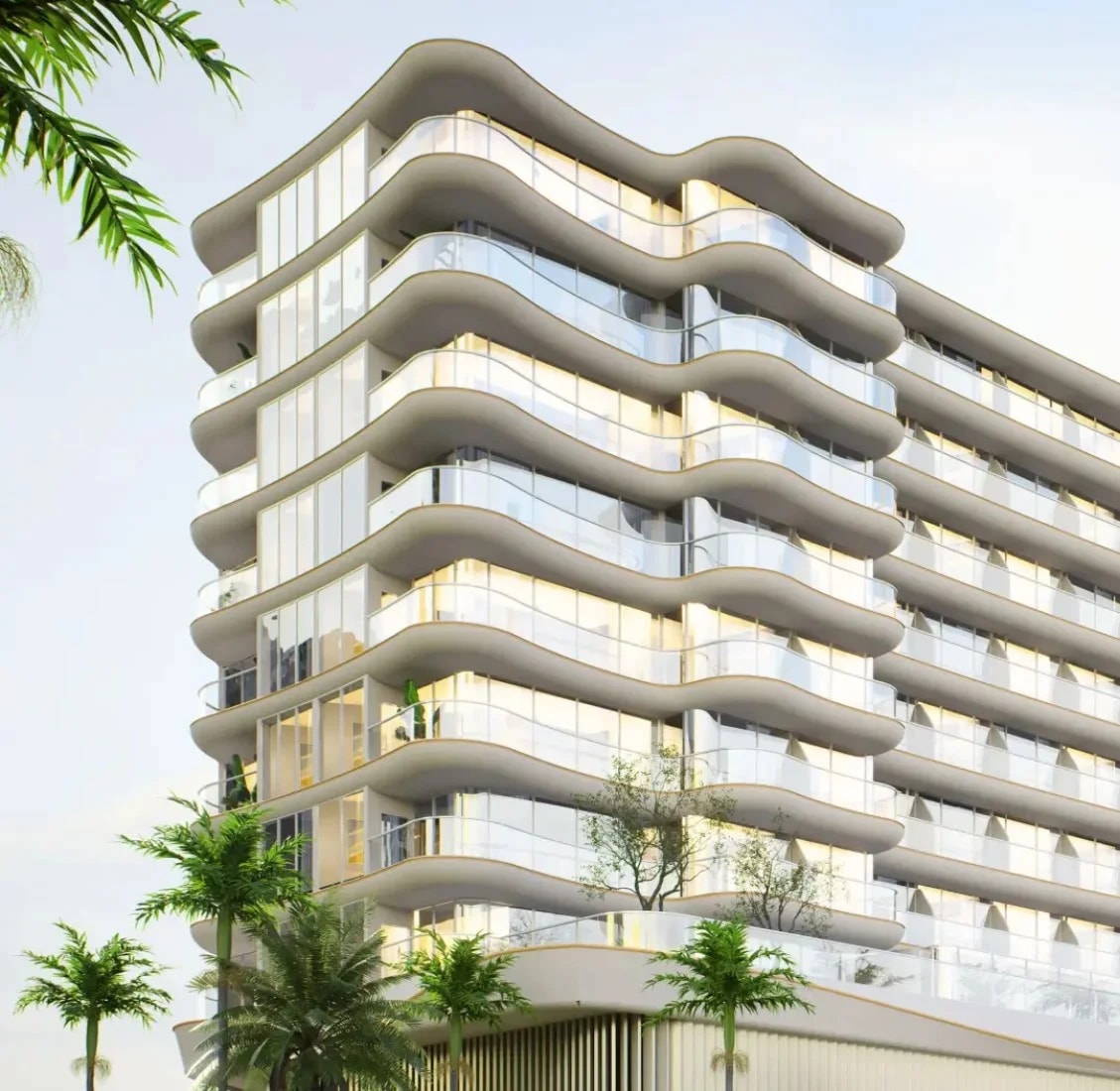
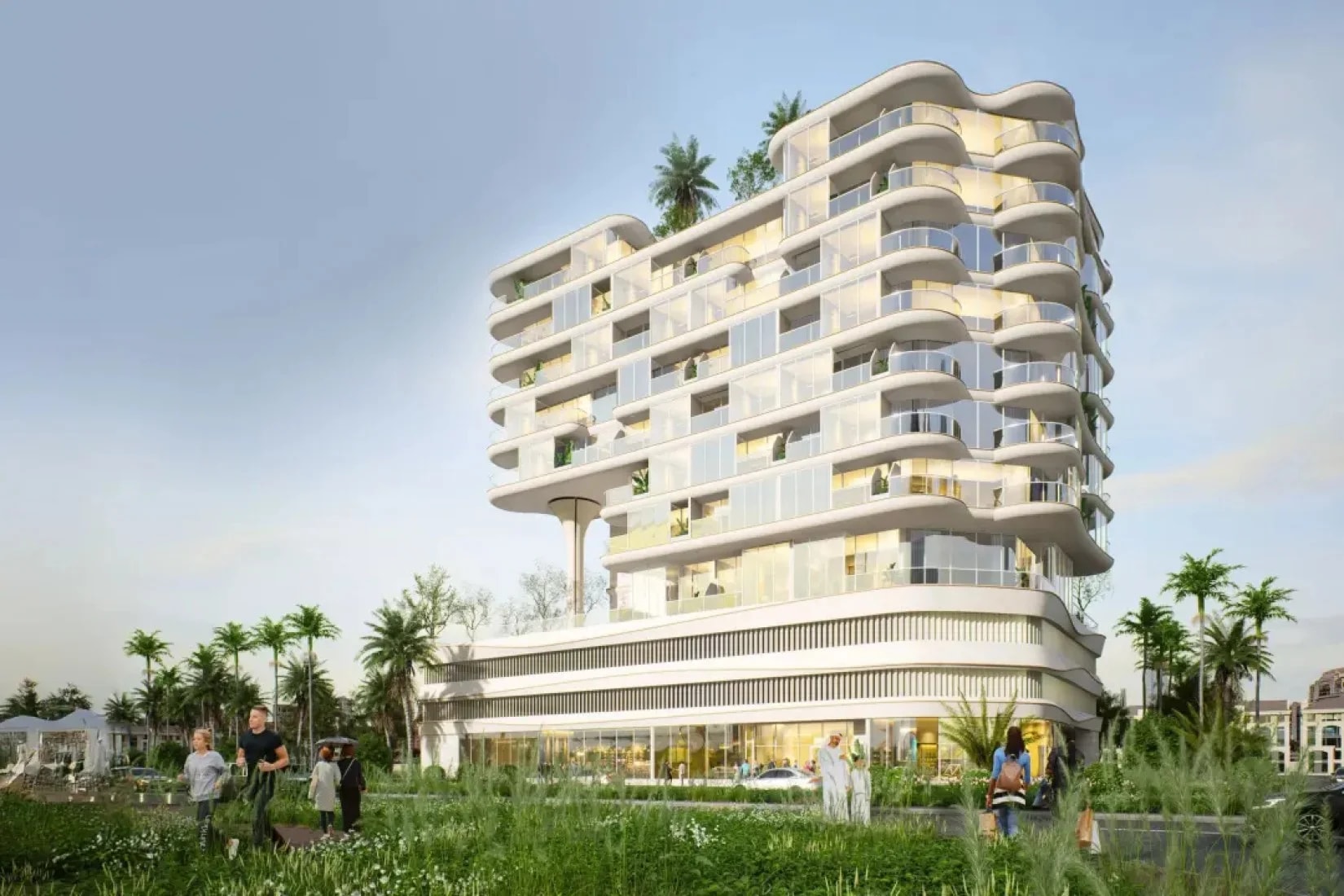
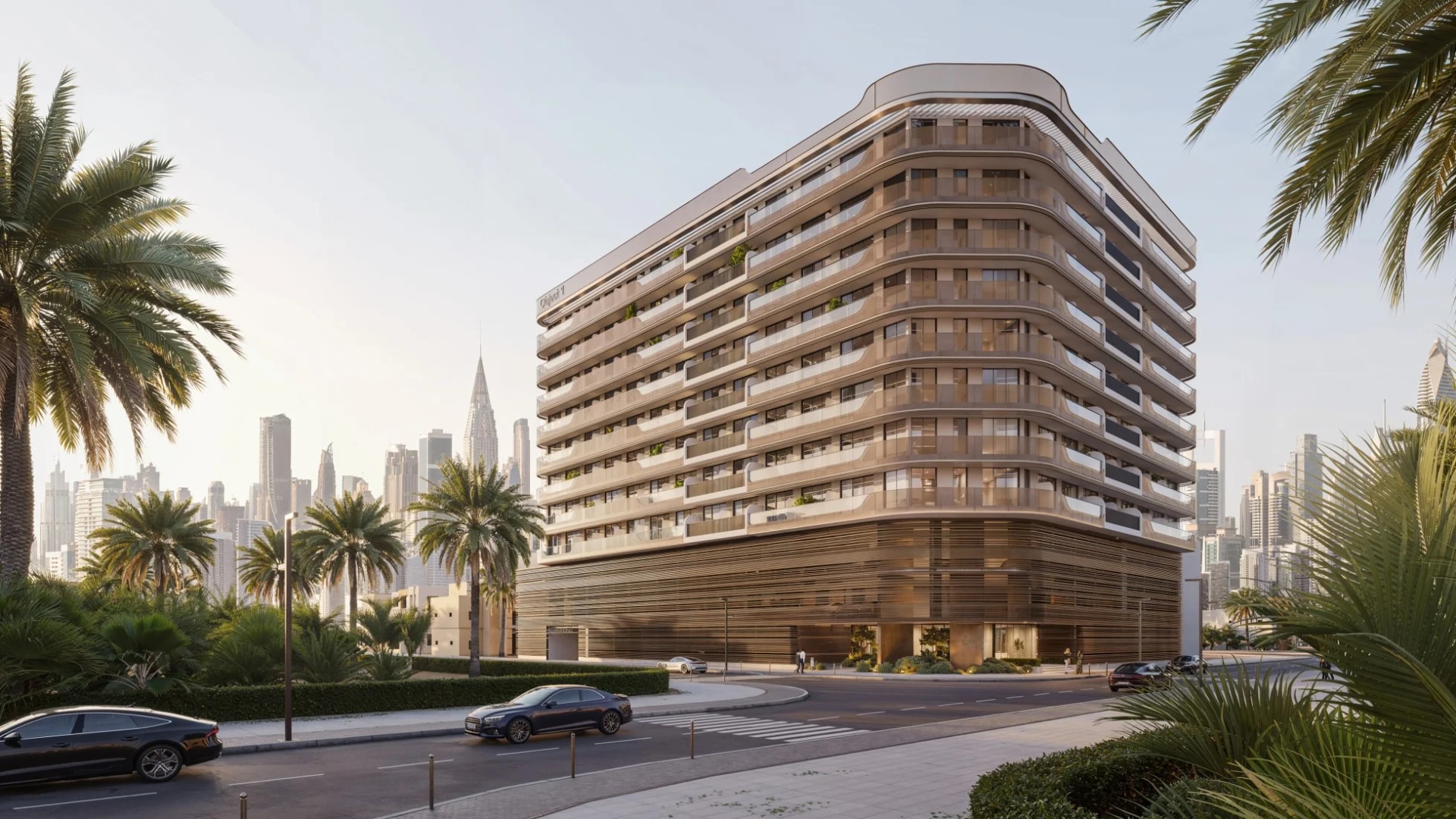
The Jumeirah Garden City freehold pocket has approximately 800 new units in the 2026 to 2029 active pipeline, distributed across selected mid-tier developer launches. The pipeline represents a 25% inventory expansion against the existing 3,200 active units in the pocket.
Damac has 2 active launches with handover scheduled in 2027 and 2028. Reportage Properties has 1 active launch with handover scheduled in 2027. Selected mid-tier developers have 4 to 6 smaller-scale launches in pre-launch or early construction phase with expected handovers spread across 2026 to 2029.
All active pipeline projects sit inside the existing Jumeirah Garden City freehold-designated pocket. None of the active 2026 pipeline involves redevelopment of historic Al Satwa core leasehold land into new freehold inventory.
The active pipeline absorption capacity is reasonable. The wider Al Satwa rental market absorbs approximately 380 to 450 new tenancies per year. The 800-unit pipeline spread across four years implies 200 unit deliveries per year, which the rental market should absorb without material pressure.
The Long-Tail Master Plan Proposals
Historic Al Satwa redevelopment proposals fall into three categories. First, Dubai Holding announced an Al Wasl Asia Asia City master plan in 2007 that called for comprehensive redevelopment of the historic Al Satwa core into a high-rise mixed-use district. The proposal was paused after the 2008 financial crisis and has not progressed materially since.
Second, periodic Dubai Municipality and RTA announcements have referenced Al Satwa road widening, public realm improvements, and selected sub-zone regeneration. Some elements (public space improvements, walking-grade public realm enhancement) have progressed at small scale. Comprehensive redevelopment has not.
Third, occasional private redevelopment proposals from individual landowners and developers have surfaced for specific Al Satwa plots. Small-scale outcomes (selected 2014 to 2024 freehold conversion projects in Jumeirah Garden City) represent the only meaningful private redevelopment delivery in the wider zone.
The pattern across two decades is clear. Comprehensive redevelopment of historic Al Satwa core has been proposed multiple times and delivered once. Investors should treat any new proposals as low-probability long-tail optionality rather than near-term catalysts.
What This Means for Current Investors
First, current Jumeirah Garden City freehold inventory characteristics are the primary investment thesis. Strong yields (5.4% to 7.2% gross), Metro proximity, walkable district functionality, and consistent commuter demand support the core investment case.
Second, the active 2026 to 2029 pipeline supports gradual inventory expansion without overwhelming absorption. Buying current Jumeirah Garden City inventory for normal investment hold periods is unlikely to face severe absorption pressure from the active pipeline.
Third, long-tail historic Al Satwa core redevelopment is a low-probability but not zero-probability upside. If comprehensive master plan execution occurs in the 2030s or beyond, surrounding Jumeirah Garden City inventory would benefit from the resulting district transformation. This is upside, not a base case.
Fourth, investors should not pay premium pricing today on the assumption that future master plan execution will deliver capital appreciation upside. Pay current Q1 2026 fair value based on current cash flow and current pricing benchmarks. Treat any future master plan progression as bonus rather than anticipated outcome.
Infrastructure Changes in Active Delivery
Several smaller infrastructure projects in active delivery affect Al Satwa investors. The RTA Etihad Rail intercity station at Trade Centre and the planned Dubai Metro Blue Line are both adjacent infrastructure that will improve connectivity to and from Al Satwa, even though neither directly serves the district.
The Etihad Rail Dubai station is scheduled for opening in 2027 to 2028 at Trade Centre 1, immediately north of Al Satwa. The station provides intercity rail access to Abu Dhabi, Sharjah, and Northern Emirates. Walking access from Jumeirah Garden City to the station will run approximately 16 to 22 minutes.
The Dubai Metro Blue Line, currently under construction with completion targeted for 2029, does not serve Al Satwa directly. The line runs east-west across northern Dubai and connects to the Red Line at selected interchange points. The Blue Line indirectly improves Al Satwa accessibility for tenants and investors travelling to and from northern districts.
Selected RTA road improvement projects on Al Wasl Road and 2nd December Street are in active delivery with completion targeted for 2026 to 2027. These improvements include enhanced pedestrian crossings, cycle lane additions, and selected road widening. The cumulative effect on walkable district functionality is positive but small.
Scenario Planning for Al Satwa
Base case scenario: Jumeirah Garden City freehold pocket continues current trajectory. 800-unit active pipeline delivers 2026 to 2029. Gradual price appreciation of 5% to 8% per year. Yields stable at 5.4% to 7.2% gross. No comprehensive historic Al Satwa core redevelopment.
Upside scenario: Selected historic Al Satwa core sub-zones progress through private or master-developer-led redevelopment in the 2028 to 2032 window. Adjacent Jumeirah Garden City freehold inventory benefits from district transformation premium of 15% to 30% over base case.
Downside scenario: Wider Dubai apartment market correction reduces Al Satwa pricing by 8% to 18% over a 12 to 24 month window, in line with historical Dubai cycles. Yields rise as prices fall, supporting eventual recovery. No structural impairment to district fundamentals.
The base case is the most probable outcome for any 5 to 10 year hold period. Upside and downside scenarios should be considered as planning sensitivities, not as primary investment thesis. Diversifying across 2 to 3 buildings within Jumeirah Garden City reduces specific-building risk and helps capture district-level upside if it materialises.
How Oliva Tracks Al Satwa Pipeline
Oliva tracks every active Jumeirah Garden City pipeline project with construction completion percentage from the DLD REST app, escrow status verification, expected handover, and pre-handover trading levels. We separate active pipeline from speculative master plan proposals so investors do not pay redevelopment-upside premiums on assumed catalysts that have not entered active delivery.
Browse Al Satwa pipeline projects on Oliva
Frequently Asked Questions
Is Al Satwa being demolished?
No. There is no comprehensive demolition or redevelopment programme in active delivery for the historic Al Satwa core. Periodic redevelopment proposals have been announced since the early 2000s but only selected freehold conversion projects in Jumeirah Garden City have progressed to delivery. The historic core remains functionally stable as of Q1 2026.
What is the active pipeline in Al Satwa for 2026 to 2029?
Approximately 800 new freehold apartment units across the Jumeirah Garden City pocket, distributed among Damac, Reportage Properties, and selected mid-tier developer launches. The pipeline represents a 25% inventory expansion against the existing 3,200 active freehold units. Active pipeline absorption is expected to be manageable for the rental market.
Will Al Satwa redevelopment increase property values?
If comprehensive historic Al Satwa core redevelopment progresses, adjacent Jumeirah Garden City freehold inventory would likely benefit from district transformation. Historical evidence suggests this is low-probability over any near-term horizon. Investors should not pay redevelopment-upside premiums today; treat any future progression as bonus rather than anticipated outcome.
When will the Dubai Metro Blue Line affect Al Satwa?
The Blue Line does not serve Al Satwa directly. The line runs east-west across northern Dubai with completion targeted for 2029. Indirect connectivity benefits accrue to Jumeirah Garden City tenants travelling to and from northern districts via Red Line interchange. The direct effect on Al Satwa pricing or yields is small.
Should I buy Al Satwa now or wait for redevelopment?
Buy on current Jumeirah Garden City freehold inventory characteristics if those characteristics fit your investment objective. Current 5.4% to 7.2% gross yields, Metro walkability, and consistent commuter demand support the core investment case independent of any future redevelopment. Waiting for speculative master plan execution carries opportunity cost without guaranteed catalyst delivery.
Explore further
The project, area, and developer this post covers, with live Dubai Land Department data.
Related articles

Al Satwa Dubai: The 2026 Investor Guide

Al Satwa vs Al Wasl: An Investor Comparison for 2026

Jumeirah Garden City: Freehold Investor Guide 2026

Al Satwa Rental Yields and Tenant Profile 2026

Nad Al Sheba Dubai: The 2026 Investor Guide

Wadi Al Safa Dubai: The 2026 Investor Guide
Related Dubai property analysis from the Oliva editorial team.