
Underwrite before you commit
The figures in this post are checked against Dubai Land Department records and RERA filings. Get an independent underwriting score on any project, or ask Javier on WhatsApp.
Sobha Realty: 20 Years of Dubai Development
Sobha Realty entered the Dubai market in 2003 as the regional arm of India's Sobha Limited, a Bangalore-headquartered developer founded in 1995 by PNC Menon. The company built its reputation on a vertical integration model where in-house teams handle construction, joinery, interior finishing, and facility management rather than outsourcing to third-party contractors. This model was designed to provide tighter quality control and consistent delivery standards.
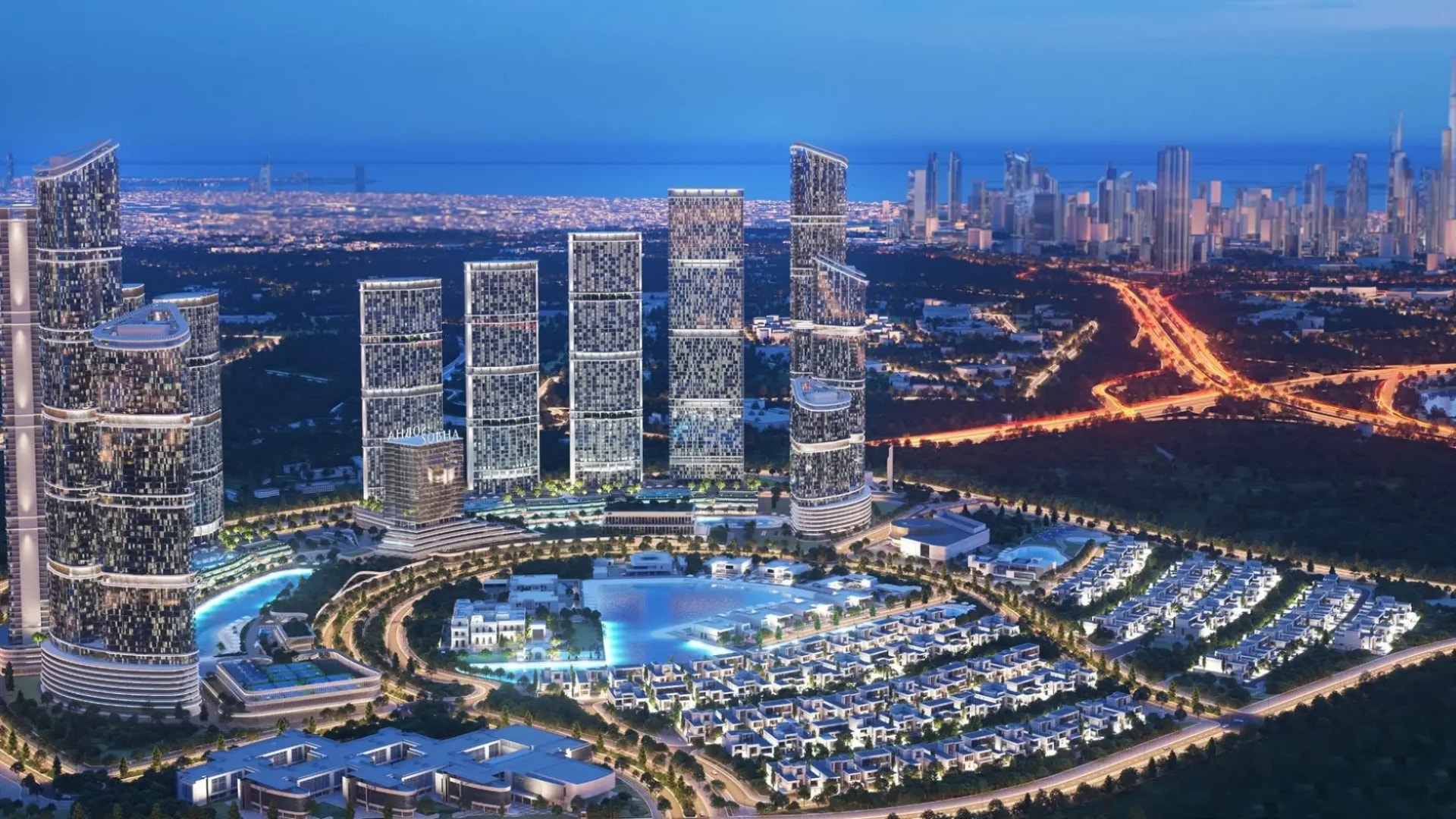
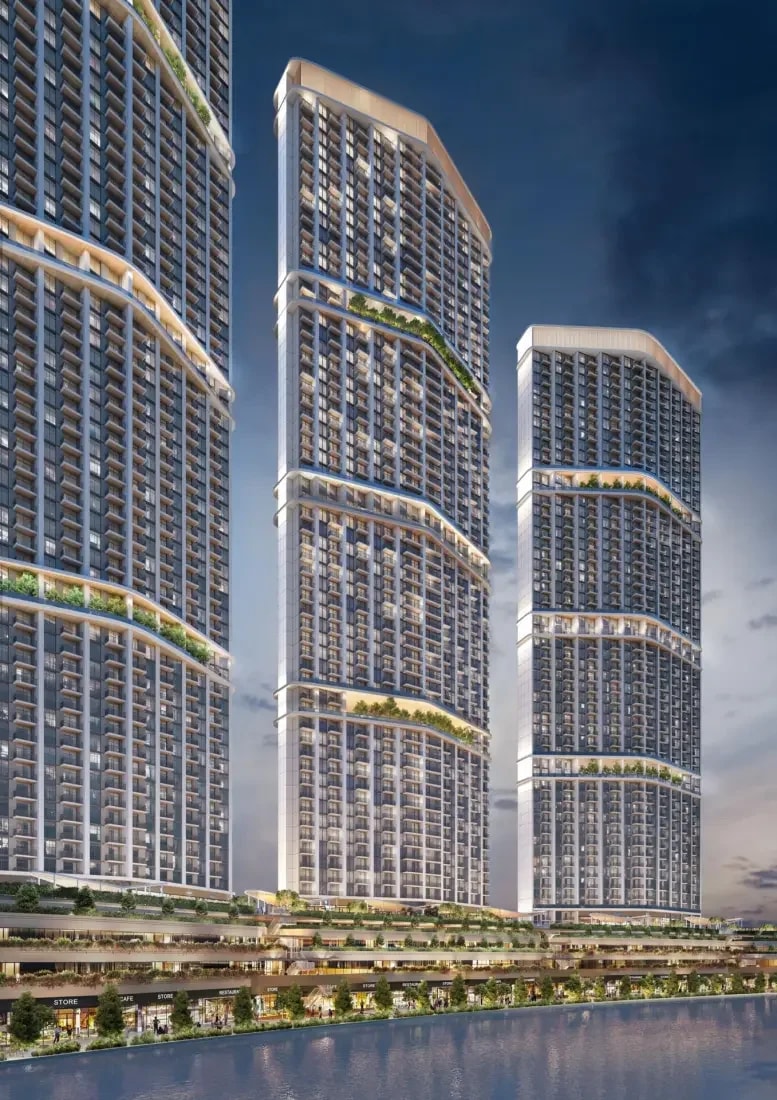
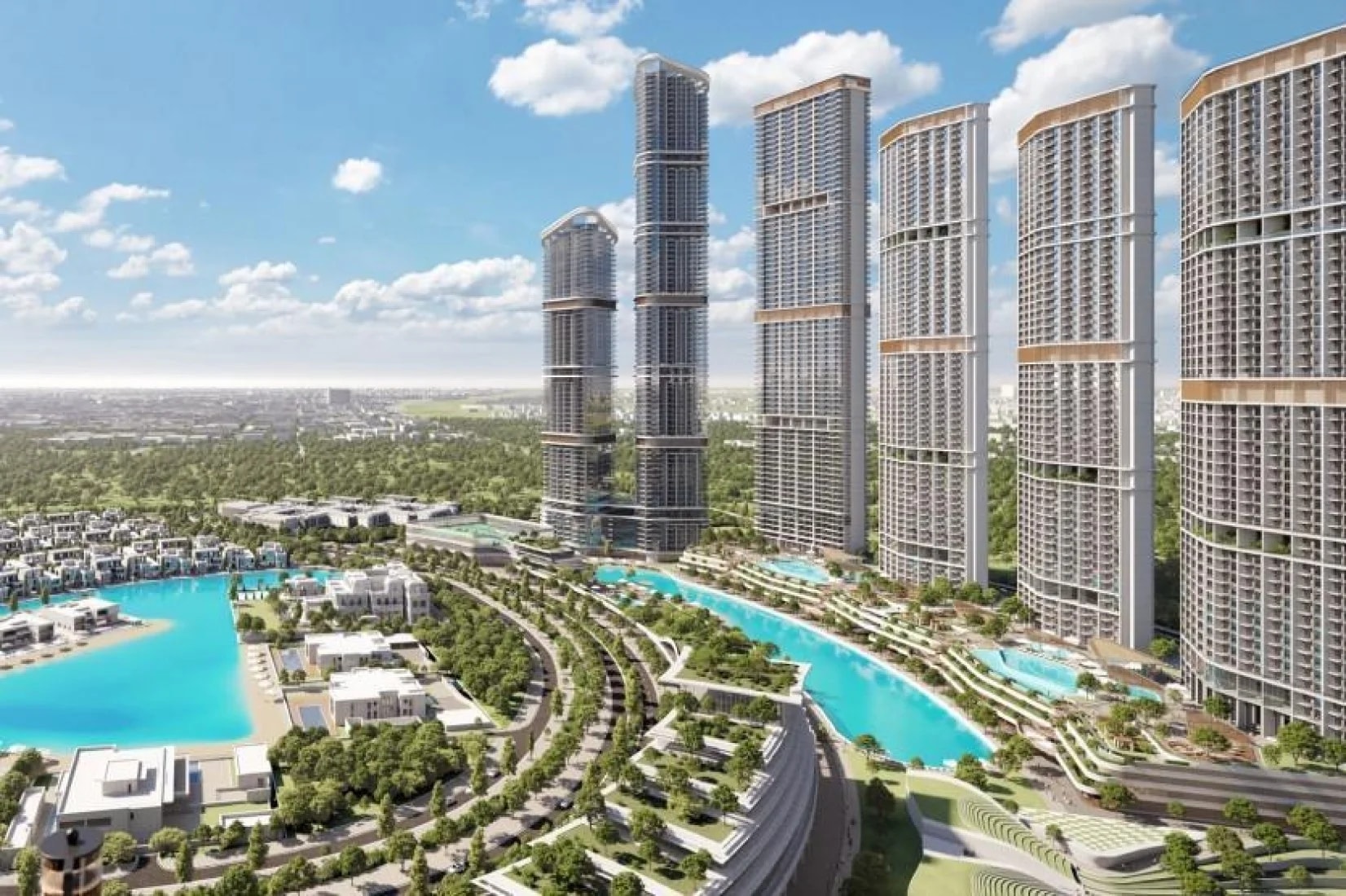
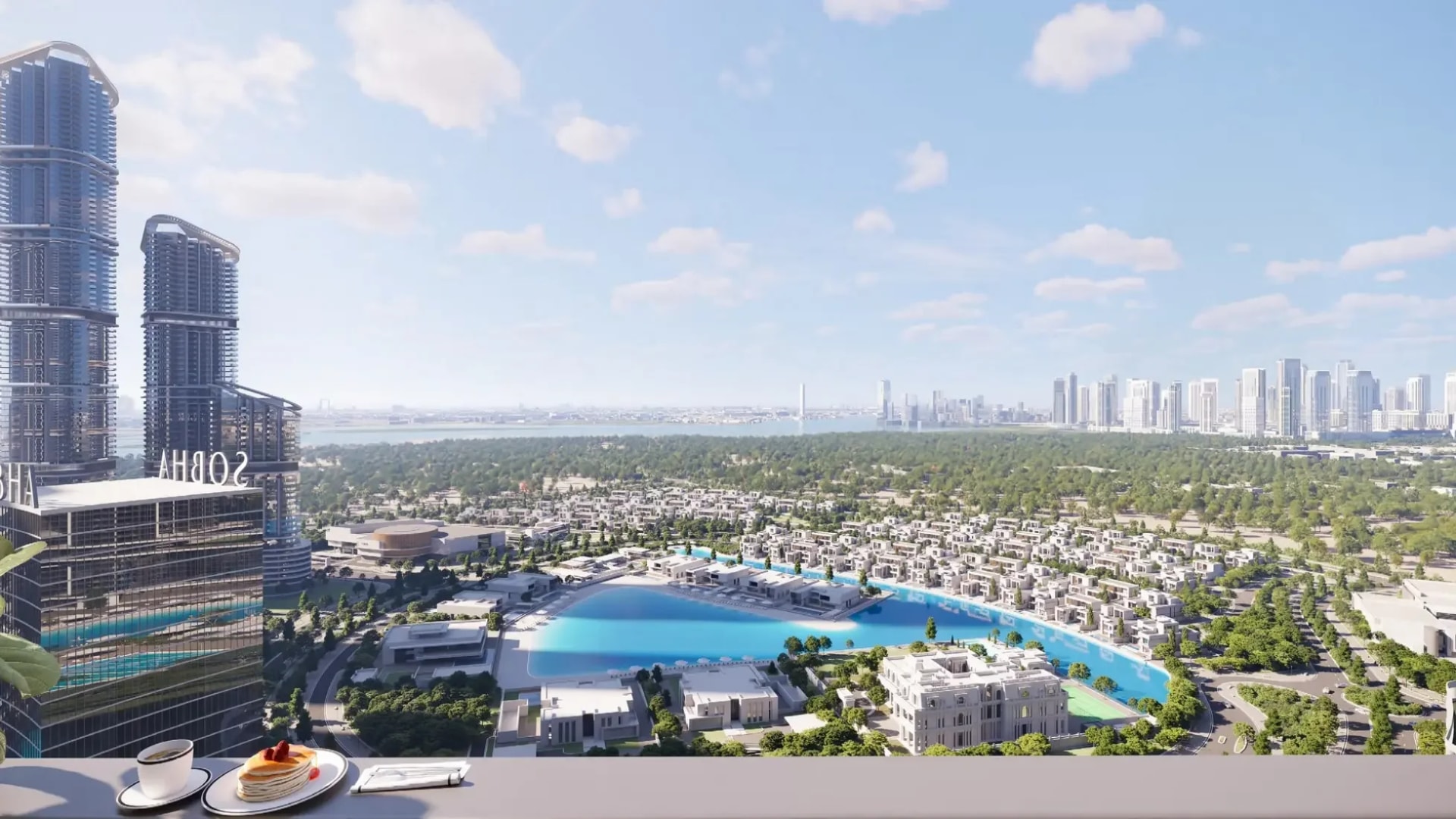
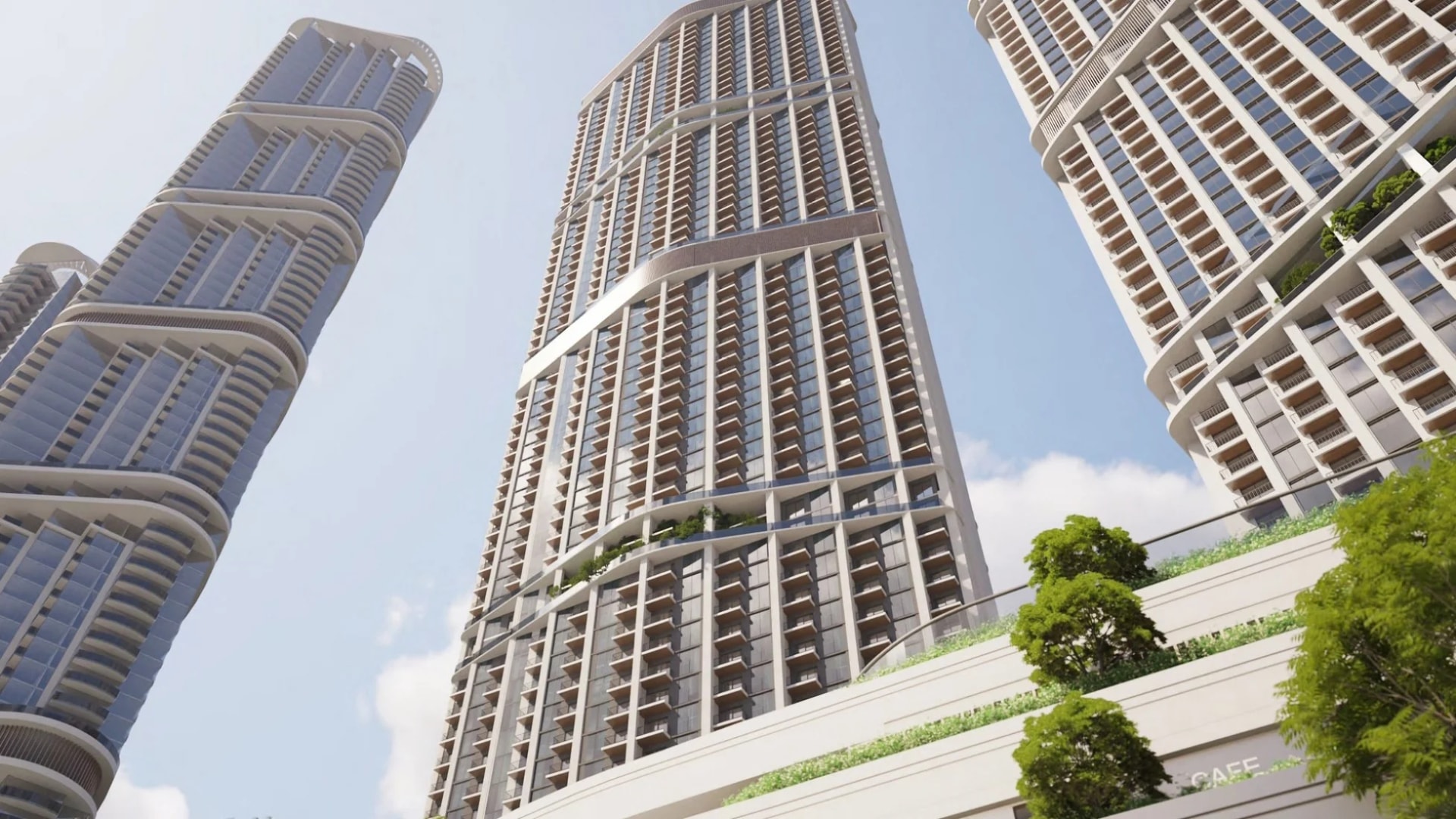
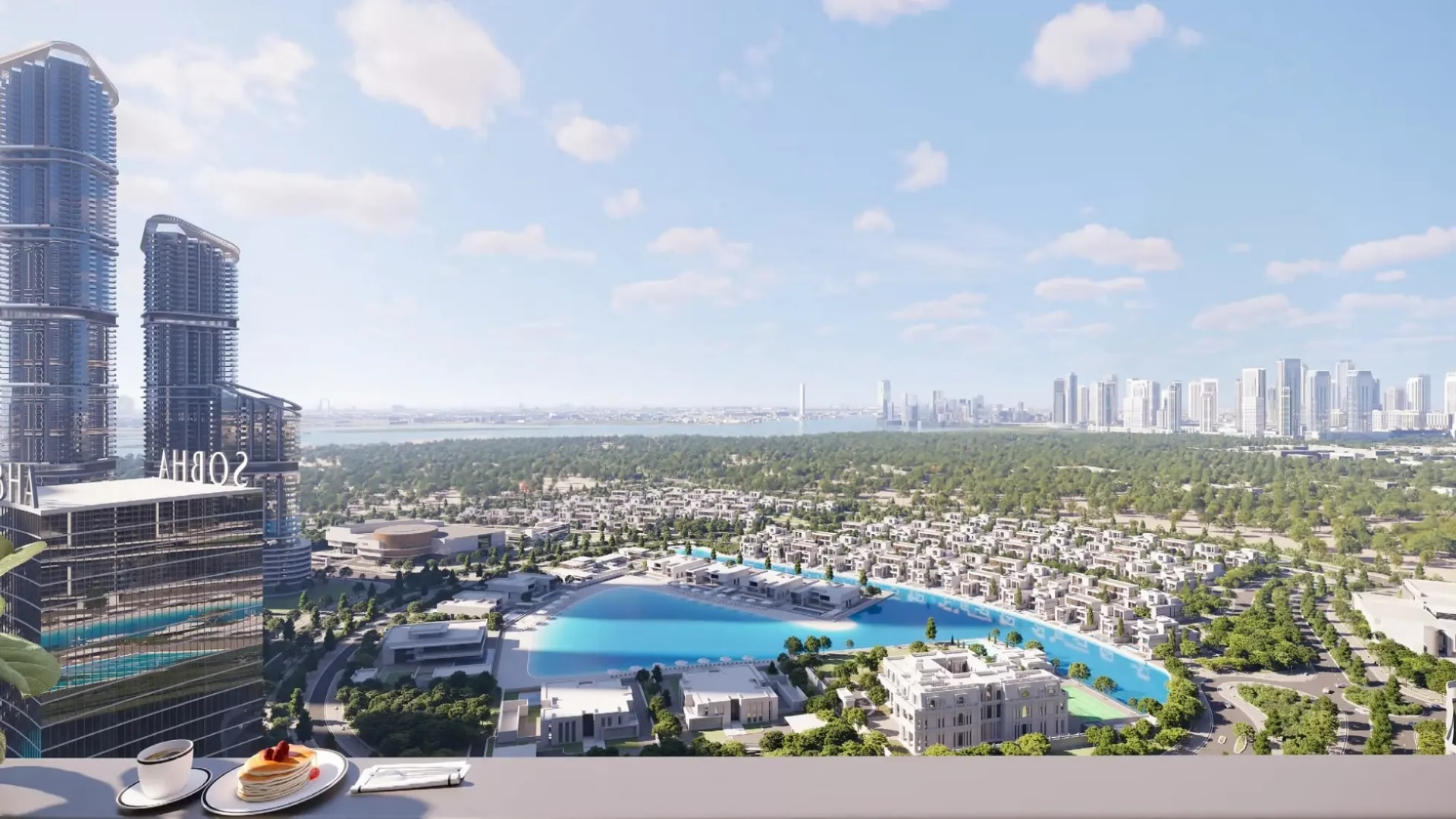
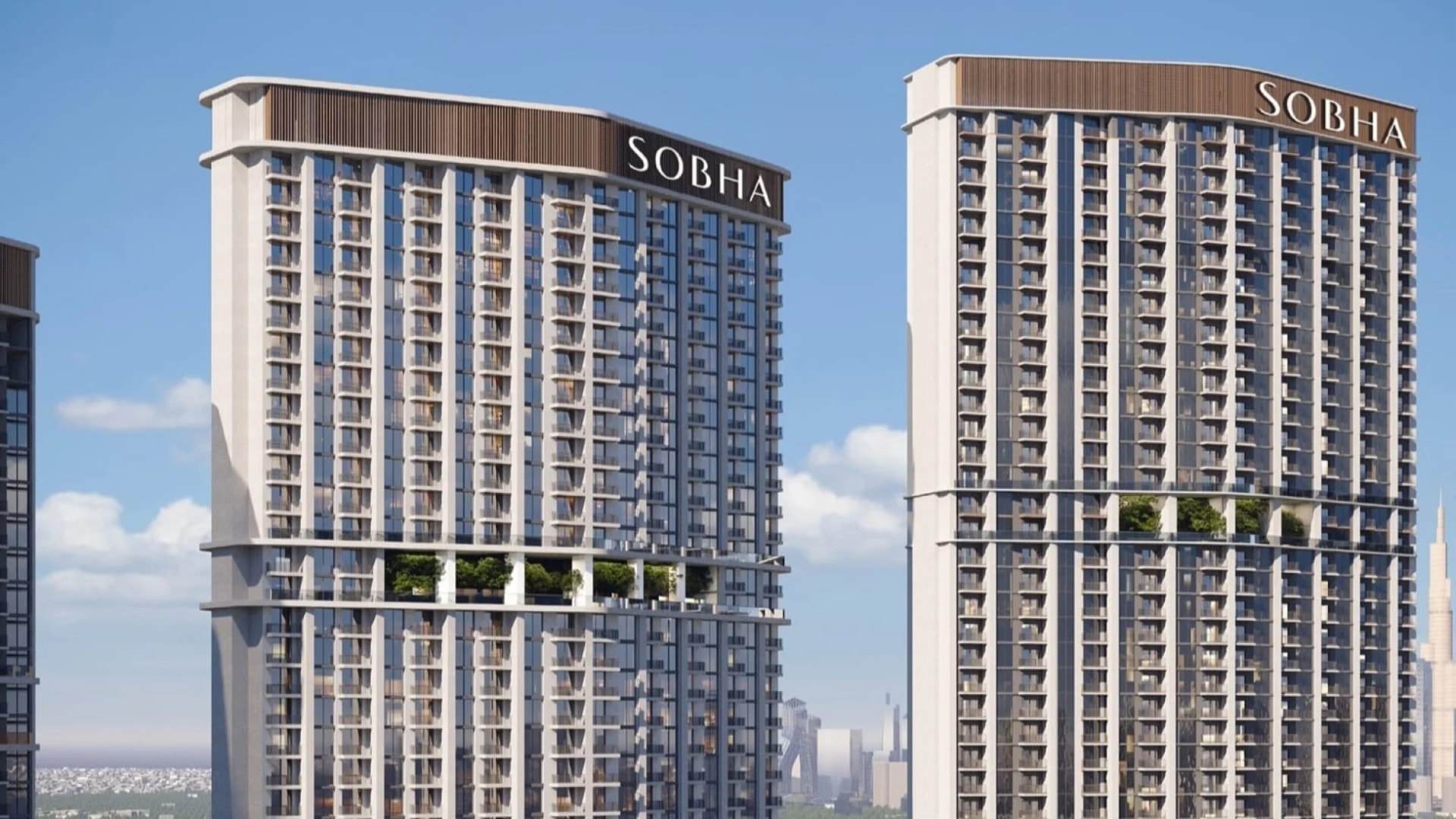
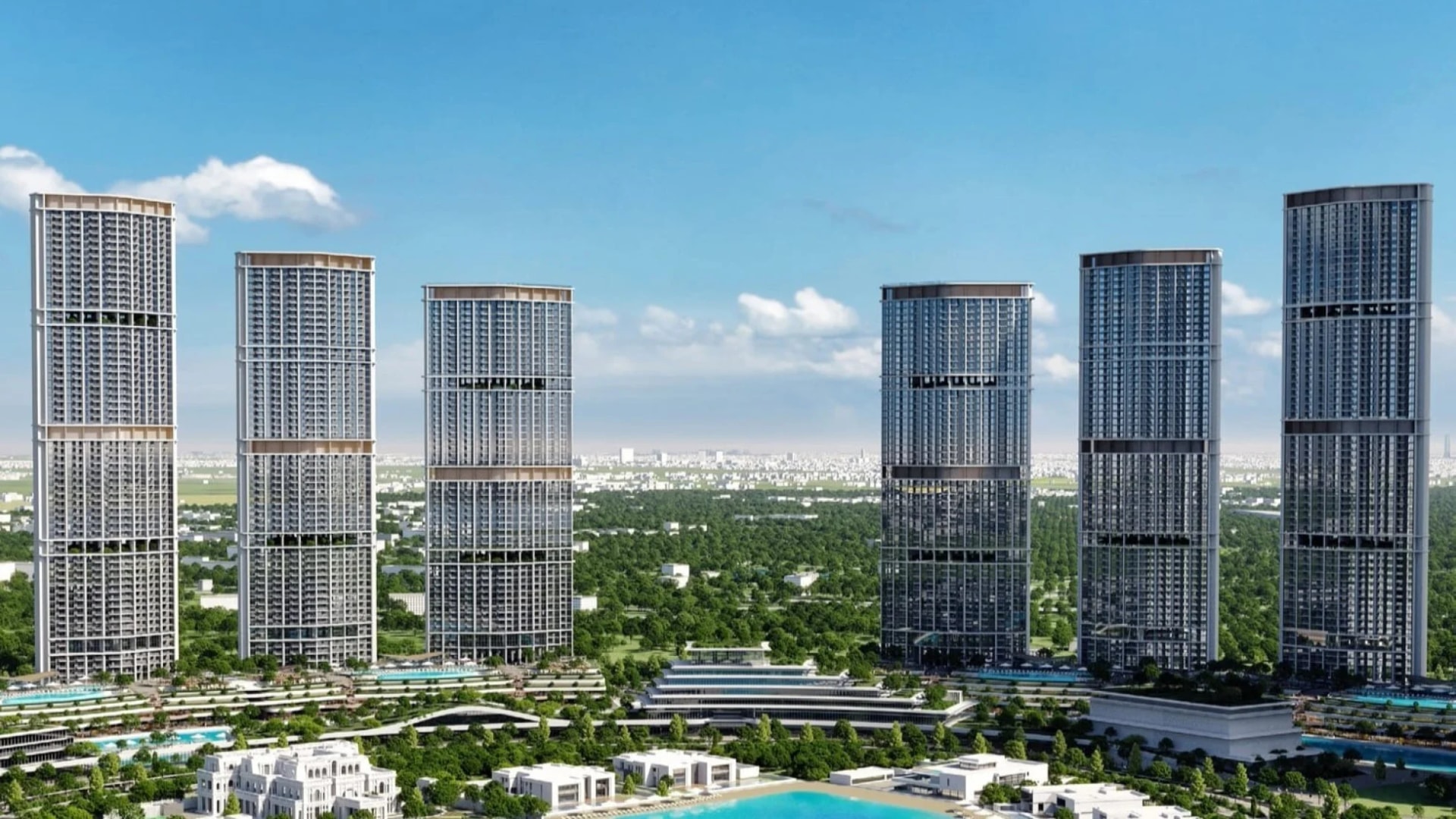
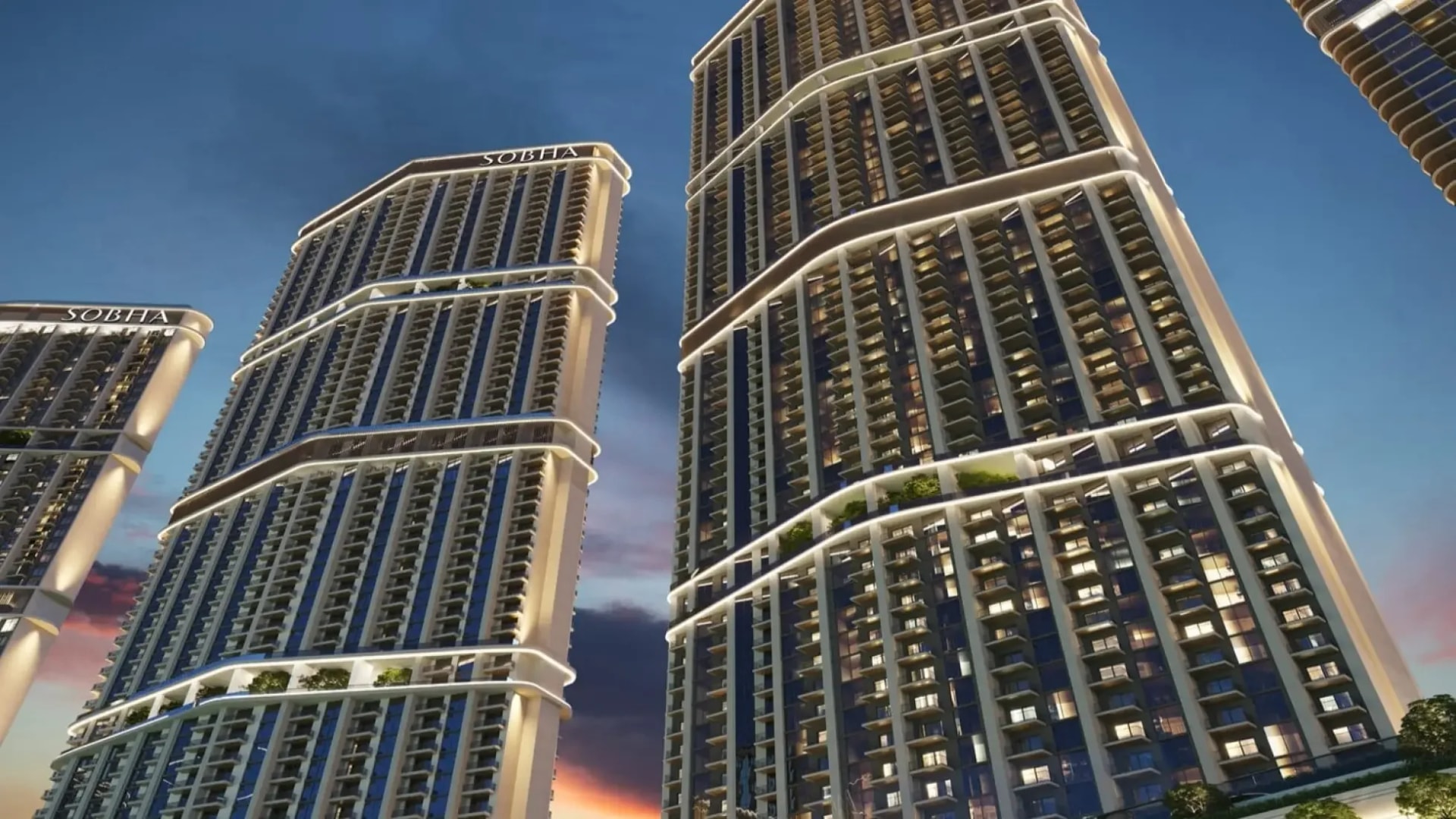
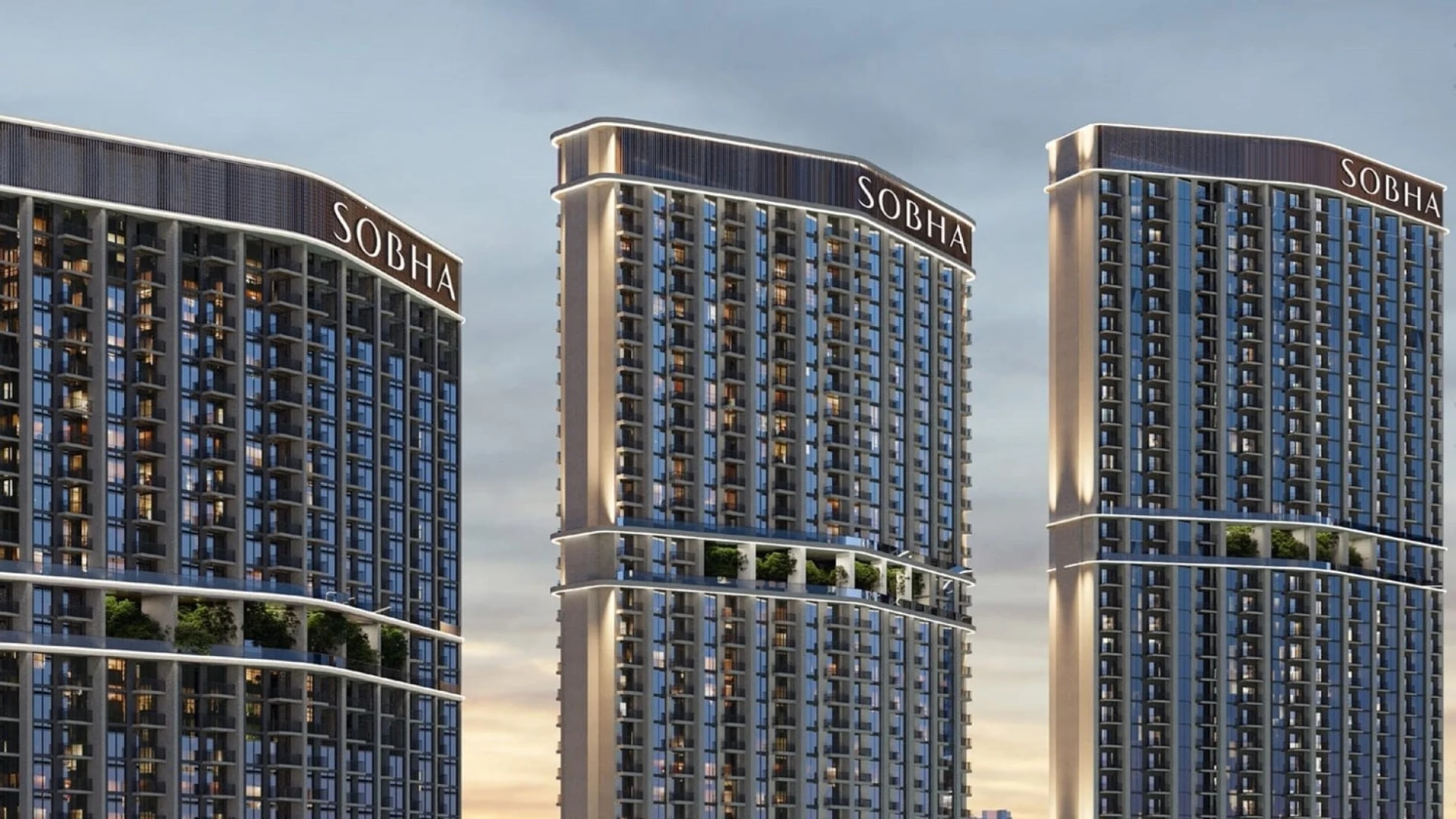
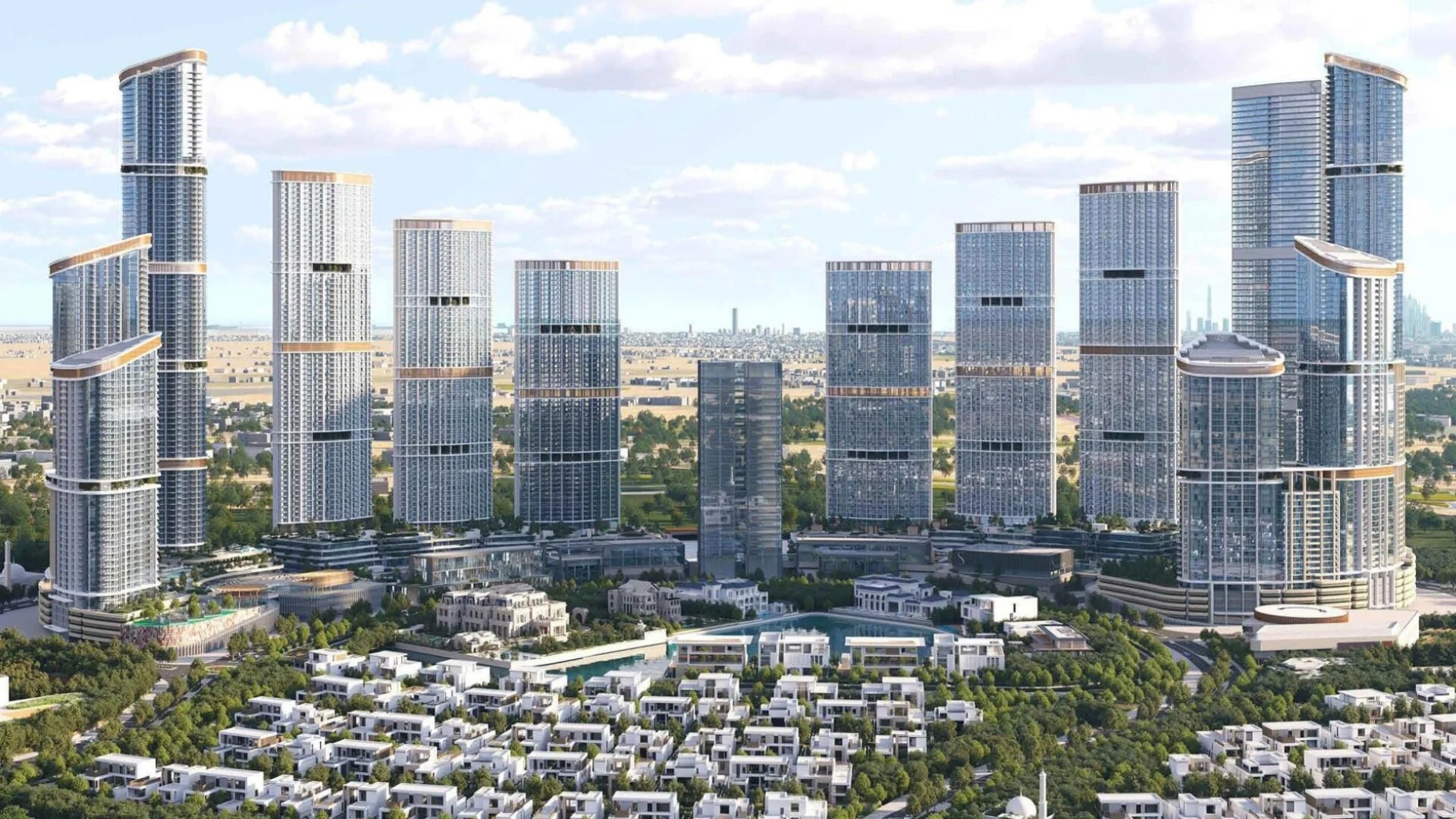
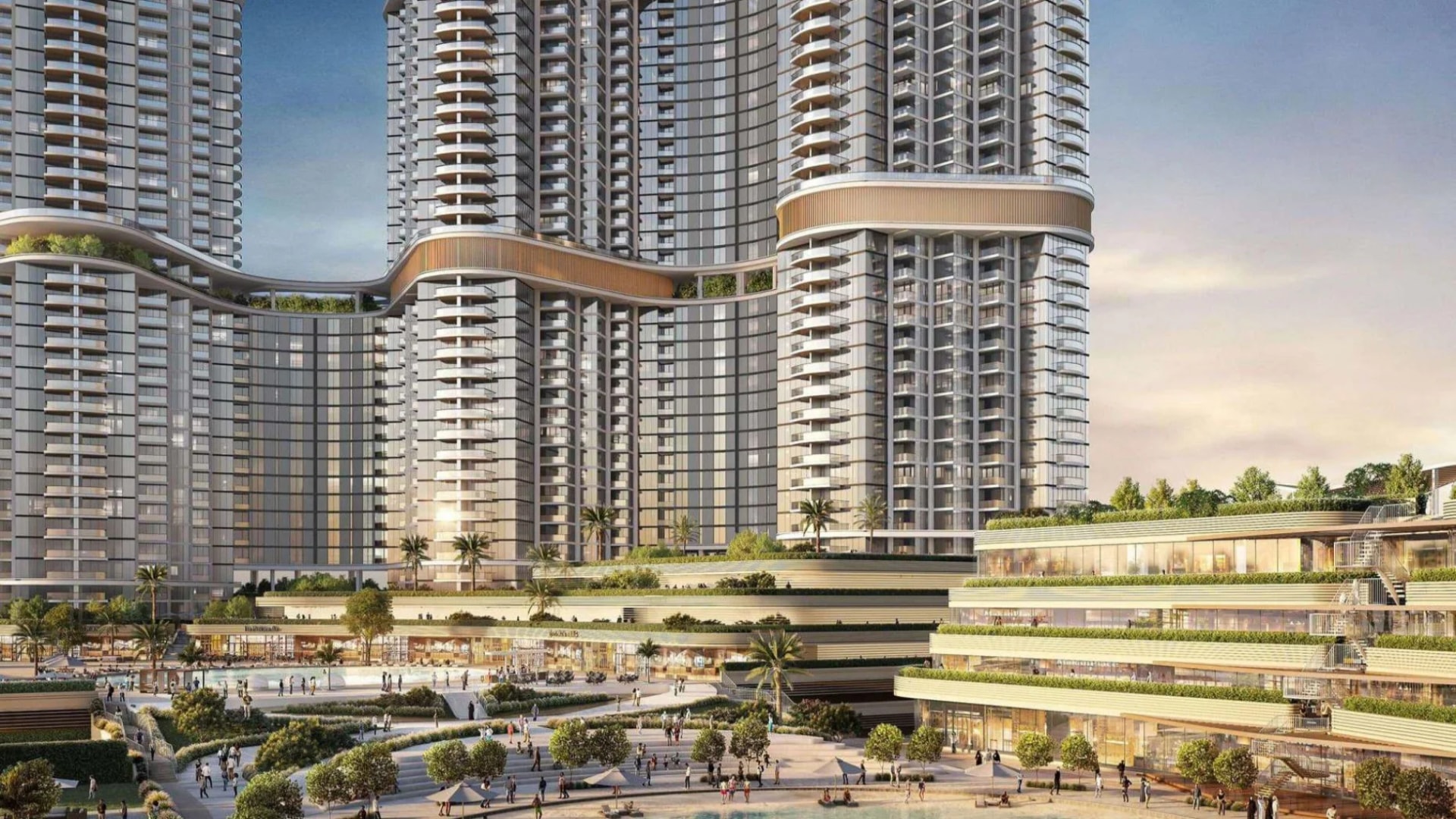
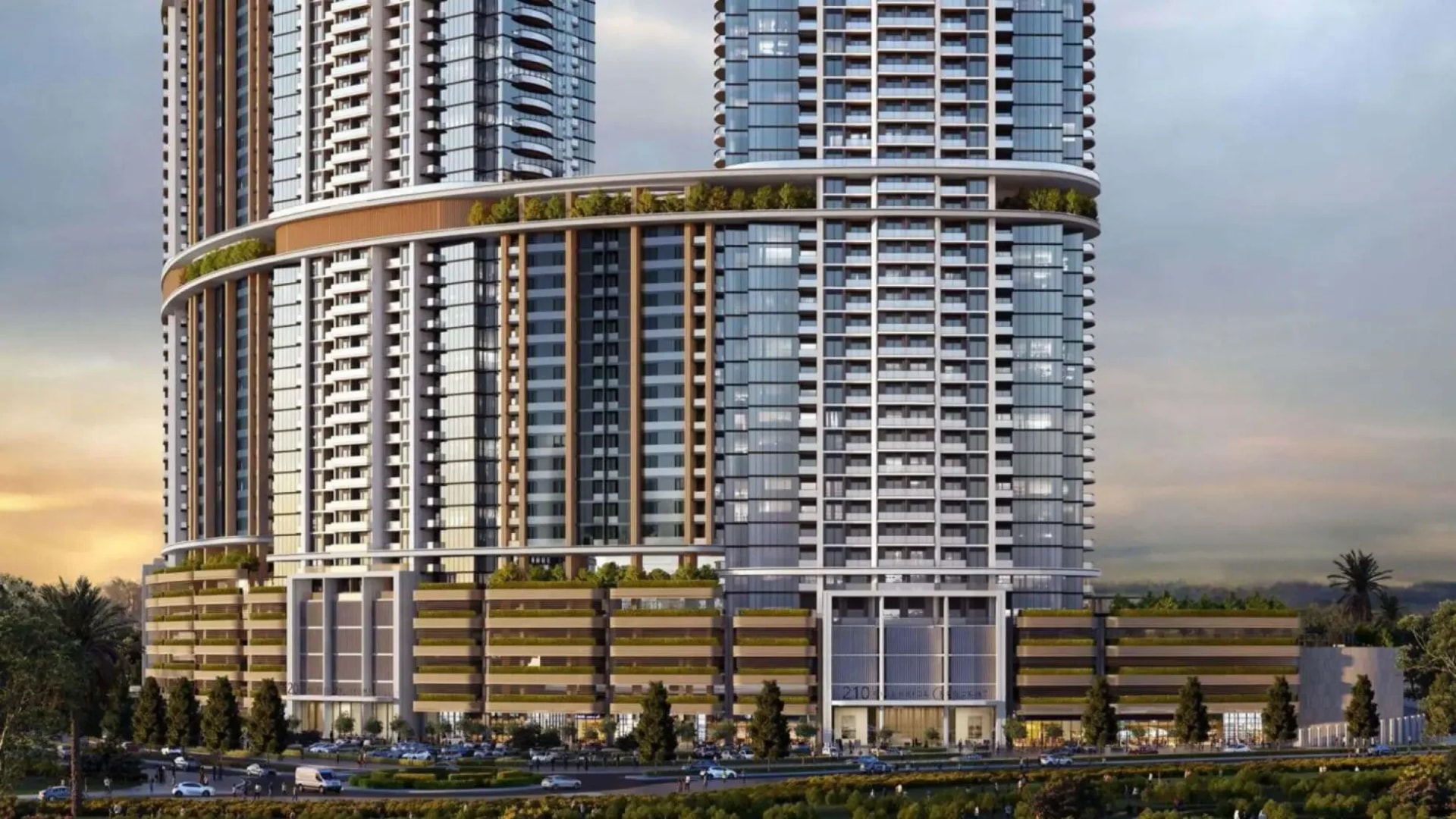
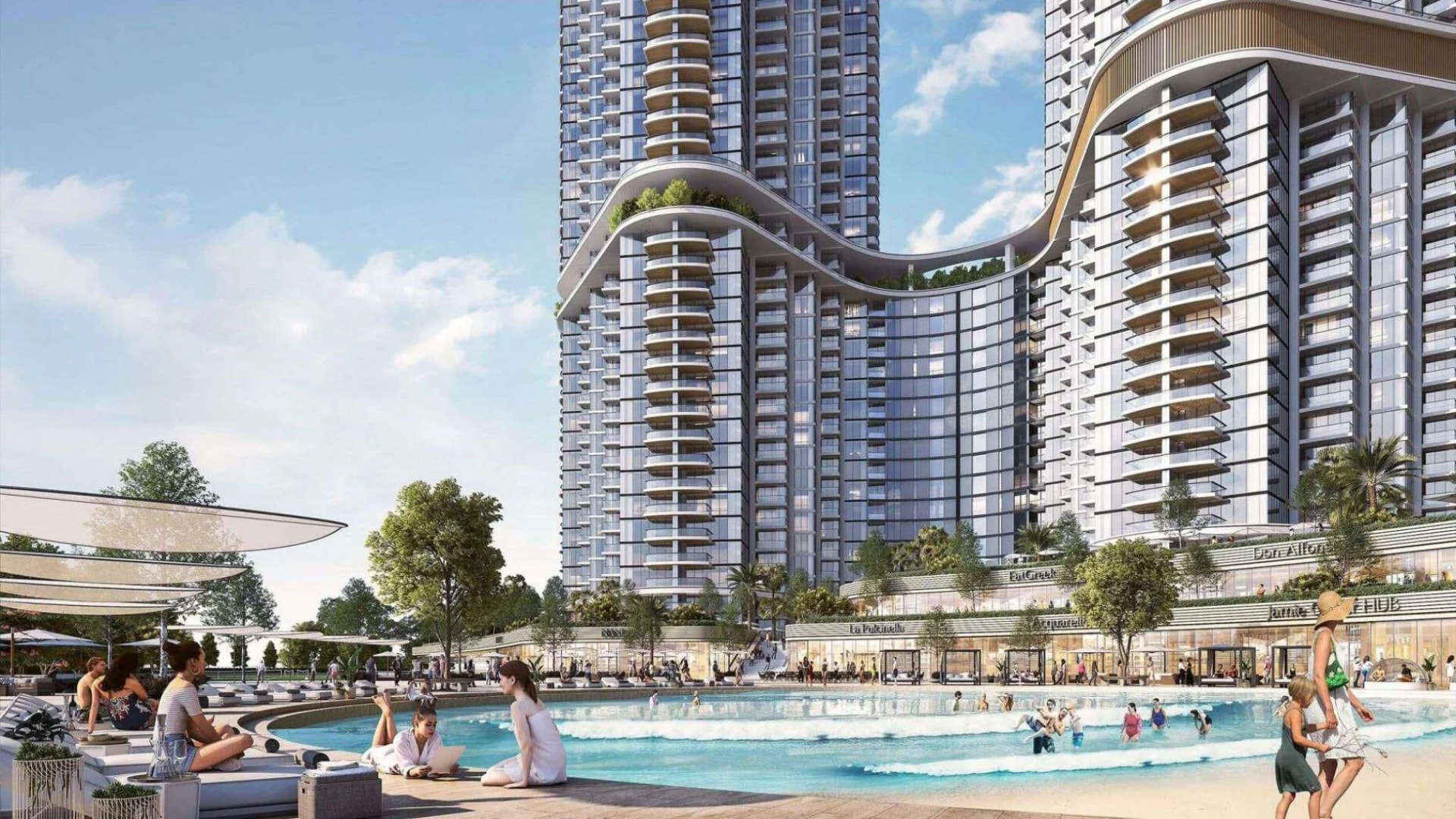
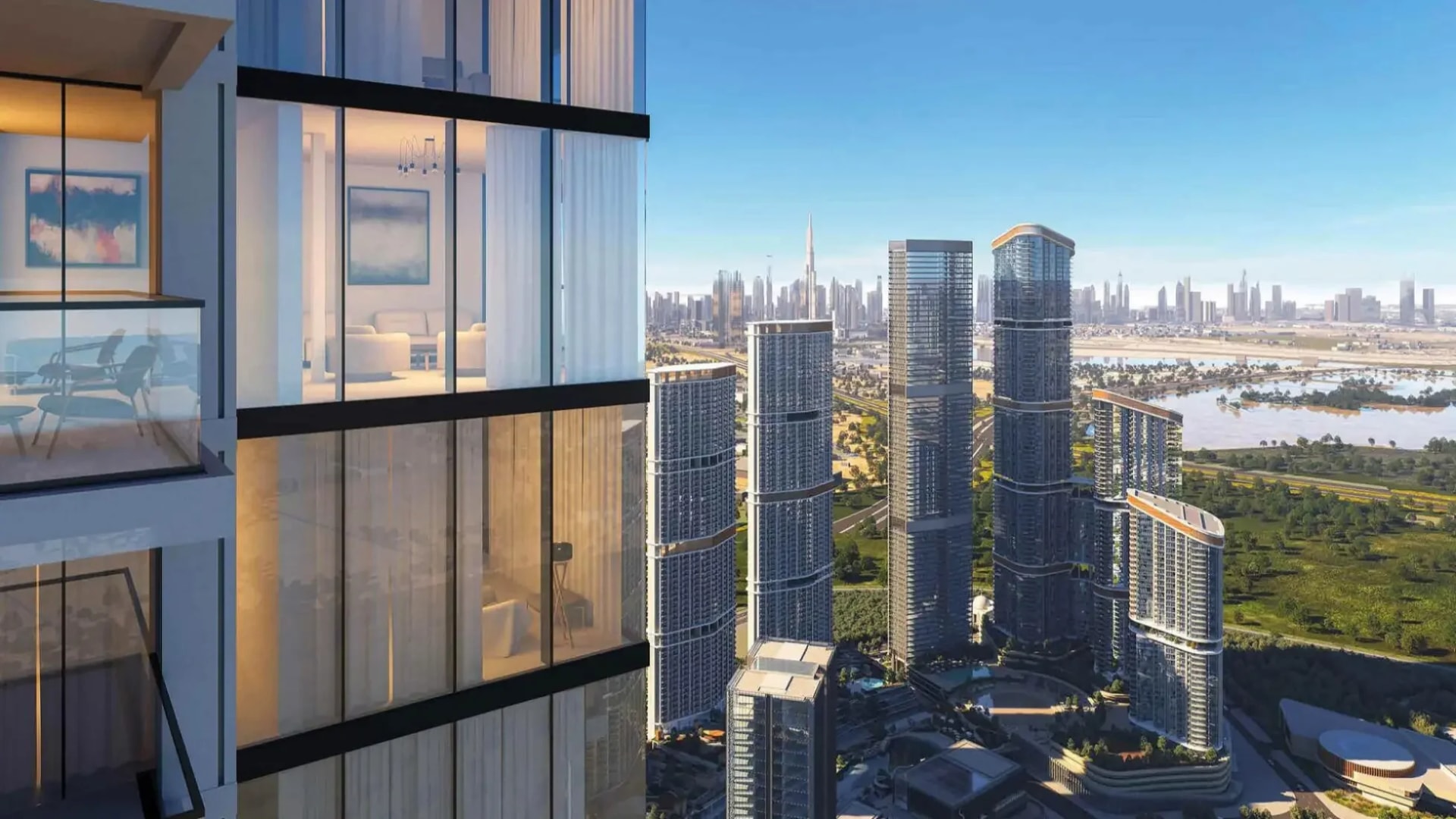
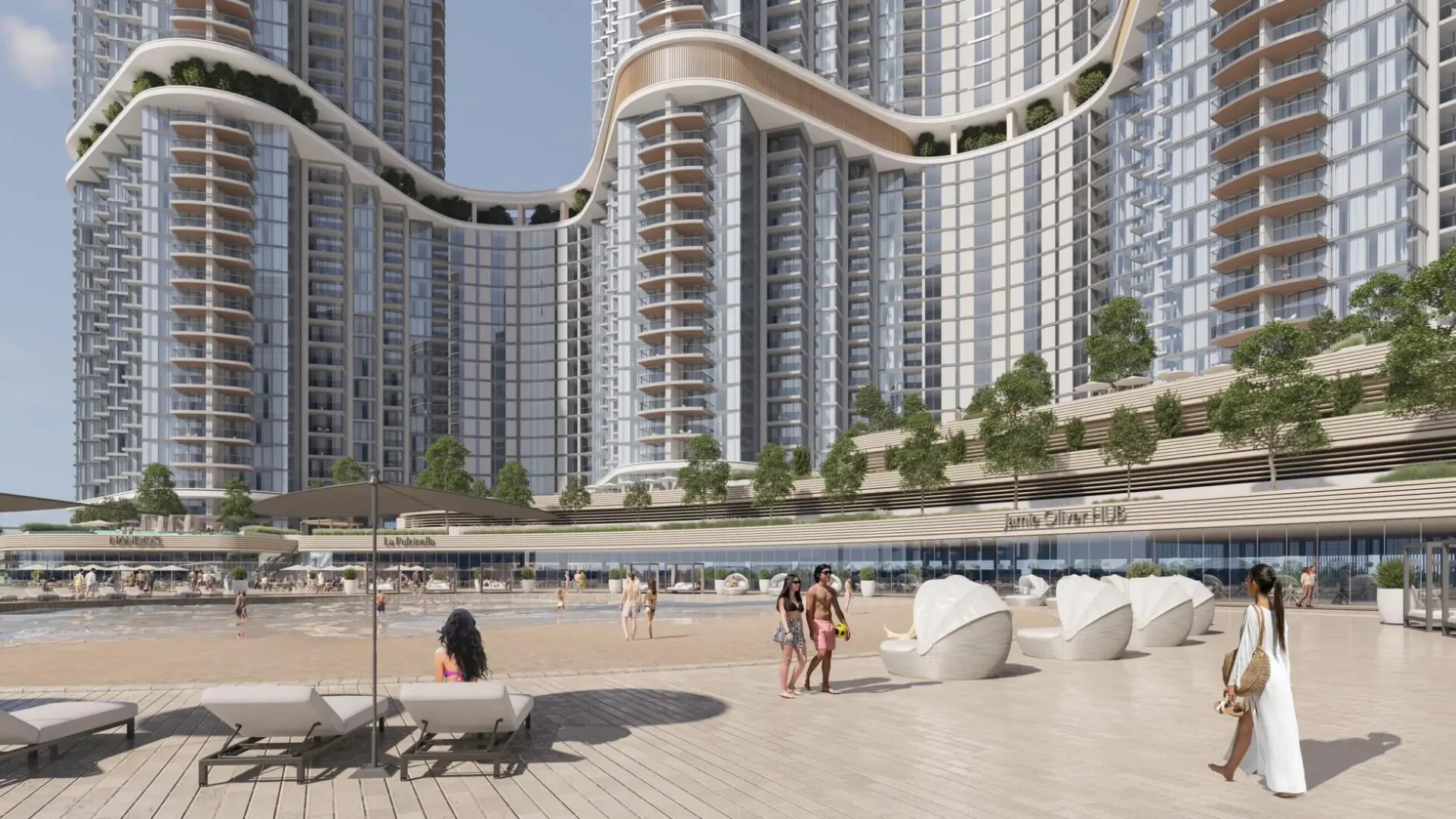
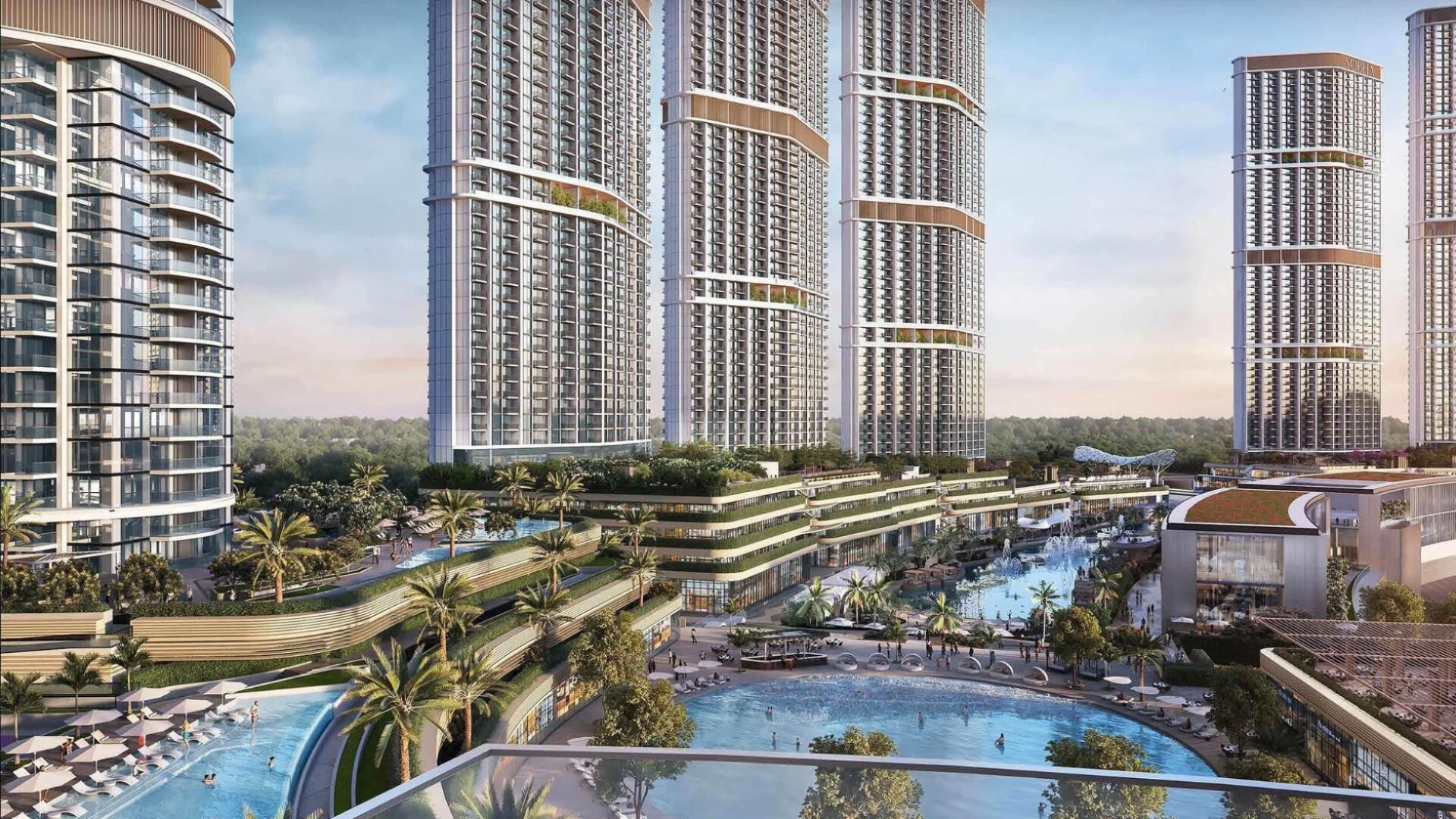
By 2026, Sobha Realty has completed 30+ Dubai projects across MBR City, Business Bay, Umm Suqeim, and other freehold zones, with active development covering Sobha Hartland 2, Sobha One in Al Jaddaf, Sobha Reserve, and several smaller projects. The company is one of a small group of tier-one Dubai developers that retains both balance sheet strength and an in-house construction capability across two decades of cycles.
This analysis assesses Sobha's handover discipline, build quality, post-handover service performance, and how the track record affects underwriting decisions on active Sobha launches in 2026.
Sobha Completed Project Portfolio
Sobha's completed Dubai portfolio includes the original Sobha Hartland (30+ projects, 2017-2022 handovers), Creek Vistas in MBR City, the Reserve villa cluster, Sobha Daffodil, Sobha Sapphire, Sobha Ivory Towers in Business Bay, and several smaller projects. Combined unit count across completed Dubai stock exceeds 8,000 apartments, townhouses, and villas.
The Indian parent company Sobha Limited has completed 130+ projects across India since 1995, providing a longer track record context for the Dubai operation. The Indian portfolio includes residential, commercial, and contractual construction work for tier-one Indian and multinational clients.
For Dubai investors, the combined two-decade Dubai track record plus three-decade Indian parent track record provides substantially more historical performance data than emerging Dubai developers can offer. This depth of track record is one factor supporting the Sobha price premium versus newer market entrants.
Handover Timing Track Record
Sobha's Dubai handover record has been stronger than the broader market average. Original Sobha Hartland projects delivered between 6 and 14 months later than initial off-plan projections, with most projects clustering at 9-12 month delays. The Dubai market average for delivery delay during the 2014-2022 development cycle was 18-24 months, with several smaller developers delivering 30-48 months late or failing to complete.
The vertical integration model contributes to handover discipline because Sobha controls the construction critical path internally rather than depending on third-party contractor timelines. Material procurement, joinery production, and interior fitting all run through Sobha entities, reducing external coordination risk.
For phase 2 buyers, the track record supports a base case expectation of 6-15 month delivery delay versus initial projections. Investors should not underwrite to zero delay but the historical track record makes Sobha's projected handover dates more credible than smaller developer projections.
Build Quality and Finishing Standards
Sobha completed buildings consistently rate among the top tier in Dubai resident satisfaction surveys, with finish quality, joinery, kitchens, bathrooms, and amenity floors meeting or exceeding the price-tier expectation. Snagging defects on handover are reported lower than the industry average; resident-reported issues post-handover are typically resolved within 30-60 days rather than the multi-month delays seen at some competitors.
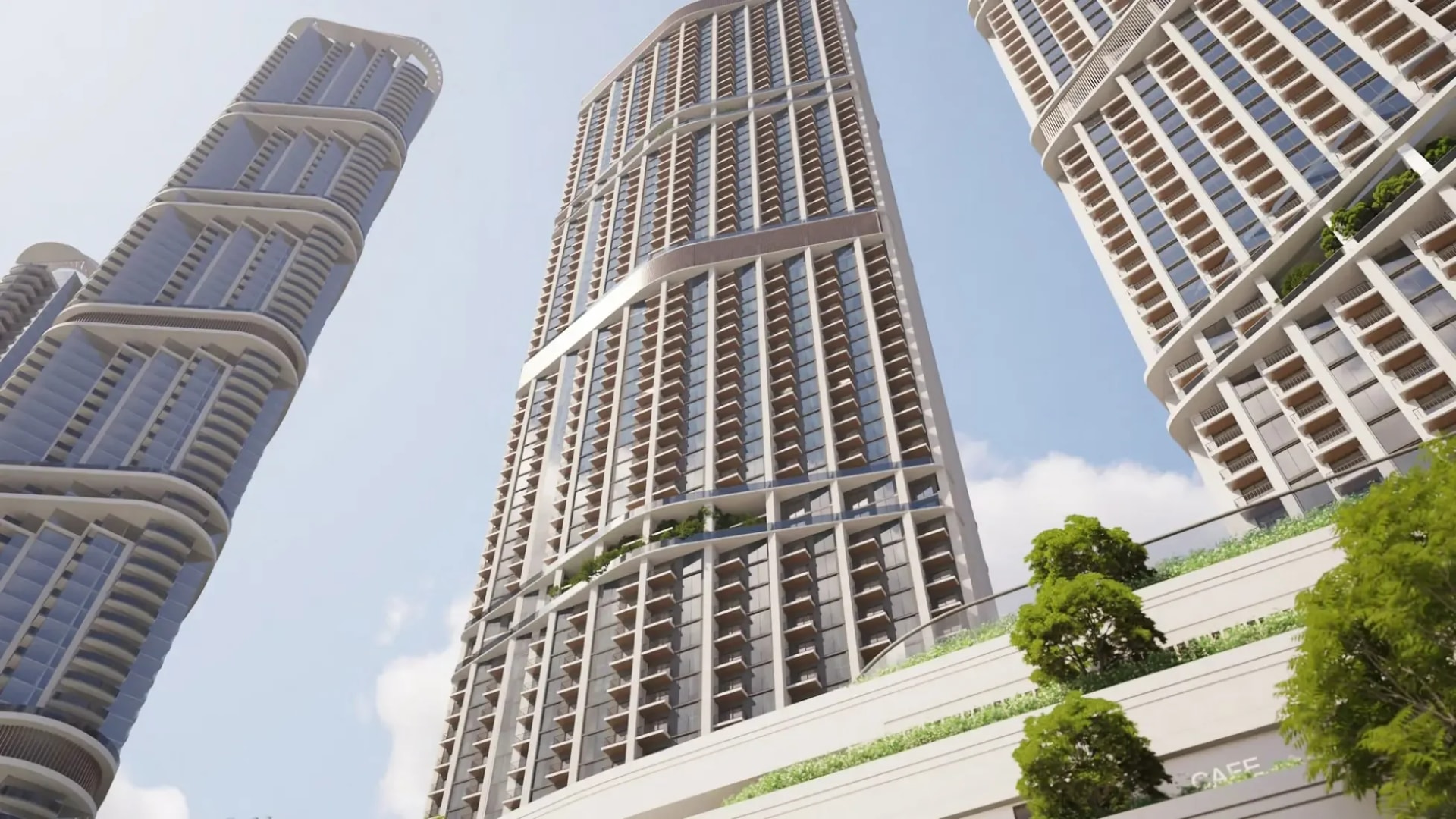
Material quality is consistent across the portfolio. Sobha sources premium fixtures (Hansgrohe, Miele, Bosch on appropriate price tiers) and specifies marble, hardwood, and finished joinery to standards above the typical Dubai mid-tier developer. Service charges reflect this with slightly higher running costs but the quality differential is visible to residents and tenants.
Build quality affects rental and resale demand. Sobha-branded apartments rent at small premiums (3-7%) above equivalent specification non-Sobha apartments in the same micro-market because tenants specifically seek out the Sobha quality reputation. Resale demand is similarly stronger, supporting tighter time-to-sale on resale exits.
Post-Handover Service and Facility Management
Sobha's in-house facility management arm Sobha Living manages most completed Sobha buildings, providing security, cleaning, maintenance, amenity floor staffing, and resident services. Resident complaints about facility management at Sobha buildings are below the Dubai average, with most issues resolved within standard service-level windows.
Service charge management has been transparent. Sobha publishes annual budgets, holds owner association meetings on schedule, and provides reasonable detail on cost line items. Service charges have escalated 15-25% over the 2017-2025 window across the original Hartland portfolio, broadly in line with Dubai facility management cost inflation rather than excess developer markup.
For investors, the post-handover service track record reduces operational friction. Tenants experience fewer issues, vacancy turnover is faster, and resale buyers value the visible quality of community management. These factors translate into measurable yield support over the hold period.
RERA Compliance and Escrow Discipline
All Sobha Dubai projects are RERA-registered with active escrow accounts under UAE Law No. 8 of 2007. Escrow withdrawals are tied to verified construction milestones, providing buyer protection against developer default. Sobha has had no known escrow disputes or RERA enforcement actions on Dubai projects, which is consistent with the track record of larger established developers.
Project completion percentages are reported through the Dubai REST app with regular updates. Sobha Hartland 2 projects show construction percentages tracking on or close to projected curves as of Q1 2026, supporting the credibility of handover dates.
For off-plan buyers, the RERA compliance track record matters because it affects the practical recoverability of deposits in a worst-case scenario. Sobha's clean RERA history supports the assumption that any future delivery issue would be resolved through the standard RERA framework rather than escalating to legal complications.
Sobha vs Other Tier One Dubai Developers
Within the tier-one Dubai developer set (Emaar, Damac, Meraas, Nakheel, Dubai Properties, Sobha, Aldar by extension), Sobha differentiates on vertical integration. Emaar and Meraas operate primarily as developer-financiers with construction outsourced to third-party contractors. Damac operates similarly with a higher launch volume. Nakheel is master-developer focused. Sobha is the only one that builds its own product end-to-end at scale.
Build quality consistency favours Sobha. Emaar produces consistent quality on its premium tier (Downtown, Dubai Hills) but variable quality on its mid-tier mass-market product. Damac has had more reported quality issues across the portfolio. Sobha's vertical model produces tighter quality consistency across price tiers within the Sobha portfolio.
Pricing reflects the quality positioning. Sobha apartments typically price 5-15% above comparable Damac stock and broadly in line with Emaar premium product. The price premium is defensible given the build quality and post-handover service differential.
Balance Sheet Strength and Continuity Risk
Sobha Realty operates with parent company support from Sobha Limited (publicly listed in India) and substantial private capital from the Menon family. The company has weathered the 2008 Dubai market crash, the 2014-2016 oil price correction, and the 2020 pandemic disruption without project cancellations or escrow defaults.
Continuity risk for Sobha buyers is among the lowest in the Dubai developer set. The 20-year track record, parent company depth, and visible balance sheet support the assumption that active off-plan projects will deliver. This is not a guarantee but the probability framework strongly favours completion.
By contrast, smaller Dubai developers without parent company support or two-decade track records carry meaningfully higher continuity risk. Investors comparing Sobha against an emerging developer at lower entry pricing should weight the continuity differential explicitly.
Underwriting Implications for Sobha Hartland 2 Buyers
The Sobha track record supports several underwriting assumptions for phase 2 buyers. First, projected handover dates are credible within a 6-15 month delay band rather than the 18-30 month band typical of weaker developers. Second, build quality at handover will be consistent with the original Hartland portfolio, supporting the projected rental and resale premium. Third, post-handover service will be managed competently through Sobha Living, supporting tenant retention and operational yield.
These assumptions reduce but do not eliminate off-plan risk. No track record guarantees future performance, and macro factors outside Sobha's control (UAE interest rates, regional capital flows, broader Dubai supply absorption) can affect actual outcomes.
For yield-focused investors, the Sobha track record translates into a defensible base case projection. For appreciation-focused investors, the track record supports the assumption that completed phase 2 stock will trade at premium per-square-foot prices in the post-2027 secondary market.
How to Evaluate Sobha Projects Through Oliva
Oliva includes Sobha track record analysis in every Sobha listing alongside payment plan breakdowns, comparable rental data, and yield projections. The Oliva methodology score weights developer track record explicitly, ensuring tier-one developer projects receive credit for the continuity and quality differential versus emerging market entrants.
Browse Sobha projects on Oliva
Frequently Asked Questions
How long has Sobha Realty operated in Dubai?
Sobha Realty has operated in Dubai since 2003, providing a 20+ year regional track record with 30+ completed projects. The Indian parent company Sobha Limited has operated since 1995 with 130+ completed projects, providing a longer combined developer history than most Dubai market participants.
Has Sobha ever failed to deliver a Dubai project?
No. Sobha has no record of cancelled, abandoned, or escrow-defaulted projects in Dubai across the 2003-2026 operating window. Original Sobha Hartland projects delivered 6-14 months later than initial projections, which is within or below the broader Dubai market average for delivery delay.
How does Sobha's build quality compare to Emaar and Damac?
Sobha's vertical integration model produces tighter build quality consistency than Damac across the portfolio and matches Emaar premium product on quality. Sobha pricing typically runs 5-15% above comparable Damac stock and broadly in line with Emaar premium positioning, reflecting the quality differential.
What is Sobha Living and does it manage Sobha Hartland 2?
Sobha Living is Sobha Realty's in-house facility management arm. It manages most completed Sobha buildings, providing security, cleaning, maintenance, and resident services. Sobha Hartland 2 buildings are expected to be managed by Sobha Living post-handover, consistent with the practice across the original Sobha Hartland portfolio.
Should I pay the Sobha price premium versus a lower-tier developer?
The premium is defensible if you value build quality consistency, handover discipline, and post-handover service quality. Tier-one Sobha branding supports rental premium of 3-7% and stronger resale demand versus equivalent specification mid-tier developer stock. For long-hold investors, the operational benefits typically justify the entry premium across the hold period.
Explore further
The project, area, and developer this post covers, with live Dubai Land Department data.
Related articles

Sobha Hartland 2: Complete Investor Guide 2026

Sobha Hartland 2 vs Original Sobha Hartland: Which to Buy in 2026

Sobha Hartland 2 Prices and Yields 2026: Off-Plan Underwriting

Sobha Hartland 2 vs MBR City: Which Community to Buy in 2026

Dubai Land Department: The Complete 2026 Investor Guide

Wadi Al Safa 5 investor area guide: around Nuve by Zoya (2026)
Related Dubai property analysis from the Oliva editorial team.