Underwrite before you commit
The figures in this post are checked against Dubai Land Department records and RERA filings. Get an independent underwriting score on any project, or ask Javier on WhatsApp.
Dubai Hills Estate: Complete Investor Guide 2026
Capital values in Dubai Hills Estate have risen more than 60% since the community's first handovers in 2020, according to DLD (Dubai Land Department, the authority that registers all property transactions in Dubai) transaction records, positioning the development as one of Emaar Properties' strongest-performing master-planned communities on a total return basis. For investors who purchased off-plan in 2018-2019, the combination of capital growth and rental income has produced returns that significantly outpaced the broader Dubai residential market over the same period.
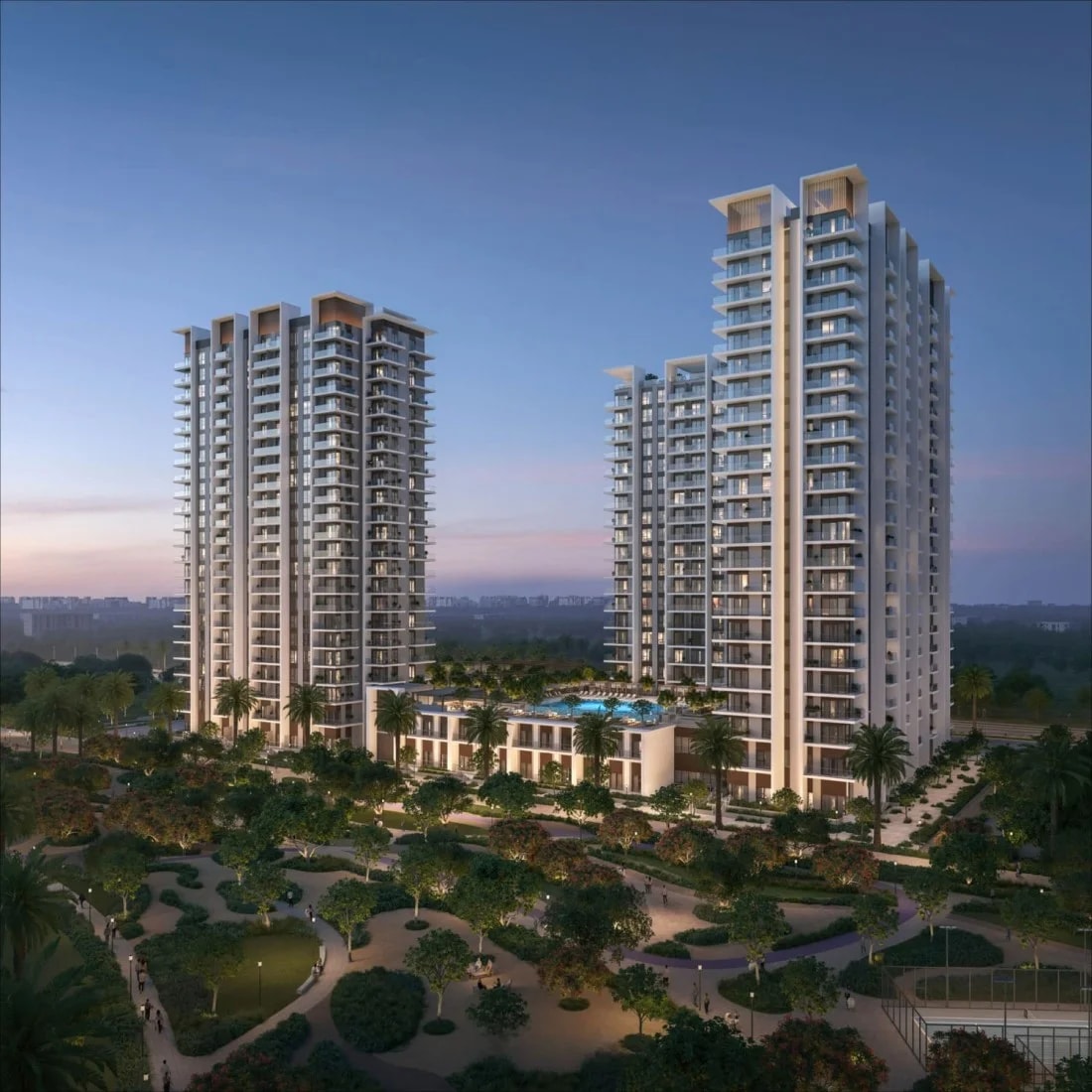
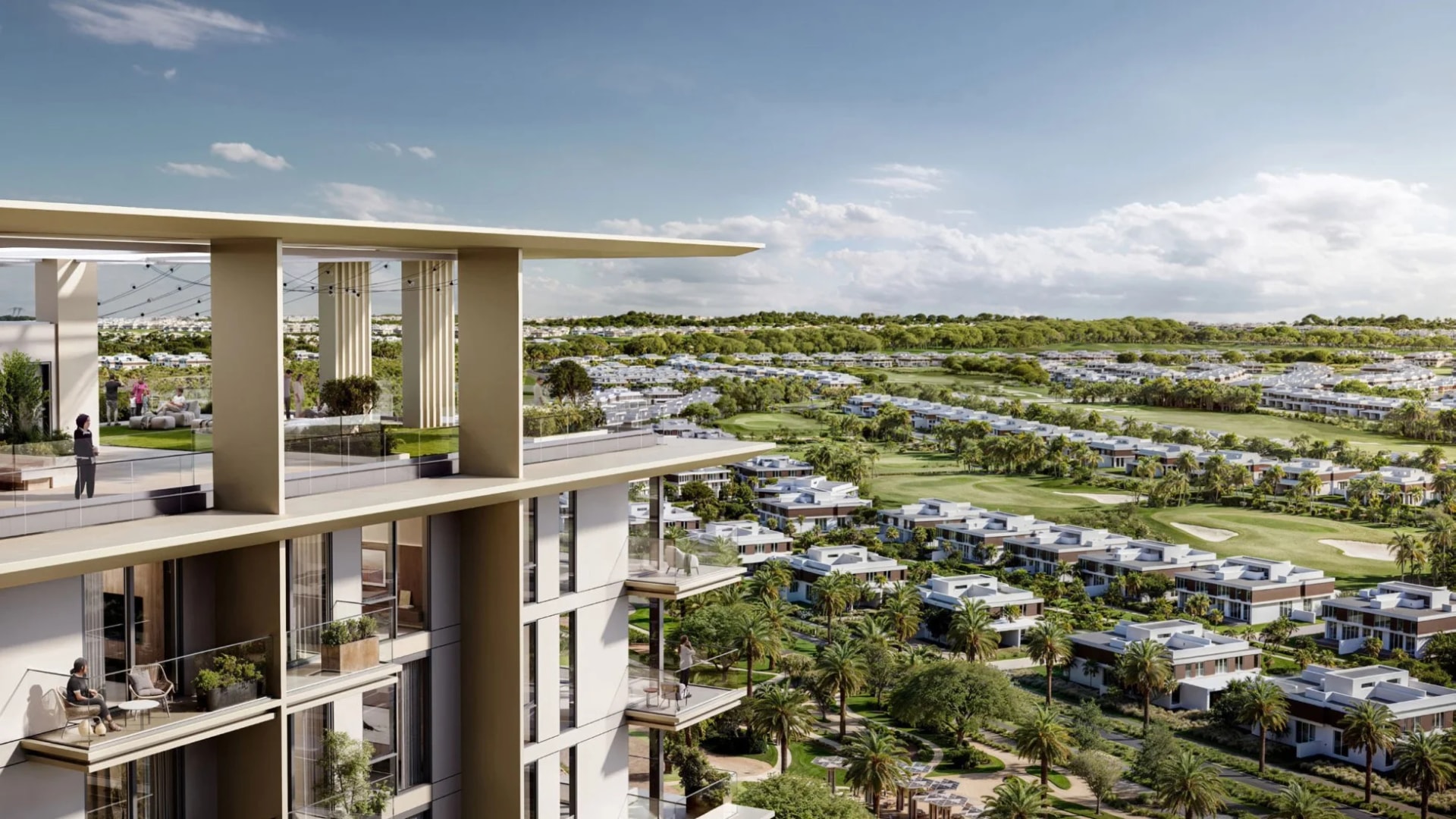
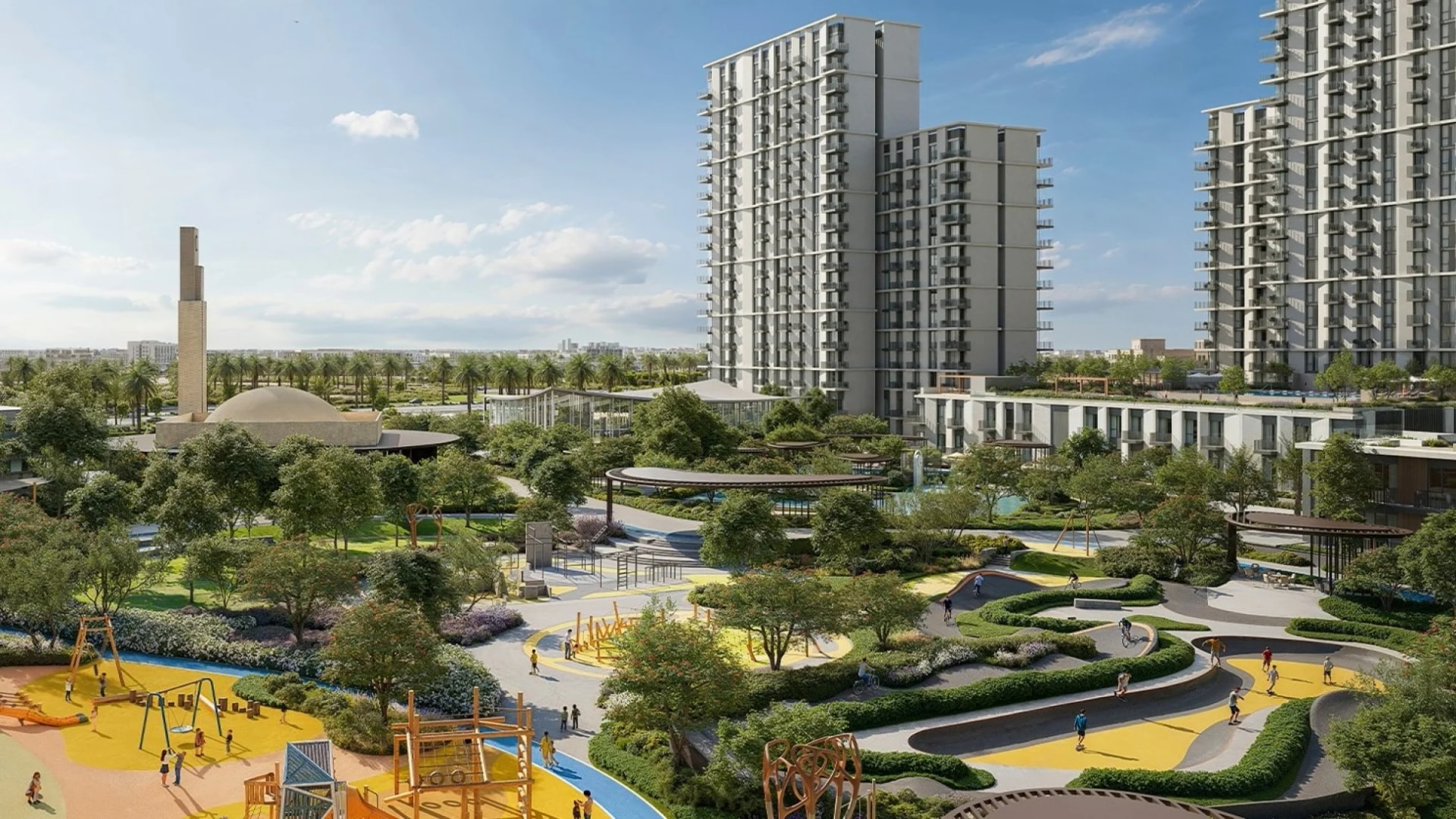
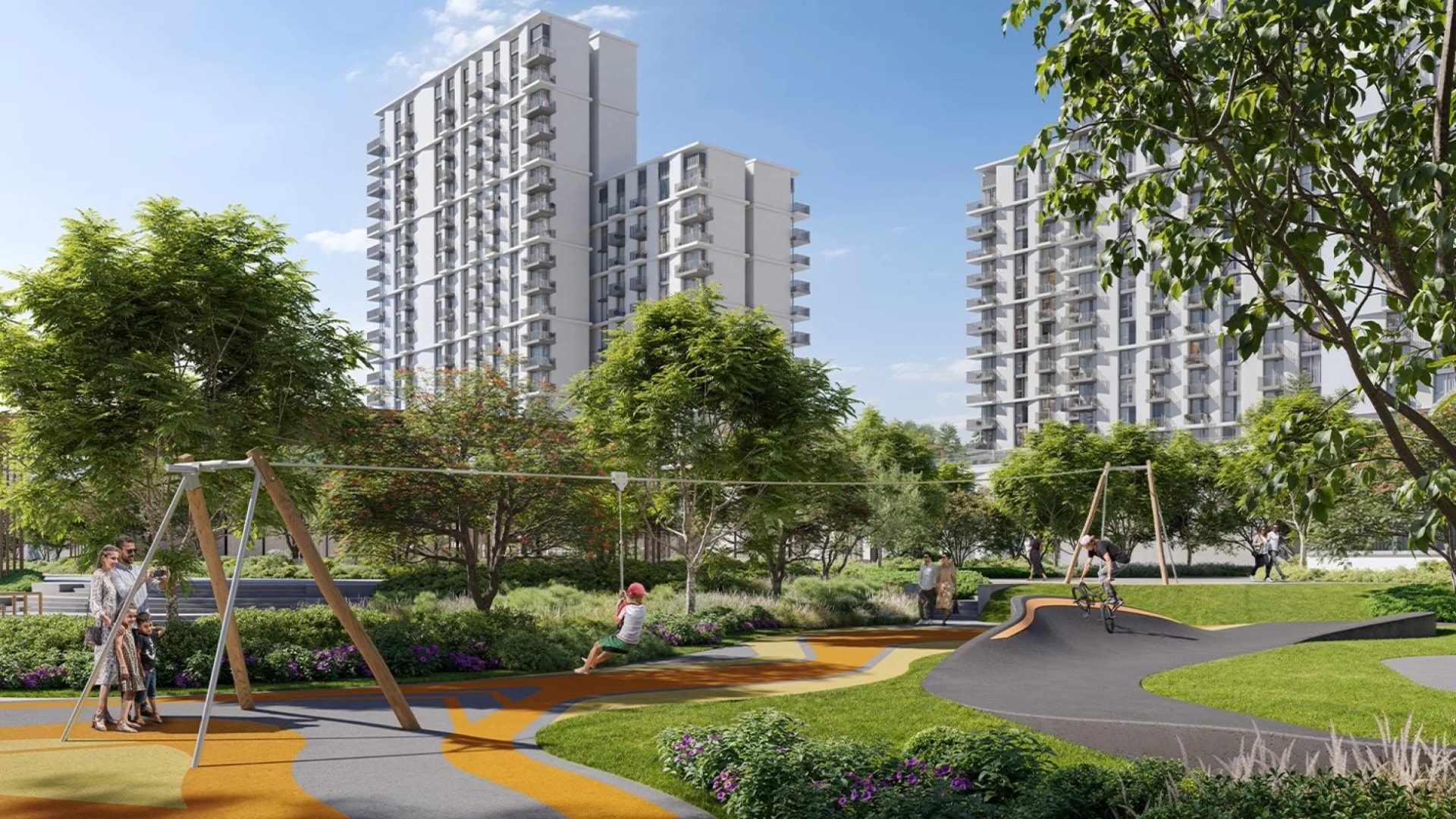
Dubai Hills Estate is a freehold (full ownership with no time limit, available to all nationalities in designated DLD zones) master-planned community developed jointly by Emaar Properties and Meraas. Spanning approximately 11 square kilometres in the Al Khail Road corridor, it holds a mix of apartments, townhouses, and villas centred on an 18-hole championship golf course and flanked by Dubai Hills Mall, King's College Hospital Dubai, and a growing network of schools and community amenities. The community is approximately 15 minutes from Downtown Dubai and 10 minutes from Business Bay.
Why Investors Choose Dubai Hills Estate
Dubai Hills Estate is one of the few Dubai communities where family lifestyle demand and investment return converge. The 18-hole golf course, Dubai Hills Mall, King's College Hospital, and multiple KHDA-rated schools within or adjacent to the community create a self-contained lifestyle proposition that sustains rental demand from families and professionals at income levels above the Dubai median.
Gross yield (annual rent divided by purchase price, expressed as a percentage) averages 5.0-7.0% for apartments and 4.0-5.5% for villas (Property Monitor, 2026). While yield is below the Dubai citywide average for apartments in some building types, the capital appreciation track record and the quality of the tenant base make Dubai Hills Estate a strong long-term hold. DLD transaction volume exceeded 3,500 per year in 2025, placing the community among the top 10 Dubai submarkets by transaction activity.
Emaar's continued launch of new phases within Dubai Hills Estate means investors can access off-plan (property purchased before or during construction, typically with a staged payment plan) units with payment plan flexibility in a community whose infrastructure is already largely proven. This is a rare combination: the risk profile of an established community with the pricing advantages of an ongoing development.
Properties in Dubai Hills Estate across all unit types from two-bedroom apartments upwards typically comfortably qualify for the 2-year property investor visa under the April 2026 rules (no minimum for sole owners, AED 400,000 each for joint owners). Most villas and larger apartments clear the AED 2,000,000 threshold for the 10-year Premium Investor Visa. Verify current eligibility criteria with GDRFA or your legal advisor.
The community's development stage is described as master-planned and maturing: the core infrastructure is complete, major amenities are operational, but new sub-districts within the larger estate continue to deliver additional inventory and community features through 2027-2028.
Dubai Hills Estate at a Glance
| Metric | Data |
|---|---|
| Average price per sqm (apartments) | AED 19,400-34,400 (DLD data, Q1 2026) |
| Average price per sqft (apartments) | AED 1,800-3,200 |
| Average price per sqft (villas) | AED 2,000-4,500 |
| Median sale price | AED 2.4M (2BR apartment benchmark, DLD Q1 2026) |
| Average gross yield (apartments) | 5.0-7.0% (Property Monitor, 2026) |
| Average gross yield (villas) | 4.0-5.5% |
| Average service charge | AED 18-28/sqft/year |
| YoY price change | +12-18% (DLD data, 2024-2025) |
| DLD transactions (last 12m) | 3,500+ |
| Off-plan share | Approximately 60% |
| Ownership type | Freehold |
| Area type | Residential (Mixed) |
| Lifestyle profile | Family |
| Nearest metro | No direct metro (planned extension on Al Khail Road) |
| Nearest mall | Dubai Hills Mall (within community, 0.5km) |
| Golden Visa eligible | Yes |
| Key developers | Emaar, Emaar South (sub-brand), Meraas |
The 12-18% YoY price appreciation (DLD data, 2024-2025) exceeds the Dubai average of 8-12%, reflecting sustained end-user demand from families relocating to the community. The 60% off-plan share signals that Emaar's new phase launches continue to attract investors willing to wait 18-36 months for handover in exchange for below-secondary-market entry prices.
Property Types and Price Ranges in Dubai Hills Estate
| Property Type | Price Range (AED) | Price/sqft (AED) | Avg Gross Yield |
|---|---|---|---|
| Studio | 750,000-1,300,000 | 1,800-2,400 | 6.0-7.0% |
| 1-Bedroom | 1,200,000-2,200,000 | 1,800-2,800 | 5.5-6.5% |
| 2-Bedroom | 2,000,000-4,500,000 | 1,900-3,200 | 5.0-6.0% |
| 3-Bedroom Apartment | 4,000,000-9,000,000 | 2,200-3,500 | 4.5-5.5% |
| 3-Bedroom Villa/Townhouse | 5,000,000-12,000,000 | 2,000-3,500 | 4.0-5.0% |
| 4-5 Bedroom Villa | 10,000,000-35,000,000+ | 2,500-4,500 | 3.5-4.5% |
| Data sourced from DLD and Property Monitor, Q1 2026. |
Studios and one-bedroom apartments in Dubai Hills Estate buildings such as Acacia, Maple, and Park Heights offer the strongest yield-to-price ratio within the community. These units attract young professionals and couples who value the community environment and mall access but whose rental budget falls in the AED 55,000-100,000 range.
Villas and townhouses are the signature product of Dubai Hills Estate and the category that has driven the majority of the 60%+ capital appreciation since launch. Three-bedroom townhouses in Maple and Sidra sub-communities that launched off-plan at AED 1.8M-2.5M in 2017-2019 now trade at AED 4.5M-6.5M on the secondary market (DLD data, Q1 2026), representing a 80-180% total return over the hold period.
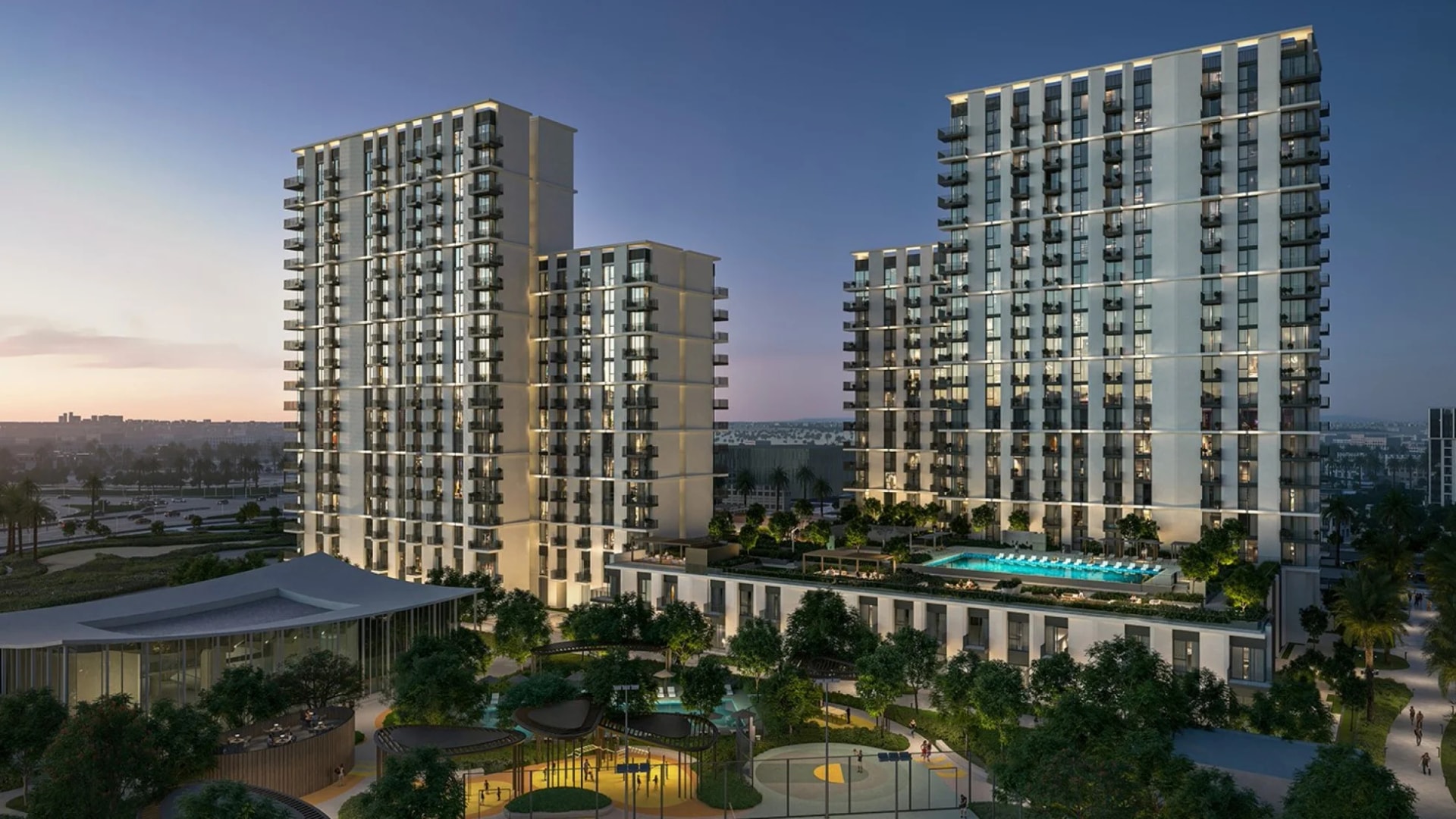
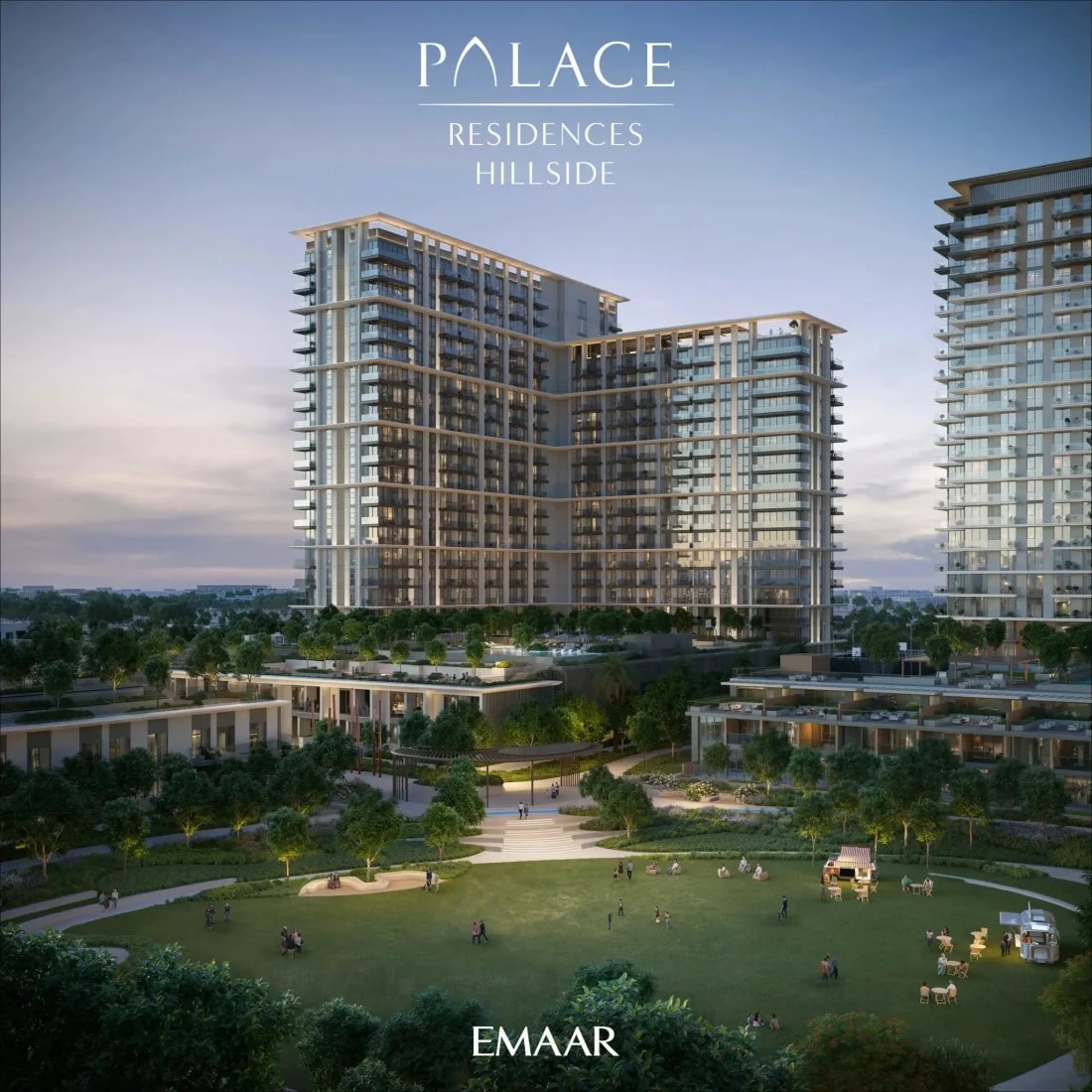
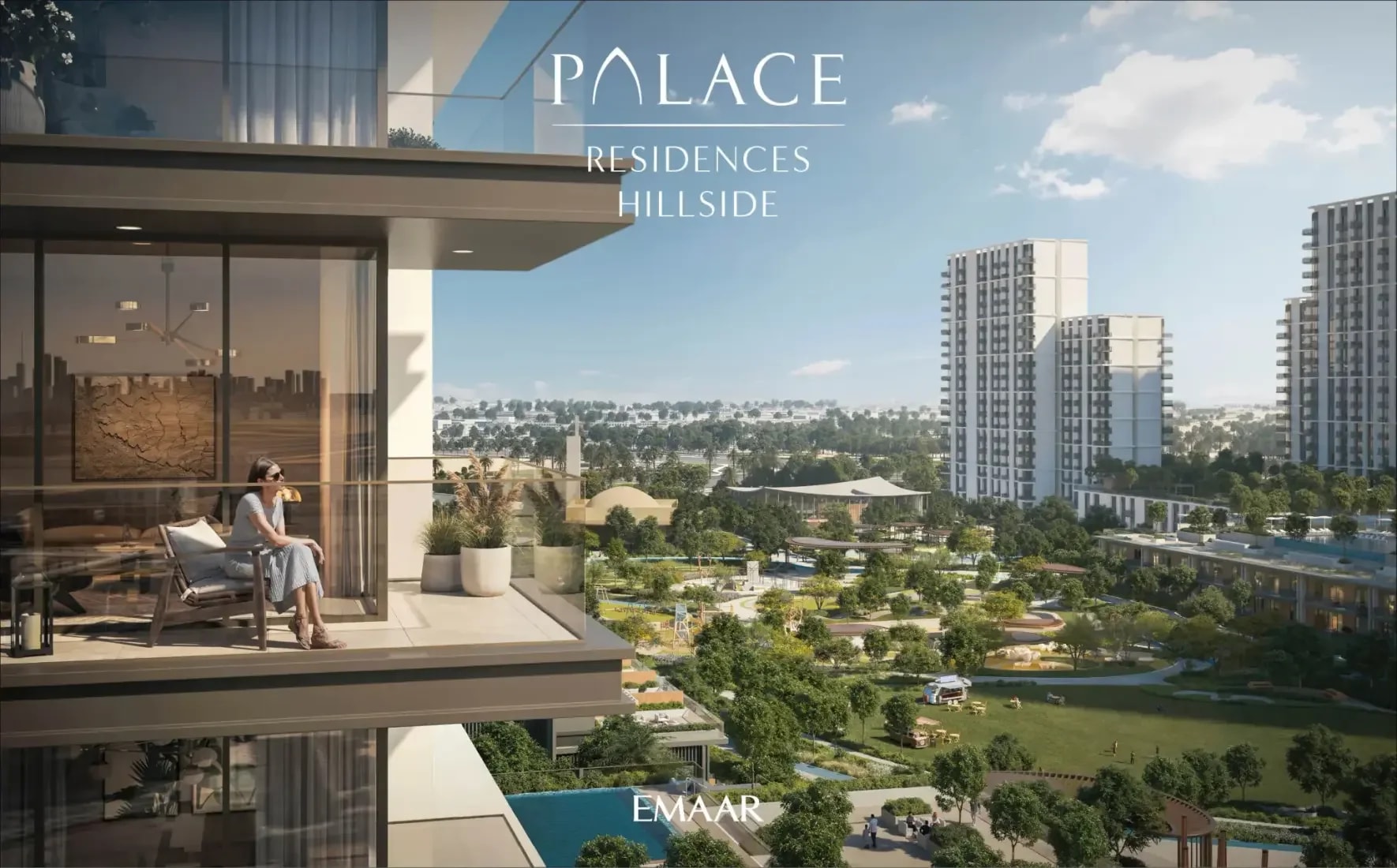
Off-plan launches from Emaar in Dubai Hills Estate continue to attract investors. Recent phases include Golf Place, Golf Grove, and newer apartment towers within Park Heights. Emaar's established track record of delivery in this community (most of the original phases have been handed over on time) provides a higher degree of confidence for off-plan buyers compared to less-established developers. Verify RERA (Real Estate Regulatory Authority, which governs developers and brokers in Dubai) escrow (trust account where off-plan payments are held until construction milestones are verified by RERA) registration for all off-plan purchases at dubailand.gov.ae.
Rental Yields and Investment Potential
Dubai Hills Estate's gross yield of 5.0-7.0% for apartments reflects strong rental demand from families and professionals who value the community infrastructure, school access, and King's College Hospital proximity. To calculate net yield (gross yield minus service charge, DLD fees, and management costs) in Dubai Hills Estate: subtract the average service charge (annual maintenance fee paid by all owners) of AED 18-28 per sqft per year and the DLD transfer fee (4% amortised over a 5-year hold) from gross rental income, then divide by purchase price. On a AED 2M two-bedroom apartment with AED 120,000 annual rent, service charges of AED 24,000 on 1,100 sqft, management fees of AED 9,600, and amortised DLD cost of AED 16,000 per year produce a net yield of approximately 3.5-4.0%.
| Unit Type | Avg Annual Rent (AED) | Gross Yield |
|---|---|---|
| Studio (550 sqft) | 55,000-80,000 | 6.0-7.0% |
| 1-Bedroom (800 sqft) | 80,000-120,000 | 5.5-6.5% |
| 2-Bedroom (1,200 sqft) | 110,000-170,000 | 5.0-6.0% |
| 3-Bedroom Villa/TH (2,500 sqft) | 200,000-350,000 | 4.0-5.0% |
| 4-Bedroom Villa (4,000 sqft) | 320,000-600,000 | 3.5-4.5% |
| Rental data sourced from Bayut market report, 2026. |
Rental rates in Dubai Hills Estate rose approximately 8-12% year-on-year in 2025 (Bayut, 2026), driven by families relocating from older Jumeirah and Al Barsha villas who prefer newer community infrastructure. The school bus network serving multiple KHDA schools from within the community reduces the logistical friction for families that represents a meaningful contribution to tenant retention and rental rate stability.
Dubai's overall average gross yield stands at approximately 5.5-6.5% (Property Monitor, 2026). Dubai Hills Estate's apartment yield range of 5.0-7.0% places it broadly in line with the citywide average, with the community's long-term hold case resting more on capital appreciation than on maximising annual cash flow.
Past performance does not guarantee future returns. Real estate investment involves risk. Consult a qualified financial or legal advisor before making any investment decision.
Schools Near Dubai Hills Estate
| School | Curriculum | KHDA Rating | Distance | Annual Fees (AED) |
|---|---|---|---|---|
| GEMS International School Al Khail | IB | Outstanding | 1km / 5 min drive | 55,000-90,000 |
| Nord Anglia International School | British/IB | Outstanding | 3km / 8 min drive | 65,000-100,000 |
| King's School Al Barsha | British | Outstanding | 5km / 10 min drive | 60,000-85,000 |
| GEMS Wellington Academy Al Khail | British | Outstanding | 2km / 6 min drive | 55,000-85,000 |
| Dubai British School Jumeirah Park | British | Good | 8km / 15 min drive | 50,000-75,000 |
| School ratings sourced from KHDA inspection reports. Fees are indicative annual ranges. Verify current ratings at khda.ae before making a relocation decision. |
Dubai Hills Estate has one of the strongest school catchments of any Dubai master-planned community. GEMS International School Al Khail (IB, Outstanding) and GEMS Wellington Academy Al Khail (British, Outstanding) are both within a 6-minute drive, and Nord Anglia International School is 8 minutes away. This concentration of Outstanding-rated schools within a 10-minute radius is a primary draw for families relocating from other parts of Dubai and from overseas. School fees and ratings are updated annually by KHDA.
Infrastructure and Connectivity
Dubai Hills Estate has no direct Metro connection as of 2026. RTA has announced plans for a Metro extension along Al Khail Road that would include Dubai Hills stations, but no confirmed opening date has been publicly committed. Residents are dependent on private vehicles and ride-hailing services for all non-community journeys. This is a material consideration for car-free households.
Al Khail Road (E44) is the community's primary road spine, providing direct access to Business Bay (10 minutes), Downtown Dubai (15 minutes), and Dubai Marina (20 minutes) off-peak. Hessa Street connects east to Nad Al Sheba and Meydan. Sheikh Mohammed Bin Zayed Road (E311) is accessible via Umm Suqeim Road interchange in approximately 10 minutes.
Dubai International Airport (DXB) is approximately 25 kilometres from Dubai Hills Estate, a 25-30 minute drive in normal traffic via Al Khail Road and Sheikh Zayed Road.
Dubai Hills Mall, opened in 2022, is the community's primary retail and dining destination, located within the estate approximately 500 metres from the main residential clusters. The mall has over 650 retail outlets and serves as the community's social hub. Mall of the Emirates is 8 kilometres away, approximately 15 minutes by car.
King's College Hospital Dubai is located within Dubai Hills Estate, approximately 1-2 kilometres from most residential buildings. This is one of the most significant healthcare infrastructure advantages of any Dubai residential community, offering a major JCI-accredited hospital within a short drive of home.
Key Developers and Active Projects in Dubai Hills Estate
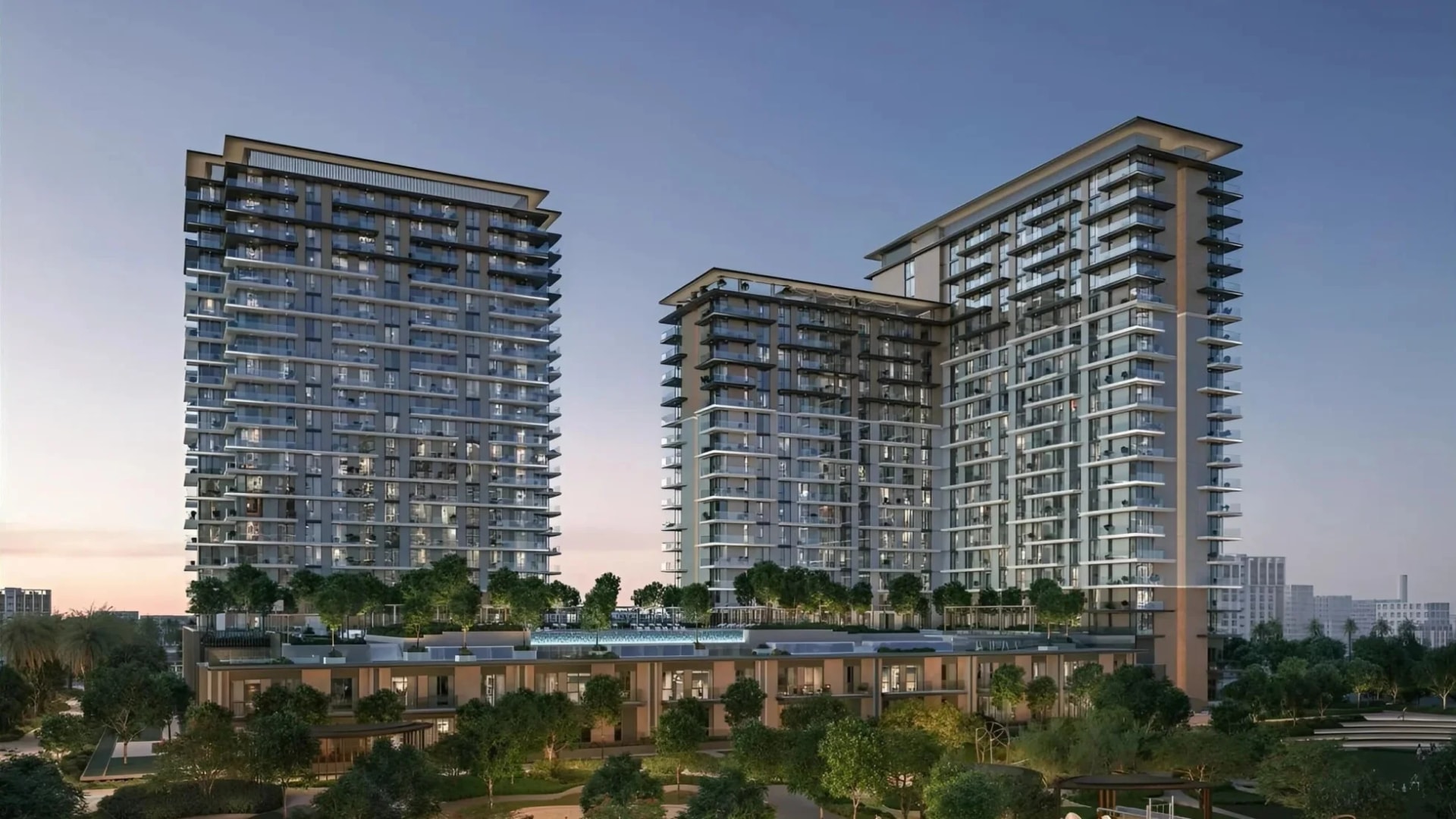
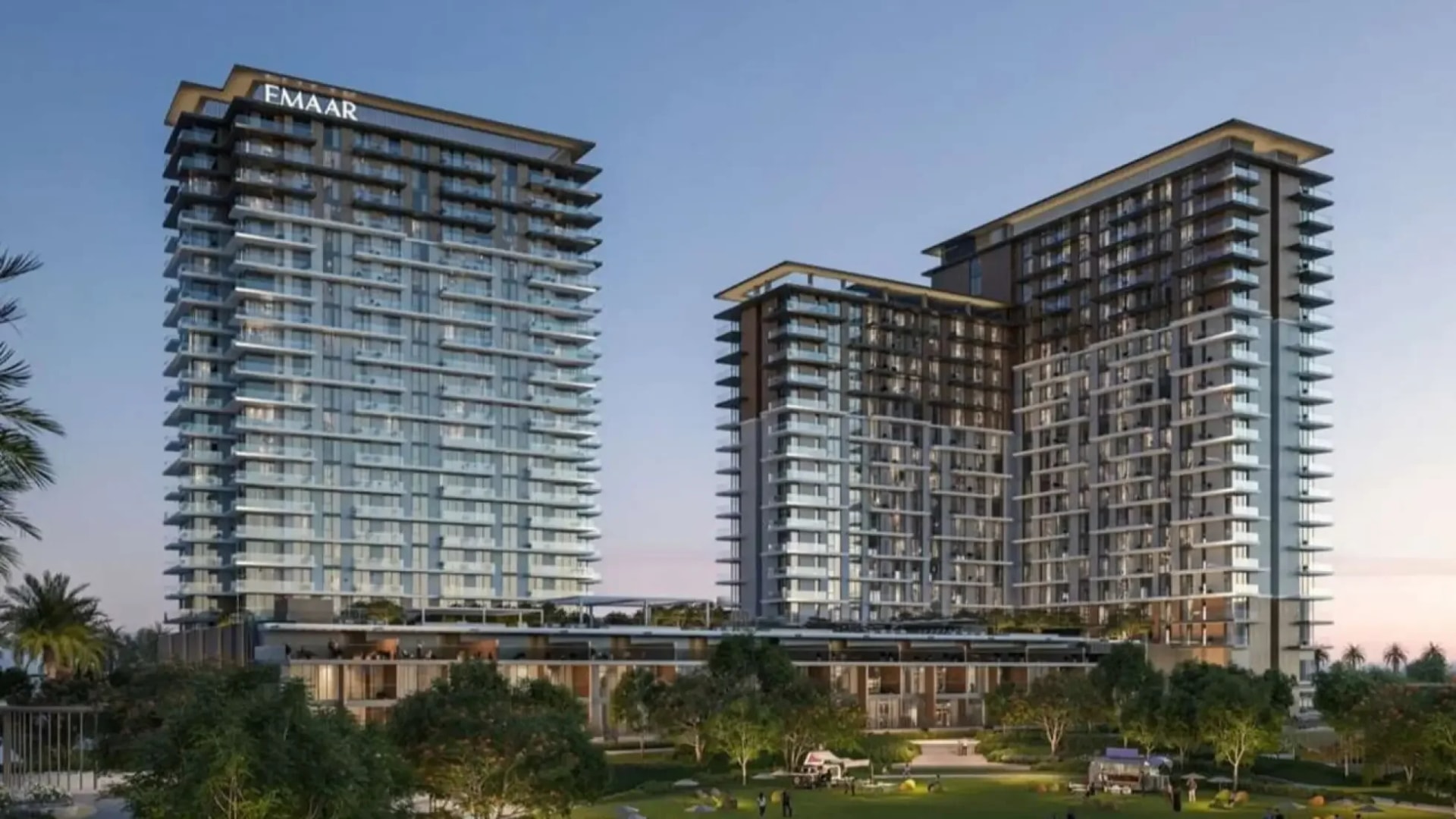
Emaar Properties is the overwhelmingly dominant developer in Dubai Hills Estate, having master-planned the entire community and delivered the majority of its residential phases. Current active Emaar launches within Dubai Hills Estate include Golf Place Terraces, Golf Grove, and multiple apartment towers in the Park Heights cluster. Emaar's launch prices typically sit 15-25% below secondary market comparables at the time of launch, providing built-in capital appreciation for buyers who hold through handover.
Meraas holds a co-master-developer role but has primarily focused on commercial and retail assets (Dubai Hills Mall) rather than residential delivery. The residential land within the estate is predominantly Emaar-developed.
A total of more than 3,500 DLD transactions occurred in Dubai Hills Estate in 2025, predominantly split between Emaar primary sales (off-plan) and secondary market resales of earlier phases. New off-plan commitments should include independent verification of RERA escrow account status and project completion percentage at dubailand.gov.ae before any payment is made.
Browse all Dubai Hills Estate projects on Oliva
How Dubai Hills Estate Compares to Similar Areas
| Area | Avg Price/sqft (AED) | Avg Gross Yield | Community Type | Freehold |
|---|---|---|---|---|
| Dubai Hills Estate | 1,800-3,200 (apt) | 5.0-7.0% | Master-planned, family | Yes |
| DAMAC Hills | 1,200-2,000 (apt) | 5.5-7.5% | Master-planned, golf | Yes |
| Jumeirah Golf Estates | 1,800-3,000 (villa) | 4.0-5.5% | Golf villa community | Yes |
| Sobha Hartland | 1,800-3,000 (apt) | 5.0-6.5% | Luxury, canal-adjacent | Yes |
| Meydan City | 1,400-2,200 (apt) | 5.5-7.0% | Master-planned, mixed | Yes |
| Data sourced from DLD and Property Monitor, Q1 2026. |
Choose Dubai Hills Estate over DAMAC Hills if you prioritise the Emaar brand premium, Dubai Hills Mall proximity, and King's College Hospital access at the cost of a higher price per sqft. DAMAC Hills offers a comparable golf community lifestyle at 20-40% lower entry price and slightly higher yields.
Choose Sobha Hartland over Dubai Hills Estate if you want luxury apartment product closer to the Dubai Canal and Business Bay corridor, with Sobha's premium specification and smaller community scale. Sobha Hartland has fewer family amenities but more compact, boutique positioning.
Choose Meydan City if you want a lower entry price with access to the Meydan Racecourse corridor amenities and slightly stronger yields, accepting that the community amenity base is less mature than Dubai Hills Estate.
Who Should Invest in Dubai Hills Estate?
Families relocating to Dubai who want to combine quality lifestyle infrastructure with investment value. Dubai Hills Estate's combination of Outstanding-rated schools within 6 minutes, King's College Hospital on-site, and Dubai Hills Mall as a community anchor makes it one of the most functional family communities in Dubai. For families planning a 5-10 year residency, buying rather than renting in Dubai Hills Estate has been strongly validated by the 60%+ capital appreciation since 2020.
Long-term capital appreciation investors with an 18-36 month off-plan horizon. Emaar's new phase launches in Dubai Hills Estate consistently sell at 15-25% below secondary market comparables, and the community's growing infrastructure base supports continued price appreciation through the handover period. Investors who track Emaar's launch calendar and are comfortable with a construction wait can capture meaningful entry-to-handover returns.
Portfolio investors diversifying between apartment yields and villa appreciation. Dubai Hills Estate allows a single community allocation to cover both the higher-yield studio or one-bedroom apartment segment (6-7% gross) and the appreciation-driven three or four-bedroom villa segment (4-5% gross but 60-180% total return potential since launch). This combination within a single community simplifies property management and creates complementary income and growth profiles.
What to Watch Out For
No Metro access and road-dependent mobility. Dubai Hills Estate's entire resident population depends on Al Khail Road and a small number of community exit points for all journeys outside the estate. Peak hour congestion on Al Khail Road south of Business Bay can add 20-40 minutes to commute times into the city core. Until the announced Metro extension is confirmed and operational, all residents need a private vehicle or regular ride-hailing to function day-to-day. Factor transportation costs and commute time into your occupier profile analysis.
New supply additions from ongoing Emaar phase launches. With approximately 60% of transactions being off-plan, Emaar continues to release new inventory within Dubai Hills Estate every year. While this maintains a steady buyer and tenant pipeline, it also means that secondary market resale prices for older buildings face periodic pressure when Emaar launches new phases at competitive prices. Buyers in older buildings (2020-2022 handover) should monitor new launch prices relative to their asset.
Service charge escalation risk as infrastructure matures. Dubai Hills Estate's service charge of AED 18-28 per sqft per year is moderate by Dubai standards, but the community's large parks, golf course maintenance (where applicable to your specific sub-community), and high-specification landscaping create ongoing maintenance cost exposure. Request service charge data for the specific building or sub-community, not just the estate average, before purchasing.
How to Invest in Dubai Hills Estate Through Oliva
- Browse verified Dubai Hills Estate listings on Oliva filtered by property type (apartment vs. villa), sub-community (Park Heights, Acacia, Maple, Golf Place), and yield range. DLD transaction history is available for each building so you can compare actual resale prices.
- Use Oliva's yield calculator to model gross and net returns using live Dubai Hills Estate DLD data. For villas specifically, test both the long-term lease scenario and the capital appreciation-only scenario to understand which return driver is dominant for your unit.
- Request a data pack for your shortlisted project, including DLD transaction history, Emaar service charge records for the past three years, and the current status of any remaining community infrastructure development in the specific sub-district.
- Connect with an Oliva advisor for a no-commission consultation on Dubai Hills Estate investment strategy. We will assess sub-community positioning, off-plan vs. ready timing relative to current Emaar launch prices, and the school catchment impact on tenant demand for your specific unit.
- Complete your purchase through Oliva's end-to-end transaction support, including DLD registration, NOC (No Objection Certificate, required from the developer to transfer property ownership at DLD) coordination with Emaar, and Ejari registration for rental listings.
Browse Dubai Hills Estate properties on Oliva
Past performance does not guarantee future returns. Real estate investment involves risk. Consult a qualified financial or legal advisor before making any investment decision.
Frequently Asked Questions
Is Dubai Hills Estate a good investment in 2026?
Dubai Hills Estate has delivered 60%+ capital appreciation since 2020 (DLD data) with gross yields of 5-7% for apartments. The community's combination of Emaar master development, Outstanding-rated schools, Dubai Hills Mall, and King's College Hospital creates sustained residential demand that supports both rental income and capital growth. Best suited to family-focused and long-term appreciation investors. Past performance does not guarantee future returns.
What is the average rental yield in Dubai Hills Estate?
Gross yield averages 5.0-7.0% for apartments and 4.0-5.5% for villas (Property Monitor, 2026). Net yield, after service charges (AED 18-28/sqft/year), DLD fee amortisation, and management costs, typically falls between 3.5% and 5.0% for apartments. Dubai Hills Estate's investment case is more weighted toward capital appreciation than maximum cash yield.
Can foreigners buy property in Dubai Hills Estate?
Yes. Dubai Hills Estate is a DLD-designated freehold zone allowing foreign nationals to purchase apartments, townhouses, and villas on a freehold basis with full ownership rights. Both ready secondary market properties and new Emaar off-plan launches within the community are available for freehold purchase by any nationality.
What property types are available in Dubai Hills Estate?
Dubai Hills Estate offers studios (AED 750K-1.3M), one-bedroom apartments (AED 1.2M-2.2M), two-bedroom apartments (AED 2M-4.5M), three-bedroom apartments and townhouses (AED 4M-12M), and four to five-bedroom villas (AED 10M-35M+). The community is one of the few in Dubai offering both apartment and villa product within a single master plan, making it suitable for different investor budgets and strategies.
Does the proximity to King's College Hospital affect rental demand in Dubai Hills Estate?
Yes, measurably. King's College Hospital Dubai, located within the estate, creates sustained rental demand from medical professionals, hospital staff, and patients receiving extended-stay treatment. Healthcare professionals typically sign multi-year leases and prioritise proximity to their workplace above other factors. In sub-communities closest to the hospital (Park Heights, Golf Place), landlord feedback reported to Bayut and Property Monitor consistently shows below-average vacancy rates compared to comparable units further within the estate.
Explore further
The project, area, and developer this post covers, with live Dubai Land Department data.
Related articles

Arabian Ranches vs Dubai Hills: Where Investors Actually Make More Money

Dubai Land Department: The Complete 2026 Investor Guide

RERA vs DLD: What's the Difference and Why It Matters to You

Ejari Registration Walkthrough: Dubai's Tenancy System for Owners and Tenants

Sobha Hartland: Complete Investment Guide

Jumeirah Golf Estates investment guide
Related Dubai property analysis from the Oliva editorial team.