Underwrite before you commit
The figures in this post are checked against Dubai Land Department records and RERA filings. Get an independent underwriting score on any project, or ask Javier on WhatsApp.
Palm Jumeirah Villas for Rent: Market Overview
Palm Jumeirah
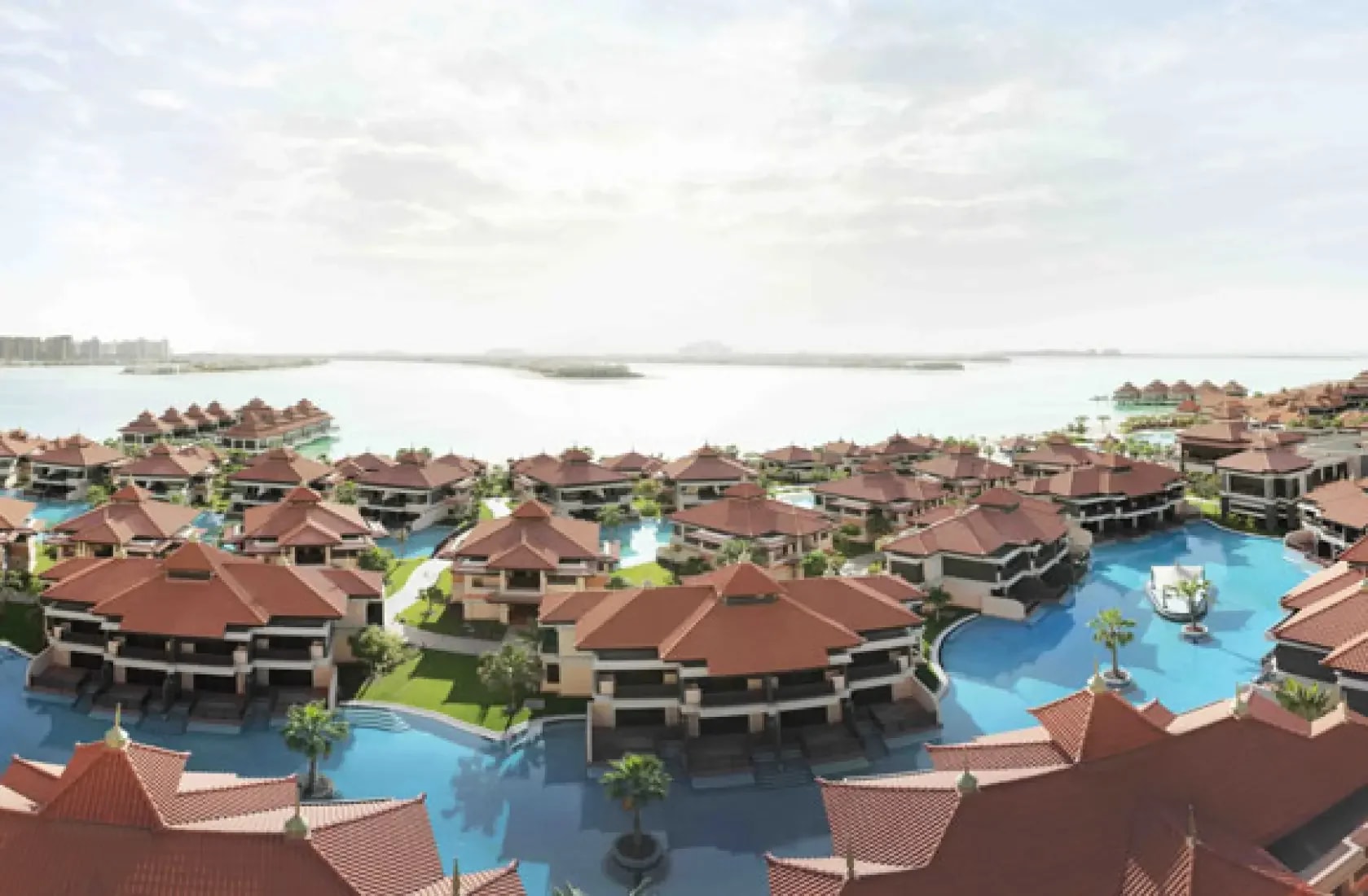
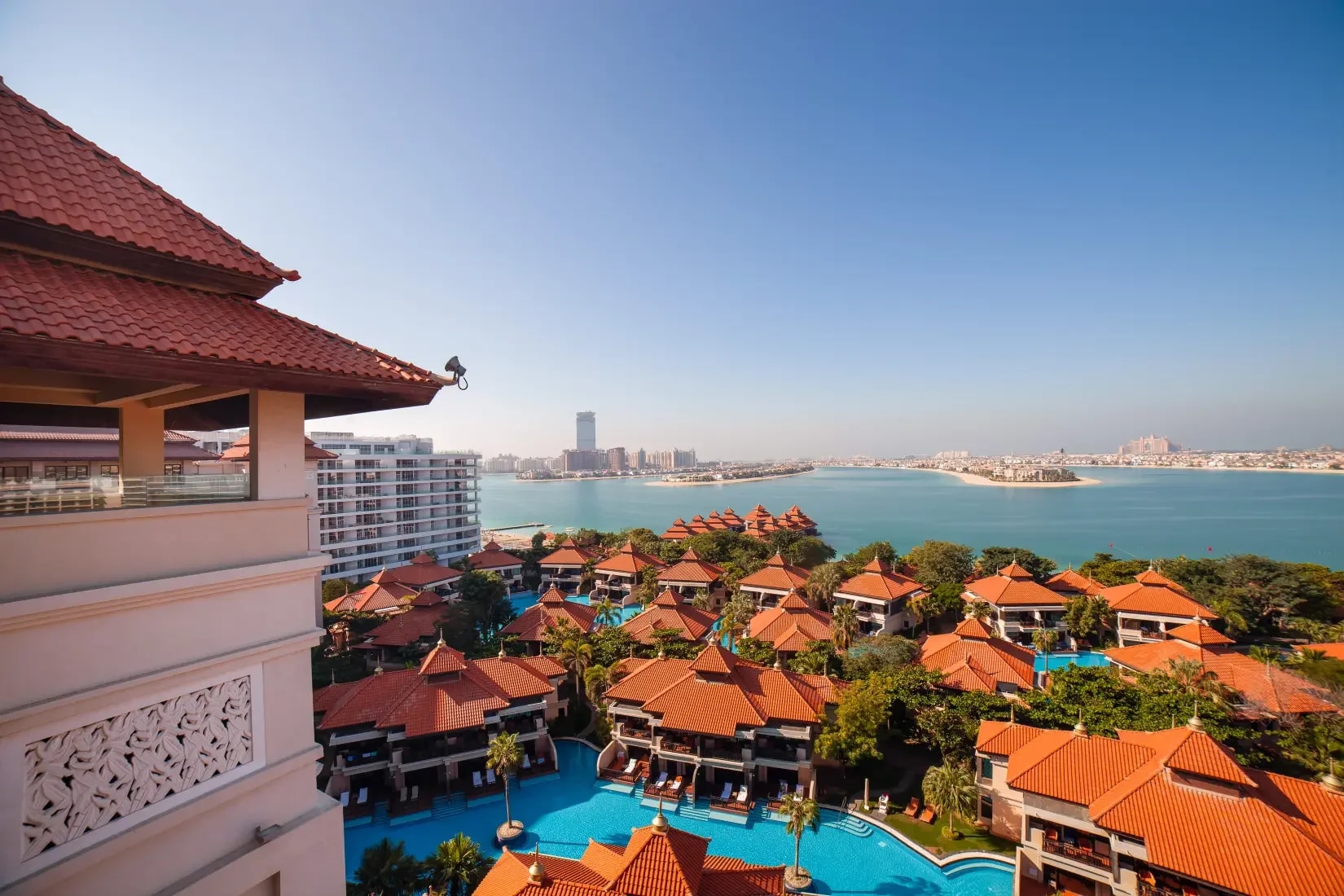
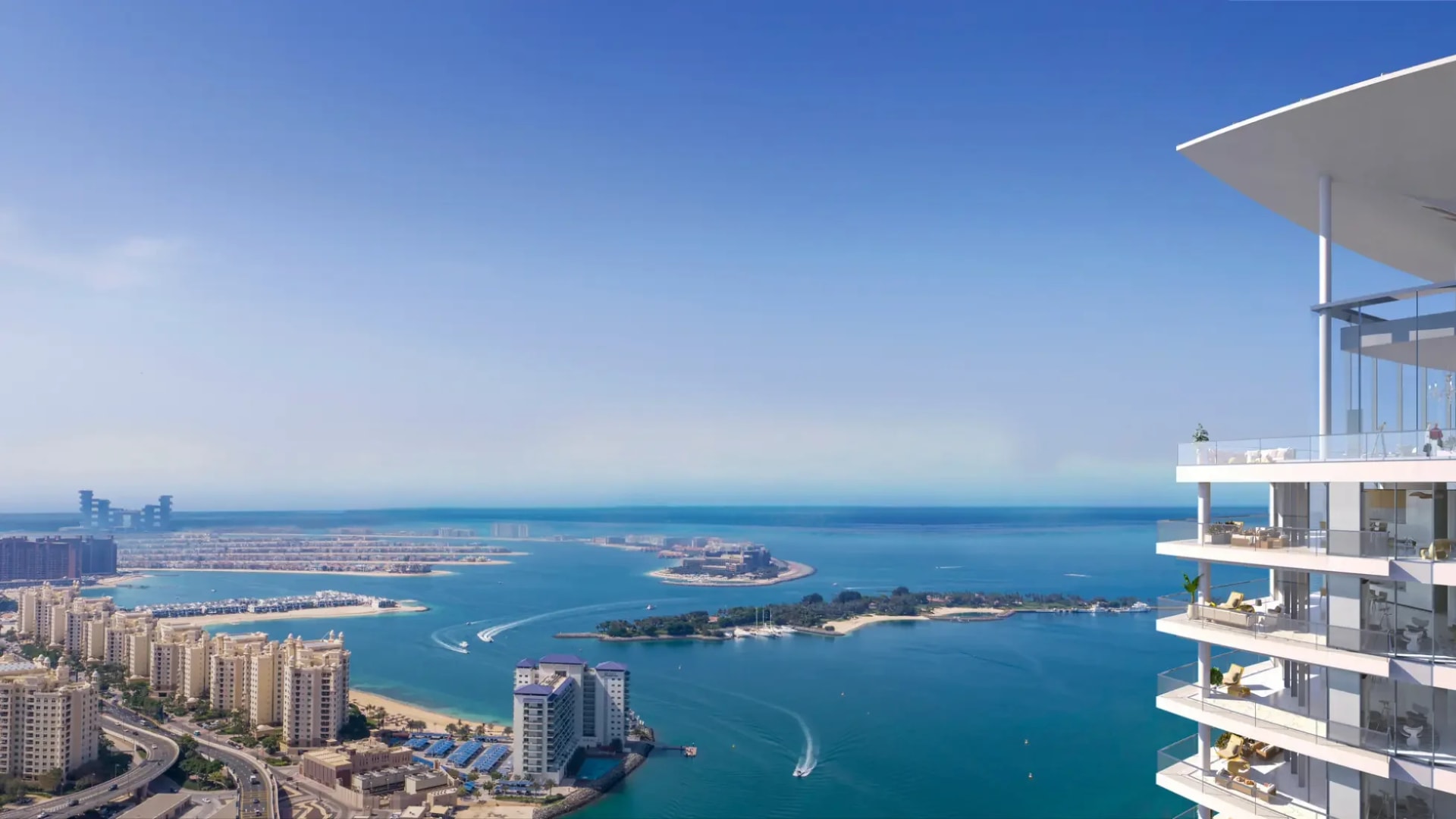
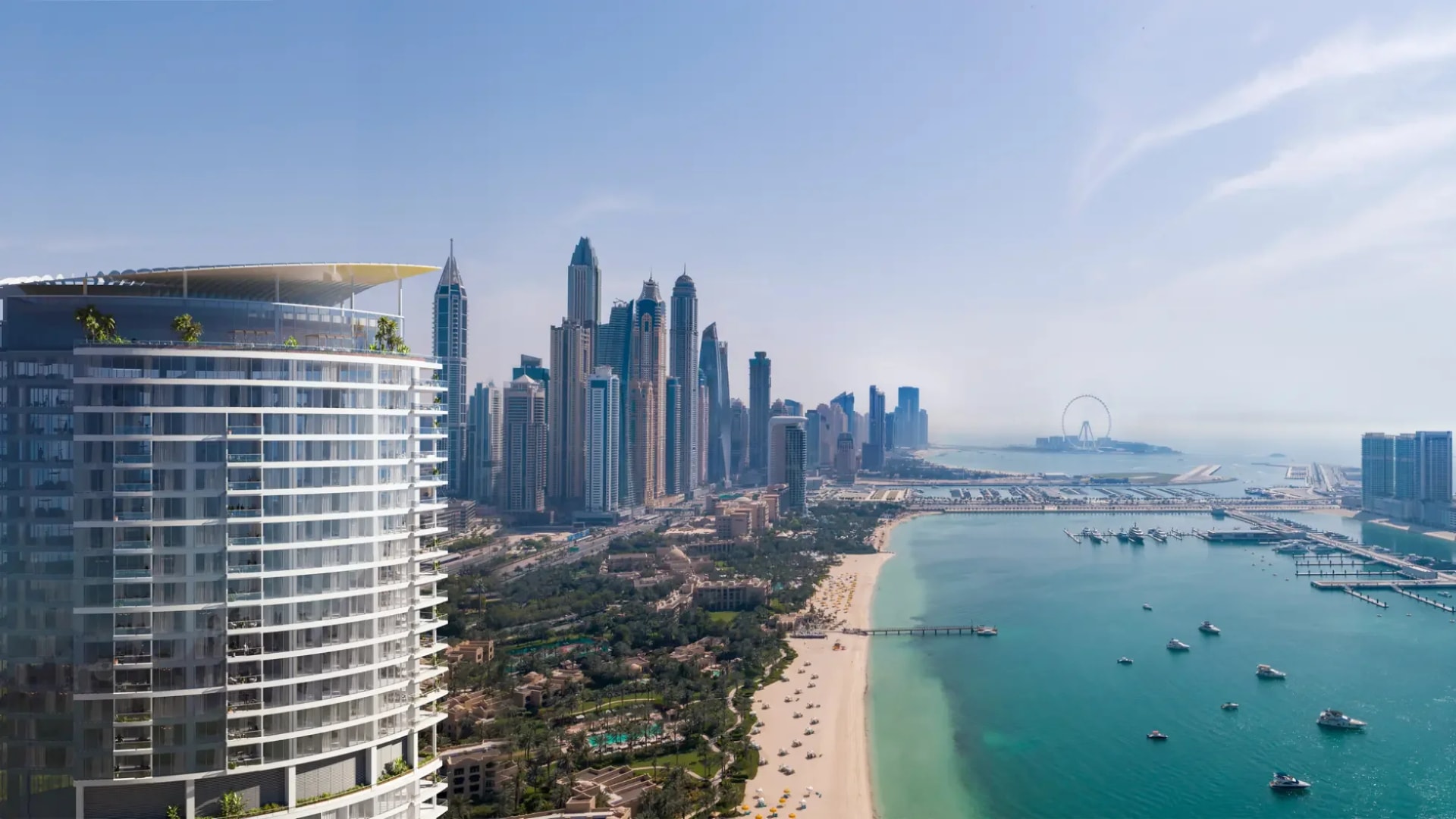
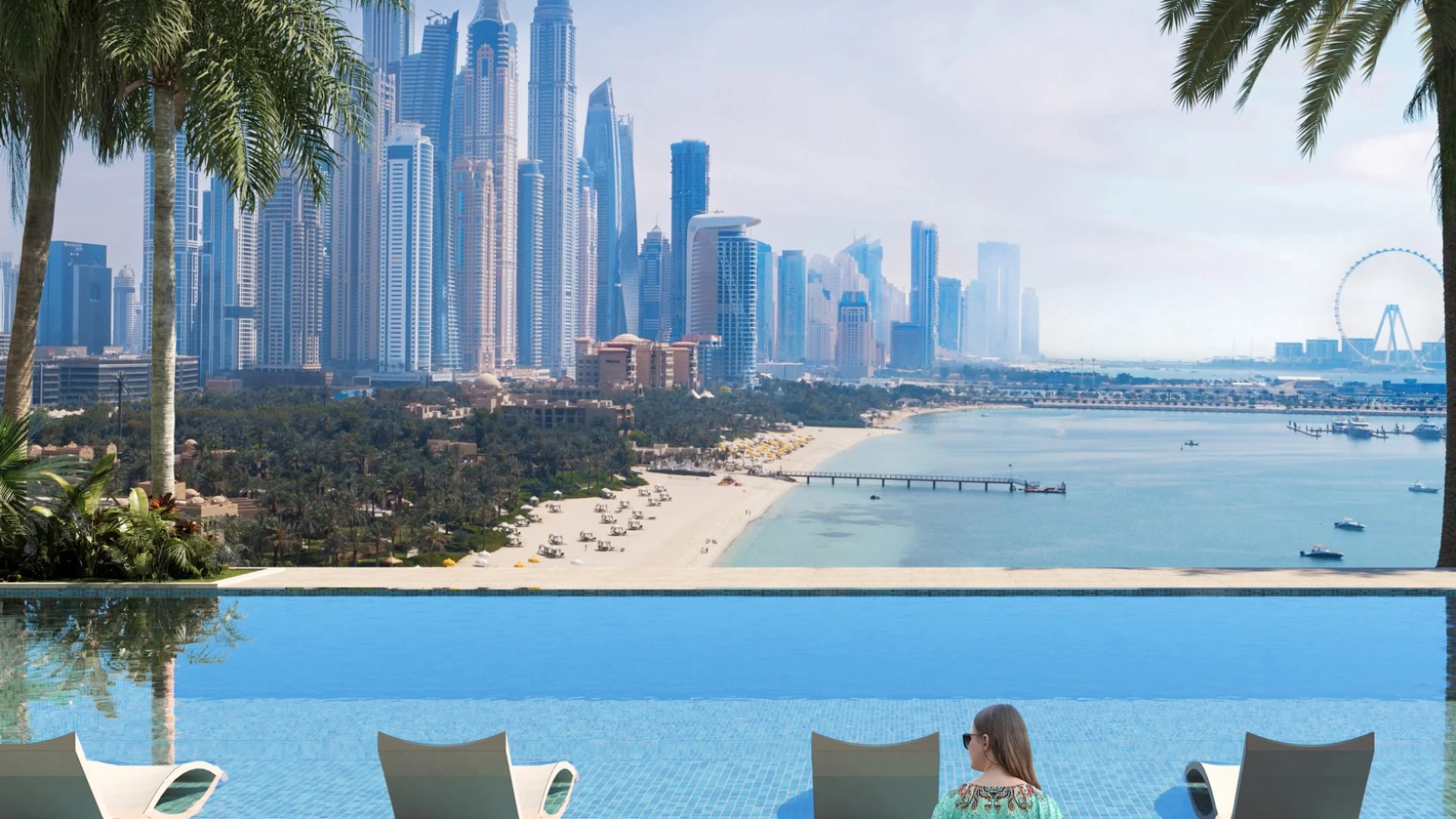
property for rent commands the highest per-sqft prices in Dubai, driven by its unique waterfront position and constrained freehold supply. Palm Jumeirah villas rent for AED 450,000 to AED 3,500,000 per year depending on size, frond location, and beach access. The average annual rent for a 4-bedroom villa on the fronds reached AED 850,000 in Q1 2026, up 14% year-on-year.
We track the Palm Jumeirah villa rental market because it represents one of the most concentrated luxury landlord opportunities in Dubai. With approximately 1,500 villas across 16 fronds, supply is permanently fixed. New villa inventory on Palm Jumeirah does not exist.
This overview covers rental data by villa type, seasonal demand patterns, tenant profiles, villa-versus-apartment yield comparisons, and specific landlord strategies that maximize returns. All figures come from DLD transaction records and RERA-registered tenancy contracts.
Data sourced from Dubai Land Department. Last updated April 2026. RERA BRN 1573501.
Key Takeaways
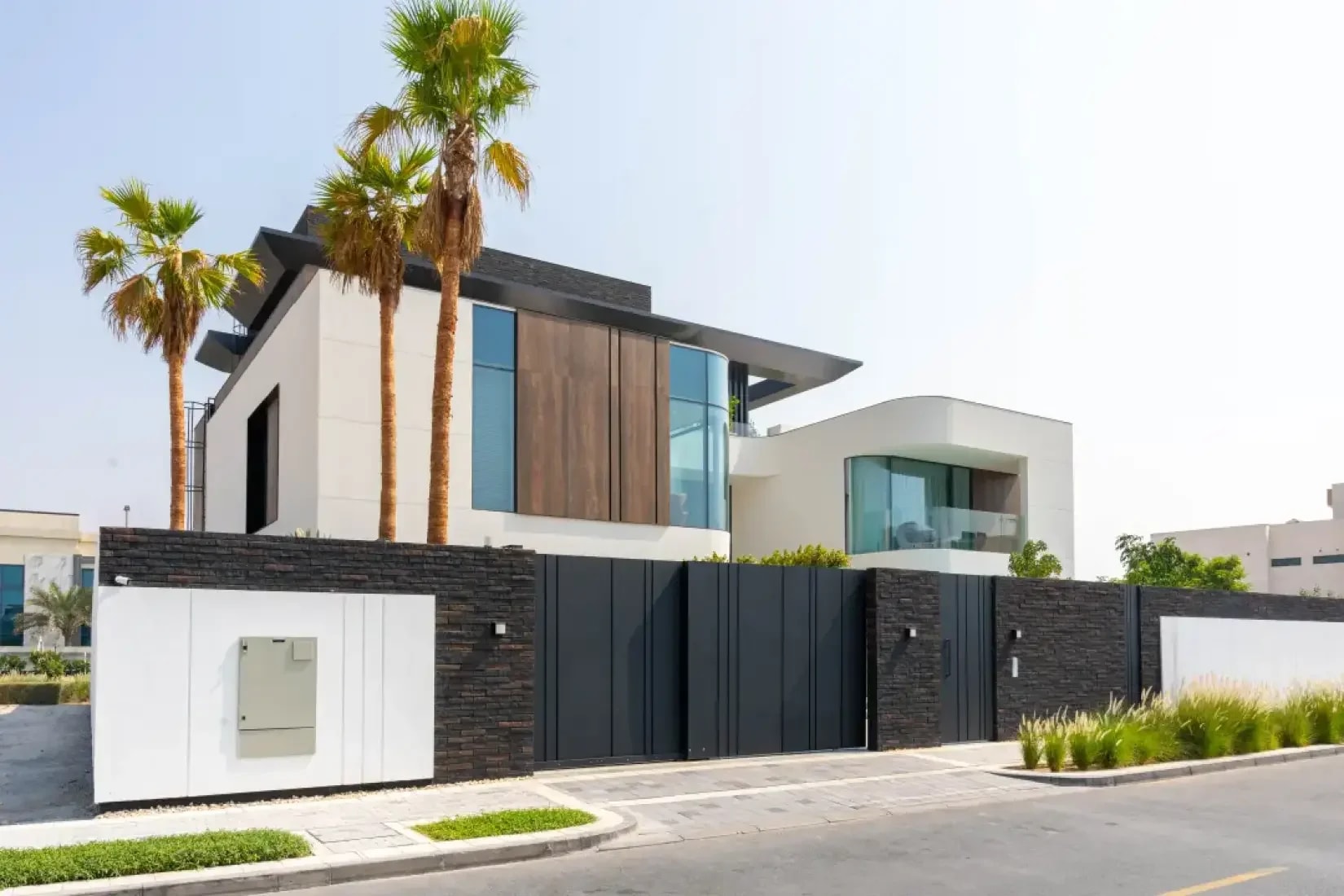
Garden Homes villas rent for AED 550,000-900,000 annually. These 4-5 bedroom townhouse-style villas on the fronds offer the best yield-to-price ratio among Palm villa types at 4-5% gross.
Signature Villas command AED 1,200,000-3,500,000 in annual rent. Tip-of-frond locations with private beaches justify the premium. Gross yields run 3-4%, but capital appreciation of 15-20% annually offsets the lower yield.
Seasonal demand creates a 25-35% rate differential. Peak season (October-March) rentals achieve notably higher nightly rates than annual contracts. Landlords choosing short-term strategies can earn 20-40% more total revenue.
Villas outperform apartments on total return. Palm Jumeirah villas appreciated 22% in 2024-2025 versus 14% for apartments. The land component of villas drives stronger long-term value growth.
Rental Data by Villa Type
| Villa Type | Bedrooms | Plot Size (sqft) | Annual Rent (AED) | Gross Yield | Avg. Sale Price (AED) |
|---|---|---|---|---|---|
| Garden Homes | 4-5 | 5,500-8,000 | 550,000-900,000 | 4-5% | 14,000,000-20,000,000 |
| Canal Cove | 3-4 | 3,500-5,000 | 400,000-650,000 | 4-4.5% | 10,000,000-15,000,000 |
| Signature Villas | 5-6 | 12,000-18,000 | 1,200,000-3,500,000 | 3-4% | 35,000,000-100,000,000 |
| Atrium Entry Villas | 4-5 | 5,000-7,000 | 500,000-750,000 | 4-4.5% | 12,000,000-18,000,000 |
| Custom-Built Villas | 5-7 | 10,000-25,000 | 800,000-2,000,000 | 3-3.5% | 25,000,000-60,000,000 |
Note: Rental figures reflect annual contracts registered with Ejari in 2025-2026. Gross yield calculated against average DLD transaction prices in the same period.
Seasonal Demand Patterns on Palm Jumeirah
The Palm Jumeirah rental market follows a pronounced seasonal cycle. Understanding this cycle is the difference between 4% and 6%+ effective yields for villa landlords.
Peak season runs from October through March. Dubai's winter weather (20-28C) attracts European, Russian, and CIS tourists and seasonal residents. During peak months, occupancy for short-term villa rentals exceeds 85%.
A 4-bedroom Garden Home that rents for AED 700,000 on an annual contract can generate AED 4,500-7,000 per night on short-term platforms during peak season. At 75% occupancy over 6 peak months, that is approximately AED 600,000-950,000 in gross revenue from half the year alone.
Summer months (June-September) see occupancy drop to 40-55% for short-term rentals. Nightly rates fall to AED 2,500-4,000. Many landlords switch to 6-month summer leases at AED 250,000-350,000 to cover the low season.
Short-Term vs. Annual Rental Strategy
We run the numbers for both strategies on a typical 4-bedroom Garden Home valued at AED 16 million.
Annual contract: AED 700,000 gross rental income. Minus service charges (AED 80,000), maintenance (AED 40,000), and management (AED 35,000). Net income: AED 545,000. Net yield: 3.4%.
Short-term strategy: Peak season (6 months at 75% occupancy, AED 5,500/night average) generates AED 750,000. Low season (6-month lease) generates AED 300,000. Gross: AED 1,050,000. Minus service charges (AED 80,000), maintenance (AED 60,000), management and turnover costs (AED 150,000), DTCM fees (AED 15,000). Net income: AED 745,000. Net yield: 4.7%.
Short-term requires DTCM holiday home registration. You need a licensed operator or DTCM permit. Management is more intensive. But the 35% higher net return justifies the effort for hands-on investors.
Palm Jumeirah Villa Tenant Profiles
We categorize Palm villa tenants into four groups. Each has distinct needs, budget ranges, and lease preferences.
Corporate executives (35% of annual tenants). C-suite professionals at DIFC, Media City, and free zone companies. Budgets of AED 600,000-1,200,000. They prefer 12-month contracts with renewal options. They value proximity to DIFC (20-minute commute), private pools, and modern interiors.
UHNW families (25% of annual tenants). Ultra-high-net-worth families seeking privacy, space, and beach access. Budgets above AED 1,000,000. They favor Signature Villas and tip-of-frond locations. Many hold multiple global properties and rotate seasonally.
Seasonal residents (30% of short-term tenants). European and Russian families spending 2-6 months in Dubai during winter. Budgets of AED 150,000-400,000 per stay. They book September-October for peak availability.
Vacation renters (70% of short-term tenants). Tourists and visiting families booking 3-14 night stays. Budgets of AED 3,000-7,000 per night. Peak demand during December-February school holidays and Dubai Shopping Festival.
Villa vs. Apartment Returns on Palm Jumeirah
Apartments on Palm Jumeirah outyield villas on a gross basis. A one-bedroom in Shoreline renting at AED 120,000 on a AED 2.2 million purchase price delivers 5.5% gross yield. A Garden Home renting at AED 700,000 on a AED 16 million purchase price delivers 4.4%.
But total return tells a different story. Villas appreciated 22% in 2024-2025. Apartments appreciated 14%. On a AED 16 million villa, that 22% growth adds AED 3.5 million in equity. The AED 2.2 million apartment gained AED 308,000.
Villas also carry a structural advantage: land scarcity. No new villa plots exist on Palm Jumeirah. Apartment towers can (and do) get added to the trunk and crescent. New projects like Palm Beach Towers and Nakheel's additional trunk developments add apartment supply. Villa supply stays fixed at approximately 1,500 units.
we recommend you villas for investors with a 5+ year horizon and AED 12 million+ budgets. The combination of fixed supply, land appreciation, and luxury tenant demand creates a durable investment case.
Landlord Costs: What You Will Pay
Palm Jumeirah villa landlords face higher operating costs than typical Dubai property owners. Here is the full breakdown.
Service charges: Nakheel charges AED 3.50-6.00/sqft on villa plots. For a 6,000 sqft plot with a 4,500 sqft built-up villa, annual service charges run AED 65,000-90,000. This covers communal landscaping, security, beach maintenance, and infrastructure.
DEWA: Average monthly utility bills for a 4-bedroom villa run AED 3,000-5,000 depending on AC usage. Landlords typically pass this to tenants on annual contracts.
Maintenance: Pool servicing costs AED 1,500-2,500 per month. Garden maintenance runs AED 1,000-2,000 per month. Interior maintenance and repairs average AED 20,000-40,000 annually depending on villa age and condition.
Insurance: Building insurance for a AED 16 million villa costs AED 8,000-15,000 annually. we recommend you comprehensive coverage including flood and structural damage.
Management fees: Property management companies charge 5-8% of annual rent for long-term leases and 15-20% for short-term rentals. On a AED 700,000 annual lease, that is AED 35,000-56,000.
Maximizing Your Villa Rental Value
Specific upgrades and strategies can increase rental income by 15-30%. We have seen these work consistently across our portfolio.
Interior renovation: Updated kitchens and bathrooms add AED 50,000-150,000 in annual rent. Modern finishes attract higher-reliable tenants who pay premium rates and maintain properties better.
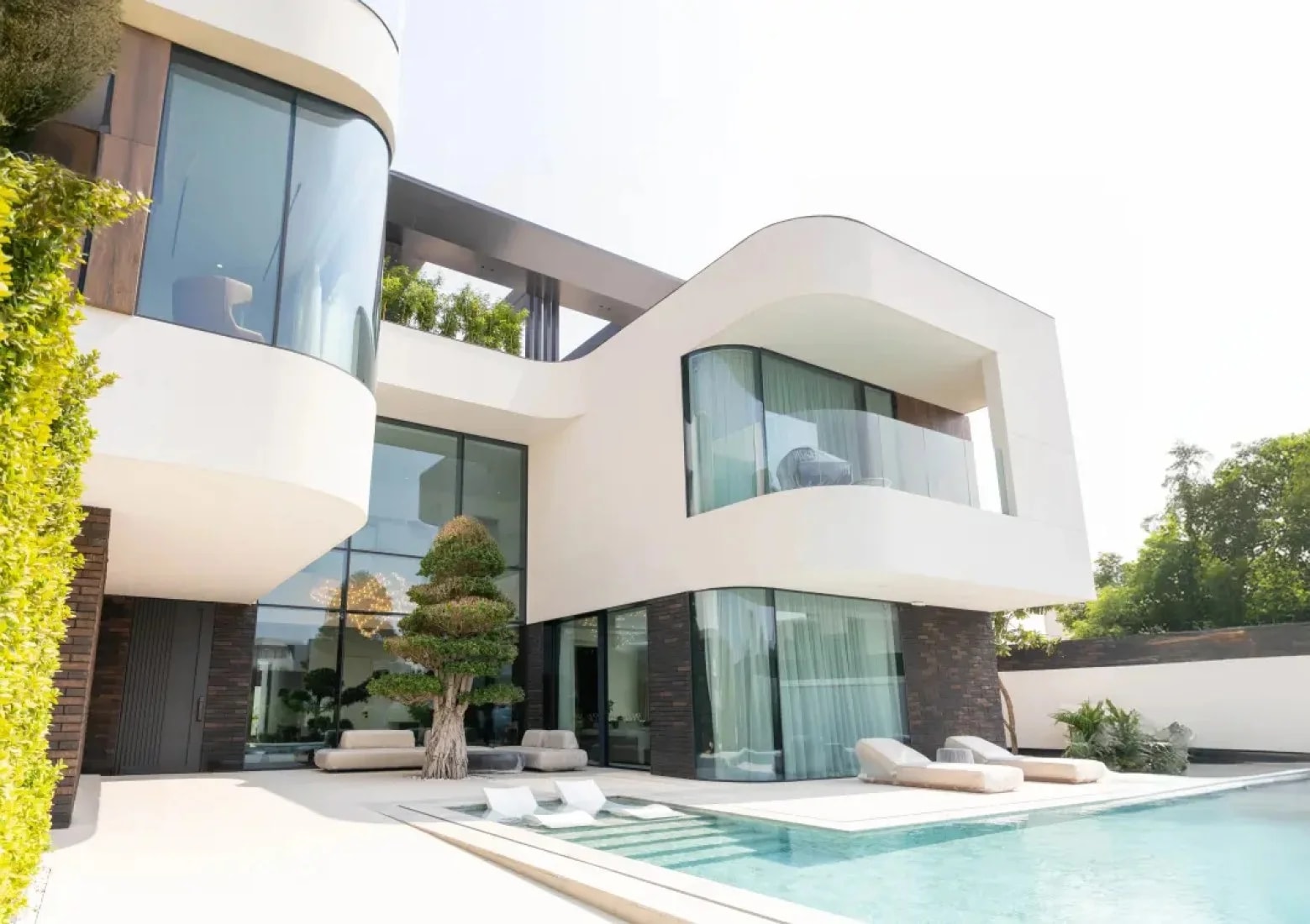
Pool and garden upgrades: Infinity edge pools, outdoor kitchens, and landscaped gardens justify AED 30,000-80,000 in additional annual rent. Short-term guests rate outdoor spaces as the top factor in booking decisions.
Smart home features: Automated lighting, climate control, and security systems cost AED 50,000-100,000 to install. They appeal to corporate tenants and command a 5-8% rent premium.
Professional photography and staging: Listings with professional photos rent 40% faster on average. For short-term rentals, professional staging increases nightly rates by 10-15%.
Palm Villa Rental Market Outlook: 2026-2027
We expect Palm Jumeirah villa rents to increase 8-12% over the next 12 months. Three factors support this projection.
First, Dubai's population continues growing at 2-3% annually, with a disproportionate share of new residents falling in the high-income category targeted by Palm villas.
Second, fixed supply means any demand increase translates directly to price increases. No new fronds or villa plots can be added to Palm Jumeirah.
Third, the Palm Jebel Ali development (a new palm-shaped island by Nakheel) will not deliver residential units until 2029-2030 at the earliest. There is no relief valve for luxury waterfront villa demand in the near term.
The primary risk is a global economic downturn affecting UHNW migration to Dubai. Palm villa rents dropped 15-20% during 2020 but recovered fully by mid-2022. Even in the worst-case scenario, the recovery timeline is short for this asset class.
Reach out to our team at Oliva for a villa rental yield analysis tailored to your property or target acquisition. RERA BRN 1573501.
Related guides: - Property Scoring in Dubai: How to Evaluate Deals - Luxury Villa Rentals in Dubai: Landlord Returns - Benefits of Buying Off-Plan in Dubai
Explore Dubai Areas on Oliva
Dubai Property Investment Checklist: Key Numbers
Before committing to any Dubai property purchase, verify these six data points. Each directly impacts your net yield and exit options.
1. Service charge per sqft. Ranges from AED 5/sqft in basic communities to AED 25/sqft in premium developments. On a 1,000 sqft unit, the difference is AED 20,000 per year in holding costs. Service charge data is available from the Dubai Land Department or the RERA service charge calculator.
2. Vacancy rate by building. Emirate-wide vacancy runs 7-12%, but individual buildings range from 2% to 30%. A building with 20% vacancy signals oversupply, management issues, or deteriorating specifications. Request Ejari registration data for the specific building before purchasing.
3. Transaction volume (last 12 months). Liquid markets have 30+ transactions per year in a given building or community. Below 10 transactions per year means you may struggle to exit at your target price. DLD transaction history is public and searchable.
4. Mortgage availability. Not all Dubai properties qualify for mortgage financing. Off-plan projects require RERA escrow registration. Ready units need a valuation report from a DLD-approved firm. LTV for expatriates on ready properties is capped at 75% for properties above AED 5 million.
5. RERA broker verification. Confirm your agent holds an active RERA BRN. Unlicensed agents operate outside RERA dispute resolution. License verification takes 30 seconds at the RERA website. RERA BRN 1573501.
6. DLD title deed status. Verify the property has no registered encumbrances (liens, mortgages, injunctions) before signing any sale agreement. Title deed searches are available through the Dubai REST app or DLD customer happiness centers.
Dubai Property Investment: Key Risks and Mitigation
Every investment carries risk. Dubai property investment is no exception. Understanding the specific risks in the Dubai market helps you structure purchases that account for downside scenarios.
Off-plan developer risk. If a developer fails to complete a project, buyers are protected through RERA escrow accounts. Funds cannot be released to developers without construction milestones. However, delays of 12-36 months are common in slower market cycles. Mitigation: invest with RERA-registered developers with completed project histories. Verify escrow registration before paying any deposit.
Rental vacancy risk. Average Dubai vacancy runs 7-12% across the market, but individual buildings can reach 25-30% in oversupplied communities. Mitigation: check building-level occupancy through Ejari records before purchasing. Target communities with vacancy below 8%.
Liquidity risk. While Dubai's property market is more liquid than most regional alternatives (180,987 transactions in 2024), some specific building or unit types trade infrequently. Mitigation: buy in communities with 30+ transactions per year in comparable units. This ensures an exit market exists when you need it.
Market cycle risk. Dubai property prices have historically moved in 5-8 year cycles. Buying at a market peak can mean 2-4 years of flat or declining values before recovery. Mitigation: evaluate yield-based returns (not just capital appreciation) to ensure the property generates positive cash flow regardless of price direction. Source: Dubai Land Department, DLD Transaction Register. RERA BRN 1573501.
What You Need to Prepare Before Buying Dubai Property
Before you commit to any property, prepare your documents, confirm your budget, and verify your financing position. Your passport must have at least 6 months of remaining validity from your expected closing date. Your proof of address must be dated within 3 months.
If you plan to use mortgage financing, get your pre-approval letter before you start viewing properties. Your pre-approval letter tells you your maximum loan amount and gives you a clear budget ceiling. You can typically receive pre-approval within 5-7 business days through a UAE bank.
Once you identify a property you want, verify that your agent holds a valid Trakheesi permit before you sign any paperwork. Your 10% deposit is protected under Form F, but only if your agreement is registered through a RERA-licensed broker. Confirm your due diligence list is complete before transfer day. RERA BRN 1573501. Source: Dubai Land Department.
Important Notice
Past performance does not guarantee future returns. Investing in real estate involves risk, including the potential loss of capital. Rental yields, capital appreciation projections, and market statistics cited above are based on historical data and are provided for informational purposes only. Please consult a qualified financial or legal advisor before making any investment decision.
Frequently Asked Questions
Is it worth it to buy a house in Palm Jumeirah Villas in Dubai?
Dubai market fundamentals remain strong: population growing 2-3% annually, no income or capital gains tax, and gross rental yields averaging 6-8%. Rather than trying to time the market, focus on selecting the right area and property type for your investment goals.
Post - Is It Worth Investing in Palm Jumeirah villas?
Dubai market fundamentals remain strong: population growing 2-3% annually, no income or capital gains tax, and gross rental yields averaging 6-8%. Rather than trying to time the market, focus on selecting the right area and property type for your investment goals.
Why Palm Jumeirah Villas Offers the Best Dubai Lifestyle?
For Palm Jumeirah Villas for Rent, the key factors are location, developer caliber, and yield potential. Dubai property is regulated by RERA under the Dubai Land Department, providing strong investor protections including escrow accounts for off-plan and DLD-registered title deeds for completed properties. Review current DLD transaction data for the most accurate pricing.
Have fun at the luxurious Palm Jumeirah Villas?
For Palm Jumeirah Villas for Rent, the key factors are location, developer caliber, and yield potential. Dubai property is regulated by RERA under the Dubai Land Department, providing strong investor protections including escrow accounts for off-plan and DLD-registered title deeds for completed properties. Review current DLD transaction data for the most accurate pricing.
Palm Jumeirah Villas and Apartments?
For Palm Jumeirah Villas for Rent, the key factors are location, developer caliber, and yield potential. Dubai property is regulated by RERA under the Dubai Land Department, providing strong investor protections including escrow accounts for off-plan and DLD-registered title deeds for completed properties. Review current DLD transaction data for the most accurate pricing.
Types and Features of Villas in Dubai's Palm Jumeirah?
For Palm Jumeirah Villas for Rent, the key factors are location, developer caliber, and yield potential. Dubai property is regulated by RERA under the Dubai Land Department, providing strong investor protections including escrow accounts for off-plan and DLD-registered title deeds for completed properties. Review current DLD transaction data for the most accurate pricing.
Explore further
The project, area, and developer this post covers, with live Dubai Land Department data.
Related articles

Dubai Land Department: The Complete 2026 Investor Guide

RERA vs DLD: What's the Difference and Why It Matters to You

Ejari Registration Walkthrough: Dubai's Tenancy System for Owners and Tenants
Trakheesi Permit System: Why Every Dubai Property Listing Needs One

DLD Project Status: How to Check Your Off-Plan Project Online

Palm Jumeirah Property: Is It Worth the Price
Related Dubai property analysis from the Oliva editorial team.