
Underwrite before you commit
The figures in this post are checked against Dubai Land Department records and RERA filings. Get an independent underwriting score on any project, or ask Javier on WhatsApp.
Palm Jumeirah: Complete Investor Guide 2026
Property values on Palm Jumeirah rose approximately 18-22% year-on-year in 2025, according to DLD (Dubai Land Department, the authority that registers all property transactions in Dubai) transaction records, continuing a multi-year appreciation cycle that has made this man-made island one of the world's most recognised luxury residential addresses. For investors who entered the market in 2020-2021, total returns have exceeded 70% on a capital basis alone.
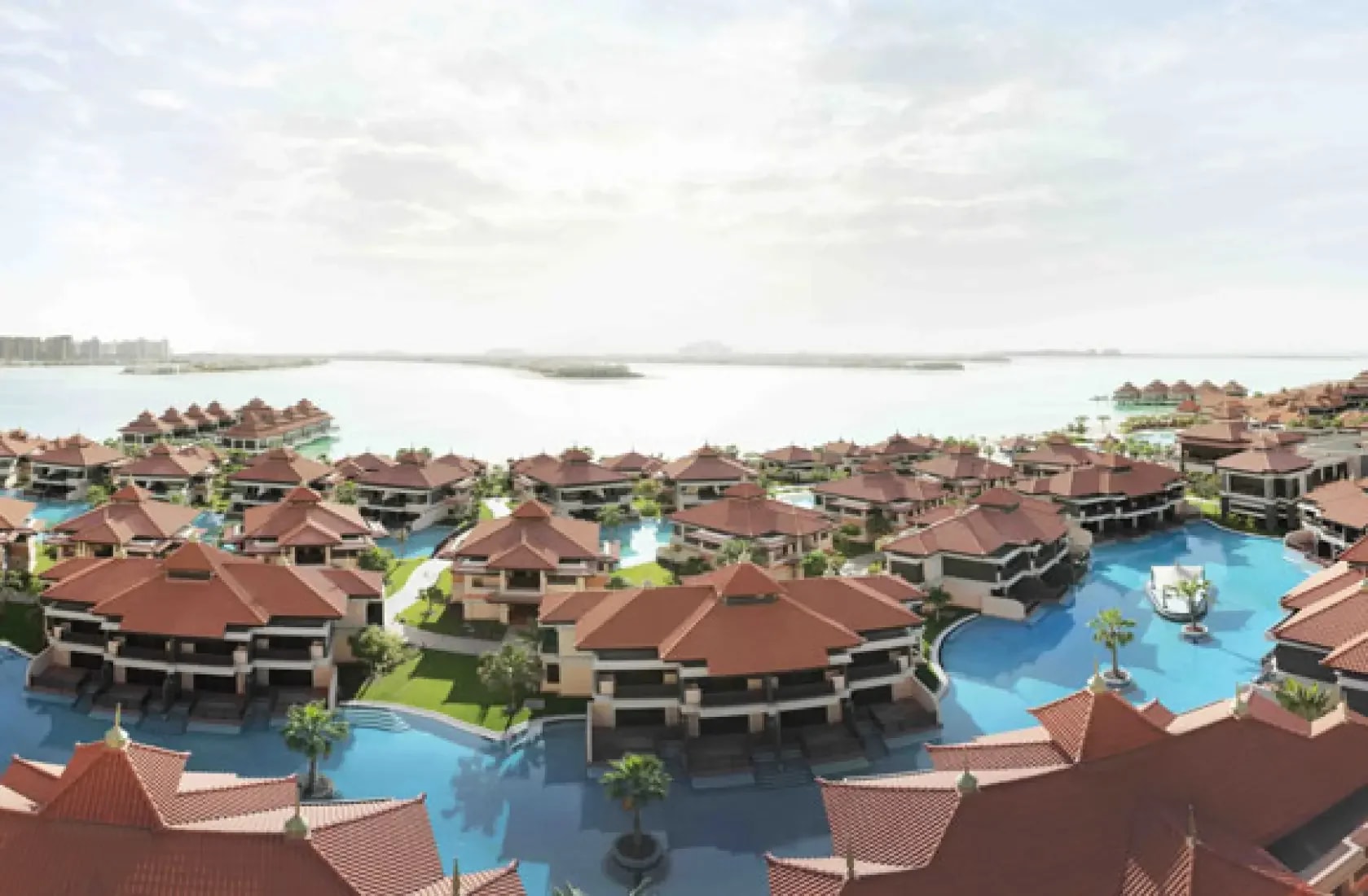
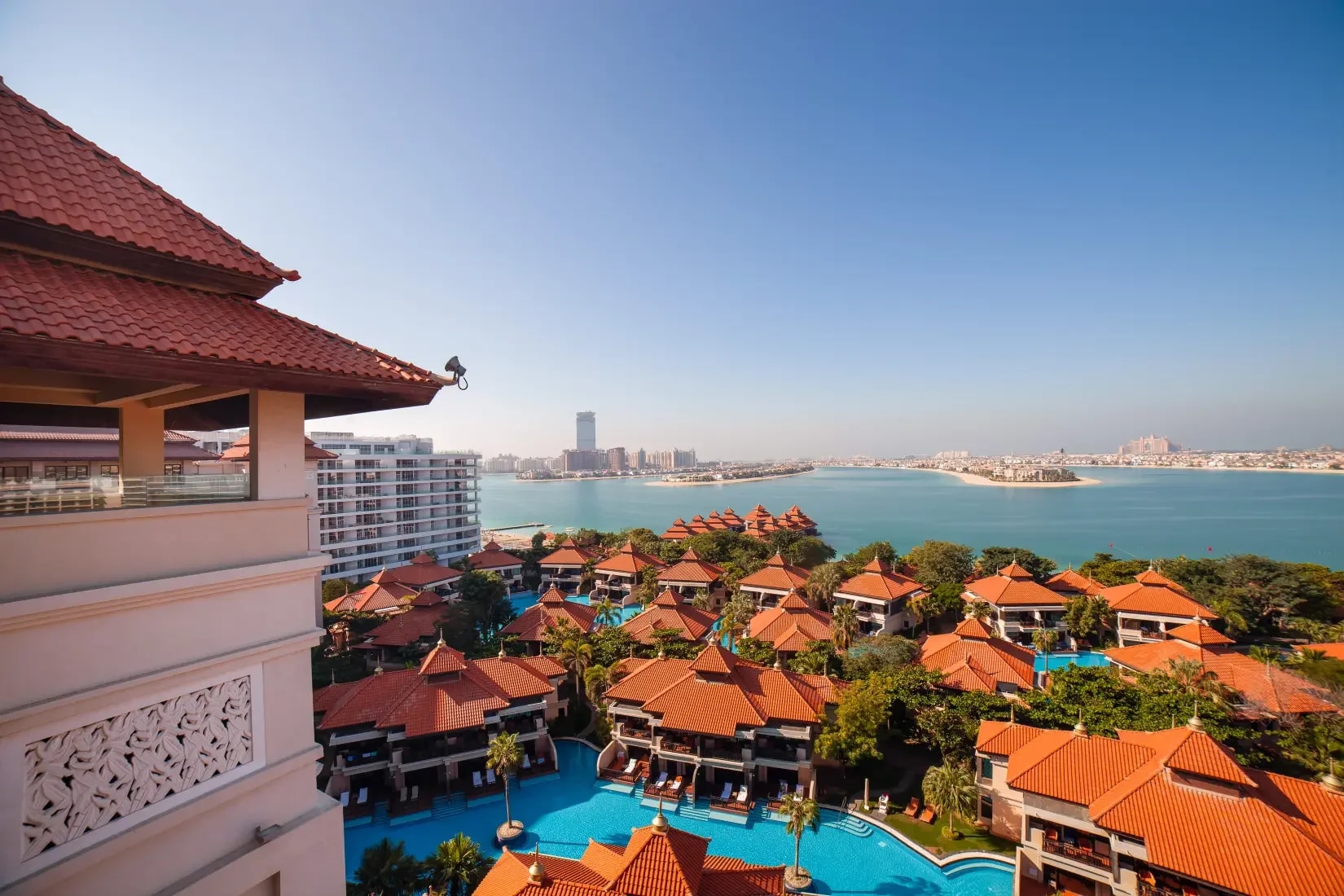
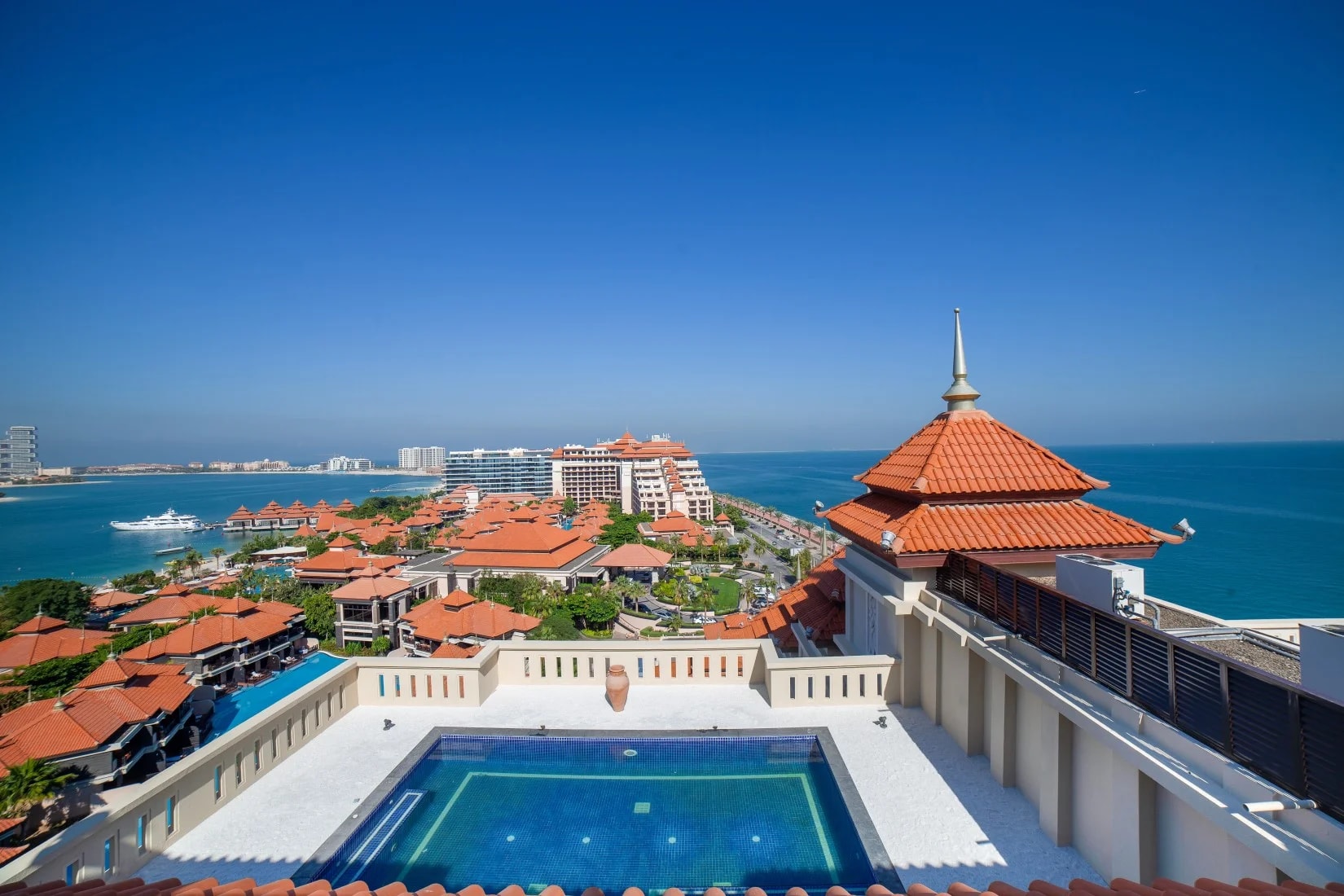
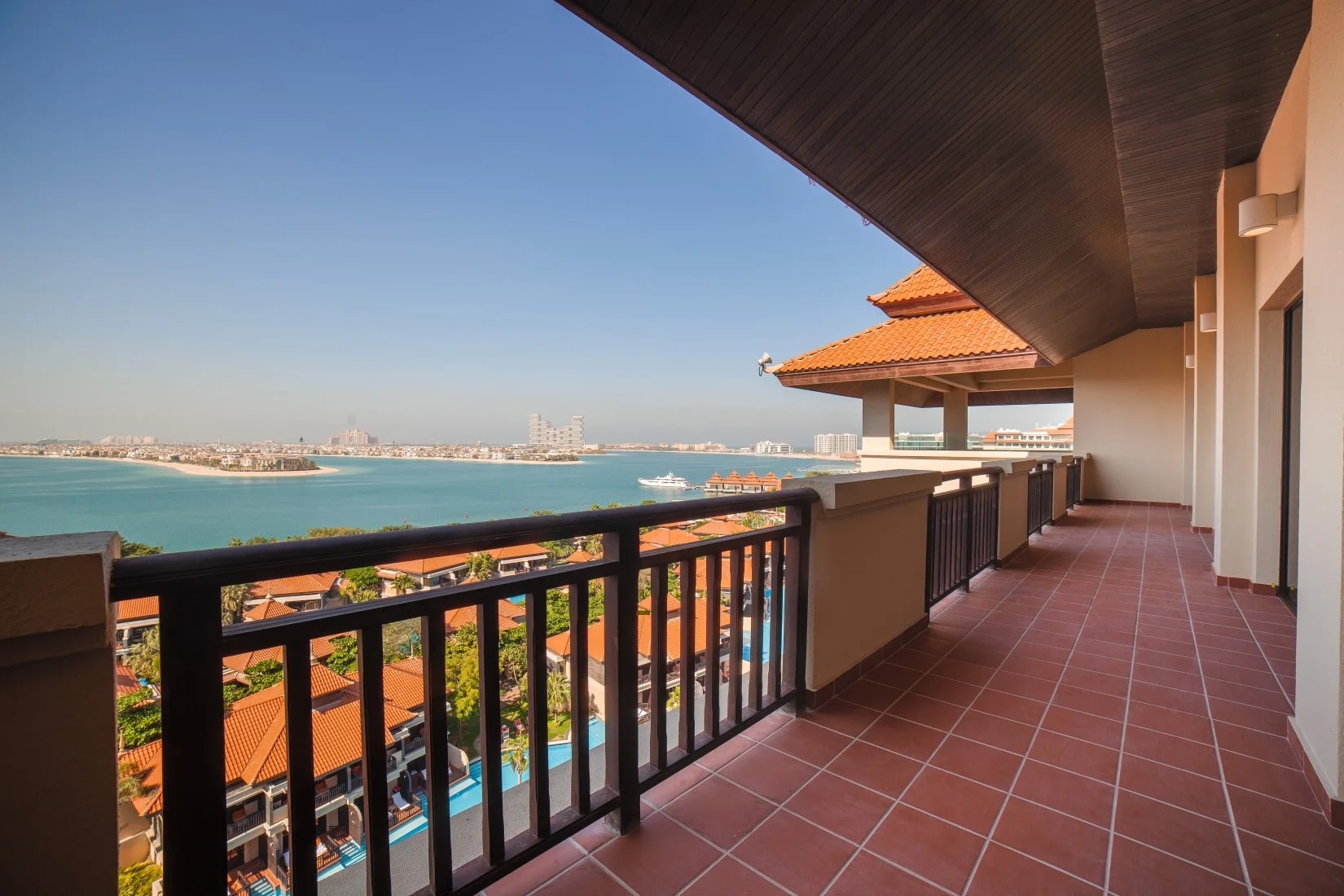
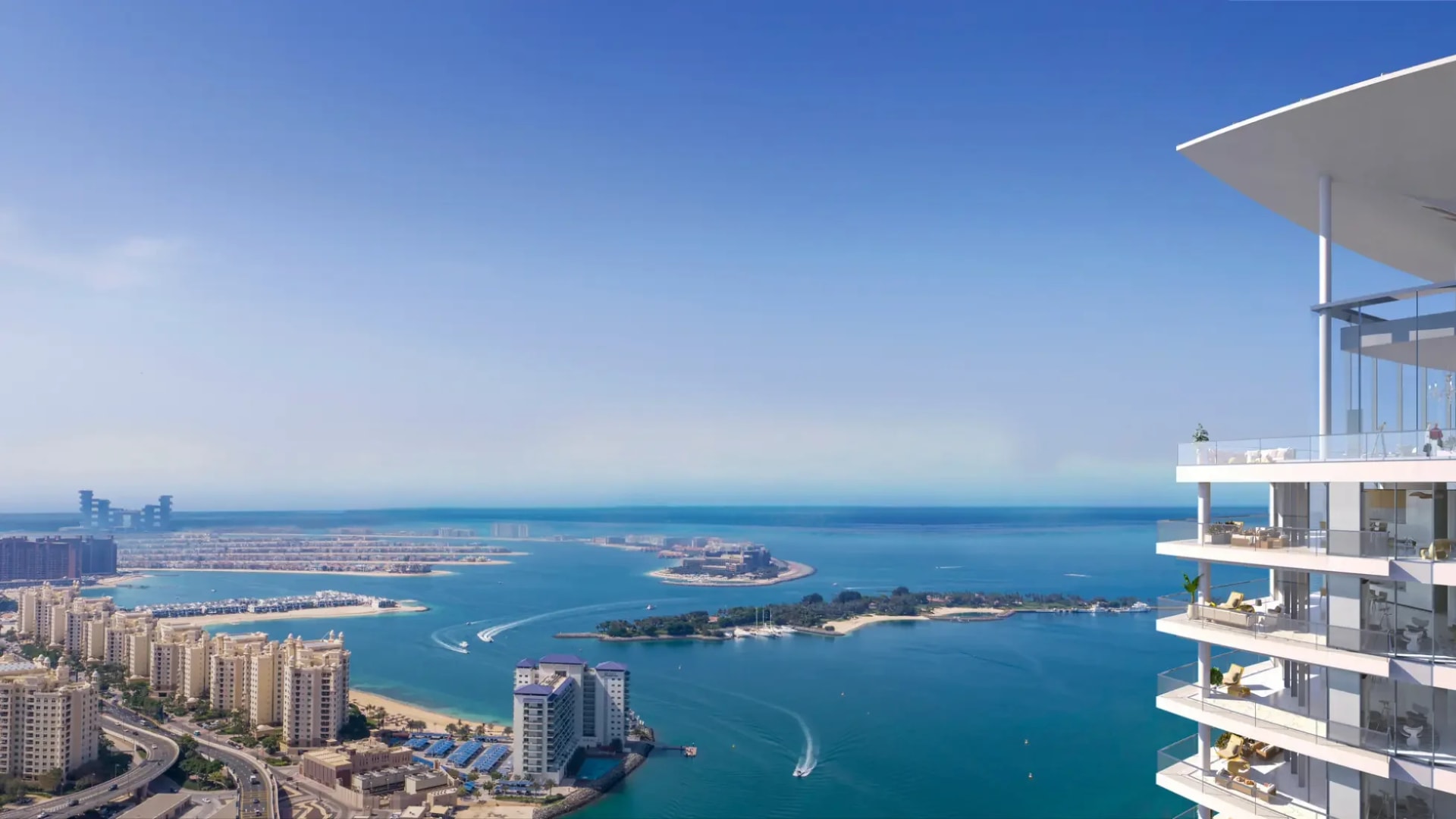
Palm Jumeirah is a freehold (full ownership with no time limit, available to all nationalities in designated DLD zones) community developed by Nakheel on a palm-shaped island extending 5.5 kilometres into the Arabian Gulf. The island holds residential apartments on the trunk and fronds, signature villas on the fronds, and a combination of hotels and ultra-premium residences near the crown. It is one of the few Dubai submarkets where villa and penthouse buyers consistently outnumber investor-profile buyers, creating a price floor anchored by lifestyle demand rather than yield calculation alone.
Why Investors Choose Palm Jumeirah
Capital appreciation is the primary investment thesis for Palm Jumeirah. The island's price per sqft for apartments rose from approximately AED 1,400-1,800 in 2020 to AED 2,000-4,500 in 2026, a compound annual growth rate of 8-12% depending on unit type and building (DLD data, Q1 2026). Supply is structurally constrained: no new residential phases are planned for the existing Palm fronds or trunk, and the total unit count across all building types sits at approximately 10,000-12,000 apartments plus around 1,000 signature villas.
Gross yield (annual rent divided by purchase price, expressed as a percentage) averages 4.5-6.5% for apartments (Property Monitor, 2026), lower than mid-market Dubai communities but supported by a high-net-worth tenant base that pays premium annual rents in a single cheque. Villas typically produce 3.5-5.0% gross yield, with holiday home short-term rental strategies pushing frond villa returns to 6-8% gross in peak season for well-managed properties.
Properties on Palm Jumeirah almost universally exceed the AED 2,000,000 threshold for the 10-year UAE Golden Visa. Sole owners also qualify for the 2-year property investor visa under the April 2026 rules (no minimum value; AED 400,000 per joint owner). Buyers should verify current eligibility with GDRFA or their legal advisor.
The development stage is established and brand-protected. Palm Jumeirah's global name recognition drives demand from international buyers across Europe, South Asia, and the CIS region, which provides a resale pool that extends beyond the local Dubai market. This international buyer interest acts as a partial hedge against local market cycles.
Palm Jumeirah at a Glance
| Metric | Data |
|---|---|
| Average price per sqm (apartments) | AED 21,500-48,500 (DLD data, Q1 2026) |
| Average price per sqft (apartments) | AED 2,000-4,500 |
| Average price per sqft (villas) | AED 3,500-8,000+ |
| Median sale price | AED 4.5M (2BR apartment benchmark, DLD Q1 2026) |
| Average gross yield (apartments) | 4.5-6.5% (Property Monitor, 2026) |
| Average gross yield (villas) | 3.5-5.0% |
| Average service charge | AED 25-45/sqft/year |
| YoY price change | +18-22% (DLD data, 2024-2025) |
| DLD transactions (last 12m) | 2,000+ |
| Off-plan share | Approximately 20-25% |
| Ownership type | Freehold |
| Area type | Residential (Luxury) |
| Lifestyle profile | Luxury |
| Nearest metro | No direct metro (Palm Monorail connects to Dubai Marina) |
| Nearest mall | Nakheel Mall (1.5km) |
| Golden Visa eligible | Yes (virtually all units) |
| Key developers | Nakheel, Omniyat, AHS Properties, Seven Tides |
The 18-22% YoY price appreciation significantly outpaces the Dubai average of 8-12% (DLD data, 2024-2025), reflecting both the global brand premium and the structural supply constraint. However, the lower yield range compared to mid-market areas means Palm Jumeirah rewards patient capital focused on appreciation rather than immediate cash flow.
Property Types and Price Ranges in Palm Jumeirah
| Property Type | Price Range (AED) | Price/sqft (AED) | Avg Gross Yield |
|---|---|---|---|
| Studio | 1,200,000-2,000,000 | 2,000-3,000 | 5.5-6.5% |
| 1-Bedroom (Trunk) | 2,000,000-4,000,000 | 2,000-3,500 | 5.0-6.0% |
| 2-Bedroom (Trunk) | 3,500,000-7,000,000 | 2,000-4,000 | 4.5-5.5% |
| 3-Bedroom (Trunk/Crown) | 5,000,000-15,000,000 | 2,500-5,000 | 4.0-5.0% |
| Signature Villa (Frond) | 15,000,000-80,000,000+ | 3,500-8,000+ | 3.5-4.5% |
| Crown Penthouse | 25,000,000-200,000,000+ | 5,000-15,000+ | 2.5-4.0% |
| Data sourced from DLD and Property Monitor, Q1 2026. |
Studios and one-bedroom apartments in trunk buildings such as Golden Mile and Shoreline Apartments offer the strongest yield-to-price ratio on Palm Jumeirah. These buildings were among the first delivered (2004-2007) and benefit from mature management structures and established rental history.
Off-plan (property purchased before or during construction, typically with a staged payment plan) supply on Palm Jumeirah is limited. Nakheel has delivered phases of Palm Beach Towers on the trunk road and select premium projects on the crescent. Any new off-plan project on the island should be treated as a premium niche product rather than a volume play. Verify RERA (Real Estate Regulatory Authority, which governs developers and brokers in Dubai) escrow (trust account where off-plan payments are held until construction milestones are verified by RERA) registration for all off-plan purchases at dubailand.gov.ae before committing any payment.
Signature villas on the fronds remain the most internationally recognised Palm Jumeirah product but also the least liquid: fewer than 200 frond villa sales occur per year. At AED 15M-80M+ per villa, buyers need deep pockets and long exit windows.
Rental Yields and Investment Potential
Palm Jumeirah's average gross yield of 4.5-6.5% for apartments reflects the premium price-to-rent relationship in a luxury submarket where capital appreciation has historically been the stronger return driver. To calculate net yield (gross yield minus service charge, DLD fees, and management costs) on Palm Jumeirah: subtract the average service charge (annual maintenance fee paid by all owners) of AED 25-45 per sqft per year and the DLD transfer fee (4% of purchase price, typically amortised over a 5-year hold) from your gross rental income, then divide by the purchase price. On a AED 4M two-bedroom apartment with AED 220,000 annual rent, service charges of AED 45,000 on a 1,500 sqft unit, management fees of AED 17,600, and amortised DLD cost of AED 32,000 per year produce a net yield of approximately 3.1-3.5%.
| Unit Type | Avg Annual Rent (AED) | Gross Yield |
|---|---|---|
| Studio (600 sqft) | 90,000-130,000 | 5.5-6.5% |
| 1-Bedroom (1,000 sqft) | 130,000-200,000 | 5.0-6.0% |
| 2-Bedroom (1,500 sqft) | 200,000-320,000 | 4.5-5.5% |
| 3-Bedroom (2,500 sqft) | 320,000-600,000 | 4.0-5.0% |
| Frond Villa (5,000 sqft) | 600,000-1,500,000 | 3.5-4.5% |
| Rental data sourced from Bayut and Airbnb market data, 2026. |
Short-term holiday rental performance is significantly stronger than long-term leases for Palm Jumeirah properties. Frond villas with private beach access and pools can generate AED 1.5M-3M annually through DTCM-licensed holiday home operations at peak occupancy. Trunk apartments in sea-view buildings on platforms such as Airbnb average 72-80% annual occupancy, producing gross income 40-60% above equivalent long-term lease rates before management costs.
Dubai's overall average gross yield stands at approximately 5.5-6.5% (Property Monitor, 2026). Palm Jumeirah's 4.5-6.5% range for apartments places it at or slightly below the citywide average, which is the expected trade-off for holding a globally branded luxury asset.
Past performance does not guarantee future returns. Real estate investment involves risk. Consult a qualified financial or legal advisor before making any investment decision.
Schools Near Palm Jumeirah
| School | Curriculum | KHDA Rating | Distance | Annual Fees (AED) |
|---|---|---|---|---|
| GEMS Wellington International School | British/IB | Outstanding | 5km / 10 min drive | 60,000-95,000 |
| Regent International School | British | Good | 3km / 8 min drive | 45,000-75,000 |
| GEMS Palm Jumeirah Primary | British | Good | 1km / 5 min drive | 40,000-60,000 |
| Nord Anglia International School | British/IB | Outstanding | 7km / 15 min drive | 65,000-100,000 |
| American School of Dubai | American | Outstanding | 8km / 15 min drive | 60,000-90,000 |
| School ratings sourced from KHDA inspection reports. Fees are indicative annual ranges. Verify current ratings at khda.ae before making a relocation decision. |
Palm Jumeirah residents benefit from GEMS Palm Jumeirah Primary within the island itself and several Outstanding-rated schools within a 10-15 minute drive. Two KHDA Outstanding schools offering British and IB curricula are accessible within 15 minutes, which makes Palm Jumeirah one of the more family-practical luxury communities in Dubai. School fees and ratings are updated annually by KHDA.
Infrastructure and Connectivity
Palm Jumeirah has no direct Metro connection. The Palm Monorail connects the island's trunk to Atlantis The Palm at the crescent, with a gateway station linking to the Dubai Tram at Dubai Marina. The tram then connects to the Red Line Metro at Dubai Marina station, adding approximately 20-30 minutes to any Metro-dependent journey. Residents predominantly rely on private vehicles or ride-hailing services.
The Palm Tunnel underneath the trunk road provides direct access to Sheikh Zayed Road (E11) at two points, connecting to Downtown Dubai in 20-25 minutes off-peak and to Al Maktoum Airport in approximately 35-40 minutes.
Dubai International Airport (DXB) is approximately 30-35 kilometres from the Palm gateway, a 30-40 minute drive in normal traffic. Proximity to DXB is one of Palm Jumeirah's practical advantages for frequent travellers.
Nakheel Mall on the trunk road is the nearest major retail centre, a 5-10 minute drive from most Palm locations. The Palm retail strip and Golden Mile Galleria provide food and services within the community. Dubai Marina Mall is accessible in 15 minutes by car.
Mediclinic Palm Jumeirah is located on the island itself, approximately 2-3 kilometres from most residential buildings. American Hospital and Emirates Hospital Dubai are accessible on the mainland in 15-20 minutes.
Key Developers and Active Projects in Palm Jumeirah
Nakheel is the master developer and retains the strongest brand presence. Nakheel's Palm Beach Towers on the trunk road delivered 1,300+ units in three towers between 2021 and 2024 at prices ranging from AED 2.5M to AED 18M. Nakheel units trade at a brand premium relative to non-Nakheel buildings in comparable locations.
Omniyat developed One Palm, a 90-unit ultra-luxury tower on the Palm crescent with prices starting at AED 20M for the smallest units and extending above AED 100M for the penthouse. One Palm established a new price ceiling for non-villa residential on Palm Jumeirah at AED 5,000-8,000/sqft.
AHS Properties
and Seven Tides have developed frond-facing apartment buildings including Tiara Residences and The Royal Amwaj, which provide a mid-luxury option between the trunk buildings and signature frond villas.
The total active project count on Palm Jumeirah is limited by the island's fixed footprint. Most transactions are secondary resales rather than developer primary sales. Any new off-plan launch on the island is a significant market event. RERA registration status should be verified independently at dubailand.gov.ae for any off-plan commitment.
Browse all Palm Jumeirah projects on Oliva
How Palm Jumeirah Compares to Similar Areas
| Area | Avg Price/sqft (AED) | Avg Gross Yield | YoY Price Change | Freehold |
|---|---|---|---|---|
| Palm Jumeirah (apartments) | 2,000-4,500 | 4.5-6.5% | +18-22% | Yes |
| Emaar Beachfront | 2,200-3,200 | 5.0-6.5% | +10-15% | Yes |
| Dubai Harbour | 2,500-4,000 | 4.5-6.0% | +12-18% | Yes |
| Bluewaters Island | 2,000-3,500 | 4.5-6.8% | +10-14% | Yes |
| JBR | 1,800-2,800 | 5.0-6.5% | +8-12% | Yes |
| Data sourced from DLD and Property Monitor, Q1 2026. |
Choose Palm Jumeirah over Emaar Beachfront or Dubai Harbour if the global brand premium and supply scarcity of the island matter more to your investment thesis than marginal yield differences. Palm Jumeirah's name recognition supports international resale demand in ways that newer waterfront addresses cannot yet match.
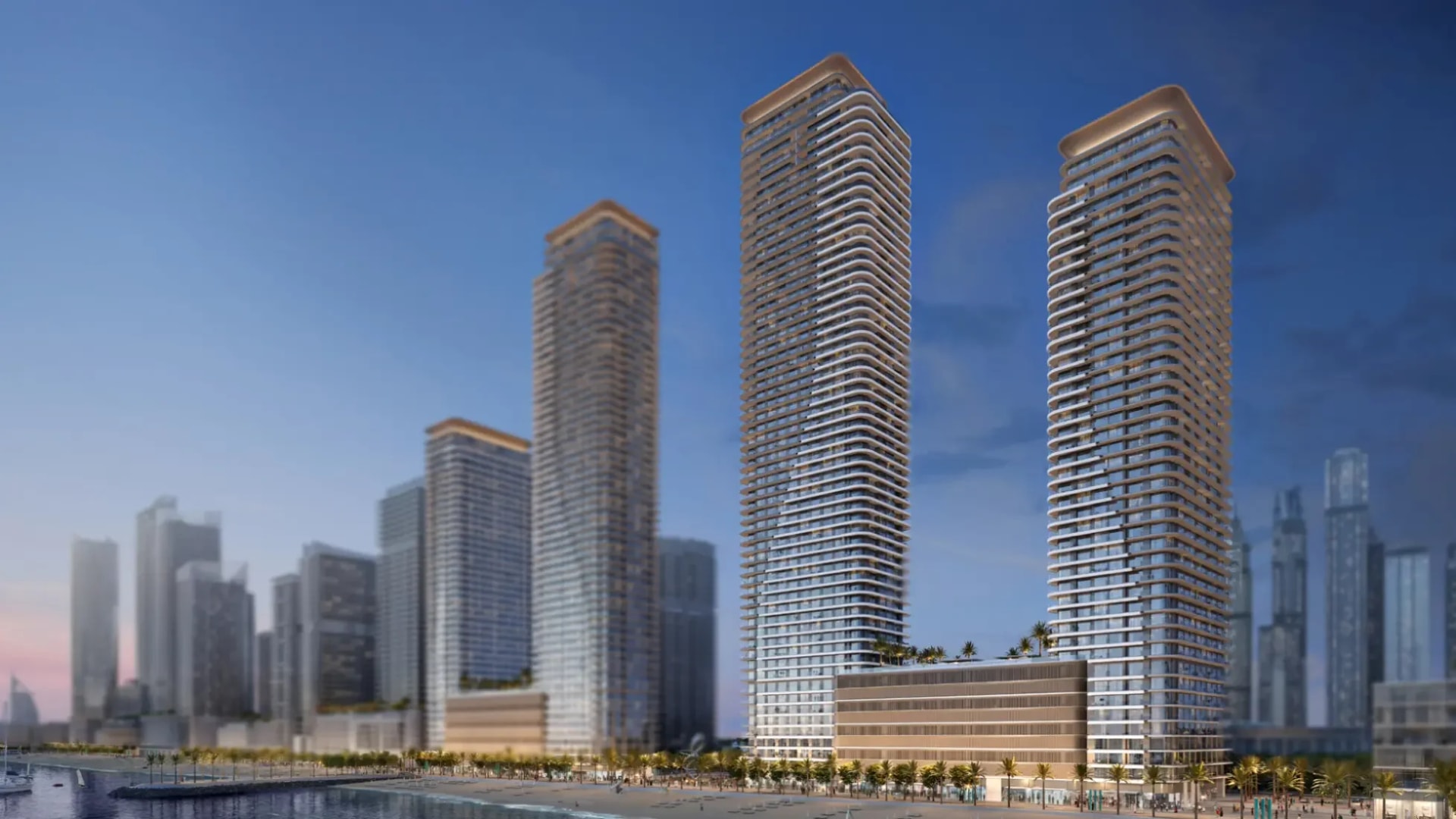
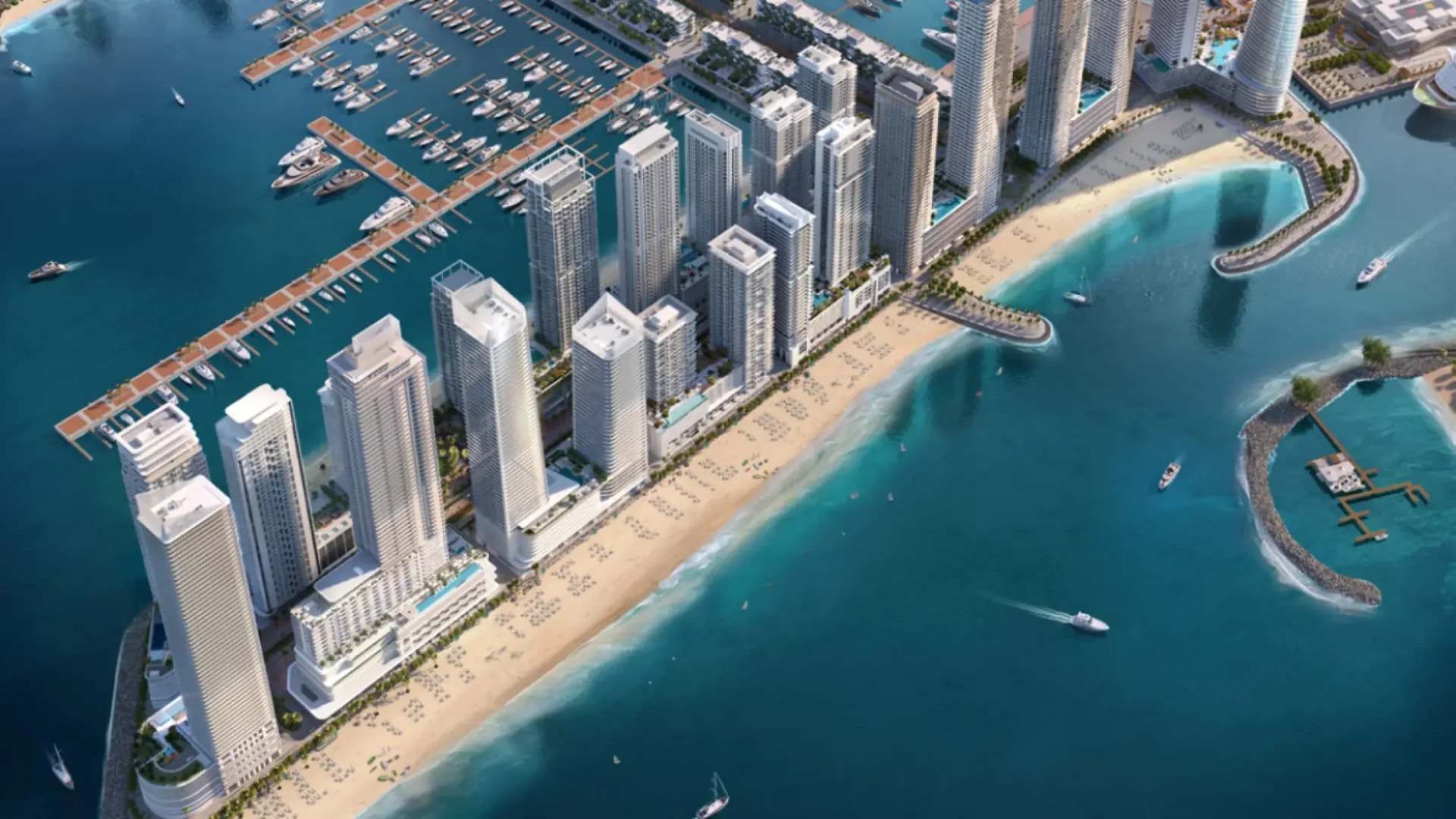
Choose Emaar Beachfront or Dubai Harbour over Palm Jumeirah if you want a newer product, a more accessible price point, or a slightly higher yield with similar beachfront positioning. Both communities are still building out their amenity base, which means capital appreciation potential may outperform an already-mature premium market.
Choose Bluewaters Island over Palm Jumeirah if you want a smaller, more exclusive community with similar yield characteristics but lower total investment (studios and one-bedrooms start from AED 1.8M versus AED 2M+ on Palm).
Who Should Invest in Palm Jumeirah?
Capital appreciation investors with a 5-year or longer hold horizon. Palm Jumeirah's +18-22% annual price growth in 2025 and structural supply constraint (no new frond land to develop) position it as one of Dubai's strongest appreciation stories for patient capital. Entry prices are high, which means this suits investors with AED 2M+ to deploy who can wait for the compounding to work.
High-net-worth buyers combining lifestyle use with rental income. Frond villas and upper-floor trunk apartments function as both personal residences and investment assets. The villa rental yield of 3.5-4.5% gross is supplemented by substantial capital gains potential, and the short-term rental market during periods of personal non-occupancy can generate significant income. This profile requires either self-management or a professional holiday home operator.
Ultra-premium investors seeking wealth preservation in a globally recognised asset class. At the AED 10M-80M+ villa level, Palm Jumeirah competes with prime central London, Paris 7th, and Manhattan Upper East Side on a brand recognition basis. For high-net-worth individuals diversifying across global real estate, a Palm frond villa represents an identifiable, sellable asset to a wide international buyer pool.
What to Watch Out For
High service charges compressing net yields. Service charges in Palm Jumeirah average AED 25-45 per sqft per year, among the highest in Dubai, reflecting the island's resort-grade infrastructure, beach maintenance, private roads, security, and landscaping. For a 1,500 sqft two-bedroom apartment, that represents AED 37,500-67,500 per year before any management or DLD costs. At a AED 4M purchase price and AED 220,000 annual gross rent, those service charges reduce net yield from 5.5% gross to approximately 3.0-3.5% net. Factor service charges into every yield calculation before purchase.
Infrastructure dependency on a single road access. Both the Palm Tunnel and the bridge connecting the trunk to the mainland create potential bottlenecks during peak traffic hours (7-9am and 5-8pm). Road congestion from the crescent to the Palm gateway can add 20-30 minutes to commutes during peak periods. The absence of Metro connectivity means all resident mobility depends on road infrastructure.
Liquidity limitations at the villa level. While Palm Jumeirah apartment transactions number 1,500-2,000 per year, frond villa sales are fewer than 200 annually. At price points of AED 15M-80M+, the buyer pool is inherently thin. Exit timelines for frond villas should be modelled at 6-18 months rather than the 2-4 months achievable for trunk apartments or mid-market Dubai communities.
How to Invest in Palm Jumeirah Through Oliva
- Browse verified Palm Jumeirah listings on Oliva filtered by property type (apartment vs. villa), building, floor, and yield range. DLD transaction history for each building is visible on the platform.
- Use Oliva's yield calculator to model gross and net returns for Palm Jumeirah. Input your target purchase price, expected rental income from comparable Bayut data, and the specific building's RERA-registered service charge to produce an accurate net yield projection.
- Request a data pack for your shortlisted project, including DLD transaction history, three years of service charge statements, and any Nakheel or owners' association notices affecting the building.
- Connect with an Oliva advisor for a no-commission consultation on Palm Jumeirah investment strategy. We will assess trunk vs. frond positioning, building management quality, and long-term vs. short-term rental optimisation for your specific budget.
- Complete your purchase through Oliva's end-to-end transaction support, including DLD registration, NOC (No Objection Certificate, required from the developer to transfer property ownership at DLD) coordination with Nakheel, and title deed issuance.
Browse Palm Jumeirah properties on Oliva
Past performance does not guarantee future returns. Real estate investment involves risk. Consult a qualified financial or legal advisor before making any investment decision.
Quick reference: the investor framework for this topic
Investors searching for guidance on Palm Jumeirah typically need three things up front: a quick framework for the decision, a sense of what data points actually matter, and a way to translate the topic into action. This section consolidates those three.
When evaluating an area, the practical investor framework is: transaction depth across recent quarters, rental absorption and Ejari registration patterns, planned and delivered supply pipeline, infrastructure connectivity, and the share of secondary versus off-plan activity. Each of these is verifiable through DLD public data.
These framework points are the same ones used inside the Oliva 6-dimension scoring model: Financial Value, Market Dynamics, Location, Developer Trust, Risk, Macro Context, and Liquidity. Investors who internalise this framework typically reach a decision faster and with fewer revisions later in the diligence cycle.
Common questions investors ask on this topic
Investors looking into Palm Jumeirah typically surface five recurring questions. We answer each briefly here, with cross-references into the deeper post body and the related guides below.
Is this area still a good entry today? Whether an area is a good entry depends on the segment (studio, one-bed, family villa), the holding period, and the buyer goal (yield, capital growth, end-use, visa). The area data does not change that answer on its own; the combination of area, segment, and buyer goal does.
How does Oliva approach this topic? Oliva scores each project on the 6-dimension framework using DLD-sourced inputs. The scoring does not predict the future, it standardises the comparison across hundreds of Dubai projects so investors can shortlist on like-for-like data rather than on marketing copy.
What data sources should I trust? Trust DLD transaction data, Ejari rental registrations, and the official regulator portals (RERA, DLD). Be sceptical of unsourced AED figures in marketing material. When in doubt, ask for the transaction reference numbers or developer registration record so you can verify directly.
What is the most common mistake here? The most common mistake investors make is anchoring on the headline AED price or the headline yield without testing the assumption against secondary-market transaction depth. A property at an attractive price is only attractive if a comparable property has actually transacted near that price recently and if the next buyer can be expected to do the same.
Example shapes from Dubai investor practice
These worked examples are framed generically and use the same input fields that appear in the Oliva calculators. Run your own numbers through those calculators for property-specific output. Below are typical decision shapes investors face on this topic.
Example shape A, the yield-led buyer in this area: prioritises studio and one-bed segments with strong Ejari registration depth, and screens out projects with shallow service-charge history. For this profile, mature sub-clusters within the area usually beat the newest releases.
Example shape B, the end-user family buyer in this area: prioritises school proximity, amenity standard, and community feel rather than yield. For this profile, the right answer is usually a unit configuration optimised for end-use rather than for rental, even though the two segments overlap in price.
Example shape C, the diversified portfolio buyer: spreads capital across two or three sub-segments to reduce concentration risk. For this profile, the right answer is usually a basket of mid-priced units across different communities rather than a single premium asset. Oliva is designed to support this comparison across hundreds of Dubai projects in one workflow.
Frequently Asked Questions
Is Palm Jumeirah a good investment in 2026?
Palm Jumeirah delivered 18-22% price appreciation in 2025 (DLD data), driven by global brand recognition and structural supply scarcity. Gross yields of 4.5-6.5% are below the Dubai average, meaning Palm Jumeirah rewards capital appreciation investors more than yield-focused buyers. As an established luxury submarket with international resale demand, it suits long-term holders with AED 2M+ budgets. Past performance does not guarantee future returns.
What is the average rental yield in Palm Jumeirah?
Gross yield averages 4.5-6.5% for apartments and 3.5-5.0% for villas (Property Monitor, 2026). Net yield, after deducting service charges (AED 25-45/sqft/year, among Dubai's highest), DLD fee amortisation, and management costs, typically falls between 2.8% and 4.0%. Short-term holiday home rentals can significantly improve gross income, particularly for frond villas and sea-view trunk apartments.
Can foreigners buy property in Palm Jumeirah?
Yes. Palm Jumeirah is a DLD-designated freehold zone, allowing foreign nationals to purchase on a freehold basis with full ownership rights and no nationality restrictions. Both apartment and villa purchases receive a DLD-registered title deed. The freehold designation covers all residential buildings across the trunk, fronds, and crescent.
What property types are available in Palm Jumeirah?
Palm Jumeirah offers studios (AED 1.2M-2M), one and two-bedroom trunk apartments (AED 2M-7M), three-bedroom apartments and crown units (AED 5M-15M+), frond signature villas (AED 15M-80M+), and crown penthouses (AED 25M-200M+). The market is split between established trunk apartment buildings delivered 2004-2024 and the frond villa community, which is the product most internationally associated with the Palm brand.
How much have Palm Jumeirah properties appreciated since 2020?
DLD transaction data shows Palm Jumeirah apartment prices rose from approximately AED 1,400-1,800/sqft in 2020 to AED 2,000-4,500/sqft in 2026, representing 55-95% total appreciation depending on unit type and building. Frond villas have appreciated even more significantly in absolute terms. The supply-constrained island structure and international buyer demand are the primary appreciation drivers.
Explore further
The project, area, and developer this post covers, with live Dubai Land Department data.
Related articles

Dubai Land Department: The Complete 2026 Investor Guide

RERA vs DLD: What's the Difference and Why It Matters to You

Bluewaters Island: Freehold Investment Analysis

Dubai Marina: Complete Investor Guide 2026

AED 2M Property Golden Visa: Areas That Qualify

Complete List of Dubai Freehold Areas in 2026
Related Dubai property analysis from the Oliva editorial team.