
Underwrite before you commit
The figures in this post are checked against Dubai Land Department records and RERA filings. Get an independent underwriting score on any project, or ask Javier on WhatsApp.
Best Areas to Invest in Dubai: Dubailand Property Investment Guide 2026
Dubailand
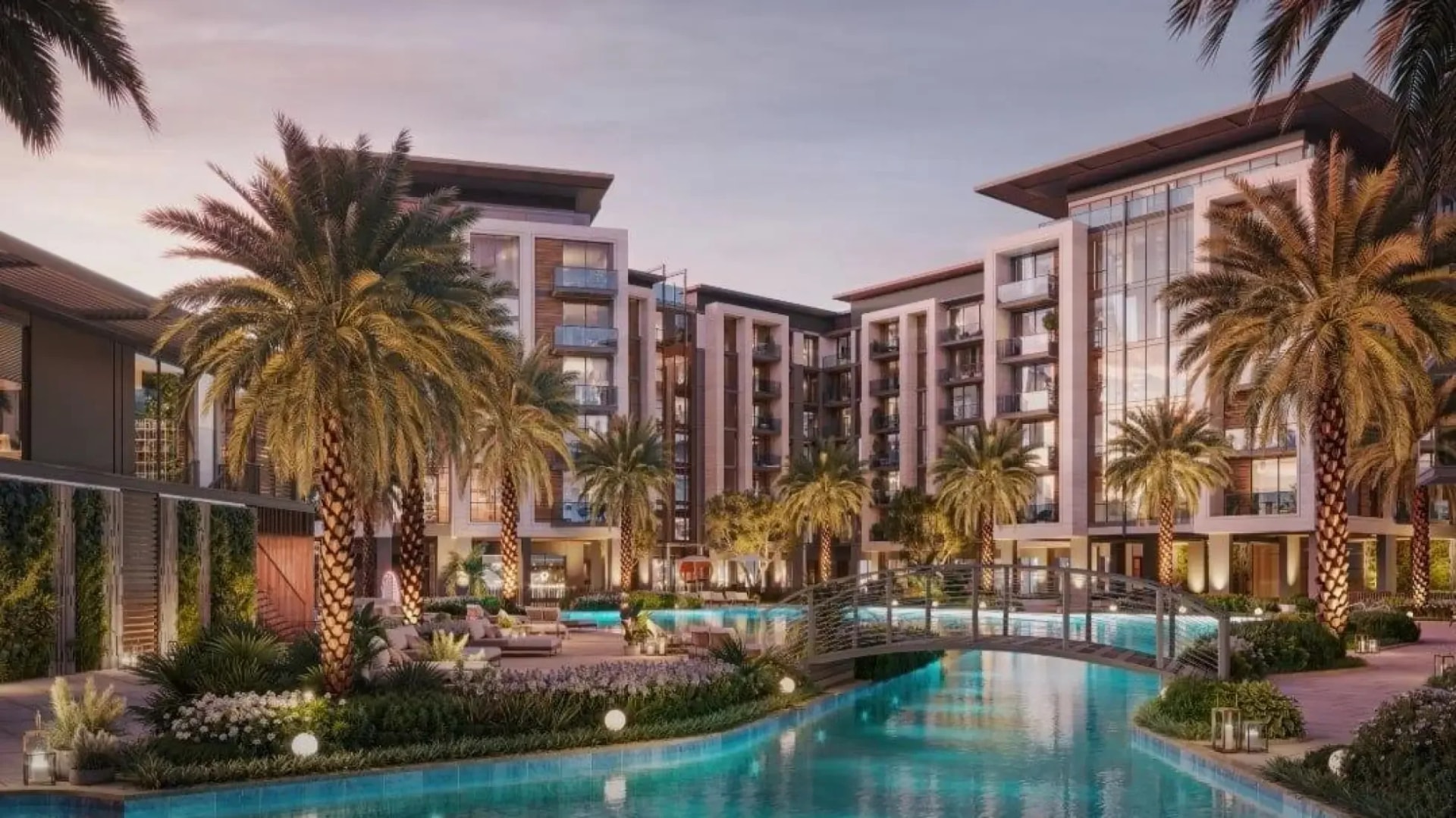
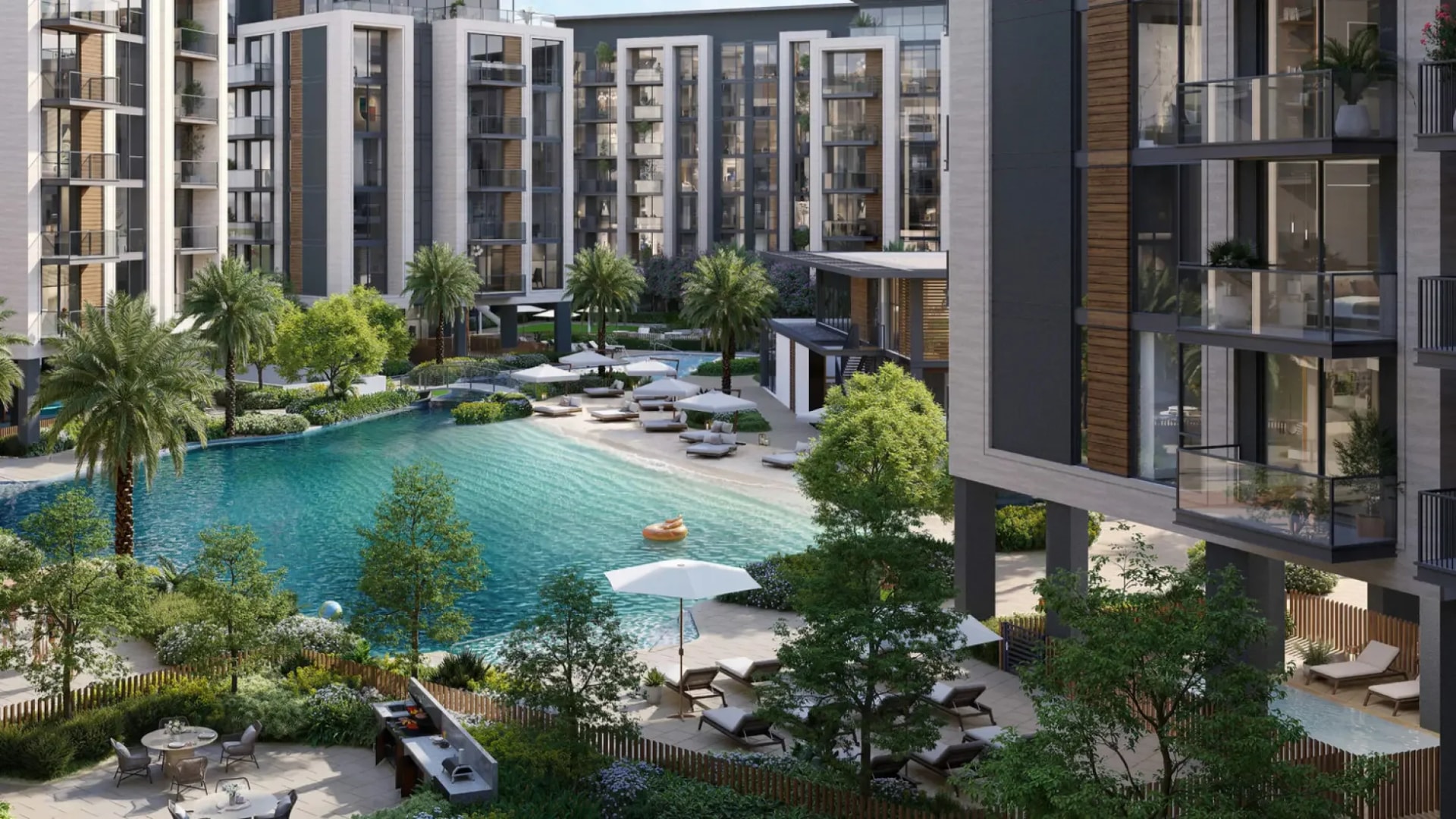
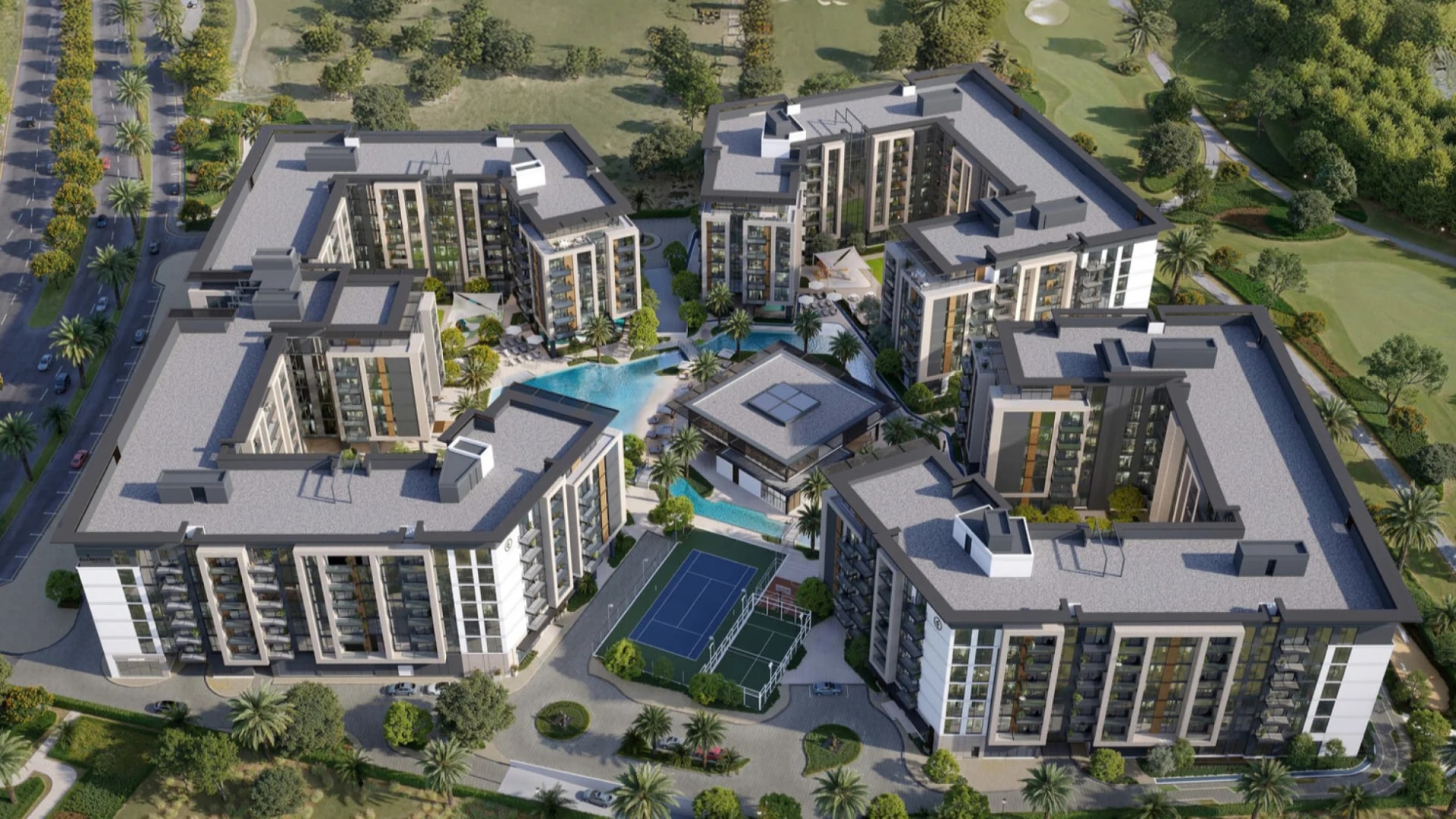
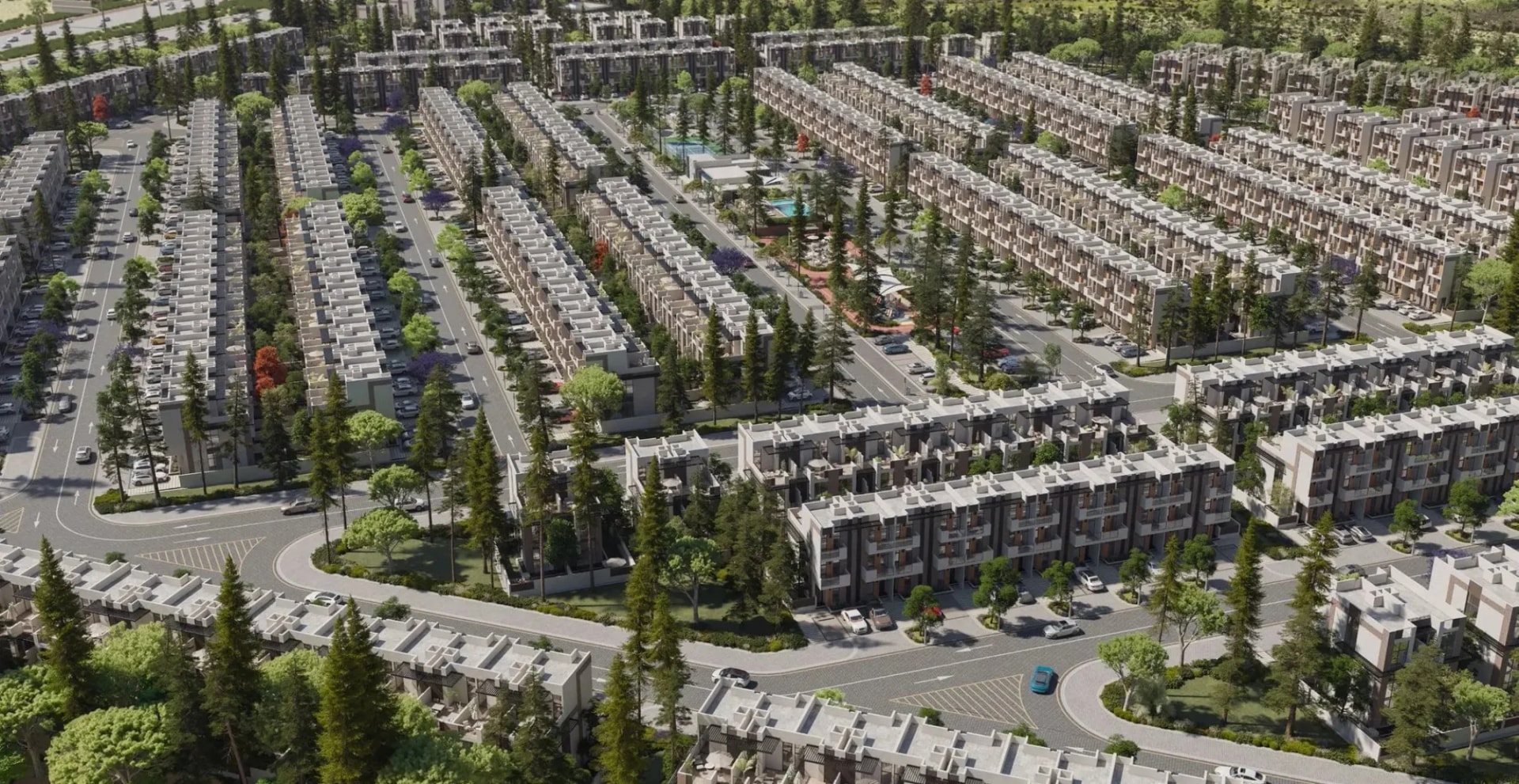
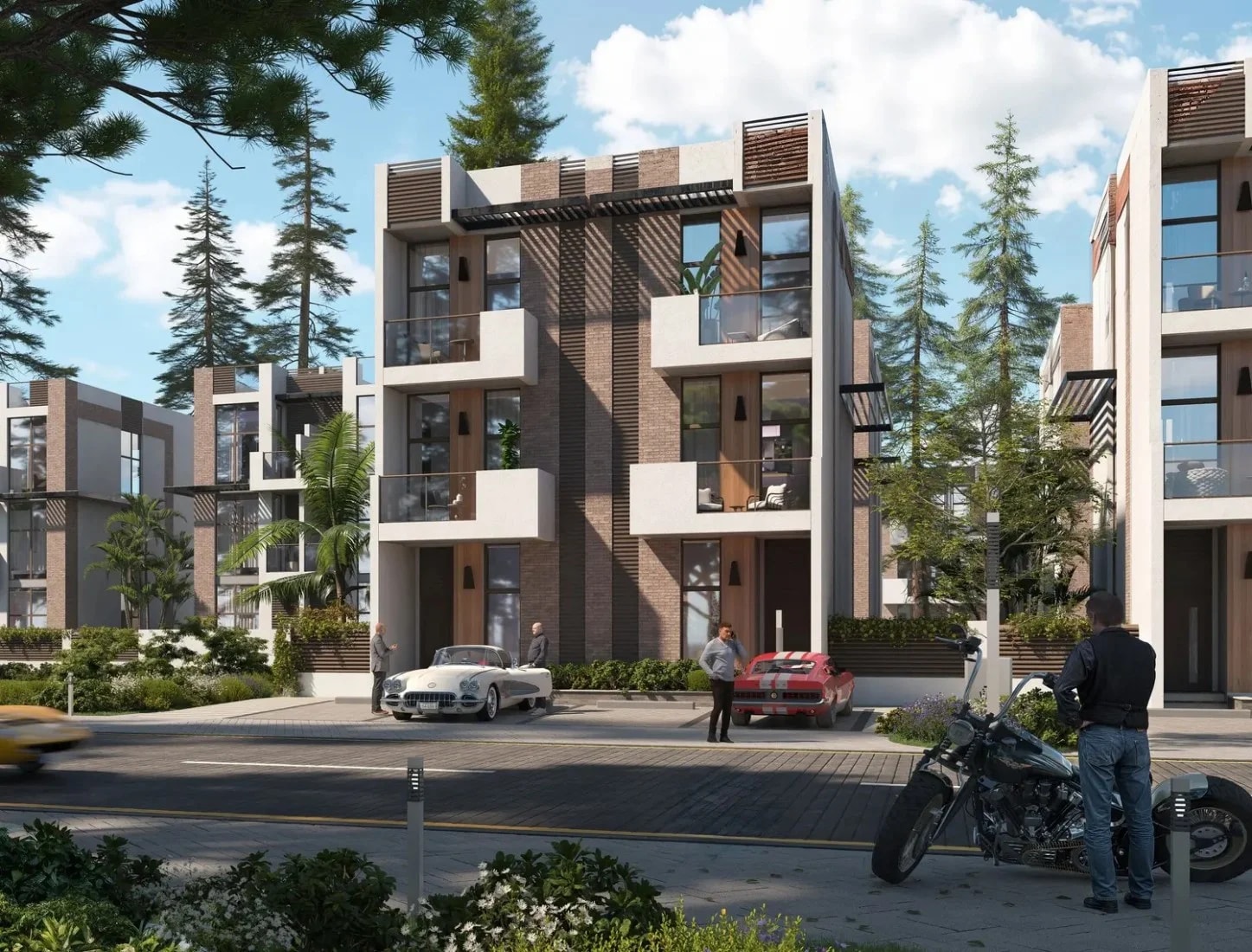
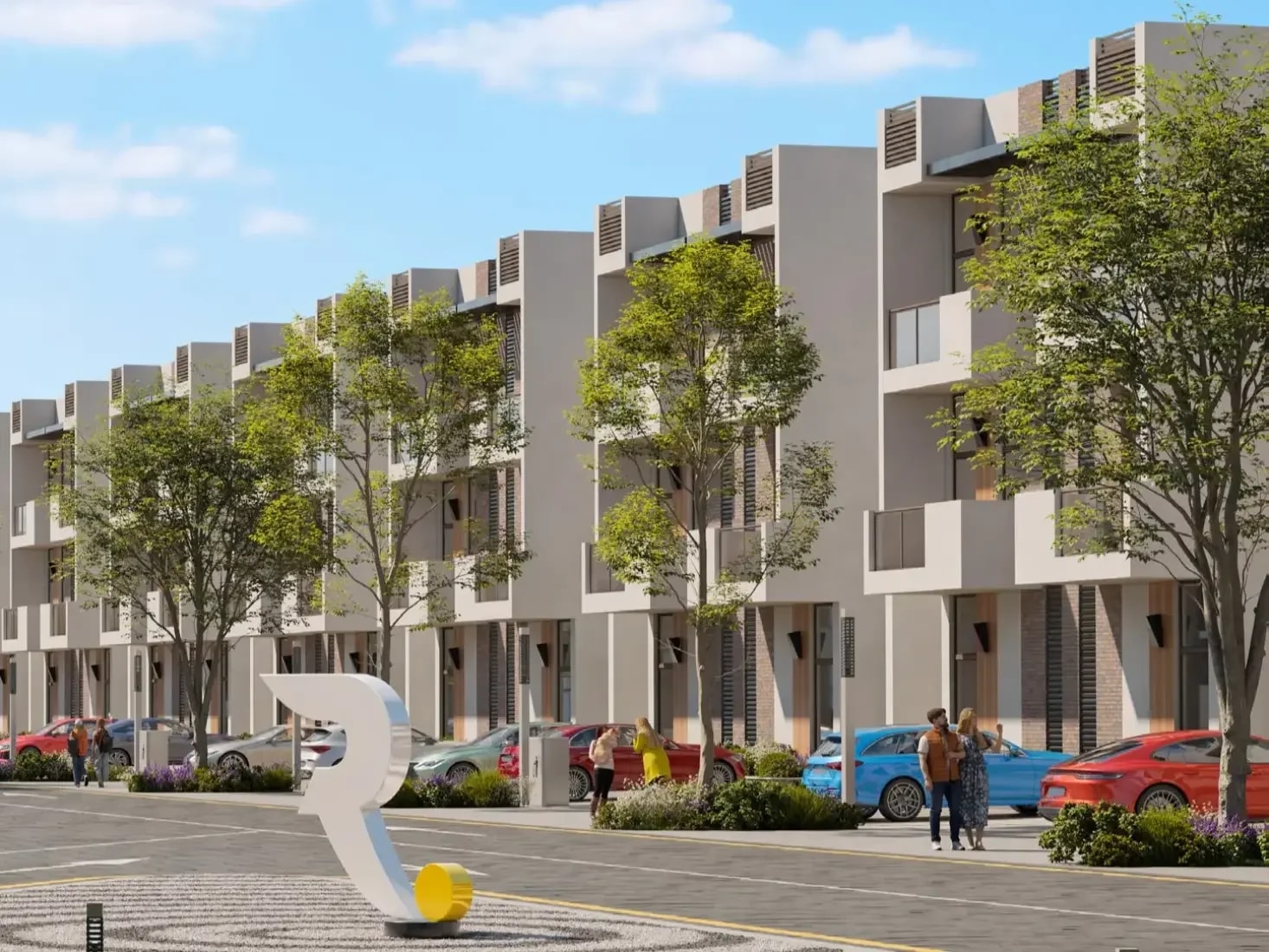
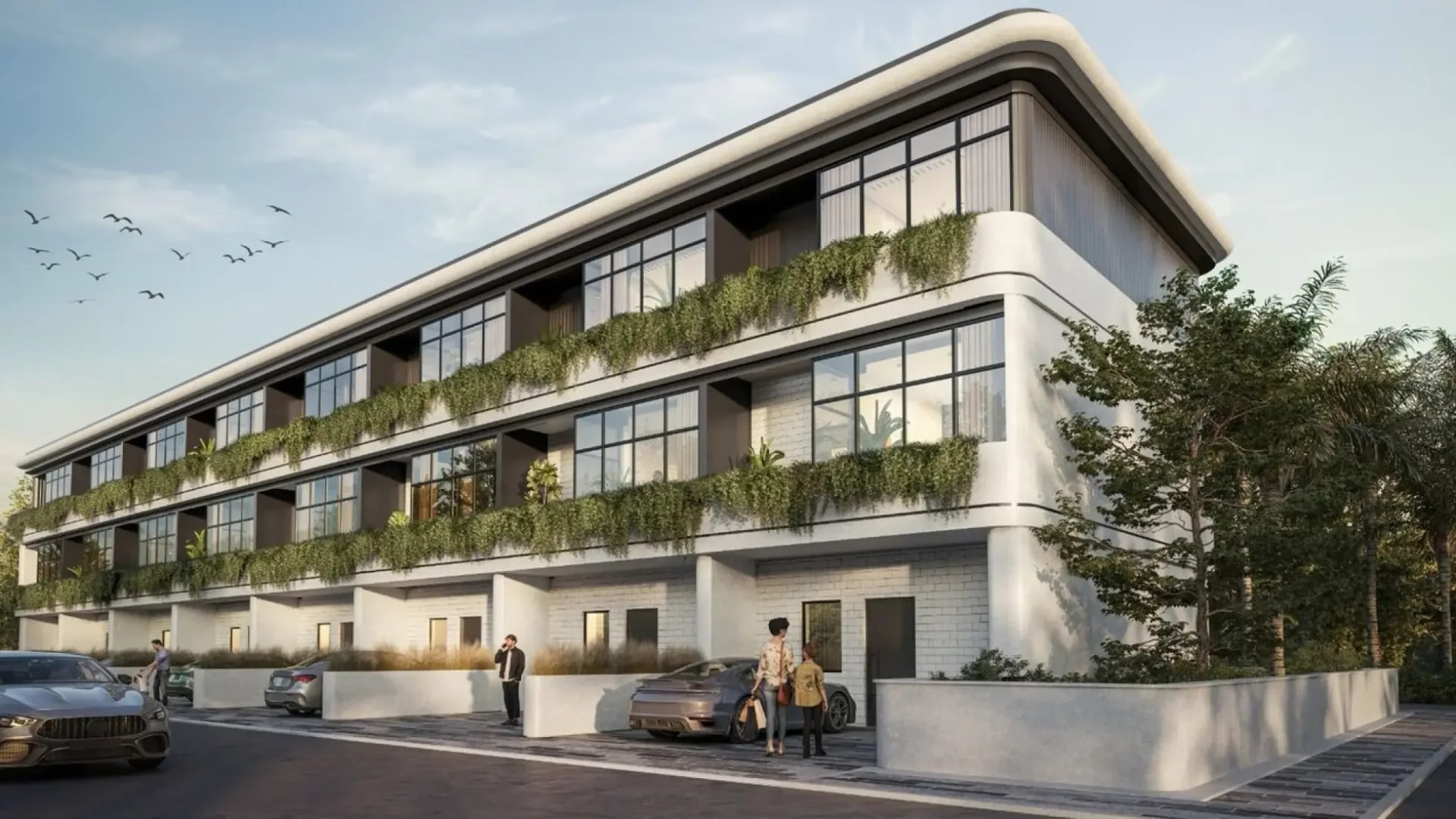
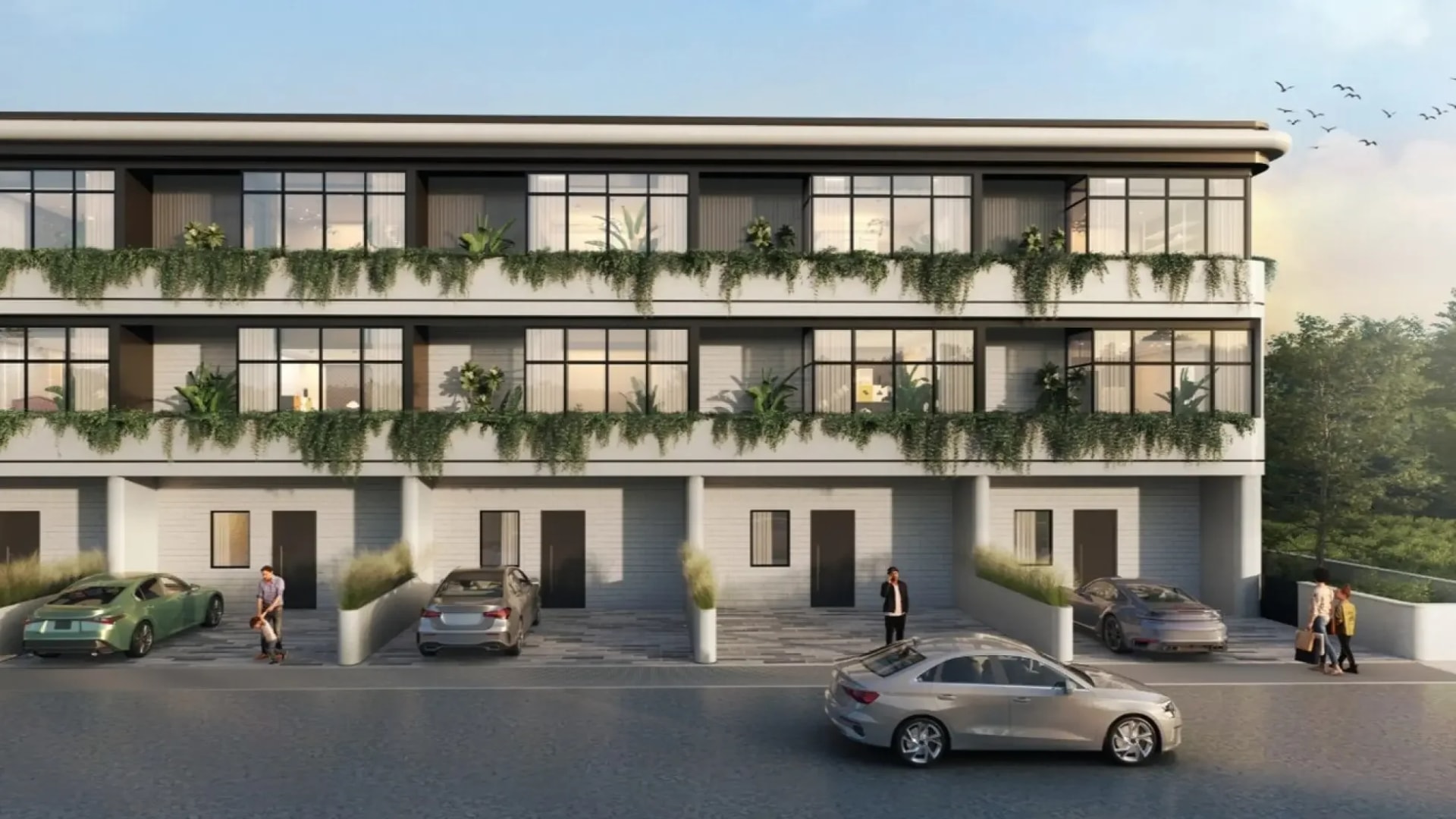
stands out as one of the best areas to invest in dubai for investors seeking villa and townhouse opportunities at competitive price points. Spanning over 3 billion square feet in the heart of Dubai, this master-planned district hosts some of the fastest-growing residential communities in the emirate.
DLD
transaction records from 2025 show that Dubailand recorded over 8,500 property transactions worth AED 12.4 billion. Gross rental yields across the district average 6.2-8.1%, depending on property type and [sub-community](/learn/glossary/sub-community). For investors evaluating the best areas to invest in dubai, these numbers place Dubailand firmly in the high-yield category.
This guide breaks down the investment case for Dubailand using verified data from the Dubai Land Department, RERA rental indices, and Oliva's proprietary scoring algorithm. Every figure cited is sourced from official records, not developer marketing.
Why Dubailand Ranks Among the Best Areas to Invest in Dubai
Dubailand's investment appeal rests on three pillars: price accessibility, yield performance, and growth trajectory. Entry prices for apartments start at AED 450,000, while villas begin at AED 1.2 million. This positions Dubailand below premium districts like Dubai Hills Estate or Arabian Ranches, while delivering comparable or superior rental returns.
The district benefits from its central location along Al Ain Road (E66) and Emirates Road (E611). Drive times to Business Bay average 20 minutes, while Dubai International Airport sits 25 minutes away. These connectivity advantages support tenant demand from professionals working across the city.
Population density within Dubailand continues to climb as communities mature. Schools, healthcare clinics, retail centers, and parks have reached critical mass in established sub-communities like Villanova and Living Legends. This infrastructure maturity directly supports rental demand and property valuations.
RERA regulates all transactions within Dubailand under its standard freehold framework. Buyers receive DLD-issued title deeds with permanent ownership rights. Oliva tracks Dubailand properties with a current district Oliva Score of 7.4/10, reflecting strong yield potential balanced against ongoing infrastructure development in newer phases.
Dubailand Sub-Communities: Investment Data Comparison
Dubailand contains over 20 sub-communities, each with distinct investment profiles. The table below compares the six most active sub-communities by transaction volume in 2025.
| Sub-Community | Avg. Price/sqft (AED) | Gross Yield | Service Charge/sqft | Oliva Score | Key Feature |
|---|---|---|---|---|---|
| Villanova | 950-1,250 | 5.8-7.0% | AED 10-14 | 7.8/10 | Family townhouses |
| Tilal Al Ghaf | 1,100-1,600 | 5.2-6.5% | AED 12-16 | 7.6/10 | Lagoon living |
| Living Legends | 750-1,000 | 6.5-8.0% | AED 8-12 | 7.3/10 | Golf course villas |
| Dubailand Oasis | 700-950 | 7.0-8.5% | AED 8-11 | 7.2/10 | Affordable villas |
| Falcon City | 650-900 | 6.8-8.2% | AED 7-10 | 7.0/10 | Large plot sizes |
| The Villa | 800-1,100 | 6.0-7.5% | AED 9-13 | 7.1/10 | Established community |
Villanova and Tilal Al Ghaf command the highest prices per square foot due to premium master planning and newer building stock. Living Legends and Dubailand Oasis deliver the highest yields, appealing to investors who prioritize rental income over capital appreciation.
Villa and Townhouse Pricing in Dubailand
Villa prices in Dubailand range from AED 1.2 million for a 3-bedroom unit in Dubailand Oasis to AED 6.5 million for a 5-bedroom villa in Tilal Al Ghaf. Townhouses occupy the AED 1.5-3.5 million band, with Villanova representing the most traded townhouse community.
Price per square foot across Dubailand averaged AED 875 in Q4 2025, up 12% year-on-year. This growth rate outpaced the Dubai-wide average of 9.3%, signaling sustained buyer interest in the district.
For investors assessing the best areas to invest in dubai, Dubailand's pricing offers significant upside potential. The district's average price per square foot remains 35-45% below comparable communities like Dubai Hills Estate (AED 1,500-2,600/sqft) and Arabian Ranches (AED 1,200-1,900/sqft).
Rental Yield Analysis for Dubailand Properties
Rental yields in Dubailand vary by property type and sub-community. Studios and 1-bedroom apartments in community buildings generate 7.5-9.0% gross yields. Townhouses yield 5.8-7.0%, while detached villas range from 5.0-6.5%.
Net yields after deducting service charges (AED 8-16/sqft) and property management fees (8-10% of annual rent) settle at 4.5-6.5% for most property types. This net figure competes favorably with Dubai Marina (4.0-5.5% net) and Downtown Dubai (3.5-5.0% net).
Occupancy rates across established Dubailand communities averaged 92% in 2025 according to Ejari registration data. Villanova reported the highest occupancy at 95%, driven by family-oriented layouts and proximity to schools.
Tenant profiles skew toward mid-income families and young professionals. Average lease terms run 12-14 months with renewal rates of 78%. This tenant stability reduces void periods and supports predictable cash flow for landlords.
Infrastructure and Connectivity Developments
Dubailand's infrastructure continues to expand. The Dubai Metro Route 2020 extension study includes potential stations serving the district, which would notably boost property values if approved. Current public transit relies on bus connections to existing metro stations.
Road connectivity is already strong. Al Ain Road, Emirates Road, and Academic City Road provide multiple access points. The Dubailand interchange completed in 2024 reduced peak-hour commute times to Business Bay by an estimated 8 minutes.
Retail infrastructure includes Dubai Outlet Mall, Cityland Mall, and community-level retail in Villanova and Tilal Al Ghaf. Healthcare facilities include multiple clinics and Mediclinic's planned expansion in the district.
For investors tracking the best areas to invest in dubai, infrastructure development timelines matter. Each new amenity or transport link reduces the gap between Dubailand's current pricing and that of established premium districts.
Total Acquisition Costs for Dubailand Properties
The total cost of purchasing property in Dubailand follows Dubai's standard fee structure. DLD registration fee stands at 4% of the purchase price plus AED 580. Agency commission is typically 2% plus 5% VAT on the commission. Mortgage registration (if applicable) adds 0.25% of the loan amount plus AED 290.
For a AED 2 million villa in Villanova, total acquisition costs break down as follows: DLD fee AED 80,580, agency commission AED 42,000 (including VAT), conveyancing AED 5,000-10,000, and valuation fee AED 2,500-3,500. Total: approximately AED 130,000-136,000, or 6.5-6.8% of the purchase price.
Annual holding costs include service charges (AED 15,000-30,000 for a typical villa), property management fees if outsourced (AED 8,000-15,000), and maintenance provisions (AED 5,000-10,000). Budget 3-4% of property value annually for total holding costs.
Developer Track Records in Dubailand
Dubai Properties, Majid Al Futtaim, and Meraas are the primary developers active in Dubailand. Each brings different strengths to the district.
Dubai Properties developed Living Legends and several apartment clusters. Their track record shows consistent on-time delivery with construction standard rated above average by post-handover snagging reports.
Majid Al Futtaim's Tilal Al Ghaf has set a new benchmark for community design in Dubailand. The lagoon-focused concept commands price premiums of 15-20% above neighboring communities. Post-handover service standard has been strong based on resident surveys.
Villanova by Dubai Properties is the most traded townhouse community in the district. The 3-4 bedroom units were delivered on schedule, and the community now has a mature feel with operational schools, parks, and retail.
When evaluating the best areas to invest in dubai within Dubailand, developer reputation directly impacts resale liquidity. Branded communities from established developers sell 20-30% faster than unbranded alternatives.
Investment Strategies for Dubailand in 2026
Three primary strategies work well in Dubailand. The first is buy-and-hold for rental income, targeting 3-bedroom townhouses in Villanova or The Villa at AED 1.5-2.5 million. These units attract stable family tenants on 12-month leases and generate 5.8-7.0% gross yields.
The second strategy is off-plan appreciation in newer phases of Tilal Al Ghaf or upcoming community launches. Off-plan payment plans (typically 60/40 or 70/30) allow investors to control a property worth AED 2-3 million with an initial commitment of AED 400,000-600,000. If the property appreciates 15-20% by handover, returns on deployed capital are substantial.
The third approach targets Golden Visa qualification. Properties valued at AED 2 million or above qualify for the 10-year Golden Visa. Several Dubailand villas meet this threshold, combining residency benefits with solid rental returns. This makes Dubailand one of the best areas to invest in dubai for visa-seekers who want more space than a city-center apartment.
All properties in Dubailand are registered with RERA (BRN 1573501) and transacted through the DLD. Title deeds confirm freehold ownership rights for both UAE nationals and foreign investors.
Risks and Considerations for Dubailand Investors
Supply risk is the primary concern for Dubailand investors. The district has a significant pipeline of new units scheduled for delivery through 2028. If absorption rates slow, oversupply could pressure rents and valuations in specific sub-communities.
Metro connectivity remains absent. While bus services and road infrastructure are adequate, the lack of a metro station limits Dubailand's appeal to car-dependent tenants. Any confirmed metro extension would provide meaningful price uplift, but you should not price this in until RERA approves the route.
Some newer sub-communities within Dubailand still lack mature retail and social infrastructure. Investing in these areas requires a longer holding period (5-7 years) to realize full value as the community develops.
Service charge disputes have been reported in some older Dubailand buildings. Review the most recent audited service charge statement before purchasing. Properties managed by OA (Owners Association) committees with transparent reporting carry lower risk.
What to Do Next
Dubailand offers a compelling entry point for investors seeking the best areas to invest in dubai with a focus on villas and townhouses. The district's combination of competitive pricing, strong yields, and growing infrastructure make it a serious contender for 2026 portfolios.
Use Oliva's AI-powered property scoring to compare specific units across Dubailand sub-communities. Each property is scored across 6 dimensions including yield potential, developer caliber, and capital growth trajectory. Explore Dubailand Properties on Oliva to access live data and Oliva Score rankings.
Review the DLD transaction history for your target sub-community before making a commitment. Properties with strong transaction volumes indicate healthy liquidity, which matters when you eventually sell.
Related guides: - Dubailand Communities: Villanova, Tilal Al Ghaf - Dubailand vs Arabian Ranches: Villa Comparison - Dubailand Villas Prices: 2026 Market Update
Explore Dubai Areas on Oliva
Last updated April 2026.
Dubai Property Investment Checklist: Key Numbers
Before committing to any Dubai property purchase, verify these six data points. Each directly impacts your net yield and exit options.
1. Service charge per sqft. Ranges from AED 5/sqft in basic communities to AED 25/sqft in premium developments. On a 1,000 sqft unit, the difference is AED 20,000 per year in holding costs. Service charge data is available from the Dubai Land Department or the RERA service charge calculator.
2. Vacancy rate by building. Emirate-wide vacancy runs 7-12%, but individual buildings range from 2% to 30%. A building with 20% vacancy signals oversupply, management issues, or deteriorating specifications. Request Ejari registration data for the specific building before purchasing.
3. Transaction volume (last 12 months). Liquid markets have 30+ transactions per year in a given building or community. Below 10 transactions per year means you may struggle to exit at your target price. DLD transaction history is public and searchable.
4. Mortgage availability. Not all Dubai properties qualify for mortgage financing. Off-plan projects require RERA escrow registration. Ready units need a valuation report from a DLD-approved firm. LTV for expatriates on ready properties is capped at 75% for properties above AED 5 million.
5. RERA broker verification. Confirm your agent holds an active RERA BRN. Unlicensed agents operate outside RERA dispute resolution. License verification takes 30 seconds at the RERA website. RERA BRN 1573501.
6. DLD title deed status. Verify the property has no registered encumbrances (liens, mortgages, injunctions) before signing any sale agreement. Title deed searches are available through the Dubai REST app or DLD customer happiness centers.
What You Need to Prepare Before Buying Dubai Property
Before you commit to any property, prepare your documents, confirm your budget, and verify your financing position. Your passport must have at least 6 months of remaining validity from your expected closing date. Your proof of address must be dated within 3 months.
If you plan to use mortgage financing, get your pre-approval letter before you start viewing properties. Your pre-approval letter tells you your maximum loan amount and gives you a clear budget ceiling. You can typically receive pre-approval within 5-7 business days through a UAE bank.
Once you identify a property you want, verify that your agent holds a valid Trakheesi permit before you sign any paperwork. Your 10% deposit is protected under Form F, but only if your agreement is registered through a RERA-licensed broker. Confirm your due diligence list is complete before transfer day. RERA BRN 1573501. Source: Dubai Land Department.
Dubai Golden Visa Through Property Investment
You qualify for a 10-year UAE Golden Visa through property investment when your total property portfolio in Dubai reaches AED 2,000,000 or more. This AED 2M threshold applies to your combined portfolio, not a single unit. Your visa covers you and your immediate family: spouse, children, and parents.
Off-plan properties qualify once you pay AED 2M toward the purchase price. Ready properties qualify immediately after transfer. Your Golden Visa application goes through ICP (Federal Authority for Identity, Citizenship, Customs and Port Security). Processing typically takes 2 to 4 weeks. You receive a 10-year residence visa that you can renew indefinitely as long as you maintain the qualifying investment.
Your Golden Visa gives you full UAE residency rights: you can open a bank account, sponsor family members, and access UAE healthcare and education. Investors use it as a primary residence visa, eliminating the need for employer-sponsored work visas. No income tax applies to your UAE-sourced earnings. RERA BRN 1573501. Source: Dubai Land Department.
Dubai Property vs Other Global Markets: Key Differences
Dubai offers a distinct combination of high yields, zero property tax, and full foreign ownership that most comparable markets do not match. London yields 3 to 4% gross with annual council tax, stamp duty of 2 to 12%, and capital gains tax on resale profits. Dubai yields 6 to 9% gross with zero annual tax and zero capital gains tax.
Singapore allows foreign buyers in limited property types only, and foreign buyers pay an Additional Buyer Stamp Duty of 60% on top of the standard BSD. In Dubai, you pay 4% DLD transfer fee once, with no ongoing tax. Dubai has no stamp duty, no land tax, and no inheritance tax on property assets.
Hong Kong imposes Buyer Stamp Duty of 15% for non-permanent residents. Dubai charges 4% DLD regardless of nationality. New York imposes mansion tax, flip tax, and ongoing property taxes that reduce net yields to 2 to 3%. Your Dubai net yield after service charges typically runs 5.5 to 7%, outperforming comparable markets on an after-cost basis. Source: Dubai Land Department. RERA BRN 1573501.
Dubai Property Market Trends in 2026
Dubai residential transaction volume grew 18% year-on-year in Q1 2026, reaching 42,800 total transactions across all property types. Apartment transactions led with 31,200 deals, while villa and townhouse transactions reached 11,600. Off-plan transactions accounted for 58% of total volume, with developers launching 14 new project phases in January and February alone.
Price growth accelerated in the villa segment, where average prices rose 14.7% in the 12 months ending March 2026. Apartment prices increased 11.2% over the same period. The most affordable freehold communities, including International City, Discovery Gardens, and Dubai Silicon Oasis, posted the highest gross yields, ranging from 8.4% to 9.8% based on Ejari-verified rental data.
Your entry price point determines which segment you access. Studio apartments in emerging communities start from AED 350,000. One-bedroom apartments in established mid-market areas average AED 900,000. Two-bedroom apartments in prime zones average AED 1.8 million. Villas in master-planned communities start from AED 2.5 million. Source: Dubai Land Department Q1 2026 data. RERA BRN 1573501.
Dubai Property Buying Process: Step-by-Step Timeline
Your Dubai property purchase follows 8 defined steps from offer to title deed. Step 1: make a verbal offer through your RERA-licensed agent. Next, sign the Memorandum of Understanding (MOU, also called Form F) and pay your 10% deposit. Step 3: the seller applies for the No Objection Certificate (NOC) from the developer, which takes 5 to 10 business days and costs AED 500 to AED 5,000 depending on the developer.
At step 4, receive the NOC confirming the property is free of outstanding service charges and developer obligations. Step 5: book a DLD trustee office appointment. You need to bring your passport, Emirates ID (if resident), the signed Form F, and the payment instrument. Step 6: pay the 4% DLD transfer fee plus admin fees of AED 4,000 to AED 8,000. At step 7, the DLD registers the title deed to your name in the system. Step 8: collect your title deed, which the DLD issues within 1 to 3 hours.
Your total timeline from accepted offer to title deed typically runs 4 to 6 weeks for ready properties and 2 to 4 weeks for off-plan transfers at developer offices. Mortgage purchases add 2 to 3 weeks for bank valuation and approval stages. RERA BRN 1573501. Source: Dubai Land Department.
Dubai Off-Plan vs Ready Property: How to Choose
Off-plan property in Dubai lets you buy at today's prices with payment spread over the construction period, typically 3 to 5 years. Developers offer payment plans with 20% down at launch, 40% during construction, and 40% on handover. Your capital is at lower immediate risk because you commit less upfront, but you accept construction and delivery risk. RERA escrow accounts protect your installments: the developer can only access funds at defined construction milestones.
Ready property gives you immediate rental income, a verifiable condition, and no construction risk. You pay the full price through mortgage or cash at transfer. Your gross yield on a ready property starts from day one. Resale liquidity is higher for ready properties because buyers can view the unit before committing. Ready property pricing already reflects actual market conditions, so you buy with full price discovery.
Your choice depends on your holding period and risk tolerance. If you plan to hold for 5 or more years, off-plan at below-market launch prices typically delivers stronger total returns when the developer is reputable and the project is in a growth corridor. If you need income now or plan to sell within 3 years, ready property gives you a defined asset to underwrite. Most Dubai investors keep a mix of both. RERA BRN 1573501.
Managing Your Dubai Property: Costs and Responsibilities
Once you own a Dubai property, your annual management costs include service charges, property insurance, and maintenance. Service charges range from AED 3 per sqft in villa communities to AED 20 per sqft in premium towers. For a 1,000 sqft apartment, you typically pay AED 10,000 to AED 18,000 per year in service charges to the building or community operator.
If you rent the property, you need an Ejari-registered tenancy contract. Your tenant pays a security deposit of 5% of annual rent (10% for furnished). You as landlord pay 5% of gross rent as agent commission if you use a letting agent. Your net rental income faces zero income tax in the UAE. You can increase rent only within RERA's permitted range, verified through the RERA Rental Index, which caps annual increases at 0-20% depending on current rent relative to market.
Property management companies charge 5 to 8% of gross annual rent to handle tenant screening, rent collection, maintenance coordination, and Ejari registration on your behalf. This is practical if you are a non-resident investor. If you self-manage, your main annual tasks are renewing the Ejari contract, collecting post-dated cheques, and responding to maintenance requests. RERA BRN 1573501. Source: Dubai Land Department.
Dubai Property Due Diligence: What to Check Before Buying
Your due diligence on a Dubai property covers three areas: legal, financial, and physical. On the legal side, verify the title deed is registered with DLD in the seller's name with no existing mortgage (or confirm the mortgage will be discharged at transfer). Check that the property is not subject to any court orders or freezes by searching the DLD Oqood system or asking your conveyancing lawyer.
On the financial side, verify the service charge balance. Ask for the last 3 service charge invoices and confirm no outstanding arrears. Unpaid service charges carry a lien on the property and transfer to you on purchase. Request the NOC from the developer which confirms clean financials. Check the RERA Rental Index for your unit to understand the maximum rent you can achieve.
On the physical side, conduct a snagging inspection if buying off-plan before signing the handover form. For ready properties, hire a RICS-qualified surveyor to assess the structural condition, electrical systems, and plumbing. Snagging inspections cost AED 1,500 to AED 3,000 and can identify issues worth AED 20,000 or more in remediation. Raise all defects in writing before you accept handover. RERA BRN 1573501.
Financing Your Dubai Property Purchase
You can finance a Dubai property through a UAE bank mortgage, a developer payment plan, or cash. UAE banks lend up to 80% of the property value for UAE residents on properties below AED 5,000,000 (loan-to-value ratio of 80%). For non-residents, the maximum LTV drops to 50%. Banks assess your eligibility based on your Debt Burden Ratio: your total monthly debt obligations, including the new mortgage payment, cannot exceed 50% of your gross monthly income.
Fixed-rate mortgages in Dubai are typically fixed for 1 to 5 years, then revert to a floating rate based on EIBOR plus a margin of 1 to 1.5%. In 2025 and 2026, rates for UAE residents ranged from 3.99% to 5.5% depending on the bank and your income profile. A mortgage of AED 1 million over 25 years at 4.5% costs approximately AED 5,560 per month. Your total interest cost over 25 years is approximately AED 667,000.
Developer payment plans are interest-free but priced into the purchase price at launch. You pay a down payment of 10 to 20%, installments during construction, and a balloon payment at handover or over a post-handover period. Post-handover plans that stretch payments 2 to 5 years beyond completion give you time to generate rental income before completing payment. Mortgage-backed buyers typically refinance at handover to pay the outstanding developer balance. RERA BRN 1573501.
Dubai Rental Market Overview for Investors in 2026
Dubai's rental market in 2026 is shaped by sustained population growth, limited ready supply in prime zones, and strong employment across finance, tech, and tourism sectors. The emirate's population crossed 3.7 million in early 2026 and is forecast to reach 5.8 million by 2040. Each new resident creates rental demand, particularly in the AED 50,000 to AED 150,000 annual rent band that covers most mid-market communities.
Studio apartments in mid-market communities rent for AED 45,000 to AED 75,000 per year. One-bedroom apartments in established zones range from AED 70,000 to AED 130,000 per year. Two-bedroom apartments fetch AED 110,000 to AED 200,000 per year in comparable areas. These rents produce gross yields of 6% to 9% on current purchase prices, before service charges and management fees.
Your occupancy rate in established communities typically runs 85 to 95% on an annual basis. Vacancy risk is highest in communities with large volumes of new supply entering simultaneously. You can check supply pipeline data through DLD's Oqood registration system, which records all off-plan sales and expected handover dates. Communities with low pipeline supply and high employment proximity consistently deliver the strongest occupancy. RERA BRN 1573501.
Dubai Property Exit Strategies: When and How to Sell
Your exit from a Dubai property investment involves three choices: sell on the secondary market, transfer to a family member, or hold indefinitely for rental income. Secondary market sales in Dubai are unrestricted for freehold owners. You can list with any RERA-licensed agent, accept any offer, and complete transfer at the DLD trustee office. There is no capital gains tax on your profit and no lock-up period. Selling costs total approximately 2% (agent commission) plus AED 4,000 for DLD trustee fees.
If you plan to sell within 1 to 2 years of purchase, calculate whether your gross profit exceeds your total acquisition cost of 7 to 8%. Many investors flip off-plan units after handover. The typical flip premium above the original purchase price ranges from 8 to 25% in growth corridors, depending on market conditions at handover. Your break-even on fees is approximately 8% capital appreciation, meaning you need at least 8% price growth to cover your entry and exit costs on a flip.
Holding for 5 or more years typically delivers better risk-adjusted returns than short-term flipping, because you collect rental income throughout and benefit from compounding appreciation. Your rental income offsets holding costs including service charges, management fees, and mortgage interest. At a 7% gross yield and 5.5% net yield, a 5-year hold on an AED 1 million property generates approximately AED 275,000 in net rental income before capital gains. RERA BRN 1573501.
Dubai Service Charges: What You Pay and Why It Matters
Service charges in Dubai cover the cost of maintaining shared facilities in your building or community. You pay service charges every year to the building operator or master community developer. The Dubai Land Department publishes approved service charge rates for each building registered in the Mollak system, which you can verify before you buy. Rates range from AED 3 per sqft in basic villa communities to AED 25 per sqft in luxury towers with extensive amenities.
Your annual service charge budget directly affects your net rental yield. A 1,000 sqft apartment with AED 14 per sqft service charges costs AED 14,000 per year, which reduces your net yield by approximately 1.4 percentage points on a AED 1 million purchase. Buildings with higher service charges typically offer better amenities, which support higher rents. The net yield impact of service charges is therefore partially offset by higher achievable rents.
You should request the last 3 years of audited service charge accounts from the seller before you complete any purchase. Look for the annual general meeting minutes and the reserve fund balance. A healthy reserve fund (typically 10% of annual service charges per year accumulated) means major repairs are funded without special levies. Buildings with underfunded reserves sometimes issue one-off special levies of AED 10,000 to AED 50,000 for major infrastructure repairs. RERA BRN 1573501.
Freehold Ownership Rights in Dubai: What Foreign Buyers Get
As a freehold property owner in Dubai, your rights are registered with the Dubai Land Department in a title deed issued in your name. Your title deed gives you permanent ownership of the property with no expiry date and no lease restrictions. You can sell, gift, mortgage, or lease your property without needing permission from any government authority beyond standard DLD registration procedures.
Your freehold rights in Dubai are protected by Law No. 7 of 2006, which established the freehold ownership framework for non-GCC nationals. The law designates specific zones where foreign nationals can hold freehold title. These zones now number more than 60 across the emirate, covering approximately 40% of Dubai's total developed area. Outside designated freehold zones, foreigners can only hold 99-year leasehold interests.
You can inherit Dubai freehold property, and your heirs can receive the title deed through standard probate procedures under UAE law. If you are non-Muslim, Dubai courts apply the laws of your home country to determine inheritance distribution, provided you register a will with the DIFC Wills Service or the Dubai Courts Notary. Registration of a DIFC will costs approximately AED 10,000 and ensures your property passes according to your wishes. RERA BRN 1573501.
How to Choose the Right Dubai Area for Your Investment
Your area selection in Dubai determines your yield profile, your tenant profile, and your capital growth trajectory. High-yield areas (International City, Dubai Silicon Oasis, Discovery Gardens) deliver 8 to 10% gross yields with lower entry prices of AED 350,000 to AED 700,000. These areas attract price-sensitive tenants, produce higher turnover, and require more active management. Capital growth in high-yield areas is typically 5 to 8% per year in growth cycles.
Mid-market areas (Jumeirah Village Circle, Dubai Sports City, Al Furjan) balance yield and growth, delivering 6 to 8% gross yields with entry prices of AED 700,000 to AED 1.5 million. These areas attract professional tenants with 1 to 2 year lease terms, produce moderate turnover, and benefit from infrastructure improvements over time. Capital growth averages 8 to 12% per year in active markets.
Premium areas (Downtown Dubai, Dubai Marina, Palm Jumeirah) prioritize capital growth over yield, delivering 4 to 6% gross yields but 10 to 20% annual appreciation in bull markets. Entry prices start from AED 1.5 million and reach AED 20 million for penthouses. Your tenant base includes high-income professionals and executives. Vacancy risk is low but the absolute AED value of service charges and mortgage payments is high. Match your area to your investment objective before you make any offer. RERA BRN 1573501.
Buying Dubai Property as a Non-Resident: Step-by-Step
You can buy freehold property in Dubai without UAE residency, a visa, or any UAE bank account. Your passport is sufficient identification for the DLD title deed. Non-residents complete the same Form F and DLD trustee process as residents, with two differences: you need to arrange an international wire transfer for the purchase price and you qualify for a maximum 50% mortgage LTV (versus 80% for residents) if you choose bank financing.
If you are buying with cash, your funds must arrive in a UAE bank account in your name before transfer day. You open a non-resident UAE bank account through standard documentation: passport, proof of address, and source of funds declaration. Emirates NBD, ADCB, and Mashreq all offer non-resident accounts that you can open within 5 to 10 business days remotely or on a short visit.
Your ongoing obligations as a non-resident owner are identical to those of a resident: pay annual service charges, maintain property insurance, and comply with tenancy laws if you rent. You do not need to visit Dubai annually to maintain ownership. If you rent the property, your management company handles Ejari registration and rent collection on your behalf. Rental income transfers internationally without restriction and without UAE withholding tax. RERA BRN 1573501.
Dubai Property: Key Data for Investors
Your DLD transfer fee is 4%. Service charges range from AED 3 to AED 25 per sqft. Mortgage LTV is 80% for UAE residents. Non-residents get 50% LTV. Golden Visa threshold is AED 2,000,000. Your NOC takes 5 to 10 business days. Ejari registration costs AED 195. Form F deposit is 10% of your purchase price. Agency commission is 2%. Admin fees total AED 4,000 to AED 8,000.
Dubai has 60 or more designated freehold zones. Studio apartments start from AED 350,000. One-bedroom units average AED 900,000. Two-bedroom units average AED 1,800,000. Villa prices start from AED 2,500,000. Gross yields average 6 to 9% emirate-wide. International City yields average 9.8%. JVC yields average 8.2%. Dubai Marina yields average 5.5%. Palm Jumeirah yields average 4.5%.
Your title deed issues within 1 to 3 hours at the DLD trustee office. Off-plan projects use Oqood registration. Ready property uses standard DLD transfer. Escrow accounts protect your off-plan deposits. RERA BRN verifies your agent license. Post-handover plans extend payments 2 to 5 years. Your 10% deposit is Form F protected. Transfer day requires your passport and payment. Mortgage approval takes 5 to 7 business days.
Dubai residential transactions grew 18% in Q1 2026. Off-plan accounted for 58% of total volume. Apartment prices rose 11.2% year-on-year. Villa prices rose 14.7% year-on-year. 42,800 total transactions completed in Q1 2026. Median villa price reached AED 4.2 million. Your service charges are published in the Mollak system. The RERA Rental Index caps rent increases at 0 to 20%. Ejari renewal is annual.
Your maximum debt burden ratio is 50% of gross income. Fixed-rate mortgages are fixed for 1 to 5 years. Rates ranged from 3.99% to 5.5% in 2026. A AED 1M mortgage over 25 years at 4.5% costs AED 5,560 per month. Snagging inspections cost AED 1,500 to AED 3,000. A DIFC will registration costs AED 10,000. Property insurance averages AED 1,000 to AED 3,000 per year. Capital gains tax in Dubai is zero. Annual property tax in Dubai is zero. Income tax on rent in Dubai is zero. RERA BRN 1573501. Source: Dubai Land Department.
Important Notice
Past performance does not guarantee future returns. Investing in real estate involves risk, including the potential loss of capital. Rental yields, capital appreciation projections, and market statistics cited above are based on historical data and are provided for informational purposes only. Please consult a qualified financial or legal advisor before making any investment decision.
Frequently Asked Questions
Is it a good idea to invest in a property in Dubai?
Dubai property investment offers tax-free rental income, freehold ownership for foreigners, and gross yields of 5-9% depending on the area. Dubailand specifically delivers 6.2-8.1% gross yields with entry prices starting at AED 450,000. The DLD and RERA provide regulatory protection including escrow accounts for off-plan purchases. Whether it suits you depends on your budget, risk tolerance, and investment timeline.
How To Invest In Dubai Property In 2023?
The investment process remains consistent: select a property, conduct due diligence (verify RERA registration, review service charges, check developer track record), sign the SPA or MOU, pay the DLD registration fee (4% plus AED 580), and collect your title deed. For off-plan, payments follow a milestone-linked schedule into a RERA-regulated escrow account. Non-residents can invest remotely with proper documentation.
how to buy property in Dubai?
Buying property in Dubai requires a valid passport, proof of funds or mortgage pre-approval, and a RERA-licensed agent. The process takes 2-4 weeks for resale properties. You sign the MOU, pay a 10% deposit, complete the DLD transfer (4% fee plus AED 580), and receive your title deed. Off-plan purchases involve signing an SPA directly with the developer and following the agreed payment plan.
A Comprehensive Guide to Buying Real Estate in Dubai?
A complete buying guide covers: choosing between ready and off-plan properties, securing financing (up to 75% LTV for residents, 50% for non-residents), understanding total costs (7-8% of purchase price in fees), selecting a freehold area, verifying the developer through RERA records, and planning your exit strategy. Dubailand offers freehold ownership with DLD title deeds and RERA oversight across all sub-communities.
How to invest in Dubai property in 2024?
Focus on areas with proven transaction volume and strong yields. Dubailand recorded 8,500+ transactions in 2025 with yields of 6.2-8.1%. Start with a clear investment goal (income vs. appreciation), set a budget including 7-8% acquisition costs, get mortgage pre-approval if needed, and use data tools like Oliva to compare properties across multiple dimensions before committing.
How to find a real estate investor in Dubai?
Licensed real estate agents registered with RERA can connect you with investment opportunities. Verify any agent's BRN (Broker Registration Number) through the Dubai REST app. Platforms like Oliva provide AI-scored property analysis that reduces reliance on individual agents. For joint ventures, Dubai's property co-ownership structures allow multiple investors to share a single title deed through DLD registration.
Explore further
The project, area, and developer this post covers, with live Dubai Land Department data.
Related articles

Arabian Ranches Dubai: The 2026 Investor Guide

Arabian Ranches vs Dubai Hills: Where Investors Actually Make More Money

Dubai Land Department: The Complete 2026 Investor Guide

RERA vs DLD: What's the Difference and Why It Matters to You

Ejari Registration Walkthrough: Dubai's Tenancy System for Owners and Tenants
Trakheesi Permit System: Why Every Dubai Property Listing Needs One
Related Dubai property analysis from the Oliva editorial team.