
Underwrite before you commit
The figures in this post are checked against Dubai Land Department records and RERA filings. Get an independent underwriting score on any project, or ask Javier on WhatsApp.
Dubai Islands: Why Nakheel's New Waterfront Bet Matters
Dubai Islands
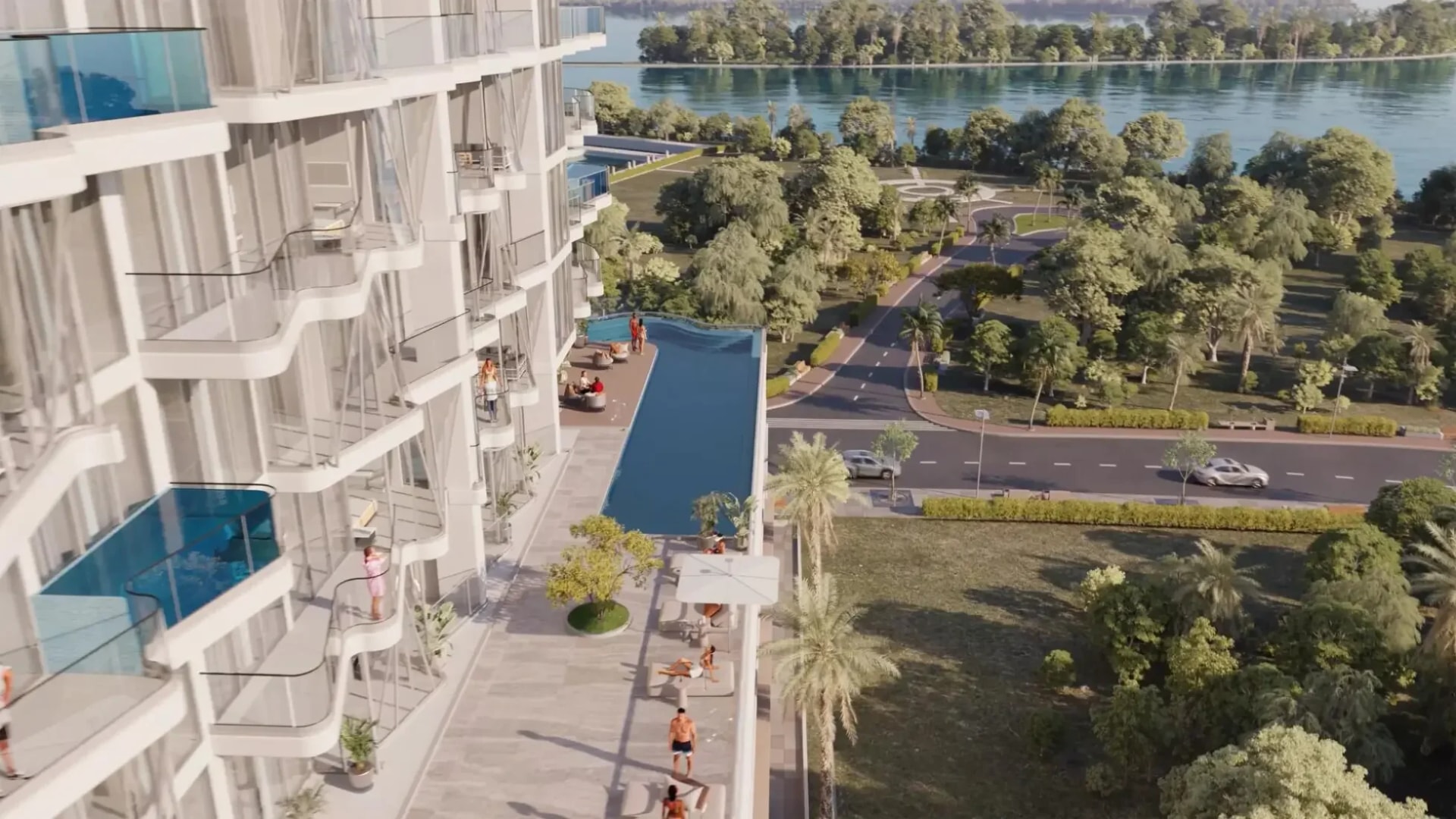
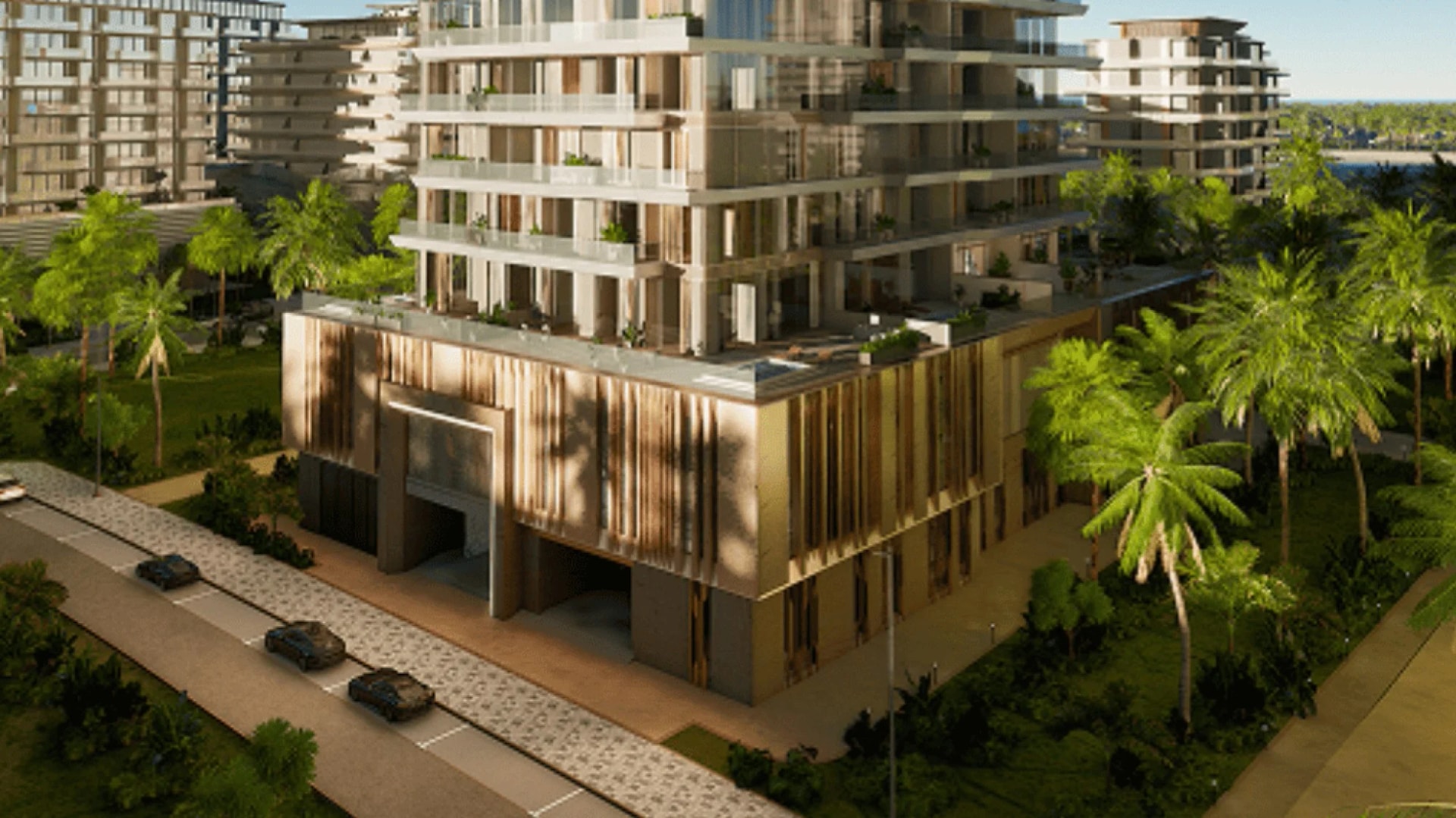
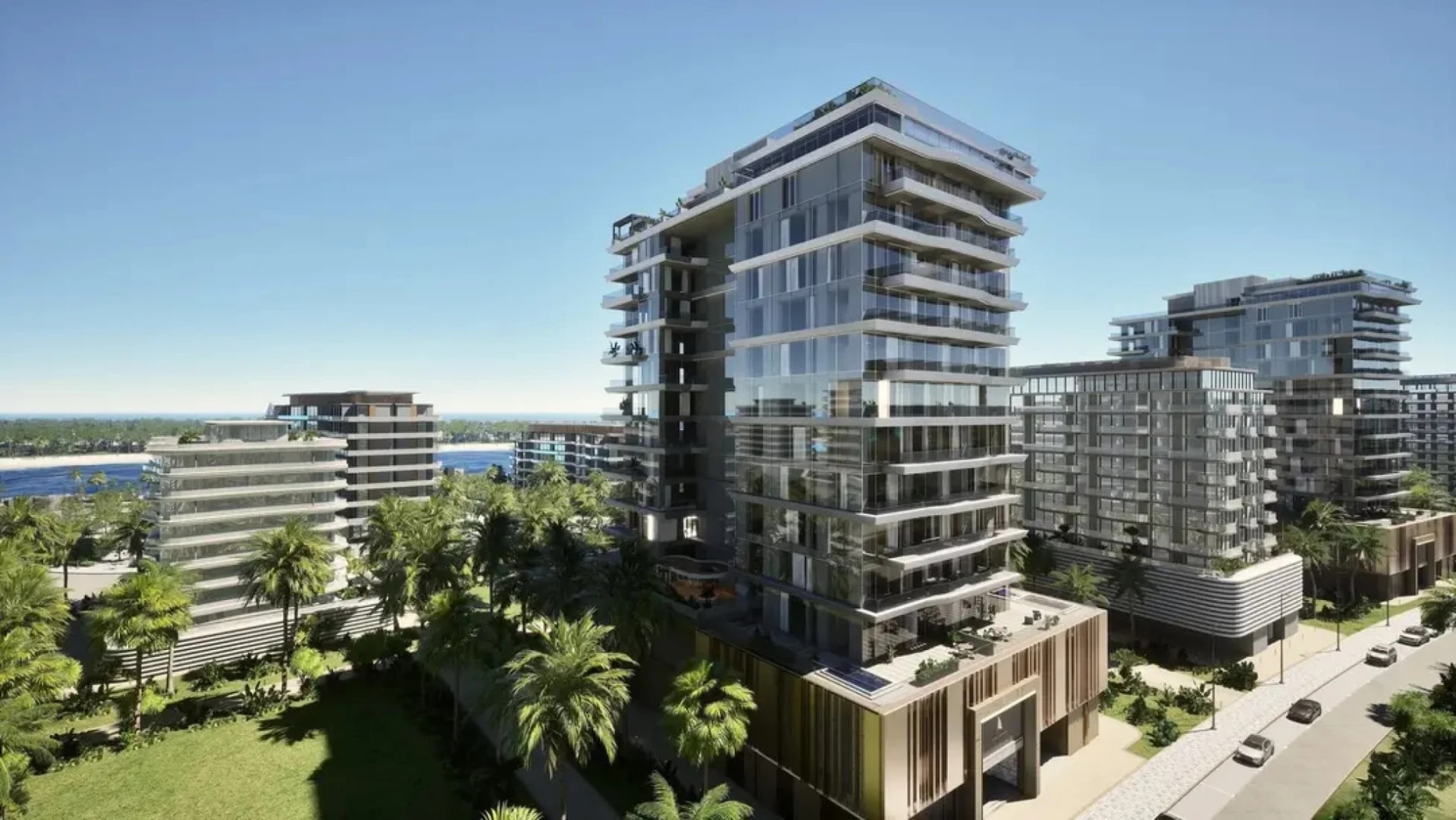
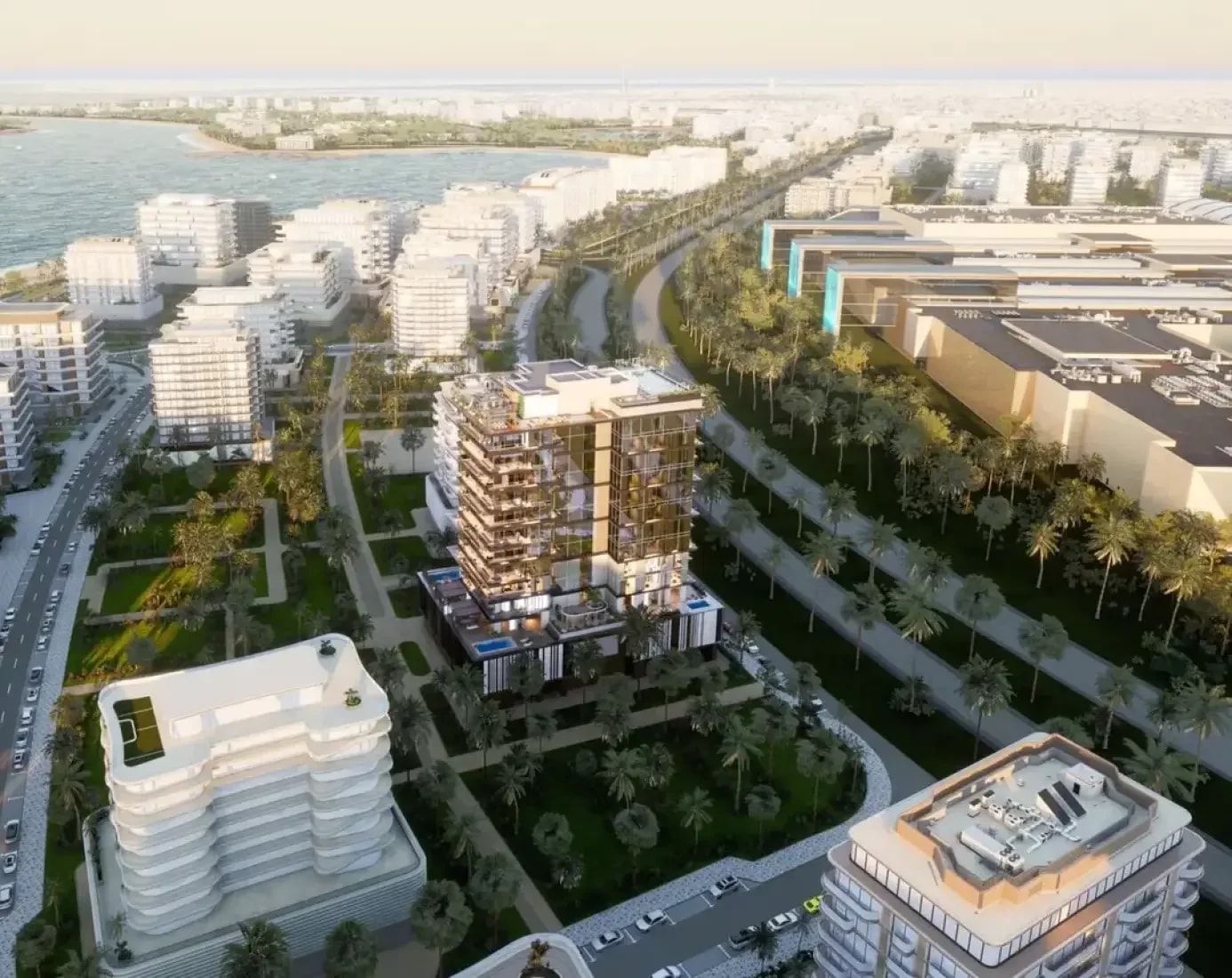
is the rebranded and re-engineered five-island development that Nakheel relaunched in October 2022 and began handing over the first plots inside in 2024. It sits off the historic Deira coastline, a 10 minute drive from Dubai International Airport and 15 minutes from Downtown Dubai. The plan replaces the older Deira Islands concept with five interlinked islands, 60 kilometres of coastline, and roughly 80 hotels and resorts at full build out.
If you are considering off-plan exposure to a master-planned waterfront in 2026, Dubai Islands is one of the few launches with the scale, the developer balance sheet, and the location proximity to the legacy Dubai core to be taken seriously alongside Palm Jumeirah's secondary market and Dubai Creek Harbour's later phases. Per the Oliva project database, 68 distinct residential projects were active or launched on Dubai Islands as of Q1 2026, spread across multiple developers operating on Nakheel land.
This guide walks through the full investor case in 2026 numbers. The five-island masterplan layout, the location maths against Deira, transaction volume tracked in the DLD registry, payment plan dynamics on current launches, infrastructure milestones still pending, and a head-to-head against Palm Jumeirah, Dubai Maritime City, and Mina Rashid. Sourced from Nakheel disclosures, DLD data, and Oliva methodology. No marketing language, no broker hype.
Key Takeaways
- Dubai Islands is a five-island Nakheel master plan: Central Island, Marina Island, Shore Island, Elite Island, and Golf Island. Total developable area is roughly 17 square kilometres of reclaimed and natural land off the Deira coast.
- Nakheel is the master developer. The same entity built Palm Jumeirah, World Islands, and Deira Mall. It is owned by Dubai Holding and sits on the same balance sheet as Meraas and Dubai Properties.
- 68 residential projects were active or launched on Dubai Islands per the Oliva database in Q1 2026. Mix is heavily apartment led, with some townhouses on Shore Island and villas planned for Elite and Golf Islands.
- Indicative apartment prices range from AED 1,800 to AED 3,400 per square foot across the project mix, with branded and beachfront stock at the upper end. Townhouses on Shore Island are entering at AED 5.2M to AED 7.8M.
- Payment plans are aggressively structured. Most current launches use a 60/40 or 50/50 split with 10% to 20% on booking, the balance during construction in 1% monthly instalments, and 20% to 40% on handover. A handful of projects extend with 1 to 3 year post-handover plans.
- Indicative gross yields are projected at 6.0% to 8.0% on apartments based on Nakheel and broker rental forecasts, but no rental data exists yet for Dubai Islands stock at scale because almost no units have been handed over and tenanted in 2026.
- Handovers are staggered from 2025 through 2029. Bridge connections to mainland Deira and the planned Beach Promenade are core infrastructure items still to deliver. Investors taking 2026 to 2027 handover positions need to model bridge and infrastructure completion risk.
The Five-Island Master Plan, Decoded
Dubai Islands is a deliberate departure from Palm Jumeirah's single-island geometry. Nakheel split the development into five distinct islands, each with a different programme. This matters for investors because it determines tenant mix, pricing band, and exit liquidity inside each pocket.
Central Island is the largest of the five and acts as the urban core. It carries the highest density of mid-rise residential, a commercial spine, and the main retail anchor, the Dubai Islands Mall, planned with roughly 200 retail units. Most of the apartment-led project launches in 2024 and 2025 sit on Central Island. This is the volume tier of Dubai Islands, with the broadest project choice and the lowest entry tickets per square foot.
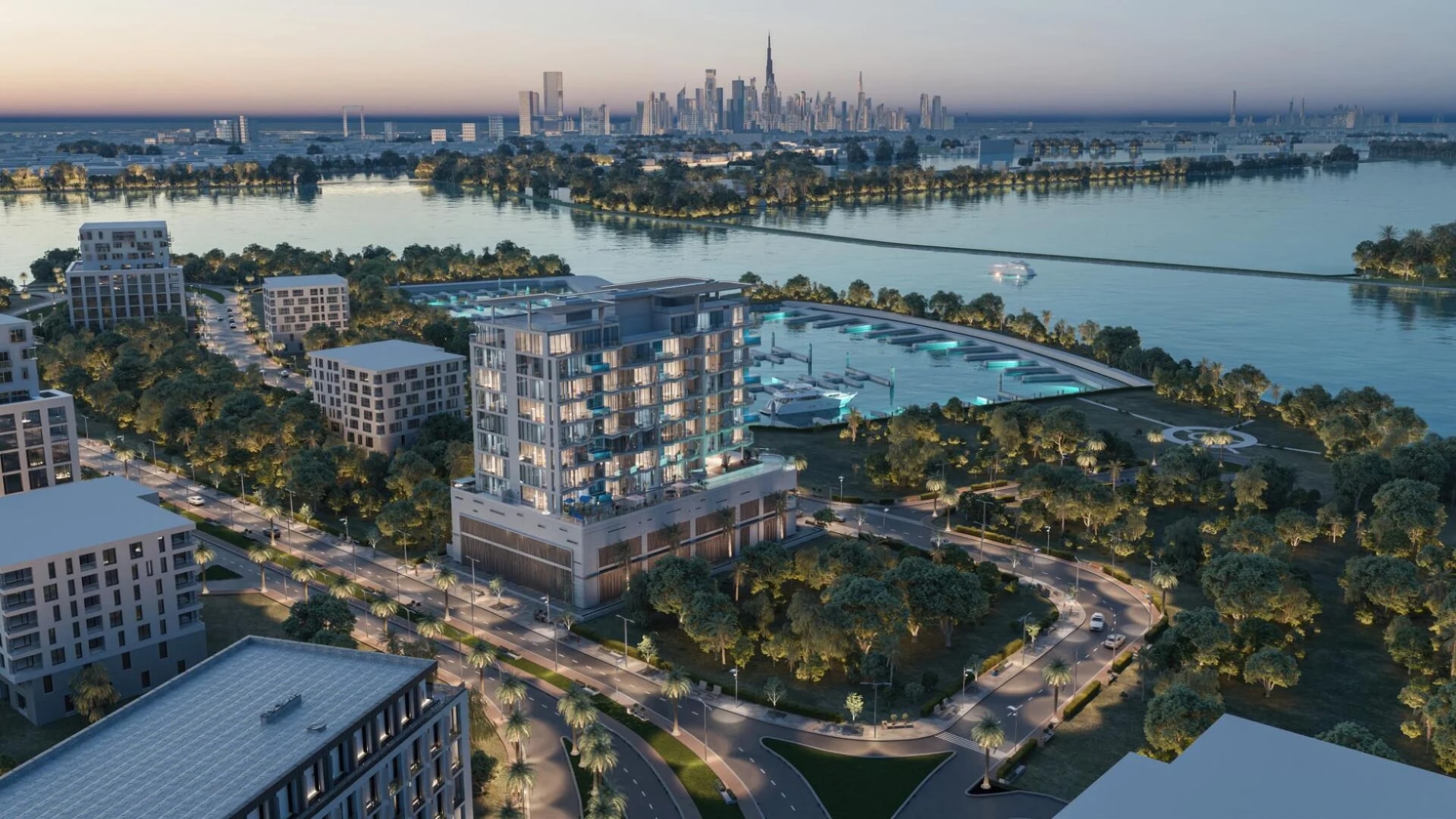
Marina Island centres on a 290-berth marina, mid-rise apartments, and waterfront promenades. It is positioned as the lifestyle and yachting tier, with branded residences and superyacht infrastructure. Pricing on Marina Island carries a 15% to 25% premium over Central Island for comparable apartment specifications.
Shore Island is the family townhouse and low-rise apartment tier. It contains the bulk of the planned beach access, with continuous shoreline running along the eastern edge. Townhouse stock is concentrated here. The buyer profile leans end-user families and longer-hold investors rather than yield-driven flippers.
Elite Island is the ultra-luxury villa tier. Limited inventory, large plots, private beachfront. Pricing is bespoke and most units are sold off-market through Nakheel direct or appointed luxury brokerages. Elite Island will not be the entry point for most retail investors.
Golf Island is anchored by an 18-hole championship course planned as part of the leisure offering. Mix of villas and low-rise apartments overlooking the course. Build-out timing is later than Central and Marina Islands, with most Golf Island launches scheduled for 2026 to 2028.
Per the Oliva project database, the active 68 projects in Q1 2026 break down roughly as: 41 on Central Island, 14 on Marina Island, 8 on Shore Island, 3 on Elite Island, and 2 announced on Golf Island. The Central Island concentration is where most retail investor capital is being absorbed in 2026.
Why Nakheel as Developer Matters
Nakheel was founded in 2003 and is the master developer behind Palm Jumeirah, Jumeirah Islands, Jumeirah Park, Jumeirah Village Circle, Discovery Gardens, International City, and the World Islands. It is wholly owned by Dubai Holding, which consolidated Nakheel and Meydan under its umbrella in 2023.
The track record is mixed but instructive. Palm Jumeirah was reclaimed between 2001 and 2007 and is now arguably Dubai's most internationally recognised waterfront address, with apartment trades regularly clearing AED 3,500 to AED 6,000 per square foot in 2025. Per DLD, Palm Jumeirah recorded over 7,800 transactions in 2024. That asset is the proof point for Nakheel's ability to execute large-scale reclamation and deliver a community that holds value through cycles.
The World Islands is the cautionary tale. Reclamation began in 2003, the project was paused during the 2008 to 2010 downturn, and most of the 300 individual islands remain undeveloped in 2026. Investors who entered The World at peak have not seen liquidity. Dubai Islands sits between these two reference points. It has the location and the master plan ambition of Palm Jumeirah, but investors should price in the risk that not every phase delivers on the original timeline.
Jumeirah Village Circle is the most useful Nakheel comparable for retail apartment investors. JVC was launched in 2005, hit the post-2008 downturn mid-construction, was paused, and resumed delivery from 2013 onward. Today it is one of Dubai's highest yielding apartment communities, with gross yields of 7% to 9% per Q1 2026 DLD and rent transaction matching. The pattern is relevant for Dubai Islands because it shows Nakheel can absorb a phase delay and still deliver a community that performs over a 15 to 20 year horizon.
Detailed coverage of the Nakheel-specific developer risk profile for Dubai Islands is in the Nakheel developer track record analysis.
Location: Why Dubai Islands Is Not Just Another Waterfront
Dubai Islands sits directly off the historic Deira coast. The development extends the existing shoreline north and east, with the islands connected to mainland Deira via a network of planned bridges and a dedicated promenade. The first connecting bridge was operational from 2024.
Drive times under normal traffic conditions: 10 minutes to Dubai International Airport (DXB), 15 minutes to Downtown Dubai, 8 minutes to Deira City Centre, 12 minutes to Dubai Festival City, 25 minutes to Dubai Marina, and 30 minutes to Dubai International Financial Centre (DIFC).
The DXB proximity is the single biggest commercial differentiator versus other Dubai waterfronts. Palm Jumeirah is 25 to 35 minutes from DXB depending on traffic. Dubai Marina is 35 to 45 minutes. Dubai Creek Harbour is 15 to 20 minutes. Dubai Islands is the closest large-scale waterfront residential to the airport, which directly supports the short-term rental and serviced apartment thesis.
The trade-off is the Deira context. Deira is Dubai's historic commercial and trading district. It carries lower retail prestige than Jumeirah or Downtown, and the surrounding areas (Naif, Al Sabkha, Al Ras) are densely populated worker neighbourhoods. Dubai Islands sits next to this context but is physically separated by water, which has been a deliberate Nakheel positioning choice. The development is being marketed as a self-contained premium destination that benefits from Deira's airport access without inheriting its retail identity.
For investors the location calculus is straightforward. If your tenant or buyer profile prioritises airport proximity, hospitality demand, and mid-tier lifestyle, Dubai Islands works. If it prioritises ultra-prime address recognition and Jumeirah beach club access, Palm Jumeirah remains the cleaner play. The full comparison is in the Dubai Islands vs Palm Jumeirah investor analysis.
Unit Type Mix and Indicative Pricing
Dubai Islands inventory in 2026 skews heavily to apartment product. Per the Oliva project database scan of the 68 active projects, the rough split is 78% apartments, 14% townhouses, and 8% villas. The villa share is concentrated on Elite Island and parts of Golf Island and is largely sold pre-launch.
Studios: 380 to 520 sqft, AED 950,000 to AED 1.6M. Concentrated on Central Island, mostly investor-targeted product with rental forecast yields of 7.0% to 8.5%.
One-bedroom apartments: 650 to 950 sqft, AED 1.5M to AED 3.2M. The dominant inventory tier across Central Island and Marina Island. Branded residences on Marina Island sit at the top of this band.
Two-bedroom apartments: 1,100 to 1,500 sqft, AED 2.4M to AED 5.5M. Mix of standard and beachfront orientation. Beachfront premium is roughly 25% to 40% per square foot.
Three-bedroom apartments: 1,650 to 2,400 sqft, AED 3.8M to AED 9.5M. Limited supply, concentrated in branded and corner-unit inventory.
Townhouses (Shore Island): 2,800 to 3,800 sqft, AED 5.2M to AED 7.8M. Three and four bedroom configurations, most with private gardens and direct beach or promenade access.
Villas (Elite Island, Golf Island): 5,500 to 12,000 sqft, AED 18M to AED 60M+. Bespoke pricing, limited public inventory, ultra-luxury positioning.
Indicative price per square foot ranges 1,800 to 3,400 across the apartment mix. The full pricing breakdown by project type and yield expectations is in Dubai Islands apartment prices and yields 2026.
DLD Transaction Volume in 2024 and 2025
Per the Dubai Land Department transaction registry, Dubai Islands recorded approximately 1,100 off-plan registrations in 2023, 4,800 in 2024, and 6,200 in 2025. The bulk of this volume is initial Oqood (off-plan) registrations as investors locked in launch pricing.
Secondary trading is still thin. Most projects have not yet completed handover, which means resale liquidity is limited to assignment trades (re-sales of off-plan contracts before handover). Per DLD, assignment volume on Dubai Islands stood at roughly 480 in 2024 and 920 in 2025. Median uplift on assignment trades was 12% to 18% over original purchase price for projects launched in 2023 to 2024.
Comparison data: Palm Jumeirah recorded 7,800 total DLD transactions in 2024, including primary, secondary, and assignment. Dubai Creek Harbour recorded approximately 4,400. Dubai Islands' 4,800 figure for 2024 placed it inside Dubai's top ten communities by registered volume, despite being a substantially newer development. This is a meaningful absorption signal.
The caveat is that volume alone does not validate the investment thesis. Off-plan absorption was supported by aggressive payment plans, brand-name developer marketing, and a broader Dubai market that recorded over 220,000 total DLD transactions in 2024. Investors should treat the volume figure as evidence of demand interest, not as proof of long-term appreciation.
Rental Yield Expectations and Real Yield Risk
Indicative gross yields for Dubai Islands apartments are projected at 6.0% to 8.0% based on Nakheel marketing materials and broker rental forecasts. The realised yield environment will not be visible at scale until 2026 to 2027 as the first major handover waves come online.
Comparable benchmarks for context. Palm Jumeirah apartment yields run 4.5% to 6.0% gross per Q1 2026 DLD rent and price data. Jumeirah Village Circle apartment yields run 7.0% to 9.0% gross. Dubai Marina runs 5.5% to 7.0%. Dubai Islands sits between Palm Jumeirah and JVC on the yield curve based on indicative pricing, which is consistent with its mid-premium positioning.
The yield risk for Dubai Islands is supply concentration. Nakheel and partner developers are scheduled to deliver the bulk of the 68 active projects between 2026 and 2029. If handovers concentrate inside narrow 12 to 18 month windows, asking rents could compress on initial leasing as supply hits the market faster than tenant demand can absorb. This is a known pattern from Dubai Marina's 2008 to 2010 leasing cycle and Business Bay's 2019 to 2020 cycle.
The mitigants are airport proximity, hospitality demand from the planned 80 hotels and resorts, and serviced apartment positioning that opens short-term rental yield channels licensed by DTCM. Investors targeting yield should model a base case of 6% gross and a downside case of 4.5% gross during initial absorption, then revisit assumptions in 2027 once two full leasing cycles have priced.
Payment Plan Dynamics on Current Launches
Payment plans on Dubai Islands launches in 2024 to 2026 have been structured aggressively to support volume absorption. Three patterns dominate.
60/40 plans: 10% to 15% on booking, 50% to 55% during construction in monthly instalments (typically 1% per month over 30 to 40 months), 35% to 40% on handover. Most common structure for Central Island apartment launches.
50/50 plans: 20% on booking, 30% during construction, 50% on handover. Used by branded residences and Marina Island launches. Higher upfront commitment in exchange for slightly better headline pricing.
Post-handover plans: Available on a minority of projects, typically extending payment 1 to 3 years past handover at 0% interest. Total plan length can stretch to 60 months from booking. These are positioned as buy-to-rent friendly because tenant rent partially covers the post-handover instalments.
The investor decision is not which plan looks cheapest on the brochure. It is whether the milestone schedule aligns with realistic construction progress. Per RERA escrow rules, developers can only call instalments tied to verified construction milestones reported through Trakheesi-permitted updates. Payment calls running ahead of physical construction are a flag to investigate before signing.
Infrastructure Timeline: What Still Needs to Happen
Dubai Islands is not a finished development. Infrastructure delivery is on a five to seven year arc, and investors holding off-plan positions need to model what happens between now and full operational status.
Bridge connections: The first vehicular bridge from mainland Deira to Central Island opened in 2024. Two additional bridges to Marina Island and Shore Island are scheduled for 2026 to 2027. Bridge completion is essential for full vehicular access and tenant convenience. Delays here directly affect rental absorption.
Beach Promenade: The continuous coastal promenade running across the eastern shoreline is being delivered in phases. Phase 1 opened in 2025. Full delivery is targeted for 2027 to 2028. The promenade is a core lifestyle amenity in the Nakheel marketing material and its completion will be a meaningful capital appreciation catalyst.
Dubai Islands Mall: Anchor retail asset on Central Island. Construction started in 2024, opening targeted for 2027. Until the mall opens, on-island retail provision is limited to ground-floor F&B in the residential towers and a small temporary retail strip.
Hotel and resort openings: 80 hotels and resorts are planned across the five islands. The first openings (mid-tier hotel apartments) came online in 2024 to 2025. Full hospitality build-out is a 2028 to 2030 timeline.
Public transport: Dubai Islands does not yet sit on the Dubai Metro network. The closest Metro station is Stadium (Green Line) at the Dubai Festival City interchange, 12 to 15 minutes by car. There is no announced Metro extension to Dubai Islands in the published RTA Strategic Plan 2030. Investors should treat this as a permanent feature, not a near-term upgrade catalyst.
Detailed handover and construction stage tracking by project is in Dubai Islands handover timeline and construction stage 2026.
Dubai Islands vs Palm Jumeirah, Maritime City, and Mina Rashid
Dubai Islands competes for investor capital against three other Dubai waterfronts. Each has a different profile.
Palm Jumeirah is the established prime waterfront. Reclamation completed 2007, mature secondary market, branded residence concentration, AED 3,500 to AED 6,000 per square foot on apartments. Yields run 4.5% to 6.0%. The premium reflects address recognition and beach club access.
Dubai Maritime City is a 2.27 square kilometre purpose-built maritime hub off the Bur Dubai shoreline, anchored by the Dubai Maritime University and shipyard infrastructure. Residential is a smaller component of the masterplan. Yields are projected similar to Dubai Islands at 6.0% to 7.5%, but transaction volumes and resale liquidity are materially thinner. It is a more concentrated bet on maritime industry tenant demand.
Mina Rashid is the Emaar-led mixed-use redevelopment of the legacy Port Rashid site, anchored by the Queen Elizabeth 2 hotel and a planned 430-berth marina. Pricing runs AED 2,200 to AED 3,800 per square foot, with branded residences at the top. Mina Rashid's anchor is its central location (10 minutes from Downtown), versus Dubai Islands' airport proximity.
On a like-for-like apartment basis at AED 1,800 to AED 3,400 per square foot, Dubai Islands offers the largest absolute footprint, the strongest hospitality build-out plan, and the closest airport access. It also carries the highest infrastructure delivery risk of the four because it is the newest and least built-out. The comparison table:
| Waterfront | Master developer | Apartment AED/sqft | Yield range | Maturity | Key catalyst |
|---|---|---|---|---|---|
| Dubai Islands | Nakheel | 1,800-3,400 | 6.0-8.0% | Building | Mall, hotels, bridges |
| Palm Jumeirah | Nakheel | 3,500-6,000 | 4.5-6.0% | Mature | Branded residence pipeline |
| Maritime City | DP World | 1,900-3,200 | 6.0-7.5% | Building | Maritime tenant demand |
| Mina Rashid | Emaar | 2,200-3,800 | 5.0-6.5% | Building | QE2 ecosystem, marina |
Who Dubai Islands Works For
Dubai Islands fits a specific investor profile. Three patterns work, and one pattern does not.
Pattern 1: The yield-and-airport investor. Buys a one or two bedroom apartment on Central Island for AED 1.5M to AED 3M, on a 60/40 payment plan, targeting 6% to 7% gross yield with serviced apartment or short-term rental positioning capturing airport-adjacent hospitality demand. Hold horizon 5 to 7 years.
Pattern 2: The branded-residence appreciation investor. Buys on Marina Island in a branded residence project, on a 50/50 payment plan, targeting capital appreciation as the marina ecosystem matures. Yield is secondary. Hold horizon 7 to 10 years.
Pattern 3: The end-user family. Buys a townhouse on Shore Island or a Golf Island villa, on a longer post-handover payment plan, with the intention of moving in. Investment return is secondary to lifestyle.
The pattern that does not work: The flip. Dubai Islands is too new, with too much off-plan supply still in the pipeline, to support reliable assignment-trade flips. Some 2023-launched units have appreciated 12% to 18% on assignment per DLD, but pricing has tightened as the market has matured and developer launches now compete with secondary listings on similar product. The flip thesis here is fragile and exposed to handover-wave compression risk.
Investors who want to validate which Dubai Islands project matches their specific yield, hold period, and payment plan tolerance can browse Dubai Islands properties on Oliva.
How to Invest Through Oliva
Oliva tracks all 68 active Dubai Islands projects in the Oliva database, with DLD title verification, RERA escrow status, scoring against the Oliva methodology, and current payment plan structure. Investors can filter by island, unit type, yield band, and handover quarter to find projects that match their specific brief.
Every Dubai Islands listing on Oliva includes the DLD project status check link, the RERA escrow account number, the construction progress percentage as last reported in Trakheesi-permitted updates, and the developer track record context. This is the verification layer that off-plan investors need but rarely get from broker-led sales channels.
Browse Dubai Islands properties on Oliva
Frequently Asked Questions
Where is Dubai Islands located?
Dubai Islands is a five-island development off the Deira coast, directly north and east of mainland Deira. It is 10 minutes from Dubai International Airport (DXB), 15 minutes from Downtown Dubai, and 8 minutes from Deira City Centre. The development extends the historic Deira shoreline and is connected to the mainland via a network of bridges, the first of which opened in 2024.
Who is the developer of Dubai Islands?
Nakheel is the master developer of Dubai Islands. Nakheel is wholly owned by Dubai Holding and is the same entity that built Palm Jumeirah, Jumeirah Village Circle, the World Islands, and Discovery Gardens. Individual residential projects on Dubai Islands are delivered by Nakheel directly and by partner developers building on Nakheel-owned land.
What are the five islands in Dubai Islands?
The five islands are Central Island (the urban core, with the highest residential density and the planned Dubai Islands Mall), Marina Island (centred on a 290-berth marina and branded residences), Shore Island (family townhouses and continuous beach access), Elite Island (ultra-luxury villas), and Golf Island (an 18-hole championship course with surrounding villas and low-rise apartments).
When will Dubai Islands be fully completed?
Full master plan completion is targeted for 2028 to 2030 based on Nakheel disclosures. The first project handovers began in 2024 to 2025. The Dubai Islands Mall is targeted for 2027. The Beach Promenade is targeted for 2027 to 2028. Hotel and resort build-out continues through 2030. Investors holding 2026 to 2027 handover positions need to model that the surrounding infrastructure will not be fully operational at the point of their handover.
What rental yield can I expect on a Dubai Islands apartment?
Indicative gross yields are projected at 6.0% to 8.0% on apartments based on Nakheel marketing materials and broker rental forecasts. Realised yields will not be visible at scale until 2026 to 2027 once the first major handover waves are tenanted. Investors should model a base case of 6% gross and a downside case of 4.5% gross during initial absorption to account for supply concentration risk.
How does Dubai Islands compare to Palm Jumeirah?
Palm Jumeirah is mature, with 18 years of secondary market history and apartment pricing of AED 3,500 to AED 6,000 per square foot at yields of 4.5% to 6.0%. Dubai Islands is newer, prices apartments at AED 1,800 to AED 3,400 per square foot, and projects yields of 6.0% to 8.0%. Palm Jumeirah offers proven address recognition. Dubai Islands offers airport proximity (10 minutes versus 25 to 35 minutes), a larger absolute footprint, and earlier-stage entry pricing.
Are payment plans on Dubai Islands different from other Dubai areas?
Payment plans on Dubai Islands are aggressive but consistent with Dubai's broader off-plan market in 2024 to 2026. Most launches use 60/40 or 50/50 structures with 1% monthly construction instalments. A minority extend with 1 to 3 year post-handover plans at 0% interest. The plan structure should always be cross-checked against RERA escrow rules and Trakheesi-permitted construction milestones before signing.
Is Dubai Islands a good investment for foreign buyers?
Dubai Islands is fully freehold and accessible to non-GCC nationals. It works for foreign buyers who prioritise airport proximity, hospitality demand, and yield over prime address recognition. Investors should select projects with strong developer track records, verify RERA escrow status, and account for the infrastructure build-out timeline. The Nakheel brand and master developer status mitigate but do not eliminate construction-stage risk.
Explore further
The project, area, and developer this post covers, with live Dubai Land Department data.
Related articles

Dubai Islands vs Palm Jumeirah: 2026 Investor Comparison

Dubai Islands Apartment Prices and Yields: 2026 Data

Nakheel: Developer Track Record and Dubai Islands Risk

Dubai Islands Handover Timeline and Construction Stage 2026

Arabian Ranches Dubai: The 2026 Investor Guide

Dubai Land Department: The Complete 2026 Investor Guide
Related Dubai property analysis from the Oliva editorial team.