
Underwrite before you commit
The figures in this post are checked against Dubai Land Department records and RERA filings. Get an independent underwriting score on any project, or ask Javier on WhatsApp.
Al Satwa: The Historic Central District in Slow Transition
Al Satwa
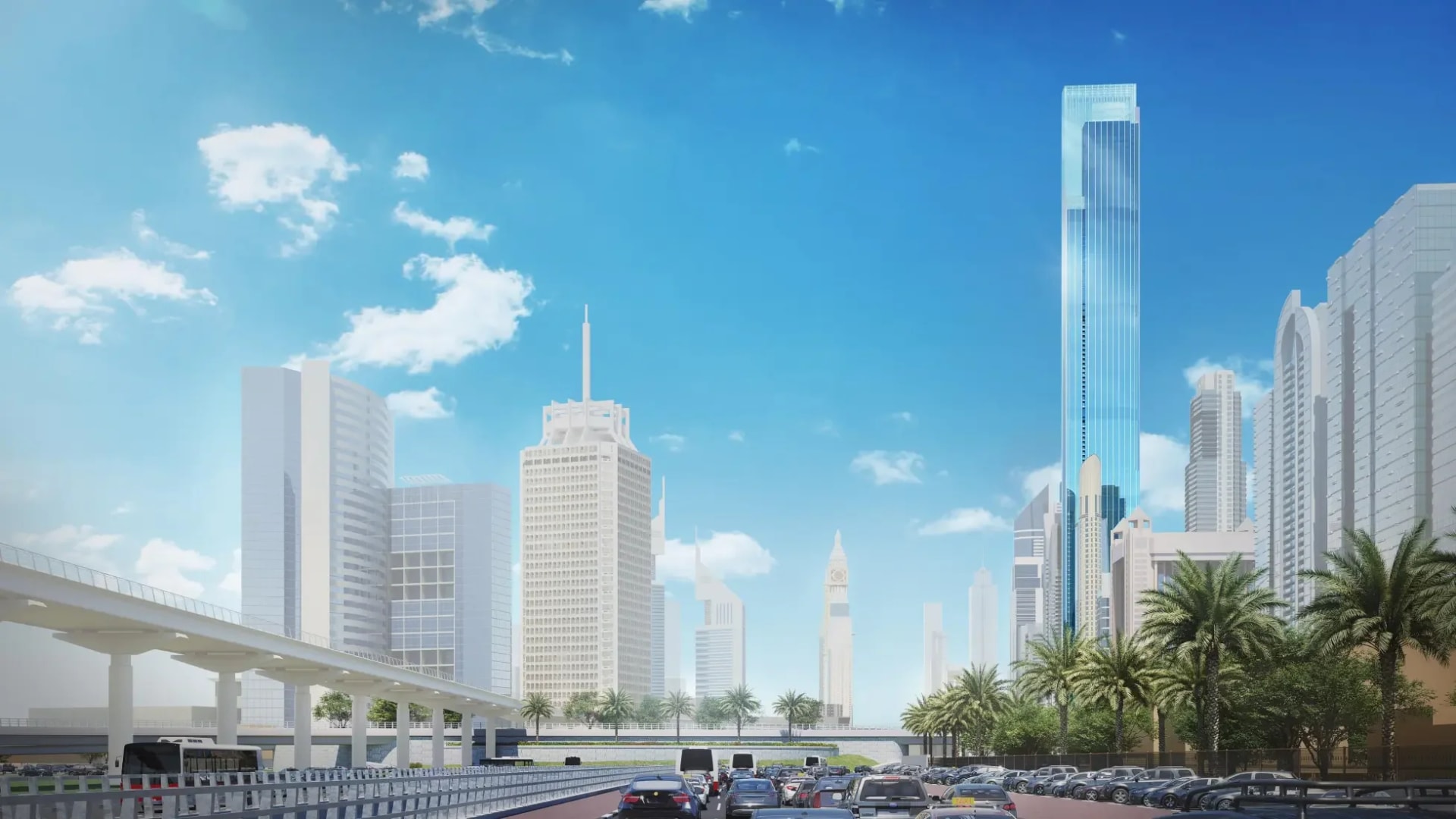
is one of the oldest mainland Dubai neighbourhoods, sitting immediately south of Sheikh Zayed Road between Trade Centre 1 and Jumeirah 1. The district covers approximately 1.7 square kilometres of mostly low-rise residential and commercial buildings dating from the 1970s through 1990s, with selected newer freehold conversion projects in the Jumeirah Garden City sub-zone.
Per Dubai Land Department registry, Al Satwa transaction volume runs at meaningfully smaller scale than its neighbours. The historic core is largely leasehold and remains predominantly Emirati-owned with long-tenured renting tenants. The Jumeirah Garden City freehold pocket carries the active investor inventory inside the wider Al Satwa zone.
If you are weighing a Dubai property purchase with a budget of AED 1 million to AED 5 million and looking at central Dubai locations adjacent to Sheikh Zayed Road, Trade Centre, and DIFC, Al Satwa Jumeirah Garden City inventory belongs on your shortlist. The harder question is which projects are actually freehold, which carry the strongest rental absorption, and how the area compares to Al Wasl, Jumeirah 1, and Downtown on like-for-like product. This guide answers all three with 2026 numbers, sourced from Dubai Land Department, RERA, and Oliva methodology.
Key Takeaways
- Al Satwa is bounded by Sheikh Zayed Road (E11) on the north, Al Wasl Road on the south, Al Hudaiba Road on the west, and 2nd December Street on the east. The district is one of central Dubai's oldest established neighbourhoods.
- The district splits into two functional zones: the historic Al Satwa core (largely leasehold, Emirati-owned, long-tenured renting tenants) and the Jumeirah Garden City freehold pocket (newer conversion projects open to all nationalities).
- Jumeirah Garden City freehold pricing runs AED 1,800 to AED 3,200 per square foot. Median for 2025 was AED 2,180 per square foot.
- Gross rental yields run 5.4% to 7.2% depending on building age and unit type. Net yield after service charges and management averages 4.6%.
- Service charges sit between AED 18 and AED 32 per square foot annually, in line with mainland Dubai mid-rise apartment averages.
- The unit mix on the freehold side is roughly 78% mid-rise apartments (studio to 3 bed), 14% serviced apartments and short-let-licensed product, 8% mixed-use commercial.
- Al Satwa Bus Station, Al Jafiliya Metro station, and the World Trade Centre Metro station all sit within 8 to 14 minutes walking from most Jumeirah Garden City addresses.
- Drive times: 5 minutes to DIFC, 7 minutes to Downtown Dubai, 12 minutes to Dubai International Airport, 16 minutes to Dubai Marina.
Al Satwa History and Current Character
Al Satwa developed organically through the 1970s and 1980s as a low-rise residential and small-business district serving central Dubai. The neighbourhood is historically Emirati family-owned, with long-tenured South Asian and Filipino expatriate communities renting in low-rise residential blocks. The district is characterised by walkable streets, dense small-business retail, and a compact residential layer that contrasts sharply with the nearby high-rise Sheikh Zayed Road corridor.
Through the 2000s and 2010s, several Dubai Holding redevelopment proposals were announced for Al Satwa under master plans variously branded Al Wasl Asia Asia City and Jumeirah Garden City. Most of those proposals were paused after the 2008 financial crisis. The portion that did proceed became the present-day Jumeirah Garden City freehold pocket, with newer mid-rise apartment buildings handing over from 2014 onward.
The Al Satwa core remains largely unchanged from its 1990s configuration. Long-term redevelopment proposals continue to circulate, but no comprehensive master plan execution is currently active. Investors should treat the historic core as functionally stable rather than transitional, with redevelopment upside as long-tail optionality rather than a current investment thesis.
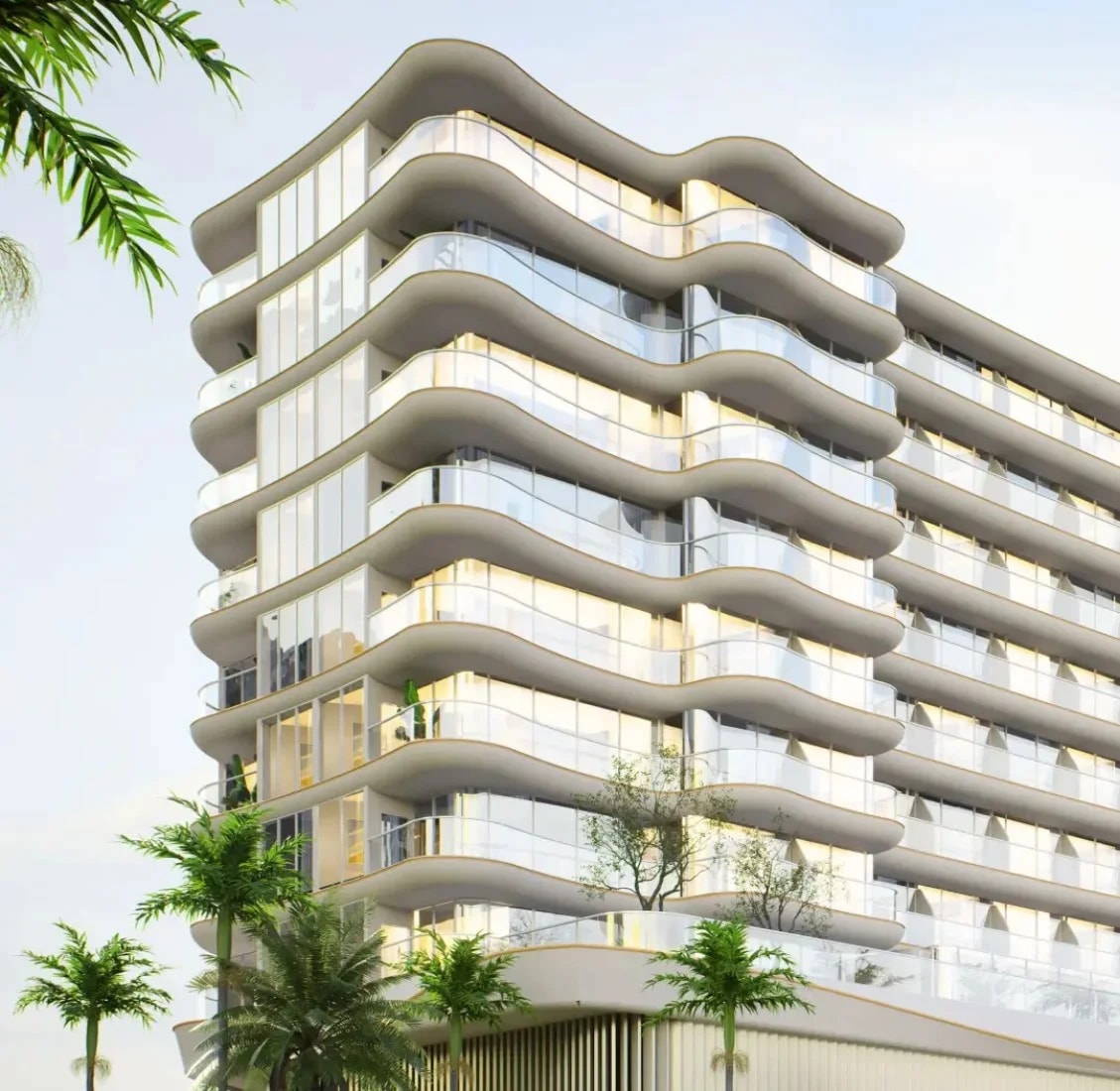
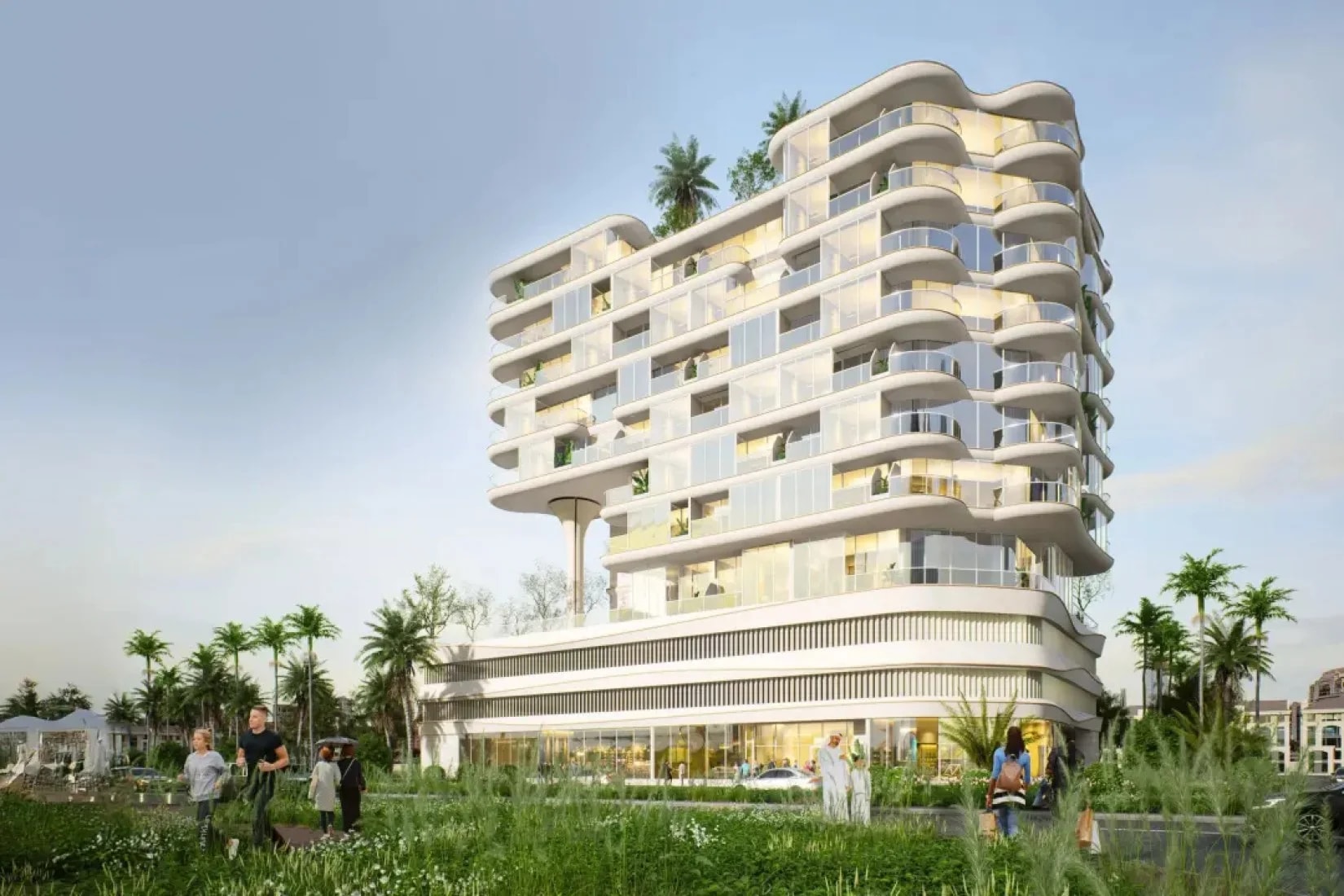
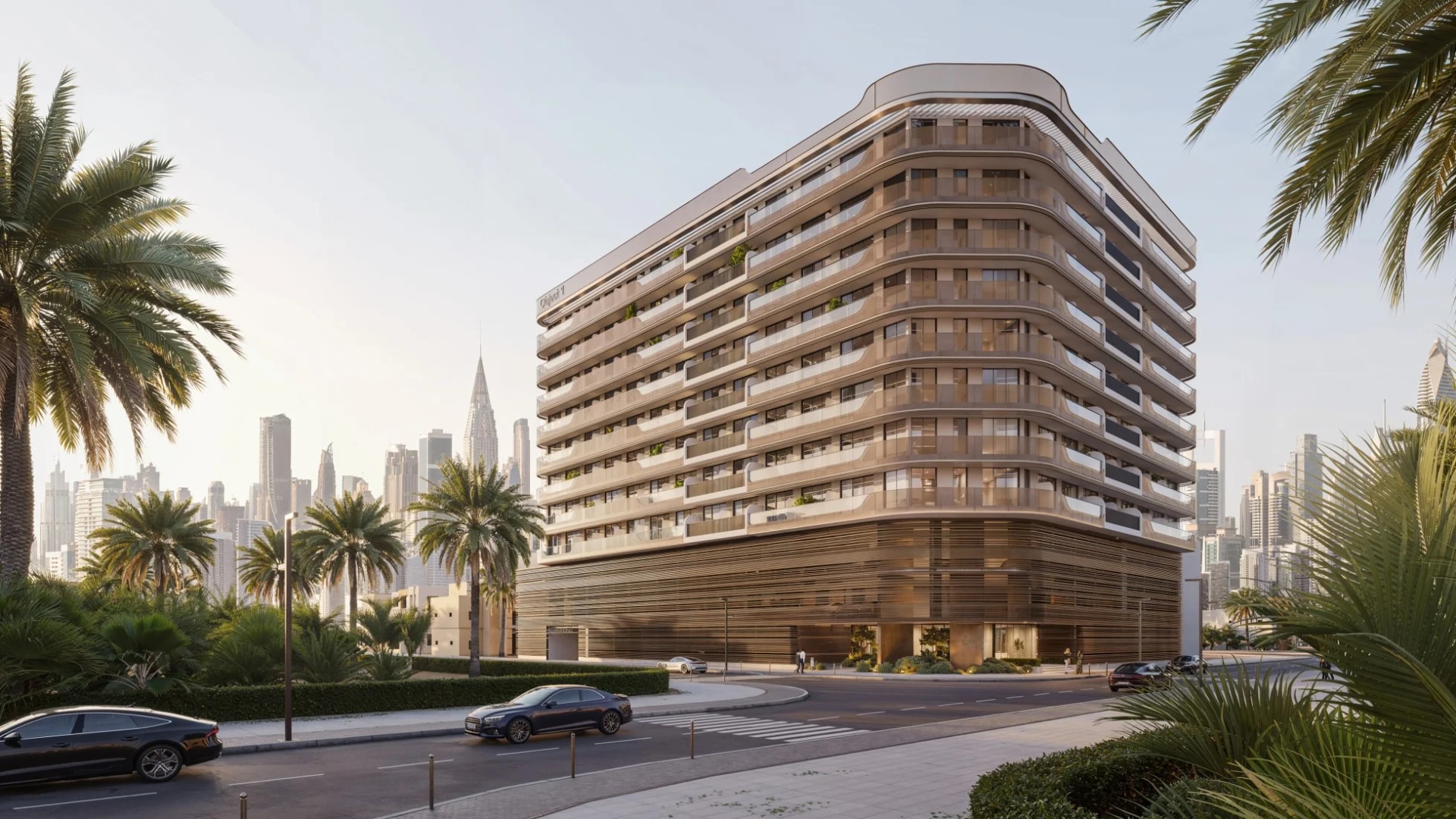
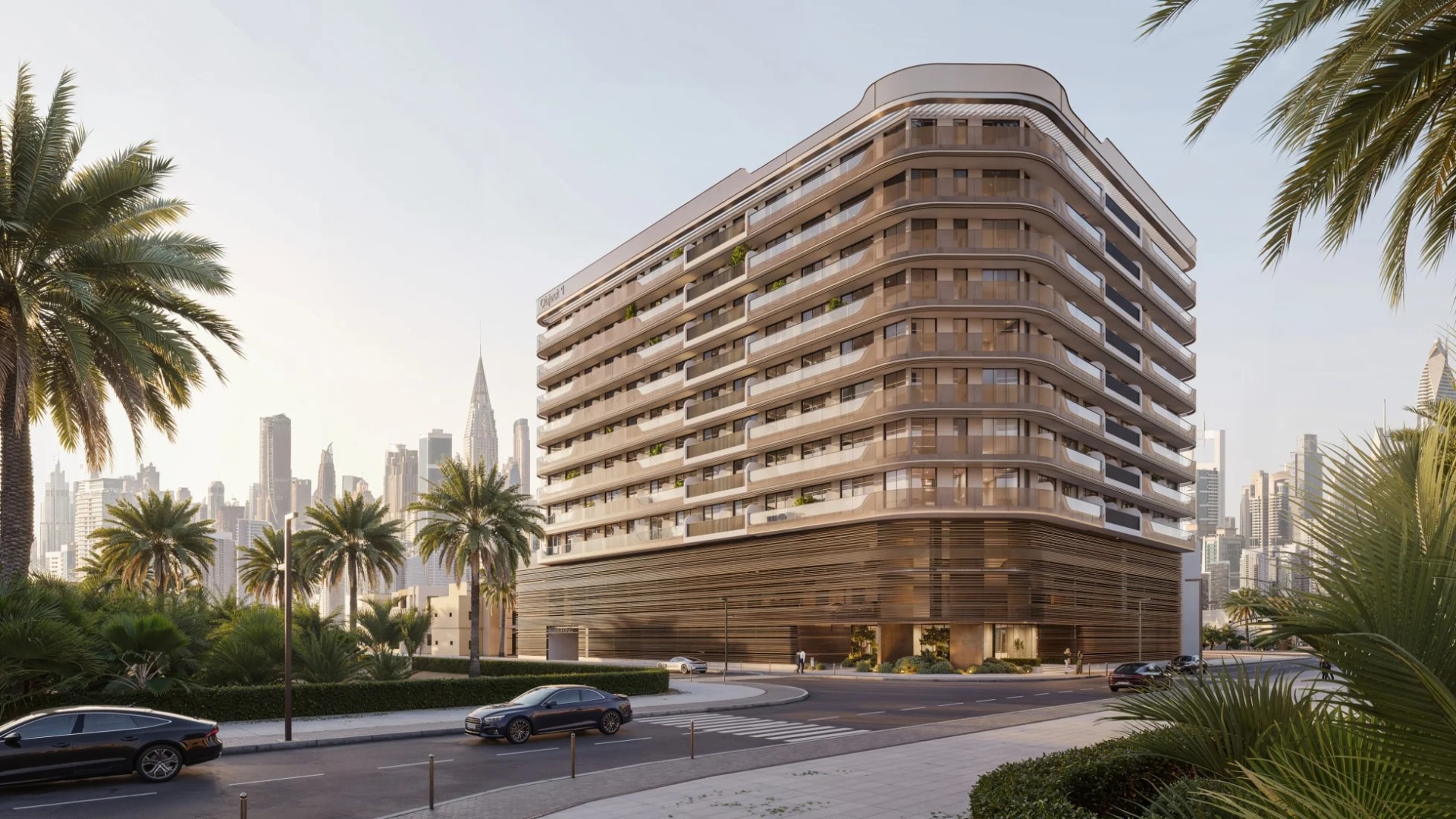
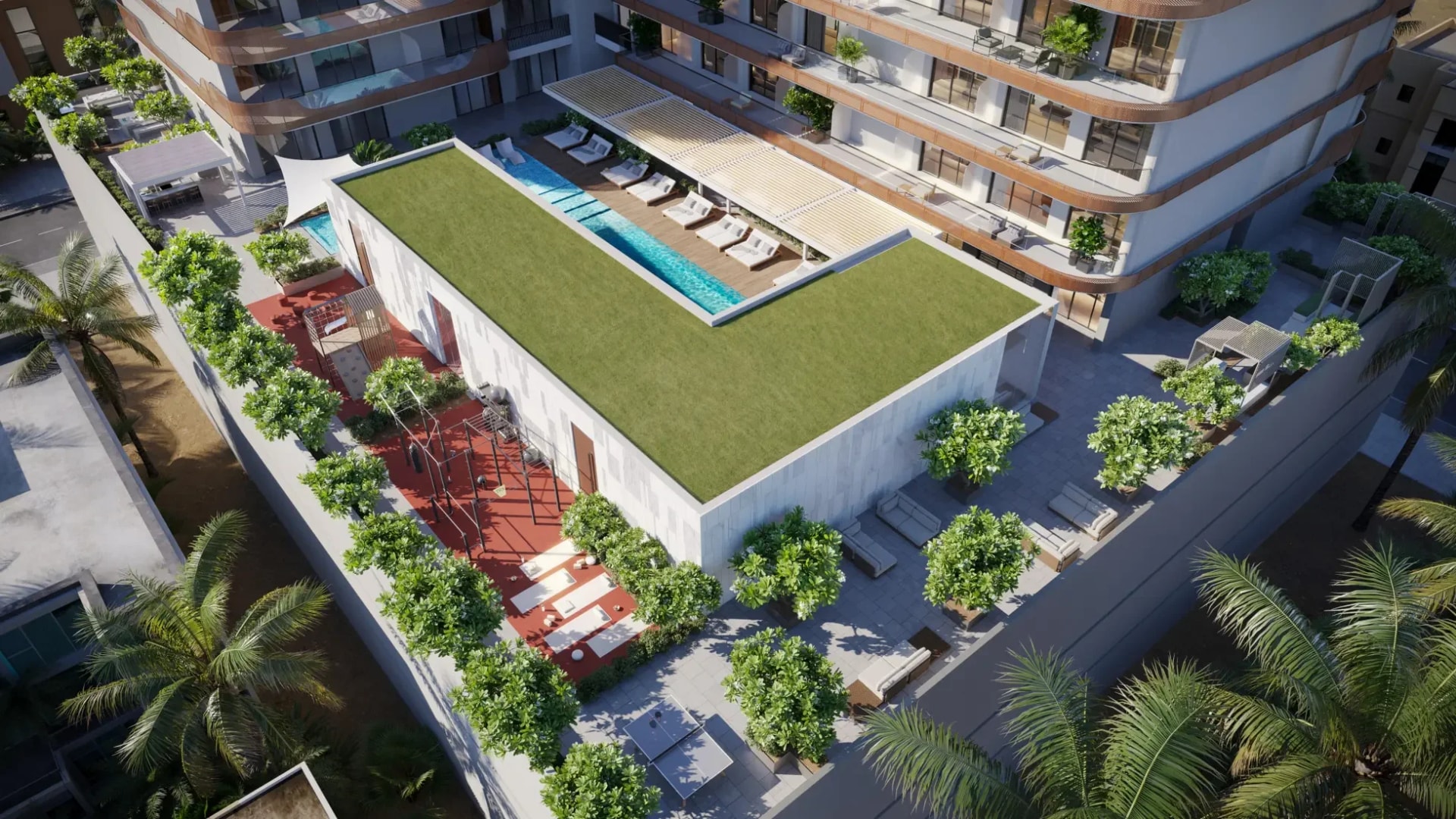
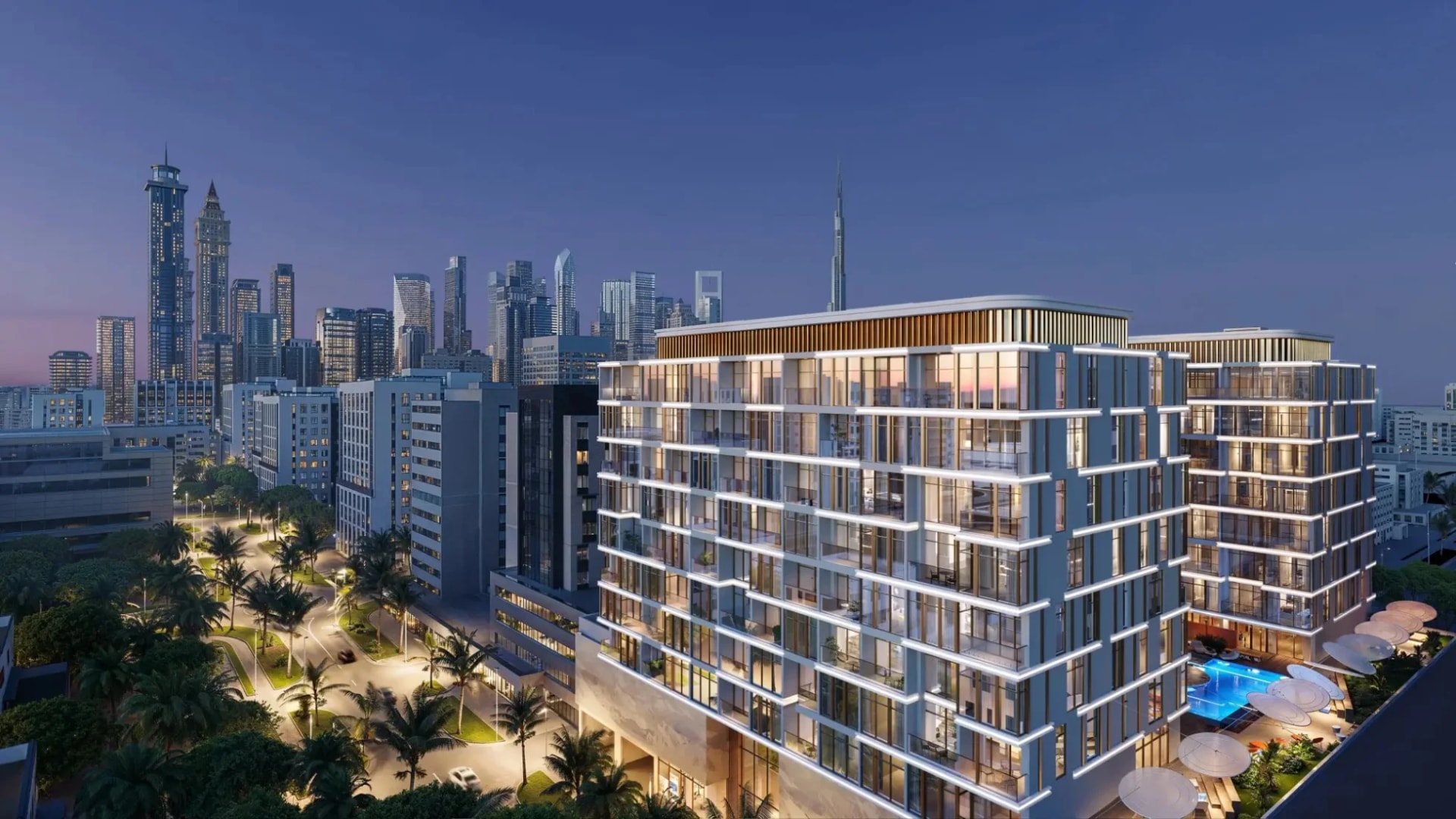
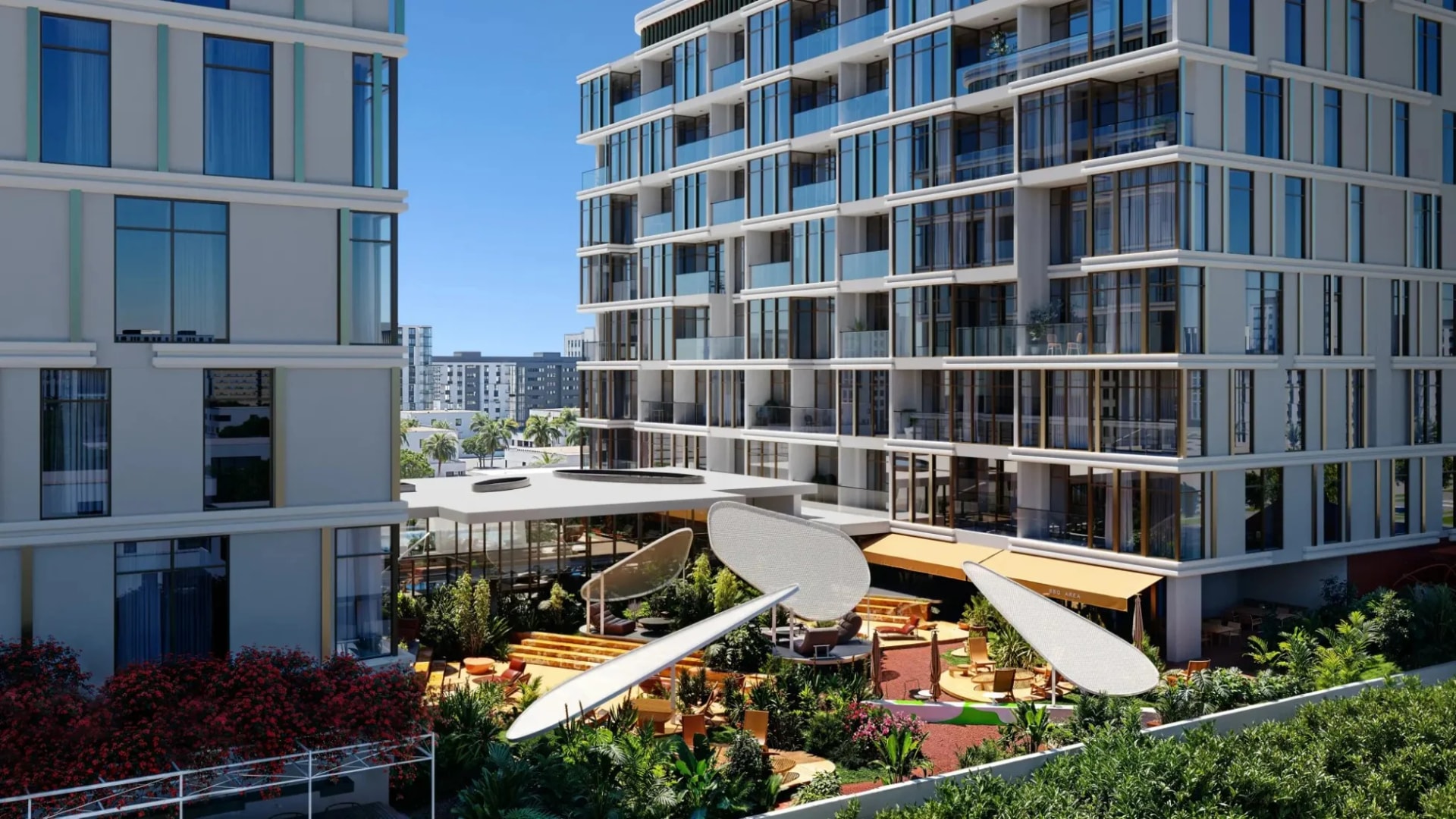
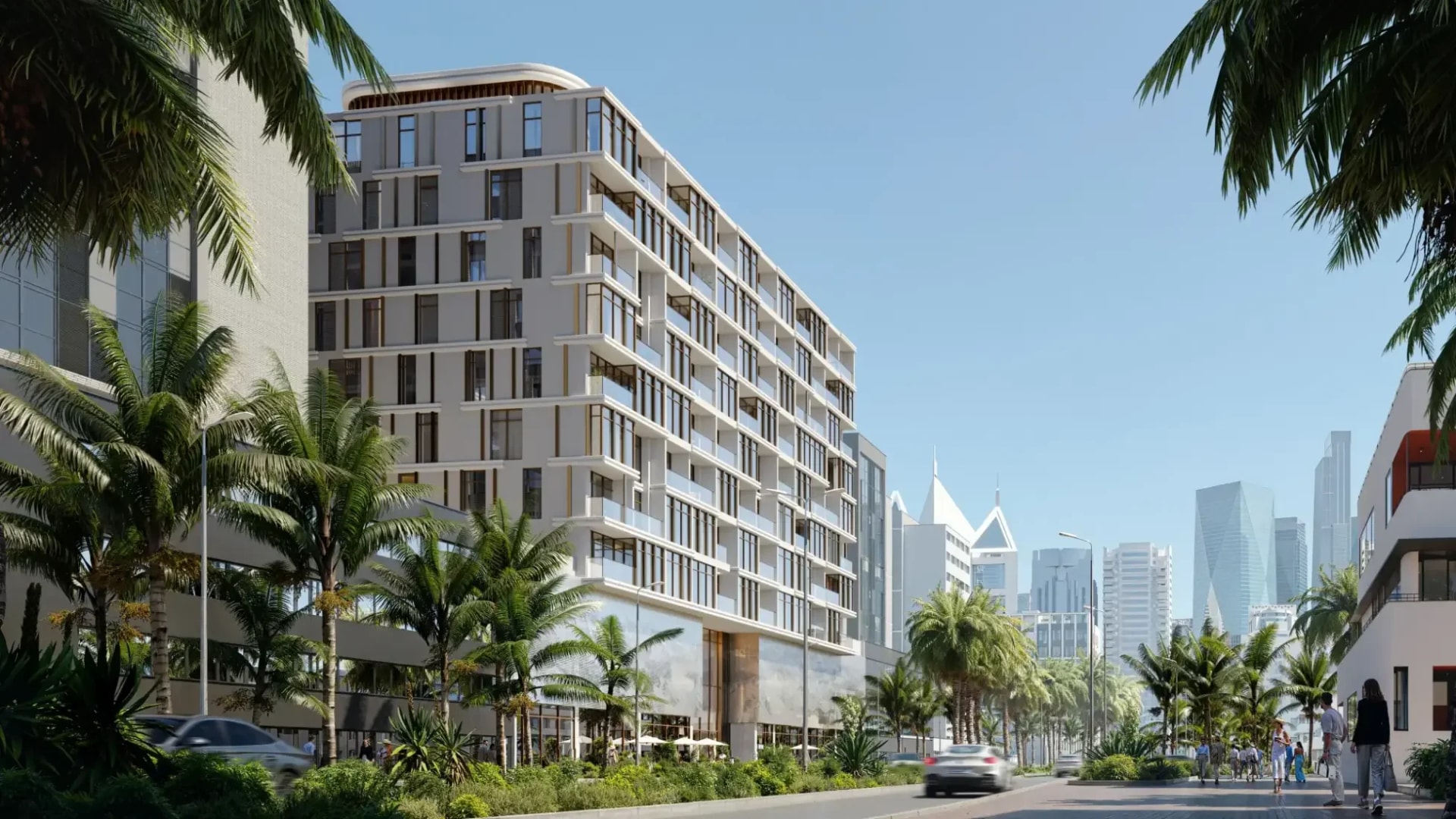
The Jumeirah Garden City sub-zone is the active freehold investor inventory. The pocket covers approximately 22 active mid-rise apartment buildings developed by a mix of mid-tier developers including Damac, Reportage Properties, ABK Real Estate, and selected family developers. Building heights typically run 8 to 16 floors with mixed-use ground-floor retail.
Location, Access, and Why It Matters
Al Satwa sits inside the Sheikh Zayed Road central spine, with Trade Centre 1 and DIFC immediately to the east, Al Wasl and Jumeirah 1 immediately to the south, and Trade Centre 2 immediately to the west. The location is among the most central in Dubai measured by drive time to multiple employer clusters.
Drive times under normal traffic: 5 minutes to DIFC, 6 minutes to Trade Centre 1 and Dubai World Trade Centre, 7 minutes to Downtown Dubai and Dubai Mall, 9 minutes to Business Bay, 12 minutes to Dubai International Airport (DXB), 16 minutes to Dubai Marina, 24 minutes to Mall of the Emirates, 38 minutes to Al Maktoum Airport (DWC).
The district is exceptionally well-served by Metro. Al Jafiliya station on the Red Line sits at the western edge of Al Satwa, World Trade Centre station on the Red Line sits at the northern edge near Trade Centre 1, and Burjuman station on the Red and Green Lines is reachable in 8 minutes by Metro from Al Jafiliya. Most Jumeirah Garden City addresses are 8 to 14 minutes walking from a Metro station.
Multi-mode access (Metro, three highway access points to Sheikh Zayed Road, Al Wasl Road, and 2nd December Street, walking-grade public realm) supports the broadest possible tenant pool. This is a structural advantage versus inland districts and the principal driver of Al Satwa's rental absorption strength.
Al Satwa at a Glance
| Metric | Detail |
|---|---|
| Emirate | Dubai |
| District type | Historic central + Jumeirah Garden City freehold pocket |
| Footprint | ~1.7 square kilometres |
| Active freehold buildings | ~22 (Jumeirah Garden City) |
| Total residential units (zone-wide) | ~12,000 (mostly leasehold) |
| Freehold residential units | ~3,200 |
| Price range (freehold) | AED 1,800 to 3,200 per sqft |
| Gross yield (est.) | 5.4% to 7.2% |
| Metro | Red Line (Al Jafiliya, World Trade Centre) |
| DIFC | 5 minutes |
| Downtown Dubai | 7 minutes |
| DXB Airport | 12 minutes |
| Primary tenant | DIFC and Downtown professionals, junior expats, embassy staff, dual-income couples |
The Freehold versus Leasehold Distinction
Al Satwa contains both freehold and leasehold inventory, and confusion between the two is the single biggest source of buyer error in the district. The historic Al Satwa core is largely leasehold with long-tenured Emirati owners. Standalone leasehold purchases by non-GCC nationals are not permitted in this section. Apartments and buildings advertised in the historic core should be treated as leasehold by default until DLD title verification confirms otherwise.
The Jumeirah Garden City freehold pocket is designated freehold and open to all nationalities. The pocket is geographically defined and listed on the DLD freehold zone register. All buildings inside this pocket carry freehold designation, and apartments are sold as freehold titles registered with the Dubai Land Department.
The two zones are physically adjacent. Listings advertising Al Satwa addresses can fall into either zone depending on the specific street and building. Always verify the DLD-registered freehold designation before signing any agreement. Many Al Satwa brokers do not consistently distinguish between the two zones in marketing materials.
Mortgage availability mirrors the freehold designation. UAE banks finance Jumeirah Garden City freehold apartments under standard mortgage terms. Historic core leasehold inventory is not available to non-GCC nationals and is therefore irrelevant for most foreign investors.
Unit Type Mix in Jumeirah Garden City Freehold
The Jumeirah Garden City freehold inventory is apartment-led. Studios account for approximately 22% of stock with floor areas of 380 to 540 square feet. One-beds account for 38% with floor areas of 720 to 920 square feet. Two-beds account for 28% with floor areas of 1,100 to 1,440 square feet. Three-beds account for 12% with floor areas of 1,560 to 1,950 square feet.
Serviced apartments and short-let-licensed product account for approximately 14% of total inventory and concentrate inside selected branded operator buildings. These units operate under DTCM holiday home licences and target Trade Centre and DIFC business travellers, embassy delegations, and corporate-let demand.
Mixed-use commercial ground-floor space is present in roughly 60% of the buildings, hosting small retail, F&B, banking, and service-sector tenants. The ground-floor retail layer supports walkable district functionality and contributes to the Jumeirah Garden City tenant rent ceiling.
The product mix has no townhouse or villa inventory. Investors seeking those product types should look at Jumeirah 1 for villa stock or Al Wasl for selected townhouse alternatives.
Pricing in Jumeirah Garden City Freehold
Per DLD Q1 2026 registry, Jumeirah Garden City freehold apartment pricing runs AED 1,800 to AED 3,200 per square foot. Studios trade at AED 720,000 to AED 1.4 million depending on building age and floor selection. One-beds at AED 1.5 million to AED 2.6 million. Two-beds at AED 2.4 million to AED 4.2 million. Three-beds at AED 4.0 million to AED 6.8 million.
Older 2014 to 2017 buildings trade at the lower end of the per-square-foot band. Newer 2020 to 2024 handovers trade at the upper end. Selected premium specifications and direct Sheikh Zayed Road frontage attract additional 10 to 18% per-square-foot premiums.
The pricing range overlaps substantially with Al Wasl mid-rise apartment product (AED 1,900 to AED 3,400 per square foot) and sits below Jumeirah 1 villa-fronting low-rise apartment product (AED 2,400 to AED 4,800 per square foot). Al Satwa Jumeirah Garden City carries the most accessible mainland central freehold apartment pricing within walking distance of Metro.
Past performance does not guarantee future returns. Project-specific specification, building age, floor selection, and view drive material variance inside each band.
Rental Yields and Tenant Demand
Gross rental yields in Jumeirah Garden City freehold inventory run as follows on a Q1 2026 basis. Studios achieve 6.8% to 7.2% gross. One-beds achieve 6.2% to 6.8%. Two-beds achieve 5.6% to 6.2%. Three-beds achieve 5.4% to 5.8%.
Net yield after service charges, Dubai Municipality housing fee, and 8% management runs roughly 1.2 to 1.8 percentage points below gross. On a Jumeirah Garden City one-bed at AED 1.9 million entry, gross rent of AED 130,000 generates 6.8% gross. After AED 22,000 service charges and AED 10,400 management, net yield lands at 5.1%.
The yields are competitive with Business Bay (6.7% gross on one-beds), below Liwan and JVC (7.6% to 8.4% gross on one-beds), and well above Downtown Dubai (5.1% gross on one-beds). Al Satwa Jumeirah Garden City is positioned as a yield-and-location compromise that captures both Metro proximity and central employer access without paying Downtown's pricing premium.
Past performance does not guarantee future returns. Yields assume full occupancy and standard tenancy turnover. The district's strong rental absorption (median 28-day listing-to-let time on furnished one-beds) supports realised yield close to gross estimates for most professional landlords.
Tenant Profile and Rental Absorption
The Jumeirah Garden City tenant base concentrates on three groups. First, DIFC and Downtown professionals walking or Metro-commuting to office. The 5-minute drive or 12-minute walk-and-Metro commute to DIFC is the principal demand catalyst. Median household income runs AED 32,000 to AED 95,000 per month for this segment.
Second, embassy and consular staff working at the diplomatic residences and embassy compounds clustered around Trade Centre 1. Long-tenured tenants with 36 to 60 month tenancy lengths are common in this segment.
Third, dual-income expat couples without children seeking central-Dubai access without Downtown pricing. Median household income runs AED 28,000 to AED 65,000 per month. Tenancy length runs a median 18 months.
Median listing-to-let time on furnished one-beds runs 28 days, among the fastest in central Dubai. Median listing-to-let on unfurnished two-beds runs 42 days. The strong absorption reflects multi-mode access, Metro proximity, walking-grade public realm, and consistent demand from the adjacent employer clusters.
Transaction History
Per DLD secondary market registry, Jumeirah Garden City freehold transaction count runs as follows. 2021 recorded 180 transactions. 2022 recorded 240. 2023 recorded 290. 2024 recorded 340. 2025 recorded 380.
The transaction volume is moderate by Dubai standards, reflecting the small absolute freehold inventory of approximately 3,200 units rather than weak demand. Listing-to-sale time runs 88 days on apartment product, in line with comparable mainland districts.
Capital appreciation across the 2021 to 2025 window ran approximately 42% on Jumeirah Garden City freehold apartment stock. The wider Dubai apartment market appreciated approximately 38% over the same window, placing Jumeirah Garden City marginally above the city average.
The combination of strong rental absorption, decent capital appreciation, and constrained inventory creates a structural undersupply dynamic that supports forward-looking pricing firmness. The constraint is binding: redevelopment of additional Al Satwa land into freehold conversion projects has been minimal in the 2018 to 2025 window. Past performance does not guarantee future returns.
Service Charges and Operating Costs
Per RERA service charge index 2026, Jumeirah Garden City freehold apartment service charges run AED 18 to AED 32 per square foot annually. The mid-band runs AED 22 to AED 26 per square foot. Newer 2020 to 2024 buildings run at the upper end. Older 2014 to 2017 buildings run at the lower end.
On a typical 850 square foot one-bed, the annual service charge runs AED 18,700 to AED 22,100. On a 1,200 square foot two-bed, it runs AED 26,400 to AED 31,200. These figures are broadly in line with Business Bay (AED 14 to AED 32 per sqft) and Al Wasl (AED 16 to AED 28 per sqft) and below Downtown Dubai (AED 22 to AED 58 per sqft).
Dubai Municipality housing fee adds 5% of annual rent on the tenant side. DEWA, district cooling (where applicable), and standard maintenance reserves are tenant-paid in most lease structures.
How Al Satwa Compares
Versus Al Wasl: Al Satwa Jumeirah Garden City and Al Wasl mid-rise apartment product trade at broadly similar pricing (AED 1,800 to AED 3,200 versus AED 1,900 to AED 3,400 per sqft). Yields are similar. Al Satwa offers stronger Metro proximity. Al Wasl offers slightly more contemporary architectural identity and a stronger lifestyle layer along Al Wasl Road's F&B and retail strip.
Versus Jumeirah 1: Jumeirah 1 villa-fronting low-rise apartment product trades at a 25 to 50% per-sqft premium to Al Satwa. Jumeirah 1 offers proximity to the beach (10 to 14 minutes walking) and the more prestigious address. Yields are lower in Jumeirah 1 by 0.6 to 1.2 percentage points. Al Satwa offers materially better yields and Metro access.
Versus Downtown Dubai: Al Satwa Jumeirah Garden City trades at a 22 to 38% per-sqft discount to Downtown. Downtown offers the Burj Khalifa premium, Dubai Mall walking access, and stronger short-let demand. Al Satwa offers higher yields, faster Metro access to multiple districts, and lower service charges.
Versus Business Bay: Pricing is broadly comparable on apartment product (AED 1,800 to AED 3,200 versus Business Bay's AED 1,400 to AED 3,200). Al Satwa offers walking-distance Metro and a slightly tighter central-employer commute. Business Bay offers deeper liquidity, broader inventory, and higher absolute volume.
Risks and Watch Items
First, the freehold versus leasehold distinction is critical. Confusing the two is the single biggest source of buyer error. Always verify the DLD-registered freehold designation on the title before signing any agreement.
Second, the freehold inventory is small (approximately 3,200 units). Per-building comparable evidence depth is limited compared to Business Bay or JVC. Resale valuations rely heavily on building-level rather than community-level comparables.
Third, the historic Al Satwa core has long-tail redevelopment proposals that have not progressed. Investors should not buy on the assumption that future master plan execution will deliver meaningful redevelopment upside. Buy on current cash flow and current freehold inventory characteristics.
Fourth, building specification and post-handover service charge management vary across the 22 active freehold buildings. Some buildings have reported service charge volatility and inconsistent maintenance quality. Always request the previous 3 years' service charge history before purchase.
How to Invest in Al Satwa Through Oliva
Oliva tracks Jumeirah Garden City freehold inventory with DLD title verification, building-level service charge data, yield estimates by unit type, and side-by-side comparison against Al Wasl, Jumeirah 1, and Business Bay. Every listing carries freehold designation verification and an Oliva Score combining price-versus-comparables, yield-versus-zone-median, and developer track record.
Oliva is RERA-registered and operates under the Dubai Land Department broker framework. Title transfer, escrow management, and post-purchase rental management are handled in-house through verified third-party partners. For more on the regulatory backbone, see the Dubai Land Department Investor Guide and the .
Browse Al Satwa projects on Oliva
Frequently Asked Questions
What is Al Satwa Dubai?
Al Satwa is a 1.7 square kilometre historic central Dubai neighbourhood adjacent to Sheikh Zayed Road, Trade Centre, and Jumeirah 1. The district splits into the historic Al Satwa core (largely leasehold, Emirati-owned, long-tenured renting tenants) and the Jumeirah Garden City freehold pocket (newer mid-rise apartment buildings open to all nationalities).
Is Al Satwa a freehold area?
Partially. The Jumeirah Garden City sub-zone inside Al Satwa is designated freehold and open to all nationalities. The historic Al Satwa core is largely leasehold with Emirati ownership and is not open to non-GCC national purchase. Always verify the DLD-registered freehold designation before signing. Many Al Satwa listings do not consistently distinguish between the two.
What are gross rental yields in Al Satwa Jumeirah Garden City?
Studios achieve 6.8% to 7.2% gross. One-beds achieve 6.2% to 6.8%. Two-beds achieve 5.6% to 6.2%. Three-beds achieve 5.4% to 5.8%. Net yield after service charges, Dubai Municipality housing fee, and 8% management runs 1.2 to 1.8 percentage points below gross. Past performance does not guarantee future returns.
How does Al Satwa compare to Downtown Dubai for investors?
Al Satwa Jumeirah Garden City trades at a 22 to 38% per-square-foot discount to Downtown Dubai with 1.0 to 1.6 percentage points higher gross yields. Downtown offers the Burj Khalifa premium, Dubai Mall walking access, and stronger short-let demand. Al Satwa offers Metro walkability, faster commute to DIFC and Trade Centre, and lower service charges.
Does Al Satwa have a Metro station?
Yes. Al Jafiliya Metro on the Red Line sits at the western edge of Al Satwa, World Trade Centre Metro on the Red Line sits at the northern edge near Trade Centre 1, and Burjuman Metro on the Red and Green Lines is reachable in 8 minutes by Metro from Al Jafiliya. Most Jumeirah Garden City addresses are 8 to 14 minutes walking from Metro.
What is Jumeirah Garden City?
Jumeirah Garden City is the freehold sub-zone within Al Satwa, covering approximately 22 active mid-rise apartment buildings developed by mixed mid-tier developers since 2014. The pocket is the active freehold investor inventory in the wider Al Satwa zone. Pricing runs AED 1,800 to AED 3,200 per square foot. Total freehold residential units approximately 3,200.
Who lives in Al Satwa?
The Jumeirah Garden City freehold pocket attracts DIFC and Downtown professionals (5-minute drive to DIFC), embassy and consular staff working at the Trade Centre diplomatic compounds, and dual-income expat couples without children. The historic Al Satwa core houses long-tenured South Asian and Filipino expatriate communities renting from Emirati owners, with tenancy lengths often 10 to 25 years.
Is Al Satwa being redeveloped?
Selected sub-sections of Al Satwa have been redeveloped into Jumeirah Garden City freehold apartment product since 2014. Long-tail redevelopment proposals for the historic Al Satwa core have circulated since the 2000s but no comprehensive master plan execution is currently active. Investors should not buy on the assumption of future redevelopment upside; treat any progression as long-tail optionality rather than a current investment thesis.
Explore further
The project, area, and developer this post covers, with live Dubai Land Department data.
Related articles

Al Satwa vs Al Wasl: An Investor Comparison for 2026

Jumeirah Garden City: Freehold Investor Guide 2026

Al Satwa Redevelopment and Future Pipeline 2026

Al Satwa Rental Yields and Tenant Profile 2026

Nad Al Sheba Dubai: The 2026 Investor Guide

Wadi Al Safa Dubai: The 2026 Investor Guide
Related Dubai property analysis from the Oliva editorial team.