Underwrite before you commit
The figures in this post are checked against Dubai Land Department records and RERA filings. Get an independent underwriting score on any project, or ask Javier on WhatsApp.
Dubai South: The Airport City Thesis
Dubai South
is the 145 square kilometre master-planned community built around Al Maktoum International Airport (DWC) in Dubai's southern corridor. It is roughly twice the area of Manhattan, larger than Downtown Dubai and Business Bay combined, and represents the physical centre of the city's planned westward and southward expansion under the Dubai 2040 Urban Master Plan. For investors, Dubai South is the clearest long-dated airport-city thesis available in the Dubai market: a single master developer (Dubai South Properties), a multi-decade infrastructure programme, and a unit mix priced 30 to 45 percent below Downtown and Marina equivalents.
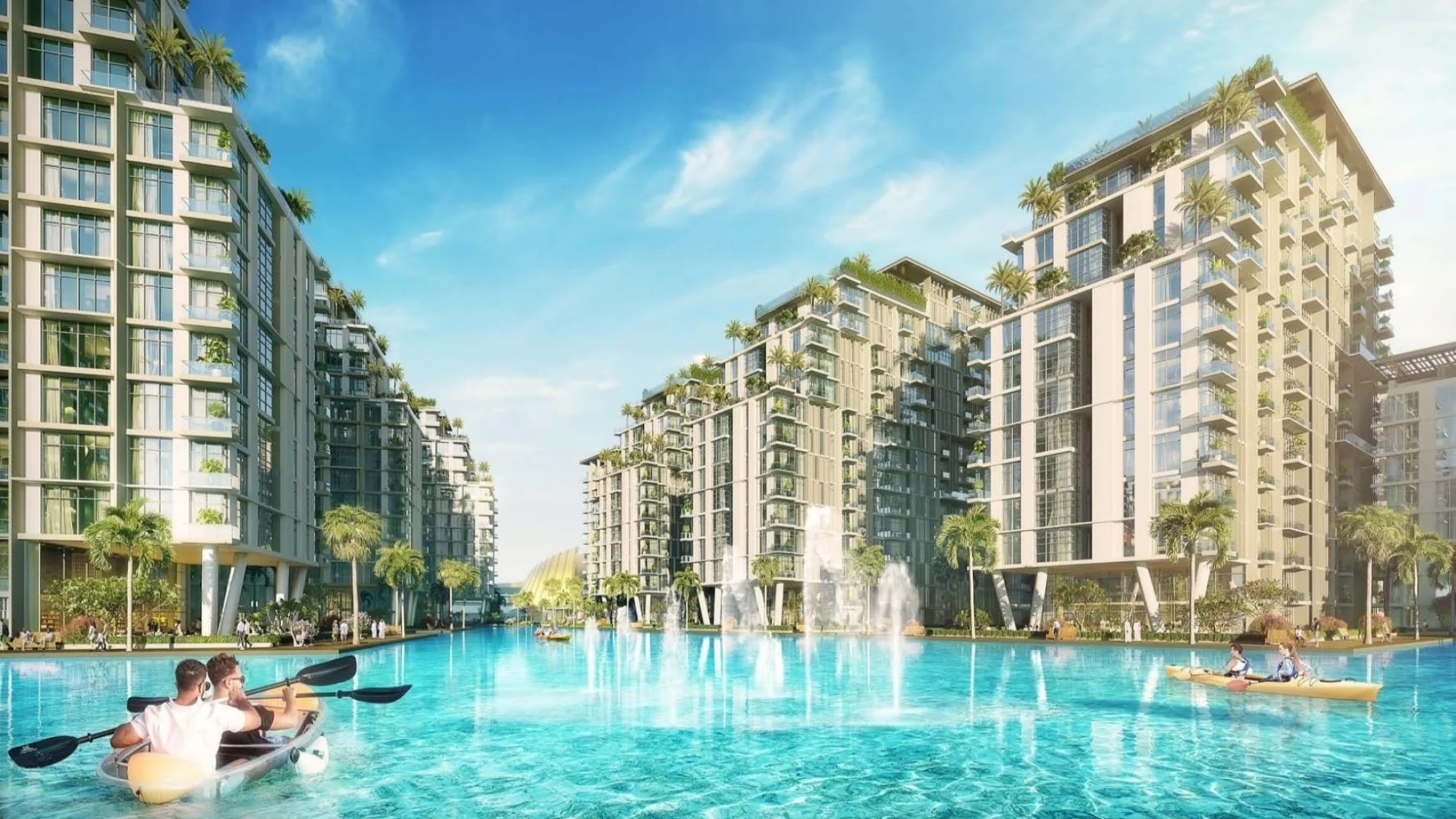
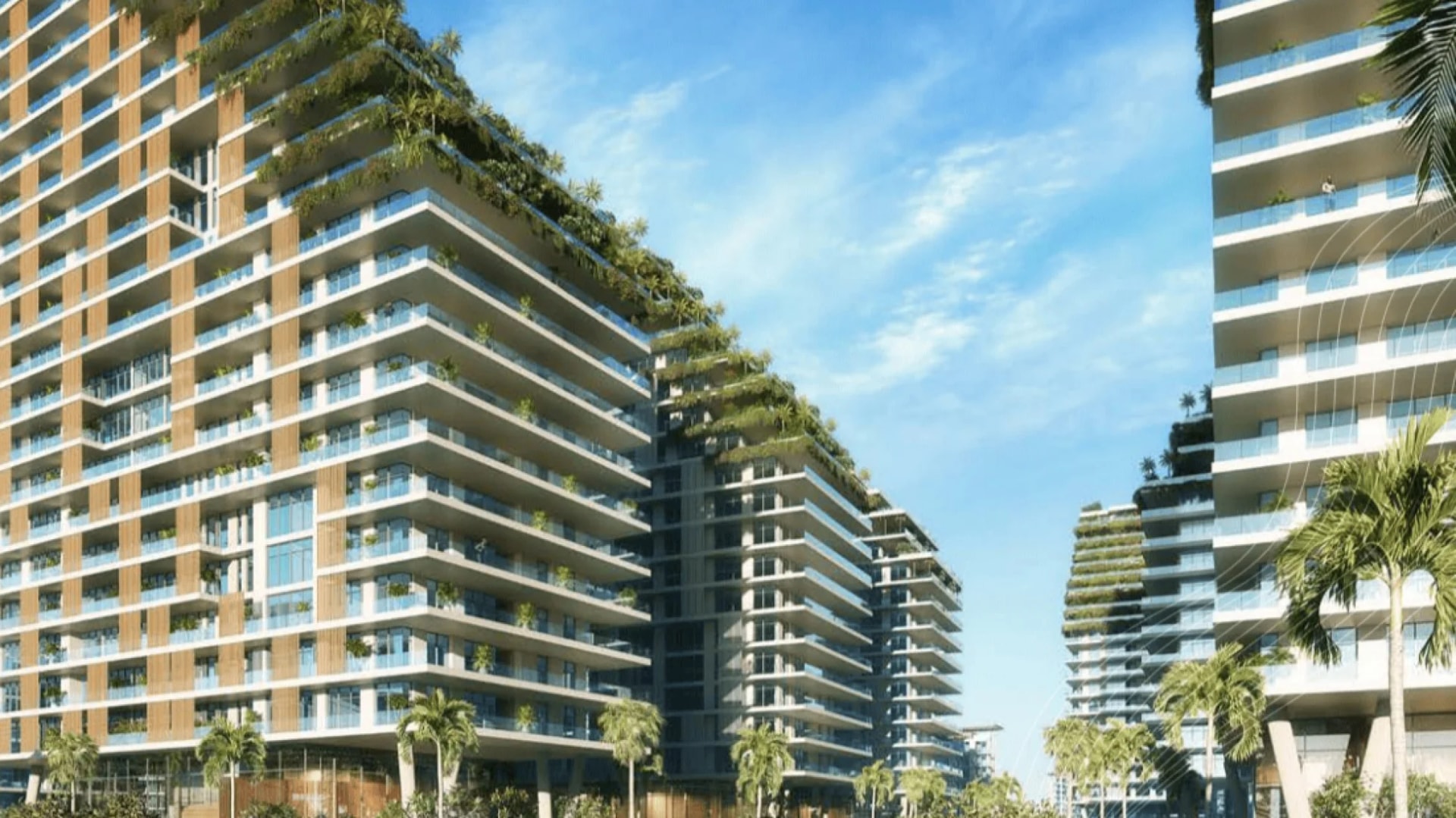
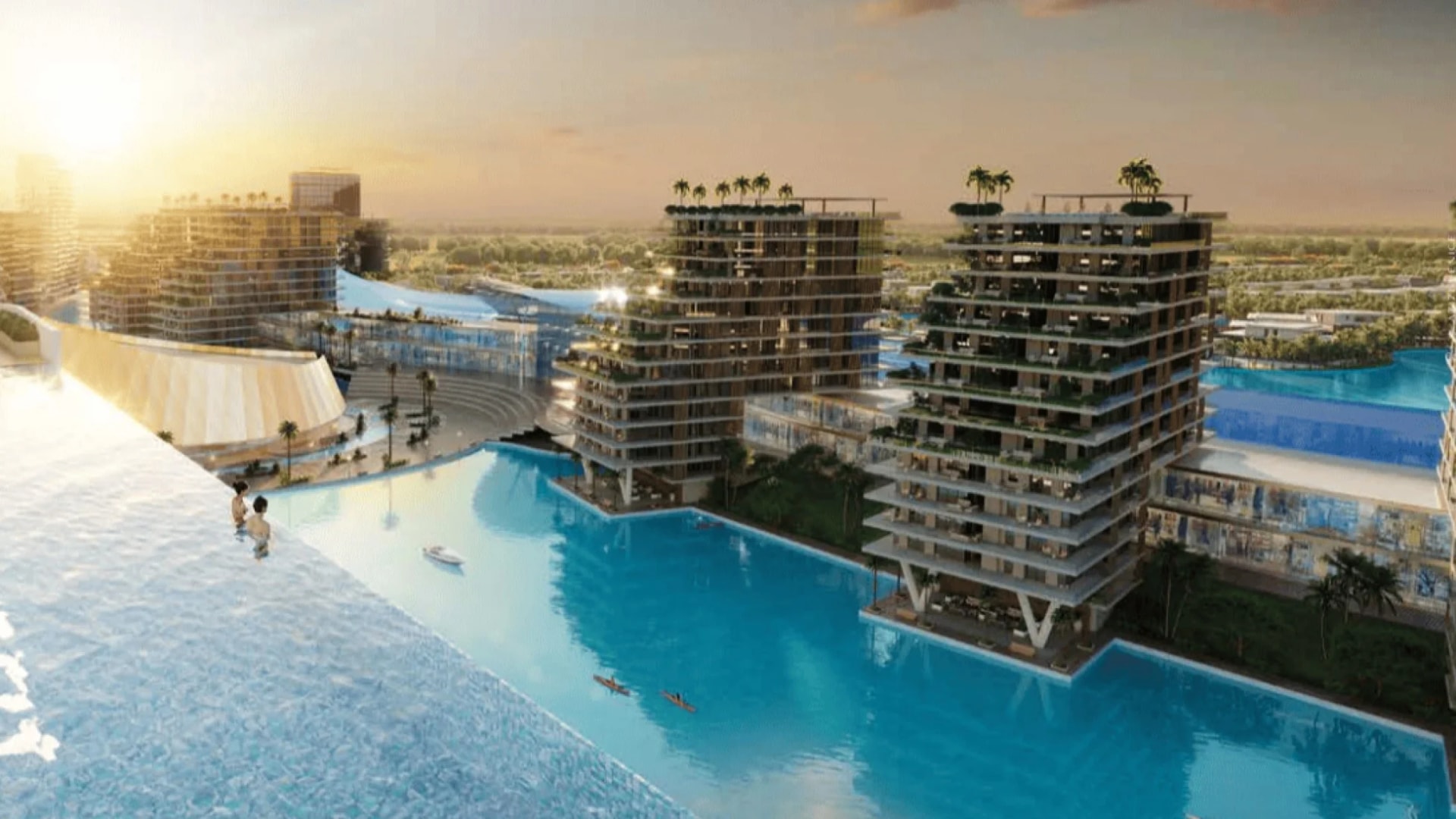
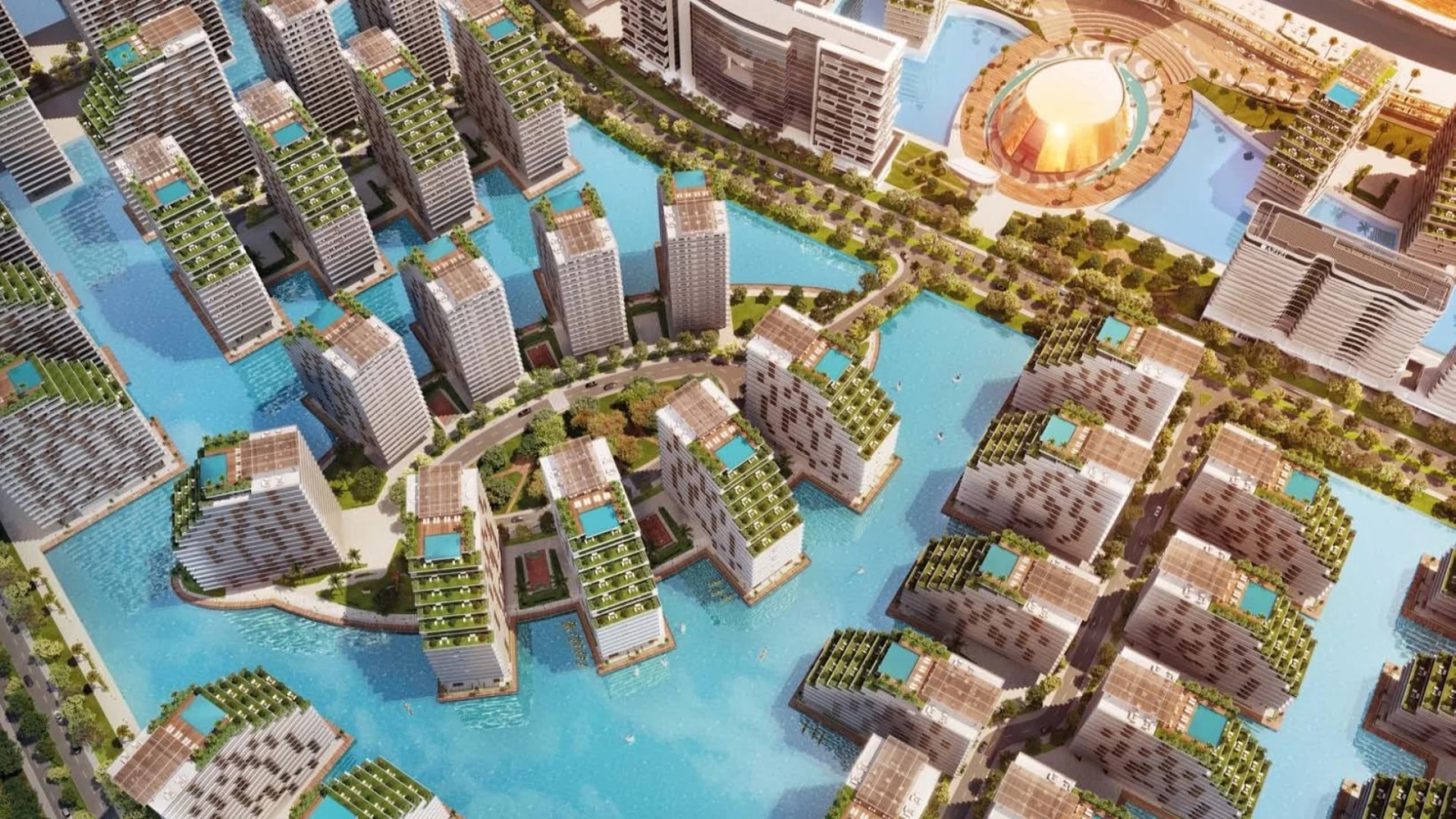
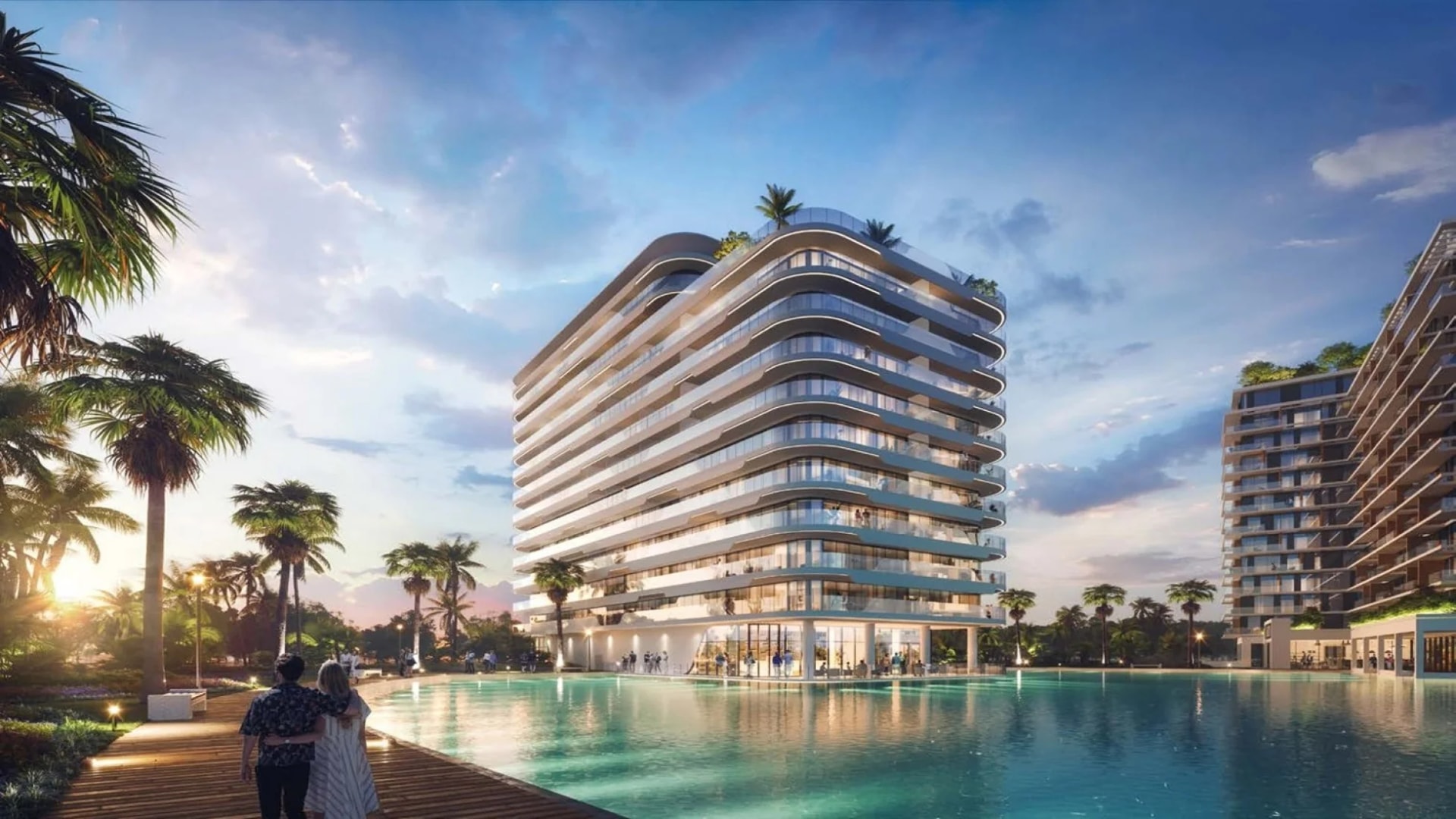
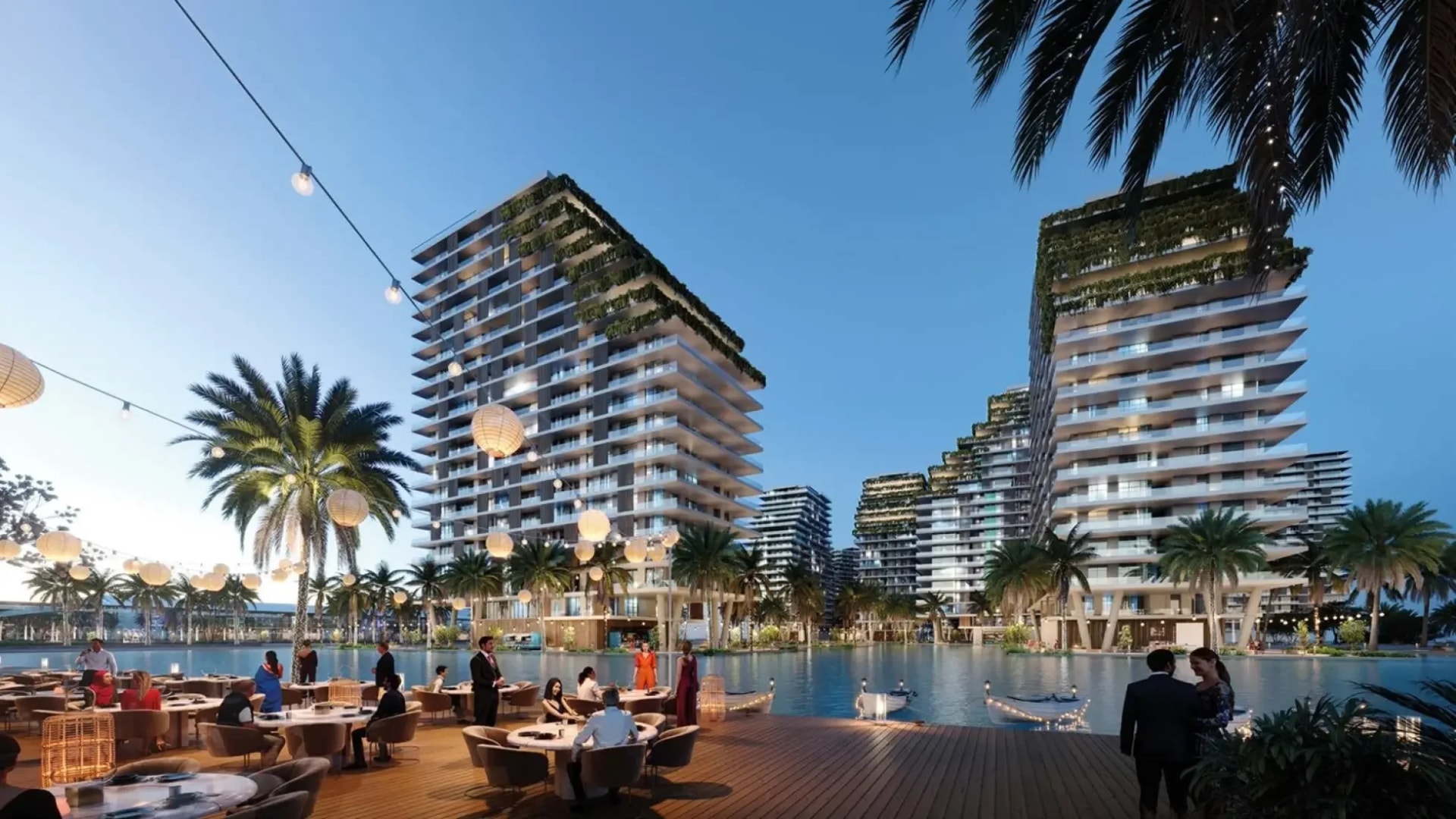
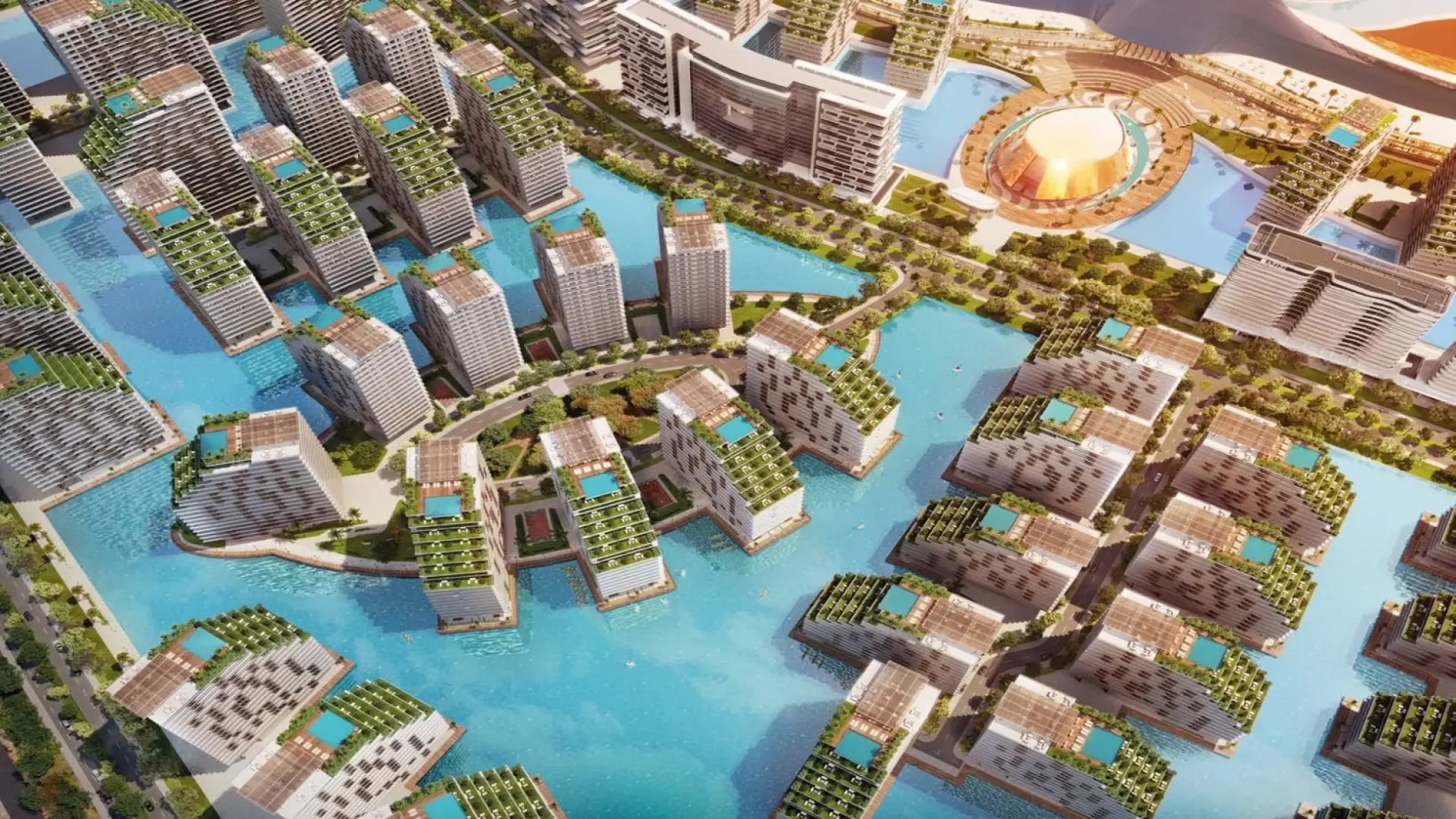
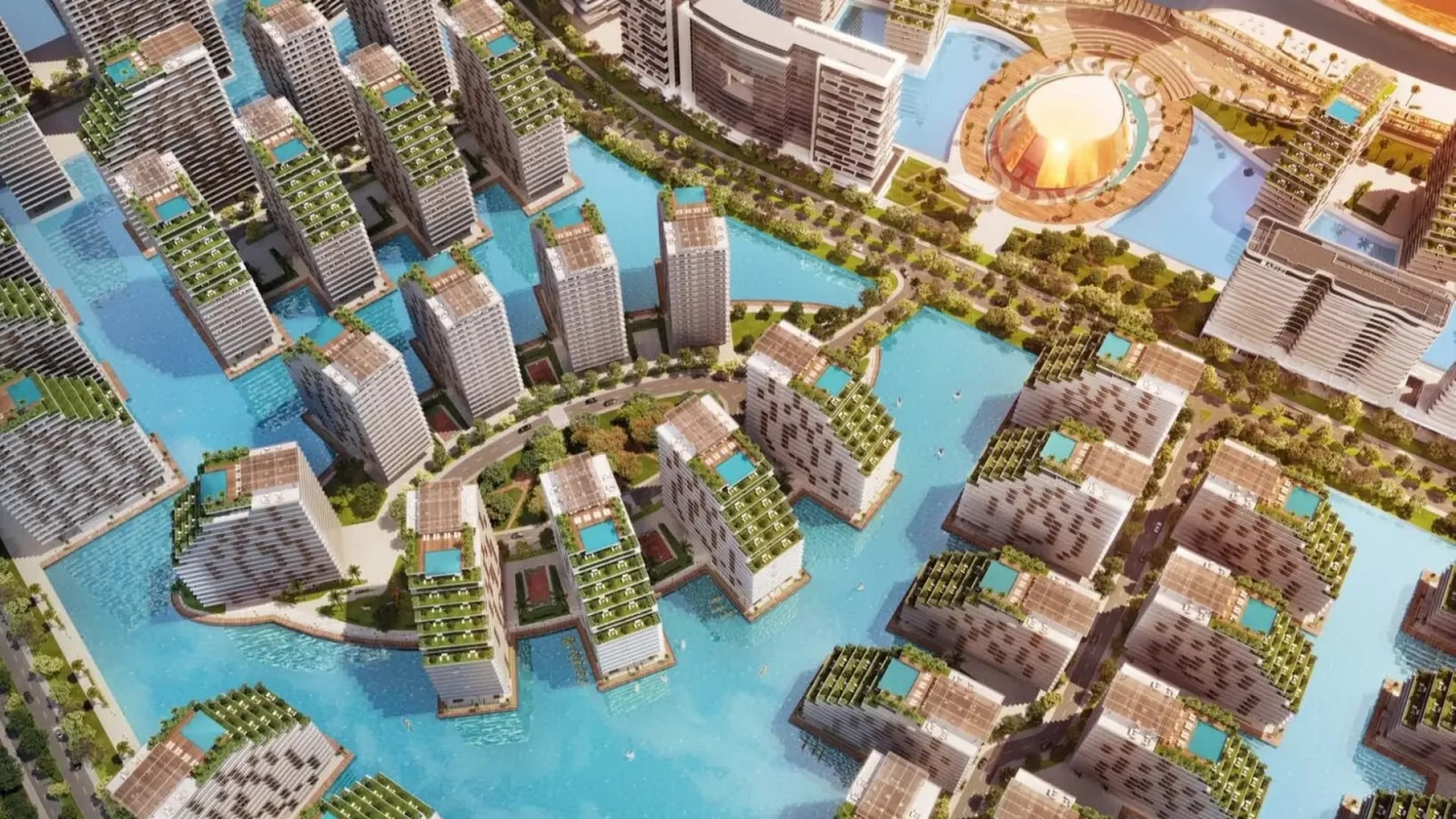
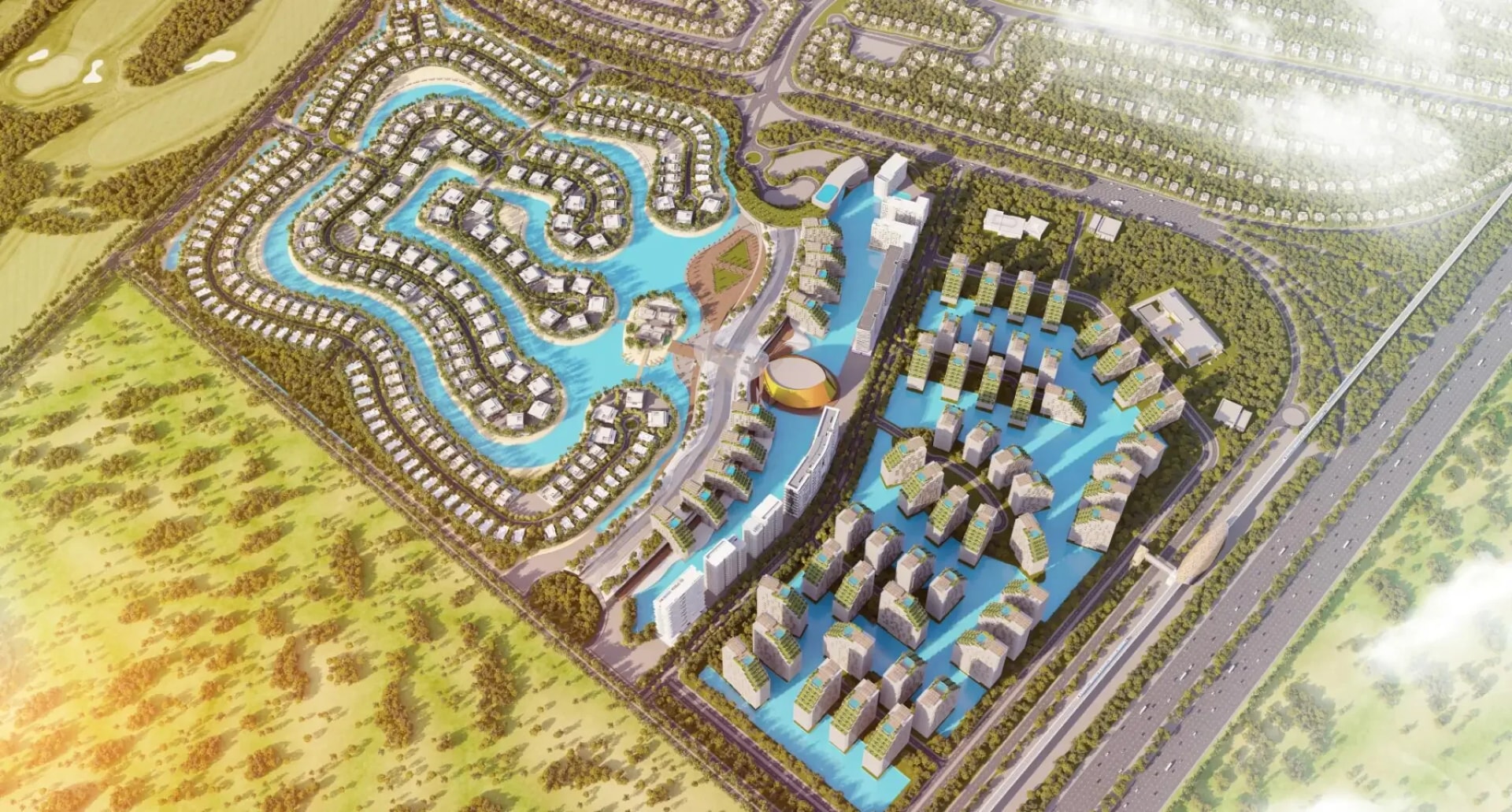
The community is organised into five districts: Residential, Business, Logistics, Aviation, and Humanitarian. Each district has its own masterplan and tenant base. The Residential District, anchored by The Pulse and Emaar South, holds the bulk of investable apartments and townhouses. Expo City Dubai, the permanent legacy of Expo 2020, sits on the northern edge of the community and has emerged as a separate sub-area with its own residential pipeline. This guide focuses on the investable residential product across the wider Dubai South footprint and the catalysts that drive value across the next ten years.
Why Investors Choose Dubai South
The first reason is price. Apartments in Dubai South currently trade at AED 950-1,600 per square foot. Downtown Dubai trades at AED 2,000-4,000 per square foot, and Dubai Marina at AED 1,800-2,800. An investor allocating AED 1 million to Dubai South gets roughly twice the floor area of the same allocation in Downtown, with a comparable handover specification on Emaar projects and a similar service charge ratio.
The second reason is yield. Gross yields in the Residential District run 6.5 to 9 percent depending on unit type and finish, comfortably above the Dubai-wide 5.5 to 6.5 percent average. Townhouses in Emaar South and apartments in The Pulse drive the upper end of this range because they capture the airport-employee tenant base that needs proximity over central-Dubai commute distance.
The third reason is the long-dated infrastructure thesis. Al Maktoum International is in the early phases of a USD 35 billion expansion that takes capacity from current single-digit million passengers to 260 million annually by 2050, displacing Dubai International (DXB) over time. Each phase of the airport delivery brings employment, logistics demand, and population growth into the surrounding catchment. Investors with a 7 to 15 year horizon are pricing in this trajectory, not the current state of the area.
The fourth reason is the Expo 2020 legacy. The Expo site has been converted into Expo City Dubai, a permanent mixed-use district hosting COP28-related institutions, corporate offices, residential pipeline, and a metro-extension destination. The legacy programming creates an anchor of activity that Dubai South lacked before 2020.
Dubai South at a Glance
| Metric | Detail |
|---|---|
| Emirate | Dubai |
| Master developer | Dubai South Properties |
| Total area | 145 sqkm |
| Districts | Residential, Business, Logistics, Aviation, Humanitarian |
| Anchor infrastructure | Al Maktoum International Airport (DWC) |
| Legacy anchor | Expo City Dubai (Expo 2020 site) |
| Apartment price range | AED 950-1,600/sqft |
| Townhouse price range | AED 1,000-1,500/sqft |
| Apartment gross yield (est.) | 6.5-9% |
| Townhouse gross yield (est.) | 5.5-7% |
| Distance to Downtown Dubai | 40 km (35-50 min off-peak) |
| Distance to Dubai Marina | 30 km (25-40 min off-peak) |
| Distance to Expo City | within community |
| Metro | Route 2020 (Expo 2020 stop, extending) |
| Schools (KHDA) | GEMS Founders Al Maktoum, South View School, Bloom World Academy |
| Tenant profile | Airport staff, logistics workers, Emirates Group employees, families seeking value |
The Five Districts of Dubai South
Understanding Dubai South requires understanding that it is not a single residential community. It is a master plan with five functionally distinct districts, each with its own role in the Dubai 2040 vision.
The Residential District is the investable core for property buyers. It contains The Pulse, Emaar South, Mag 5 Boulevard, Urbana, and the bulk of the apartment and townhouse pipeline. Demographics skew young and family. School and amenity infrastructure are concentrated here.
The Business District hosts corporate offices, free zone licences, and the SME hub. It generates employment that funnels into nearby residential demand. It is not a residential investment zone in itself but matters because it determines how many people work within a 10-minute drive of the residential clusters.
The Logistics District is one of the largest free zones in the region, with warehouse and distribution operators including Emirates SkyCargo, Aramex, and DHL footprint. Logistics employment is the bedrock of the Dubai South tenant pool. Logistics tenancy is dense, often 6 to 12 occupants per unit at the workforce-housing tier and 1 to 3 occupants per unit at the manager-and-above tier.
The Aviation District serves the airport itself: maintenance, flight crew accommodation, ground handling, and aviation training. Emirates Group has a meaningful presence. Aviation tenants are some of the most reliable rent-payers in the Dubai South catchment because their employer-provided housing allowances are tied directly to the area.
The Humanitarian District (the International Humanitarian City extension) hosts UN, Red Crescent, and NGO operations. It is small in footprint but contributes professional, long-term tenants who value proximity to logistics infrastructure.
Expo 2020 to Expo City Dubai: The Permanent Legacy
Expo 2020 was hosted on a 4.38 square kilometre site at the northern edge of Dubai South from October 2021 to March 2022. After the event closed, 80 percent of the physical infrastructure was retained and converted into Expo City Dubai, a permanent mixed-use district. This is a meaningful catalyst for the wider Dubai South area because it transformed an event site into permanent residential, commercial, and institutional space.
Expo City
hosts COP28 (held November 2023) and several related sustainability institutions. It contains Al Wasl Plaza, the Sustainability Pavilion (now Terra), the Mobility Pavilion (now Alif), and the Opportunity Pavilion (now Vision). Office space within these pavilions is occupied by DEWA, Siemens, and other corporate tenants who use the legacy infrastructure.
From a property investment perspective, Expo City Dubai is now opening residential plots and apartment buildings under the Expo Living programme. Pricing currently sits at AED 1,400-2,200 per square foot, above the wider Dubai South average, reflecting the master-planning standard, the tree canopy, and the LEED certification specification. We cover Expo City in detail in our dedicated guide.
Property Types and Price Ranges
| Type | Size (sqft) | Price (AED/sqft) | Annual rent (AED) |
|---|---|---|---|
| Studio | 380-550 | 1,000-1,500 | 35,000-55,000 |
| 1-bed apartment | 600-900 | 950-1,400 | 50,000-80,000 |
| 2-bed apartment | 950-1,400 | 950-1,400 | 70,000-110,000 |
| 3-bed apartment | 1,400-1,900 | 1,000-1,500 | 95,000-145,000 |
| 3-bed townhouse | 1,800-2,400 | 1,000-1,400 | 110,000-150,000 |
| 4-bed townhouse | 2,400-3,200 | 1,050-1,500 | 140,000-180,000 |
| 4-bed villa | 3,200-4,500 | 1,100-1,600 | 180,000-260,000 |
The unit mix in Dubai South is dominated by apartments and townhouses. Standalone villas exist in Emaar South Phase 3 and select clusters but make up a minority of stock. Service charges run AED 10-16 per square foot for apartments and AED 3-6 per square foot for townhouses with community fees applied separately. Verify exact service charge rates with the OA before purchase.
Off-plan inventory is significant. Dubai South Properties, Emaar, Damac, and Mag continue to release new phases through to 2030-plus. Off-plan pricing typically opens 10-20 percent below comparable secondary product, with payment plans of 60/40 or 50/50 (split between construction and post-handover). Read our off-plan vs ready property guide to understand the trade-offs before committing.
Rental Yields and Investment Potential
| Unit type | Gross yield | Net yield (est.) |
|---|---|---|
| Studio | 7.5-9.0% | 5.5-7.0% |
| 1-bed apartment | 7.0-8.5% | 5.0-6.5% |
| 2-bed apartment | 6.5-8.0% | 4.5-6.0% |
| 3-bed apartment | 6.0-7.5% | 4.0-5.5% |
| 3-bed townhouse | 5.5-7.0% | 4.0-5.5% |
| 4-bed townhouse | 5.5-6.5% | 4.0-5.0% |
| 4-bed villa | 5.0-6.0% | 3.5-4.5% |
Yield estimates are based on current asking rents on the major listing portals versus DLD transaction prices (DLD data, Q1 2026). Studios and one-bedroom apartments target the airport and logistics employee segment and consistently achieve the strongest gross yields in the area. Three- and four-bedroom townhouses target families on Emirates Group and corporate housing budgets and achieve more moderate yields but stronger lease retention.
Net yield assumes 1.5-2.5 percent of gross rent for management, 5 percent municipality fee on the rent contract, AED 10-16 per square foot service charge for apartments, and 3-5 percent vacancy. Past performance does not guarantee future returns. Yield is one component of total return, capital appreciation tied to the airport thesis is the other.
DLD Transaction Volume and Pricing Trends
Dubai South has seen a meaningful step-up in DLD transaction volume since 2023, driven by Emaar South handovers, Mag 5 Boulevard absorption, and post-Expo absorption in nearby clusters. Aggregate DLD-recorded transactions in the Dubai South footprint moved from a few hundred annual deals pre-2020 to several thousand annual deals from 2023 onwards, with off-plan accounting for the majority of sales.
Median price per square foot has appreciated approximately 25-40 percent across 2022-2025, in line with the broader Dubai recovery but with a stronger relative gain because the area started from a lower base. Townhouses in Emaar South have seen the sharpest appreciation due to the family migration trend out of older communities. We expect appreciation to continue tracking the airport delivery schedule more than the Dubai-wide market over the next 5 years.
For exact numbers, consult the DLD Open Data portal or pull a property-level Brokerage Report through Oliva at the listing level. Aggregate community-level numbers move quickly and we keep them updated within our project pages.
Schools In and Around Dubai South
| School | Curriculum | KHDA rating | Distance |
|---|---|---|---|
| GEMS Founders School Al Mizhar (closest GEMS Founders) | UK | Good | 30-35 min |
| South View School | UK | Outstanding | 5-15 min (within community catchment) |
| Bloom World Academy | UK / IB | Very Good | 15-20 min |
| Greenfield International School | IB | Very Good | 15-20 min |
| Fairgreen International School | IB | Very Good | 15-20 min |
| Dunecrest American School | US | Good | 20-25 min |
| Sunmarke School | UK | Very Good | 20-25 min |
School ratings are issued by the Knowledge and Human Development Authority (KHDA). Dubai South has a small but growing school footprint within the community boundary and is well-served by Damac Hills, Dubai Sports City, and Al Barsha South schools within a 15-25 minute drive. The school footprint is one of the genuinely thin amenity areas relative to mature family communities like Arabian Ranches or Mira, and a meaningful share of family tenants drive their children out of the community for school. Verify school bus routes for any specific cluster before committing for a family use case.
Infrastructure, Roads, and Future Transit
Dubai South is served by Sheikh Mohammed Bin Zayed Road (E311) on the eastern boundary, Emirates Road (E611) on the inner boundary, and Sheikh Zayed Road (E11) accessible via Emirates Road interchanges. Off-peak commute times are: Downtown Dubai 35-50 minutes, Dubai Marina 25-40 minutes, DIFC 35-45 minutes, DXB Airport 35-45 minutes. Peak commute times during morning and evening rush can extend to 60-90 minutes for Downtown and DIFC routes, which is a real-world consideration for tenants who do not work in the Dubai South catchment.
Metro service to Dubai South currently terminates at Expo 2020 station via Route 2020, an extension of the Red Line. Expo 2020 station serves Expo City Dubai directly. The remaining Dubai South area is served by the station via feeder bus and is within driving distance for residents who use the Metro for the Downtown commute. The Dubai Roads and Transport Authority (RTA) has confirmed plans for a Blue Line extension and additional station coverage to follow the airport's growth, but specific delivery dates for stations beyond Expo 2020 should be treated as indicative.
Al Maktoum International Airport (DWC) is the most important infrastructure asset in the area. The airport's 260 million passenger expansion is delivered in phases, with the first major terminal phase targeted for completion in the early 2030s. Construction is funded and underway. As airport phases come online, employment, retail, and logistics demand all grow inside the catchment.
How Dubai South Compares to Other Suburban Family Communities
| Area | Apt price (AED/sqft) | TH price (AED/sqft) | Apt yield | TH yield | Master developer | Distinct feature |
|---|---|---|---|---|---|---|
| Dubai South | 950-1,600 | 1,000-1,500 | 6.5-9% | 5.5-7% | Dubai South Properties + Emaar | Airport thesis, Expo legacy |
| Damac Hills | 1,400-2,200 | 1,500-2,200 | 5.5-7% | 5.0-6.5% | Damac | Trump golf course, mature |
| Damac Hills 2 | 900-1,300 | 850-1,200 | 6.5-8% | 5.5-7% | Damac | Affordable, less mature amenity |
| Mira (Reem) | n/a | 1,400-1,800 | n/a | 5.5-6.5% | Emaar | Mature family community, schools |
| Mudon | n/a | 1,400-1,900 | n/a | 5.5-7% | Dubai Properties | Active lifestyle parks |
| Arabian Ranches 3 | n/a | 1,500-2,000 | n/a | 5.0-6.5% | Emaar | Premium villa, mature lifestyle |
Dubai South sits between Damac Hills 2 and Damac Hills on price per square foot but has a clearer infrastructure thesis than either, because it is the only one tied to a specific multi-decade airport delivery programme. Mira and Arabian Ranches 3 are mature lifestyle competitors targeting the same family tenant on a higher price point. Mudon is the closest direct comparable on family lifestyle but lacks the airport employment driver.
We cover the Dubai South versus Damac Hills decision in detail in our dedicated comparison.
The Al Maktoum Airport Build-Out and Property Value
Al Maktoum International Airport is currently the smaller of Dubai's two airports, handling cargo and supplementary passenger traffic. Dubai Airports has confirmed a USD 35 billion phased expansion that takes capacity to 260 million annual passengers by approximately 2050, at which point all DXB operations migrate to DWC and DXB closes for commercial passenger service. This is a confirmed government commitment, though delivery timing is indicative.
The investment implication is direct. Each major airport phase brings: (i) tens of thousands of additional employees on aviation, ground handling, retail, and logistics payrolls into the catchment, (ii) a step-up in commercial real estate development to support the operations, (iii) infrastructure spillover (metro, roads, hospitals, schools), and (iv) reinforcement of the long-dated thesis that pulls more investor capital into the area. Each step compresses yield slightly because price rises faster than rent in the appreciation phase, but it lifts capital values substantially.
Investors should size the airport thesis as 5-15 year horizon, not 1-2 year. The day-of-handover yields covered above are the steady-state assumption. The capital appreciation case requires holding through at least one major airport phase, which is why we generally recommend Dubai South to investors with an 8-year minimum horizon. We cover this in detail in our airport impact analysis.
Key Developers and Active Projects
Dubai South Properties is the master developer and the operator behind The Pulse, Pulse Townhouses, Pulse Beachfront, MAG 5 Boulevard partnerships, and direct community management. Most non-Emaar residential product traces to Dubai South Properties as either developer or master plan administrator.
Emaar South is the second major brand inside the community, delivering Urbana townhouses, Saffron and Parkside apartments, and the Emaar South 18-hole golf course community. Emaar product carries a price premium of 10-25 percent over the Dubai South Properties baseline due to brand and specification.
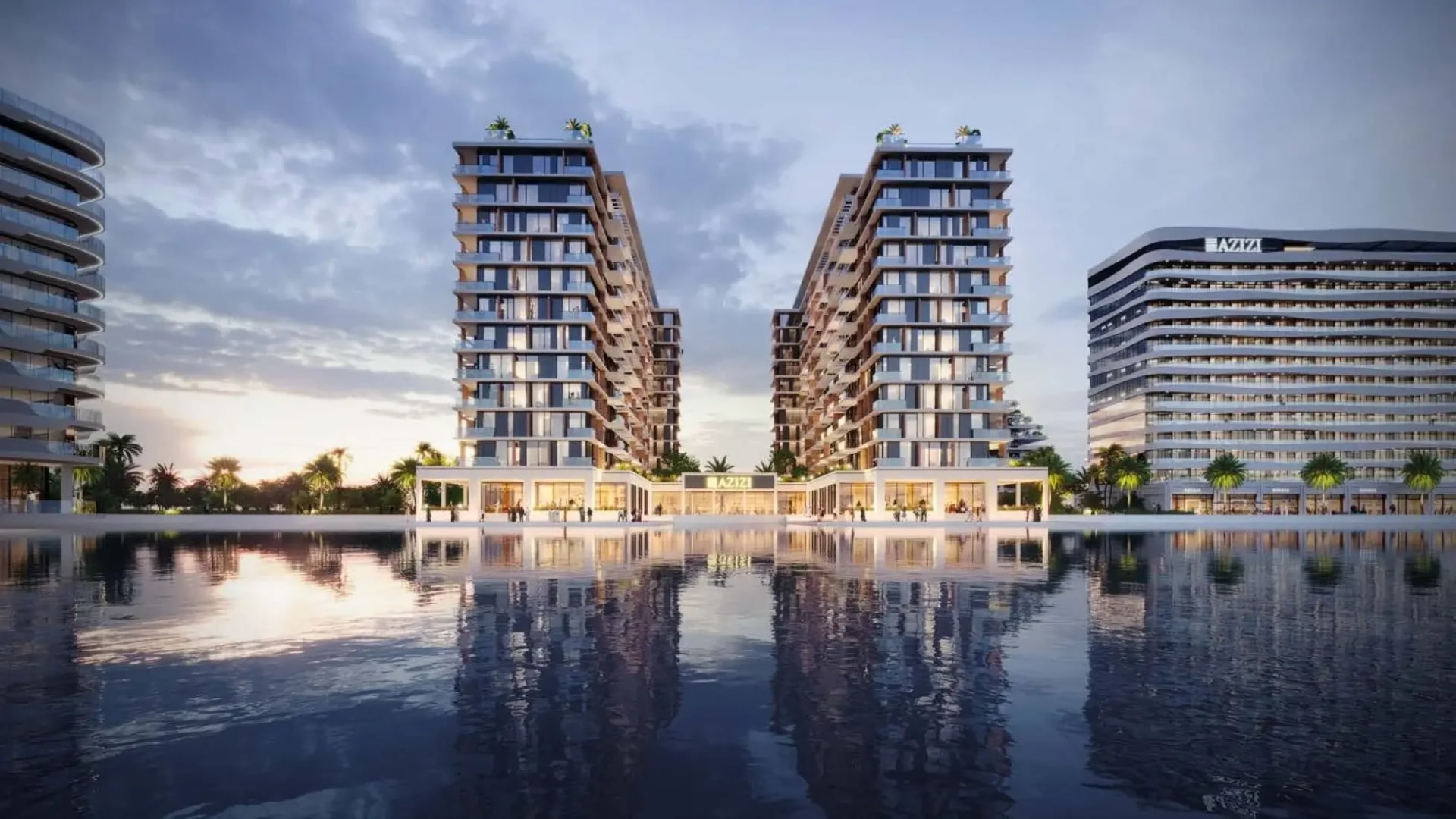
Mag, Damac (in adjacent clusters), Azizi, and Aldar (recent entry) have presence or pipeline in or near the boundary. The pipeline tilts heavily off-plan for the next 3-5 years.
Browse Dubai South properties on Oliva
Who Dubai South Works For
Long-horizon yield investors. If you want 7+ percent gross yield on apartments at AED 1 million entry tickets and you can hold for 8 to 12 years, Dubai South is a clean fit. The yield is genuine and the appreciation thesis is genuine, but neither delivers fully in years 1-3.
Investors building a Dubai 2040 portfolio. Anyone allocating across multiple Dubai areas with a Dubai 2040 view should hold a Dubai South position because it is the most concentrated bet on the southern growth corridor and airport relocation thesis.
Aviation and logistics professional buyers. If you work for Emirates Group, dnata, a Dubai South Free Zone tenant, or a logistics operator, owning Dubai South for a primary residence captures both lifestyle proximity and the long-dated capital appreciation play.
Family buyers prioritising space over centrality. AED 1.4-1.8 million buys a 3-bedroom townhouse in Emaar South or Pulse Townhouses. The same budget buys a 2-bedroom apartment in Mira or a 1-bedroom in central Dubai. For families willing to accept the commute trade-off, the space arbitrage is real.
What to Watch Out For
Commute reality. Off-peak commute is workable, peak commute is not. If your tenant or you personally needs to reach Downtown, DIFC, or Marina at peak hours daily, the 60-90 minute return trip is a tenancy retention risk. Pre-screen tenants for employer location.
Amenity maturation. Schools, retail, F&B, and clinics are still building out. Mature family communities have 15 years of amenity layering, Dubai South has 5-7 years. The gap is closing but is real today, particularly inside The Pulse and Mag 5 versus Emaar South.
Off-plan exposure. Most current sales activity is off-plan. Off-plan carries handover risk, fit-out risk, and developer-specific delivery risk. Read our off-plan due diligence guide and verify Trakheesi escrow on every off-plan transaction.
Single-driver risk. The investment thesis is concentrated in the airport build-out. If airport phases delay materially, the appreciation thesis stretches. The yield case is independent of the airport thesis (logistics and aviation employment is already on the ground), but capital appreciation is concentrated.
How to Invest in Dubai South Through Oliva
Oliva lists ready and off-plan Dubai South residential product across The Pulse, Emaar South, Pulse Townhouses, Mag 5, Urbana, and the active off-plan pipeline. Each listing carries DLD title verification, an estimated yield calculation against the latest comparable rents, an Oliva Score reflecting the location and developer fundamentals, and a community-level scoring snapshot to compare against Damac Hills, Mudon, and Arabian Ranches alternatives.
Browse Dubai South properties on Oliva
Frequently Asked Questions
Is Dubai South a good investment in 2026?
Yes for investors with a long-horizon airport-thesis view and a tolerance for off-plan exposure. Apartments deliver 6.5-9 percent gross yields today on AED 950-1,600 per square foot pricing, well below central Dubai. The capital appreciation case is tied to the Al Maktoum International Airport phased expansion to 260 million annual passengers by 2050. Investors with an 8-year minimum hold capture both the yield and the build-out appreciation. Investors with a 1-3 year horizon will not see the full thesis play out and should not allocate here for that reason alone.
How big is Dubai South?
Dubai South spans 145 square kilometres, organised into five districts: Residential, Business, Logistics, Aviation, and Humanitarian. It is roughly twice the area of Manhattan and contains Al Maktoum International Airport (DWC), the Expo City Dubai legacy site, and the Dubai South Free Zone.
What is the difference between Dubai South and DWC?
DWC is the IATA airport code for Al Maktoum International Airport, which sits inside the Dubai South master community. The names are sometimes used interchangeably in older references because the airport opened first and the community grew around it, but Dubai South refers to the wider 145 sqkm master plan and DWC refers specifically to the airport itself. Postal addresses in the residential clusters use Dubai South.
Why invest in Dubai South versus Damac Hills or Mira?
Damac Hills offers a mature family lifestyle anchored by a Trump golf course at AED 1,400-2,200 per square foot. Mira offers an Emaar-developed mature townhouse community at AED 1,400-1,800 per square foot. Dubai South sits 25-35 percent below both on apartment pricing, offers 100-200 basis points higher gross yields, and adds the Al Maktoum Airport build-out as a long-dated capital appreciation driver none of the other communities have. The trade-off is amenity maturation: Damac Hills and Mira have full schools, retail, and F&B today, Dubai South is still building out.
What rental yields can investors expect in Dubai South?
Apartment gross yields are 6.5-9 percent depending on unit type, with studios and one-bedroom apartments at the top of the range due to airport-employee tenant demand. Three- and four-bedroom townhouses run 5.5-7 percent gross. Net yields after service charges, the 5 percent municipality fee on rent, and management run roughly 4-7 percent. Yield estimates are based on current asking rents versus DLD transaction prices, Q1 2026.
Will the Al Maktoum Airport expansion really happen?
Yes. The USD 35 billion phased expansion is funded, contracted, and under construction. Dubai Airports has confirmed delivery to 260 million annual passenger capacity by approximately 2050, at which point all Dubai International (DXB) operations migrate to DWC. Specific phase delivery dates are indicative and have moved across multiple government announcements, but the expansion itself is one of the most committed long-dated infrastructure programmes in the GCC. Investors should size their hold period to capture at least one major airport phase, which generally means 8 years minimum.
How long is the commute from Dubai South to Downtown Dubai?
Off-peak: 35-50 minutes by car, 40 km via Sheikh Mohammed Bin Zayed Road (E311) or Sheikh Zayed Road (E11). Peak commute: 60-90 minutes is realistic during morning and evening rush. Metro service via Route 2020 currently terminates at Expo 2020 station, which serves Expo City Dubai directly and is within driving range for the wider Dubai South residential clusters. Commute is the single most important factor for tenant pre-screening.
Is Dubai South freehold for foreign investors?
Yes. Dubai South is a designated freehold area, accessible to non-GCC nationals on the same basis as Dubai Marina, Downtown Dubai, and other freehold zones. Title is registered with the Dubai Land Department (DLD) and the standard 4 percent DLD transfer fee applies on every transaction. Verify title at the project level before committing. Read our [Dubai Land Department guide](/en/learn/blog/dubai-land-department-guide-2026) for the full ownership process.
Explore further
The project, area, and developer this post covers, with live Dubai Land Department data.
Related articles

Dubai South vs Damac Hills: Investor Comparison 2026
Expo City Dubai: Investor Guide 2026

Dubai South Villa vs Apartment Yield Analysis 2026

Al Maktoum Airport Impact on Dubai South Property 2026
Dubai Land Department: The Complete 2026 Investor Guide

RERA vs DLD: What's the Difference and Why It Matters to You
Related Dubai property analysis from the Oliva editorial team.