Underwrite before you commit
The figures in this post are checked against Dubai Land Department records and RERA filings. Get an independent underwriting score on any project, or ask Javier on WhatsApp.
From Expo 2020 to a Permanent District
Expo City Dubai
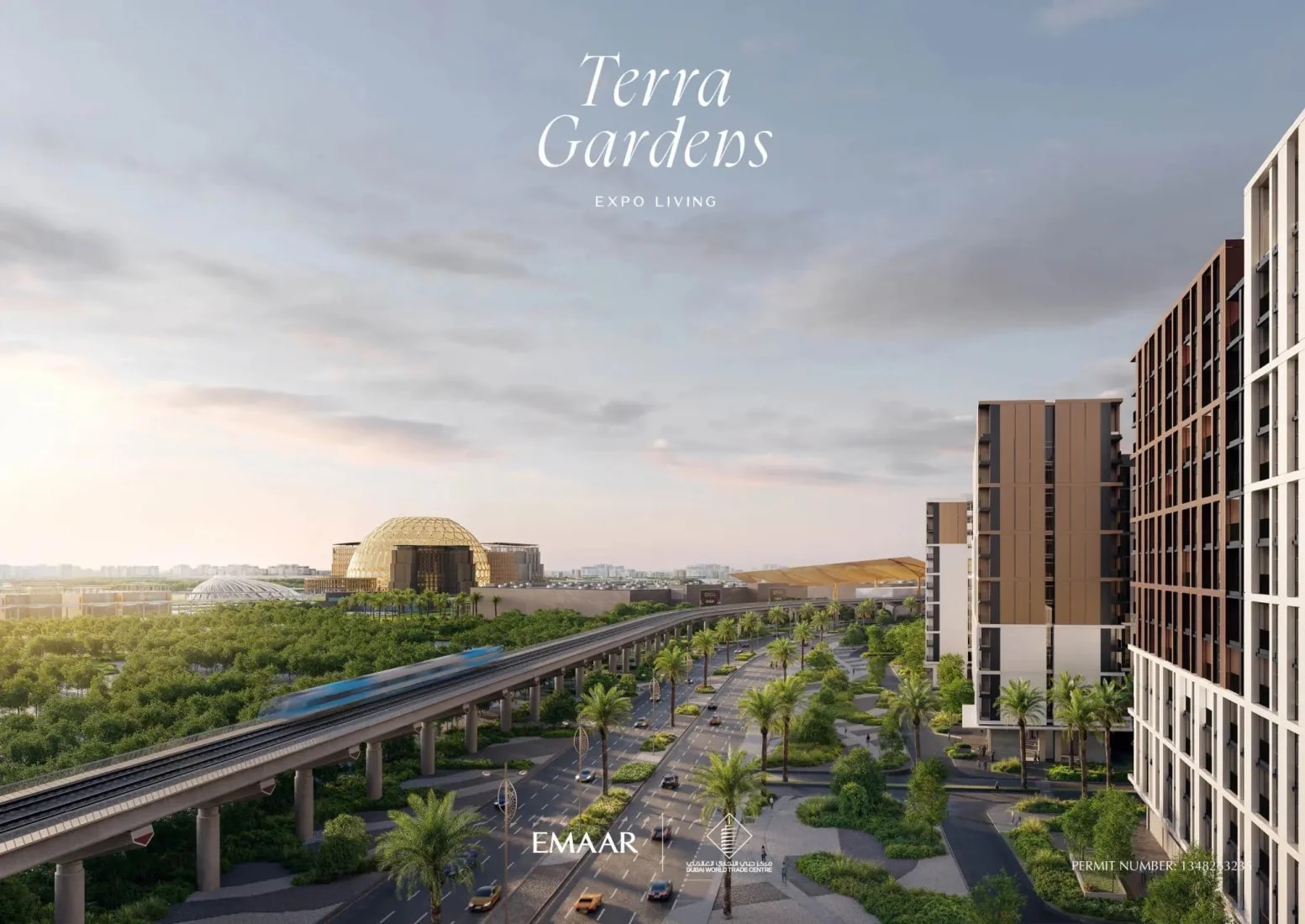
is the permanent mixed-use district built on the 4.38 square kilometre site of Expo 2020. When the event closed in March 2022, 80 percent of its physical infrastructure was retained and converted into a permanent destination including residential, commercial, retail, and institutional space. It sits at the northern edge of Dubai South, with direct Metro access via Route 2020 (an extension of the Red Line) and immediate Sheikh Mohammed Bin Zayed Road connectivity.
Expo City is not a Dubai South sub-area in name but functionally operates as one. Its master plan, scoring, and tenant base interact directly with the wider Dubai South residential thesis. For investors, it is the most premium and most master-planned product within the Dubai South footprint, priced 30-50 percent above the Pulse and Mag 5 baseline. This guide covers the investment case at the residential level.
What Expo City Anchors
Expo City hosted COP28 in November-December 2023, cementing it as the regional sustainability institutional hub. Permanent occupants include the COP secretariat-affiliated bodies, the Dubai Centre for Government Innovation, DEWA's R&D facility, and corporate sustainability tenants including Siemens. The Office of the UAE Special Envoy for Climate Change is anchored on-site.
The three legacy pavilions function as commercial and exhibition space: Terra (formerly the Sustainability Pavilion) houses sustainability programming, Alif (Mobility Pavilion) hosts mobility and transport tenants, and Vision (Opportunity Pavilion) hosts community and exhibition use. Al Wasl Plaza, the iconic 360-degree projection dome, hosts events year-round.
The institutional density of Expo City is unique inside Dubai South. The wider Dubai South community is anchored by airport and logistics employment. Expo City is anchored by sustainability institutions, government entities, and corporate ESG tenants. The two tenant bases overlap but are distinct.
The Expo Living Residential Pipeline
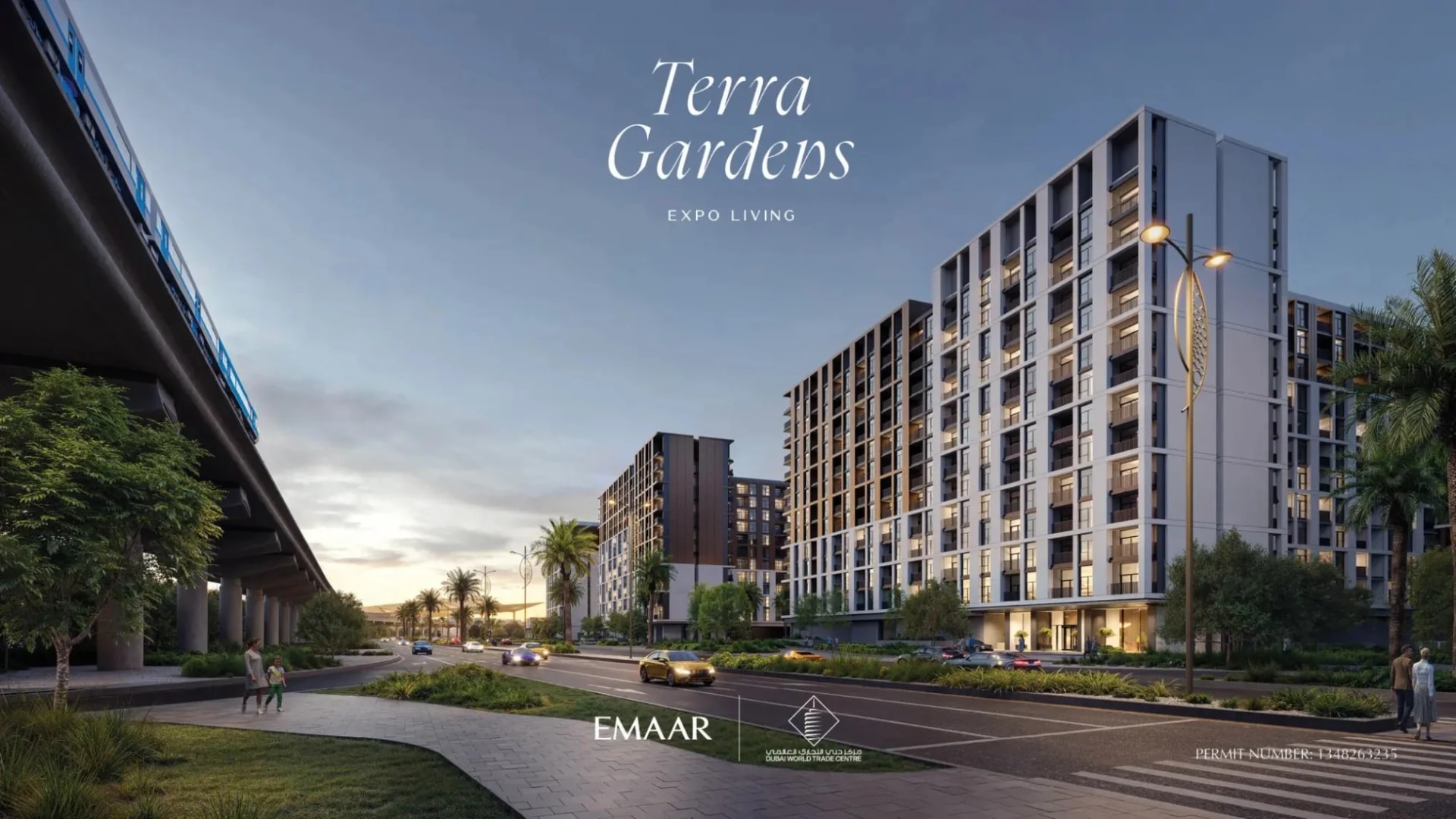
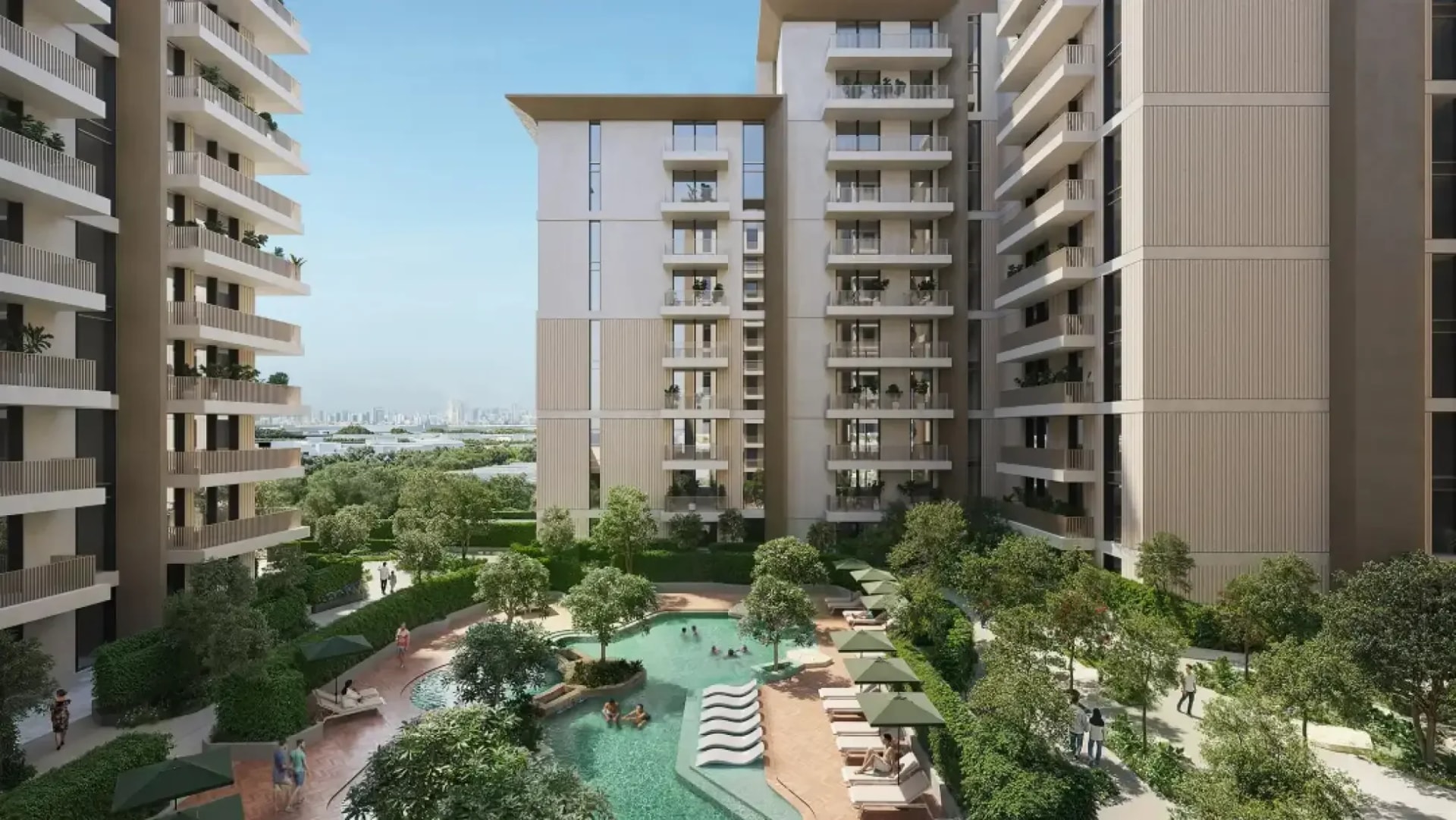
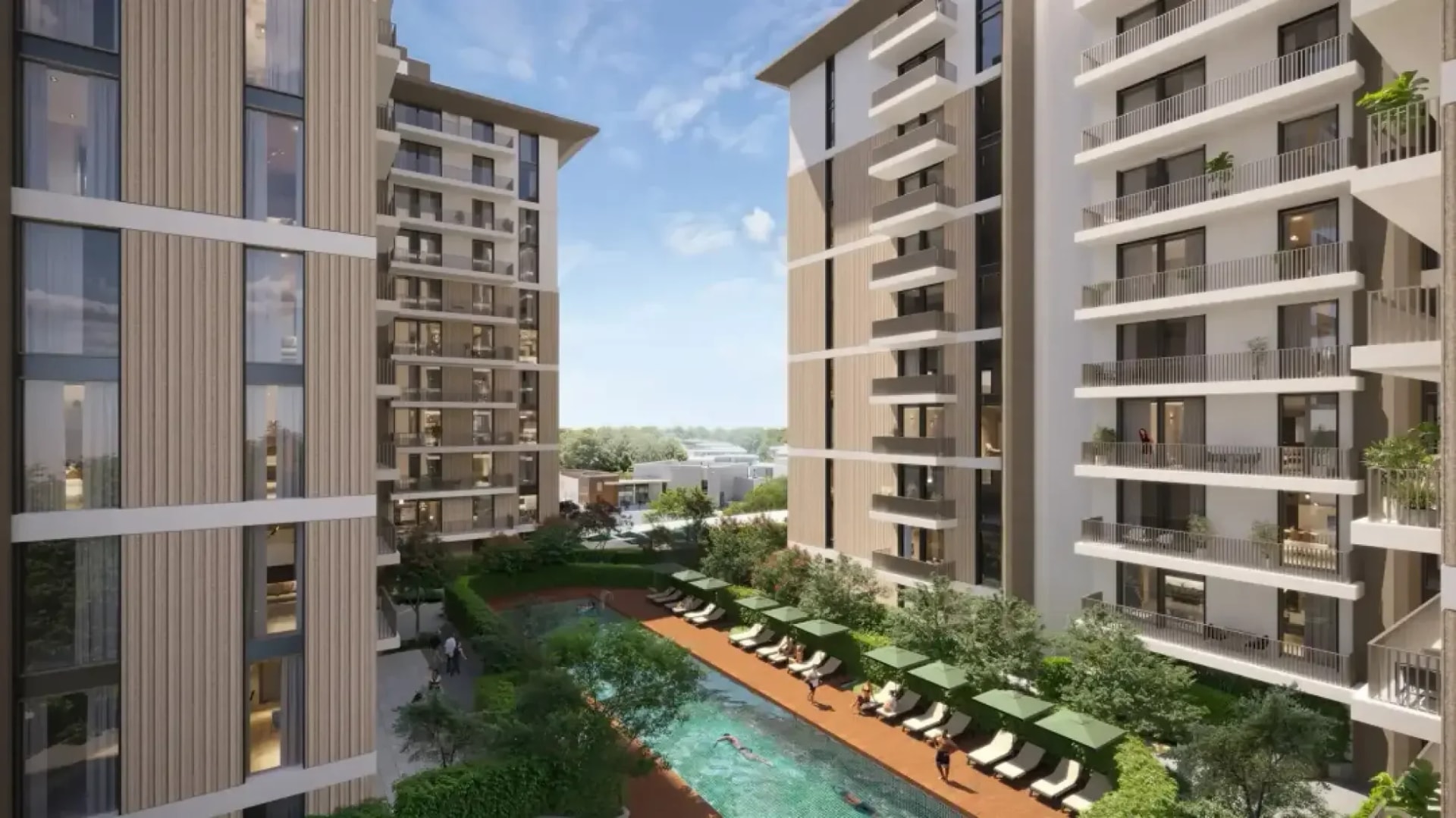
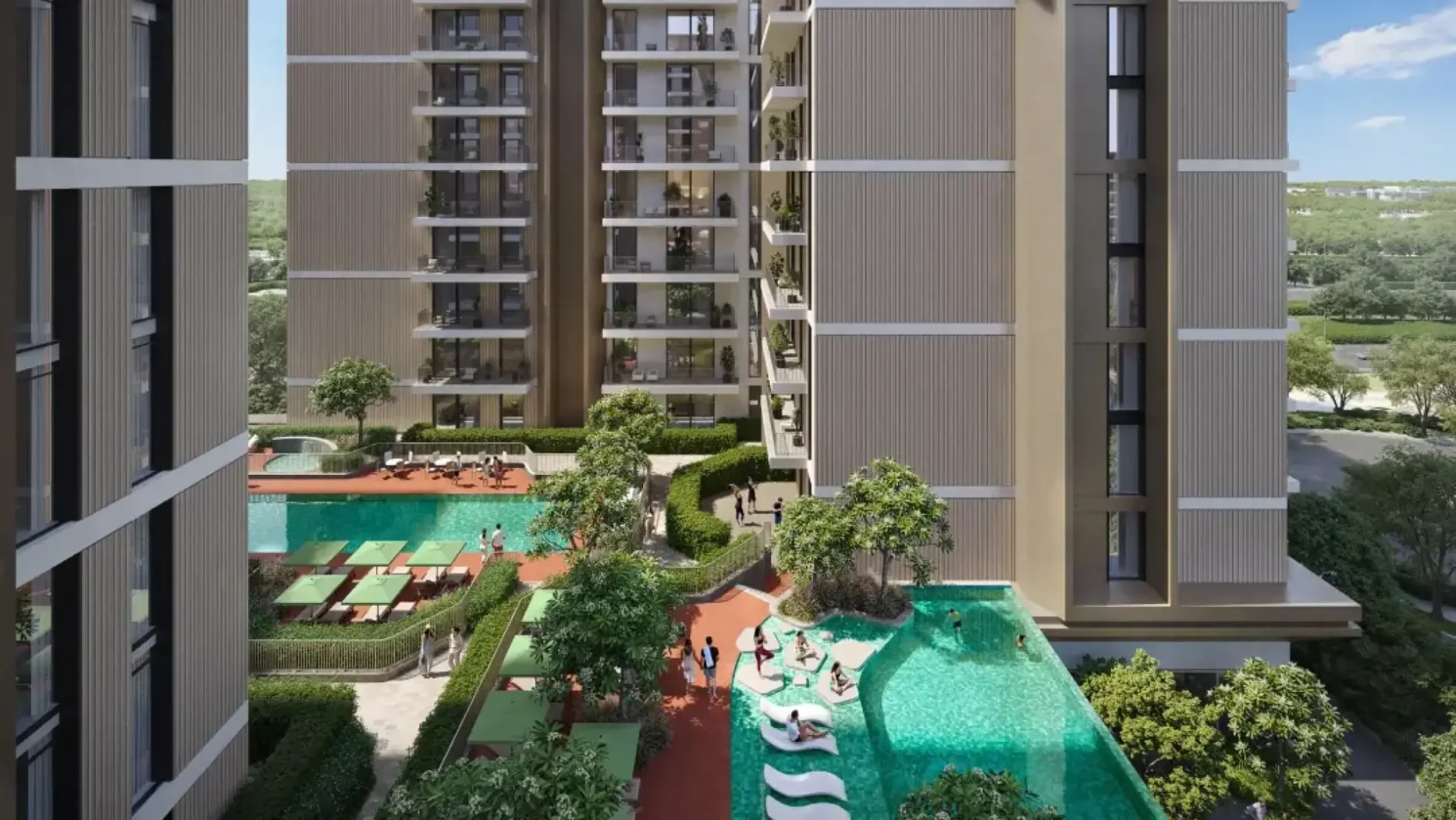
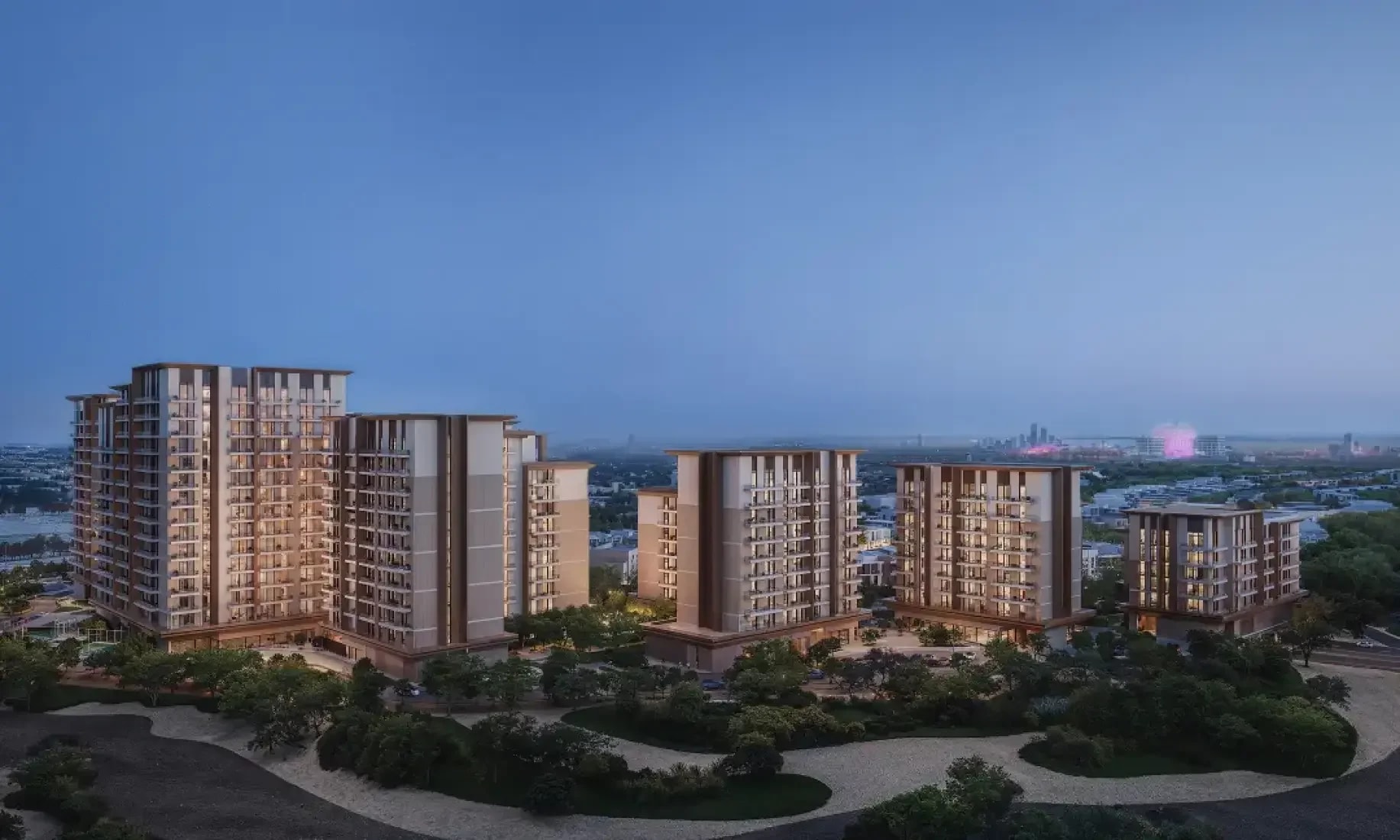
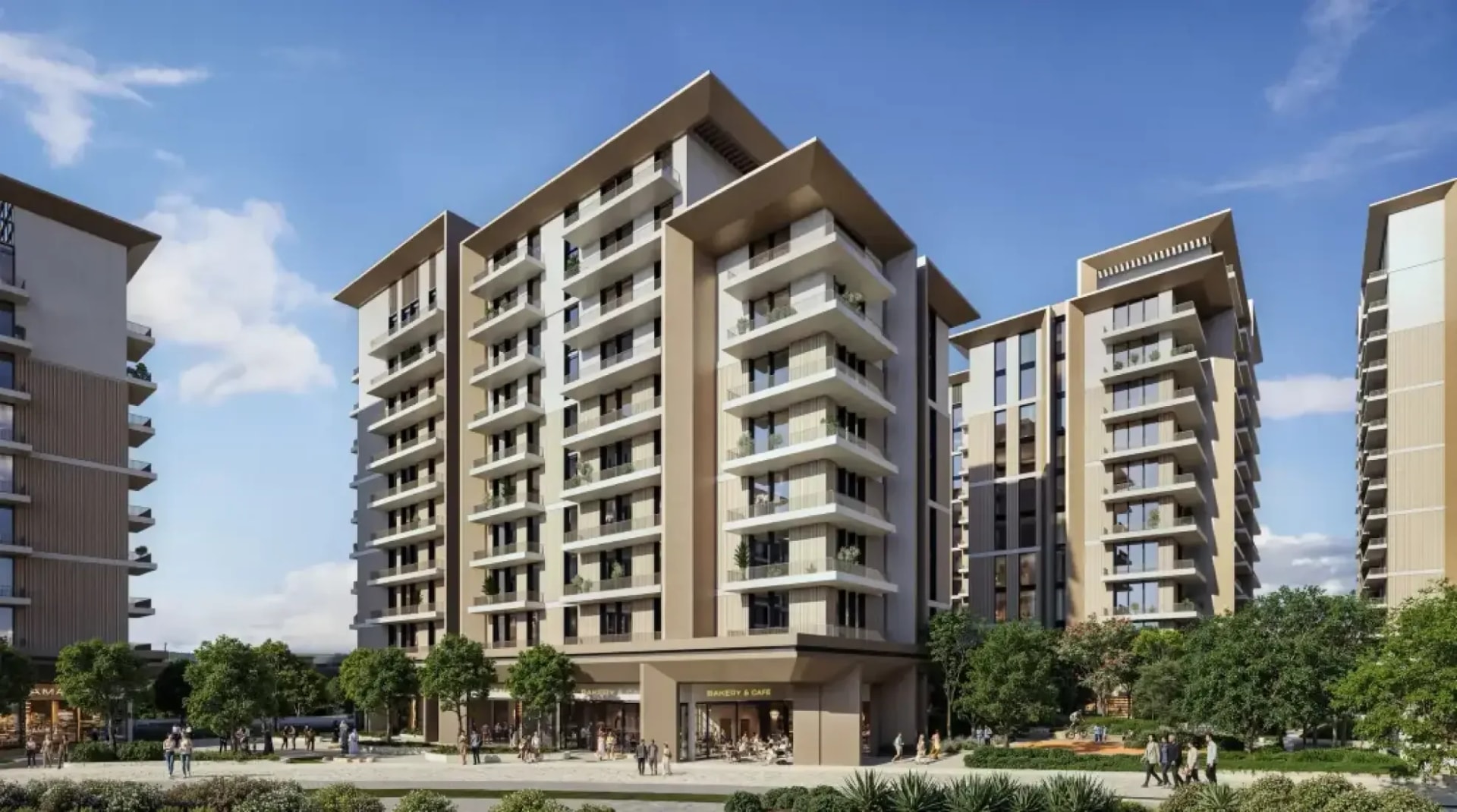
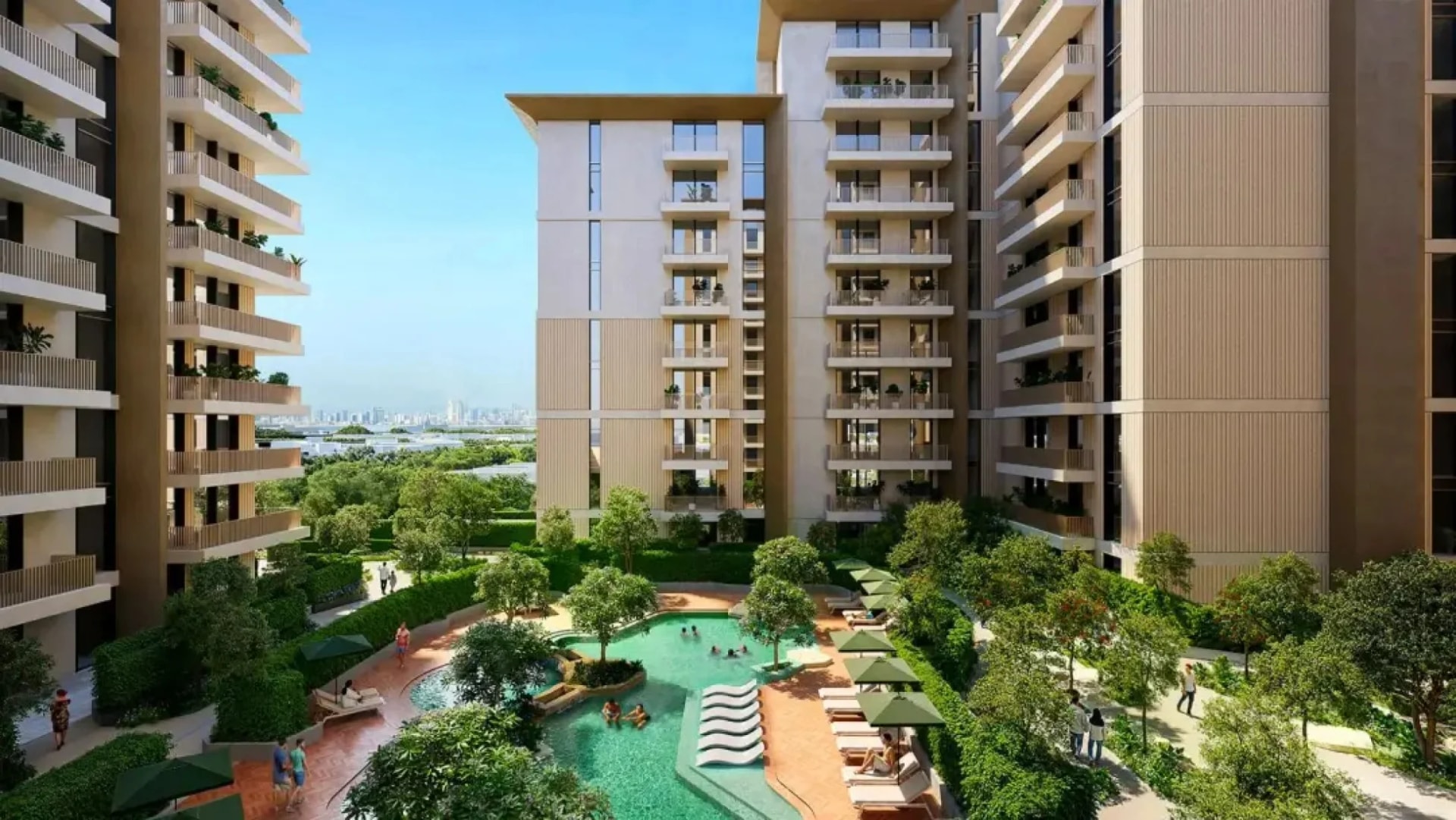
Residential development at Expo City is delivered under the Expo Living programme. The first phases include Sky Residences and Mangrove Residences, both LEED-certified, both featuring rooftop solar, district cooling, and full sustainability specification. Apartment sizes range from studios at 380-500 sqft to three-bedroom apartments at 1,500-1,900 sqft.
Pricing currently sits at AED 1,400-2,200 per square foot, with premium floors and view-corridor units at the top of the range. This is 30-50 percent above the wider Dubai South baseline of AED 950-1,600 per square foot, reflecting the master-planning standard, the institutional anchor, the LEED specification, and the immediate Metro access. The premium narrows for larger units, where the per-square-foot rate compresses but absolute prices remain higher.
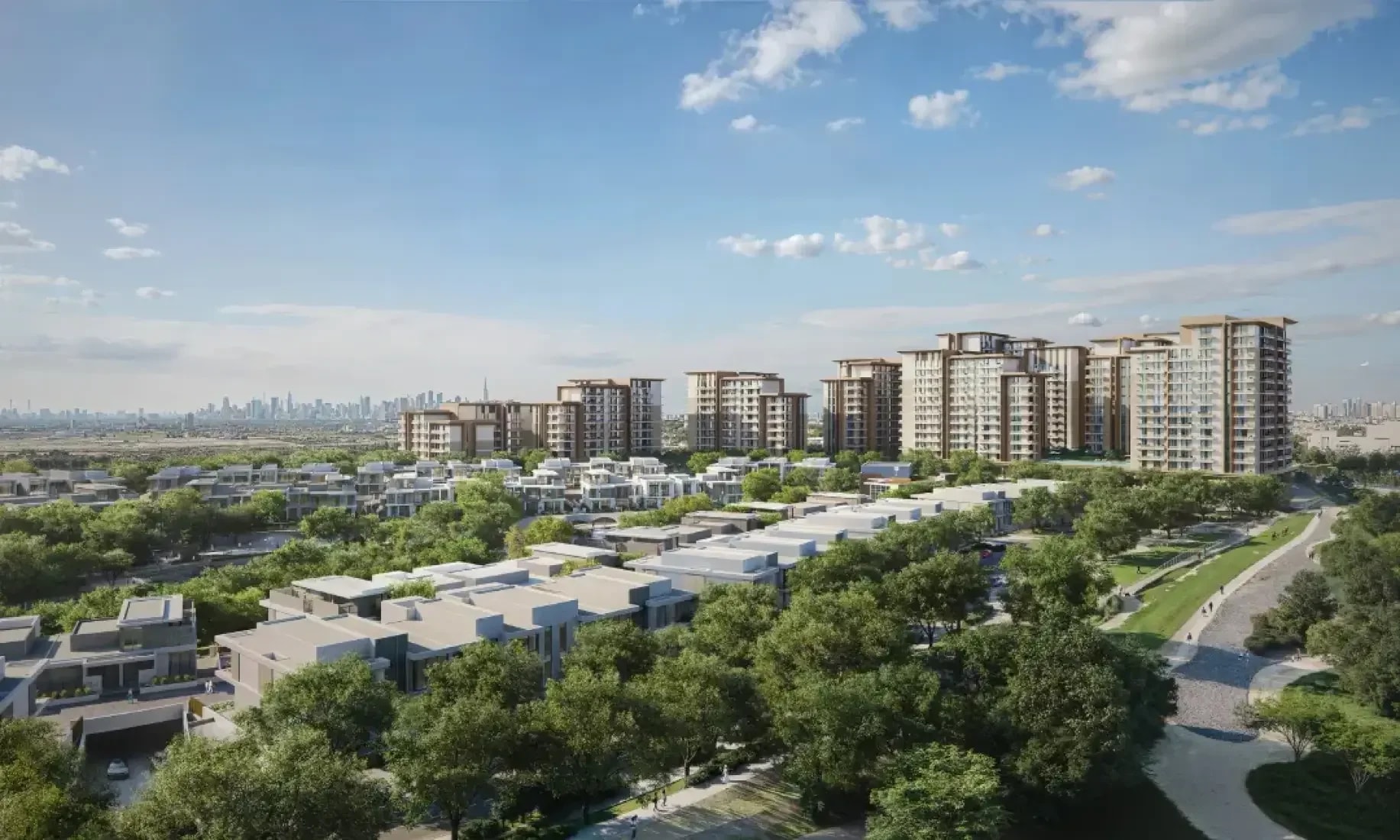
More phases are in pipeline through 2027-2030, with developer guidance pointing to a total residential inventory of 8,000-12,000 units at full build-out across the master plan.
Rental Yields at Expo City
| Unit type | Price (AED/sqft) | Annual rent (AED) | Gross yield |
|---|---|---|---|
| Studio | 1,800-2,200 | 50,000-75,000 | 6.0-7.0% |
| 1-bed apartment | 1,600-2,000 | 75,000-110,000 | 5.5-6.5% |
| 2-bed apartment | 1,500-1,900 | 110,000-160,000 | 5.5-6.5% |
| 3-bed apartment | 1,400-1,800 | 150,000-220,000 | 5.5-6.5% |
Yields are slightly lower than the wider Dubai South baseline because of the higher entry price, but they are stable and supported by the institutional and corporate ESG tenant base. The Metro premium and the sustainability specification give Expo City a meaningful tenant pull from professional renters and corporate housing decision-makers, which compresses vacancy.
Net yields after service charges (AED 14-22 per square foot, higher than Dubai South baseline due to LEED and district cooling), municipality fee, and management run roughly 3.5-5.5 percent.
Metro Access and Connectivity
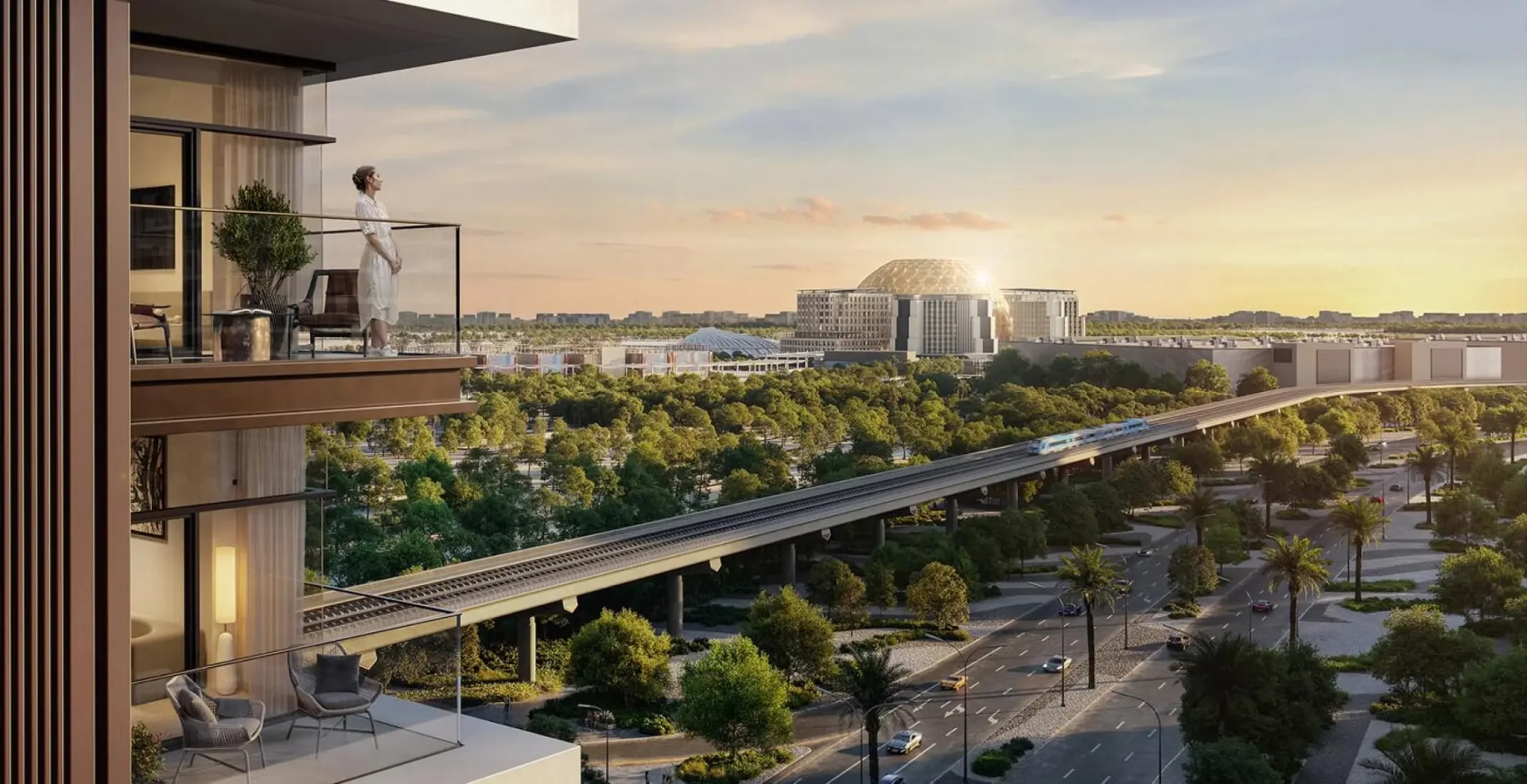
Expo 2020 Metro station is the southern terminus of Route 2020 (the Red Line extension). It connects directly to Jumeirah Lake Towers (JLT), Dubai Marina, Mall of the Emirates, Burj Khalifa/Dubai Mall, and Union station with one interchange. Travel time to Burj Khalifa/Dubai Mall is roughly 35-40 minutes by Metro.
This Metro connection is the single most important amenity differentiator versus the wider Dubai South community. The Pulse, Mag 5, and Emaar South residents use the Metro via car-and-park or feeder bus, Expo City residents walk to it. For tenants who prioritise Metro access (corporate professionals, single tenants without cars), Expo City is the only Dubai South residential option that delivers it.
Road access via Sheikh Mohammed Bin Zayed Road and Sheikh Zayed Road delivers off-peak commute to Downtown in 30-40 minutes, slightly better than the Pulse and Mag 5 because of the northern position within Dubai South.
The Sustainability Specification Premium
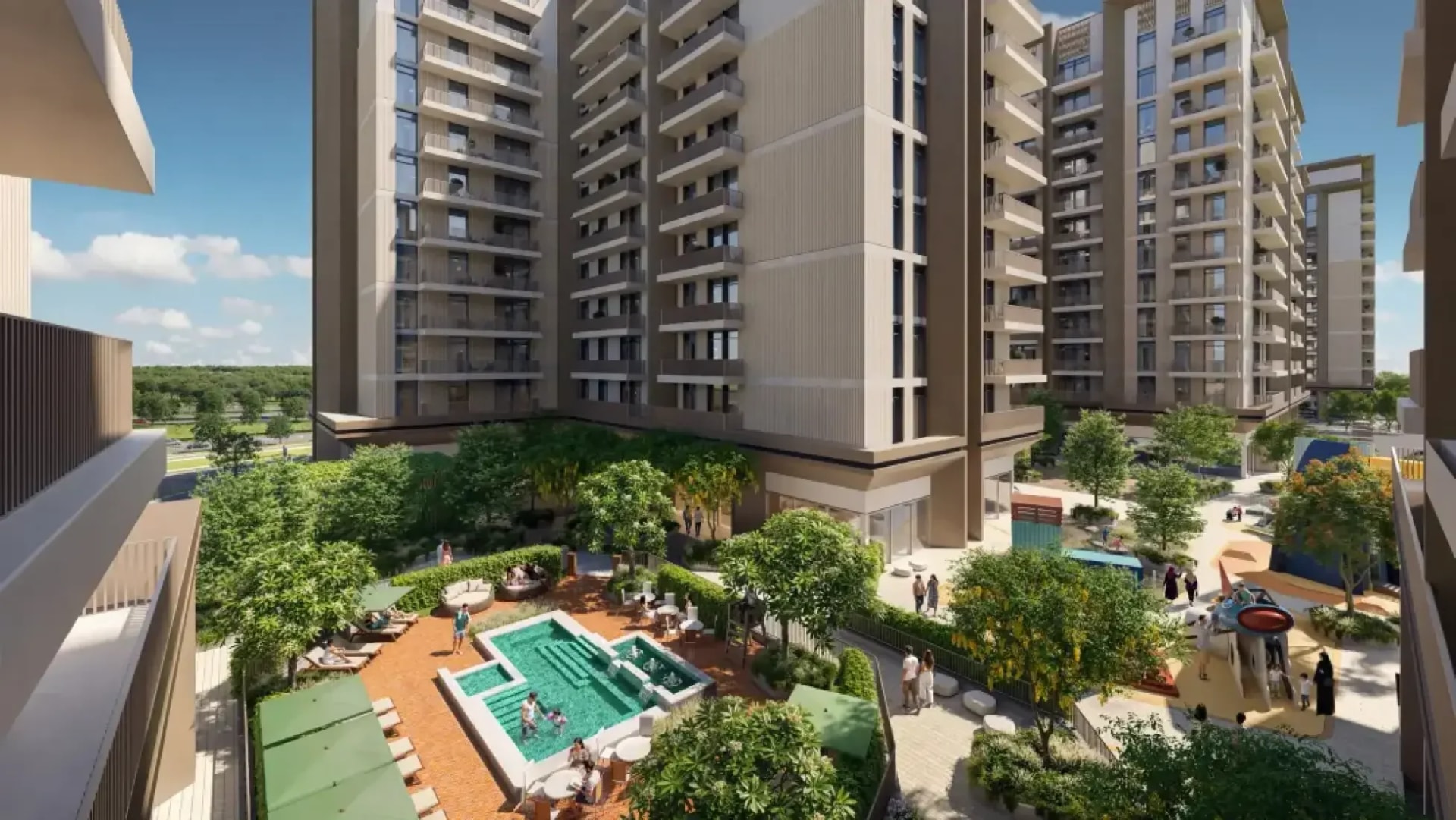
Expo City residential product is specified to LEED Gold or Platinum certification standards, with rooftop solar arrays on most buildings, district cooling, water-efficient fixtures, and raised insulation specifications versus Dubai-standard delivery. Operating costs for occupants are lower, particularly on cooling and electricity, which supports rent positioning.
From an investor perspective, the sustainability specification is a defensive moat: corporate ESG tenants increasingly require LEED-certified accommodation for their employees and visiting executives, and Expo City is one of the few Dubai sub-areas that delivers it at scale. As ESG procurement standards tighten, this premium widens.
Service charges run higher than the Dubai average because of district cooling and the spec. Verify the Owners Association service charge schedule before purchase and model it into your net-yield calculation.
The Expo City Investment Thesis
Expo City is the premium-yield play within Dubai South. You pay 30-50 percent more on a per-square-foot basis to capture: (i) Metro access at the doorstep, (ii) a LEED-certified sustainability specification with corporate ESG tenant pull, (iii) institutional anchor density (COP-related, government, DEWA, Siemens), and (iv) a master-planned tree-canopy and urban-design quality the wider Dubai South community has not yet matched.
The trade-off versus the wider Dubai South community is: lower headline gross yield (5.5-7 percent versus 6.5-9 percent in Pulse), higher service charges, and a less direct exposure to the airport-employment thesis (the airport tenant base is closer to Pulse and Mag 5 by road).
Investors who prioritise Metro-connected premium positioning, ESG tenant exposure, and master-plan quality should lean Expo City. Investors who prioritise yield maximisation and airport-thesis purity should lean Pulse, Mag 5, or Emaar South.
Who Expo City Works For
Premium yield investors who want the highest-spec product within Dubai South and are willing to accept a slightly lower gross yield for stability. Expo City is the cleanest institutional-quality residential product in the southern corridor.
ESG-aligned investors and family offices that want a sustainability story embedded in their real estate allocation. The LEED specification and Expo legacy make Expo City a natural fit for ESG mandates.
Metro-prioritising tenants and second-home buyers. If you want a Dubai South position you can use yourself, Metro access is the single largest day-to-day quality of life uplift. Expo City delivers it, the rest of Dubai South does not.
Investors building a Dubai 2040 sustainability-themed portfolio. Expo City is the most concentrated ESG-narrative real estate position available in Dubai today.
Expo City vs the Wider Dubai South
| Metric | Expo City | The Pulse / Mag 5 | Emaar South |
|---|---|---|---|
| Apartment price (AED/sqft) | 1,400-2,200 | 950-1,400 | 1,200-1,700 |
| Apartment gross yield | 5.5-7% | 7.0-9.0% | 6.0-7.5% |
| Service charge (AED/sqft) | 14-22 | 10-16 | 12-18 |
| Metro access | Walking distance | Drive 10-15 min | Drive 15-20 min |
| LEED certification | Yes | No | Partial |
| Tenant base | Institutional, ESG, professional | Airport, logistics, families | Family, golf, professional |
| Build-out maturity | Early phases delivered | Mature anchor | Mid maturity |
The differential between Expo City and the wider Dubai South is real. Expo City pays for premium positioning, Pulse and Mag 5 deliver maximum yield, and Emaar South sits in the middle. None of the three is strictly better, and which to allocate to depends on the investor's specific yield, appreciation, and tenant-base priorities.
Tenant Profile and Lease Dynamics
Expo City attracts a distinct tenant base versus the wider Dubai South. The institutional anchors (DEWA R&D, Siemens, COP-related bodies, government innovation centres) provide a steady professional tenant pull. Corporate ESG mandates increasingly require LEED-certified accommodation for visiting executives and relocating staff, which channels rental demand specifically toward Expo Living towers.
Lease dynamics tilt toward longer initial terms (24-month leases with annual renewal clauses are common for corporate-housing tenants) and stronger renewal rates than the wider Dubai South. Vacancy assumptions of 3-4 percent are realistic for well-positioned units, lower than the 4-6 percent baseline for Pulse and Mag 5 apartments.
The trade-off is a smaller tenant pool. The premium positioning narrows the demand funnel to professional and corporate-housing budgets, which is positive for stability and rent retention but limits flexibility on positioning if the corporate housing demand cycle softens. Investors should pre-screen building positioning for proximity to the institutional anchors and Metro station entry points.
Amenity Grid and Daily Lifestyle
Expo City's amenity grid was designed in advance as part of the master plan, which is unusual for a Dubai sub-area. The pavilions function as walkable destinations: Terra hosts public sustainability programming and family-friendly exhibition use, Alif hosts mobility-themed events, Vision hosts opportunity-focused community programming. Al Wasl Plaza delivers year-round events, F&B, and a destination centre to the residential clusters.
Day-to-day amenities including grocery, F&B, clinic, and fitness are layered into the Sky Residences and Mangrove Residences ground floors. The amenity layer is denser and more walkable than The Pulse or Emaar South, which are car-dependent for most daily errands. For tenants who prioritise walkability, this is a meaningful uplift.
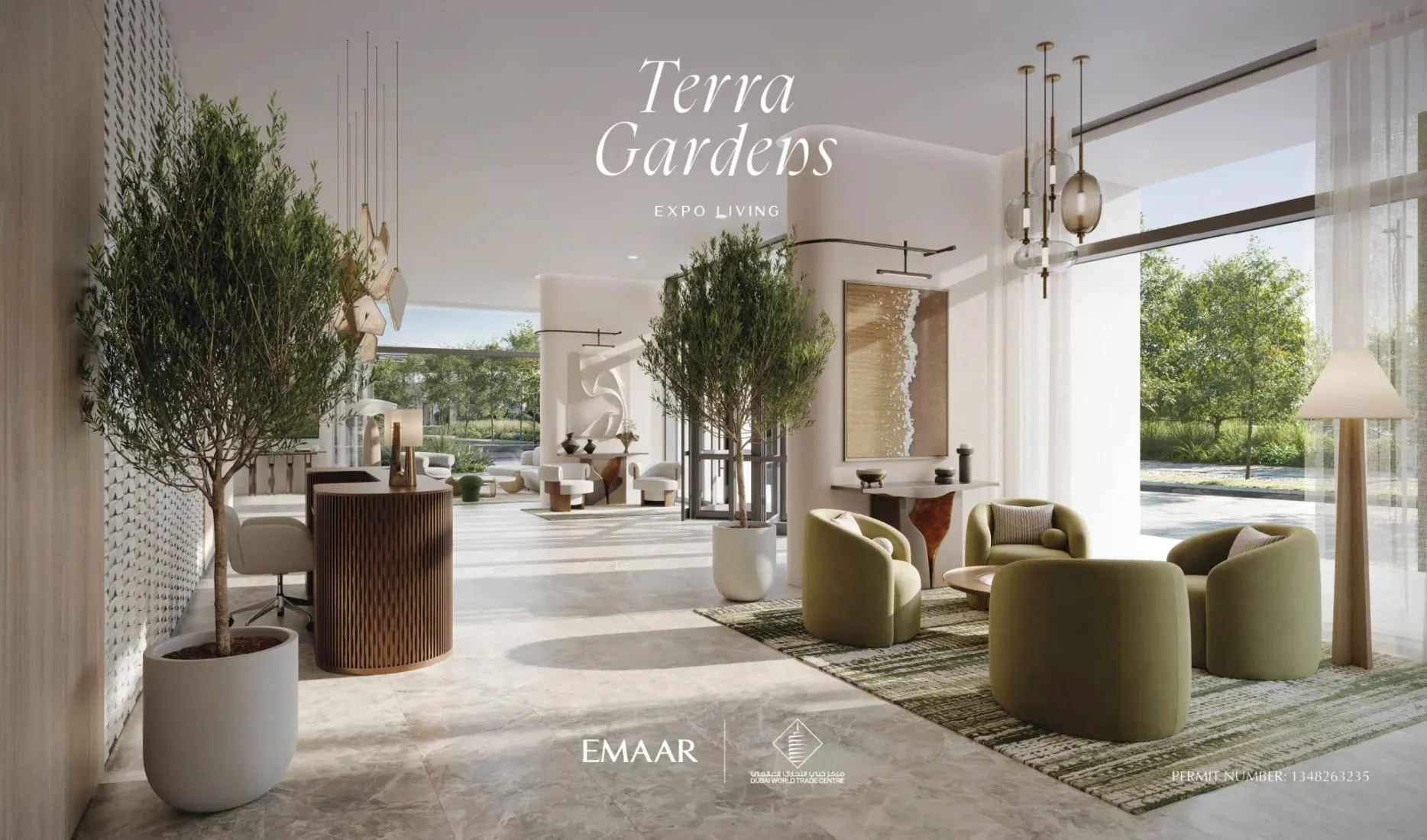
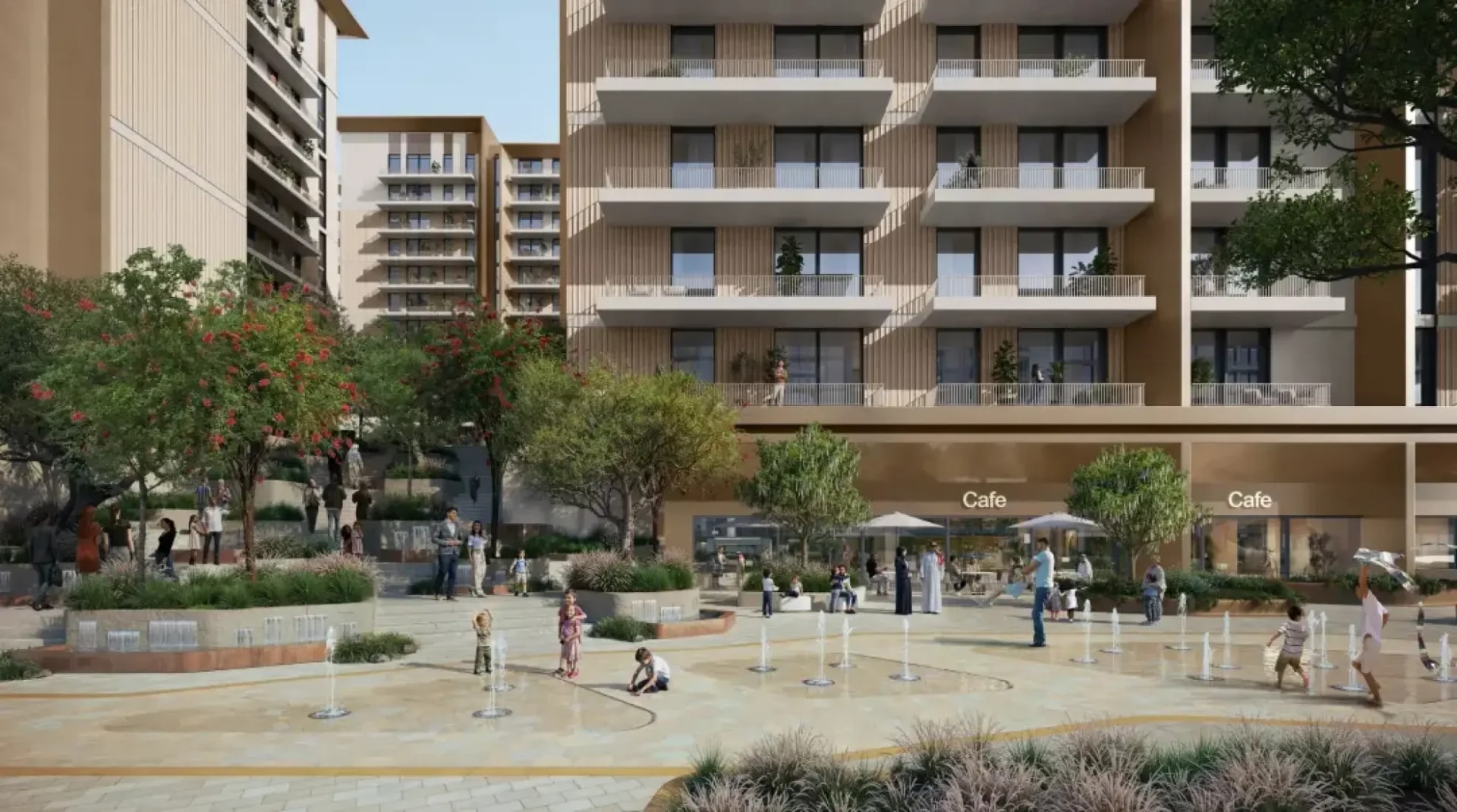
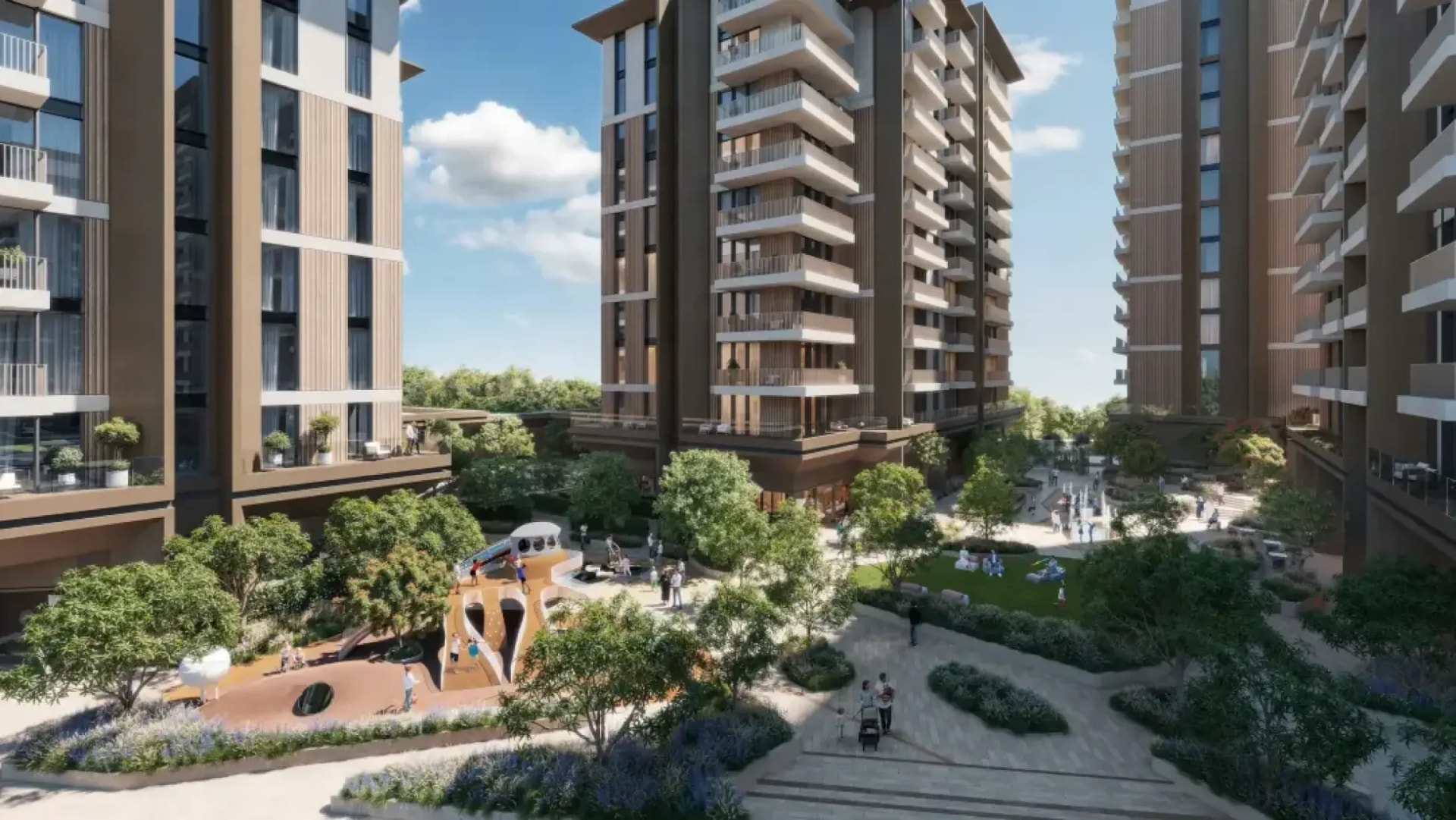
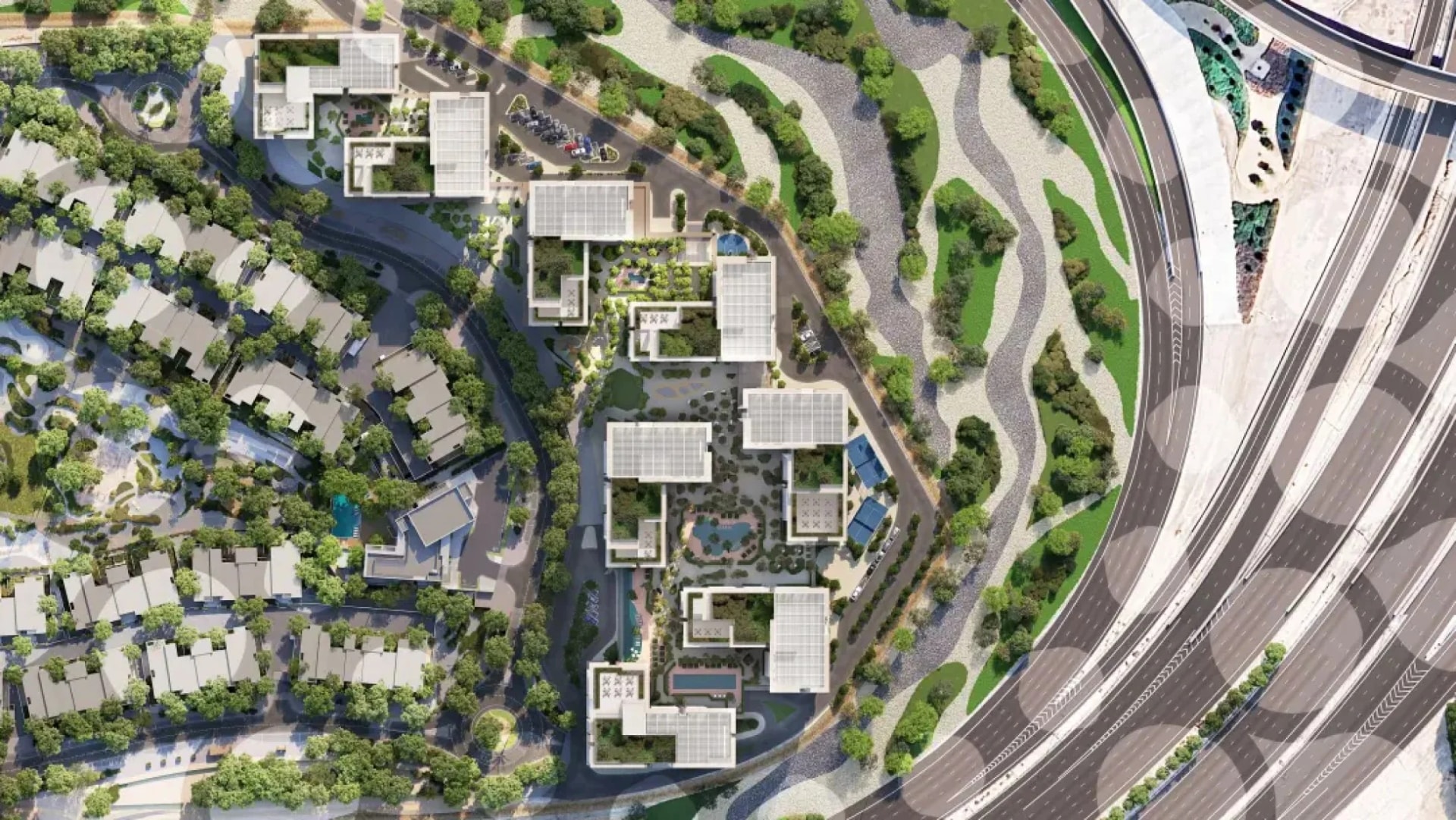
Tree canopy and urban-design quality are visibly higher than the wider Dubai South community. The legacy infrastructure was built to LEED standards with shaded walkways, cooling water features, and green corridors. This translates into a residential lifestyle quality that supports premium rent positioning.
How to Invest in Expo City Through Oliva
Oliva tracks Expo Living residential phases at the listing level, including LEED certification status, district cooling tariff, projected service charge, and yield estimate against Dubai South Pulse and Mag 5 alternatives. Each listing carries a full Oliva Score with the sustainability premium reflected in the location and building quality components.
Read our full Dubai South investor guide for the wider master-plan context and browse Expo City and Dubai South properties on Oliva.
Frequently Asked Questions
What is Expo City Dubai?
Expo City Dubai is the permanent 4.38 sqkm mixed-use district built on the Expo 2020 legacy site at the northern edge of Dubai South. It retains 80 percent of the original Expo 2020 infrastructure including Al Wasl Plaza and the three pavilions (Terra, Alif, Vision), and hosts COP28-related institutions, government bodies, corporate ESG tenants, and the Expo Living residential programme.
How much do Expo City apartments cost?
Apartment pricing currently sits at AED 1,400-2,200 per square foot, with premium floors and view corridors at the top of the range. This is 30-50 percent above the wider Dubai South baseline of AED 950-1,600 per square foot, reflecting the LEED sustainability specification, Metro access, and master-plan standard.
What rental yields can Expo City deliver?
Apartment gross yields run 5.5-7 percent, with studios at the top of the range. Net yields after service charges (which are higher than Dubai average due to district cooling and LEED specification), the 5 percent municipality fee, and management run roughly 3.5-5.5 percent.
Does Expo City have Metro access?
Yes. Expo 2020 Metro station is the southern terminus of Route 2020, the Red Line extension. It provides direct Metro access to Jumeirah Lake Towers, Dubai Marina, Mall of the Emirates, Burj Khalifa/Dubai Mall, and Union station. Expo City is the only Dubai South residential sub-area with walking-distance Metro access.
Is Expo City a better investment than the wider Dubai South?
It depends on your priorities. Expo City delivers higher specification, Metro access, LEED certification, and institutional anchor density at a 30-50 percent price premium. The wider Dubai South (Pulse, Mag 5, Emaar South) delivers higher gross yield and more direct airport-thesis exposure. Investors who prioritise premium positioning and Metro lean Expo City. Investors who prioritise yield maximisation lean the wider Dubai South. Both are valid.
Explore further
The project, area, and developer this post covers, with live Dubai Land Department data.
Related articles
Dubai South: Complete Investor Guide 2026

Dubai South vs Damac Hills: Investor Comparison 2026

Dubai South Villa vs Apartment Yield Analysis 2026

Al Maktoum Airport Impact on Dubai South Property 2026
Dubai Land Department: The Complete 2026 Investor Guide
Wadi Al Safa 5 investor area guide: around Nuve by Zoya (2026)
Related Dubai property analysis from the Oliva editorial team.