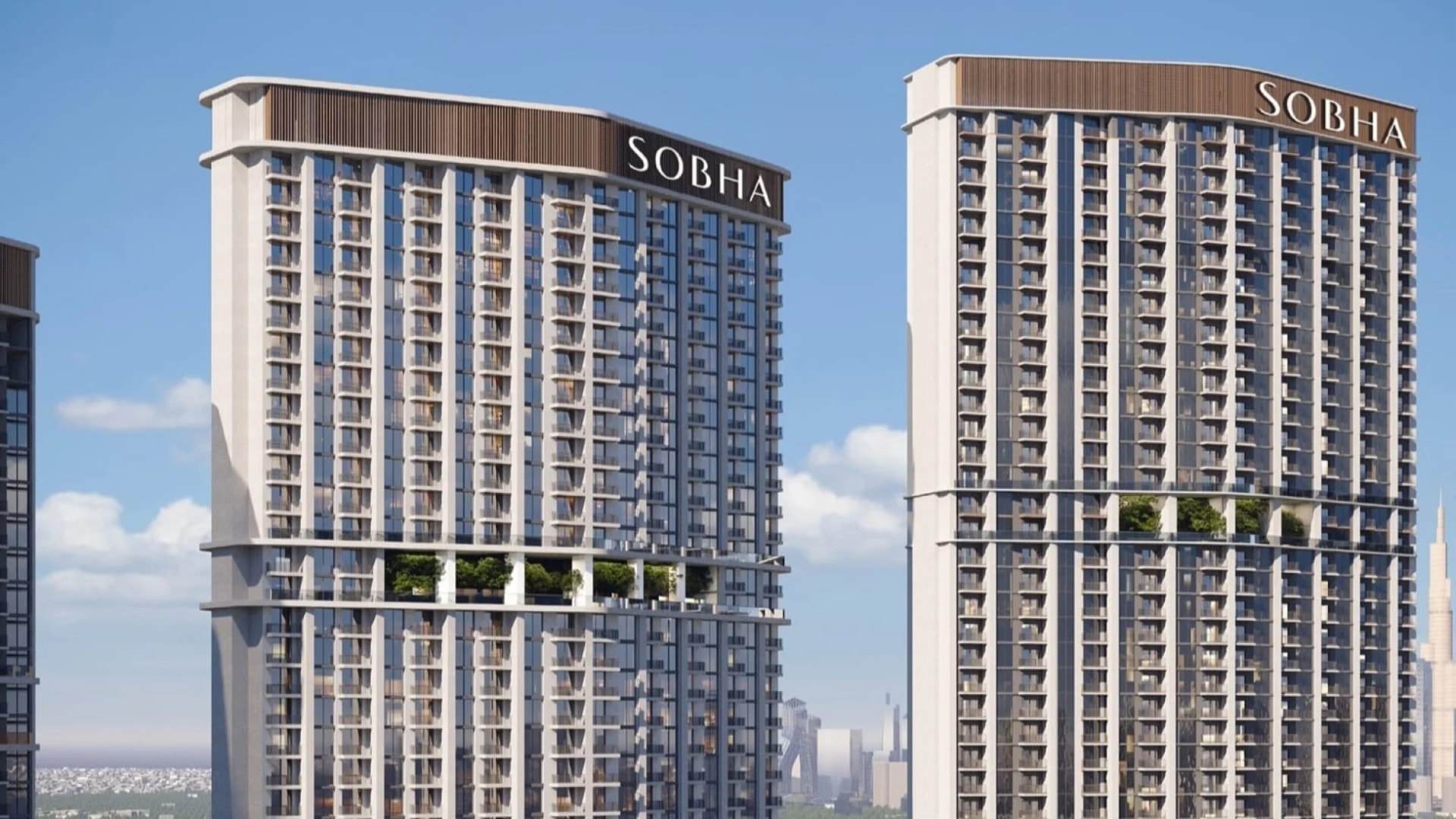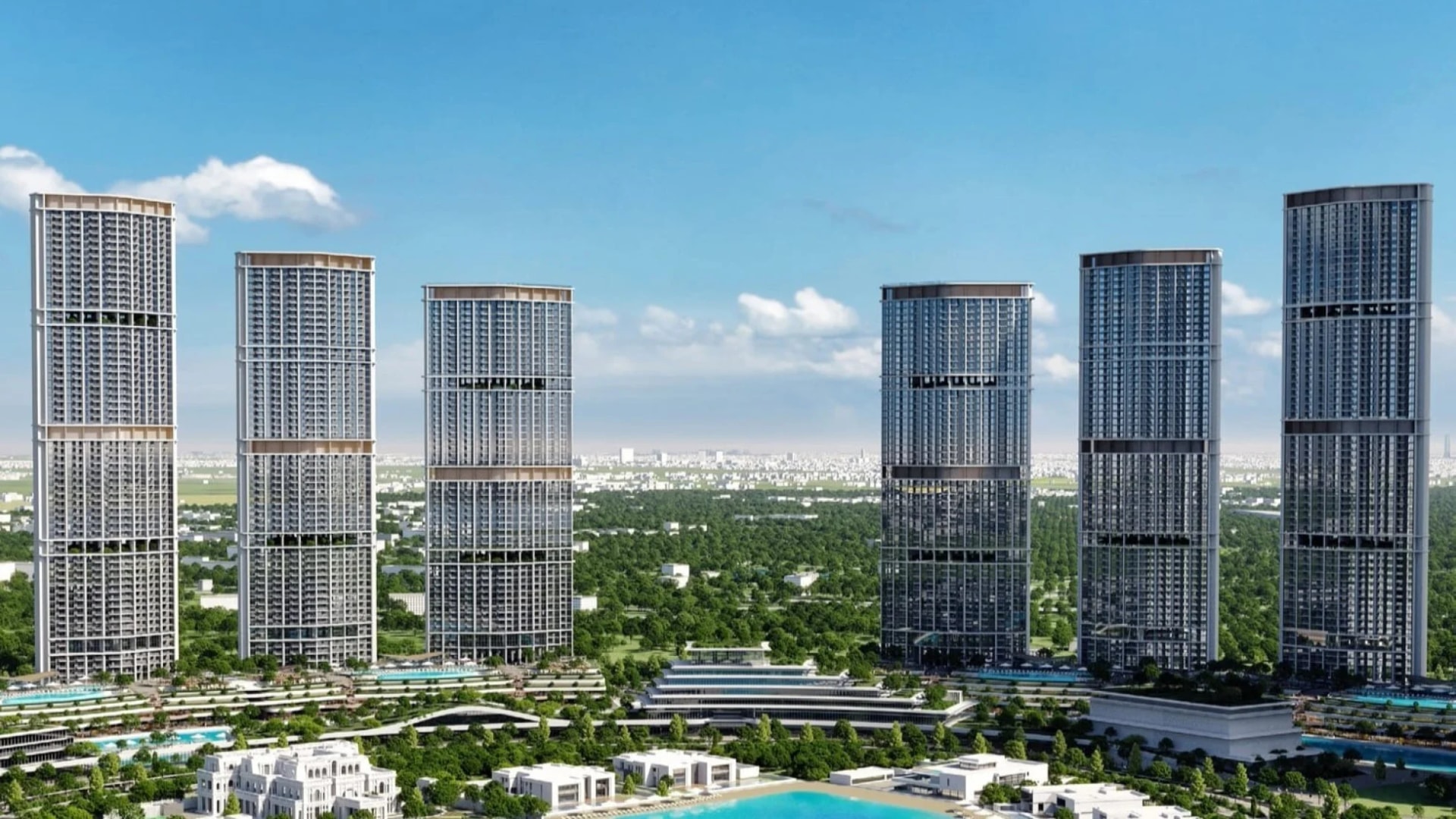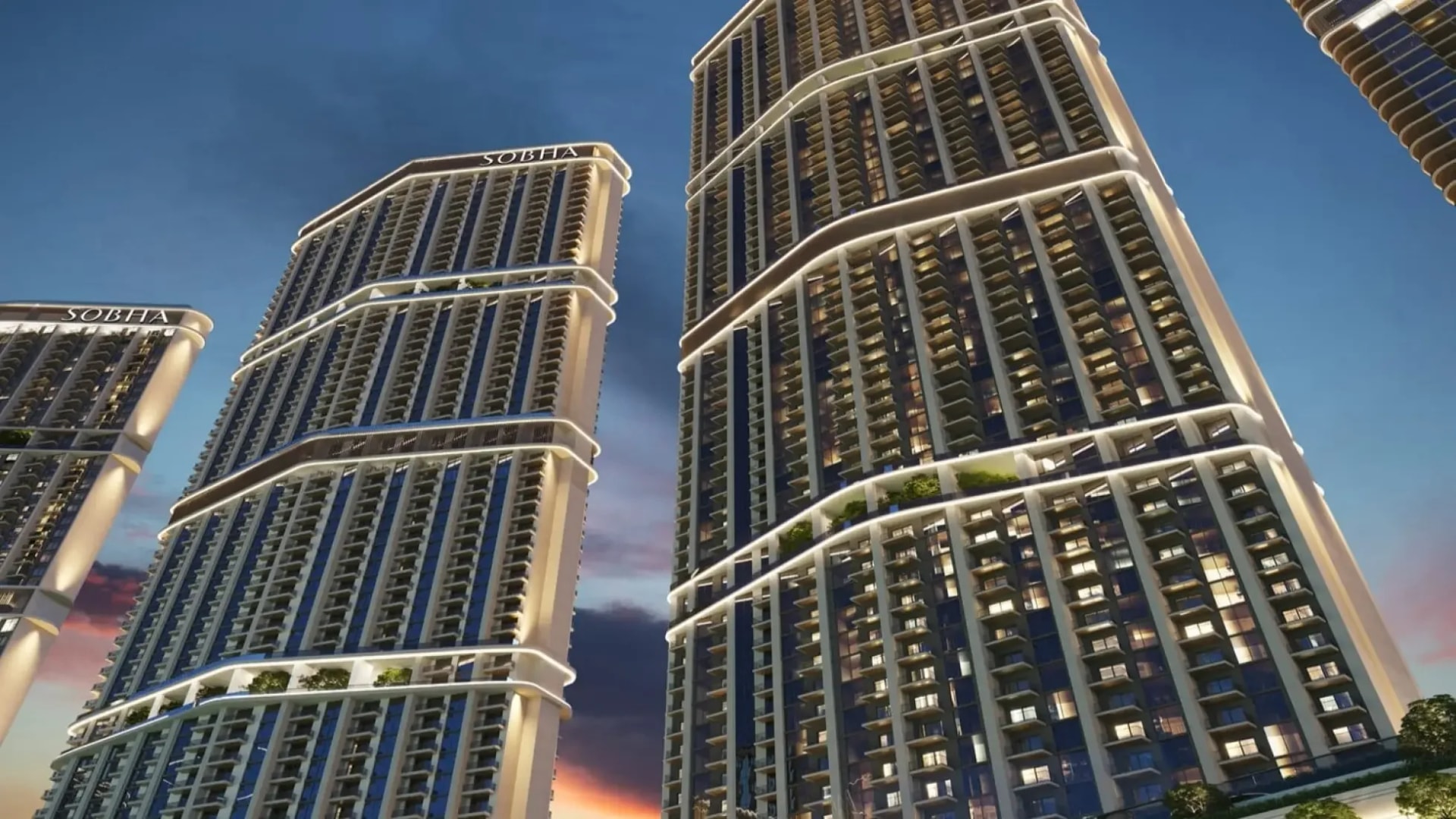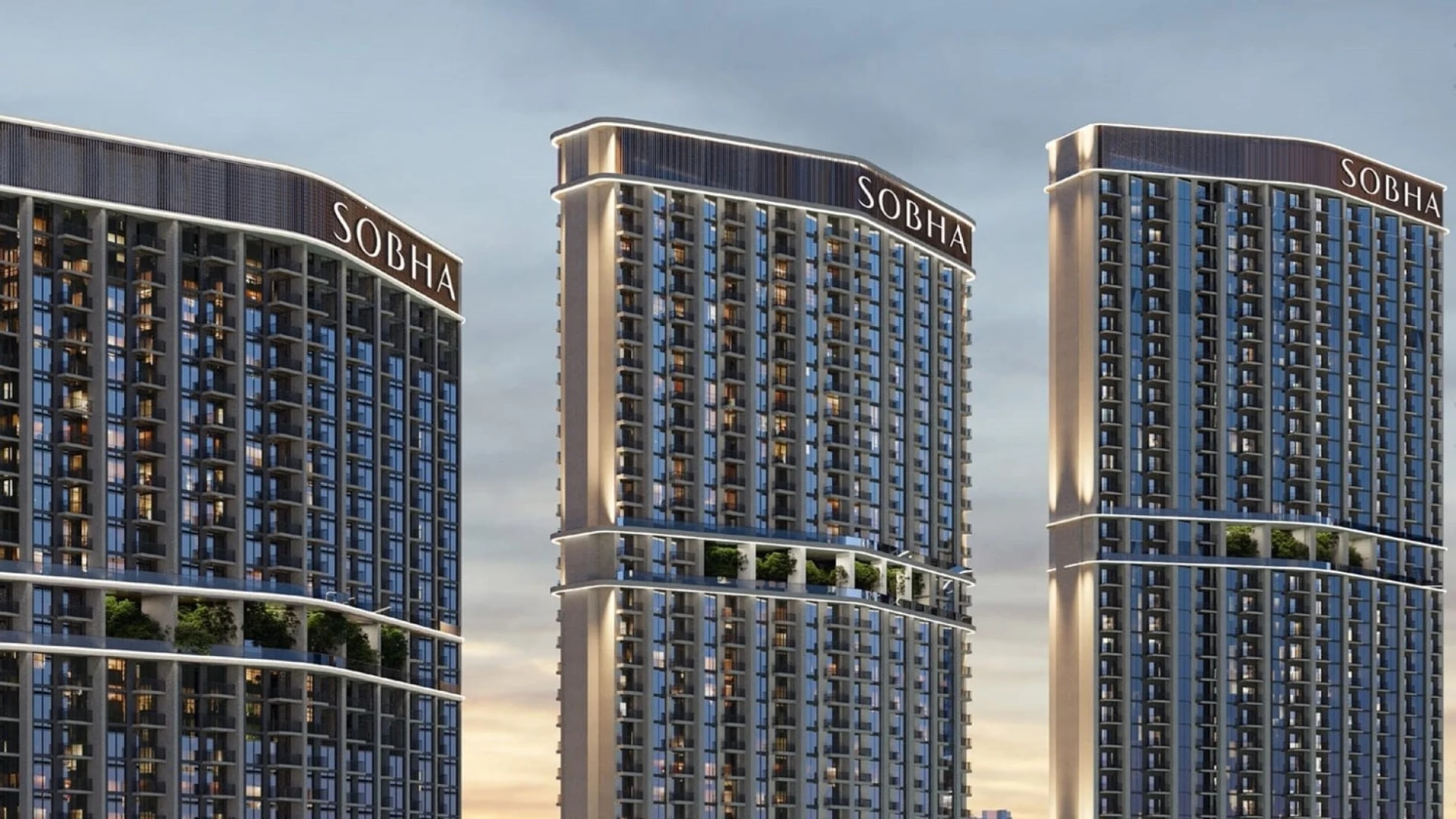

Underwrite before you commit
The figures in this post are checked against Dubai Land Department records and RERA filings. Get an independent underwriting score on any project, or ask Javier on WhatsApp.
Key Takeaways on Sobha Hartland Investment
Superior Yields with Institutional Protection: Dubai, and specifically Sobha Hartland, offers rental yields of 5-7%, a significant premium over Western markets like London (2-3%). This comes with robust protections such as a transparent land department, enforceable tenancy laws, and a stable currency peg to the US dollar.
High-Quality Tenant Base Reduces Vacancy: The community attracts mid-to-senior professionals and expatriate families who value the proximity to international schools. This leads to longer tenancy periods and lower turnover costs, directly improving your net returns.
Premium Pricing Justified by Reduced Risk: While properties may cost more than in competing developments, the premium is justified by completed infrastructure, operational schools, and a proven delivery record from Sobha Realty. This means your capital generates income immediately, avoiding the risks of off-plan construction delays.
Strategic Location Drives Demand: Situated just 10-15 minutes from Downtown Dubai and Business Bay, the location provides convenient access to major employment hubs, making it highly attractive to the target professional tenant pool.
Use Can Amplify Returns: With financing of up to 75% loan-to-value available, you can significantly increase cash-on-cash returns on apartments to over 8%. However, this also magnifies potential losses if the market declines.
Villas Offer Capital Growth: While apartments provide higher immediate cash yields, villas are positioned for stronger long-term capital appreciation due to supply constraints for premium family housing in Dubai.
Clear and Unrestricted Exit Strategy: The UAE has zero capital gains tax and no restrictions on repatriating your funds. The sales process is transparent and regulated by the Dubai Land Department, providing a clear exit path for your investment.
Market Overview: Sobha Hartland Investment Returns
Let's talk about the actual problem facing investors in traditional Western markets right now, because it's gotten pretty stark over the last few years. You've got capital sitting in London earning maybe 2-3% if you're lucky and everything goes perfectly, while Manhattan's somehow even worse at sub-2%, and neither of these figures are really keeping pace with inflation in any meaningful way. Definitely not generating the kind of cash flow that lets you compound your portfolio or fund other priorities without constantly injecting new capital.
Dubai in general, and Sobha Hartland in particular, gives you something fundamentally different from that equation. You're getting real geographic diversification into a growing market, but you're not sacrificing the institutional protections that make Western investors comfortable deploying significant capital in the first place. The UAE spent the last couple of decades deliberately building regulatory infrastructure that actually works rather than exists purely on paper, which matters enormously when you're moving six or seven figures into a foreign jurisdiction.
Dubai Land Department maintains proper title registries that you can verify yourself online without needing local connections or fixers. RERA enforces tenancy laws consistently, and they really do enforce them rather than letting disputes drag on for years in corrupt court systems. Escrow accounts protect your money on off-plan purchases through regulated banks, not developer-controlled accounts that mysteriously empty if things go sideways. And the AED is firmly pegged to the dollar at 3.67, which means you're not gambling on currency swings wiping out years of rental income overnight.
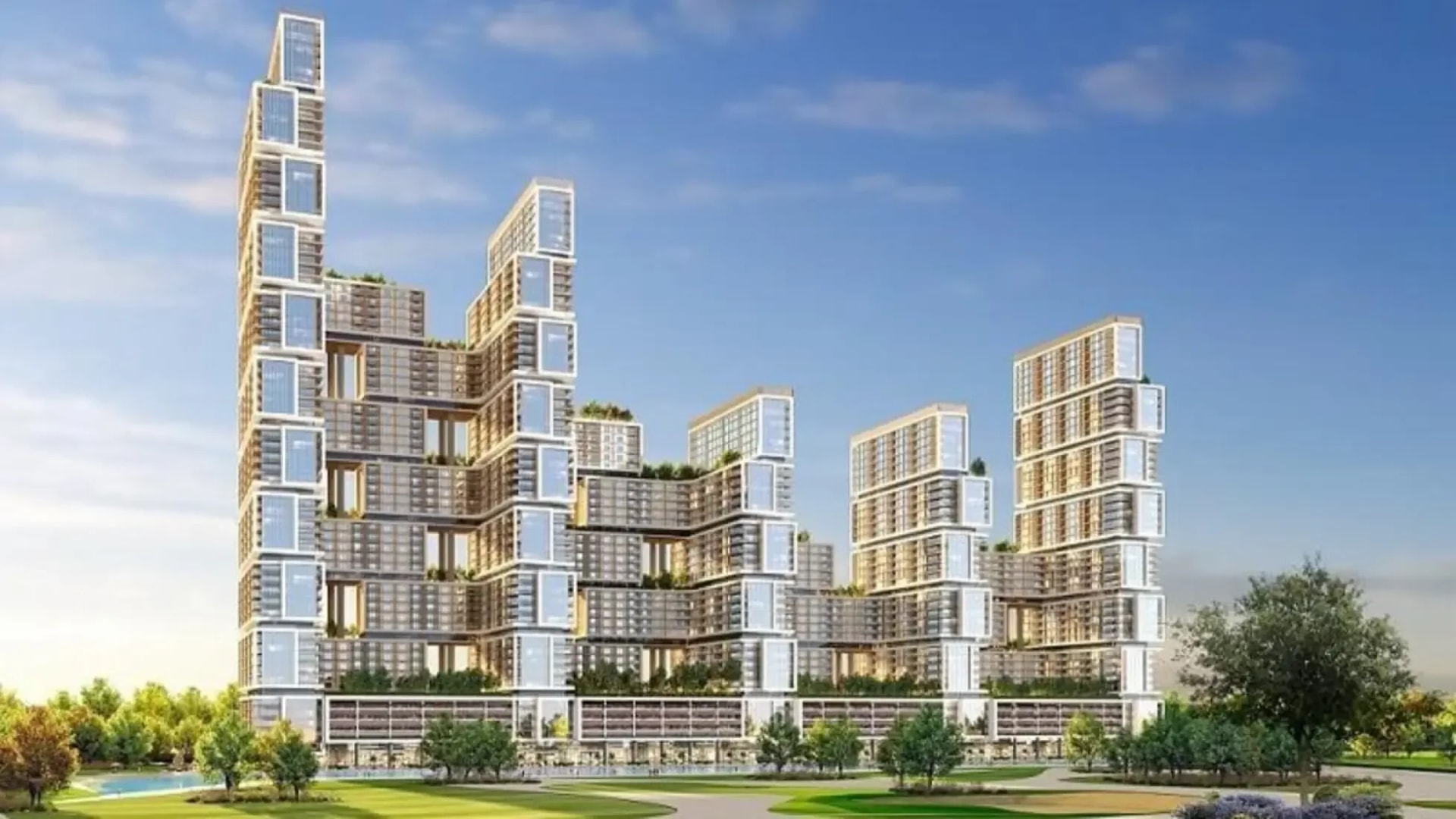
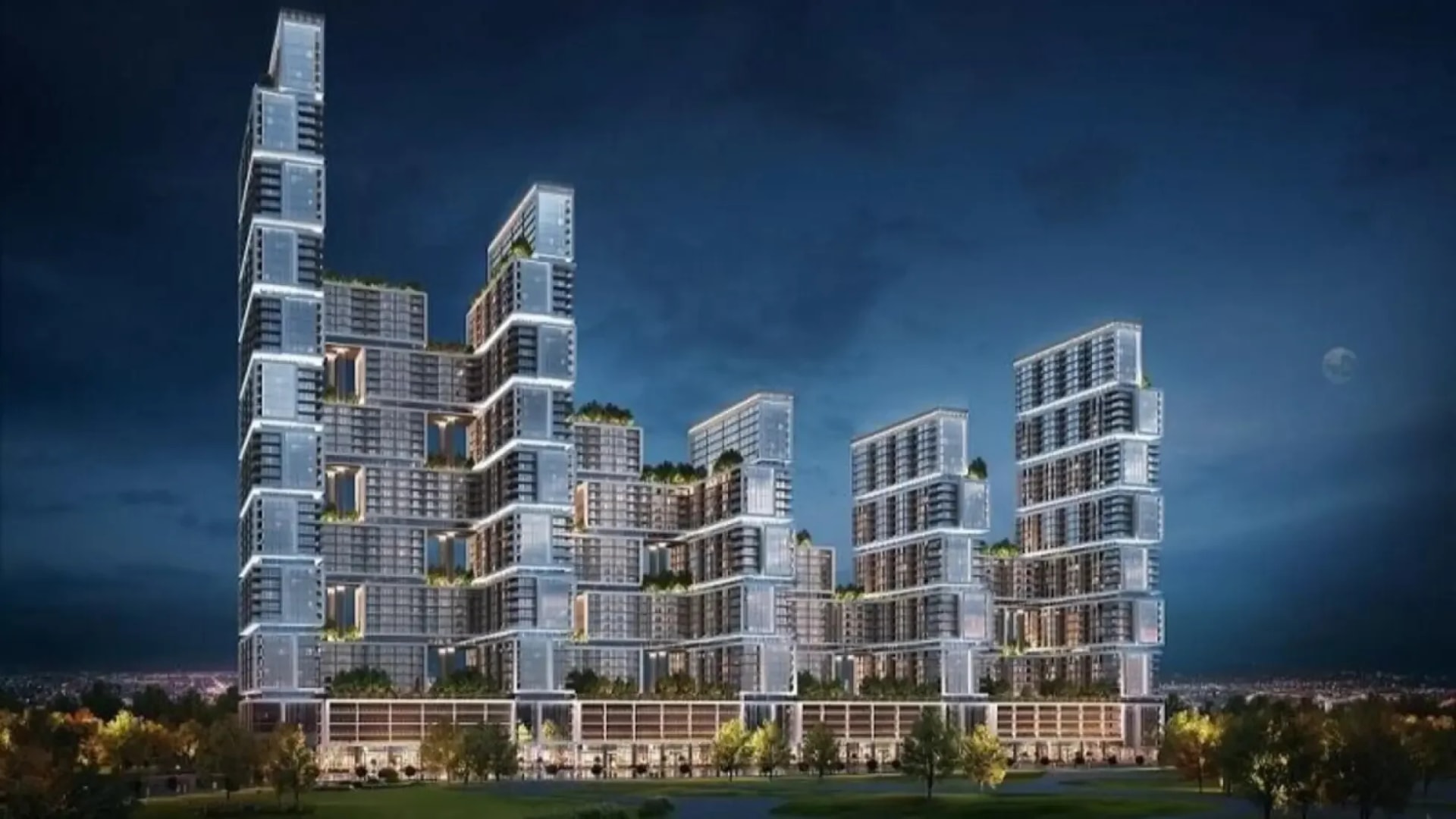
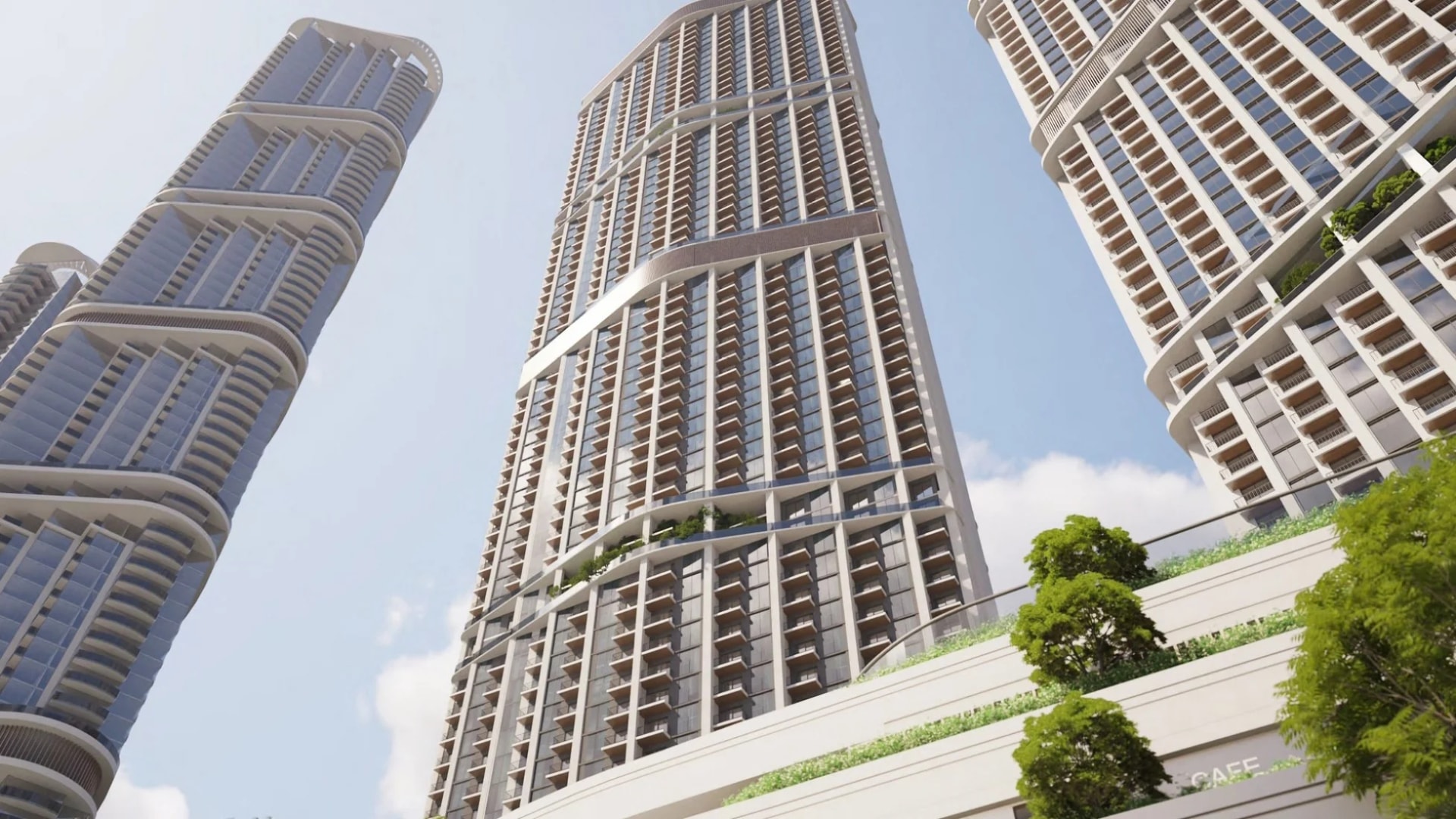
Why does Sobha Hartland specifically work better than just picking any random Dubai development? It comes down to three factors that actually drive rental income rather than sounding good in marketing materials. First, there's genuine rental demand from Dubai's growing professional expatriate population - people with actual employment contracts and stable jobs, not speculators trying to flip units for quick profits. Second, Sobha Realty has this track record of completing projects roughly on time and to decent quality standards, which sounds like it should be table stakes but genuinely isn't in this market. Third, the location sits between Business Bay and Downtown Dubai, giving tenants that convenient access to employment centres they actually want without forcing them to pay Downtown's inflated rental prices just to avoid long commutes.
Sobha Hartland Property Prices vs. Dubai Creek Harbour and MBR City
Apartments in Sobha Hartland start around $354,000 (AED 1.3m), while villas run from $3.4 million up past $6 million (AED 12.5-22m+) depending on size and features. You're paying 15-25% more than some competing developments, and there are genuine reasons for that premium beyond marketing positioning.
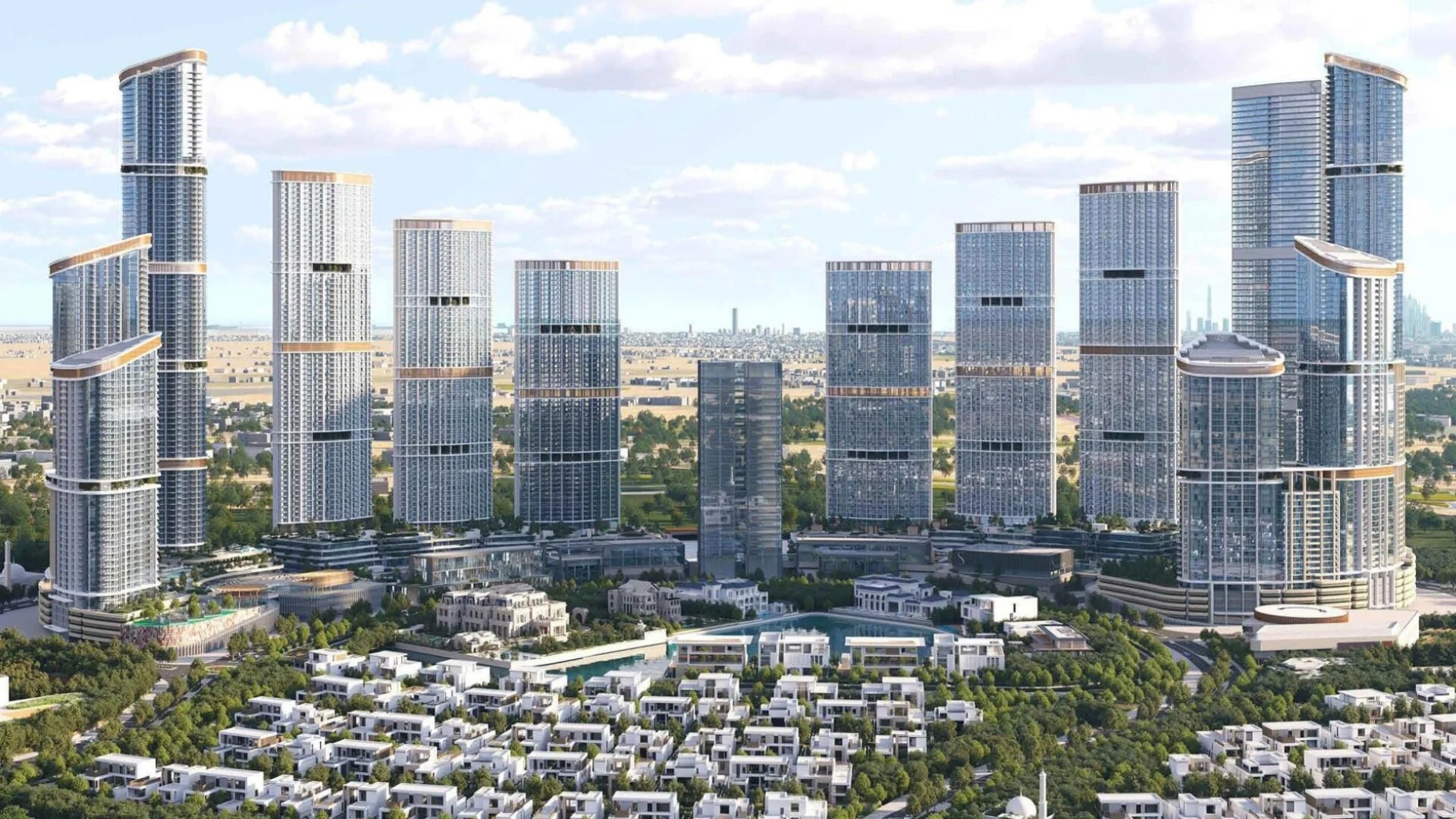
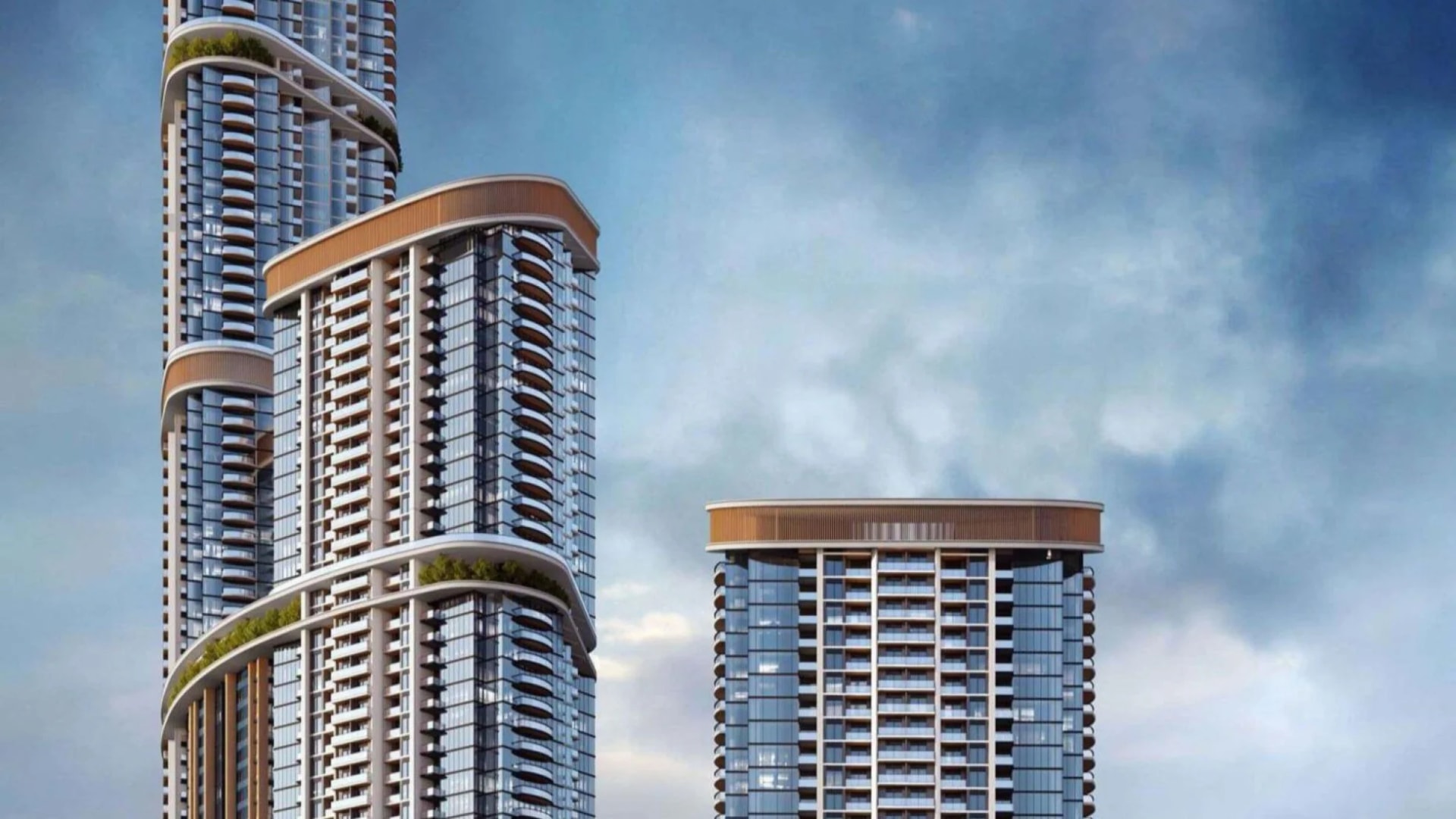
The infrastructure exists and functions today rather than existing as promises on architectural renderings. Schools are open right now with kids attending classes this term, not scheduled to open in 18 months if construction stays on track. Landscaping has matured over years rather than consisting of newly planted saplings surrounded by dirt and construction fencing.
Dubai Creek Harbour
offers apartments from around $272,000 (AED 1m) - a cheaper entry point, certainly - but some phases remain under construction, introducing uncertainty around timelines and whether amenities will materialise as promised. MBR City overall shows enormous price variation depending on the specific sub-community, with Sobha Hartland positioned at the premium end of that spectrum.
For Western investors accustomed to developed market protections, a lower purchase price means nothing if the project stalls or construction takes years longer than promised. Sobha Hartland's completion status means your capital starts working immediately, generating rental income from tenants moving in this month, rather than sitting in escrow for 18-36 months while you're hoping the building gets finished and wondering whether you'll eventually need legal action to recover your deposit.
Completed infrastructure: All roads, utilities, and community facilities are operational today, not planned for future phases.
Operational schools: Children can enrol this term in established international schools with proven track records.
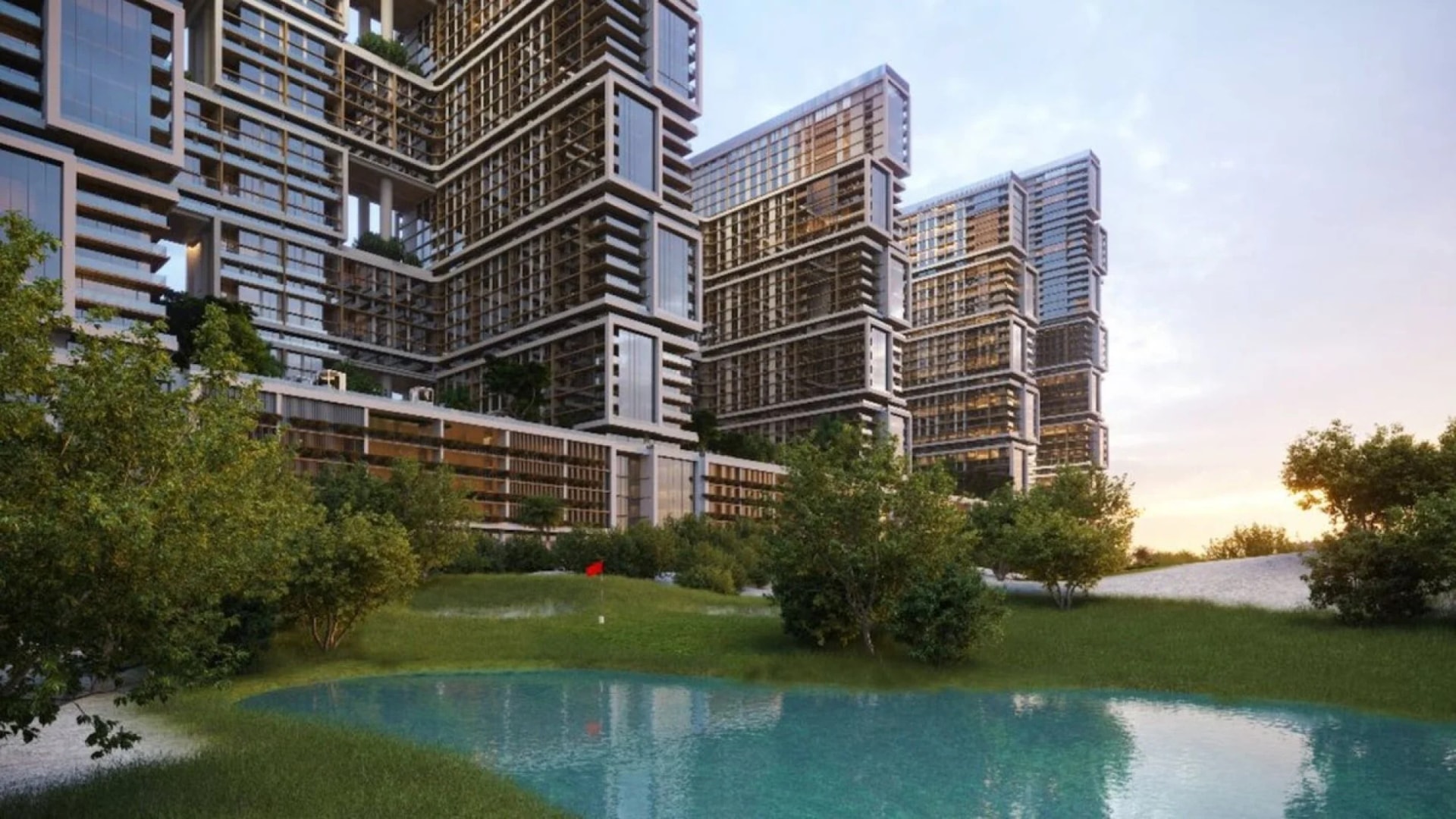
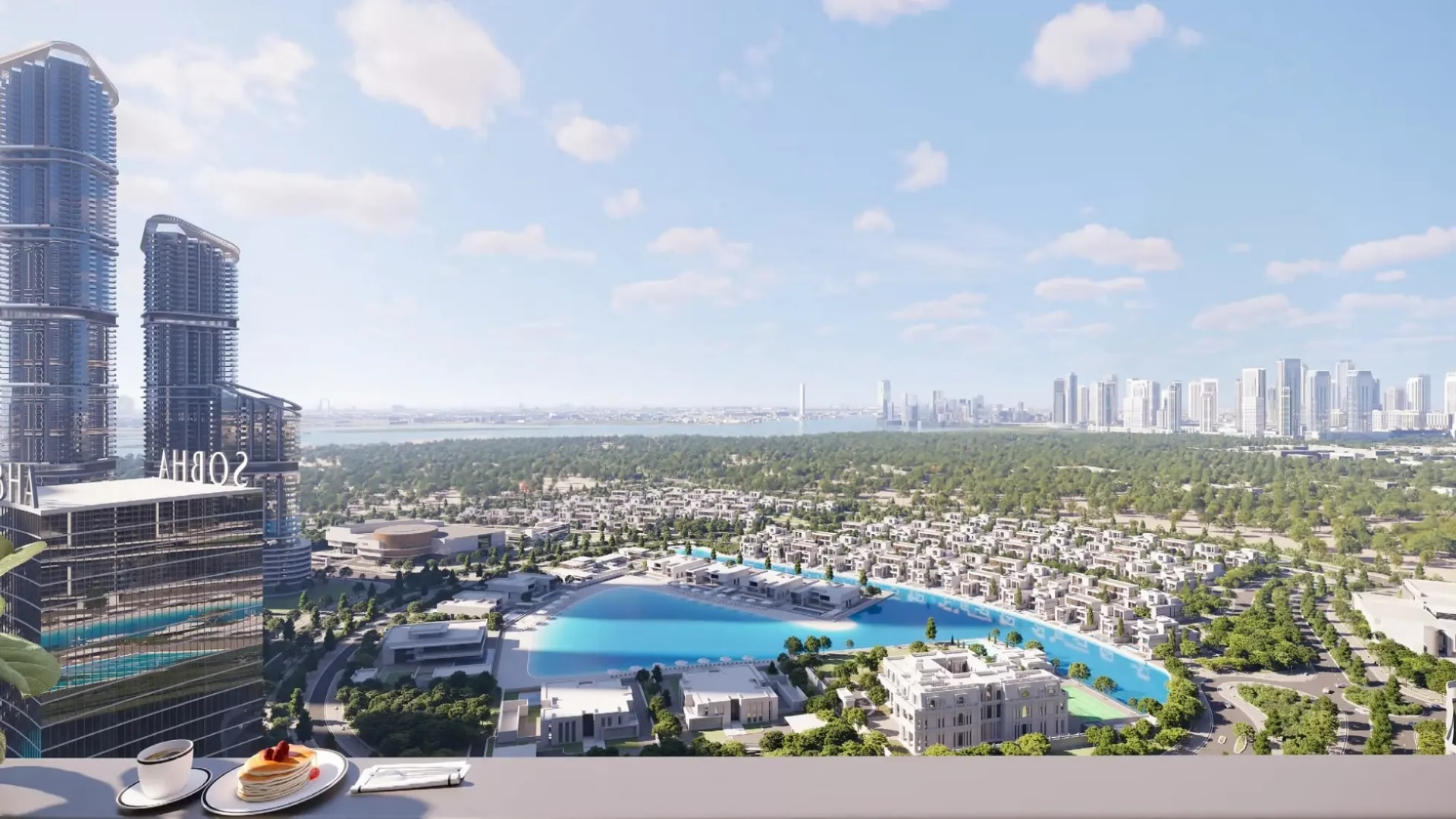
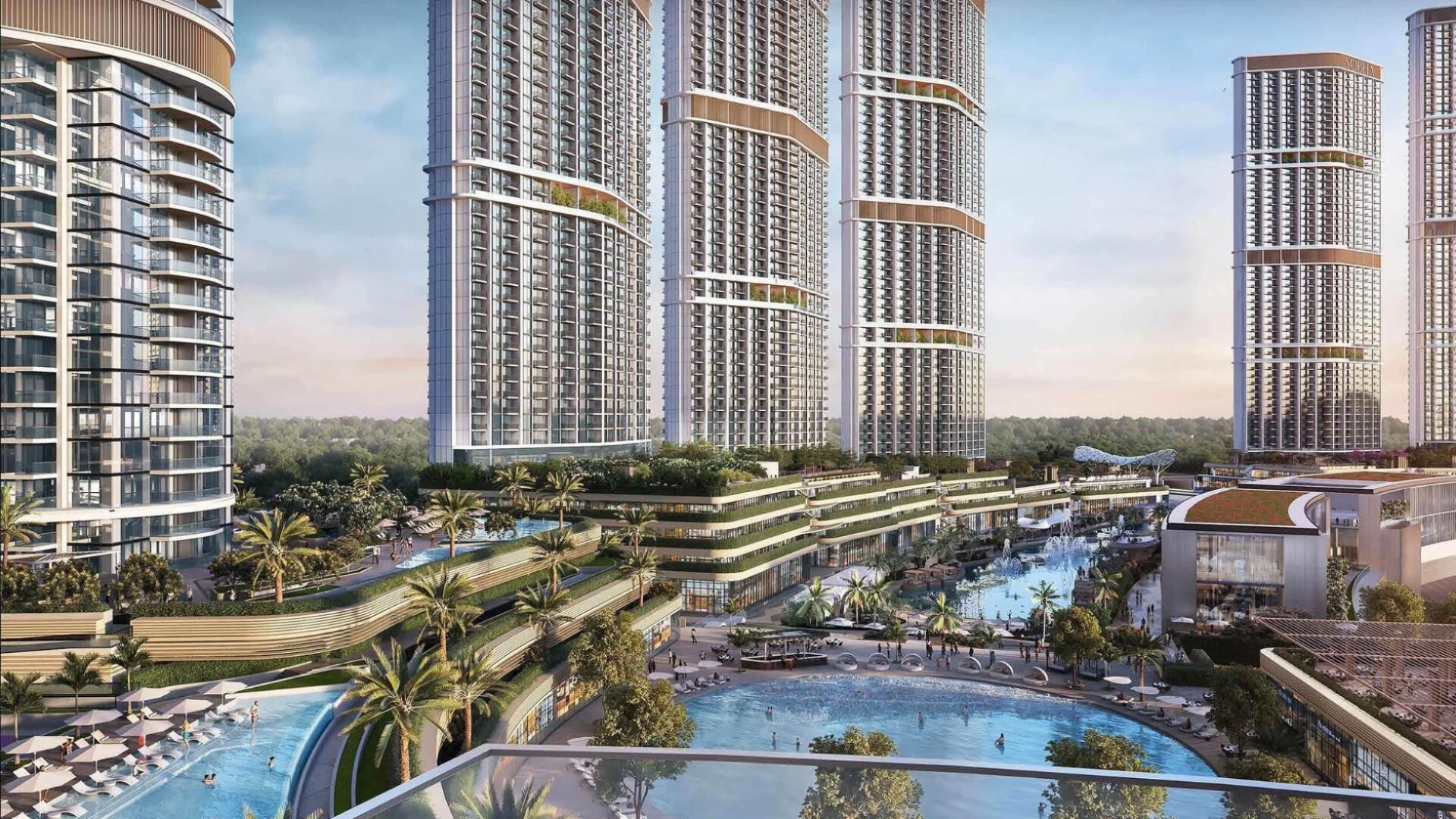
Mature landscaping: Parks, green spaces, and lagoon areas are fully developed and maintained, not construction sites.
Sobha Realty delivery record: Multiple completed Dubai projects demonstrate consistent quality and on-time handovers.
Immediate rental income: Properties generate cash flow from day one without waiting 18-36 months for completion.
Reduced completion risk: No dependency on developer financing or construction progress for investment to perform.
Sobha Hartland Location and Connectivity
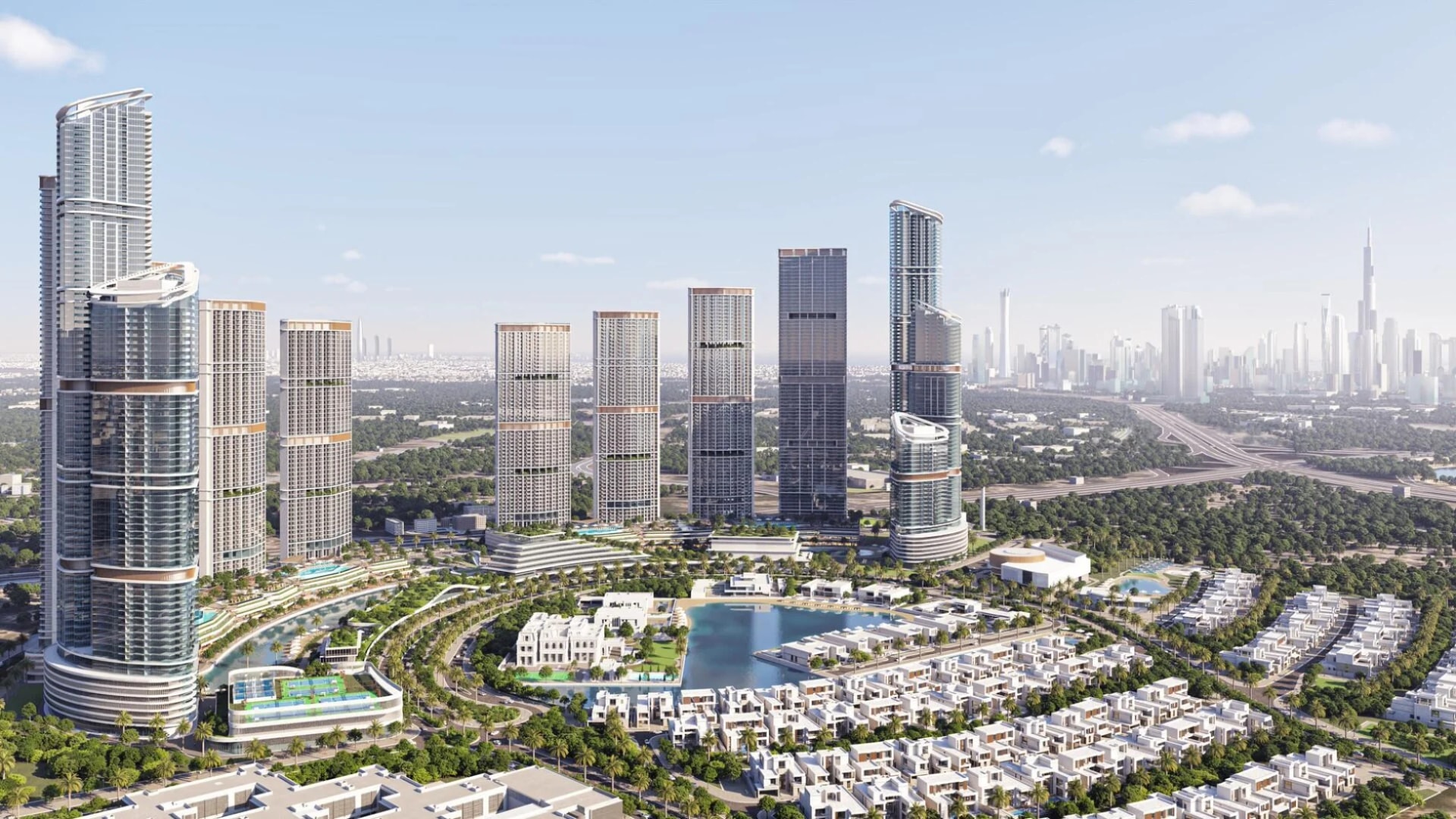
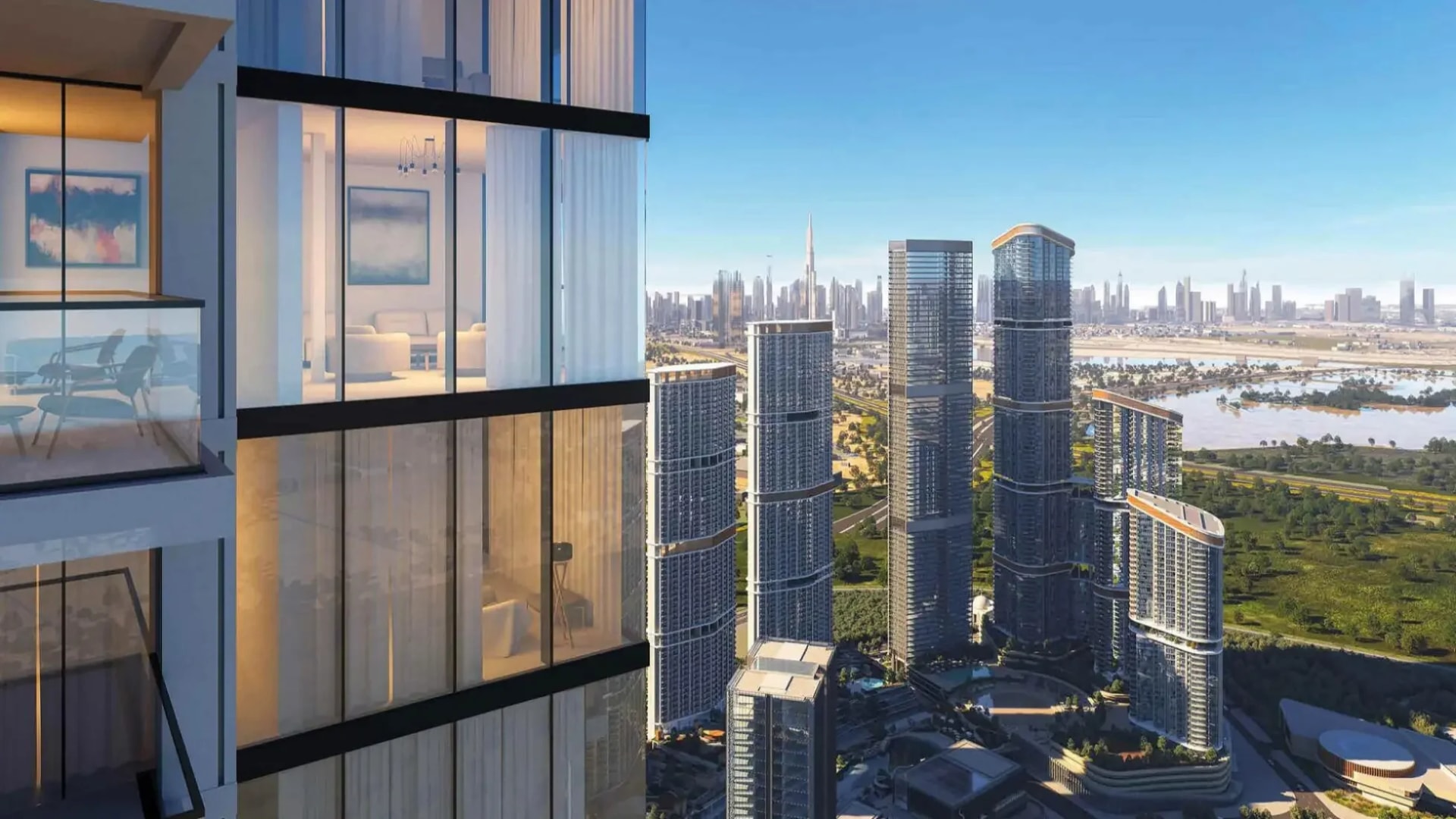
Location determines who rents from you, whether they stay, and what you sell for later - pretty much everything that matters for returns. Sobha Hartland sits strategically between Dubai's two main business districts, appealing to tenants wanting work-life separation without hour-long commutes eating into their day.
Proximity to Downtown Dubai, Business Bay, and Meydan
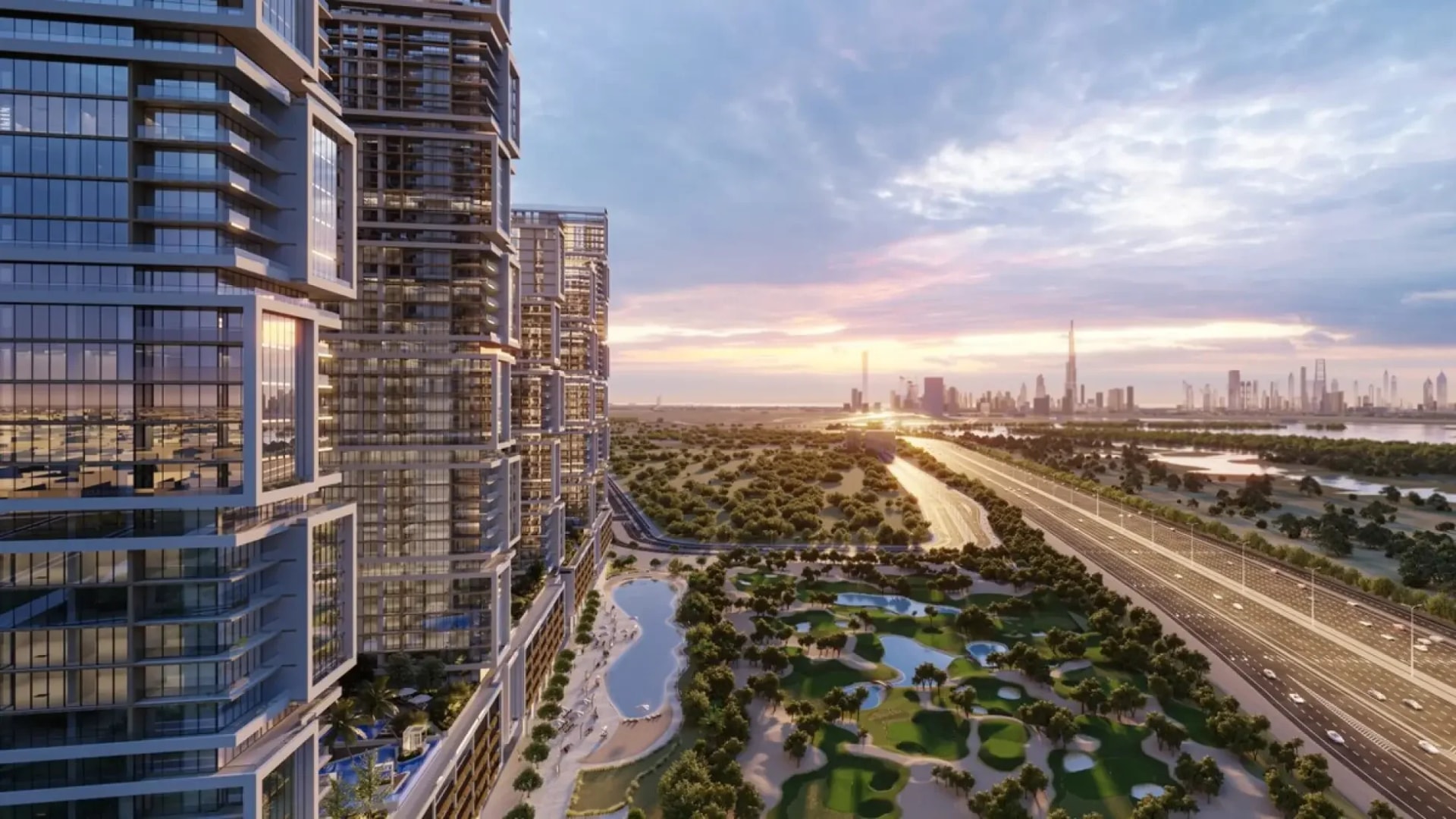
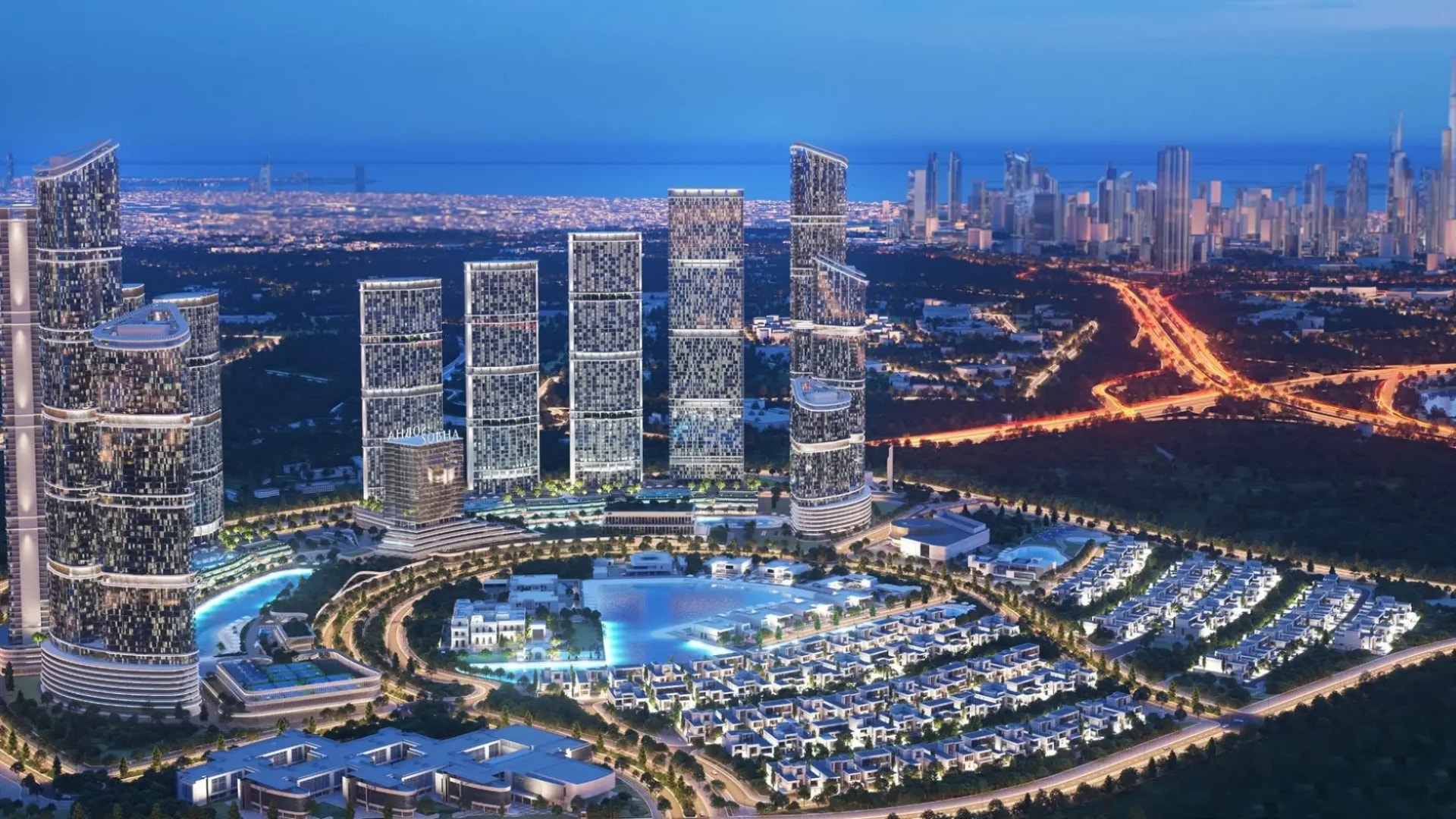
You're looking at roughly 10-15 minutes by car to both Downtown Dubai and Business Bay when traffic's running smoothly, with Meydan Racecourse sitting adjacent to the east. Residents can access Dubai's concentrated financial services sector and corporate headquarters without living in the middle of all that density and chaos.
The school situation deserves attention because it matters far more for tenant stability than most investors realise. Several established international schools operate within comfortable walking distance, and when you've got children, eliminating that daily school run represents enormous value that families will pay premiums to secure. This creates sticky demand - families renew leases year after year rather than disrupt their children's education just to save modest amounts on rent.
Ras Al Khor Road Access and Future Metro Connectivity
Primary access runs through Ras Al Khor Road (E44), connecting to Al Khail Road (E66) for broader Dubai access. Journey times work out to 10-15 minutes for Downtown and Business Bay, 15-20 minutes to the airport, and 25-30 minutes to Dubai Marina.
There's no direct Metro connection yet, which actually filters the tenant pool toward established professionals with vehicles rather than entry-level workers. Dubai's transport authority is discussing future rail extensions to Mohammed Bin Rashid City, but timelines remain vague. Properties near future stations typically appreciate faster once construction starts, though you're essentially speculating on government delivery when factoring that into your thesis today.
Sobha Hartland location advantages for investors:
Business district access: 10-15 minutes to Downtown Dubai and Business Bay, Dubai's primary employment centres.
Airport proximity: 15-20 minutes to Dubai International Airport for frequent business travellers.
International schools: Multiple schools within walking distance including Hartland International and Fairgreen.
Major road connections: Direct access to Ras Al Khor Road (E44) and Al Khail Road (E66).
Future metro stations: Planned rail extensions to MBR City could drive appreciation once construction begins.
Property Mix in Sobha Hartland 2: Villas and Apartments
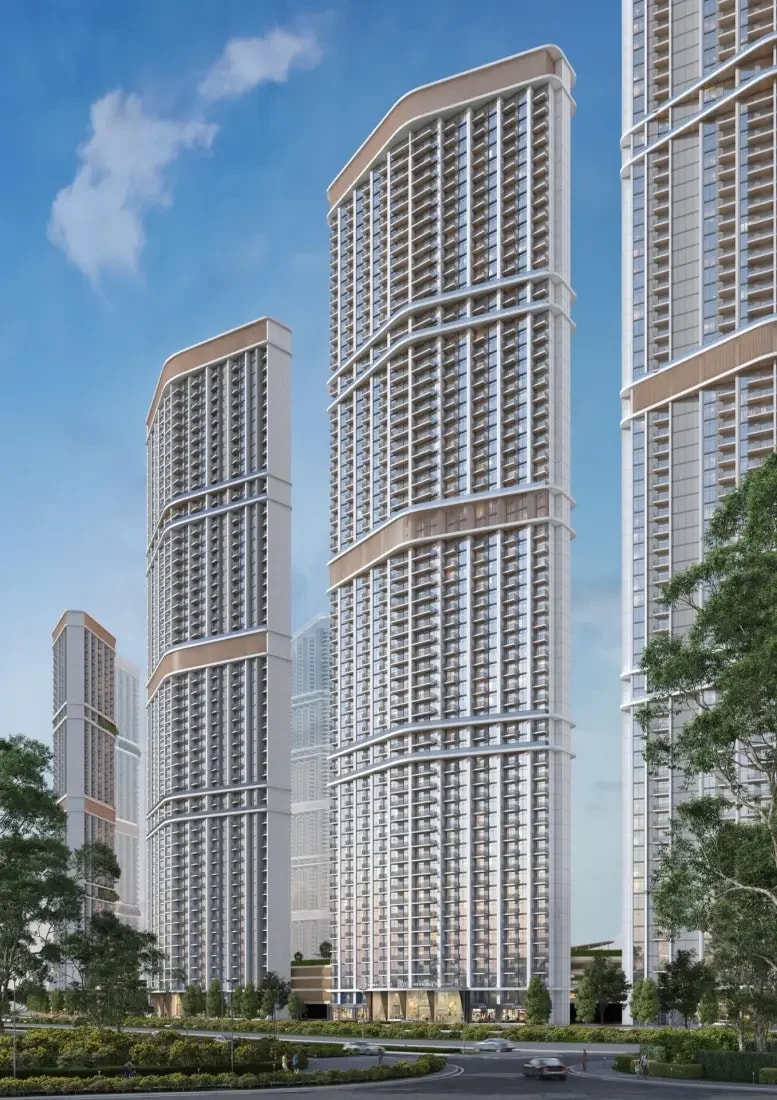
The development includes everything from one-bedroom units to family-sized apartments, plus townhouses and detached villas, letting you select based on yield targets and capital requirements. Apartments run from $354,000 (AED 1.3m) for one-bedrooms to $545,000 (AED 2m) for two-bedrooms, delivering higher percentage yields but requiring more hands-on tenant management. Townhouses and villas range from $3.4-6.1m (AED 12.5-22.5m), offering lower yields percentage-wise but attracting longer-tenured families while positioning for capital appreciation.
Sobha Hartland 2 Pricing and Tenant Demand Profile
The tenant base breaks into three primary segments. Expatriate families comprise 40-50% - mid-to-senior corporate roles, typically two-income households prioritising school quality and community security. They sign 1-2 year contracts and tend to renew when children settle into schools. Young professionals and couples represent 30-40%, working in financial services, consulting, or tech, valuing proximity to Business Bay and Downtown without Marina pricing. They're more transient than families but accept rent increases more readily. UAE nationals and GCC residents make up 10-20%, usually renting larger villas with longer tenancy periods, though they negotiate harder during renewals.
Properties vacant for two months lose 16% of annual rental income. Sobha Hartland's family-focused positioning substantially reduces this turnover risk compared to areas dominated by transient professional tenants.
Sobha Hartland 2 tenant retention factors:
School proximity advantage: International schools within walking distance create multi-year tenancy commitments from families.
Community security features: Gated access, 24/7 security, and family-oriented environment appeal to risk-averse expatriate families.
Green space availability: Parks, playgrounds, and lagoon areas provide outdoor activities that matter greatly for families with children.
Professional tenant base: Mid-to-senior level employees have stable income and lower default risk than entry-level renters.
Longer lease terms: Family tenants typically sign 1-2 year contracts and renew rather than relocate annually.
Lower vacancy periods: Family-focused communities experience 30-40% shorter vacancy periods than transient professional areas.
Villas and Townhouses: Family-Oriented Capital Growth
Four-bedroom villas at $3.4-4.2m (AED 12.5-15.5m) are pulling in $100,000-218,000 yearly. That's 3-5% gross. Lower than apartments on a percentage basis. You're missing the point if you stop there, though.
Villas appreciate faster because supply is genuinely constrained. Dubai can approve another apartment tower in months. Deliver it in 2-3 years. Villa communities? You need land acquisition, which gets harder as prime parcels get developed. Infrastructure investment measured in hundreds of millions. Multi-year approvals. 5-7 year delivery timelines.
As Dubai's professional population grows, family housing tightens first.
Five-bedroom villas running $4.9-6.1m (AED 18-22.5m) can achieve $245,000-330,000 annual rents. You're accepting lower immediate yields. But factor in maybe 6-8% annual appreciation, and combined, you're hitting 9-13% returns. Competing with equities but with tangible asset backing and income generation today.
The trade-offs are real, though. Smaller tenant pools. You're marketing to senior executives and entrepreneurs, not the broad professional market. Vacancy periods stretch to 2-4 months when turnover happens. Maintenance costs run higher with pools, landscaping, villa-specific systems.
If you're building generational wealth though, look at the maths. A $4m villa generating $180,000 annually produces $900,000 over five years. Add potential $1.2-1.6m in appreciation if the premium segment grows 6-8% annually. That's $2.1-2.5m total returns, 52-63% cumulative before you even factor in use.
Villa investment considerations for long-term wealth building:
Supply constraints: Dubai's villa supply grows more slowly than apartments due to land scarcity and infrastructure requirements.
Target tenant profile: Senior executives and entrepreneurs provide stable, high-value tenancies with lower default risk.
Appreciation potential: Premium family housing typically outperforms apartments by 3-5% annually in growing markets.
Total return focus: 9-13% combined returns (3-5% yield plus 6-8% appreciation) compete with equity allocations.
Generational wealth asset: Tangible property suitable for long-term family wealth strategies and potential personal use.
Lower competition: Fewer investors can deploy $3-6m capital, reducing bidding competition versus apartment segment.
Sobha Hartland Schools, Lagoon, and Green Spaces
Multiple international schools are within walking distance. Hartland International School and Fairgreen International School both operate here. Creates that sticky demand thing where families extend tenancies rather than disrupt their kids' education.
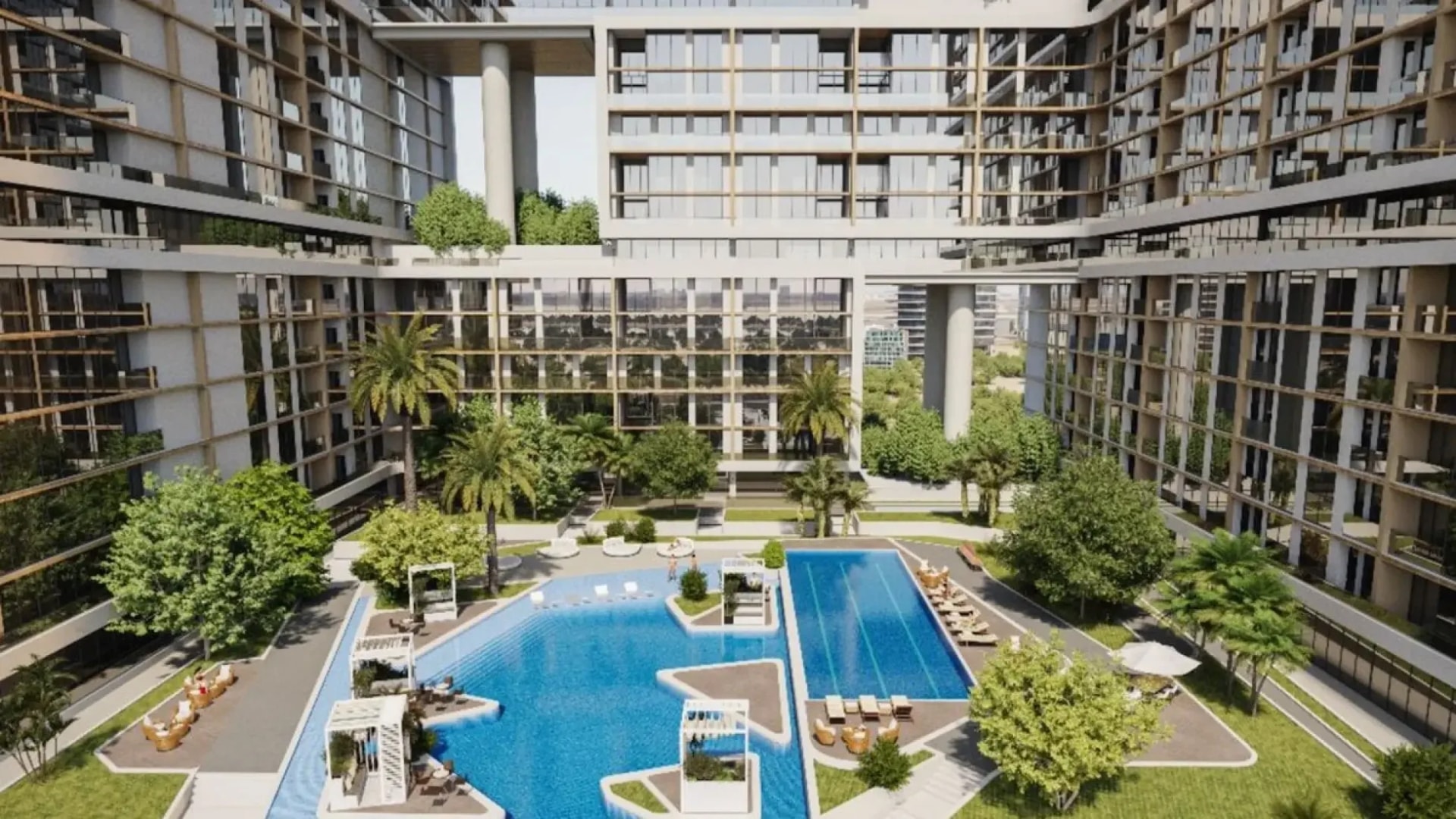
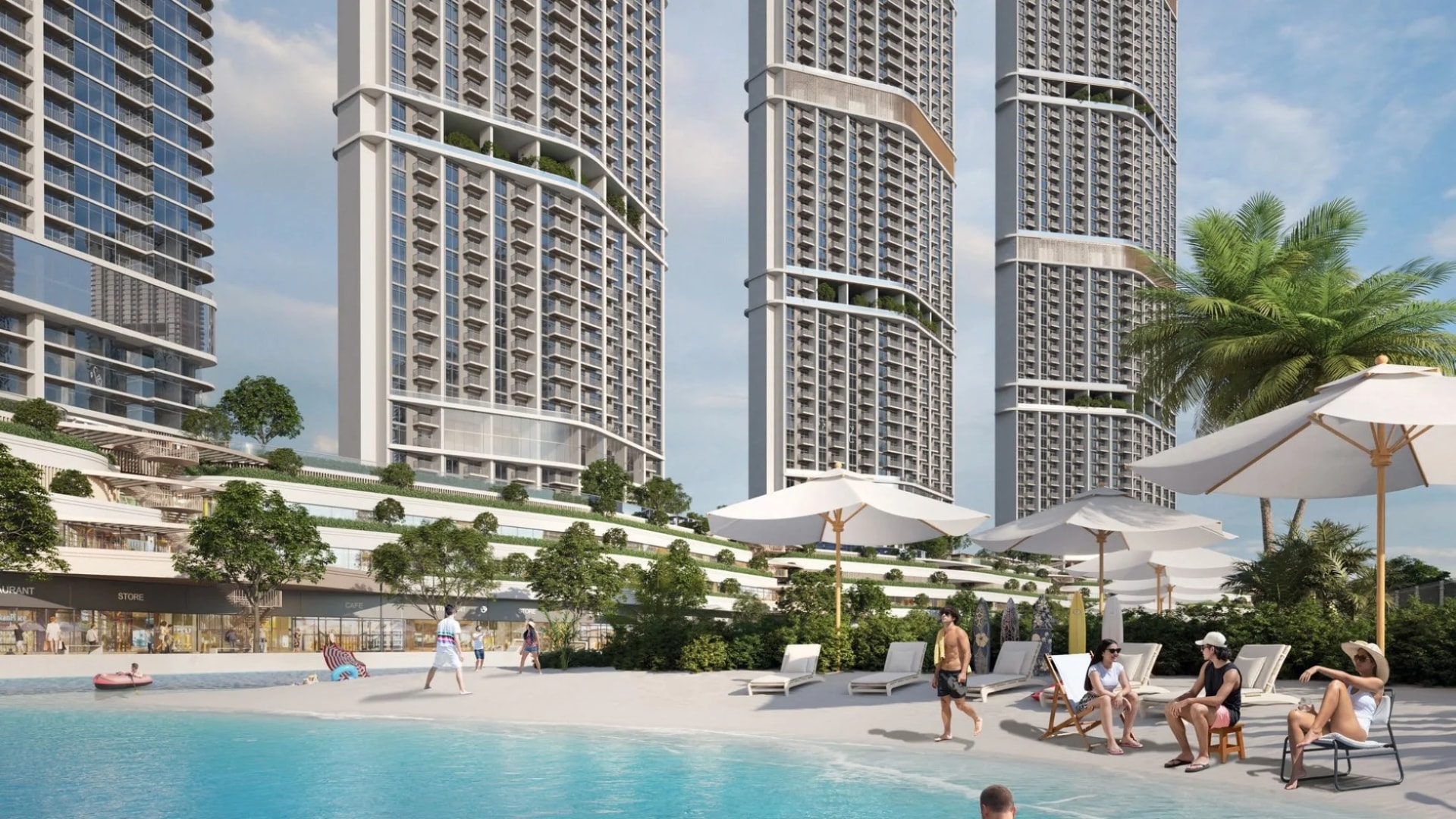
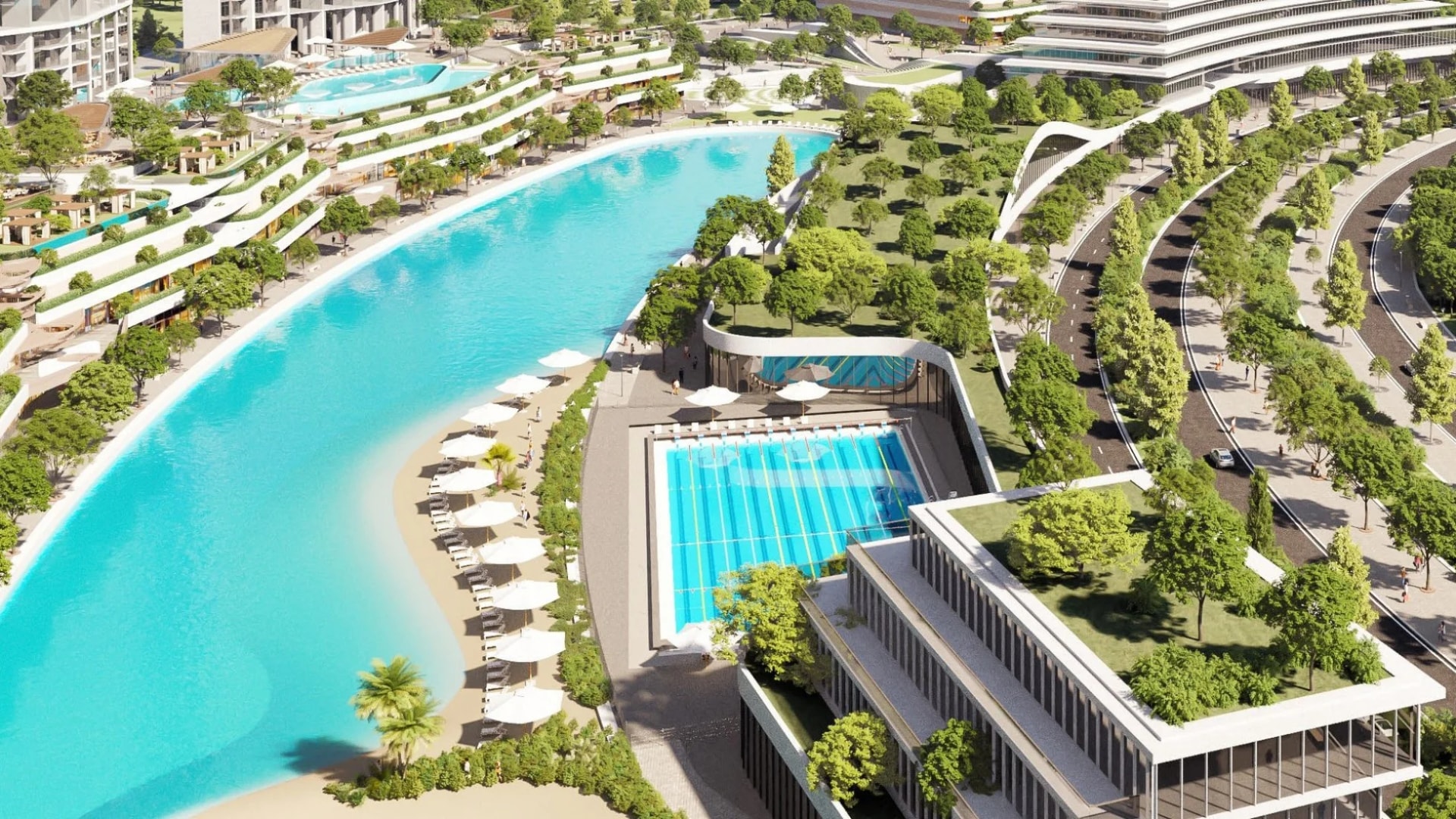
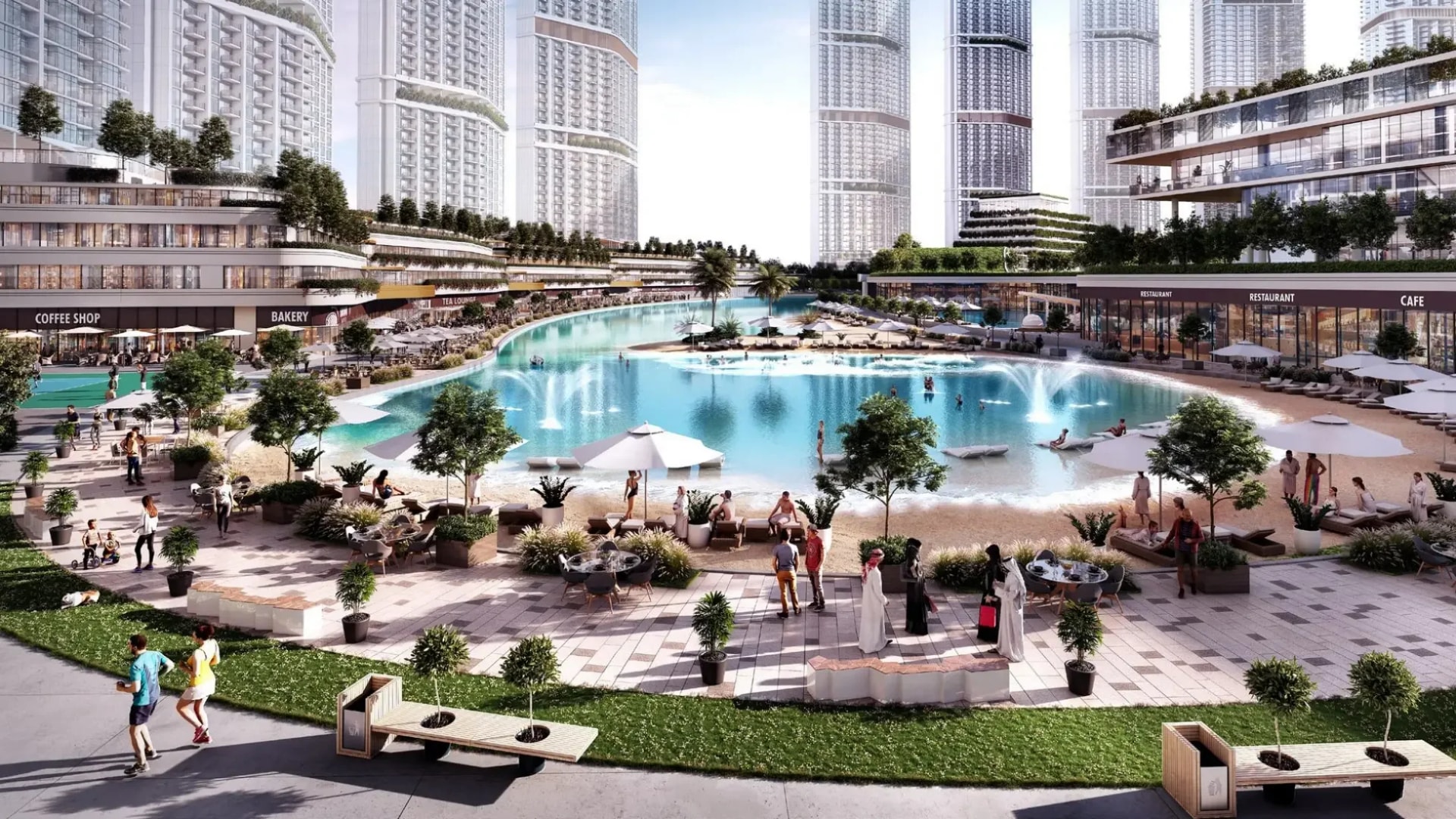
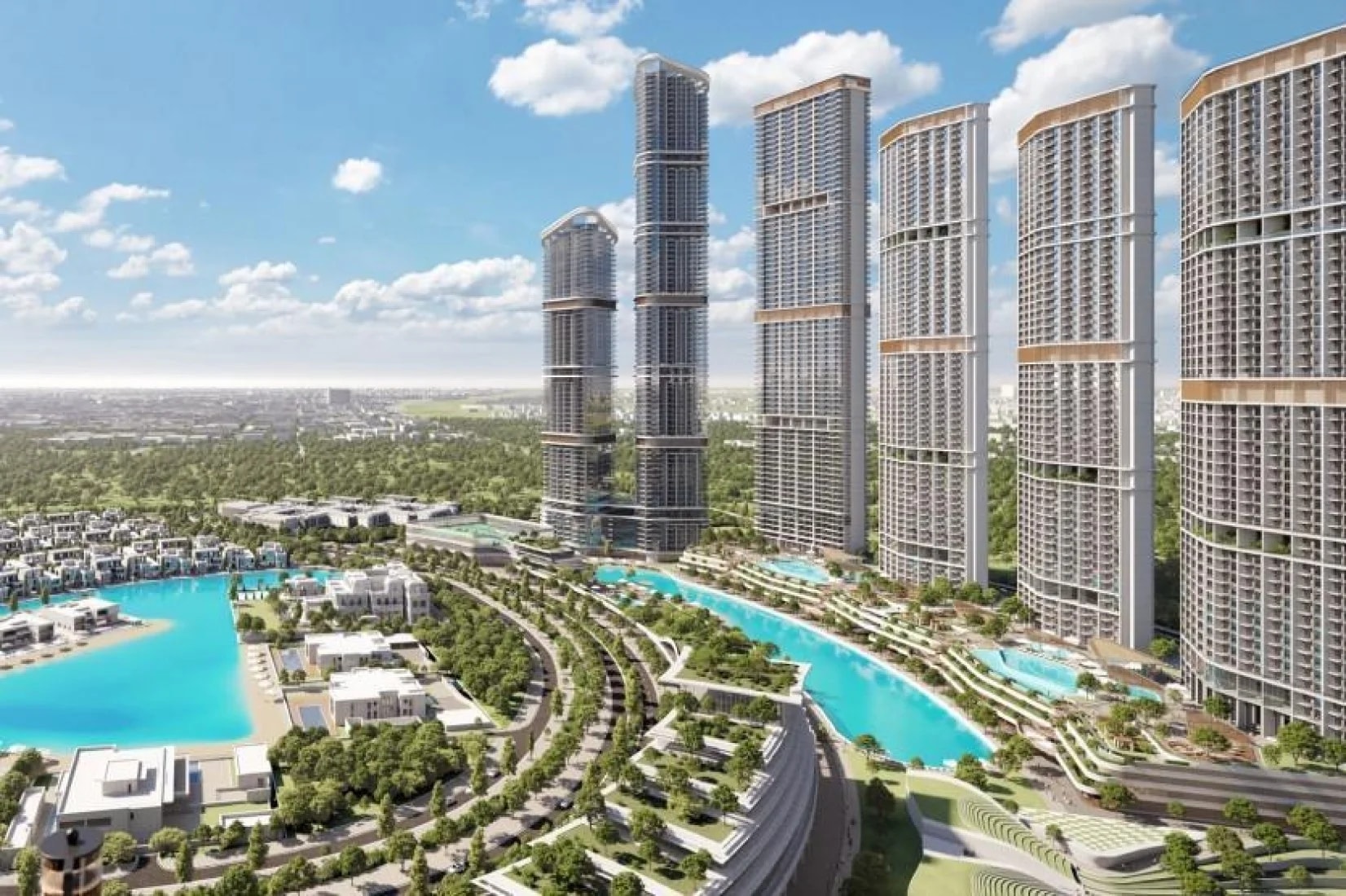
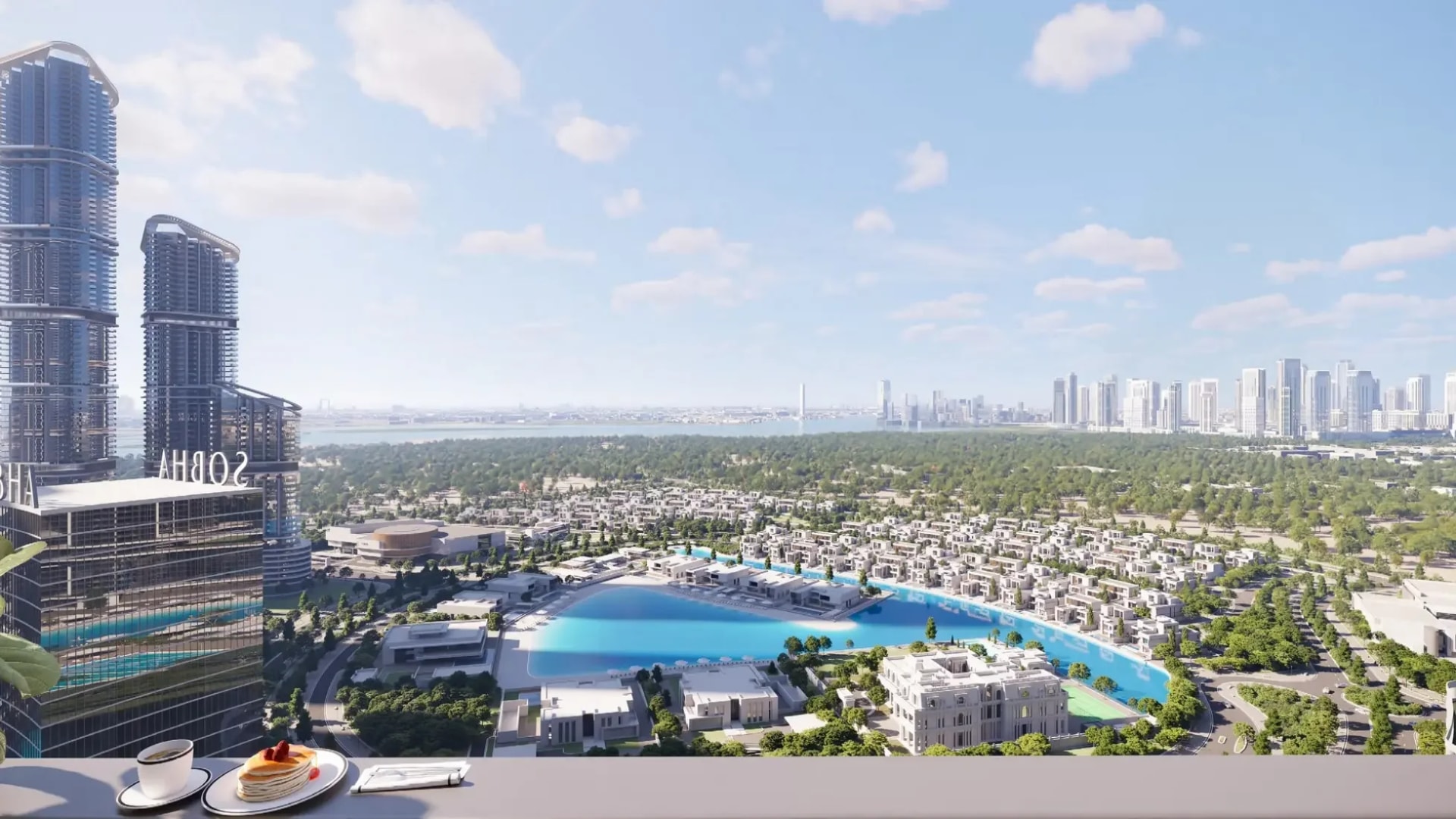
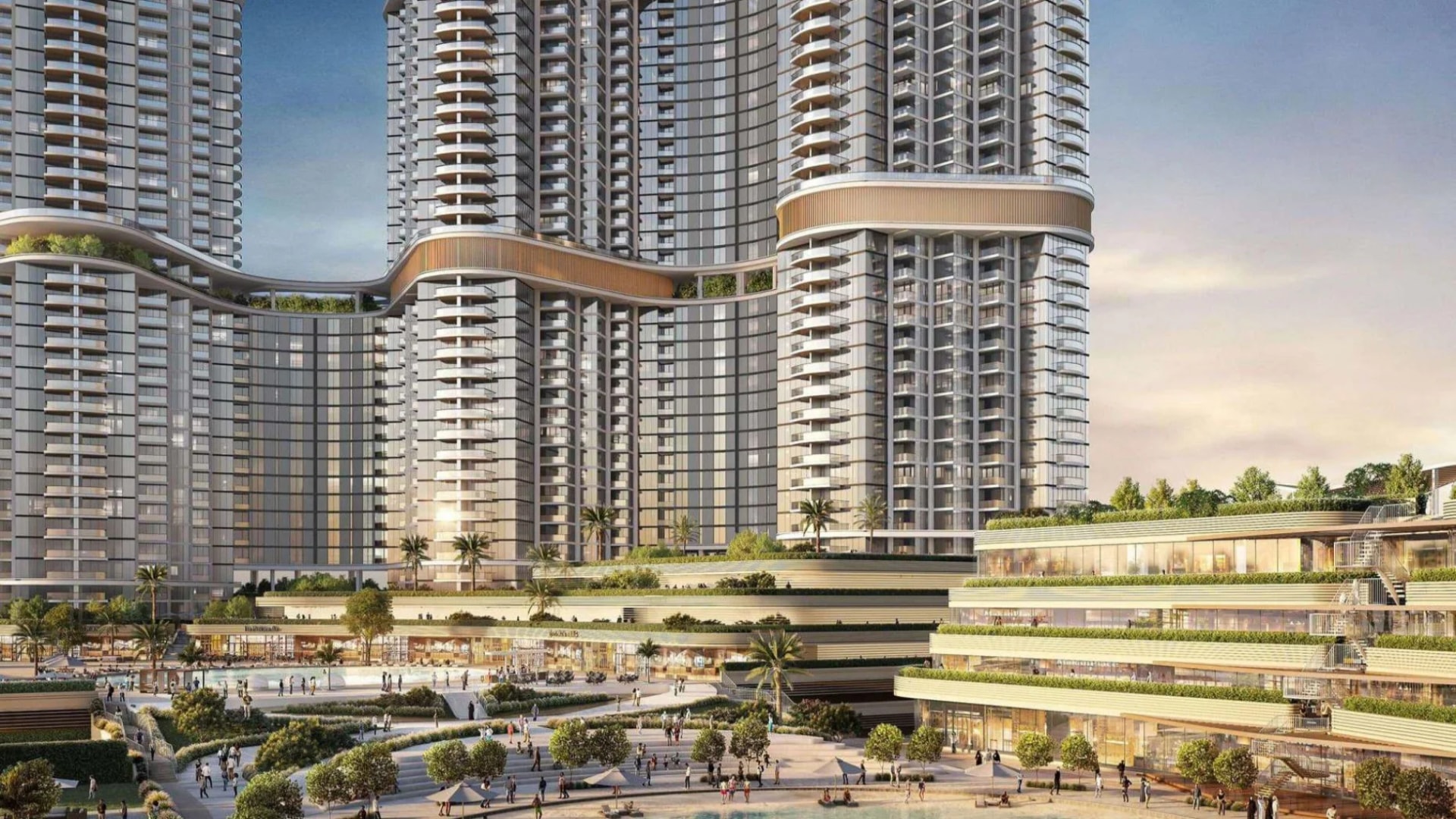
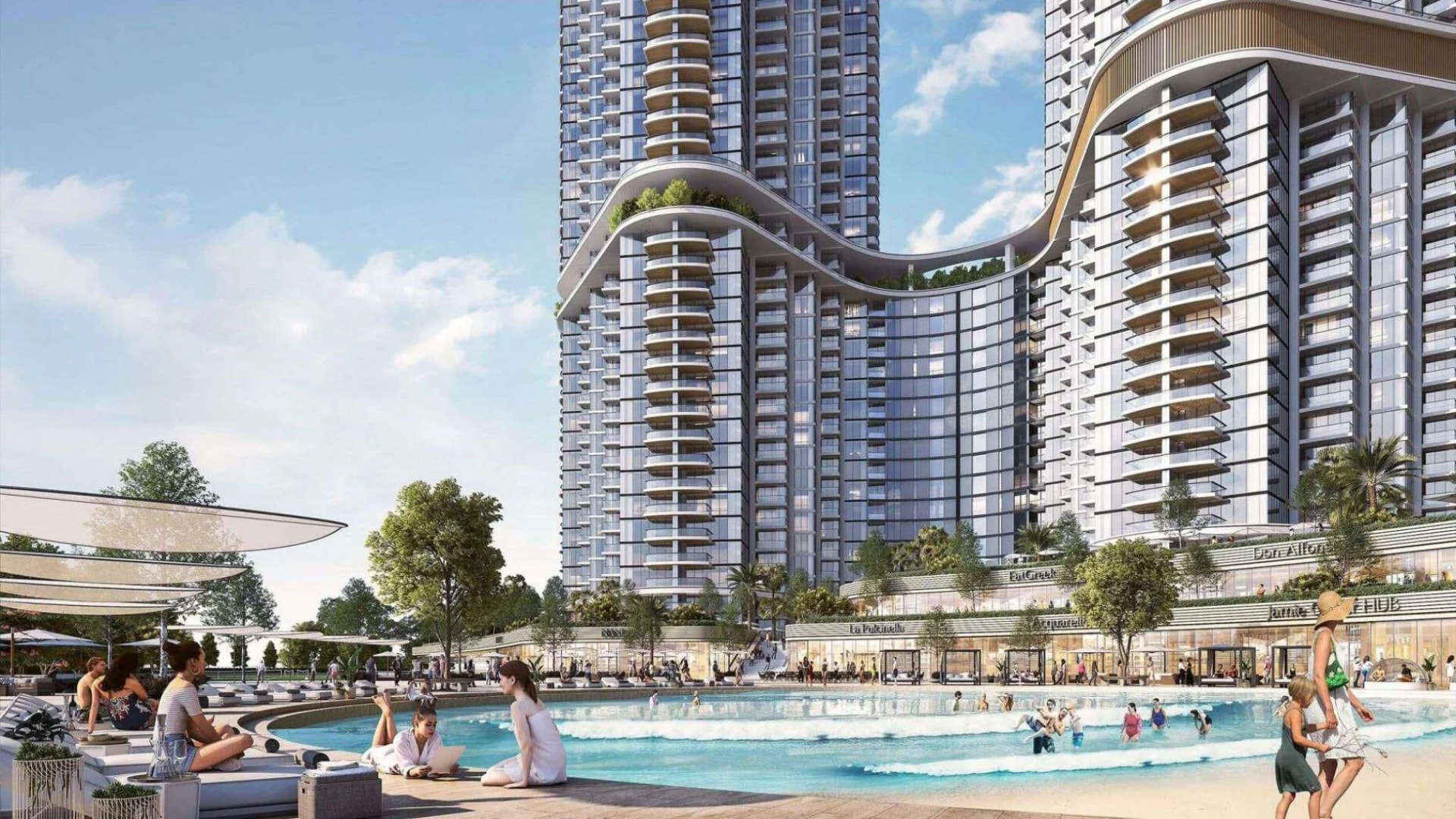
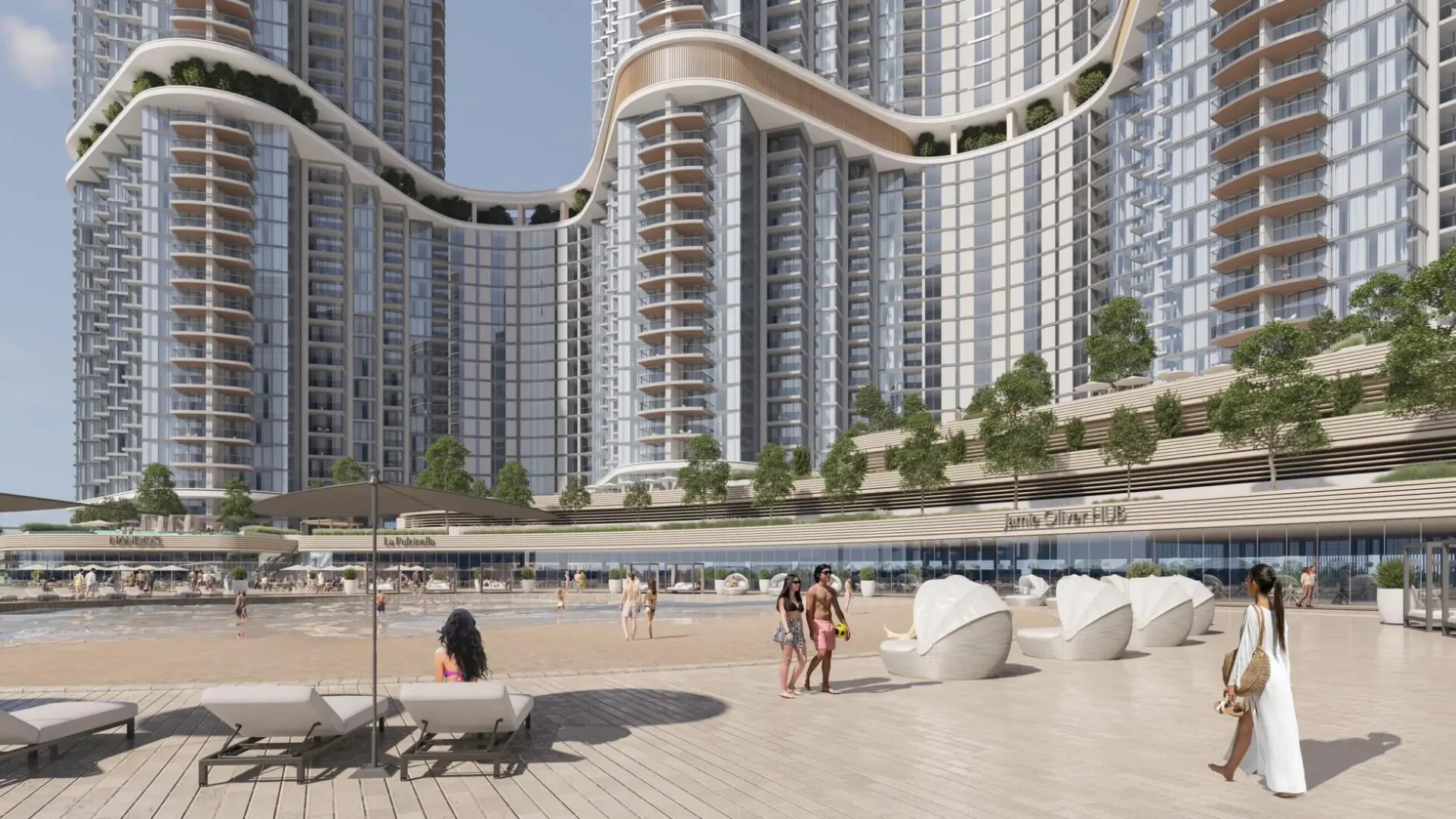
The central lagoon gives you waterfront positioning without the maintenance headaches of the actual beachfront. Landscaped parks and running trails are spread across the development. Quality facilities influence tenancy decisions way more than most investors initially think.
Retail and dining options are pretty limited compared to more established areas. Residents drive to nearby districts for most shopping. Whether that's a problem or feature depends on who you're targeting. Families often prefer the quieter environment.
Build Standards and Phased Delivery Schedule
Sobha Realty does this backward integration thing where they control most construction elements directly instead of subcontracting everything out. Manufacturing their own windows, importing specific materials, managing fit-out themselves. Creates more consistent quality across projects. Means they're exposed to supply chain disruptions though.
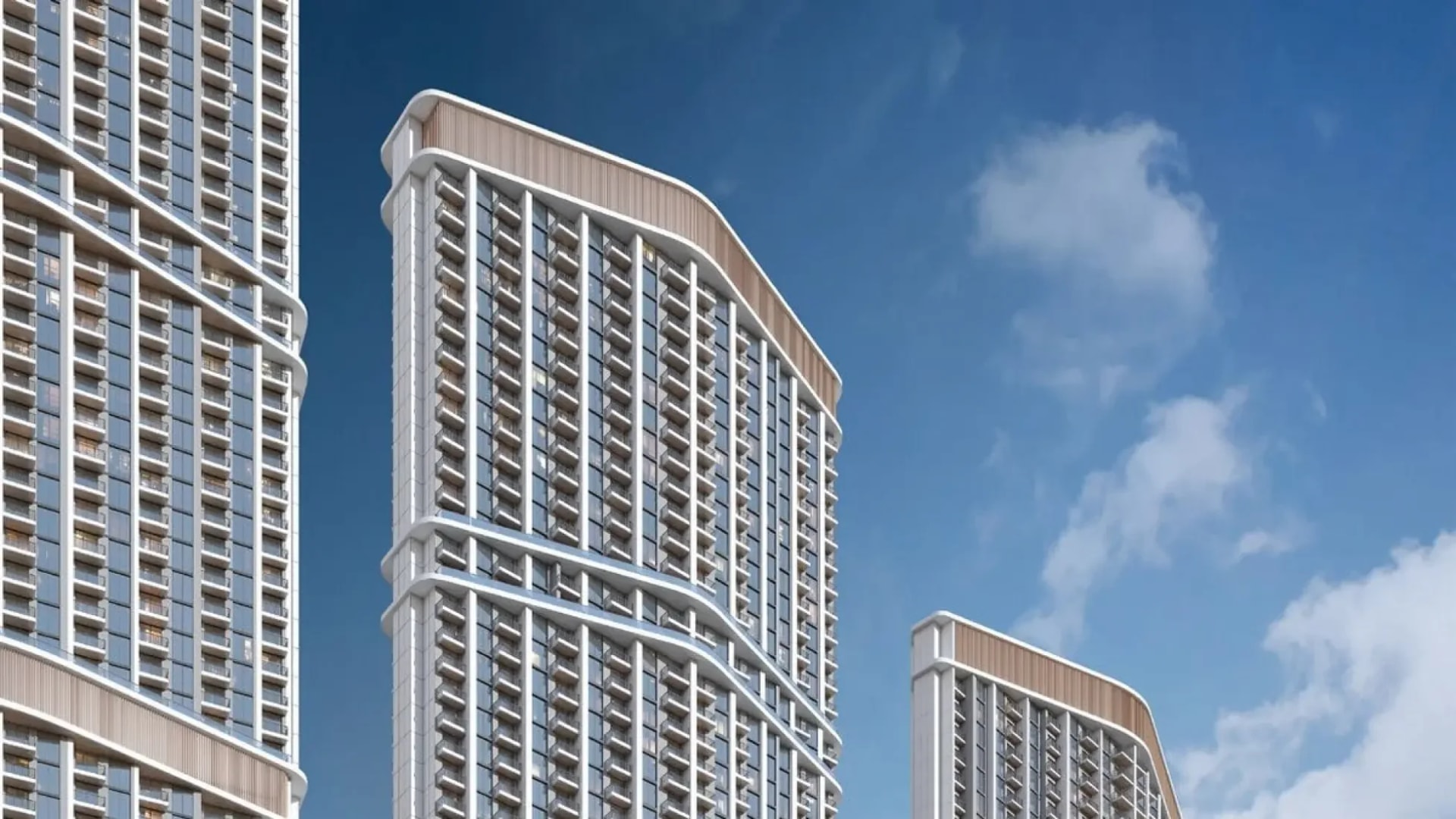
The build quality is toward the upper end of what you see in Dubai. Italian marble in bathrooms. German kitchen fittings. Proper sound insulation between units. These details actually matter for tenant satisfaction and resale values. Buyers pay premiums for properties not needing immediate renovation.
Development proceeds in phases over multiple years. Sobha's handover record shows relatively consistent on-time delivery compared to some Dubai developers. Though 3-6 month delays can happen. Something to factor into your financing arrangements if you're buying off-plan.
Sobha Realty quality differentiators for investors:
Backward integration model: Direct control over manufacturing and materials ensures consistent quality across projects.
Premium specifications: Italian marble bathrooms, German kitchen fittings, and proper sound insulation as standard.
Completion track record: Multiple completed Dubai projects demonstrate delivery capability and timeline reliability.
Lower renovation costs: Properties delivered to high standard reduce immediate capital expenditure after purchase.
Resale value premium: Quality construction commands 8-12% premiums versus comparable units requiring refurbishment.
Tenant satisfaction: Higher-quality finishes reduce maintenance complaints and support premium rental pricing.
Portfolio Fit and Risk Factors
Look, no investment is risk-free. The question is whether you're getting paid enough to take on what you're taking on.
Market sensitivity to economic cycles is real. Dubai's property market moves with oil prices, regional economics, and global markets. During 2008-2011, some areas dropped over 50% peak to trough. Marina apartments that traded for $800,000 in 2008 were going for $380,000 in 2011. Brutal.
Sobha Hartland didn't exist back then so there's no direct data. MBR City as a whole held up better than Marina, mostly because it had more owner-occupiers than speculators.
More recently? The 2020 pandemic saw Dubai property decline maybe 5-10% depending on the segment. Sobha Hartland kept occupancy relatively stable. Rents came down a bit, though.
Developer concentration risk is worth thinking about. Your investment is leaning pretty heavily on Sobha Realty's continued financial health and commitment to quality. If they face challenges, it could affect timelines, service levels, how well they maintain common areas.
Competition from new supply is an ongoing thing. Dubai keeps adding residential supply constantly. Something like 45,000 units are scheduled to complete through 2026. More supply generally puts a ceiling on rent growth. The counter, though: Dubai's population is growing 3-4% annually, which absorbs a lot of new supply if the economy stays decent.
Liquidity matters for exits. Apartments usually sell within 30-90 days when you've priced them right. Premium villas can take 6-12 months in slower markets. Need to exit fast? You're probably discounting 5-10% to get it done.
Regulatory changes are always possible. UAE authorities adjust property regulations, mortgage rules, and visa policies occasionally. Recent trend has been positive for foreign investment. But policy reversals could happen if priorities shift.
Critical investment risks for Sobha Hartland properties:
Market cycle sensitivity: Dubai property historically correlates with oil prices and regional economics; 2008-2011 saw 50%+ declines in some areas.
Developer concentration: Investment depends on Sobha Realty's continued financial health and service quality commitment.
New supply competition: Dubai's continuous residential supply additions may constrain rent growth, particularly for apartments.
Liquidity constraints: Premium villas can require 6-12 months to sell; quick sales may necessitate 5-10% discounts.
Regulatory changes: UAE policy adjustments to mortgage rules, visa policies, or ownership rights could impact values.
Use amplification: 75% LTV financing magnifies both gains and losses; 10% value decline equals 40% equity loss.
Exit Planning and Capital Repatriation
Can you actually get your money back home? Yes, the UAE puts zero restrictions on capital repatriation. Sale proceeds transfer to your international bank account through standard SWIFT wires. Usually 2-5 business days after the transaction settles.
No government approvals needed. No currency conversion restrictions. None of the bureaucratic nonsense that plagues some emerging markets.
The AED is fixed at 3.67 to the dollar. Takes currency speculation completely out of the equation. Dollar investors don't face FX risk at all. Sterling or euro investors have normal FX exposure like any USD investment, but you're not dealing with emerging market currency volatility that can wipe out years of rental income overnight.
Dubai property sales go through the Dubai Land Department. Here's roughly how it works. Buyer and seller agree terms, usually through advisors handling negotiation and documentation. DLD verifies clear title, confirms no outstanding service charges or violations. Both parties show up at the DLD office for title transfer (or you grant power of attorney).
The buyer pays 4% DLD transfer fee plus maybe 2% advisor commission. Seller gets funds immediately when transfer completes.
The whole process usually takes 60-120 days for apartments. Potentially longer for villas above $4m as the buyer pool gets narrower.
Factor costs from day one. DLD transfer fee's 4% of transaction value. Advisory commission roughly 2%. On a $2 million sale, you're looking at around $80,000 in transaction costs.
UAE doesn't levy capital gains tax. But your home country obligations still apply. UK investors face CGT on property gains. US investors must report all foreign transactions to the IRS. Canadian investors see capital gains taxed at 50% of marginal rate.
Doesn't make the investment unviable. Just affects your net return calculations. You should talk to tax advisors in your jurisdiction before buying to structure ownership properly. Corporate vehicles, trusts, direct ownership all carry different tax implications.
Tax and legal structuring considerations for international investors:
UAE zero CGT advantage: No capital gains tax on property sales eliminates major drag on returns versus home markets
Home country reporting: UK, US, and Canadian investors must report foreign property gains to HMRC, IRS, and CRA respectively
Structure flexibility: Choice between direct ownership, corporate vehicles, or trust structures affects tax treatment
Annual compliance: Some jurisdictions require yearly foreign asset reporting (US FATCA, Canadian T1135) above thresholds
Tax treaty benefits: Double taxation agreements between UAE and most Western countries prevent paying tax twice
Professional advice essential: Tax structuring decisions before purchase can save 15-30% on eventual sale proceeds
Can you access your capital when needed, in the currency you require, without government interference or unexpected restrictions? For Western investors, that's the fundamental question about emerging markets. In the UAE, the answer is yes. This certainty matters enormously when allocating capital outside developed markets, where capital controls and bureaucratic barriers often represent the largest hidden risk to your portfolio.
UAE capital repatriation advantages for Western investors:
Zero restrictions: No government approvals or currency conversion limitations on capital repatriation
Fast transfers: Sale proceeds reach international accounts within 2-5 business days via SWIFT
Currency stability: AED/USD peg at 3.67 eliminates currency speculation for dollar-based investors
Transparent costs: 4% DLD transfer fee plus approximately 2% advisory commission; no hidden charges
No capital gains tax: UAE levies zero CGT on property sales (home country tax obligations apply)
Clear timeline: Complete sales process typically requires 60-120 days for apartments, longer for premium villas
Wrapping Up Our Sobha Hartland Guide
Sobha Hartland basically represents a choice. You're taking on emerging market exposure in exchange for 5-7% yields and potential appreciation. Within a jurisdiction that provides institutional protections comparable to developed markets.
Not every Western investor should do this. But if you're building a portfolio beyond those saturated legacy markets, it's worth proper analysis.
The case for putting money here? Proven rental income from an established tenant base. Completed infrastructure that eliminates delivery risk. Transparent title registration and capital repatriation that actually works. Positioning in Dubai's long-term growth trajectory as regional wealth keeps consolidating in the UAE.
The case against? Property values stay tied to regional economics and oil prices. Developer concentration risk doesn't go away. Dubai keeps adding supply which constrains rent growth. Liquidity is lower than developed markets, especially for premium villas.
If you're frustrated with those 2-3% London yields or watching San Francisco properties generate negative cash flow after costs, Sobha Hartland offers geographic diversification and meaningful yield pickup. Whether that premium actually compensates for the risks depends on your portfolio construction, liquidity requirements, and tolerance for emerging market exposure.
When you're evaluating this properly, you should be asking: does this improve my portfolio's risk-adjusted returns? Generate sufficient passive income to compound toward financial independence or fund other priorities? Can I access capital when needed without taking catastrophic losses?
Data is presented. Risks acknowledged. Regulatory framework outlined. What's left is your decision on whether Dubai property markets make sense for your specific circumstances, timeline, and return requirements.
Explore Dubai Areas on Oliva
Frequently Asked Questions
What kind of rental yields can I realistically expect from a property in Sobha Hartland?
You can typically expect gross rental yields between 5% and 7%. After accounting for service charges and potential vacancies, net yields for apartments are generally in the 4.5% to 5.8% range, which is substantially higher than what you would find in most major Western property markets.
Who are the main tenants in this community?
The tenant base primarily consists of mid-to-senior level expatriate professionals and their families. These tenants are attracted to the high-quality living standards, security, and proximity to international schools and major business districts like Downtown Dubai and Business Bay.
Is it difficult to get my money out of Dubai after selling a property?
No, it is a straightforward process. The UAE has no restrictions on capital repatriation and no capital gains tax. Once a sale is completed through the Dubai Land Department, your funds can be transferred to your international bank account, usually within a few business days.
What are the main risks of investing in Sobha Hartland?
The primary risks include sensitivity to Dubai's economic cycles, reliance on a single developer (Sobha Realty), and competition from new property supply in the city. While the community has strong fundamentals, it is not immune to broader market fluctuations.
Are villas or apartments a better investment here?
It depends on your investment goals. Apartments offer higher immediate cash-on-cash returns, especially when using use. Villas provide lower initial yields (3-5%) but have greater potential for long-term capital appreciation due to limited supply, making them suitable for wealth-building strategies.
What sets Sobha Realty apart from other Dubai developers?
Sobha Realty uses a backward integration model, directly controlling manufacturing of windows, materials, and fit-out rather than subcontracting. This produces more consistent quality with Italian marble bathrooms and German kitchen fittings as standard. Their completion track record shows relatively reliable on-time delivery compared to many Dubai developers.
Explore further
The project, area, and developer this post covers, with live Dubai Land Department data.
Related articles

Dubai Land Department: The Complete 2026 Investor Guide

RERA vs DLD: What's the Difference and Why It Matters to You

Dubai Real Estate Market Reports and Research

Al Yelayiss: Complete Investment Guide

How to Verify a Dubai Escrow Account
Binghatti: Complete Developer Profile & Investment Guide
Related Dubai property analysis from the Oliva editorial team.