Underwrite before you commit
The figures in this post are checked against Dubai Land Department records and RERA filings. Get an independent underwriting score on any project, or ask Javier on WhatsApp.
Dubai South: The Next Investment Hotspot
The best areas to invest in Dubai for 2026 include emerging zones like Dubai South, where infrastructure investment is creating conditions for above-average appreciation. Dubai South is a 145 sq km master development that will house 1 million residents when completed. It surrounds Al Maktoum International Airport, which is being expanded into the world's largest airport with Phase 1 capacity of 260 million passengers. Studios in the residential district start at AED 300,000, and gross rental yields run 7.0-9.0%.
We have tracked every transaction in Dubai South since the first residential handovers in 2019. This guide covers the specific investment case: what the numbers show today, what the infrastructure timeline means for future values, and the risks you need to factor into your decision.
Key Takeaways
Dubai South offers the lowest freehold entry prices in established Dubai communities. Studios from AED 300,000. One-bedrooms from AED 450,000. Two-bedrooms from AED 650,000.
Gross rental yields of 7.0-9.0% rank among the highest in the city. The low purchase price drives the yield percentage, even with moderate absolute rents.
Al Maktoum International Airport expansion is the primary value catalyst. The confirmed Phase 1 expansion will create an estimated 500,000+ direct and indirect jobs within 15 km of the residential district.
Expo City Dubai adds an institutional anchor. The former Expo 2020 site is now a permanent business and innovation district, attracting corporate tenants and government entities.
Where Is Dubai South and Why It Matters
Dubai South sits in the southwestern quadrant of the city, along the E311 (Sheikh Mohammed Bin Zayed Road) and the Route 2020 metro extension. It is bordered by Expo City Dubai to the north and Al Maktoum International Airport to the south.
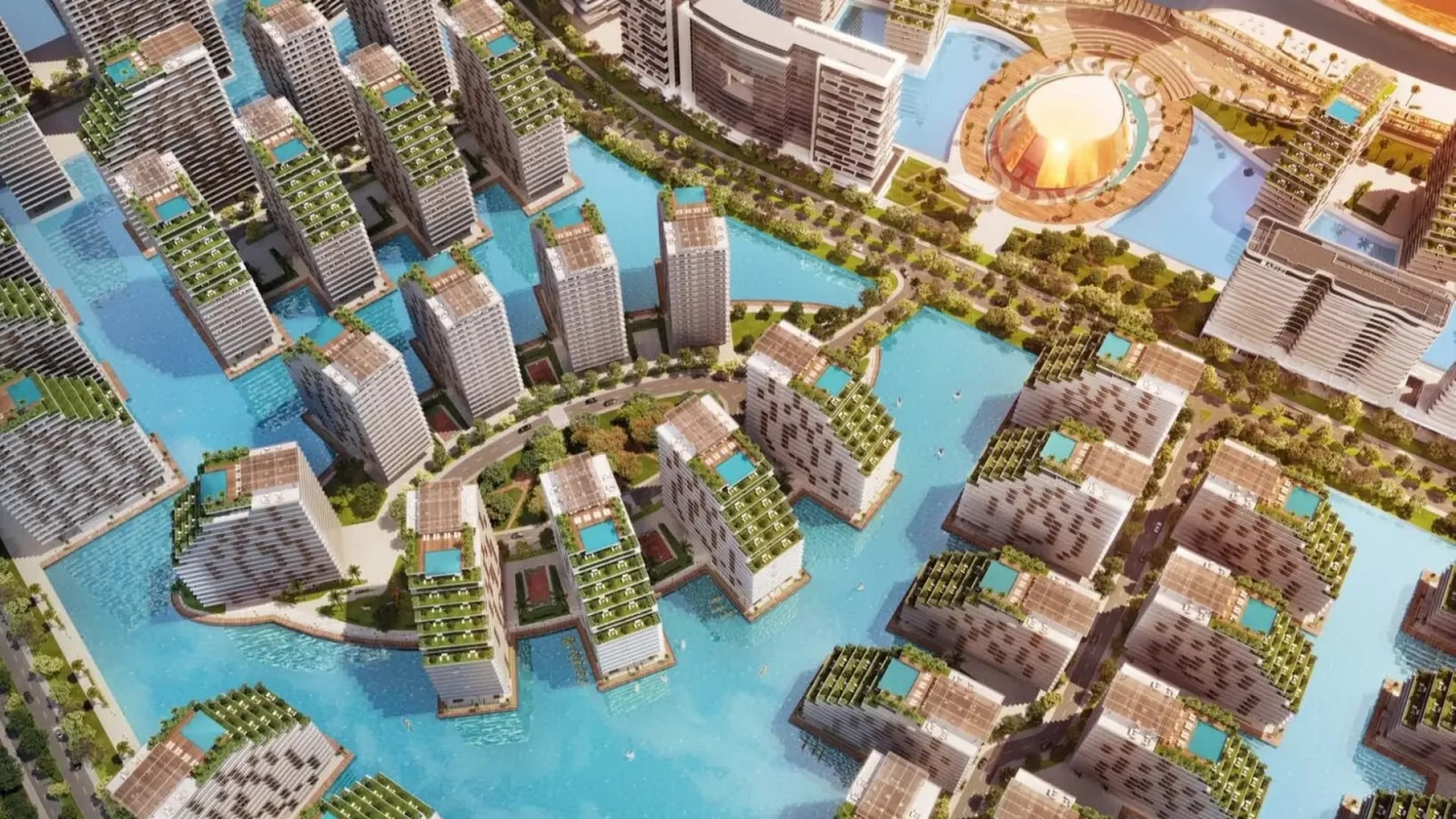
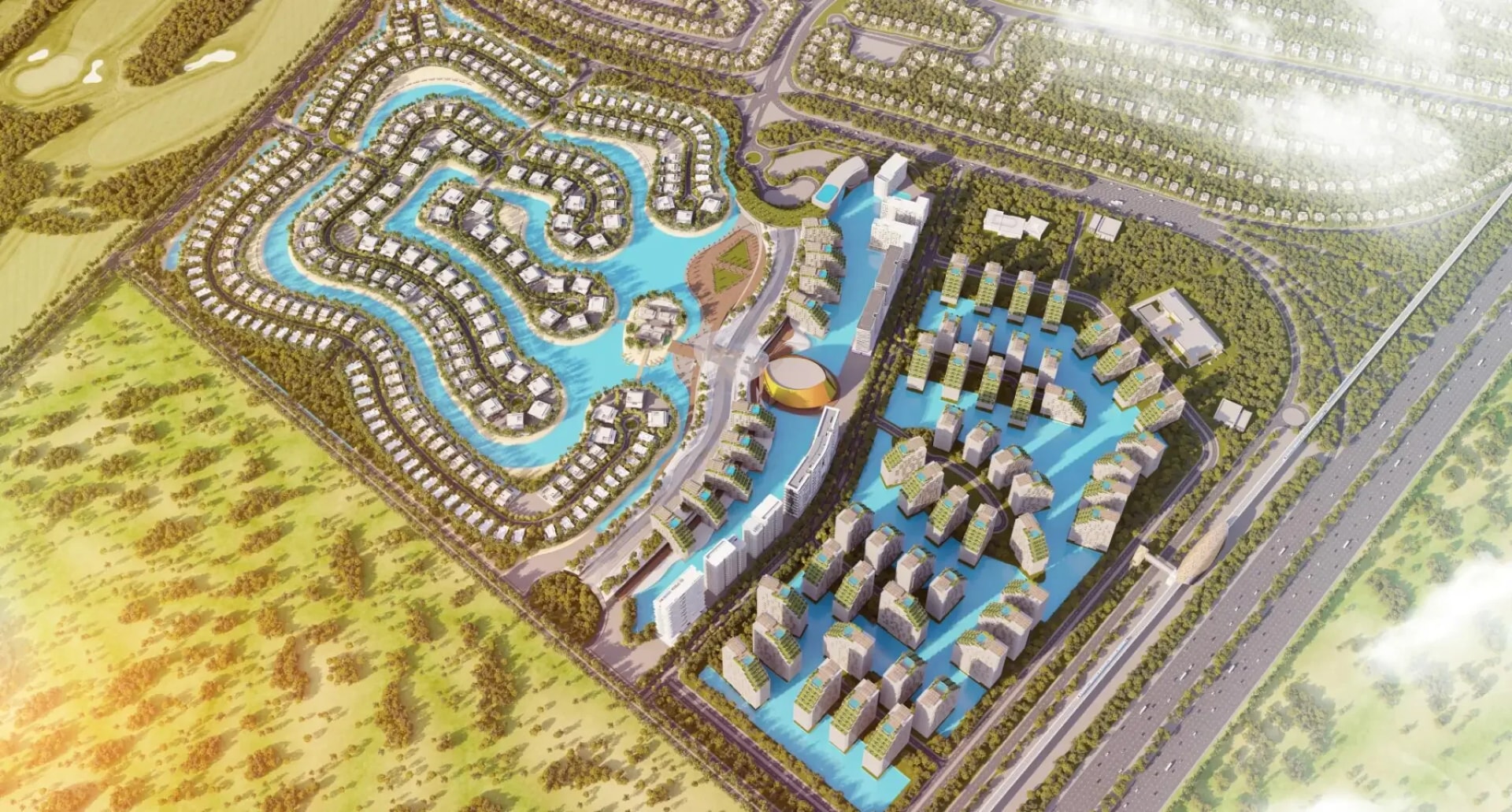
The development is a city within a city. It includes a residential district (The Pulse, Mag City, Emaar South), a logistics district (adjacent to the airport), a commercial district, a golf district, and the Exhibition District anchored by Expo City.
Driving distances from Dubai South: 25 minutes to Dubai Marina, 35 minutes to Downtown Dubai, 15 minutes to Ibn Battuta Mall, and 10 minutes to Expo City. The Route 2020 metro extension connects to the Red Line at Jebel Ali, providing a rail link to the rest of the city.
The geographic positioning matters because it sits between two major economic drivers: the airport expansion and the Expo City legacy. Both generate jobs that create housing demand within the immediate area.
Al Maktoum Airport Expansion: The Investment Catalyst
Al Maktoum International Airport is currently a smaller facility handling cargo and some passenger flights. The confirmed expansion will transform it into the world's largest airport.
Phase 1 capacity: 260 million passengers annually. For context, Dubai International (DXB) handled 92.3 million passengers in 2024. The new airport will be nearly 3x the size.
Project cost: AED 128 billion (USD 35 billion). This is the largest single infrastructure investment in Dubai's history. The scale of capital commitment signals long-term government backing.
Construction timeline: Phase 1 operational by 2032-2034. The runway and terminal construction is underway. Supporting infrastructure (roads, utilities, transit links) is being built in parallel.
Employment impact: 500,000+ jobs. Airport operations, logistics, hospitality, retail, and support services will create a massive workforce that needs housing within commuting distance.
This is the core investment thesis for Dubai South. Every major airport expansion globally has driven property values in the surrounding 15 km radius by 40-80% over a 10-year period. Investors who buy at current prices position themselves before the demand wave arrives.
Expo City Dubai: The Institutional Anchor
The Expo 2020 site has been converted into Expo City Dubai, a permanent district housing government offices, corporate headquarters, and innovation labs. It operates as a mixed-use economic zone.
Key tenants include the Ministry of Industry and Advanced Technology, Siemens regional headquarters, DP World's logistics innovation center, and the Terra Sustainability Centre. These are not temporary occupants. They have long-term leases and permanent operations.
Expo City creates an immediate tenant base for Dubai South residential properties. Professionals working in Expo City can live in Dubai South and commute in under 10 minutes. This is the shortest commute available among all Dubai residential communities for Expo City workers.
We see this in the data. Ejari registrations in Dubai South increased 34% in 2024, with Expo City employees representing the fastest-growing tenant segment. Average lease values in units closest to Expo City run 8-12% above the Dubai South average.
Current Residential Market in Dubai South
The residential district in Dubai South currently has around 12,000 delivered units across several sub-communities. Here is the breakdown by area.
The Pulse (by Dubai South Properties). Studios and 1-2 bedroom apartments. Price: AED 600-900/sqft. The most established sub-community with retail, a supermarket, and a community center. Gross yield: 7.5-8.5%.
Emaar South. Villas, townhouses, and apartments. Price: AED 800-1,200/sqft for apartments, AED 900-1,400/sqft for villas. Golf course community developed by Emaar. Premium positioning within Dubai South. Gross yield: 6.0-7.5%.
MAG City. Studios and 1-bedroom apartments. Price: AED 550-850/sqft. Budget-friendly option with the lowest entry prices. Gross yield: 7.5-9.0%.
Urbana by Emaar. Townhouses and apartments. Price: AED 750-1,100/sqft. Newer delivery with modern finishes. Target tenant: young families. Gross yield: 6.5-8.0%.
Dubai South: Price and Yield Data
This table compares the main residential sub-communities within Dubai South.
| Sub-Community | Unit Types | Price/sqft (AED) | Entry Price | Gross Yield | Service Charge/sqft |
|---|---|---|---|---|---|
| The Pulse | Studio, 1BR, 2BR | 600-900 | AED 300,000 | 7.5-8.5% | AED 8-12 |
| Emaar South (Apts) | 1BR, 2BR, 3BR | 800-1,200 | AED 550,000 | 6.0-7.5% | AED 12-16 |
| Emaar South (Villas) | 3BR, 4BR | 900-1,400 | AED 1,800,000 | 5.0-6.5% | AED 4-8 |
| MAG City | Studio, 1BR | 550-850 | AED 280,000 | 7.5-9.0% | AED 8-12 |
| Urbana | 1BR, 2BR, TH | 750-1,100 | AED 450,000 | 6.5-8.0% | AED 10-14 |
Data sourced from Dubai Land Department. Prices and yields reflect Q1 2026 market conditions. Service charges are annual rates per square foot of unit area.
Tenant Profile and Demand Drivers
Dubai South tenants fall into three categories, and understanding them helps you select the right sub-community and unit type.
Expo City professionals. Mid-to-senior level employees of government entities and multinational corporations based at Expo City. They rent 1-2 bedroom apartments at AED 45,000-75,000/year. They prefer The Pulse and Emaar South for proximity and community amenities.
Airport and logistics workers. Staff at Al Maktoum Airport, DP World logistics facilities, and the Dubai South Free Zone. They rent studios and 1-bedrooms at AED 25,000-45,000/year. MAG City and The Pulse budget units serve this segment.
Families seeking affordability. Working families priced out of Dubai Marina, JVC, and other central communities. They rent 2-3 bedrooms at AED 55,000-90,000/year. Emaar South and Urbana townhouses attract this group.
Demand is growing across all three segments. We project 15-20% rental growth in Dubai South over 2026-2028 as airport construction ramps up and Expo City adds tenants. This projection is based on comparable airport-adjacent developments globally and current Ejari registration trends.
Risks and Considerations
Dubai South carries specific risks that differ from established communities. You should weight these against the upside potential.
Infrastructure timing risk. The airport expansion timeline could shift. If Phase 1 completion moves from 2032 to 2036, the rental growth trajectory flattens. Your capital is tied up for longer before the demand surge materializes.
Current amenity gaps. Dubai South's retail, dining, and entertainment options are limited compared to JVC, Dubai Marina, or Business Bay. Tenants who prioritize lifestyle may choose communities closer to the city center.
Supply pipeline. Significant new residential inventory is planned for 2026-2029. If supply outpaces demand in the short term, rents could soften by 5-10%. Focus on delivered units with existing tenants rather than off-plan launches.
Distance from Dubai's core. At 25-35 minutes from the city center, Dubai South is not convenient for professionals working in DIFC or Downtown. This limits your tenant pool to people working in the immediate area.
construction standard variation. Budget developments like MAG City use lower-specification finishes. Higher maintenance costs and faster depreciation can erode net yields. Inspect units personally before purchasing.
Our View on Dubai South
Dubai South is the strongest infrastructure-driven investment opportunity in Dubai today. The airport expansion, Expo City development, and free zone growth create a demand trajectory that no other emerging community can match.
we recommend you Dubai South for investors with a 7-10 year horizon who can tolerate short-term infrastructure delays. The entry prices are low enough that even modest appreciation delivers strong percentage returns. The yields cover your holding costs while you wait.
For shorter horizons (3-5 years), established communities like JVC and Business Bay offer more immediate returns. Dubai South is a bet on future Dubai, and the data supports it. RERA BRN 1573501.
Contact our team for building-level analysis and unit recommendations in Dubai South based on your budget and timeline.
Last updated April 2026.
Related guides: - Dubai Real Estate Brokerage Regulations 2026 - Escrow Agreement in Dubai: What It Contains - Dubai Handover Process: What to Expect
Explore Dubai Areas on Oliva
Dubai Property Investment Checklist: Key Numbers
Before committing to any Dubai property purchase, verify these six data points. Each directly impacts your net yield and exit options.
1. Service charge per sqft. Ranges from AED 5/sqft in basic communities to AED 25/sqft in premium developments. On a 1,000 sqft unit, the difference is AED 20,000 per year in holding costs. Service charge data is available from the Dubai Land Department or the RERA service charge calculator.
2. Vacancy rate by building. Emirate-wide vacancy runs 7-12%, but individual buildings range from 2% to 30%. A building with 20% vacancy signals oversupply, management issues, or deteriorating specifications. Request Ejari registration data for the specific building before purchasing.
3. Transaction volume (last 12 months). Liquid markets have 30+ transactions per year in a given building or community. Below 10 transactions per year means you may struggle to exit at your target price. DLD transaction history is public and searchable.
4. Mortgage availability. Not all Dubai properties qualify for mortgage financing. Off-plan projects require RERA escrow registration. Ready units need a valuation report from a DLD-approved firm. LTV for expatriates on ready properties is capped at 75% for properties above AED 5 million.
5. RERA broker verification. Confirm your agent holds an active RERA BRN. Unlicensed agents operate outside RERA dispute resolution. License verification takes 30 seconds at the RERA website. RERA BRN 1573501.
6. DLD title deed status. Verify the property has no registered encumbrances (liens, mortgages, injunctions) before signing any sale agreement. Title deed searches are available through the Dubai REST app or DLD customer happiness centers.
Dubai Property: Complete Cost Breakdown for Investors
Dubai property costs fall into three categories: acquisition costs (paid once), holding costs (paid annually), and exit costs (paid on sale). Understanding all three determines your actual net return.
Acquisition costs (one-time): - DLD registration fee: 4% of purchase price + AED 580 admin - Agency commission: 2% (negotiable) - Trustee office fee: AED 4,200 (secondary market) or AED 3,500 (off-plan) - Developer NOC: AED 500-5,000 - Mortgage fees (if applicable): valuation AED 2,500-3,500, bank processing AED 3,000-6,000, mortgage registration 0.25% of loan amount
Annual holding costs: - Service charges: AED 5-25/sqft/year depending on community (billed quarterly by RERA-registered management companies) - DEWA deposit: AED 2,000 (one-time refundable) + consumption - Property management: 5-10% of annual rental income (optional) - Building insurance: AED 500-2,000/year
Exit costs (on sale): - Agency commission: 2% (paid by seller) - DLD transfer fee: 4% (paid by buyer, though sellers sometimes share) - Mortgage discharge (if applicable): AED 1,000-2,500
Total acquisition cost typically runs 6.5-7.5% above the purchase price for cash buyers and 7.5-9% for mortgage buyers. Net annual yield is gross yield minus service charges, management fees, and vacancy provision. The gap between gross and net yield averages 1.5-2.5 percentage points. Source: Dubai Land Department, RERA. RERA BRN 1573501.
What You Need to Prepare Before Buying Dubai Property
Before you commit to any property, prepare your documents, confirm your budget, and verify your financing position. Your passport must have at least 6 months of remaining validity from your expected closing date. Your proof of address must be dated within 3 months.
If you plan to use mortgage financing, get your pre-approval letter before you start viewing properties. Your pre-approval letter tells you your maximum loan amount and gives you a clear budget ceiling. You can typically receive pre-approval within 5-7 business days through a UAE bank.
Once you identify a property you want, verify that your agent holds a valid Trakheesi permit before you sign any paperwork. Your 10% deposit is protected under Form F, but only if your agreement is registered through a RERA-licensed broker. Confirm your due diligence list is complete before transfer day. RERA BRN 1573501. Source: Dubai Land Department.
Important Notice
Past performance does not guarantee future returns. Investing in real estate involves risk, including the potential loss of capital. Rental yields, capital appreciation projections, and market statistics cited above are based on historical data and are provided for informational purposes only. Please consult a qualified financial or legal advisor before making any investment decision.
Frequently Asked Questions
Why is Dubai South a great place to invest in real estate?
Dubai South combines the lowest freehold entry prices in established Dubai (studios from AED 300,000) with gross yields of 7-9% and a confirmed infrastructure catalyst in the Al Maktoum Airport expansion (AED 128 billion investment, 260 million passenger capacity). Expo City Dubai adds immediate tenant demand. The area is positioned for 40-80% appreciation over the next decade based on airport-adjacent development patterns globally.
What are the best options to invest in Dubai real estate?
Dubai Marina, Downtown Dubai, Palm Jumeirah, JVC, and Business Bay rank as the top five freehold areas by foreign buyer transaction volume. These areas combine liquidity (easy resale), established infrastructure, and proven rental demand. Data sourced from Dubai Land Department.
What is the best investment strategy for Dubai South?
Buy delivered units (not off-plan) in The Pulse or Emaar South sub-communities. Target 1-bedroom apartments priced at AED 450,000-650,000, which attract Expo City professionals and airport workers. Hold for 7-10 years to capture the airport expansion demand wave. Collect 7-8% gross yield while you wait. Avoid over-leveraging. Dubai South is a patience play.
How do I find an investment partner for Dubai property?
Work with RERA-licensed brokers and investment advisors. Verify broker credentials through the DLD Trakheesi system. For co-investment structures, consult a Dubai-licensed lawyer on joint ownership agreements. At Oliva, we connect investors with vetted partners and provide data-backed property recommendations. RERA BRN 1573501.
What are the best things to invest in Dubai as a foreigner?
Foreigners can buy freehold property in over 60 designated zones across Dubai. No residency visa required to purchase. Foreign you can access mortgage financing up to 50% LTV. Properties worth AED 2M or more qualify for a Golden Visa.
What is the expected ROI on Dubai South property?
Current gross rental yields run 7-9%. Capital appreciation over 2022-2025 has averaged 6-9% annually. Total return (yield plus appreciation) has been 13-18% per year. We project accelerating appreciation as airport construction progresses, with total returns potentially reaching 15-22% annually in the 2028-2032 period. These are projections, not guarantees. Data sourced from Dubai Land Department.
Explore further
The project, area, and developer this post covers, with live Dubai Land Department data.
Related articles

Dubai Land Department: The Complete 2026 Investor Guide

RERA vs DLD: What's the Difference and Why It Matters to You

Ejari Registration Walkthrough: Dubai's Tenancy System for Owners and Tenants
Trakheesi Permit System: Why Every Dubai Property Listing Needs One

DLD Project Status: How to Check Your Off-Plan Project Online
Dubai Real Estate Brokerage Regulations 2026
Related Dubai property analysis from the Oliva editorial team.