Underwrite before you commit
The figures in this post are checked against Dubai Land Department records and RERA filings. Get an independent underwriting score on any project, or ask Javier on WhatsApp.
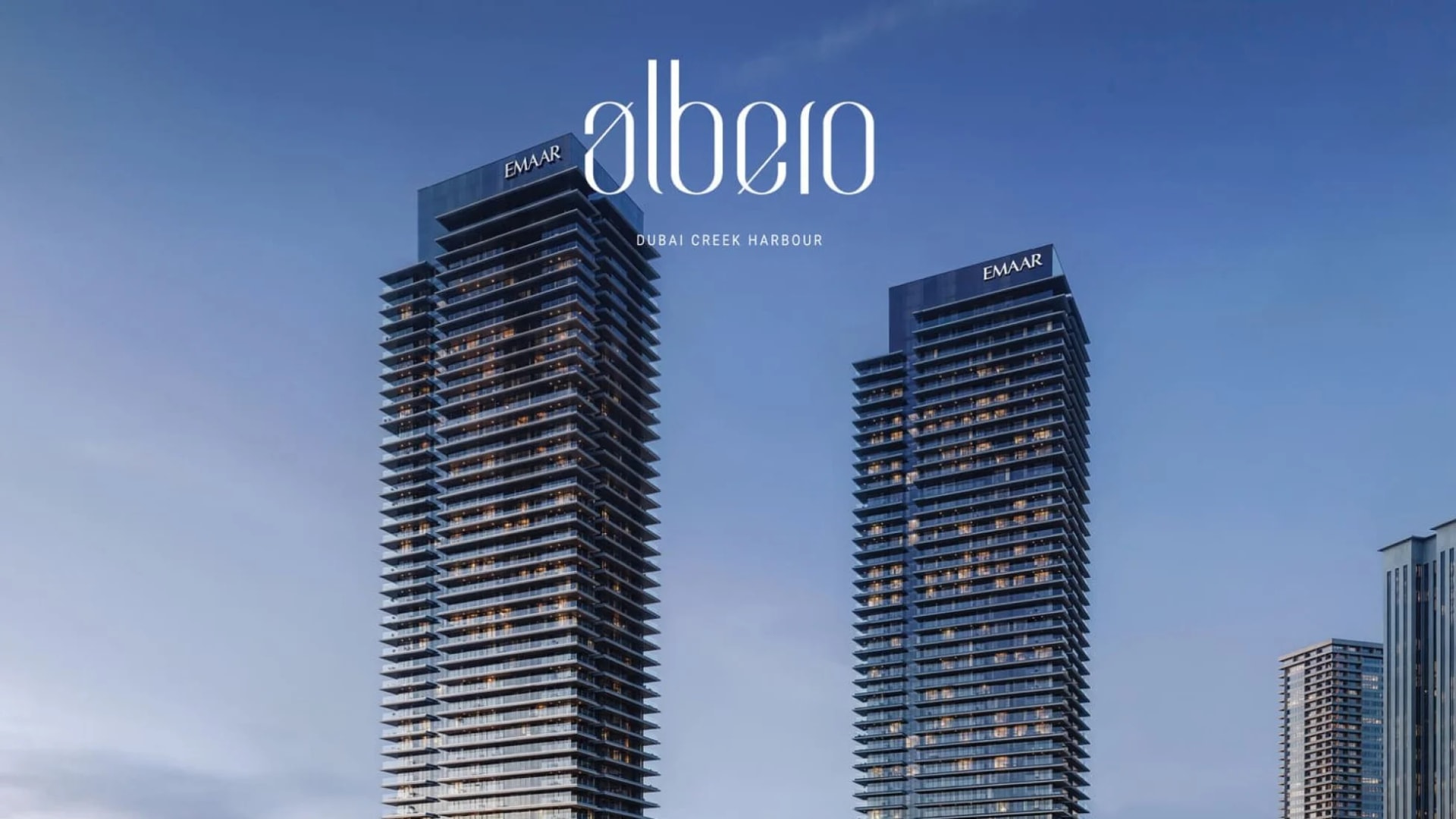
Key Takeaways on Dubai Creek Harbour Investment
Market Returns: Expect annual rental yields of 6-8%, a significant outperformance compared to the sub-3% returns common in Western property markets like London or New York.
Price and Location Advantage: Properties are priced around 10-15% lower than in Downtown Dubai, despite being strategically located just 15 minutes from the DIFC and airport, which attracts high-quality professional tenants.
Unit Economics: Studios generally offer higher yields (6-8%) with more tenant turnover, whereas two and three-bedroom units provide greater stability and slightly lower yields (5-7%) from long-term family tenants.
Completion Risk and Developer Quality: While off-plan purchases carry inherent risks of delays, choosing a reputable developer like Emaar significantly mitigates this. Dubai's DLD escrow system offers additional protection for your capital.
Total Costs: Remember to budget for costs beyond the purchase price, including the 4% DLD fee, agent commissions, and annual service charges, to accurately calculate your net return.
Exit Strategy: Dubai offers a liquid property market and a straightforward process for capital repatriation, with no currency controls, allowing you to sell your asset and transfer funds internationally with ease.
Market Overview: Dubai Creek Harbour Investment Returns
If you're sitting on rental property in London pulling 2% yields, or you've got a New York portfolio that's barely covering the mortgage, what you'll see in Dubai Creek Harbour is going to feel completely different. Because it is.
We're talking 6-8% annual returns, and these aren't projections someone cooked up in Excel. This is what properties here are actually delivering right now. Monthly rental income hitting your account, and capital appreciating in one of the world's fastest-growing cities.
If you're managing a portfolio somewhere between £250K and £5M, Dubai Creek Harbour offers something that's become surprisingly rare in Western markets: properties that genuinely work whilst you sleep.
Rental Yields in Dubai Creek Harbour: 6-8% Analysis
Dubai Creek Harbour rental yields sit somewhere between 6-8% most of the time. Not theoretical, not best-case scenario thinking. This is what Western investors are actually getting across different property types here: everything from studios through to three-bedroom family units.
Compare that to what you're probably seeing back home. Central London? Many postcodes are now below 2%. Manhattan's struggling to break 3%. San Francisco's best properties might just clear 2.5% if you're lucky. At those numbers, you're essentially paying for the privilege of being someone's landlord.
Dubai Creek Harbour shifts that dynamic quite substantially. Studios pull in young professionals, lots of them on contracts with multinationals. Occupancy stays pretty consistent even though tenancies tend to be shorter. One and two-bedroom units perform strongest because they match what expatriate professionals actually need when they relocate to Dubai: modern space, decent location, reasonable price point. Three-bedroom apartments appeal more to families, who typically stay longer, so whilst the percentage yield might compress a bit, your turnover costs drop.
The returns are supported by fairly straightforward economics. Dubai's economy keeps growing, the expatriate population keeps expanding, and housing supply in quality waterfront developments hasn't quite caught up with demand yet. Dubai Creek Harbour sits right in that sweet spot: Metro access and proximity to DIFC, but without the 20-30% price premium you'd pay for equivalent space Downtown.
Whether you capture 6% or 8% isn't really about luck. It comes down to buying the right property, pricing it correctly, and having responsive management in place. Properties sit empty when owners either overpaid at purchase or haven't adjusted to what the market's actually paying. Well-bought units with proper management? They rarely see extended vacancies.
What drives successful Dubai Creek Harbour rental performance:
Prime location selection: Properties within 10 minutes of DIFC consistently outperform peripheral units by 1-2% yield
Market-aligned pricing: Competitive rental rates based on current comparable properties, not historical performance
Quality property management: Professional tenant screening and responsive maintenance reduce vacancy periods
Strategic property upgrades: Modern fixtures and efficient layouts command premium rents from expatriate professionals
Dubai Creek Harbour Property Prices vs. Downtown Dubai
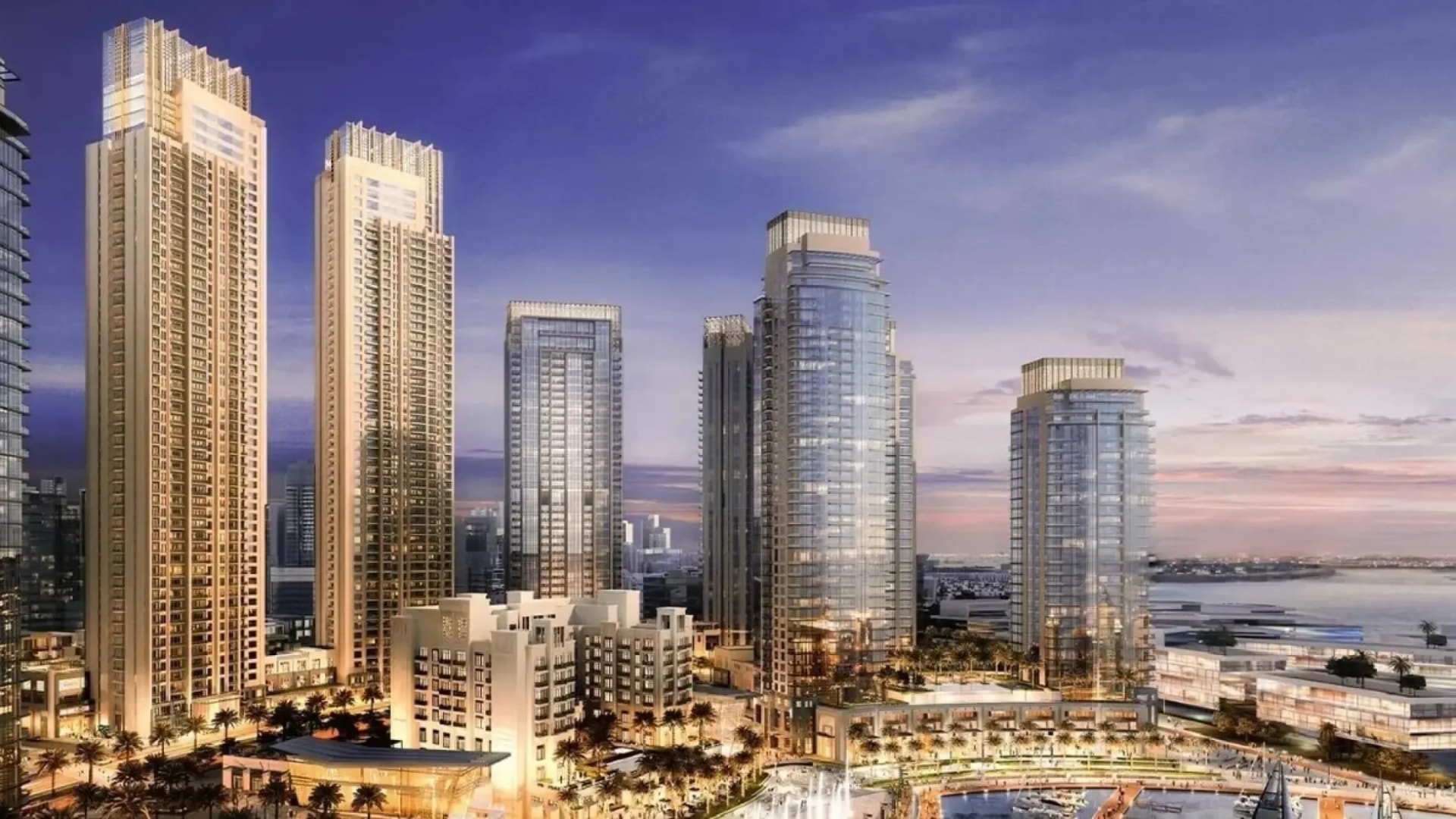
Dubai Creek Harbour vs Downtown Dubai pricing reveals some interesting opportunities if you're thinking about capital efficiency. Downtown commands premium pricing, obviously. It's got the brand recognition, the established infrastructure. It's the address that international clients recognise, and you pay for that recognition.
Dubai Creek Harbour gives you newer construction, Creek views, access to the same business districts, but at about 10-15% less than comparable Downtown units. If you're building a portfolio and thinking about capital allocation across multiple properties, that pricing gap matters quite a bit.
Dubai Creek Harbour property prices (late 2025):
Property Type
Dubai Creek Harbour (Approx. Avg. Price)
Downtown Dubai (Approx. Avg. Price)
Studio Apartment
AED 1.05M - 1.3M
AED 1.2M - 1.5M
1-Bedroom Apartment
AED 1.4M - 1.8M
AED 1.6M - 2.0M
2-Bedroom Apartment
AED 2.0M - 2.8M
AED 2.3M - 3.2M
3-Bedroom Apartment
AED 3.0M - 4.5M
AED 3.5M - 5.0M
Prices vary based on specific projects, views, and finishes. This data reflects late 2025 market conditions.
The discount creates opportunity for anyone who understands the fundamentals. You're buying into the same economic zone, accessing the same tenant pool, capturing similar yields, just deploying less capital per unit. As infrastructure completes and the area matures (which it will), that pricing gap should compress. That's where your capital appreciation comes from.
Here's a practical example. If you're allocating £2M, you could buy two premium units in Downtown, or you could pick up three solid units in Dubai Creek Harbour. Those three units give you better portfolio diversification, higher total rental income, and honestly, probably better total returns even if Downtown has the more prestigious address.
Location and Economic Fundamentals
For Western investors managing properties from London, Toronto, or San Francisco, Dubai Creek Harbour's location basically determines whether your investment stays genuinely passive or becomes a time drain you didn't sign up for. The positioning here delivers what absentee landlords actually need: proximity to business districts (quality tenants), infrastructure that reduces management headaches, connectivity that supports property values.
Dubai Creek Harbour Location: Distance to DIFC and Airport
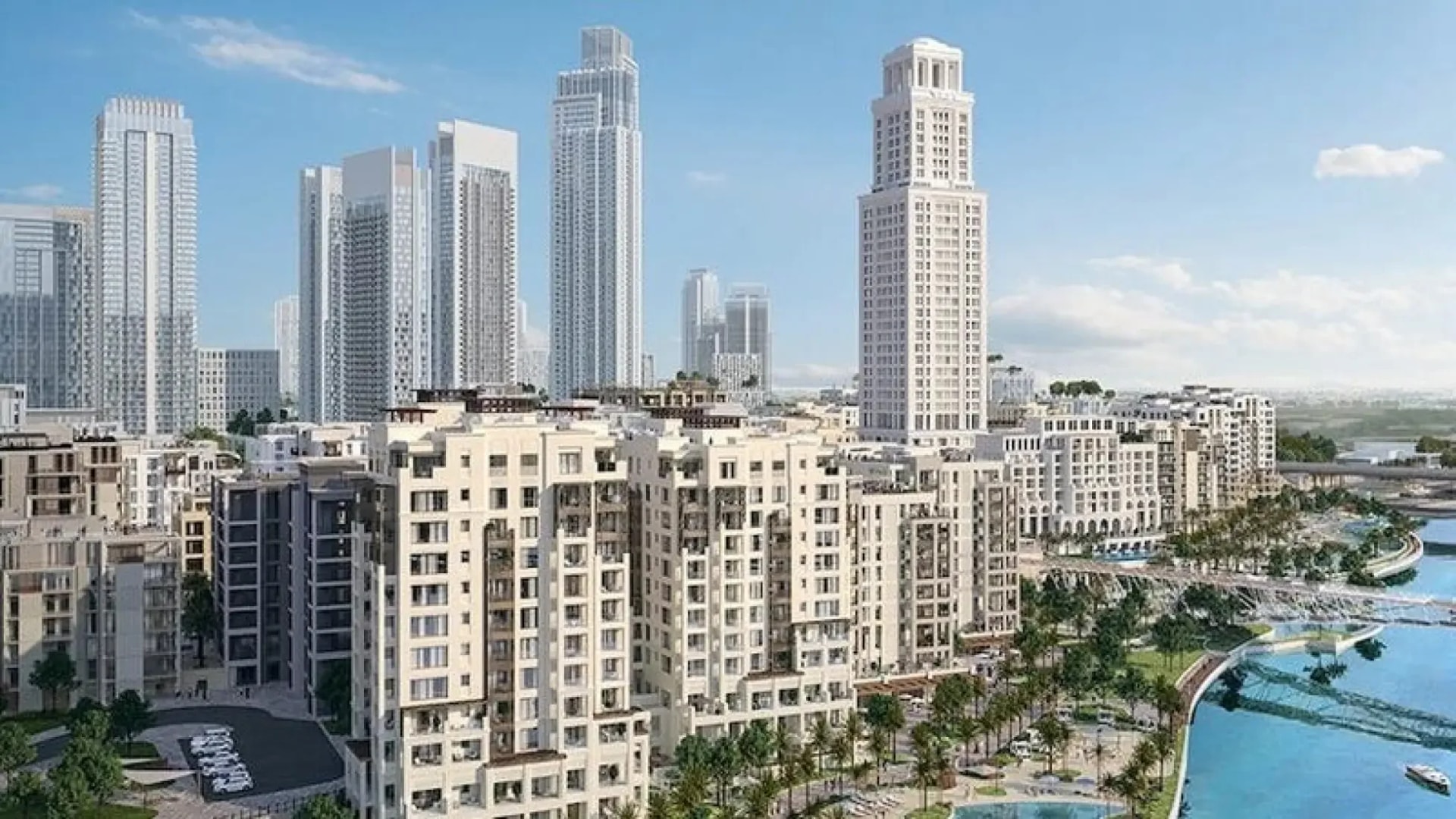
Dubai Creek Harbour sits in a strategic position. About 10 minutes from Dubai International Airport (DXB), roughly 15 minutes from both Downtown Dubai and DIFC. For tenants working in finance or travelling frequently, those commute times directly impact rental demand and ultimately your occupancy rates.
This matters because your tenant pool at Dubai Creek Harbour overlaps heavily with the professionals working at DIFC. We're talking about capital markets analysts, private equity associates, fund managers, consultants serving financial services. These are stable, high-income tenants. They renew leases predictably, maintain properties properly. Exactly the demographic you want when you're managing remotely and can't easily pop round to inspect properties or chase problem tenants.
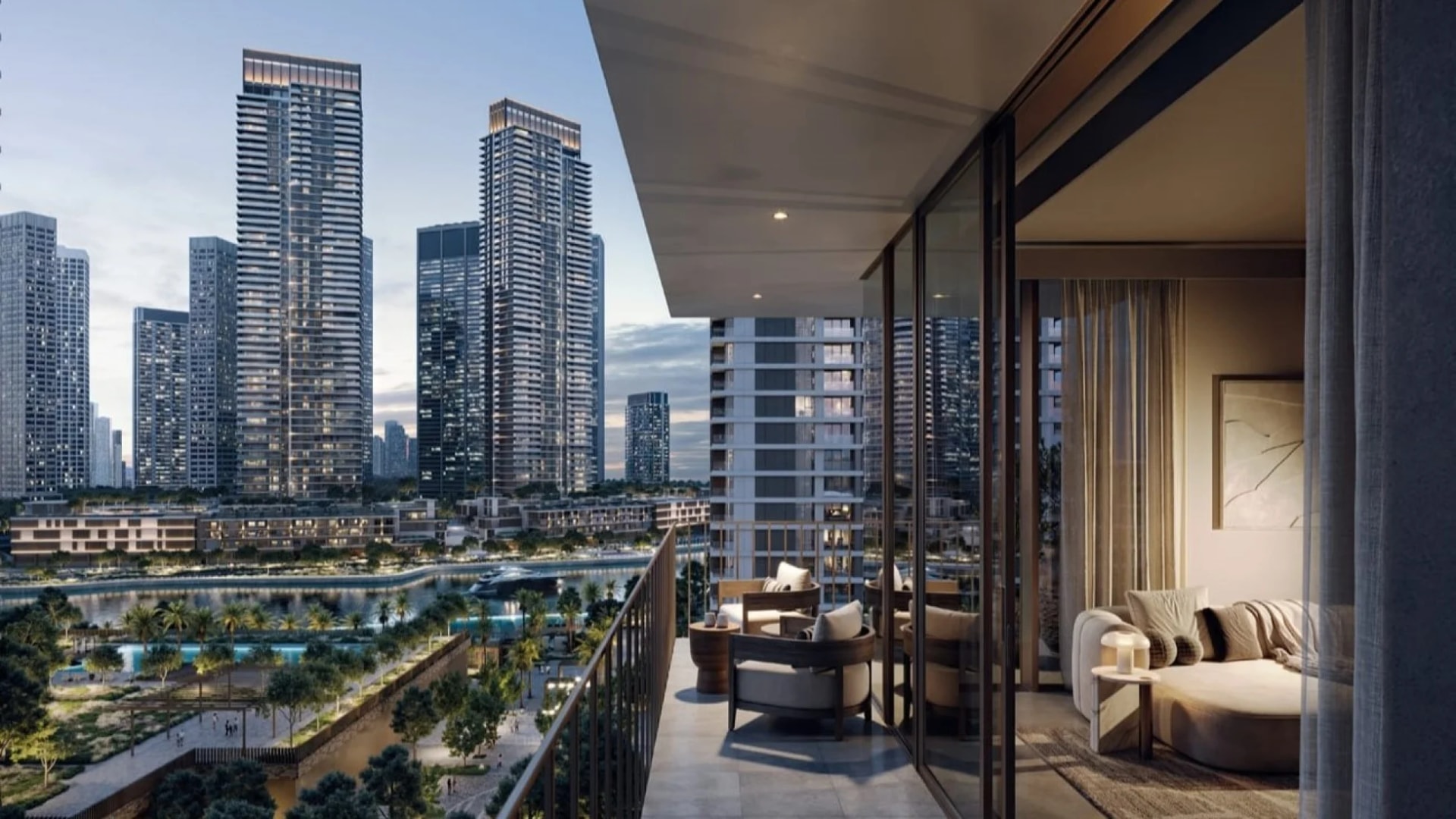
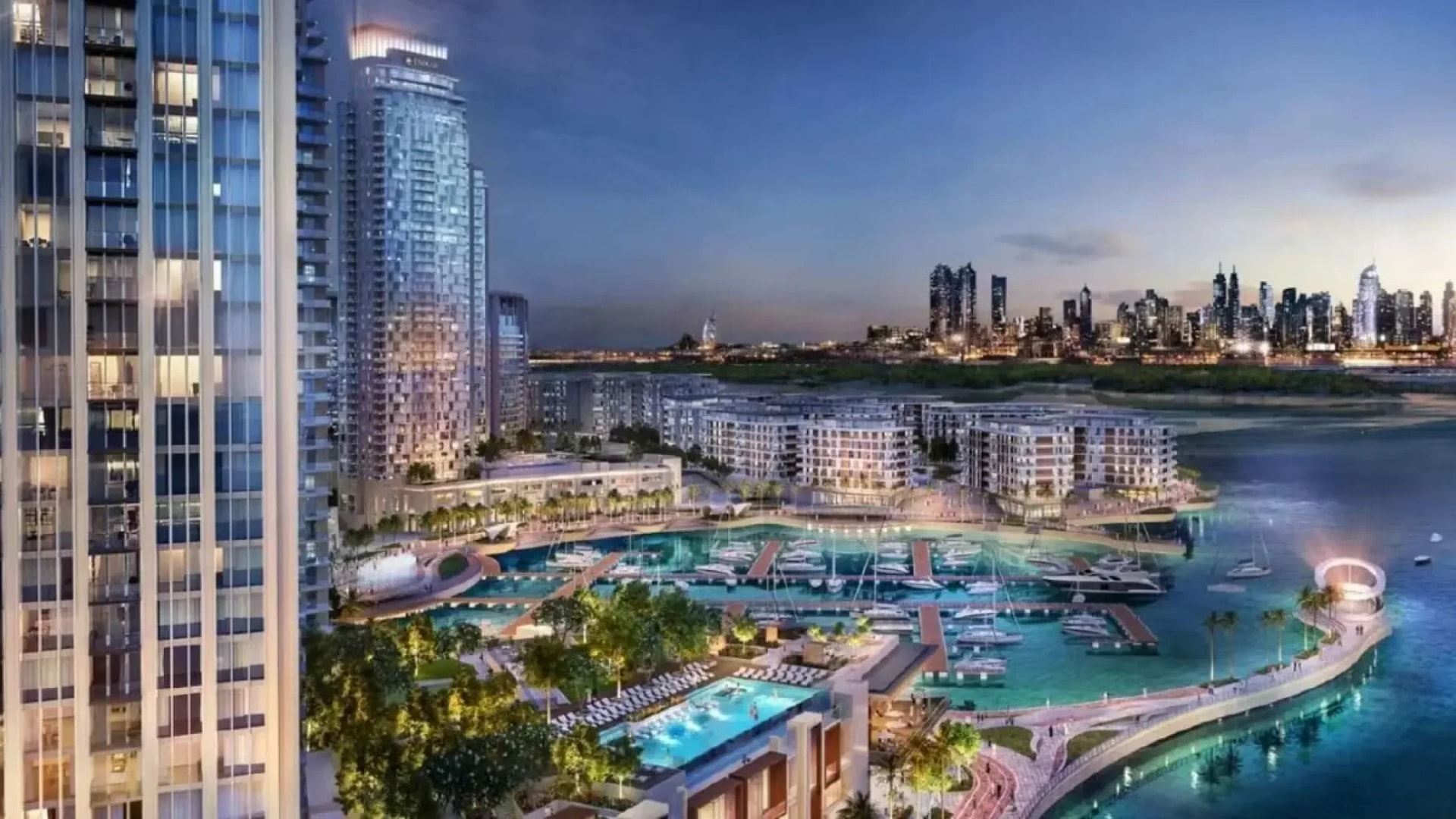
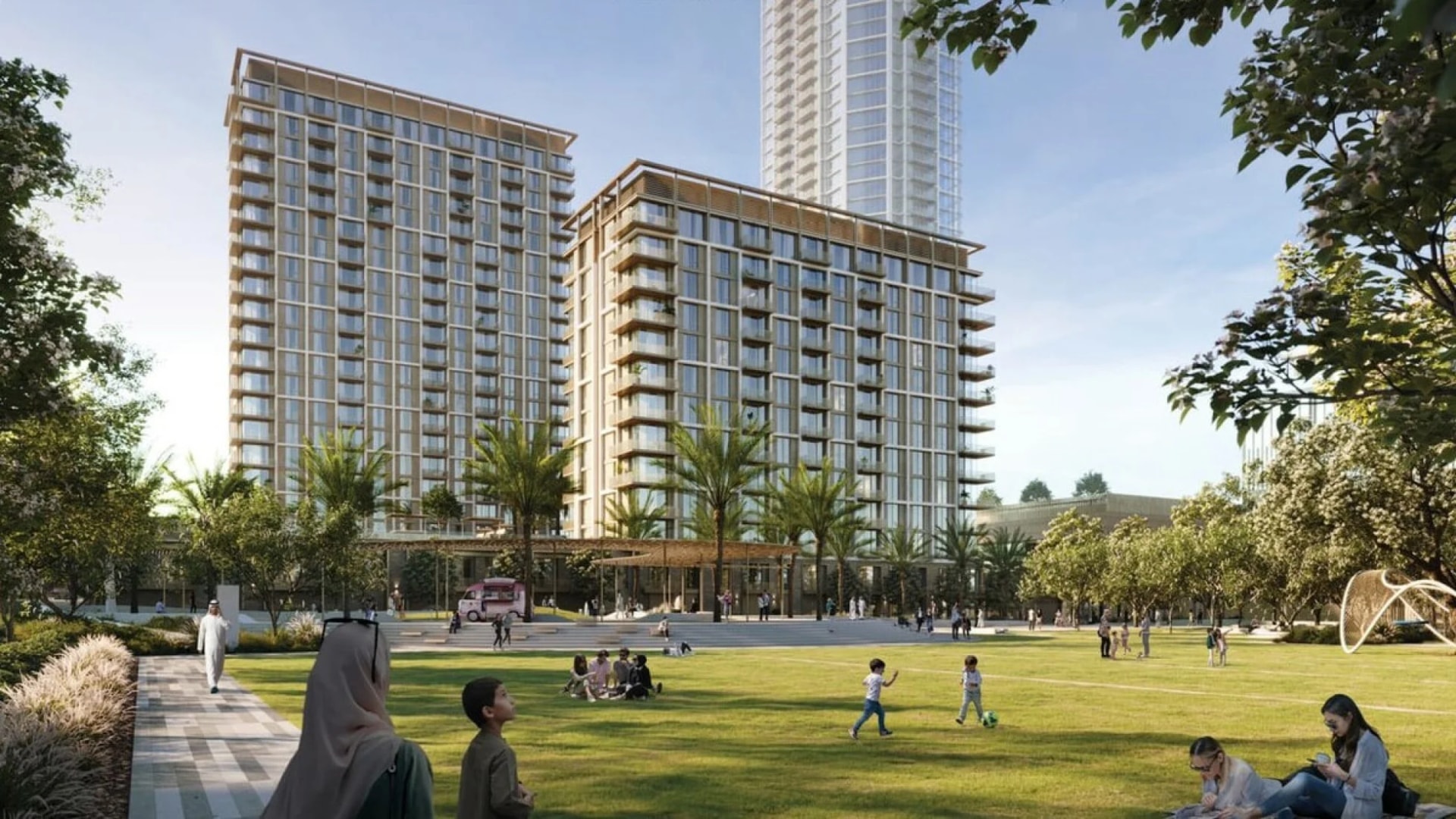
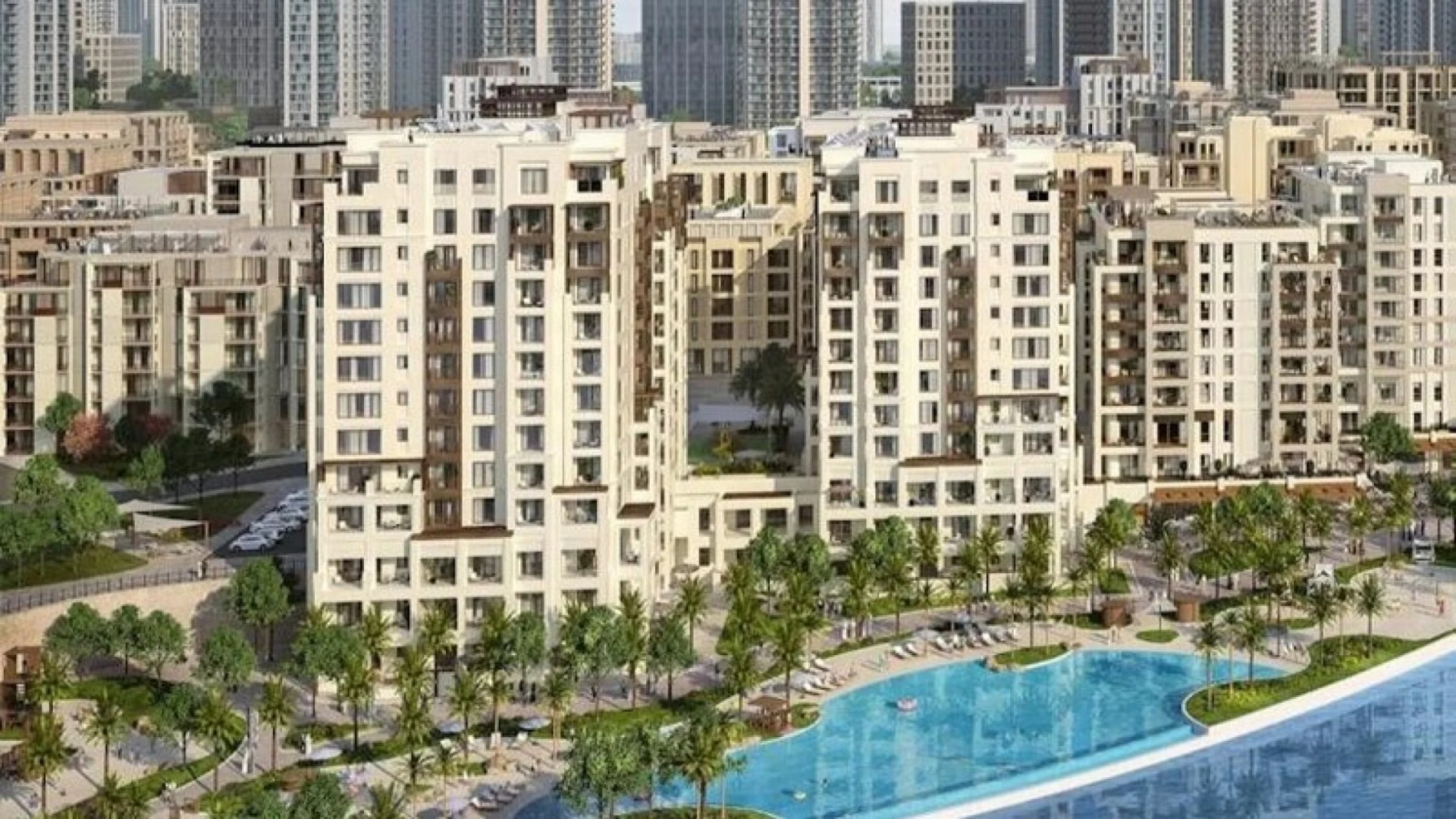
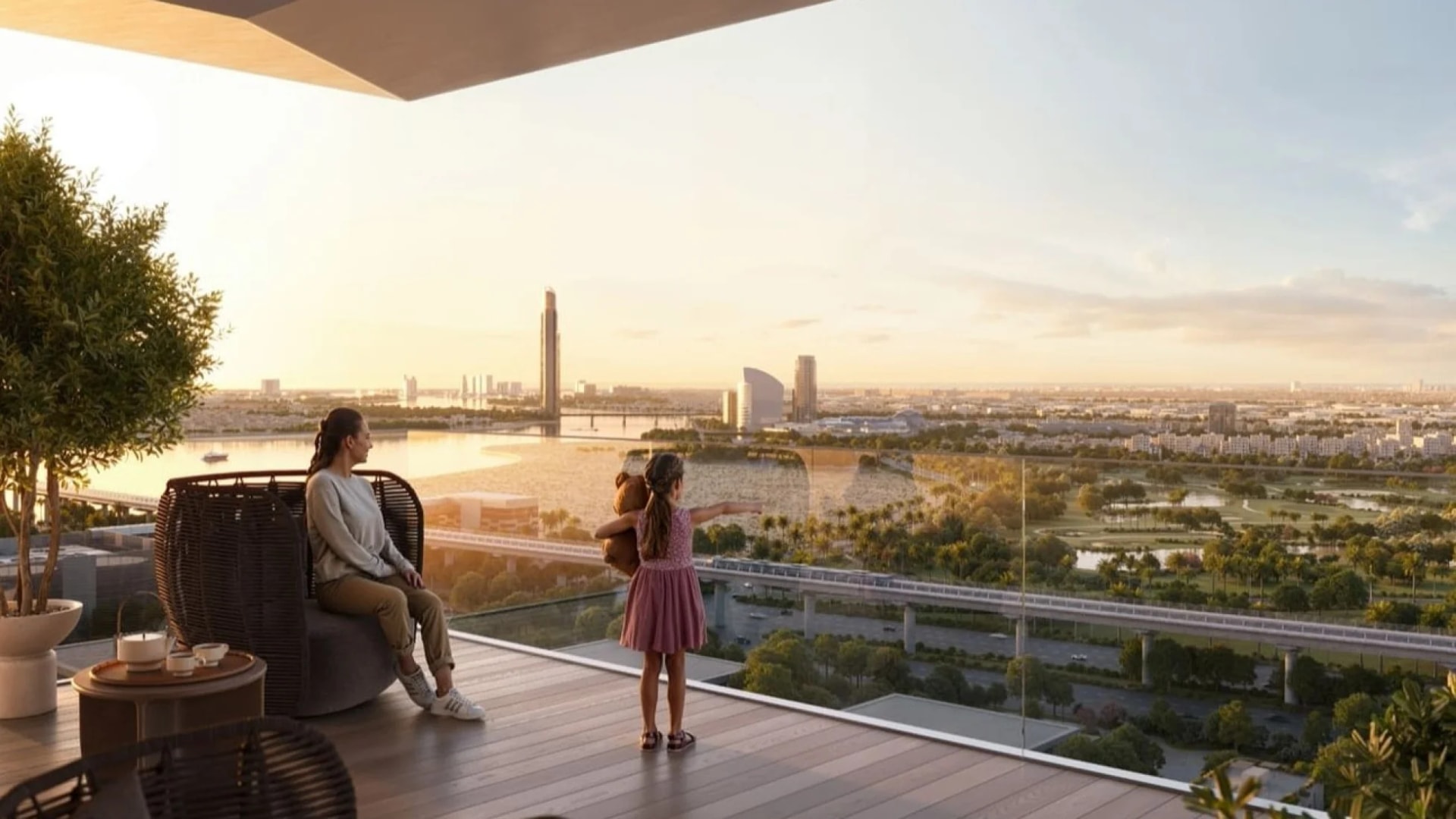
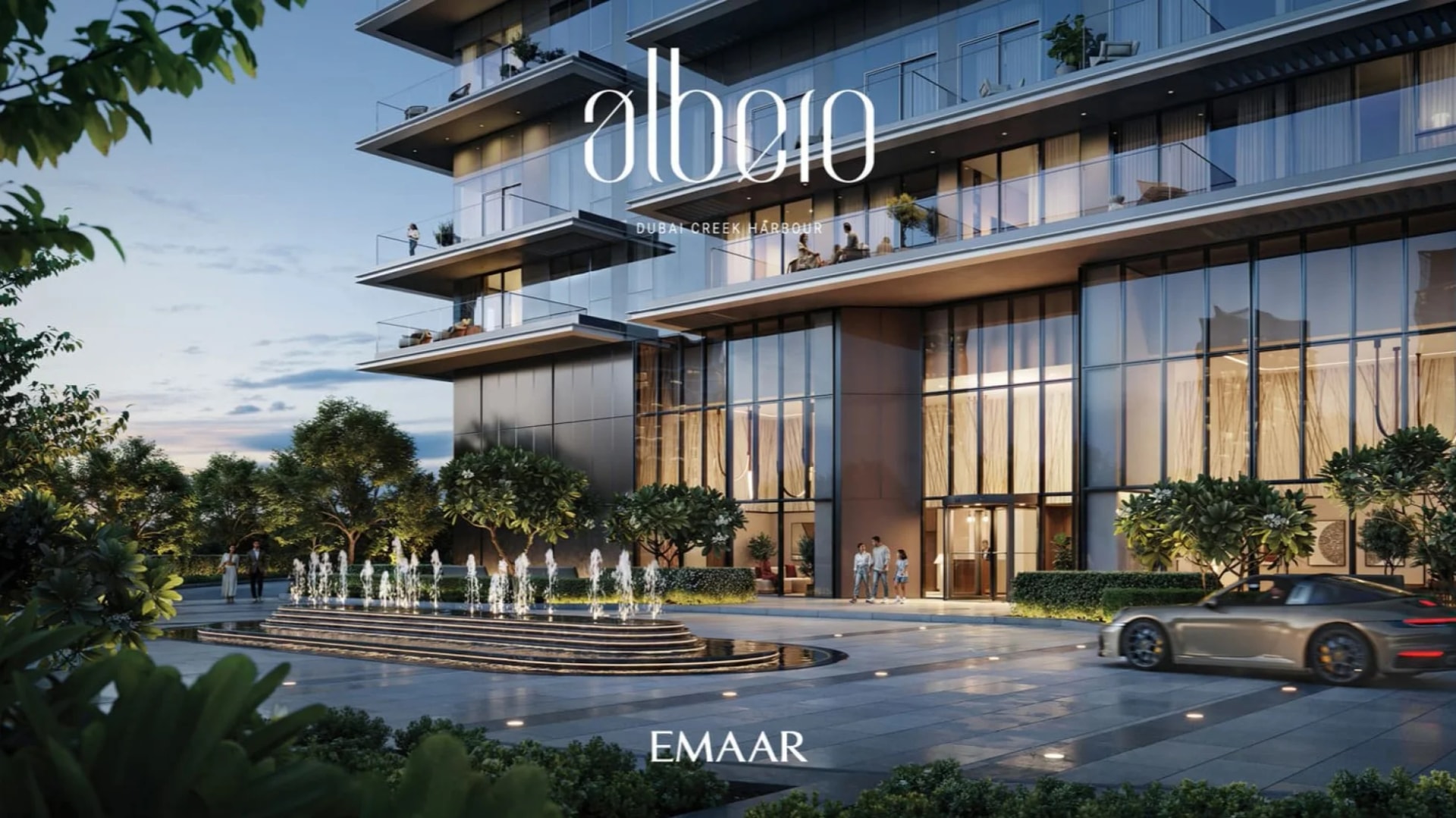
The development also borders Ras Al Khor Wildlife Sanctuary, which adds Creek views and some actual green space. Differentiates it from the purely urban concrete tower developments. That's a selling point for family tenants who want something beyond just another high-rise.
Dubai Creek Harbour travel times to key destinations:
Dubai International Airport (DXB): ~10 minutes
Downtown Dubai & DIFC: ~15 minutes
Dubai Marina: ~25 minutes
Al Maktoum International Airport (DWC): ~40 minutes
These proximity metrics translate directly into rental pricing power. Professionals don't want 45-minute commutes to DIFC. Business travellers prioritise airport access. Dubai Creek Harbour delivers both without requiring you to pay Burj Khalifa-adjacent prices.
Why Dubai Creek Harbour's location attracts premium tenants:
DIFC proximity: 15-minute commute appeals to finance professionals earning AED 30,000+ monthly
Airport connectivity: 10-minute access to DXB supports business travellers and frequent flyers
Waterfront positioning: Creek and Ras Al Khor Sanctuary views differentiate from standard urban developments
Infrastructure development: Ongoing improvements signal long-term government commitment to the area
Dubai Creek Harbour Metro and Road Access
Dubai Creek Harbour's road connectivity is solid. Major highways link the development to the rest of the city. For the car-dependent majority of Dubai residents (which is most of them), that matters more than Metro access in practical terms.
Public transport is developing but needs realistic expectations. The nearest Metro stations currently require a short taxi or bus connection depending on which building you're in. Emaar's master plan includes further transit integration as the community expands, so that should improve.
For Western investors managing remotely, the improving infrastructure signals something important: long-term government and developer commitment to the area. That commitment protects your capital. Areas where infrastructure stalls or fails to develop? Property values tend to stagnate. Areas where infrastructure keeps improving? You typically see both capital appreciation and sustained rental demand.
The Dubai government has a pretty strong track record of completing planned infrastructure. Partly because their entire economic model depends on maintaining Dubai's reputation as a reliable destination for international capital. That institutional commitment to infrastructure delivery is something you'd really struggle to find in many emerging markets, and it's precisely what makes passive real estate investment feasible here.
Unit Economics by Property Type
Professional investors building diversified portfolios need to understand the return profiles and tenant dynamics for each property type. A £2M portfolio can be structured as six studios, three two-bedrooms, or two three-bedrooms. Each approach delivers different yield characteristics, different liquidity profiles, different management requirements.
The question isn't which property type is "best." It's which combination matches your return requirements, your risk tolerance, and frankly, your management capacity.
Studio Apartments in Dubai Creek Harbour: ROI Analysis
Studio apartments in Dubai Creek Harbour represent your lowest capital entry point. They typically range from AED 1.05M to AED 1.3M (roughly £220K-£270K or $285K-$340K). For Western investors making their first allocation to emerging market real estate, studios offer portfolio diversification without oversized risk concentration in a single asset.
Dubai Creek Harbour studio rental yields for well-positioned properties land in the 6-8% range. That's driven by strong demand from young professionals and corporate short-term rentals. The trade-off? Higher tenant turnover. Studios see more frequent moves than family units, which means more time finding tenants, slightly higher maintenance churn.
But this matters less than you might expect if you've structured management properly. Professional property management firms in Dubai handle tenant placement, lease renewals, maintenance coordination. Your involvement should be limited to quarterly performance reviews and annual strategic decisions, not day-to-day operations. That's the point of passive investment.
Here's the thing about studios: focus on three variables. First, proximity to Metro or business districts reduces vacancy periods substantially. Second, efficient layouts that don't waste space appeal to young professionals who value functionality. Third, pricing that reflects current market rates rather than what you paid or what you hope to get. Studios priced 5-10% above market just sit there empty, destroying your annual yield regardless of how good the property actually is.
Two and Three-Bedroom Units: Family Tenant Demand
Two and three-bedroom apartments in Dubai Creek Harbour shift the investment thesis from turnover to stability. These units attract families and professionals needing home office space, typically on corporate relocation packages with 1-2 year lease commitments. Sometimes longer.
Rental yields for larger Dubai Creek Harbour apartments compress slightly compared to studios. They typically fall between 5% and 7%, because purchase prices rise faster than rents. But the trade-off is predictability. Family tenants renew leases more reliably, which reduces vacancy risk and those turnover costs that quietly erode your returns.
For portfolio builders managing multiple properties remotely, this stability matters significantly. Studios might deliver higher percentage yields on paper, but if you're replacing tenants every 8-12 months across six properties, you're spending time managing logistics rather than focusing on portfolio strategy. Two and three-bedroom units occupied by stable family tenants for 18-24 months? They reduce management friction substantially.
Dubai Creek Harbour property type comparison:
Property Type
Typical Size Range
Potential Rental Yield
Key Tenant Profile
Studio Apartment
400-600 sq ft
Young professionals, singles
2-Bedroom Apartment
900-1,300 sq ft
Couples, small families
3-Bedroom Apartment
1,200-1,800 sq ft
Families, sharers
Those numbers reflect averages. Your actual performance depends on property condition, building amenities, and how effectively you price the market. Professional property management isn't optional for Western investors operating remotely; it's the difference between achieving 7% yields with minimal involvement versus 4% yields whilst constantly firefighting tenant issues from another continent.
For investors allocating £500K-£5M across Dubai properties, the optimal strategy typically involves a mix. Some studios for higher yields, some two-bedrooms for balance, maybe one three-bedroom unit for stability. That diversification smooths your cash flow, reduces concentration risk, and matches different exit strategies. Studios give you quicker liquidity when you need to exit, larger units work better for longer holds.
Dubai Creek Harbour Handover Schedule and Delays
For Western investors buying off-plan properties in Dubai Creek Harbour, completion risk represents one of the most significant concerns you'll face. Will the developer actually finish the project? Will it happen on schedule? What happens to your capital if it doesn't?
Fair questions, all of them.
Dubai Creek Harbour is a phased development spanning multiple years. Some buildings are already completed and occupied; others remain under construction. Emaar has delivered several residential towers and initial amenities: retail spaces, landscaped parks, that sort of thing. That track record provides evidence of execution capability, but it doesn't eliminate completion risk entirely. Nothing does.
Delays happen in large-scale developments globally. Doesn't matter if it's Dubai, London, or Toronto. Supply chain disruptions, regulatory changes, labour shortages, market shifts; any of these can push timelines by months, occasionally years. Emaar has a relatively strong track record compared to many developers in emerging markets, but prudent capital planning still requires factoring in buffer time.
This matters particularly if you've structured your purchase around specific timelines. Say you're buying off-plan with an expected 2027 handover and planning to start generating rental income at that point. A six-month delay impacts your cash flow planning directly. Not catastrophically, but directly.
Payment structures for off-plan properties typically require significant portions (often 30-50%) at handover. If that date shifts, you need contingency capital available or alternative plans for managing the liquidity gap. Some investors underestimate this and find themselves needing to deploy additional capital precisely when their original financial model assumed income would begin. Uncomfortable position to be in.
Check the specific handover schedule for your building. Understand exactly when payments are due. Build in a 6-12 month buffer for planning purposes, particularly if you're financing the purchase or counting on rental income to support other investments.
How to mitigate off-plan completion risks in Dubai Creek Harbour:
Developer track record verification: Research Emaar's historical completion rates and timeline accuracy across previous projects
Payment plan structure analysis: Understand exact payment milestones and maintain liquidity for potential delays
DLD escrow protection: Ensure developer uses regulated escrow accounts overseen by Dubai Land Department
Contingency capital reserves: Maintain 10-15% additional capital beyond planned payments for timeline variations
Dubai's regulatory protection for off-plan investors:
The transparency of Dubai's regulatory framework does provide meaningful protection here. The Dubai Land Department (DLD) oversees developer escrow accounts, which theoretically means your capital is protected if a developer fails to complete. But "protected" doesn't mean "immediately accessible." Recovery processes take time even in well-regulated markets.
The best protection? Selecting developers with strong balance sheets and proven delivery track records. Which is why Emaar's involvement matters for risk mitigation.
Infrastructure and Amenities
For Western investors managing properties remotely, infrastructure quality in Dubai Creek Harbour basically determines whether your investment remains genuinely passive or becomes operationally intensive. Poor infrastructure creates tenant complaints, accelerates turnover, and forces constant management intervention. Quality infrastructure reduces friction, protects your yields.
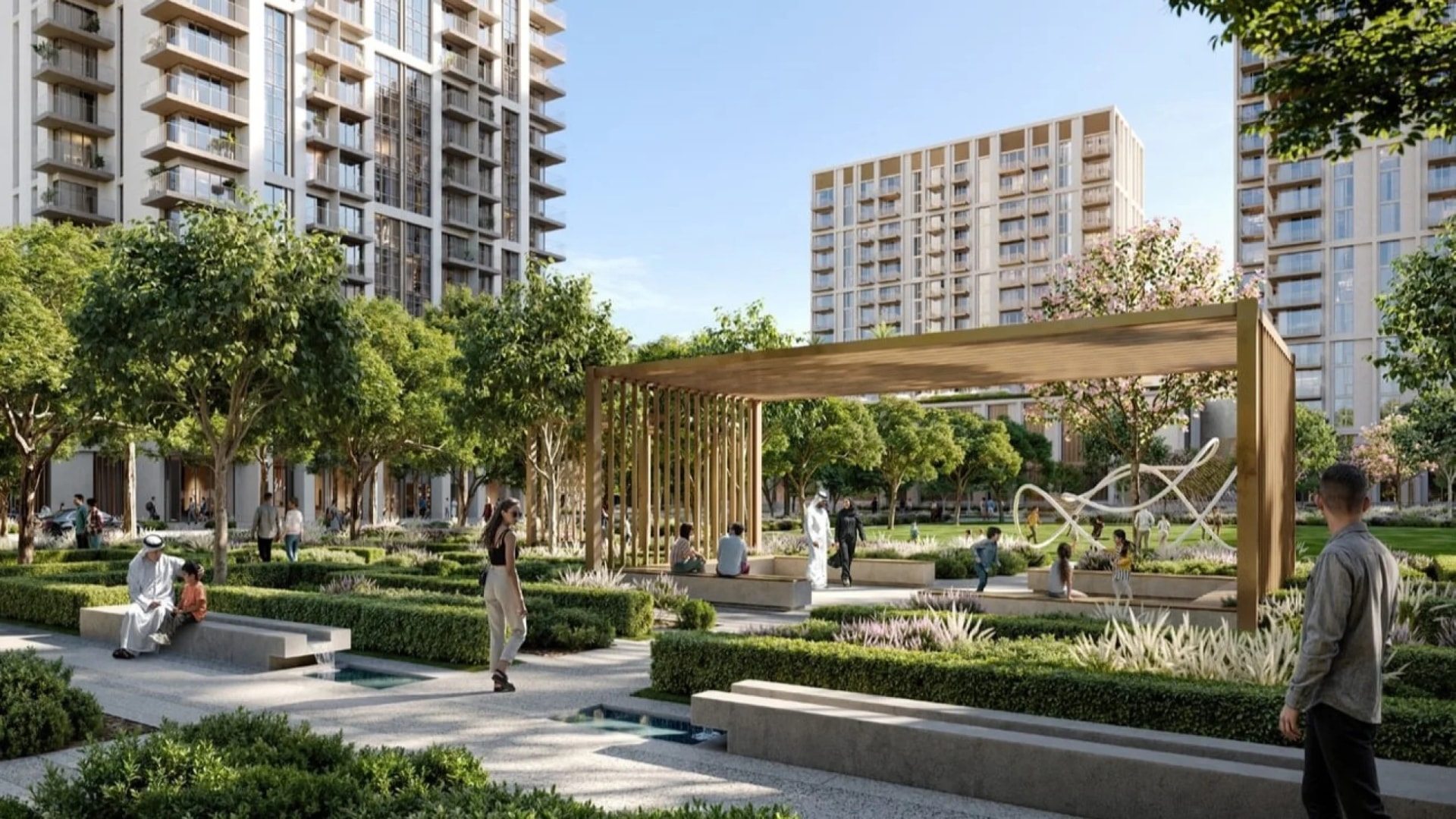
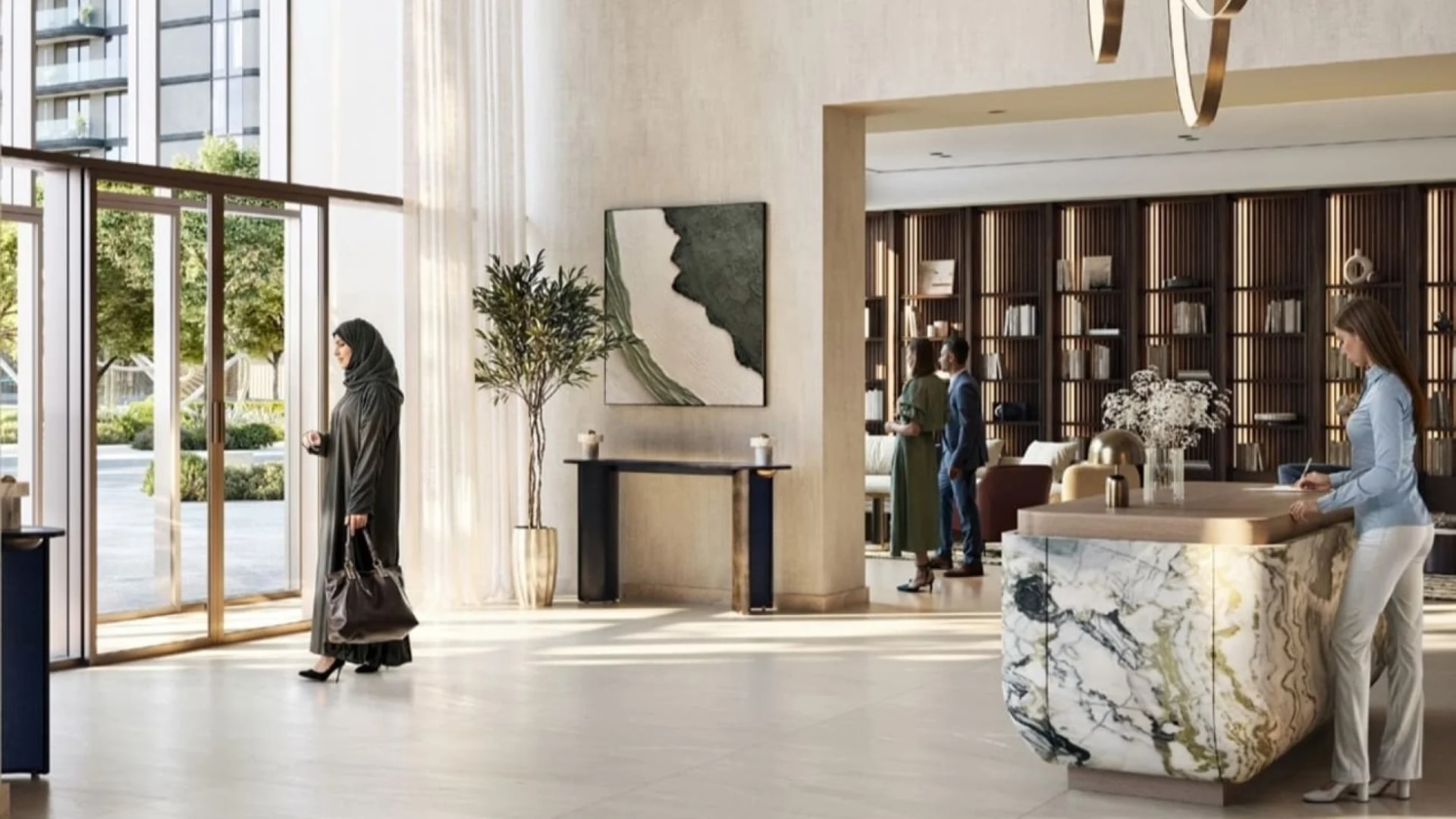
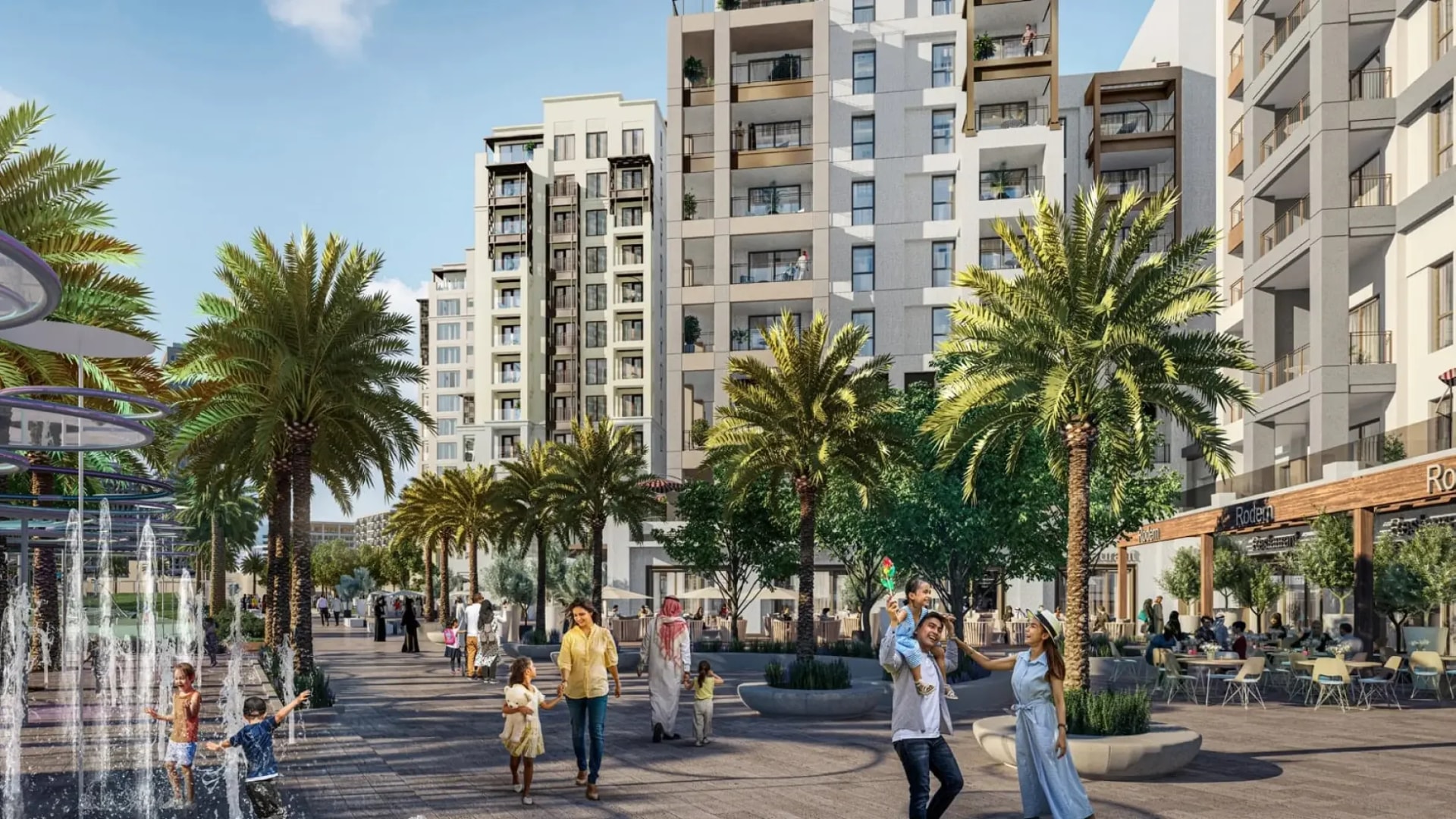
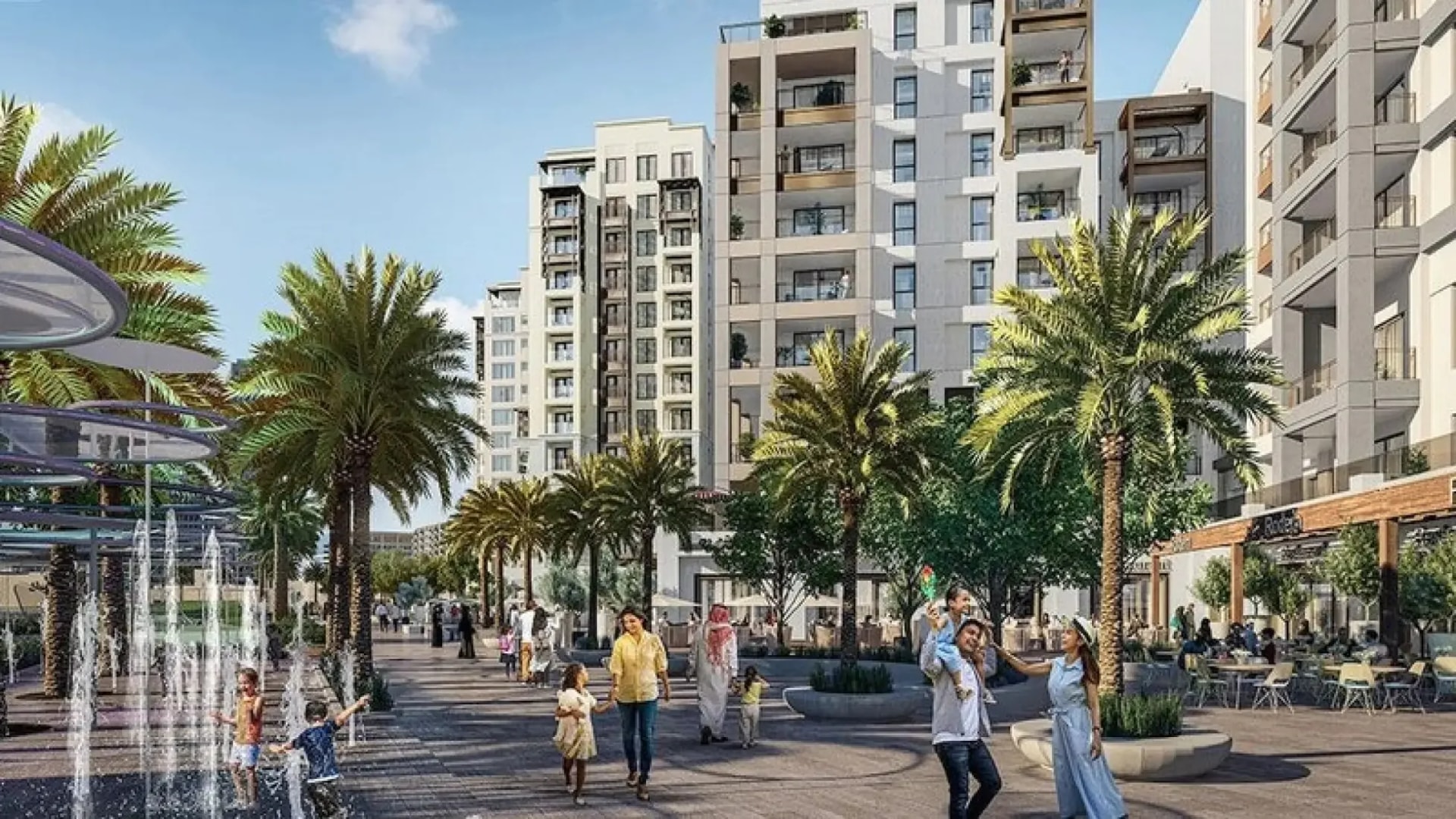
Dubai Creek Harbour is designed as a self-contained community. Residents can access daily necessities, education, retail, leisure without leaving the development. That design philosophy directly impacts tenant satisfaction and ultimately your occupancy rates.
Dubai Creek Harbour Schools, Retail, and Facilities
Family tenants prioritise education access above almost everything else when choosing where to live. Dubai Creek Harbour includes plans for multiple educational institutions either within the community or nearby. Specific school names and opening dates depend on Emaar's phasing schedule, so that's still developing.
This focus on family infrastructure matters because family tenants sign longer leases, maintain properties more carefully, create more stable cash flow than young professionals who change jobs every 18 months. For investors building portfolios designed to generate passive income over 5-10 year horizons, accessing that tenant demographic is critical.
Retail and dining infrastructure is expanding along the waterfront promenade. Cafés, restaurants, convenience retail, all with Creek and skyline views. It's not yet as built out as Downtown Dubai or Dubai Marina, but the development trajectory is clear and backed by Emaar's capital commitments. It's happening.
Dubai Creek Harbour community facilities include:
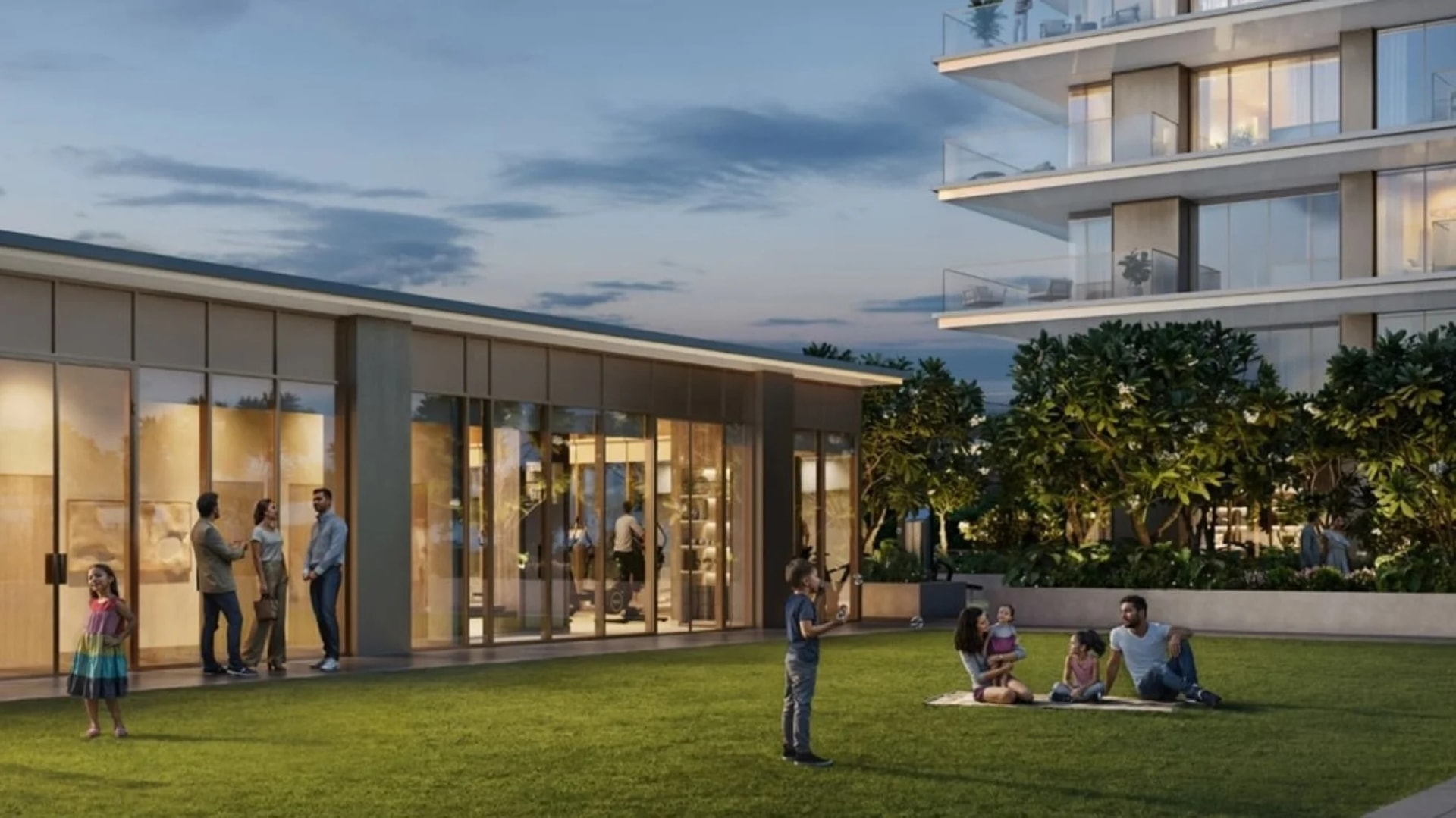
Swimming pools: Multiple pools across residential buildings
Fitness centres: Integrated gyms within developments
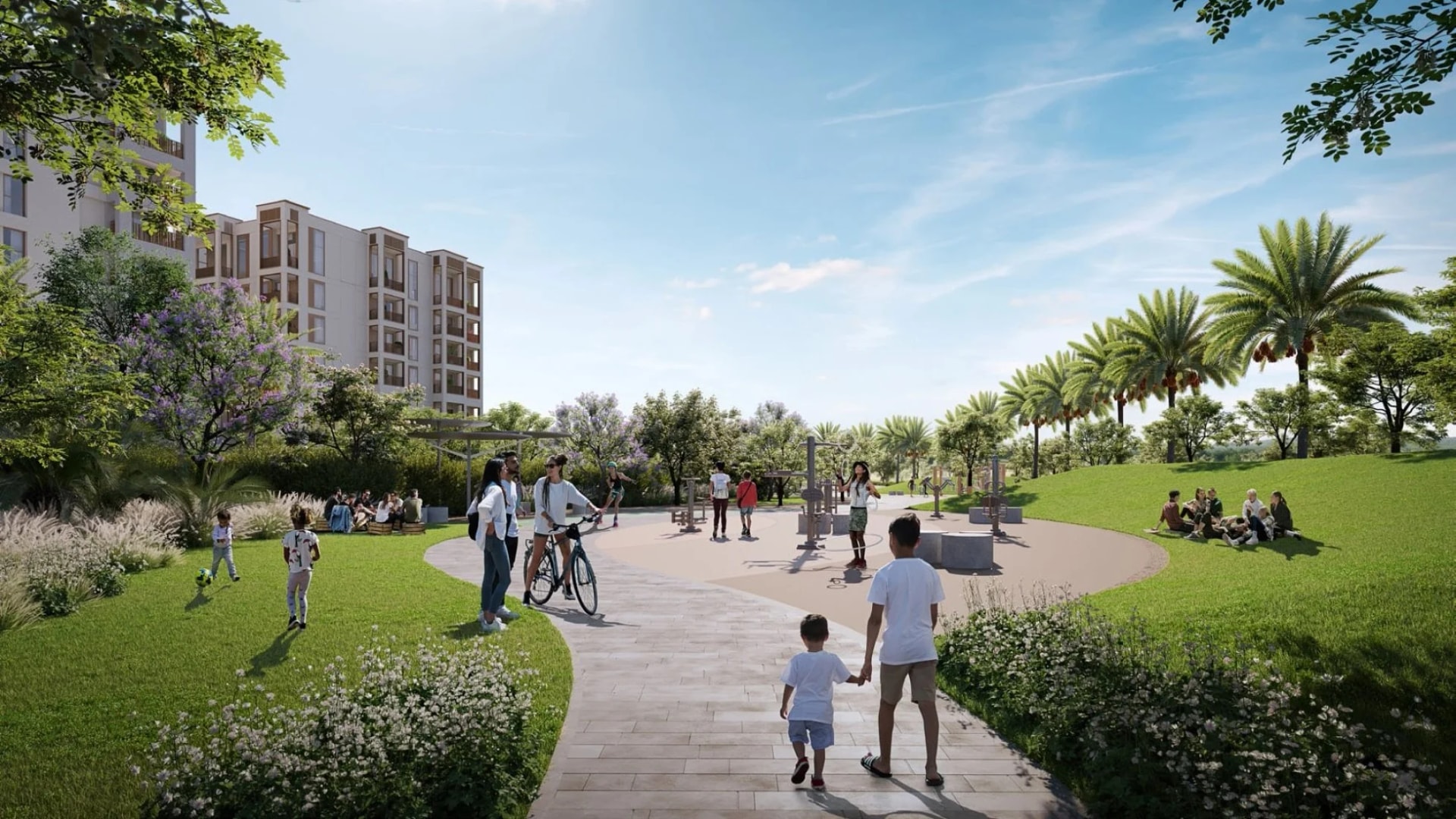
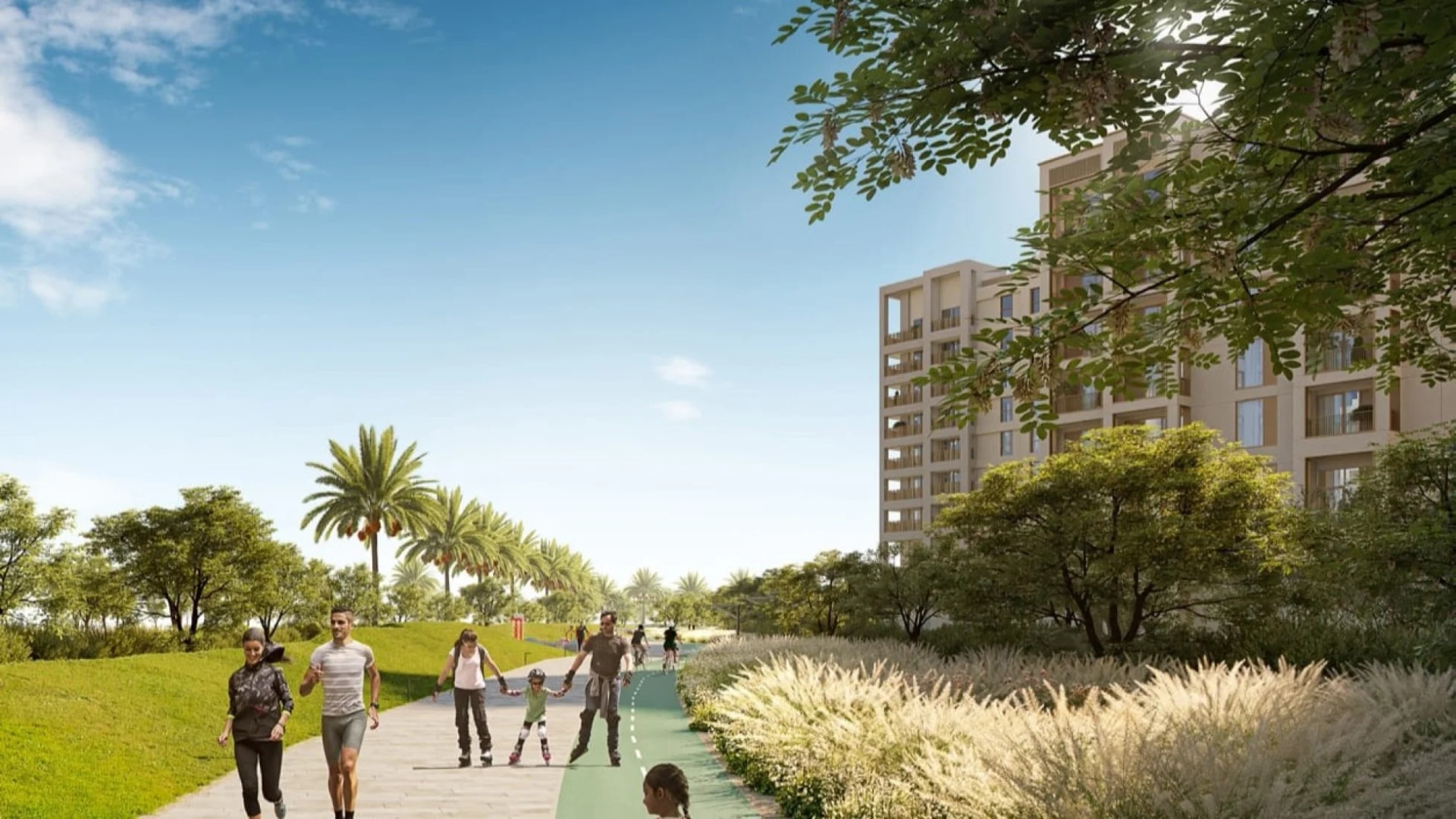
Parks and green spaces: Landscaped areas and waterfront promenades
Children's play areas: Dedicated spaces for younger residents
Community centres: Multi-purpose event and social spaces
These amenities aren't just decorative marketing features. They directly influence tenant retention and rental pricing power. Properties in well-maintained communities with strong facilities command 10-15% rent premiums over equivalent units in developments with poor amenities. More importantly, they reduce vacancy periods and tenant turnover (both of which quietly destroy annual yields for remote investors).
Infrastructure fundamentals like 24/7 security, concierge services, ample parking? These are standard across Emaar developments. Meeting that baseline is table stakes in Dubai's competitive rental market. What differentiates Dubai Creek Harbour is the waterfront access, those green spaces bordering the wildlife sanctuary, and the phased infrastructure that continues improving rather than degrading over time.
For Western investors used to managing properties in ageing London developments or neglected North American apartment buildings, the contrast is significant. Modern Gulf developments like Dubai Creek Harbour are designed from inception for low-maintenance operation. Which is exactly what passive investors need.
Buying Property in Dubai Creek Harbour: All Costs
Western investors evaluating emerging market real estate consistently cite the same concern: hidden costs and opaque fee structures that destroy projected returns after purchase. Dubai's regulatory framework largely eliminates this problem, but you still need to understand the full cost structure upfront.
The purchase price represents only your primary capital outlay. Several additional costs apply at closing, and understanding them prevents unpleasant surprises when you're wiring funds.
Complete breakdown of Dubai Creek Harbour property purchase costs:
Dubai Land Department (DLD) Fee: 4% of the property's total value. This fee is sometimes negotiated between buyer and seller, but budget for the full 4% as the buyer to avoid cash flow issues at closing. On a AED 2M property (approximately £420K or $540K), that's AED 80,000. Roughly £17K or $22K.
Real Estate Agent Commission: Market standard is 2-3% of the property price plus VAT. Oliva's digital-first model targets closer to 1.5% because we eliminate overhead through remote property tours, video documentation, and digital signing processes. That efficiency saves you capital without compromising service quality or due diligence.
Mortgage Registration Fees: If you're financing the purchase through a UAE mortgage, expect a registration fee of 0.25% of the loan amount plus administrative charges (typically AED 2,000-4,000). These fees get paid to the DLD to record the mortgage lien.
Service Charges: Annual fees covering maintenance and upkeep of common areas, amenities, facilities. These vary by building and developer but typically range from AED 15-25 per square foot annually. Budget for these carefully; they're ongoing costs that impact your net yield.
Developer Fees: For off-plan properties, developers may charge additional administrative or transfer fees at handover. Typically ranging from AED 2,000-5,000. Confirm these with your developer before signing the sale and purchase agreement.
Dubai Creek Harbour purchase cost breakdown:
Typical Percentage/Amount
Property Purchase Price
Agreed price for the unit
Often negotiated, but budget for full amount
Real Estate Agent Commission
1.5-3% + VAT
Oliva targets 1.5% through operational efficiency
Mortgage Registration Fee
0.25% + Admin Fee
If financing is used
Trustee/Oqood Fees (Off-plan)
Paid to developer/DLD for registration
Initial Service Charge Deposit
Paid upfront by buyer at handover
Legal and contingency costs:
If you engage legal counsel to review contracts and manage the transaction (strongly recommended for Western investors making their first UAE property purchase), budget an additional 1-2% of property value. That investment provides peace of mind and catches issues before they become expensive problems.
Always maintain a contingency fund of 5-10% of purchase price for unexpected expenses. Minor renovations to meet rental market standards, unforeseen administrative charges, interim holding costs if completion delays occur on off-plan properties. These things happen.
The Dubai Land Department publishes official fee schedules, which provides the transparency Western investors need when evaluating total capital requirements. No jurisdiction makes real estate investment completely simple, but Dubai's regulatory clarity eliminates most of the opacity that characterises emerging market property transactions elsewhere.
Project Track Record and Build Standards
For Western investors deploying capital into emerging market real estate, developer quality represents one of the most significant risk factors you'll encounter. Weak developers fail to complete projects, deliver substandard construction, or abandon developments when market conditions deteriorate. Any of those outcomes can destroy your investment entirely, regardless of how good the underlying market fundamentals are.
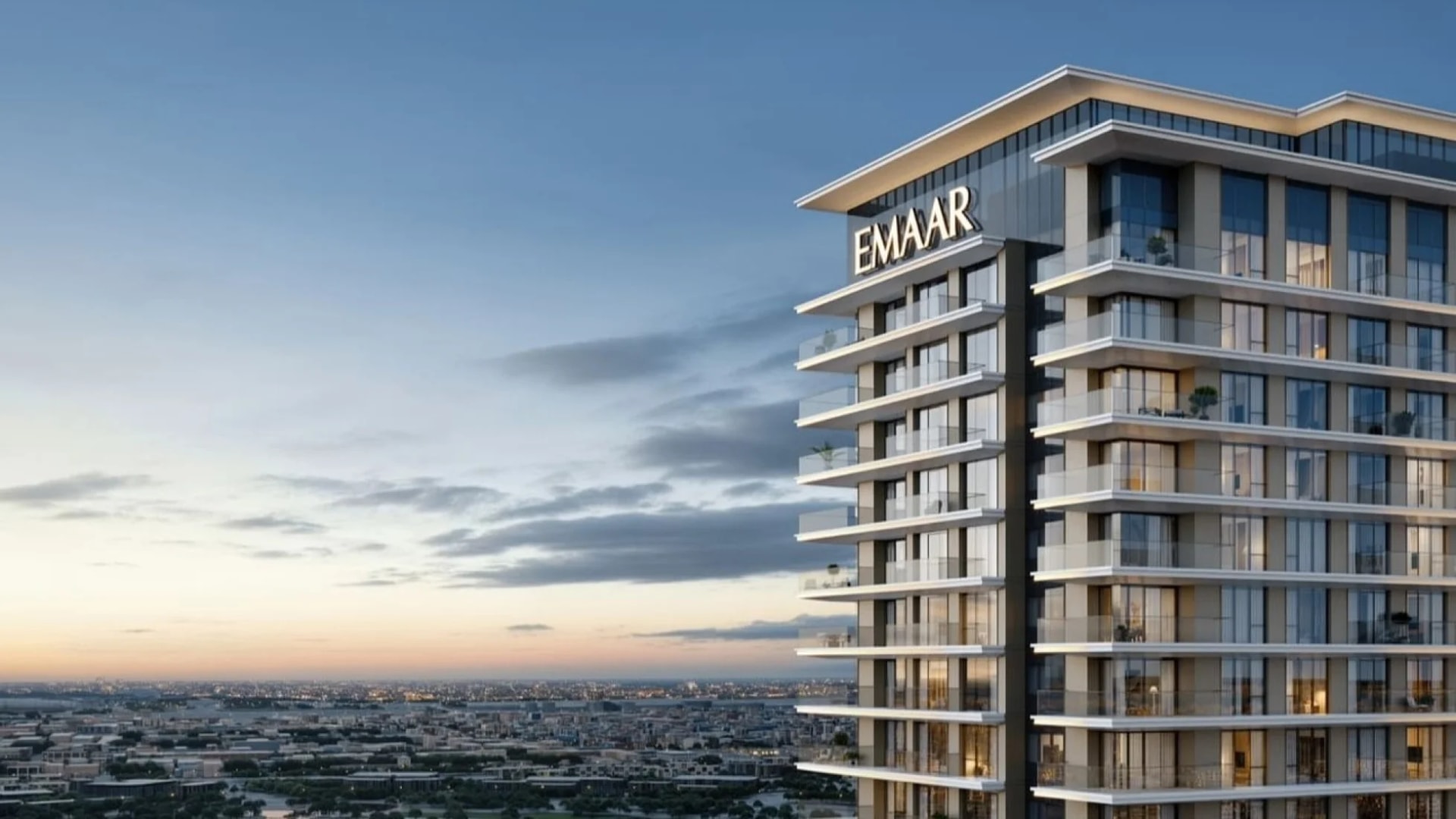
Emaar Properties substantially reduces that risk. They're one of the largest and most established developers in the Middle East. The portfolio includes the Burj Khalifa, Dubai Mall, multiple master-planned communities across the UAE and internationally. That isn't marketing language; it's relevant track record demonstrating capacity for large-scale execution.
More importantly, Emaar's balance sheet and government relationships mean they're unlikely to abandon developments mid-construction. That's the nightmare scenario for off-plan investors. They have both the financial resources and the reputational incentives to complete what they start.
Emaar's development approach typically involves:
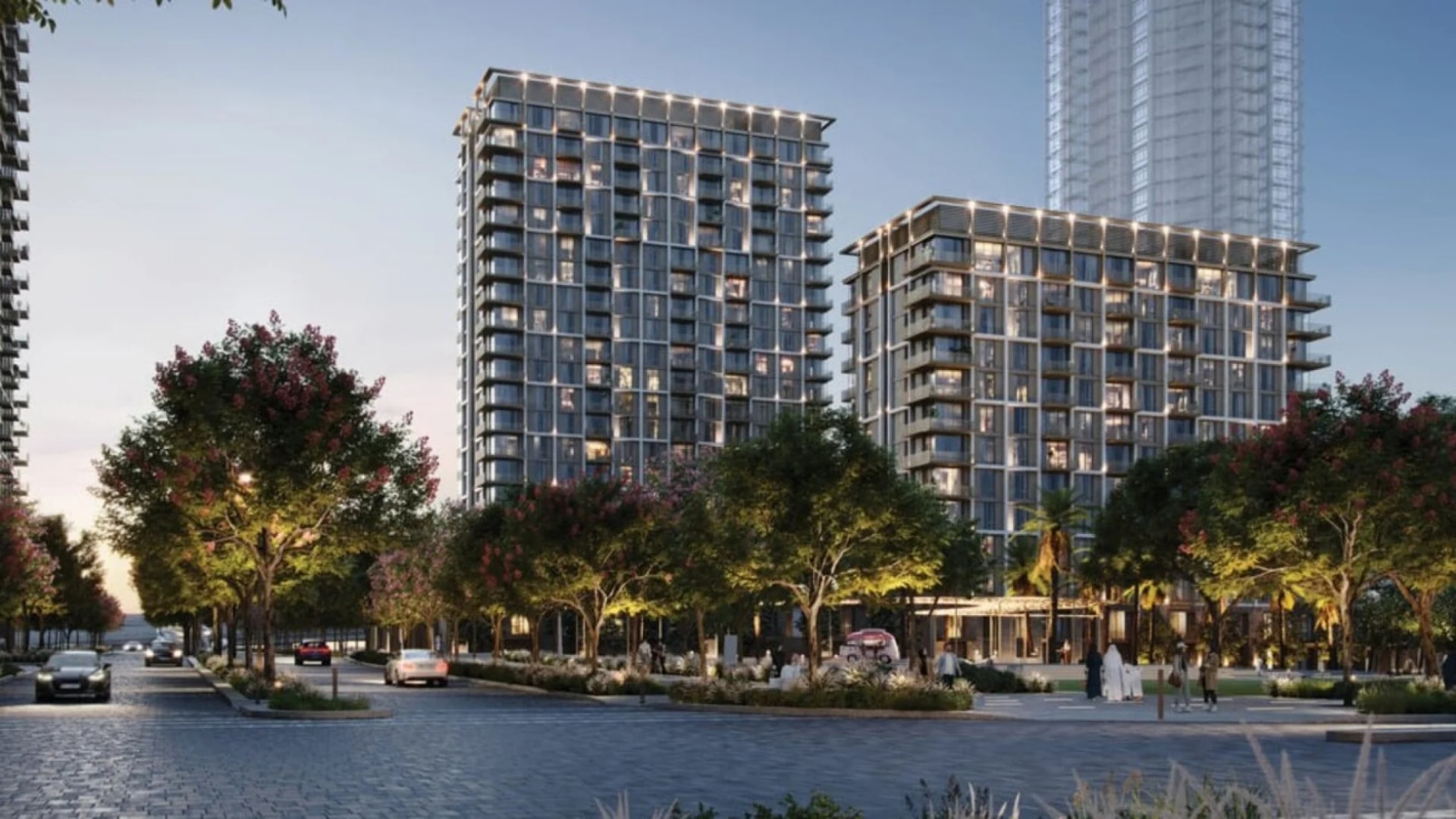
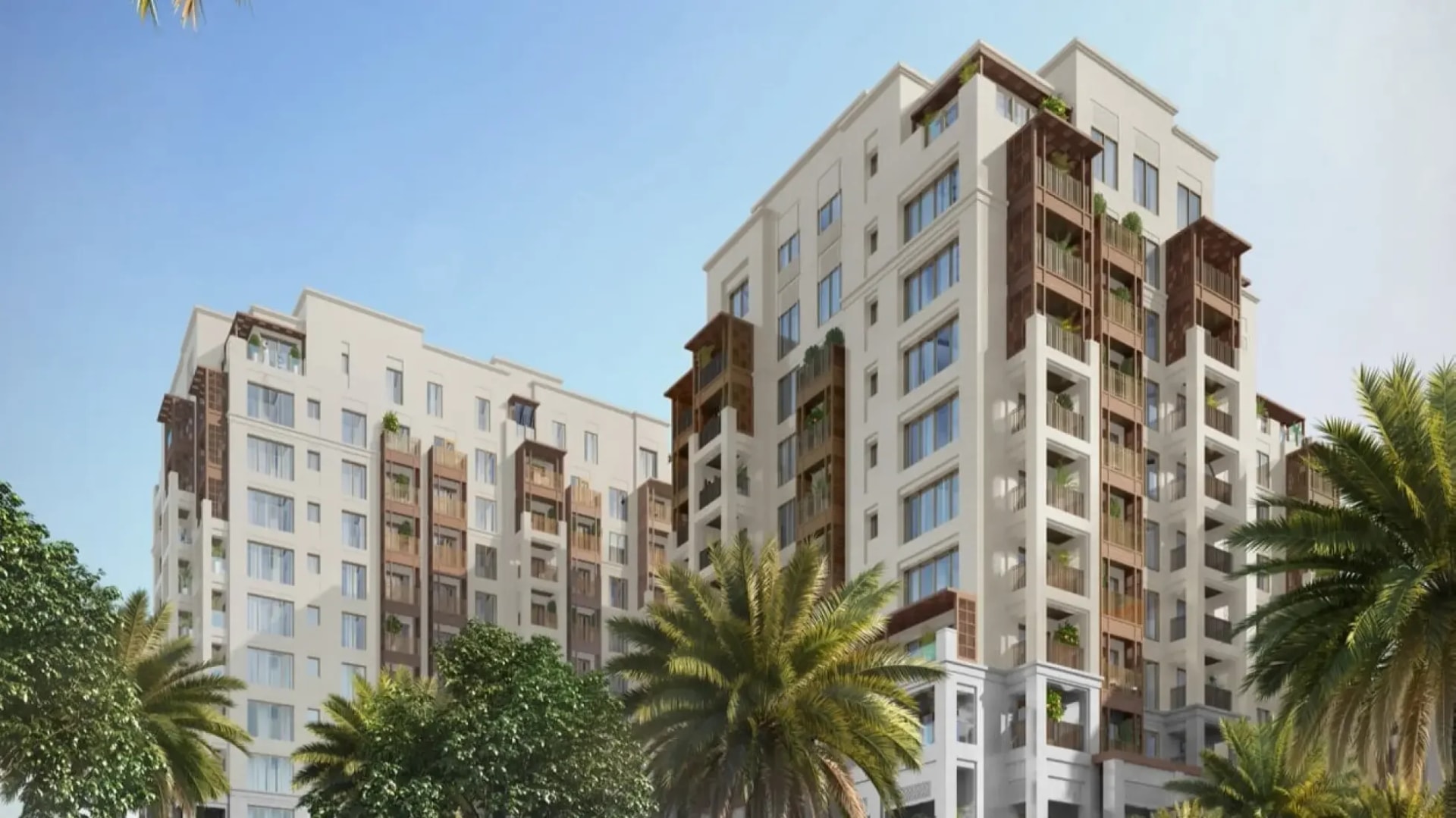
Modern architectural design with layouts that appeal to international tenants
Construction materials and finishes meeting international standards
Integrated community planning including retail, leisure, and green spaces from inception
Generally reliable handover timelines relative to industry standards (though delays still occur)
The quality of initial construction directly impacts your long-term returns. Well-built properties with quality finishes require less maintenance capital over a 10-year hold period, maintain tenant appeal longer. Poorly built properties become cash drains requiring constant repair investment, which destroys your net yields.
For Western investors buying off-plan in Dubai Creek Harbour, Emaar's involvement provides meaningful risk mitigation. Their established presence, strong balance sheet, track record of completing large-scale projects... All of this reduces (though doesn't eliminate) the completion risk that makes off-plan property investment in emerging markets so challenging.
You're not betting on some new developer with limited capital trying to execute an ambitious vision. You're buying into a development backed by one of the Gulf's most established property companies, which has strong incentives to protect its brand reputation by delivering what it promised.
That doesn't make Dubai Creek Harbour risk-free. No emerging market property investment is risk-free, and anyone claiming otherwise is either inexperienced or dishonest. But it does place the risk profile closer to what you'd see in established Western markets rather than frontier emerging markets where developer quality varies dramatically.
Exit Planning and Capital Repatriation
Western investors deploying capital into emerging markets consistently worry about exit liquidity and capital repatriation from Dubai. Can you actually sell when you want to? Can you move funds back to London or New York without bureaucratic barriers or sudden regulatory changes?
Fair concerns, both of them.
Dubai addresses both more effectively than most emerging markets, which is precisely why it attracts the volume of international property capital it does.
Dubai has emerged as the most liquid property market in the Middle East. Transparent legal framework, efficient transaction processes, deep pool of international buyers. That liquidity matters because it means you control your exit timing rather than being forced to accept unfavourable terms because buyer demand doesn't exist.
In markets with poor liquidity, you might need 12-18 months to exit a property position even at distressed pricing. In Dubai's established developments, well-priced properties typically transact within 60-90 days. Sometimes faster if you're willing to accept market pricing rather than holding out for premium valuations.
Market Timing for Dubai Creek Harbour exits: Dubai's property market moves in cycles like any real estate market. Selling during demand peaks rather than troughs significantly impacts your realised returns. For instance, selling in Q1 2025 versus Q4 2024 might represent a 10-15% difference in achievable price on the same property. Monitor market conditions, be prepared to move when cycles favour sellers.
Legal Procedures: Property sales in Dubai follow standardised DLD procedures. Transactions typically complete within 7-14 days once buyer and seller reach agreement. The DLD's electronic systems and established legal framework make this process substantially faster and more transparent than what you'd encounter in many other emerging markets.
Capital Repatriation from Dubai: This is where Dubai genuinely differentiates itself from other high-yield emerging markets. The UAE operates an open capital system with no currency controls restricting outbound transfers. As long as you've met all legal obligations (currently no capital gains tax on property, though that could theoretically change), transferring sale proceeds internationally is straightforward.
The AED is pegged to the USD at 3.67, which eliminates currency volatility risk for dollar-based investors. For GBP or EUR investors, you're exposed to USD exchange rate movements, but that's manageable risk compared to investing in markets with freely floating currencies that can depreciate 20-30% during crisis periods.
Steps to maximise exit value from Dubai Creek Harbour properties:
Pre-sale property condition: Invest in professional cleaning and minor repairs to achieve 5-10% higher sale prices
Market timing strategy: Monitor Dubai transaction volumes and price trends to identify seller-favourable conditions
Competitive comparable analysis: Price within 5% of recent sales for similar units to generate buyer interest within 30 days
Professional representation: Engage agents with active Dubai Creek Harbour transaction history for better buyer access
Well-maintained, clean properties sell faster and command better prices. Budget for minor refurbishment if needed before listing. Set initial asking prices based on recent comparable sales, not your purchase cost or hoped-for appreciation. Overpriced properties sit unsold whilst markets move, destroying your timing advantage.
Engage real estate agents who actively transact in Dubai Creek Harbour specifically. Market knowledge at the development level matters for pricing strategy and buyer targeting. And know your minimum acceptable sale price before entering negotiations. Emotional attachment to properties or purchase prices destroys rational decision-making.
Dubai property transaction security:
The transaction process itself is designed for transparency. All payments flow through DLD escrow systems, providing security for both buyer and seller. Title transfer happens simultaneously with payment release, eliminating the counterparty risk that exists in markets with weaker legal frameworks.
For Western investors, this combination of market liquidity, transparent legal process, and open capital repatriation represents exactly what you need to make emerging market real estate investment genuinely passive. You're not trapped in illiquid positions hoping to eventually find exit opportunities. You maintain control over your capital, and can reallocate when your portfolio strategy requires it.
Managing exit expectations in Dubai Creek Harbour:
That doesn't mean you'll always achieve your target returns or preferred exit timing. Markets move, economic conditions change, sometimes you need to exit during unfavourable cycles. But the fundamental ability to exit and repatriate capital when you choose to do so? That's what separates Dubai from emerging markets where foreign investors discover exit barriers only when they attempt to leave.
A Final Word on Dubai Creek Harbour
If you're a Western investor frustrated with sub-3% yields in London, New York, or Toronto, Dubai Creek Harbour represents what yield arbitrage actually looks like when you execute it properly. You're not chasing exotic frontier markets with questionable legal frameworks. You're accessing a transparent, liquid property market that delivers 6-8% rental yields whilst your capital appreciates in one of the world's fastest-growing cities.
The fundamentals are straightforward enough: strong rental demand from expatriate professionals, proximity to business districts that drive tenant stability, improving infrastructure backed by government commitment, and a reputable developer with a track record of completing what it promises.
The risks are equally straightforward: completion delays on off-plan properties, market cycles that affect both rental rates and capital values, operational complexity of managing properties remotely from another continent. None of those risks are unique to Dubai. All are manageable with proper planning and professional management.
What Dubai Creek Harbour offers Western investors is something increasingly rare in legacy markets: properties that generate meaningful passive income whilst building long-term capital appreciation. Whether that fits your portfolio depends on your return requirements, risk tolerance, investment timeline.
But if you're allocating capital to build generational wealth, fund your children's education, or create income streams that work whilst you focus on other priorities, this is exactly the type of asset allocation that makes sense. Not because Dubai is exotic or exciting, but because the mathematics of 6-8% yields versus 2-3% yields compound significantly over a decade.
Dubai Creek Harbour isn't without trade-offs. Few investments are. But for professional investors who understand real estate fundamentals and can access quality property management, it represents one of the more compelling risk-adjusted return opportunities available in global real estate right now.
Explore Dubai Areas on Oliva
Frequently Asked Questions
What are the typical rental yields for properties in Dubai Creek Harbour?
You can generally expect rental yields between 6-8% annually. Studios and smaller units often achieve the higher end of this range due to strong demand from young professionals, while larger family apartments typically yield between 5-7%, offering greater tenant stability.
How do property prices in Dubai Creek Harbour compare to Downtown Dubai?
Property prices in Dubai Creek Harbour are approximately 10-15% lower than for comparable units in Downtown Dubai. This price difference presents an opportunity for better capital efficiency and potential for appreciation as the community continues to develop.
What are the main risks when investing in an off-plan property here?
The primary risk is project delays. While Emaar is a reliable developer, it's wise to build a 6-12 month buffer into your financial planning. Dubai's Land Department (DLD) provides regulatory protection through escrow accounts, which helps safeguard your funds.
Is it difficult to sell a property and move the money out of Dubai?
No, it's quite straightforward. Dubai has a liquid and transparent property market, and the UAE operates an open capital system with no restrictions on repatriating funds. This makes exiting your investment and transferring the proceeds internationally a simple process.
What additional costs should I consider when buying property?
Beyond the property's price, you must budget for the 4% Dubai Land Department (DLD) transfer fee, real estate agent commission (which Oliva aims to keep competitive at around 1.5%), and annual service charges for building maintenance and amenities.
Explore further
The project, area, and developer this post covers, with live Dubai Land Department data.
Related articles

Dubai Land Department: The Complete 2026 Investor Guide

Monthly Payment Plan Properties in Dubai

Benefits of Post-Handover Plans for Investors

Required Documents for Oqood Registration

ROI Calculator for Dubai Property: How to Use

Wadi Al Safa 5 investor area guide: around Nuve by Zoya (2026)
Related Dubai property analysis from the Oliva editorial team.