Underwrite before you commit
The figures in this post are checked against Dubai Land Department records and RERA filings. Get an independent underwriting score on any project, or ask Javier on WhatsApp.
DMC's Two Defining Infrastructure Features
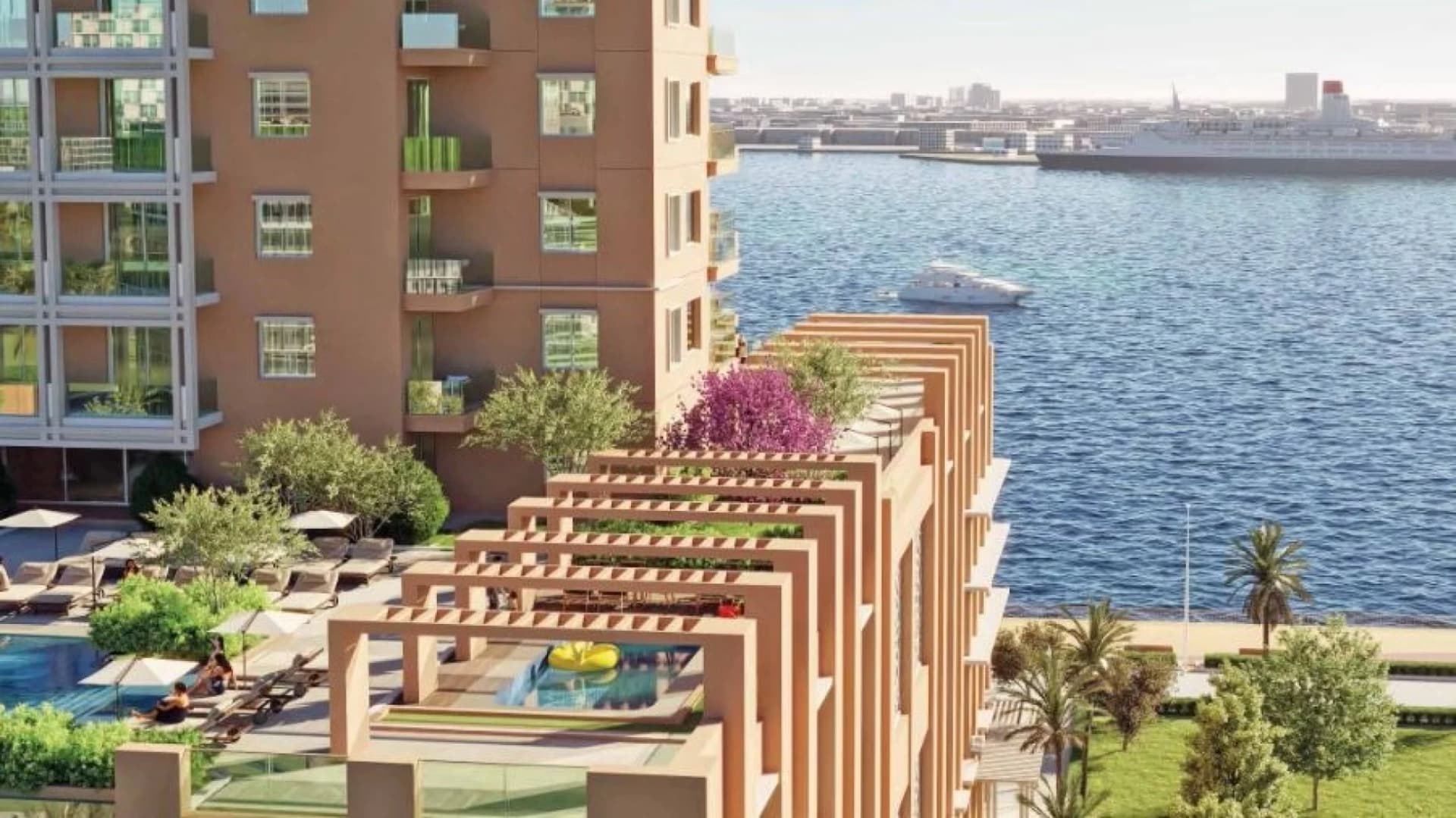
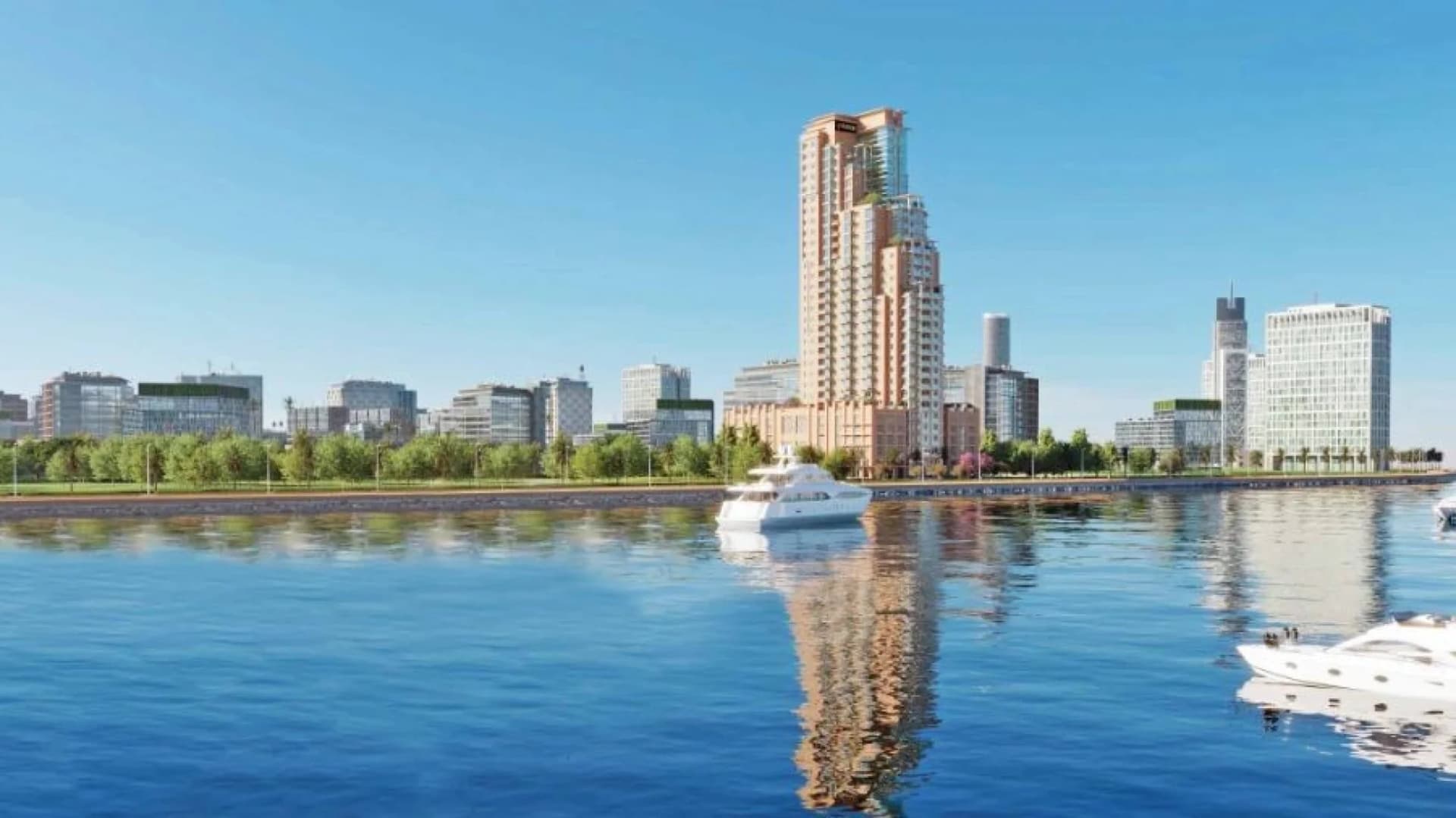
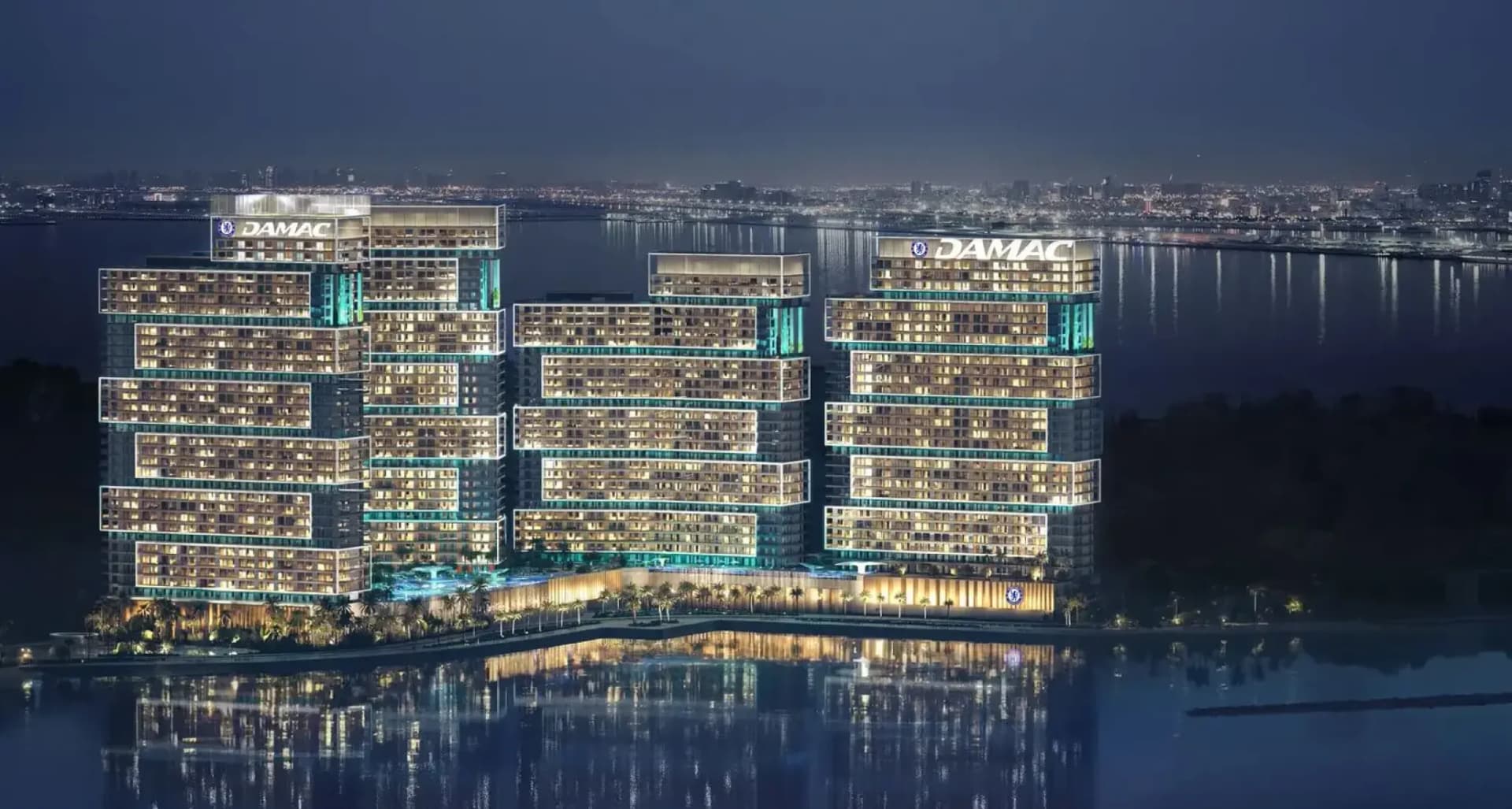
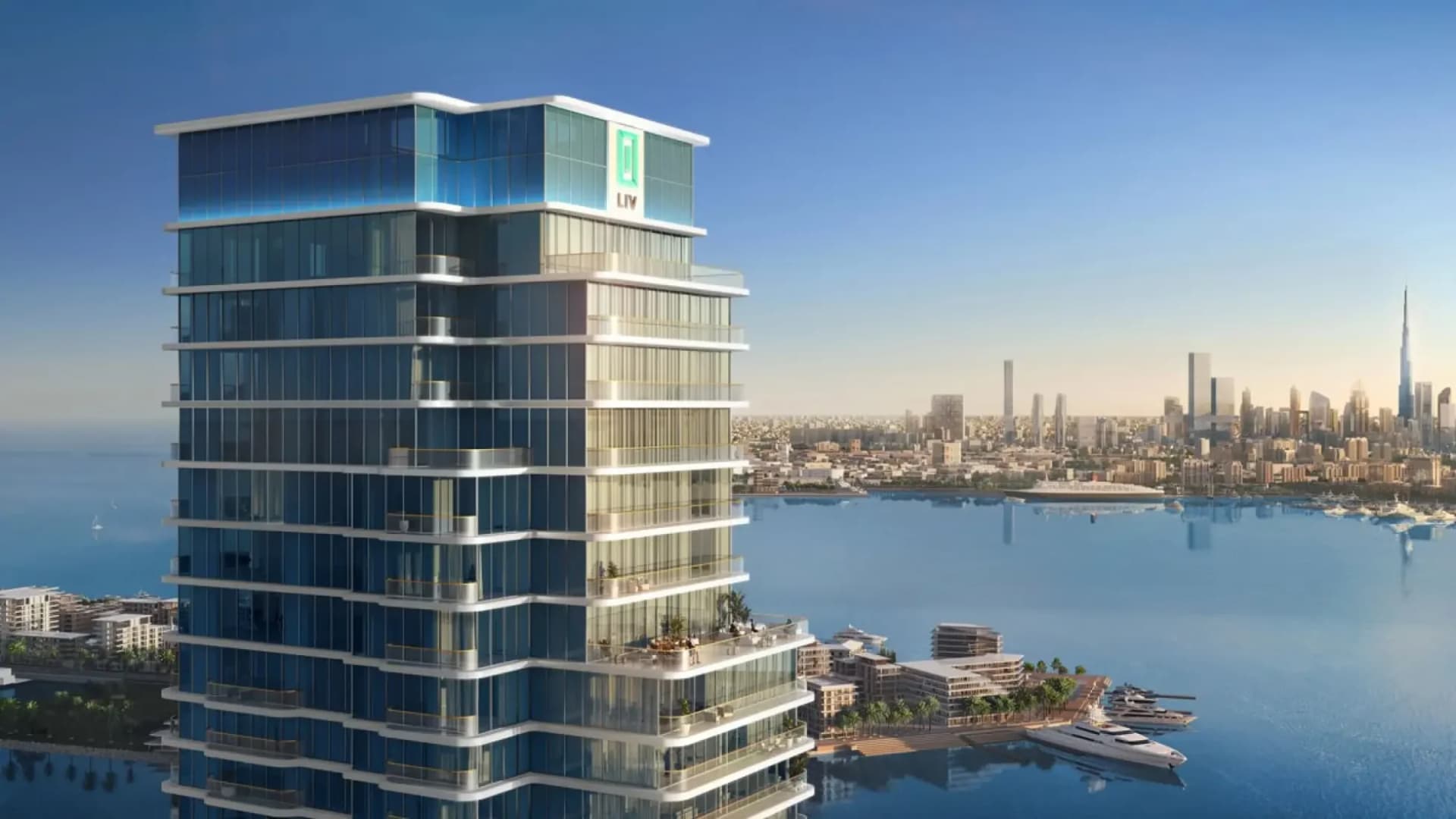
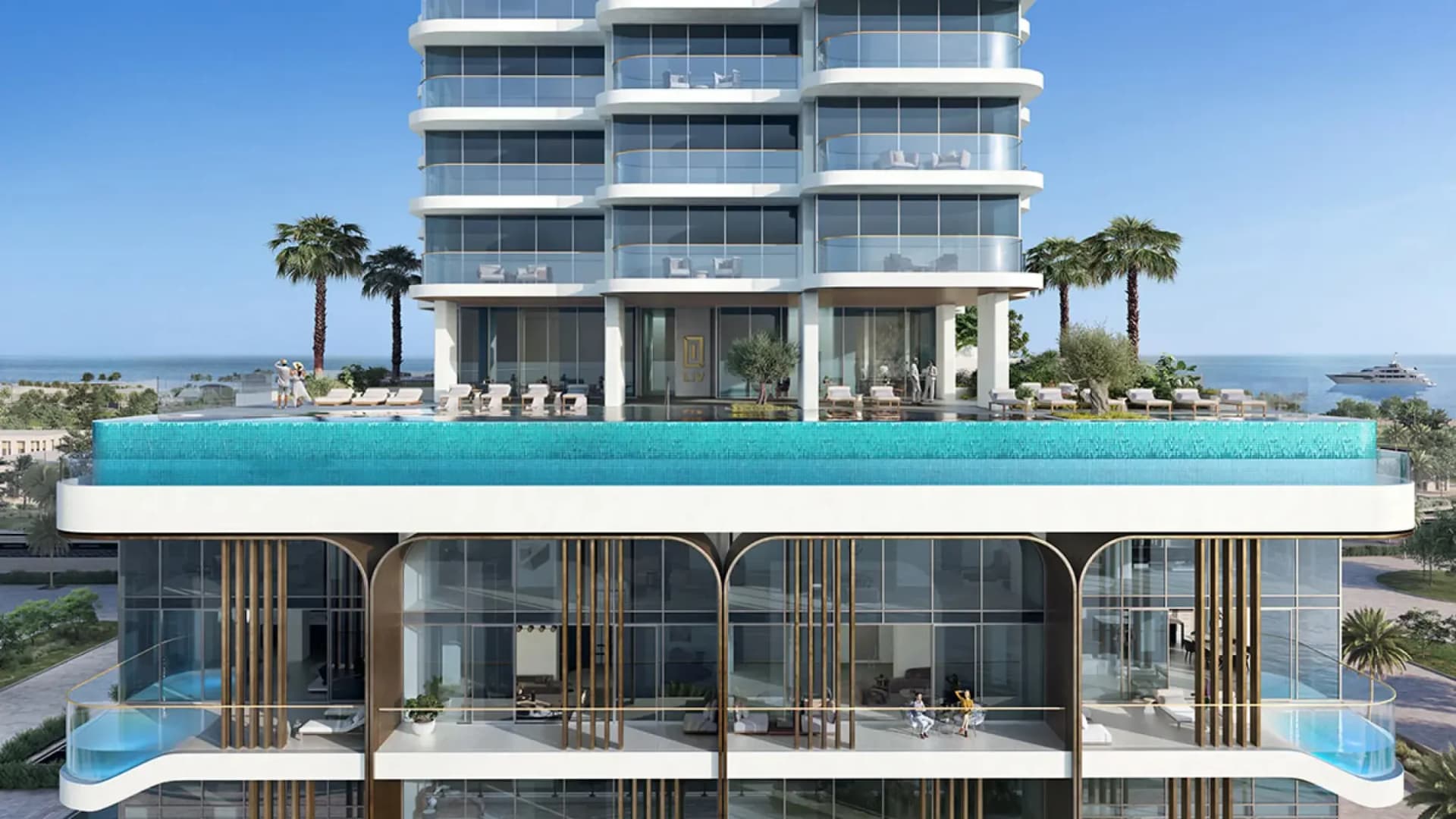
Dubai Maritime City has two infrastructure features that define its investment thesis. The first is the 12 kilometres of Arabian Gulf waterfront perimeter wrapping the peninsula, providing more sea-view orientation per square kilometre than any other Dubai community. The second is the operational maritime business cluster on the western edge, hosting yacht repair facilities, marine services, and classification societies.
Most Dubai residential communities have neither feature. Some have one (Port de la Mer has waterfront but no industrial cluster). DMC's combination of both is unique in Dubai and produces a distinctive community character that affects rental demand, tenant profile, and capital appreciation dynamics differently than other communities.
The 12 km Arabian Gulf Waterfront
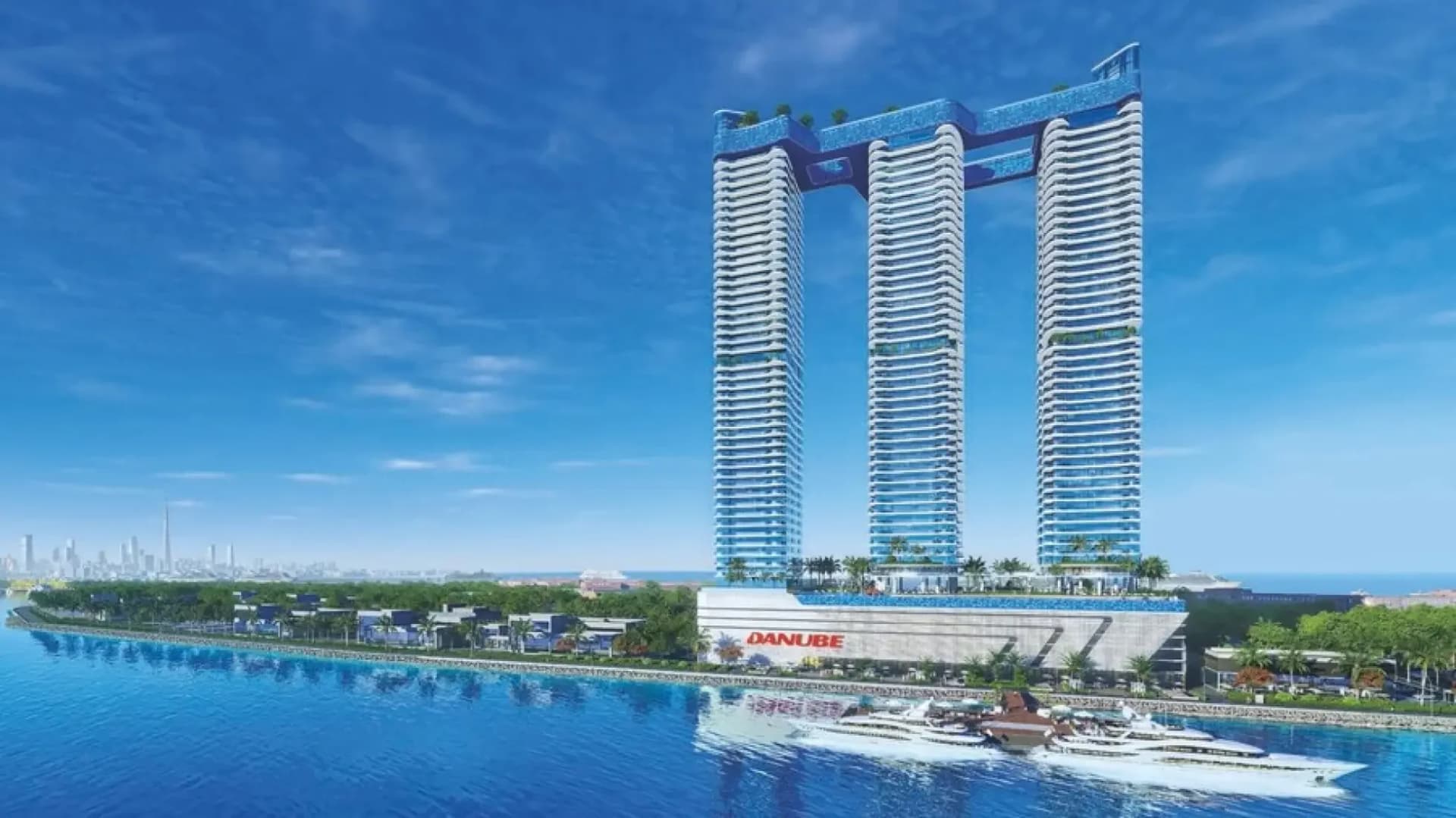
DMC's peninsula geography produces 12 kilometres of waterfront perimeter wrapping three sides of the community. The northern edge faces the open Arabian Gulf with unobstructed sea views to the horizon. The eastern edge faces Dubai Drydocks and the broader coastal corridor. The western edge faces Port Rashid and the maritime industrial cluster.
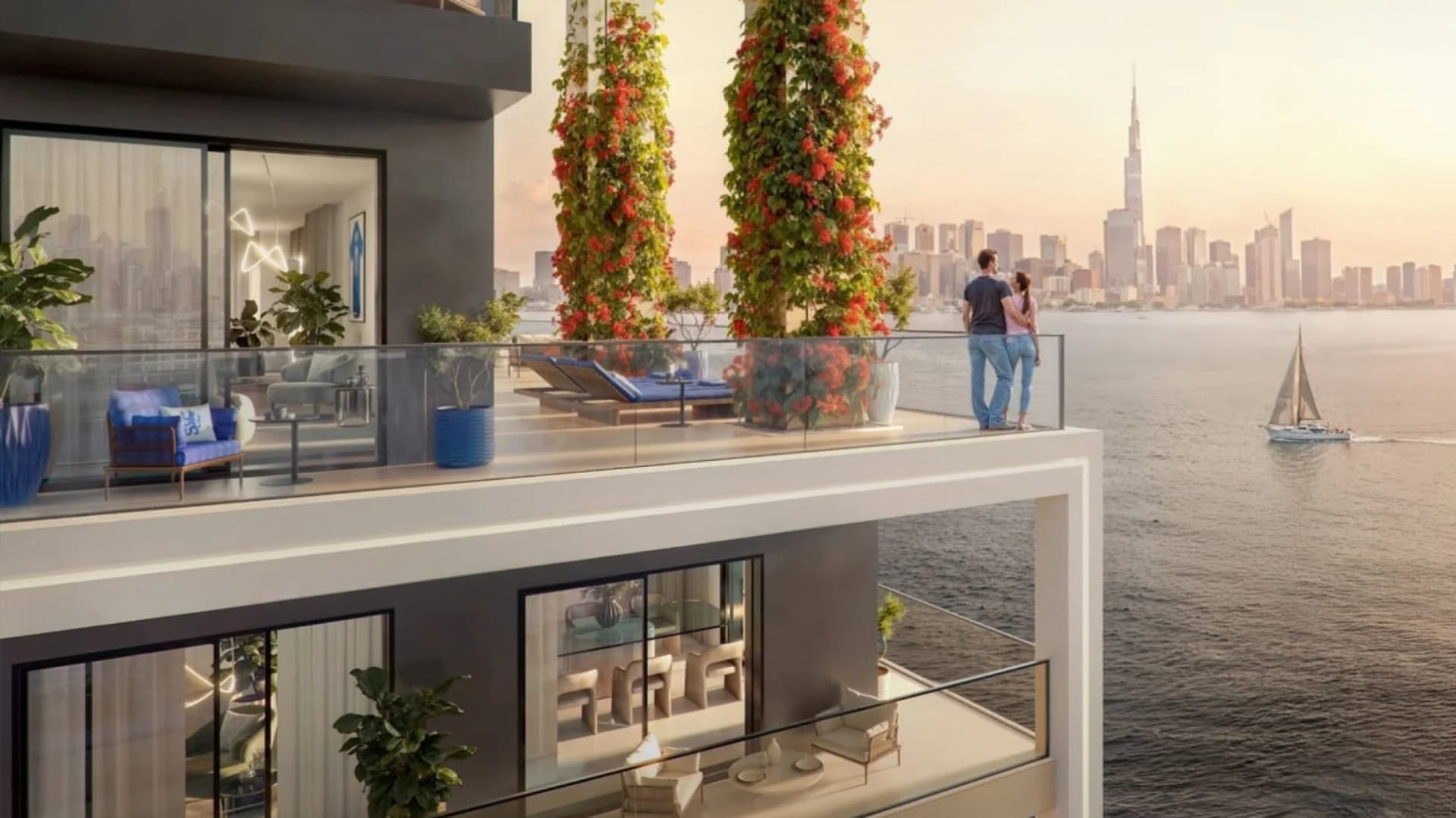
Different waterfront orientations produce different visual experiences and pricing dynamics. North-facing units with open Arabian Gulf views command the highest premium because of the dramatic horizon-to-horizon water vista. East-facing units have mixed views including industrial elements (drydocks, port infrastructure). West-facing units include views of the maritime cluster's yacht repair facilities and the Port Rashid commercial port.
When evaluating DMC sea-view pricing, the orientation matters as much as the floor level. North-facing high-floor units in Anwa, Anwa Aria, and the eastern peninsula villas command the strongest premium. West and east-facing units offer waterfront access at lower premium but with mixed industrial-residential view content.
Pedestrian Promenade and Public Waterfront
DMC has integrated pedestrian promenades along significant portions of the waterfront perimeter, providing residents and visitors with walking, jogging, and cafe-edge access to the sea. The promenade infrastructure is most developed on the northern and eastern edges adjacent to the residential clusters.
Public waterfront access is generally maintained, with limited gated sections around specific premium residential projects. Most of the perimeter is accessible to non-resident visitors, supporting the community's broader lifestyle appeal and visitor flow.
For investors targeting short-term rental operations or lifestyle-driven tenants, the public waterfront access is a meaningful differentiator. Tenants and STR guests value the ability to walk directly from the residence to a cafe-edge waterfront promenade without driving.
Maritime Business Cluster
The maritime cluster on the western edge of DMC includes approximately 200 active marine businesses employing 800-1,200 maritime professionals. Tenant categories include yacht repair and refit facilities (Drydocks, Imperial Marine, several specialised yacht workshops), classification societies (Lloyd's Register, DNV, ABS, Bureau Veritas, Class NK), shipping company offices, marine insurance and brokerage firms, and technical marine services.
The cluster operates with active business activity Monday through Saturday, with reduced activity on Friday afternoons. Tourist visibility is moderate; the cluster supports active commercial maritime business rather than tourist-facing yacht charter operations (those concentrate at Dubai Marina and Bluewaters).
For residential investors, the cluster provides a stable local employment base supporting rental demand. Maritime professionals tend to seek longer-tenure tenancies near workplace, with 2-4 year tenant retention typical for senior cluster employees.
Yacht Repair and Drydocks Activity
DMC's yacht repair facilities serve large yachts (40-150 metres) with refit, repair, and maintenance work. The facilities operate in conjunction with adjacent Dubai Drydocks, one of the largest commercial drydock operations in the Middle East.
Drydocks activity is most visible from west-facing residential units, where the working drydocks, cranes, and ship repair operations form a distinctive industrial-maritime backdrop. Some residents value this working waterfront aesthetic; others prefer to face away from the industrial activity.
Noise from drydocks and yacht repair is generally moderate during business hours and minimal at night. The facilities are not heavy industrial in the polluting sense; they are workshop-scale marine maintenance operations with limited environmental impact on adjacent residential.
Maritime Cluster Impact on Tenant Demand
The maritime cluster supports approximately 600-900 of the cluster's 800-1,200 employees being expat professionals seeking residential accommodation in or near DMC. Of these, perhaps 200-400 actively rent within DMC itself, providing a measurable but not dominant tenant base.
Cluster employees skew mid-to-senior career with stable employment, longer tenant tenure, and rental budgets supporting 1-bed and 2-bed apartments. This tenant profile provides a defensive rental demand source that does not correlate with broader Dubai office worker employment dynamics.
For investors, the maritime tenant base provides diversification benefit. Recessions or sector-specific issues affecting Dubai office employment do not directly affect maritime sector employment, providing rental demand stability even in adverse macro scenarios.
Cluster Impact on Community Amenities
The maritime cluster supports daytime activity in DMC's central retail and dining areas. Cluster employees use coffee shops, cafes, lunch restaurants, and supporting services, activating the community during business hours when many Dubai residential communities are quiet.
Some specialised marine business services (chandlery, marine equipment, technical suppliers) operate within DMC, primarily serving the cluster but also providing distinctive shopping options for boating enthusiasts among residents.
The hospitality cluster within DMC (branded hotels and serviced apartments) primarily serves cluster business visitors, classification society auditors, and yacht crew and owners during refit work. This creates predictable hospitality demand that supports STR economics for residential investors operating short-term rentals.
Working Waterfront Lifestyle Character
DMC's combined waterfront and maritime cluster produces a distinctive working waterfront character. The community feels active and purposeful during weekdays, with maritime professionals, drydocks activity, and supporting business creating a different atmosphere than purely residential or tourist-led waterfront communities.
This character appeals to residents who value authentic working waterfront aesthetic over curated lifestyle communities. Residents from Mediterranean cities (Marseille, Genoa, Athens) often comment that DMC feels more like a Mediterranean working port than a typical Dubai master-planned community.
For investors targeting this aesthetic-aware tenant demographic, the working waterfront character is a differentiating asset. For investors targeting lifestyle-driven tenants seeking curated communities, Port de la Mer or Dubai Marina better fit that profile.
Infrastructure Impact on Yield
The combined waterfront and maritime cluster produce a 30-60 basis point yield premium for DMC versus equivalent specification stock in non-waterfront non-cluster communities. The premium reflects rental demand stability from cluster employment and lifestyle premium from waterfront access.
Over a 5-7 year hold, the cumulative yield differential meaningfully supports DMC investment thesis even at moderate yield bands. The infrastructure features are durable across rental cycles and are not easily replicated by other Dubai communities because of geographic constraints (no other Dubai community has both peninsula geography and a maritime cluster).
For yield-focused investors, the DMC infrastructure case is straightforward. The premium is sustained and supported by enduring tenant demand factors that do not erode over typical hold periods.
How to Evaluate DMC Infrastructure Through Oliva
Oliva surfaces DMC properties with explicit waterfront orientation analysis, maritime cluster proximity, and infrastructure premium estimates. Filter by sea view orientation and project tier to identify the strongest infrastructure-anchored stock.
Browse DMC properties on Oliva
Frequently Asked Questions
How long is the DMC waterfront perimeter?
Dubai Maritime City's peninsula geography produces approximately 12 kilometres of Arabian Gulf waterfront perimeter wrapping three sides of the community. This is more waterfront per square kilometre than any other Dubai community of similar size.
What is the maritime cluster in DMC?
The maritime cluster on the western edge of DMC includes yacht repair and refit facilities, classification societies (Lloyd's Register, DNV, ABS, Bureau Veritas, Class NK), shipping company offices, marine insurance firms, and technical marine services. It employs approximately 800-1,200 maritime professionals.
Is the drydocks activity in DMC noisy?
Drydocks and yacht repair noise is generally moderate during business hours (Sunday-Thursday workshop activity) and minimal at night. The facilities are workshop-scale marine maintenance operations rather than heavy industrial activity. West-facing residential units are most exposed to the activity; north-facing units have minimal exposure.
Do maritime cluster employees rent in DMC?
Yes. Approximately 200-400 of the cluster's 800-1,200 employees actively rent within DMC, providing a measurable rental demand base. Cluster employees skew mid-to-senior career with stable employment and longer tenant tenure (typically 2-4 years).
Do all DMC apartments have sea views?
No. DMC's peninsula geography means many units have at least partial sea exposure, but full unobstructed sea views are concentrated in specific buildings and orientations. Anwa, Anwa Aria, Beach Vista, and the eastern peninsula villas offer the strongest sea view positioning. Always verify the actual view through physical inspection.
Explore further
The project, area, and developer this post covers, with live Dubai Land Department data.
Related articles

DMC Dubai Maritime City: Complete Investor Guide 2026

DMC vs Port de la Mer: Which Waterfront Community to Buy in 2026

DMC Prices and Yields 2026: DLD Data Breakdown
Best DMC Developers: Track Record Analysis 2026

Dubai Land Department: The Complete 2026 Investor Guide