
Underwrite before you commit
The figures in this post are checked against Dubai Land Department records and RERA filings. Get an independent underwriting score on any project, or ask Javier on WhatsApp.
Key Takeaways on Investing in Business Bay
Market Profile and Yields: Business Bay offers attractive rental yields of 6-9%, significantly higher than Western markets, supported by a strong expatriate workforce, zero income tax on rent, and a regulated property market.
Capital Growth: Properties have seen consistent capital appreciation of 45-60% since 2015, driven by infrastructure improvements and economic fundamentals rather than speculation.
Economic Drivers: Its strategic location next to Dubai's financial district (DIFC) creates high, inelastic demand for housing from professionals, ensuring rental pricing power.
Tenant Profiles: The area attracts a mix of tenants, from corporate leases offering stability to individual expatriate professionals providing strong yields, allowing you to tailor your investment strategy.
Property Types and Economics: Studios and one-bedroom flats offer the highest gross yields but come with higher turnover, while two and three-bedroom apartments appeal to corporate tenants, providing more stable, passive income.
Ownership Costs: Be prepared for acquisition costs of around 12-15% on top of the purchase price, which includes DLD fees and commissions, plus annual service charges of 12-20 AED per square foot.
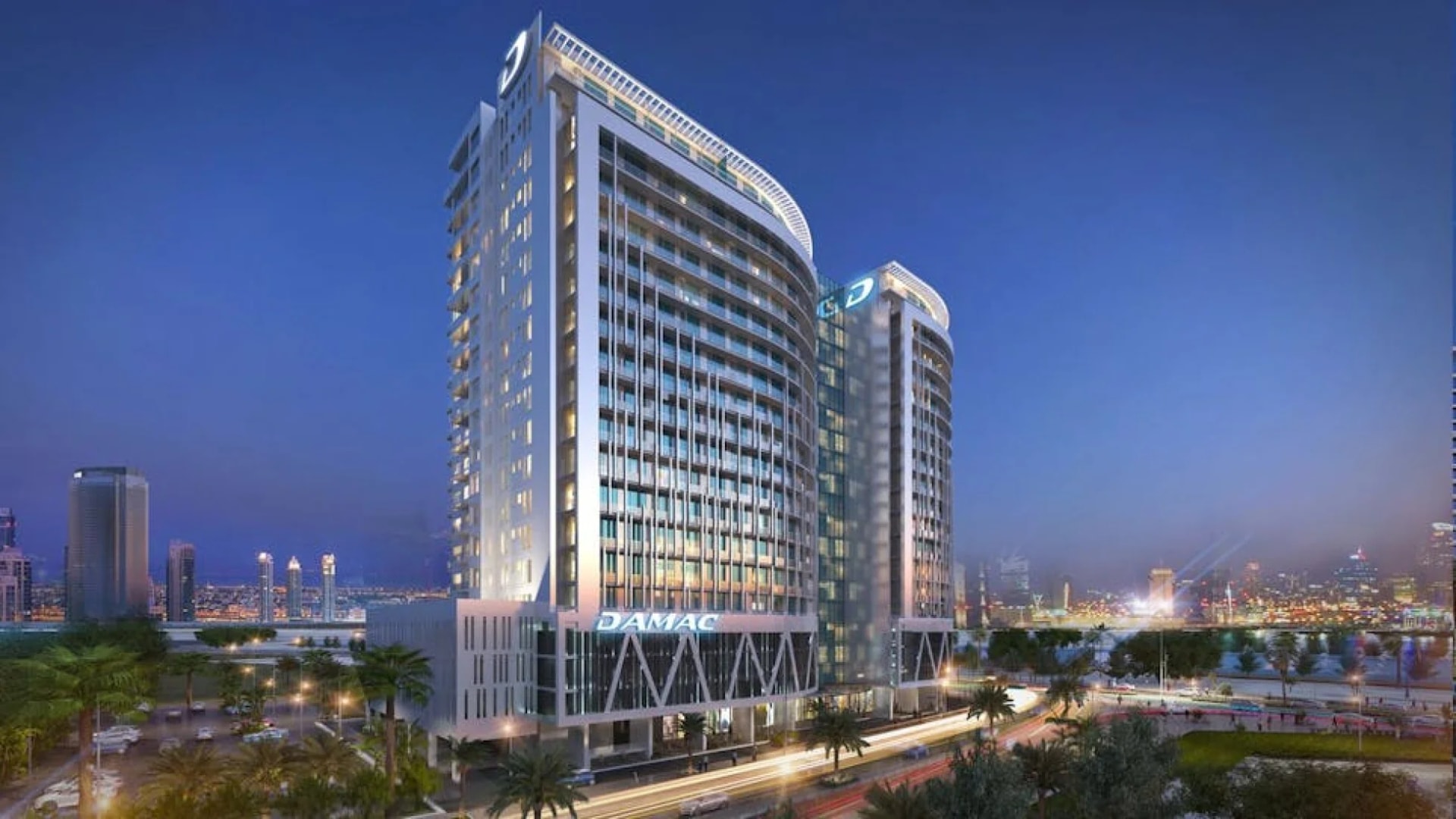
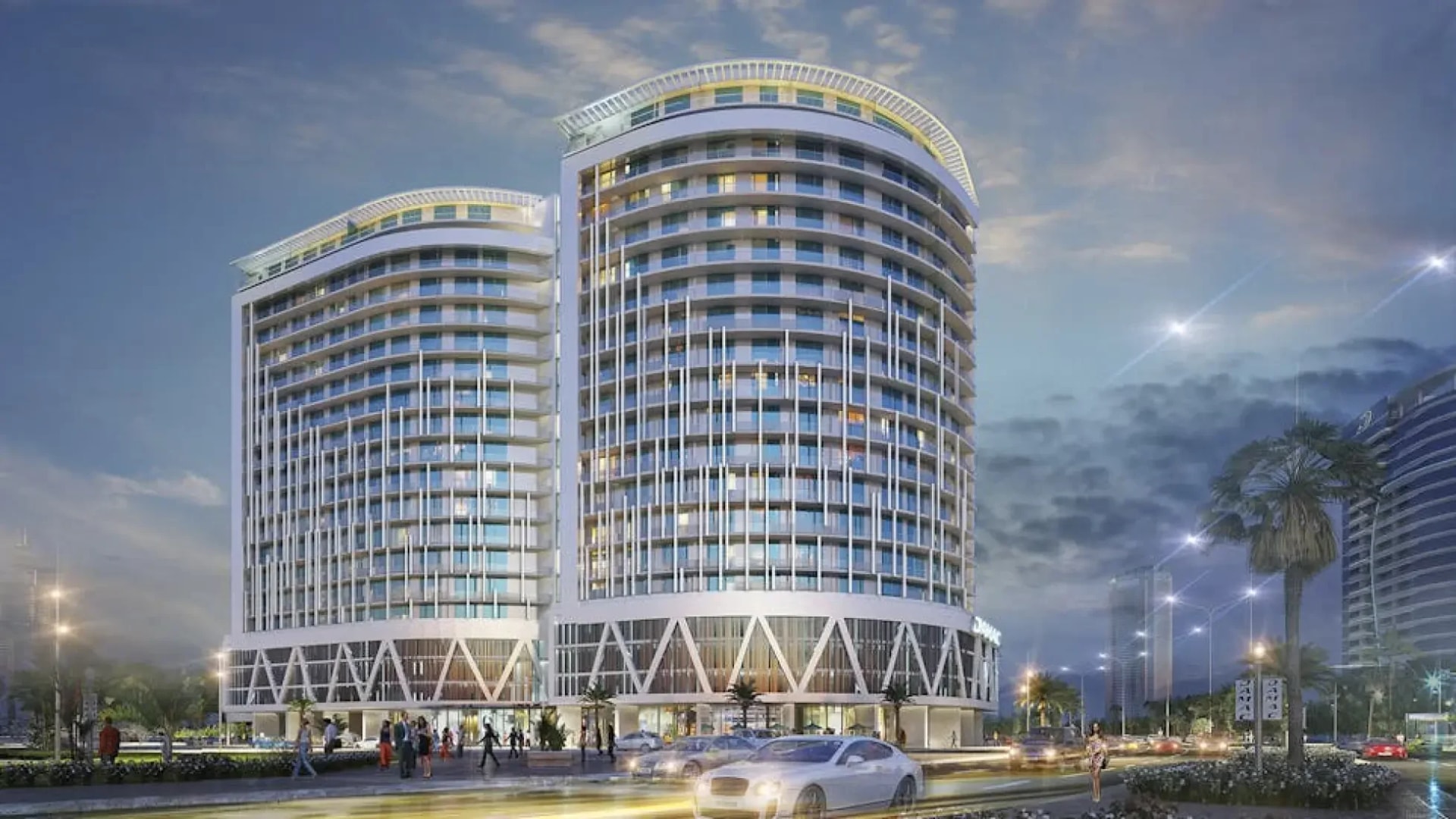
Developer and Property Choice: Opting for Tier 1 developers like Emaar or Damac reduces risk and often secures higher rental premiums. Resale properties offer immediate income, whereas off-plan can provide capital appreciation but involves construction delays and no initial cash flow.
Risk Management and Exit Strategy: The main risk is potential oversupply, which you can mitigate by choosing differentiated properties with premium views or locations. The exit process is straightforward, with no capital gains tax or restrictions on repatriating funds.
Market Overview: Business Bay's Investment Profile
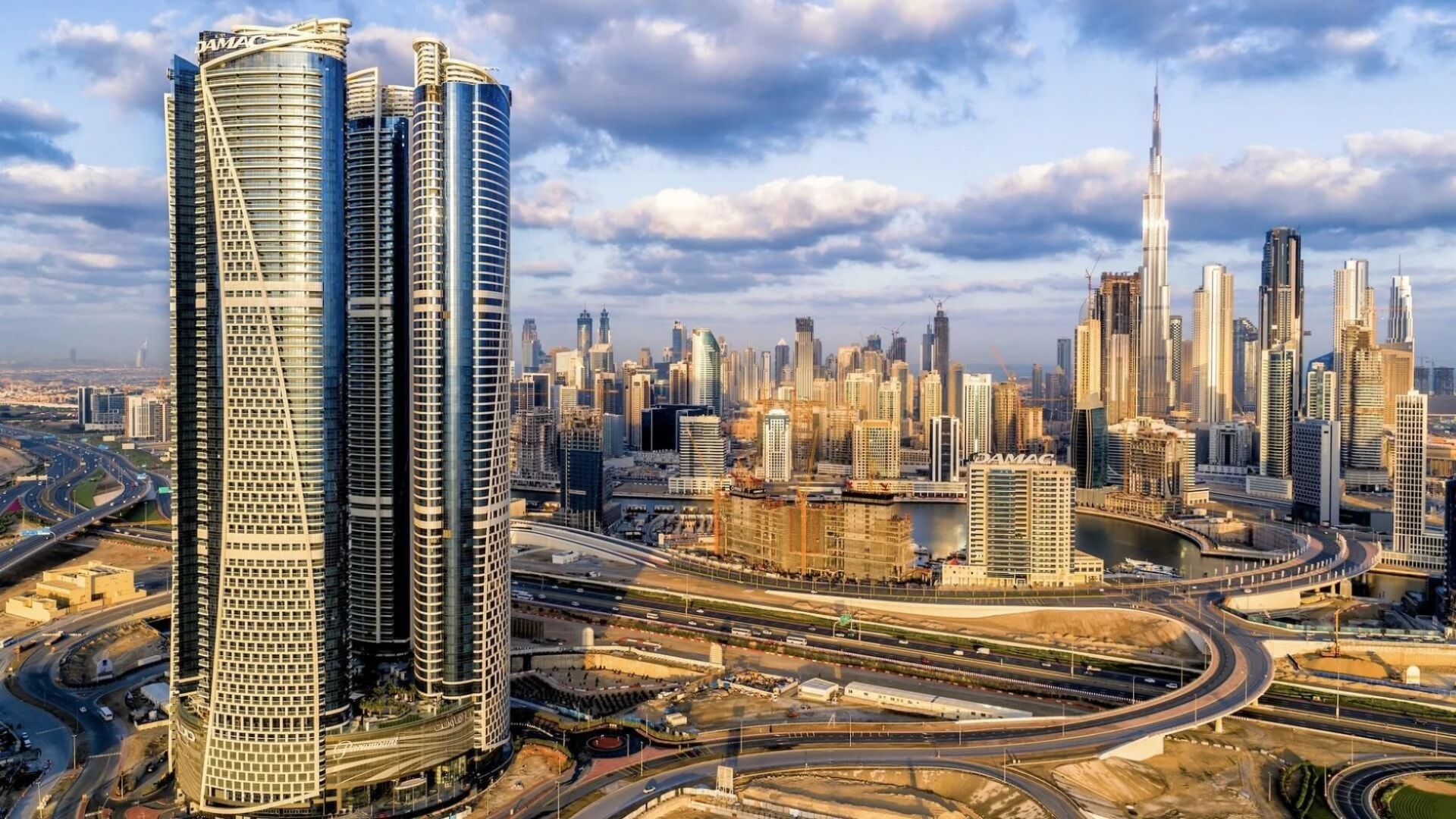
Business Bay sits right in the heart of Dubai's financial district, next to DIFC where over 600 firms employ around 27,000 professionals. What catches most investors' attention straightaway are the rental yields between 6-9%. That's roughly three times what you'd see in London or New York, and it's not just marketing talk. The numbers work because of regulated freehold title, zero income tax on rental income, and genuine demand from Dubai's growing expatriate workforce.
If you're currently holding properties in legacy markets that are generating 2-3% net yields, reallocating perhaps 15-20% of your real estate allocation towards Dubai could meaningfully improve your portfolio returns. You're still working within transparent, regulated property markets with established title registration systems.
The district itself functions as a mixed-use development built around the Dubai Water Canal. You've got residential towers housing over 30,000 residents, grade-A office space, street-level dining and retail. Two metro stations give you direct access to Dubai International Airport in about 15 minutes and connect you to the broader city network. What institutional investors call demand resilience essentially means you've got multiple tenant segments all competing for limited centrally located housing.
Yield Dynamics: Commercial Hub Returns
Rental yields in Business Bay consistently outperform Western markets whilst you're still operating within comparable regulatory frameworks. The performance reflects Dubai's fundamentals: zero personal income tax, established mortgage infrastructure for international buyers, transparent Land Department registration. It's not speculative pricing driving these returns.
Here's what the market data actually shows across different property types:
Residential apartments: Deliver 6-8% gross yields with canal views and metro proximity commanding premium rents
Commercial office space: Achieve 7-9% gross yields when secured with multi-year corporate leases from creditworthy tenants
Retail canal-front units: Generate 7-10% returns in high-footfall locations with strong office density nearby
Net returns after costs: Typically 6-7% for well-selected properties after deducting service charges and maintenance reserves
The higher-performing residential units tend to have canal or Burj Khalifa views, sit within 500 metres of metro stations (which commands 12-15% rental premiums), and belong to buildings with proper institutional-grade property management. These factors separate properties that stay consistently occupied from those experiencing extended void periods.
Commercial office space returns depend heavily on who your tenant is and what lease terms you've negotiated. Blue-chip tenants on 3-5 year agreements deliver the most predictable income streams you'll find. For retail units in prime canal-front locations with demonstrated pedestrian traffic, performance correlates directly with surrounding office density and residential occupancy. This segment does require more active management than residential, but the yield premium compensates appropriately.
These figures represent gross returns before operating expenses. For realistic cash flow planning, you need to deduct 12-18 AED per square foot annually for service charges, plus maintenance reserves. A well-selected studio generating 60,000 AED gross rent might net you 48,000-52,000 AED after costs (still 6-7% on current purchase prices), which is meaningfully above the 2-4% available in established Western markets.
Here's the critical distinction: Dubai's higher yields don't actually come from increased risk. They come from market maturity. Western capitals experienced similar returns 30 years ago before price appreciation compressed yields. You're essentially accessing earlier-stage returns in a market that now has modern regulatory infrastructure.
Capital Growth Trajectory Since 2015
Since 2015, Business Bay properties have appreciated 45-60% depending on building quality and where exactly they sit within the district. That works out to compound annual growth of 4.5-5.5%. It's measured, consistent appreciation rather than the speculative volatility you sometimes see.
The growth reflects genuine value drivers: completion of the Dubai Water Canal extension, metro connectivity improvements, progressive development of lifestyle infrastructure along the promenade. Properties with differentiated characteristics (unobstructed views, hotel-serviced buildings, branded developers) have outperformed generic inventory. That pattern tends to hold true across most markets.
For portfolio construction, this matters quite a bit. Capital appreciation shouldn't be your primary investment thesis in Business Bay; the 6-8% rental yields provide your core return. But that historically documented 4-5% annual appreciation creates meaningful wealth compounding over 7-10 year hold periods, which is really the appropriate timeframe for international real estate allocations anyway.
The honest assessment: property markets move in cycles, and Dubai participates in those cycles like any market does. But the structural drivers (geographic constraints limiting centrally located development, continued economic diversification beyond oil, Dubai's established position as the Middle East's financial hub) suggest Business Bay's value trajectory has fundamental support rather than purely speculative momentum.
Dubai's Financial District Positioning
Business Bay's investment case really rests on employment density and geographic constraint. The district sits adjacent to DIFC (Dubai's principal financial centre), Downtown Dubai, and you're within 2 kilometres of over 240 office towers. This concentration creates what economists call agglomeration benefits. Essentially, when high-earning professionals cluster geographically, demand for proximate housing becomes price-inelastic.
The practical implication: professionals earning 30-50,000 AED monthly will pay premium rents to eliminate their commute time. That structural dynamic supports rental pricing power even during broader market corrections.
Infrastructure advantages in Business Bay include two dedicated metro stations (Business Bay, Emirates Towers) connecting to the airport and key business districts, Sheikh Zayed Road frontage giving you 10-minute access to most Dubai commercial zones, water taxi terminals offering alternative transport along the canal corridor, and proximity to over 150 restaurants, premium fitness facilities, international schools within 15 minutes.
For investors evaluating tenant acquisition risk, this positioning provides genuine security. You're not dependent on a single employer or development; you're accessing Dubai's entire financial services ecosystem, which employs over 100,000 professionals requiring centrally located housing.
Employment Density and Tenant Demand Drivers
Business Bay's tenant base segments into three categories. Each offers distinct risk-return profiles for portfolio construction:
Corporate lease agreements represent about 20-25% of the market. Multinational firms pre-lease apartments for relocating executives, typically 2-3 year terms. These provide the lowest-risk income. Zero tenant default risk, minimal void periods, professional occupants who maintain properties well. Expect 5.5-6.5% net yields with exceptional stability. Particularly valuable if you're prioritising predictable cash flow over maximum returns.
Individual expatriate professionals make up 60-65% of the market. These are bankers, consultants, lawyers working in DIFC or Downtown Dubai. Typically single or couple households on 1-2 year renewable leases. This segment delivers 6-8% net yields with moderate management requirements. Professional property management can reduce void risk to 2-3 weeks between tenancies.
Young professionals and contract workers account for 15-20% of the market. They show higher turnover rates (6-18 month tenancies), concentrated in studios and 1-bedroom units. Potential for 7-9% gross yields, but it requires accepting 3-4 week void periods between lets and more frequent tenant turnover administration.
The strategic approach for £250K-£1M portfolios: concentrate on that middle segment (individual expatriate professionals in 1-2 bedroom apartments). You'll achieve strong yields (6-8%) whilst maintaining manageable operational complexity. As your portfolio size grows beyond £1M, diversifying into corporate lease opportunities adds stability. Studios can optimise yield but they do increase your management workload.
Studio and One-Bed: High Turnover Considerations
Studios (450-600 sq ft) and 1-bedroom apartments (650-850 sq ft) trade between 550,000-950,000 AED in Business Bay. They generate annual rents of 38,000-68,000 AED, producing gross yields in the 6.5-8% range. That's the highest percentage returns you'll find available in the district.
For investors with £250K-£500K allocations, these units provide accessible entry points into Dubai's property market. The economics do work: a 650,000 AED studio (approximately £140K at current exchange rates) generating 50,000 AED annual rent delivers 7.7% gross yield. That's roughly three times what comparable capital generates in London.
However, the operational reality requires some acknowledgement. Compact units attract young, mobile professionals who typically rent for 12-18 months before relocating or upgrading. This creates predictable turnover patterns that you need to anticipate:
Cost per tenancy change: you're looking at 2-3 weeks void period (4,000-5,000 AED opportunity cost), plus 2,000-3,000 AED for cleaning, minor maintenance, re-marketing. Across a typical 5-year hold, expect 3 turnovers consuming 8-10% of your gross rental income.
Service charge impact: whilst absolute service charges are lower (8,000-12,000 AED annually), they represent 16-20% of gross rental income. That's a higher percentage burden than larger units experience.
Tenant quality variance: shorter tenancies mean more frequent tenant screening and higher probability of encountering problematic occupants who require eviction proceedings or deposit disputes.
The balanced perspective: studios and 1-beds generate strong returns but they require active management. They suit investors who are comfortable with property management responsibilities or willing to pay professional management fees (typically 7-8% of collected rent). If you're building a portfolio targeting genuinely passive income, the larger units we'll discuss below often provide better risk-adjusted returns.
Two-Bed and Three-Bed: Corporate Tenant Appeal
2-bedroom (900-1,200 sq ft) and 3-bedroom (1,400-1,800 sq ft) apartments represent the institutional-grade segment of Business Bay's residential market. Purchase prices range from 1,300,000-2,400,000 AED, generating 90,000-140,000 AED annual rent.
The gross yields appear lower (6-7% versus 7-8% for studios). But operational economics tell quite a different story:
Extended tenancy periods average 2.5-3 years versus 12-18 months for studios. Fewer turnovers means lower cumulative void periods and reduced transaction costs over typical 7-10 year hold periods.
Superior tenant profiles are evident here. Families and senior corporate relocations maintain properties carefully, rarely default on rent, often request lease renewals. These tenants view housing as multi-year commitments rather than temporary accommodation.
Corporate lease potential is significant. Firms seeking 2-3 bedroom apartments for executive relocations provide the most stable rental income available. Multi-year agreements with built-in renewal clauses effectively eliminate void risk.
Service charge efficiency improves with size. Whilst absolute costs are higher (16,000-24,000 AED annually), they represent only 12-15% of gross rental income. The proportional burden decreases as unit size increases.
For investors with £500K-£2M allocations building multi-unit portfolios, larger apartments provide the foundation for passive income strategies. A 3-unit portfolio of 2-bedroom apartments generates £40K-£50K annual rental income (net of all costs) with minimal management overhead. That's genuine passive income supporting retirement planning, educational funding, legacy wealth construction.
Property Type
Purchase Price (£)
Annual Net Income (£)
Avg Tenancy Length
Management Intensity
£120K-£160K
£7.5K-£9.5K
12-18 months
£180K-£210K
£10K-£12.5K
15-20 months
Moderate-High
£270K-£380K
24-36 months
Low-Moderate
£400K-£550K
30-42 months
Net yields reflect realistic deductions: service charges, maintenance reserves, management fees, annual void provisions. Notice how net returns converge across property types; the apparent gross yield advantage of studios largely disappears once you've factored operational realities.
Acquisition Costs and Financing Terms
Purchase price represents 85-88% of total acquisition costs for Dubai property investment. The remaining 12-15% comprises transparent, regulated fees with no hidden charges:
Dubai Land Department registration: 4% of purchase price plus 580 AED administration fee
Real estate commission: 2% plus 5% VAT totalling approximately 2.1% of purchase price
Mortgage arrangement fees: Approximately 1% of loan value plus 2,500-3,500 AED valuation fee when financing
Legal and trustee services: £850-£1,700 depending on transaction complexity
Total on £300K property: Expect £21K-£23K in fees beyond purchase price (7-7.5% total transaction costs)
For portfolio construction using mortgage use, current terms are:
Loan-to-value ratios: 75-80% for your first property (UK/EU passport holders), 60-65% for subsequent purchases
Interest rates: Currently 5.5-6.5% (variable rates, typically EIBOR + 2.5-3.5% margin)
Debt service coverage requirements: Lenders require annual rent to exceed mortgage payments by 1.3-1.5x minimum
Practical example: A £350K property generating £21K annual rent supports a maximum mortgage of approximately £245K at current rates, requiring £105K equity plus £25K acquisition costs (total capital requirement of £130K).
The financing structure enables portfolio scaling. An investor with £400K available capital can acquire either one £400K property outright, or three properties totalling £1.2M using 70% LTV mortgages. You're tripling exposure whilst maintaining manageable use. The latter approach generates substantially higher absolute income (though modestly lower percentage returns) whilst diversifying vacancy risk across multiple properties.
Service Charges in High-Rise Developments
Annual service charges in Business Bay range 12-20 AED per square foot (approximately £2.50-£4.20 per sq ft), depending on building age, developer reputation, amenity quality. On a typical 900 sq ft 1-bedroom apartment, expect £2,250-£3,800 annually.
These aren't discretionary costs; they're contractual obligations covering building maintenance, common area cleaning, structural upkeep, swimming pool and gymnasium operation, 24-hour security and CCTV systems, concierge services, landscaping, pest control, waste management, and building insurance for structure and common areas.
The variance between buildings matters substantially. Properties charging 12-14 AED per sq ft often defer maintenance or provide minimal amenities. Units in well-managed buildings charging 16-20 AED per sq ft typically deliver superior tenant experience, resulting in faster letting, reduced void periods, better tenant retention. These operational benefits offset the higher service charge through improved occupancy.
Critical budgeting consideration: service charges escalate 3-5% annually as operational costs increase with inflation. Conservative cash flow modelling should assume 4% annual increases. A property paying £3,000 service charges today will likely require £3,650 in year five.
For investors evaluating net returns on Dubai property, service charges represent your largest ongoing expense. They typically consume 15-20% of gross rental income for studios, 12-15% for 2-bedroom units, 10-12% for 3-bedroom apartments. Properties marketed with "low service charges" often signal deferred maintenance or inferior facility management, creating tenant dissatisfaction that manifests as higher void periods.
Major Developers and Build Quality
Business Bay's developer landscape directly impacts both capital preservation and rental performance. The market segments into three tiers with meaningfully different risk profiles:
Tier 1 developers (Emaar, Damac, Meraas, Omniyat) are publicly listed or major private developers with 20+ year track records. These firms deliver projects on schedule, employ international contractors maintaining Dubai Municipality standards, and provide proper post-handover service. Properties from these developers enjoy superior resale liquidity and command rental premiums of 10-15% over comparable units from lesser-known builders.
You'll pay 8-12% more for equivalent space, but you're purchasing reduced completion risk, established property management quality, and tenant appeal. For investors prioritising capital preservation and operational simplicity, this premium represents value rather than waste.
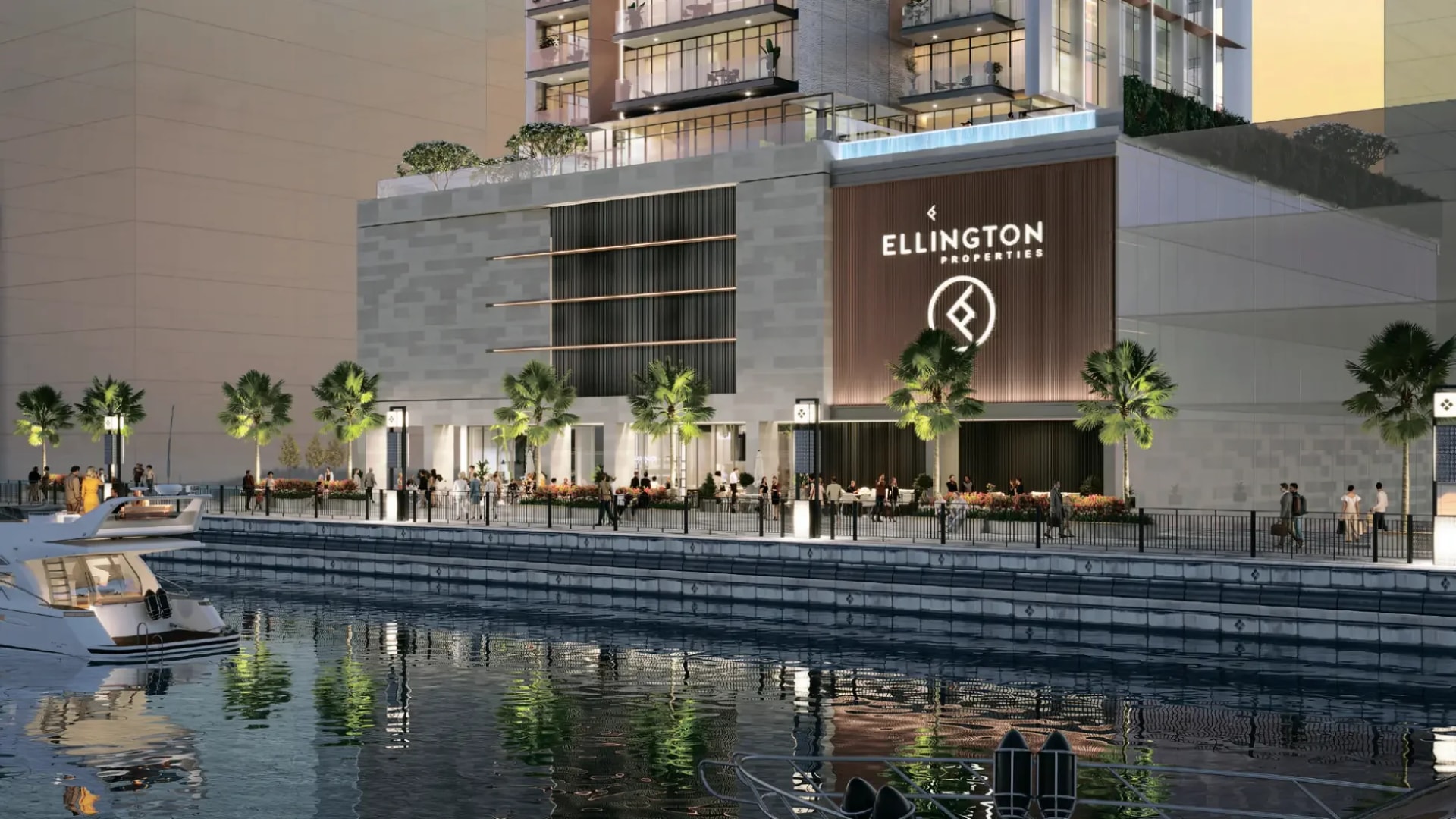
Tier 2 developers (Ellington, Binghatti, Imtiaz, Sobha) are mid-sized developers with solid recent performance. Generally reliable delivery timelines, contemporary design, professional sales processes. Completion risk is low but not negligible. Before committing capital, verify: (a) current construction progress through site visits, (b) pre-sale percentage exceeding 50%, and (c) Dubai Land Department records confirming the developer's completion history.
Tier 3 developers (smaller private firms) present higher risk, occasionally offering 15-20% discounts to Tier 1 equivalent properties. If you're considering these, insist on: (a) personal site inspection, (b) verification of escrow account structure with Dubai Land Department, (c) evidence of at least two previously completed projects in Dubai, and (d) review of current financial standing.
When evaluating any Business Bay developer, these quality indicators matter most:
Completion track record: Review last five projects to verify delivery within six months of original timelines using Dubai Land Department data
Specification quality: Check for international brands (Bosch, Grohe, Hansgrohe) versus generic alternativesruction standard signals
Post-handover responsiveness: Contact existing unit owners to assess snagging resolution and defect repair quality
Service charge management: Research developer's reputation for maintaining buildings and controlling annual cost increases
For £250K-£1M portfolio allocations, concentrate exclusively on Tier 1 and established Tier 2 developers. The potential 10% savings from unknown developers doesn't justify the completion risk, ongoing management complications, reduced resale liquidity.
Off-Plan Pipeline vs. Resale Availability
Business Bay currently contains approximately 16,000-18,000 completed residential units, with another 3,000-4,000 in off-plan development through 2026. This supply volume creates both opportunity and risk that sophisticated investors should evaluate carefully.
Off-plan properties offer payment plans (typically 20% down payment, 60% during construction in quarterly instalments, 20% on completion) that reduce immediate capital requirements. You're also purchasing at pre-completion pricing, which historically delivers 12-18% appreciation between contract and handover in stable market conditions.
The trade-offs require honest acknowledgement:
Zero rental income for 18-36 months means your capital is deployed but generating no return during construction. For investors requiring cash flow, this represents a significant opportunity cost.
Completion risk persists despite improvements. Whilst Dubai's regulatory framework has substantially reduced developer defaults, delays of 3-6 months beyond original timelines remain fairly common. Extended delays increase your holding costs without generating income.
Market timing uncertainty is real. If 2,000+ units deliver simultaneously in Business Bay, rental pricing could soften materially just as you're seeking tenants. This supply risk should factor into your investment decisions.
Resale properties eliminate completion uncertainty and generate immediate rental income. You can inspect the actual unit, review several years of service charge history, verify current occupancy rates within the building, and speak with existing tenants about management quality. Mortgage financing is typically faster and offered at slightly better terms for completed properties.
The cost: you'll pay current market value rather than pre-construction pricing, typically 15-25% more than equivalent off-plan units purchased 2-3 years earlier.
Portfolio construction strategy matters here. For investors requiring passive income from day one (supporting retirement funding, educational expenses, supplementing earned income), resale properties provide the only realistic path. You need completed, tenanted properties generating cash flow immediately.
Off-plan works for investors with 3-5 year time horizons who can absorb construction period carry costs (mortgage interest without offsetting rental income) in exchange for capital appreciation potential. This suits younger investors building long-term wealth rather than generating near-term cash flow.
The balanced approach for £500K+ portfolios: acquire core holdings as resale properties providing immediate income, then allocate 20-30% to off-plan opportunities for capital appreciation potential. This structure generates current cash flow whilst maintaining exposure to Dubai's development cycle.
Oversupply Concerns and Vacancy Trends
Business Bay's principal investment risk is supply absorption dynamics. The district has experienced substantial development since 2015, and whilst demand has broadly kept pace, certain property segments show vacancy rates of 8-12%, above Dubai's residential average of 6-8%.
This isn't theoretical risk; it's current market reality requiring mitigation strategies.
Vacancy concentrates in specific property types. Older buildings (pre-2015 construction) lacking modern finishes and efficient layouts struggle more. Units without differentiated views (facing other buildings rather than canal or skyline) experience higher void periods. Developments with minimal amenities or poor property management see tenant dissatisfaction. Studios and 1-bedroom units in buildings oversupplied with similar inventory face the most competition.
Conversely, properties with clear competitive advantages maintain 92-96% occupancy even during softer market periods:
Canal-front buildings with unobstructed water views
Towers incorporating hotel-serviced components (creating built-in demand for corporate short-term stays)
Buildings with institutional-grade facility management and comprehensive amenities
2-3 bedroom units appealing to families and corporate relocations
Your risk mitigation strategy for Business Bay should include these essential steps:
Prioritise differentiation: Target units with clear advantages like views, branded developers, superior amenities, optimal metro proximity
Assess micro-location carefully: Properties within 400-500 metres of metro stations command 12-15% rental premiums over those requiring bus connections
Model conservative void periods: Assume 4-6 weeks vacancy per tenancy change for standard units, 2-3 weeks for differentiated properties in cash flow planning
Monitor supply pipeline actively: Watch Dubai Land Department quarterly data on upcoming supply and transaction volumes to time acquisitions strategically
The honest perspective: Business Bay won't deliver 8% yields with zero management attention. It's a competitive market requiring careful property selection and professional management. But for investors willing to apply institutional-grade asset selection criteria, net returns of 5.5-7% remain readily achievable, roughly double what similar capital generates in London or New York.
Exit Planning and Capital Repatriation
Your investment thesis should incorporate exit strategy before committing capital. Business Bay offers reasonable liquidity, with typical sale timelines of 60-90 days in stable markets, but this extends to 4-6 months during market corrections or if properties are overpriced relative to current comparables.
Exit timing considerations for portfolio managers matter significantly. Dubai real estate operates in 4-6 year cycles influenced by global capital flows, oil prices, regional economic conditions. Selling into upward momentum (rising transaction volumes, declining available inventory) maximises pricing power. Conversely, forced sales during downturns often require 15-20% discounts to peak valuations.
For investors with 7-10 year time horizons (the appropriate timeframe for international real estate allocations), cycle timing risk diminishes substantially. You can choose optimal exit windows rather than accepting prevailing market conditions.
Tenant occupancy status affects sale speed and pricing. Properties with sitting tenants on 1-2 year remaining leases sell faster and command 8-12% premiums, since investor-buyers can underwrite immediate cash flow with confidence. Vacant units require 10-15% pricing discounts to compensate for lease-up risk and uncertainty.
Strategic implication: when considering exit, time your sales to coincide with new lease commencements rather than mid-tenancy periods when occupancy status is uncertain.
Capital repatriation mechanics are straightforward. The UAE imposes zero capital controls on property sale proceeds. Once the Dubai Land Department registers the title transfer, funds transfer internationally within 24-48 hours through standard banking channels. No exit taxes apply; Dubai maintains zero capital gains tax on real estate transactions.
This represents a material advantage over many emerging markets where capital repatriation involves bureaucratic complexity, extended timelines, or taxation that erodes returns.
Transaction costs on sale include estate agent commission (2% plus 5% VAT, approximately 2.1% total), Dubai Land Department transfer fee (4% of sale price, typically negotiated with buyer to split 2%/2%), outstanding service charges and utility account settlements, and mortgage early repayment charges if selling before loan maturity (typically 1-2% of outstanding balance).
On a £350K property sale, expect £14K-£18K in exit costs, reducing net proceeds by 4-5%.
Portfolio strategy implications deserve consideration. If you're acquiring Business Bay properties for 7-10 year hold periods (aligning with children's education timelines, retirement planning, long-term wealth accumulation), exit liquidity risk becomes manageable. Medium-term horizons allow you to select optimal market conditions rather than accepting prevailing prices.
Short-term holds (2-3 years) expose you to market timing risk and reduce returns after accounting for acquisition and exit costs. The mathematics work against frequent trading; total transaction costs of 12-15% consume too much capital appreciation in short timeframes.
For most portfolio allocators, the optimal approach treats Business Bay as medium-term income-generating assets (7-10 year holds) with capital appreciation providing additional return rather than serving as the primary investment thesis.
Wrapping Up Our Business Bay Investment Guide
Business Bay delivers what Western portfolio managers increasingly require: rental yields between 6-8% (roughly three times London or New York returns) in a regulated market with transparent title registration, established mortgage infrastructure, zero restrictions on capital repatriation.
The investment case rests on genuine economic fundamentals rather than promotional narrative. Dubai's position as the Middle East's financial hub creates structural demand from over 100,000 professionals requiring centrally located housing. Business Bay's location adjacent to DIFC, connected by metro, with genuine employment density provides sustainable tenant demand rather than speculative pricing.
This isn't suitable for every portfolio. The investment requires comfort with emerging market exposure, willingness to manage properties actively (or pay professional management fees of 7-8%), medium-term time horizons of 7-10 years. Vacancy risk exists, service charges run higher than many UK investors initially anticipate, supply absorption requires ongoing monitoring.
But these represent manageable risks rather than fundamental flaws in the investment thesis.
If you're evaluating portfolio diversification (looking to reallocate 15-25% of property holdings towards higher-yielding markets whilst maintaining access to regulated, transparent systems), Business Bay represents a rational entry point. The critical requirements are disciplined property selection (developer quality, location within district, unit differentiation), conservative cost modelling, treating acquisitions as medium-term income generation supporting specific financial goals.
Perhaps you're funding children's university education in 8 years and need portfolio income exceeding current gilt yields. Or you're building passive income streams towards early retirement and require yields that compound meaningfully. Or you're constructing legacy wealth for the next generation and need assets that generate returns whilst you sleep.
Business Bay can serve those objectives, not through speculative appreciation or promotional promises, but through straightforward mathematics: 6-8% net yields, transparent costs, regulatory infrastructure protecting capital whilst generating income.
We built Oliva specifically to help Western investors navigate these markets professionally, sourcing properties meeting institutional return thresholds, structuring financing compatible with UK/EU banking relationships, managing assets to the operational standards you'd expect from established markets. If that approach aligns with how you think about portfolio construction, we should discuss specific opportunities currently available in Business Bay that match your particular objectives.
Explore Dubai Areas on Oliva
Frequently Asked Questions
What are the typical rental yields for property in Business Bay?
You can generally expect gross rental yields between 6-9% in Business Bay. Residential apartments typically deliver 6-8%, while commercial office spaces can achieve 7-9%. After accounting for service charges and other costs, net yields for well-selected properties are usually in the 6-7% range.
Is oversupply a major risk for investors in Business Bay?
While supply is a factor to monitor, you can manage this risk effectively. Vacancy rates are higher in older buildings or units without unique features. By selecting properties with clear advantages, such as canal views, proximity to a metro station, or those from top-tier developers, you can maintain high occupancy rates of 92-96%.
What are the main costs involved when buying a property in Dubai?
Beyond the property's price, you should budget for additional costs that total around 12-15% of the purchase price. These include a 4% Dubai Land Department registration fee, a 2% real estate commission (+VAT), and potential mortgage arrangement fees if you are financing the purchase.
Which property type is better for a first-time investor?
It depends on your goals. Studios and one-bedroom apartments offer a lower entry price and higher gross yields but require more active management due to higher tenant turnover. For a more passive, stable income, two-bedroom apartments are often recommended as they attract long-term corporate tenants and families.
How can I ensure I'm buying a high-quality property?
Focusing on properties from Tier 1 developers like Emaar and Damac is a reliable strategy, as they have a proven track record for build quality and timely delivery. For expert guidance on sourcing properties that meet institutional standards, services like Oliva can help you identify the best opportunities.
Explore further
The project, area, and developer this post covers, with live Dubai Land Department data.
Related articles

Dubai Land Department: The Complete 2026 Investor Guide

Off-Plan Meaning in Real Estate: Dubai Context

Best Snagging Companies in Dubai: Comparison

Benefits of Post-Handover Plans for Investors
Property Transfer Fee at DLD: Calculation Guide

Wadi Al Safa 5 investor area guide: around Nuve by Zoya (2026)
Related Dubai property analysis from the Oliva editorial team.