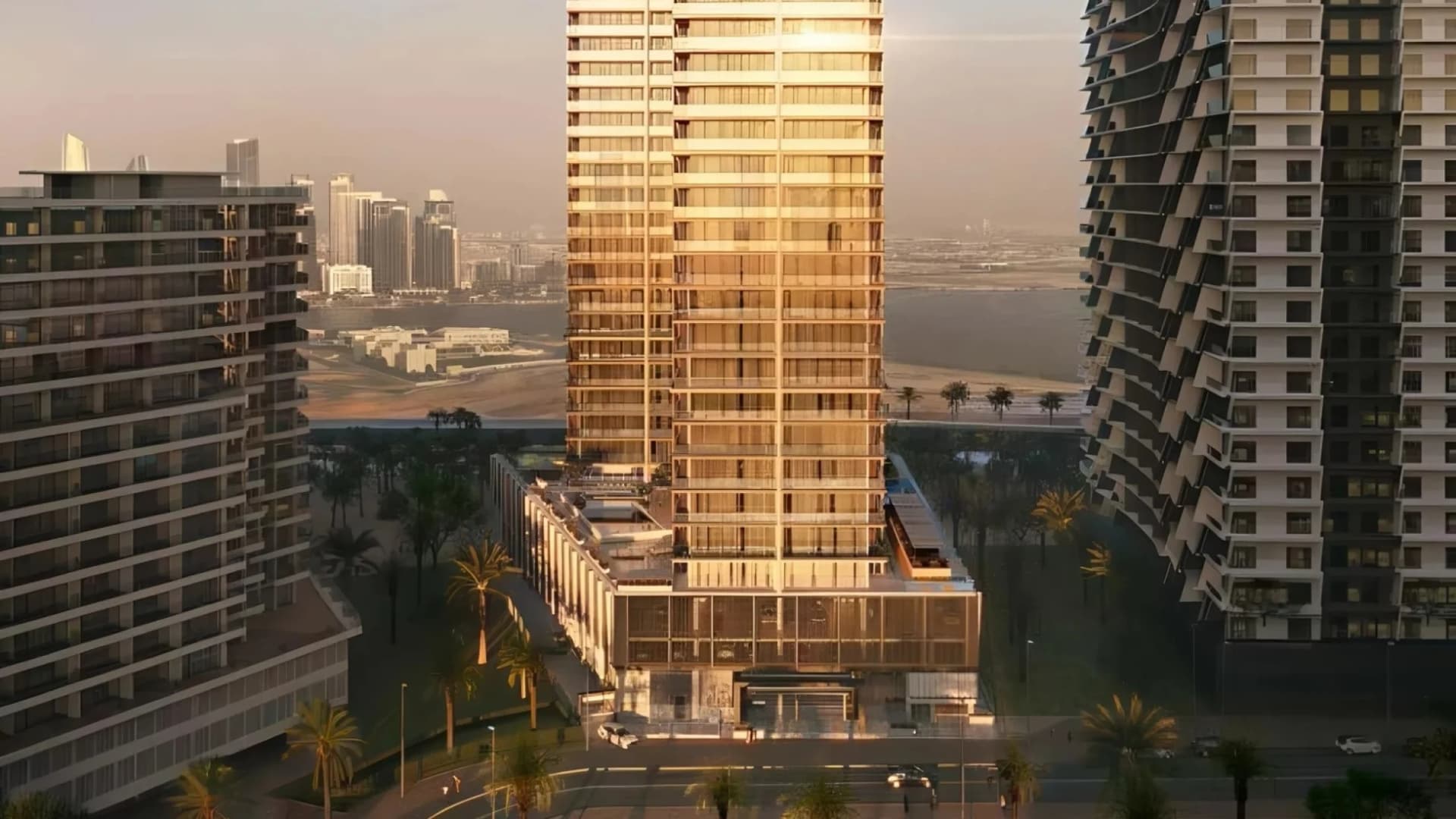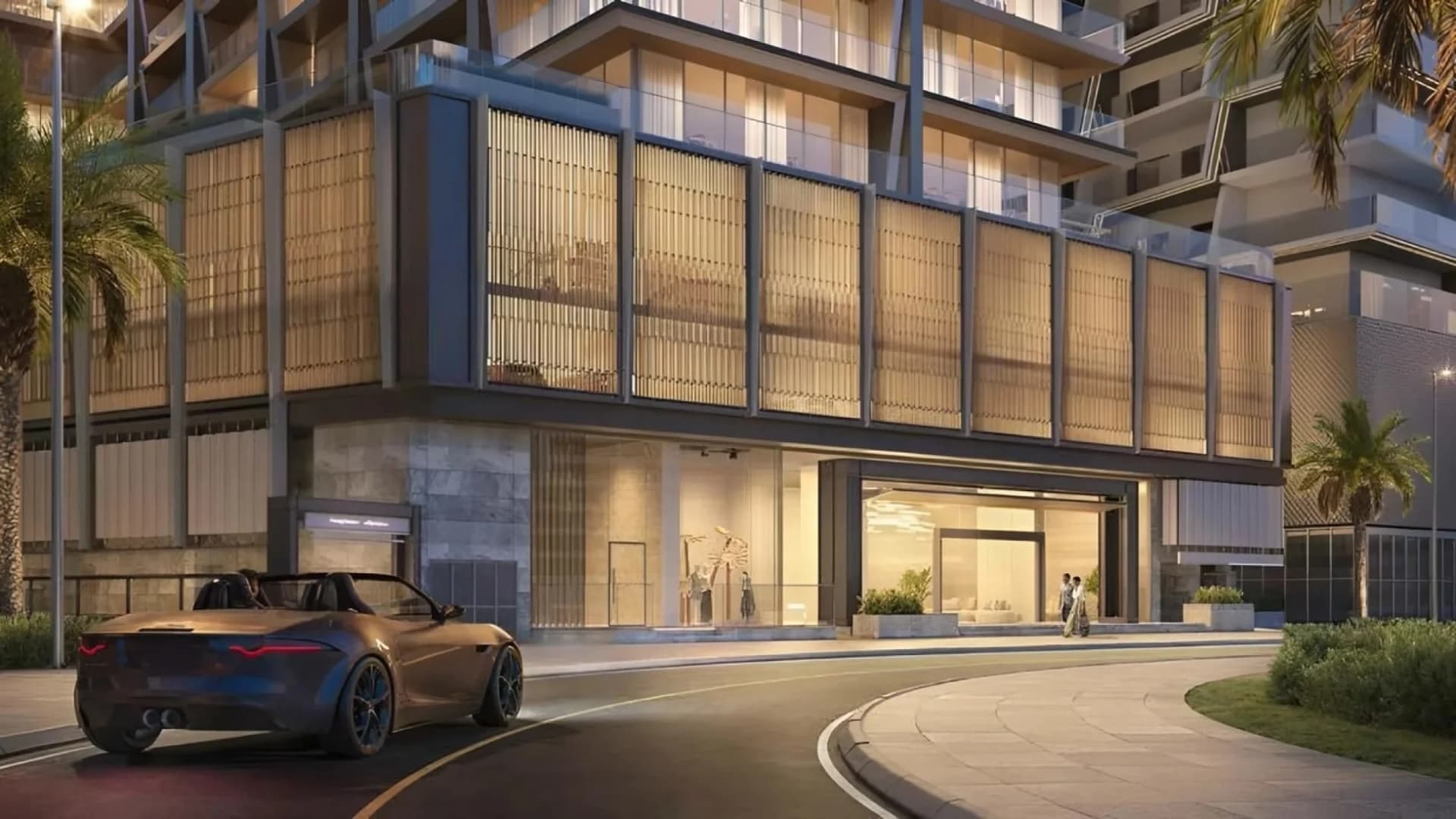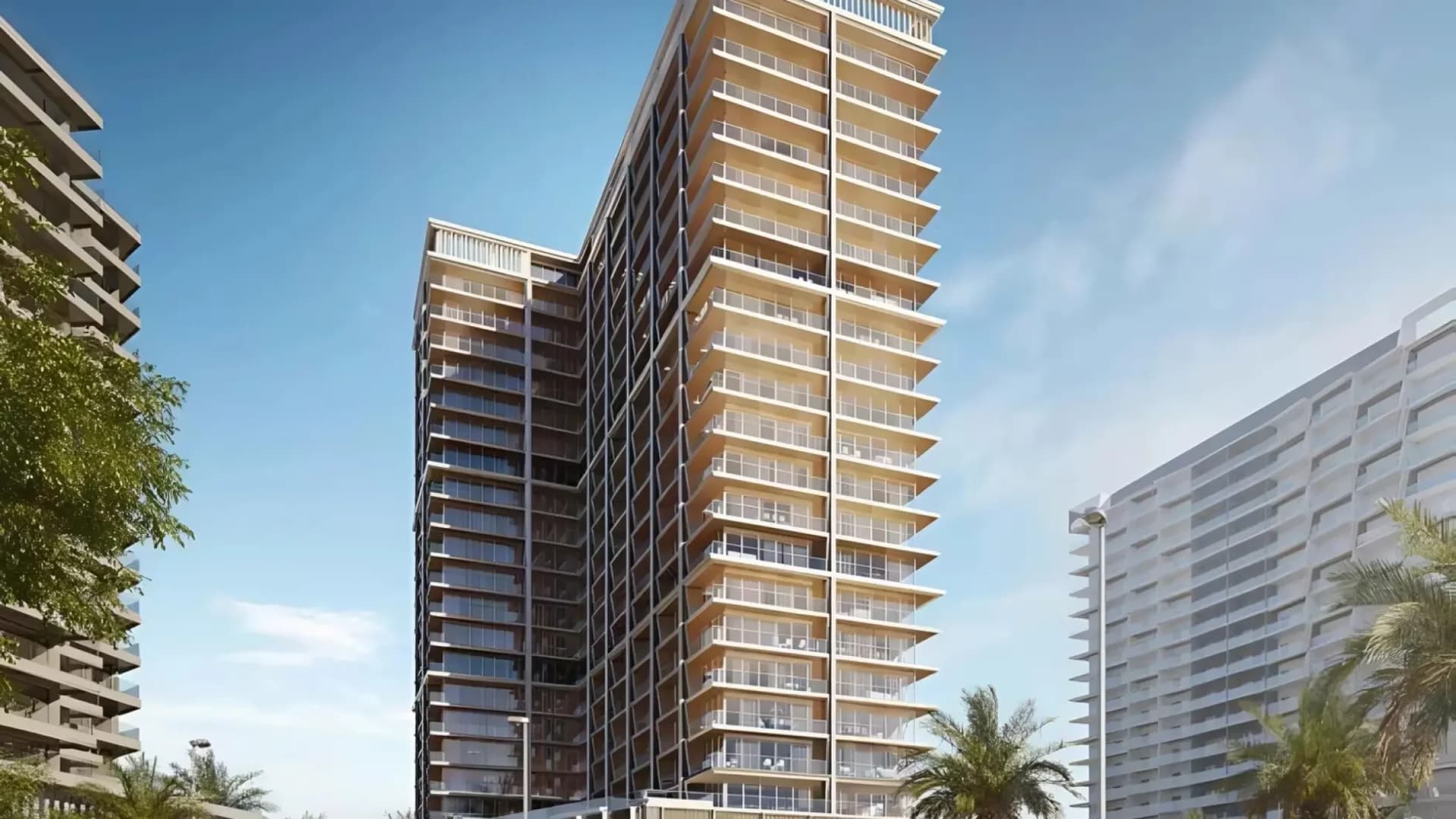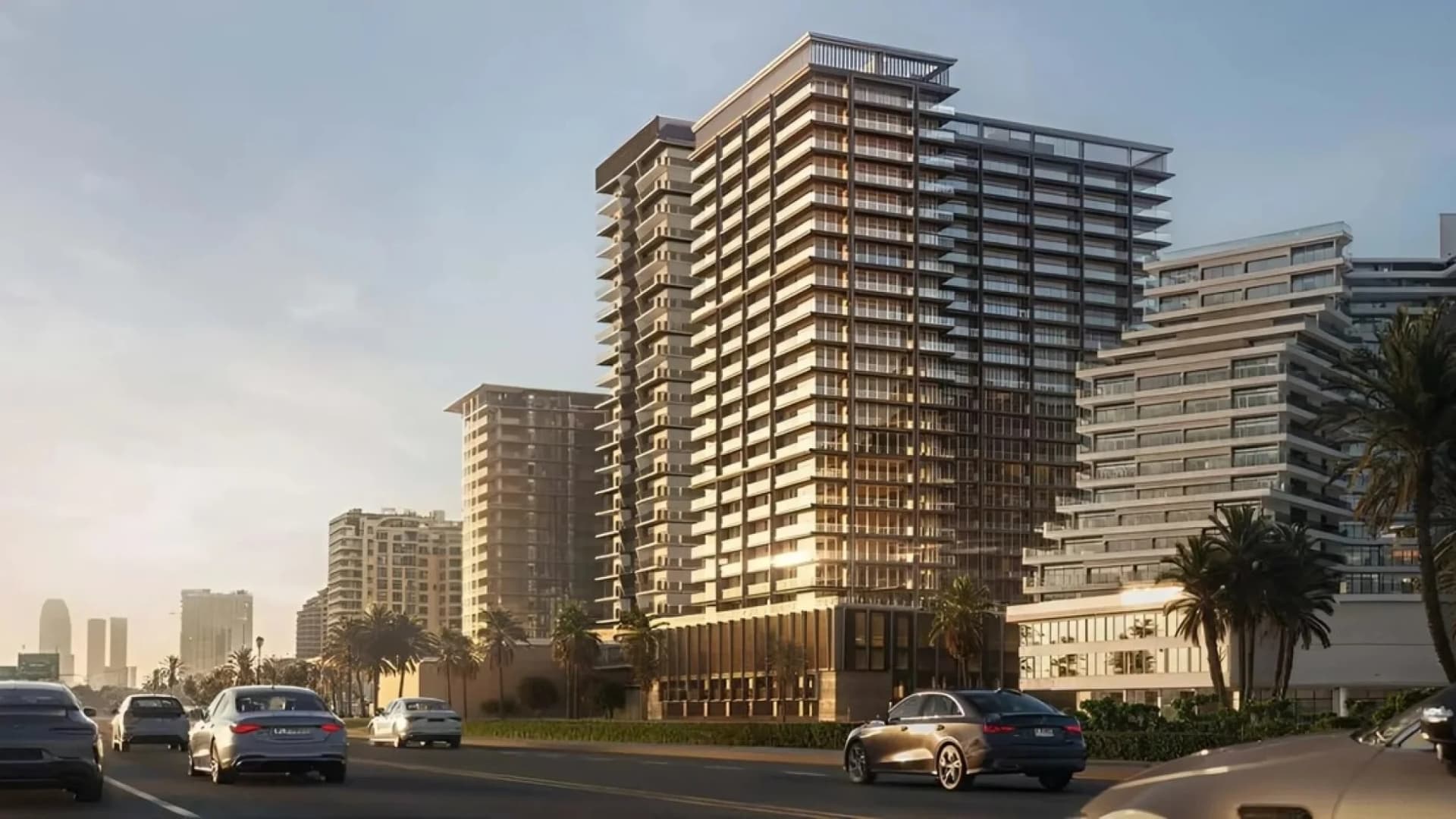
Key Takeaways on Investing in Al Jaddaf
Attractive Rental Yields: You can expect consistent gross rental yields of 6-8%, a significant increase compared to the 2-3% typical in many Western property markets.
Stable Tenant Demand: The area's proximity to Dubai Healthcare City creates a reliable tenant base of medical professionals, which often leads to lower vacancy rates and more stable rental income.
Strategic Location: Its excellent connectivity, with easy access to Downtown Dubai, the airport, and the Metro's Green Line, makes it an appealing location for a wide range of tenants.
Understand Total Costs: Your actual returns depend on understanding the total cost of ownership, which includes a 4% DLD fee, agency fees, and annual service charges that can range from AED 12-20 per square foot.
Assess Developer Quality and Risks: Build quality can vary significantly between developers. It is vital to conduct thorough due diligence and be aware of potential risks like increasing property supply, which could affect future rental growth.
Market Overview: Al Jaddaf Investment Returns
If your London property delivers 2-3% yields, or your Paris apartment barely covers its mortgage, Al Jaddaf presents something worth examining. This isn't Downtown Dubai with premium pricing. What you're actually looking at here is consistent 6-8% yields at entry points that work when you run the numbers properly.
The district sits between Dubai Healthcare City and the Creek, which creates steady tenant demand without the pricing froth you see in central locations. For Western portfolio builders, this geographic advantage often matters more than having a prestigious postcode. Sometimes the best investments are in places people aren't rushing to talk about at dinner parties.
Rental Yields in Al Jaddaf: 6-8% Analysis
Most Al Jaddaf properties deliver somewhere around 5-7% annually. The newer developments, particularly those with decent finishes and creek views, can push towards 6-8%. Compare that to what you're getting in London (2-3%), Paris (1.9%), or New York (1.9%), and the yield arbitrage becomes fairly obvious. You're accessing essentially the same banking infrastructure and legal framework you'd expect in Western markets, but with return profiles that reflect Dubai's growth rather than mature market compression.
Studios and 1-bedroom units typically hit 6-7.5% yields. Your core tenants are medical professionals from Dubai Healthcare City: stable jobs, professional credentials, genuine reasons to live nearby. They're salaried employees who value proximity over luxury finishes. Not speculators or transient workers who might disappear when market sentiment shifts.
2 and 3-bedroom apartments usually achieve somewhere in the 5.5-7% range, with better buildings pushing towards 7.5%. The occupancy profile skews towards families and professional couples, often on longer leases than studios. When you're managing remotely from London or Frankfurt, that stability in occupancy becomes quite valuable. Less churn means lower costs and fewer headaches.
New off-plan properties launching in 2025 carry projected yields around 7-8%. Worth treating these as projections rather than guarantees, frankly. You'll want to verify the actual rents once properties complete and tenancies establish. Developer marketing doesn't always align perfectly with market reality, as most of us have learned at some point.
Demand stays relatively consistent because Al Jaddaf sits between major employment centres (Healthcare City being the obvious one), whilst rental rates run 30-40% below equivalent properties in Downtown or Business Bay. That creates genuine value for tenants, which translates to lower vacancy risk and steadier portfolio income.
Distance to Dubai Healthcare City, Downtown Dubai, and Airport
If you're managing properties from London, Frankfurt, or New York, Al Jaddaf's connectivity matters more than how the buildings look. The practical reality: 5-10 minutes to Dubai Healthcare City, 10-15 minutes to Downtown Dubai, 10-15 minutes to Dubai International Airport. These are actual drive times, not marketing distances, and they affect both tenant appeal and how efficiently you can manage the property remotely.
Dubai Healthcare City proximity drives the core demand here. There are over 40,000 medical professionals working in that district, and commute time has a direct impact on rental decisions in this market. Properties within 10 minutes achieve 8-12% rental premiums and materially lower void periods. That's not surprising when you think about it; medical professionals work long, unpredictable hours and they're willing to pay for convenience. Not everyone values that the same way, but this tenant demographic certainly does.
Downtown Dubai access matters for different reasons. The commercial core, retail concentration, and entertainment infrastructure make properties more attractive to young professionals who form your secondary tenant pool. It's about lifestyle appeal and resale value when you eventually exit. Not the primary investment case, but worth factoring in.
Airport connectivity becomes relevant when you're doing due diligence visits or coordinating property inspections from abroad. The direct routing from DXB to Al Jaddaf means you can view properties, meet property managers, and get back to the airport within a fairly compact timeframe. When you're building portfolios across multiple markets, this operational efficiency actually matters quite a bit.
Metro Access on the Green Line and Road Infrastructure
Al Jaddaf Metro Station sits on the Green Line, giving tenants car-free access to Dubai's business districts. This expands your potential tenant pool beyond just car owners, which is increasingly important. Young professionals and international workers find the location viable without needing to buy a vehicle, increasing your demand depth.
Road infrastructure connects directly to Sheikh Zayed Road and Al Khail Road, Dubai's main arterial routes. For property management logistics, this is useful. Contractors, maintenance teams, and property managers reach Al Jaddaf efficiently, which reduces response times for repairs and lowers ongoing operational friction. Not glamorous, but these things matter when you're managing remotely.
Bus routes and the Al Jaddaf Marine Transport Station water bus service add transport variety. The water bus is more lifestyle amenity than essential infrastructure, but it contributes to the area's appeal. Combined with Metro access, this creates genuine flexibility for tenants who don't own vehicles or prefer not to deal with Dubai's traffic. For remote investors, this multi-modal setup translates to broader tenant appeal and lower vacancy risk. You're not exclusively dependent on car-owning tenants.
Studio and One-Bedroom Units: Medical Professional Tenant Base
Studios and one-bedroom apartments in Al Jaddaf offer probably the most attractive entry point if you're building a diversified portfolio. At AED 750,000 to 1.8 million (£164,000 to £394,000), you can acquire multiple units for what would buy a single property in most Western markets. That spreads your vacancy risk across several income streams, which is a more sensible approach than concentrating everything in one asset. Basic portfolio theory, but worth remembering.
The tenant profile skews heavily towards medical professionals from Dubai Healthcare City. These are salaried employees on multi-year contracts with stable income and professional backgrounds. Vacancy risk is materially lower than you'd see with transient tenant populations. Tenant quality is higher as well: fewer payment disputes, better property care, longer lease terms. It's not perfect, but it's considerably better than renting to students or seasonal workers.
Key advantages of studios and 1-bedroom units in Al Jaddaf:
Entry price point: Studios from AED 750,000 (£164,000), 1-bedrooms from AED 1.2 million (£262,000)
Rental yields: Consistent 6-8% annual returns, significantly above Western market averages
Tenant stability: Medical professionals on multi-year contracts with predictable income
Portfolio diversification: Acquire multiple units for the price of one London property
Tax efficiency: Zero income tax on rental income versus 20-45% in Western markets
Rental yields for Al Jaddaf studios and one-bedroom units typically hit somewhere in the 6-8% range, delivering annual income of AED 45,000 to 108,000 (£9,800 to £23,600) per unit. Put that in context: a £400,000 London flat might generate £10,000 annually at 2.5% yield before you pay tax. The same capital in Al Jaddaf, split across two one-bedroom units, could generate £20,000 to £24,000 with no income tax. The mathematics are fairly straightforward; you're accessing significantly higher returns in a market with comparable legal transparency and much simpler tax treatment.
For portfolio investors, the one-bedroom segment offers probably the best balance between capital efficiency and tenant quality. Studios can be slightly more transient; two-bedrooms require more capital. One-bedrooms tend to hit a sweet spot for most strategies.
Two and Three-Bedroom Apartments: Family Demand Analysis
Two and three-bedroom apartments in Al Jaddaf serve quite a different investment thesis. These units attract families and longer-term residents, typically expatriate professionals with children. Lease terms average 1-2 years, with higher renewal rates than smaller units. The friction of relocating families is considerable, so once they're settled, they tend to stay put. That stability has real value when you're calculating long-term returns.
Yields compress slightly to 5-7%, reflecting higher capital outlay and more stable tenant profiles. However, absolute rental income is higher, running AED 80,000 to 150,000 annually (£17,500 to £32,800). Vacancy periods are generally shorter when properties do become available. Families conduct thorough searches but once settled, relocate far less than single professionals who might move for a job opportunity or just fancy a change.
Pricing ranges from AED 1.6 million (£350,000) for two-bedroom apartments to AED 2 million plus (£438,000 plus) for three-bedroom units. The case for Al Jaddaf here rests primarily on yield differential: you're accessing 5-7% gross returns versus 3-4% in comparable European markets, with lower tax drag and simpler compliance. The tax treatment alone can make a material difference to your actual returns over a 5-10 year holding period.
Capital Required (AED)
Capital Required (GBP)
Typical Gross Yield
Annual Income (GBP)
£9,800-£12,300
1,200,000-1,800,000
£262,000-£394,000
£17,000-£31,500
1,600,000-2,200,000
£350,000-£481,000
£19,200-£33,700
£24,000-£28,500
Off-plan properties in Al Jaddaf typically offer 20% down payment with balance spread across construction milestones, then mortgage financing becomes available at completion. This staged deployment can improve your overall portfolio returns if you're building positions across multiple properties, though you need to factor in the opportunity cost of capital that's committed to deposits before you start generating any income. Not complicated, but easy to overlook in the initial enthusiasm.
Community Infrastructure and Amenities
When managing properties from Europe or North America, community infrastructure in Al Jaddaf matters more than individual unit features, frankly. Well-developed amenities reduce tenant churn, directly lowering vacancy costs and re-letting expenses. Al Jaddaf functions as a mixed-use district rather than just residential towers, creating the kind of established community that supports longer lease terms. That's the theory anyway, and it seems to be working reasonably well in practice.
Al Jaddaf Waterfront, Retail, and Recreation Facilities
The Al Jaddaf waterfront development along Dubai Creek provides lifestyle amenities that enhance tenant appeal without demanding premium rents. Walking promenades, creek views, and public spaces differentiate Al Jaddaf from purely commercial districts. For investors, this translates to tenant retention. Residents who value their environment tend to renew leases rather than relocate. It's not guaranteed, but the correlation is fairly clear in the data.
Dining and retail infrastructure continues expanding at a reasonable pace. You'll find cafes, restaurants from casual to formal, and local retail covering daily necessities. Dubai Festival City provides major retail access when needed, but the immediate area supports day-to-day living without constant trips elsewhere. This convenience factor matters for tenant satisfaction, particularly among families and professionals with time constraints who don't want to spend half their weekend driving around Dubai.
Recreation facilities in Al Jaddaf include Al Wasl Sports Club, walking and cycling paths along the creek, and family-friendly parks. Most residential developments include fitness centres and swimming pools as standard baseline expectations that reduce tenant relocation risk. These aren't premium features at this price point; they're what you need to meet to compete, basically.
From a portfolio management perspective, this infrastructure indicates the district has reached a certain level of maturity. Emerging areas often struggle with amenity provision, creating tenant dissatisfaction that translates to higher vacancy rates. Al Jaddaf has moved past that phase, which reduces the risk that your tenants will leave simply because there's nothing to do or nowhere to shop locally.
Waterfront districts globally tend to command rental premiums and attract more stable, quality tenants. Whilst Al Jaddaf's waterfront still develops in parts, the trajectory suggests improving fundamentals rather than declining ones. That matters when you're holding properties across 5-10 year timeframes and need to think about what the area will look like in 2030, not just today.
Acquisition Costs and Service Charge Considerations
Total cost of ownership in Dubai requires accounting for several layers beyond purchase price. Western investors often underestimate these costs, distorting actual yield calculations.
Complete breakdown of Al Jaddaf property acquisition costs:
Dubai Land Department fees: 4% of property value plus AED 580 administrative charges
Agency fees: 2% of purchase price (negotiable for multiple property purchases)
Property valuation: AED 2,500 to 3,500 for professional assessment
Mortgage arrangement: 1% of loan value if financing the purchase
Conveyancing charges: AED 5,000 to 10,000 depending on transaction complexity
Total acquisition costs: Typically 6.5-8% of purchase price
For off-plan properties, developers usually offer payment plans: 20% down payment, 60% during construction spread across milestones, and 20% on completion. This staged structure reduces initial capital outlay, but capital commits before income generation.
For a AED 1.5 million property (£328,000), total acquisition costs typically run AED 100,000 to 120,000 (£21,900 to £26,200), roughly 6.5-8% of purchase price.
Ongoing costs matter more for long-term returns than most investors initially recognise. Service charges in Al Jaddaf are the largest recurring expense, covering common area maintenance, security, facilities management, and building amenities.
Property Type
Service Charge Range (per sq. ft. annually)
Typical Annual Cost
Studio (400 sq ft)
AED 4,800-7,200 (£1,050-£1,575)
1-Bedroom (650 sq ft)
AED 7,800-11,700 (£1,705-£2,560)
2-Bedroom (1,100 sq ft)
AED 14,300-20,900 (£3,130-£4,570)
3-Bedroom (1,500 sq ft)
AED 21,000-30,000 (£4,595-£6,565)
Beyond service charges, budget for DEWA connection fees (AED 2,100 to 4,200), district cooling charges (typically AED 0.60 to 0.85 per sq ft monthly), and potential sinking fund contributions.
Property management fees for remote investors typically run 5-8% of annual rent collected, covering tenant placement, rent collection, maintenance coordination, and property inspections. Essential when managing properties from overseas.
Vacancy costs need factoring into return calculations. Even in strong markets, expect 2-4 weeks vacancy during tenant transitions, plus re-letting agent fees (typically one month's rent).
For accurate yield calculations, subtract all costs from gross rental income. A property generating AED 90,000 annual rent (£19,700) might have: service charges AED 10,000 (£2,190), property management AED 7,200 (£1,575), cooling charges AED 6,000 (£1,315), insurance AED 1,500 (£330), maintenance reserve AED 3,000 (£655). Total annual costs: AED 27,700 (£6,065), leaving net operating income of AED 62,300 (£13,635). On a AED 1.5 million property, this represents 4.15% net yield versus 6% gross yield.
Budget additionally for minor renovations between tenants. For properties held 5-10 years, expect to spend AED 15,000 to 25,000 (£3,280 to £5,470) every 3-4 years maintaining rental standards.
Multiple Developers and Build Quality Variance
Al Jaddaf developers represent a mixed bag of established names and newer entrants, creating material variance in construction quality and finishing standards. If you're from Western markets with relatively consistent building standards, this variance represents genuine risk. You can't assume all properties meet equivalent quality thresholds just because they're in the same district.
We've assessed buildings ranging from well-constructed towers with quality materials through to developments where cost-cutting is obvious in finishes and mechanical systems. This variance is characteristic of Dubai's development model and requires active due diligence rather than passive assumptions.
Established developers like Damac and Ellington Properties have delivered multiple Al Jaddaf projects with generally consistent quality. However, even major developers have had projects with snagging issues and delays, so brand name alone doesn't eliminate completion risk.
Essential due diligence checklist for Al Jaddaf property purchases:
Developer track record: Verify completed projects in Dubai, delivery timeline history, and buyer feedback on quality
Financial stability: Review project pipeline, debt levels, and concurrent project completion patterns
Build quality: Assess materials specification and mechanical systems performance in previous developments
After-sales service: Investigate snagging list response times and post-completion defect handling
Project specifications: Evaluate amenities, common areas, and building systems that affect rental appeal
For investors building portfolios, developer quality matters more than discount pricing. A 10% cheaper purchase from a lower-quality developer often costs more over your holding period through higher maintenance expenses, tenant complaints, and lower resale values. The mathematics favour paying appropriate prices for quality construction.
Buildings completed 2018-2020 generally show better construction quality than earlier developments, reflecting tighter regulation and improving standards. However, this varies by developer. Assess each project individually rather than making blanket assumptions.
For resale properties in Al Jaddaf, commission independent property inspections before purchase. For off-plan, research the developer thoroughly and favour those with consistent completion records. The 20-30% cost difference between top-tier and mid-tier developers often represents genuine quality variance rather than just brand premium.
Healthcare City Proximity: Tenant Stability vs. Supply Competition
Al Jaddaf's investment case rests fundamentally on Dubai Healthcare City proximity. Over 40,000 medical professionals work there, creating structural rental demand persisting through economic cycles. Medical sector employment is typically more stable than finance or real estate, translating to lower tenant default risk and predictable occupancy rates.
Medical professionals typically sign 12-month leases with higher renewal rates than transient populations. They value Healthcare City proximity enough to pay 8-12% rental premiums for shorter commutes. This creates a defensible rental position. Your properties compete on location value that can't be replicated by developments further from the medical district.
However, this advantage has been eroding gradually as supply increases. When we analysed rental data, properties completed 2020-2022 achieved rents 10-15% higher than equivalent units in buildings completed 2023-2024. This indicates supply growing faster than demand in certain micro-locations.
Healthcare City employment has grown about 8-10% annually over the past three years. If that continues, it suggests demand growth of approximately 3,200 to 4,000 additional medical professionals annually. Al Jaddaf's residential pipeline shows roughly 2,500 to 3,000 units completing through 2025-2026. If 60% target medical professionals, that's 1,500 to 1,800 units annually entering the market segment relying on Healthcare City proximity.
The mathematics suggest supply running slightly ahead of underlying demand growth. This will likely moderate rental growth rates and potentially compress yields for older, less distinctive properties. Your property selection matters increasingly. Units with superior finishes, better views, or closer Healthcare City proximity will probably maintain rental performance.
For portfolio strategy: Focus on properties within 10 minutes' walk of Healthcare City rather than those requiring car commutes. Favour newer developments (2023 onwards) with quality finishes. Consider your holding period carefully. Short-term yields remain attractive, but long-term capital appreciation may be more modest if supply continues expanding.
Al Jaddaf rental market data through Q2 2025 shows median rents for 1-bedroom units increasing 3-4% year-on-year, down from 8-10% growth in 2023. This moderation reflects increasing supply, but stabilising at 3-5% annual rental growth still produces attractive total returns when starting from 6-8% yields.
Monitor occupancy rates as your key risk indicator. If average occupancy drops below 90%, it signals oversupply requiring rental concessions or yield compression. Current occupancy sits around 93-95%, healthy but showing slight softening from 96-98% in 2023.
Exit Planning and Capital Repatriation
Exit liquidity and capital repatriation represent primary concerns for Western investors in emerging markets. Dubai's regulatory framework addresses both more effectively than most developing markets, but understanding the mechanics before investing matters for planning your exit.
Dubai processes roughly 70,000 to 90,000 property transactions annually, indicating genuine market depth. However, liquidity varies by property type and location. Prime locations achieve faster sales at prices closer to asking. Secondary locations like Al Jaddaf may require 10-15% longer marketing periods.
For Al Jaddaf specifically, expect 3-6 months to achieve sale at market price for well-maintained properties from quality developers. Properties priced 5-10% below market typically sell within 6-8 weeks. This is materially longer than London's prime central market (4-12 weeks) but comparable to UK secondary cities or European regional markets.
Buyer profile in Al Jaddaf consists primarily of investors rather than owner-occupiers, affecting pricing dynamics. Investors calculate yields and capital appreciation rather than forming emotional attachments. Well-maintained properties with strong rental history and quality tenants sell faster and command better prices.
Timing your exit matters more in Dubai than mature Western markets. Dubai experienced 30-40% price declines during 2009-2011 and 2014-2018 downturns, though also saw 40-60% appreciation during recovery phases. Planning your exit for market strength rather than distress is essential.
Key market indicators for timing your Al Jaddaf property exit:
Transaction volumes: Declining volumes signal weakening demand before price adjustments occur
Off-plan supply: Excessive new launches relative to demand indicate approaching oversupply
Economic indicators: Oil prices, trade volumes, and employment data directly impact property demand
Regulatory changes: Visa policy, ownership rules, or taxation shifts can materially alter demand
Occupancy rates: District-wide occupancy below 90% signals need for rental concessions or yield compression
Capital repatriation from Dubai is straightforward mechanically but requires proper documentation. The UAE dirham is pegged to USD at AED 3.6725 since 1997, eliminating currency risk for dollar-based investors. For euro or sterling investors, you're exposed to USD/EUR or USD/GBP movements, though you can hedge through forward contracts.
The repatriation process: sale completes and Dubai Land Department transfer registers, full payment received into your UAE bank account, submit sale documentation demonstrating legitimate proceeds, international wire transfer to destination account (typically 1-2 business days).
There are no capital controls restricting fund transfers from UAE. You can repatriate 100% of sale proceeds without limitation or taxation. Dubai imposes no capital gains tax. Most Western countries' tax treaties with UAE prevent double taxation, though verify your specific tax residence implications.
Transaction costs on sale include: Dubai Land Department transfer fee 2% of sale price (buyer typically pays), real estate agent commission 2% of sale price (seller pays), no capital gains tax, no exit tax or restrictions.
Resale market dynamics in Al Jaddaf currently favour sellers of well-maintained properties from quality developers. Properties completed 2020-2023 achieve prices 8-12% above purchase price for investors who bought off-plan, representing 2.5-4% annual capital appreciation plus rental income. Combined with 6-8% annual yields, this produces total returns of 8.5-12% annually.
For portfolio planning, treat Dubai property as moderately liquid: more liquid than secondary European markets, less liquid than London or New York prime. Maintain sufficient liquidity in more readily tradable assets if you may need capital on short notice. Dubai property should represent medium-term allocations, ideally 5 plus years.
Wrapping Up Our Look at Al Jaddaf
Al Jaddaf represents a fairly specific investment thesis: yield arbitrage between mature Western markets and Dubai's developing rental market, accessed through a district offering Healthcare City proximity without the premium pricing you'd pay in central locations. The case essentially rests on 6-8% gross yields (4-5% net after costs) compared to 2-3% in London or Paris, zero income tax versus 20-45% in Western jurisdictions, and full capital repatriation rights in a USD-pegged currency. Those are the fundamentals that matter.
The location aspects work reasonably well. Metro connectivity, waterfront development, proximity to major employment hubs, and established infrastructure create genuine tenant appeal. Healthcare City's 40,000 plus employees provide structural rental demand that tends to persist through economic cycles. That's more stability than you'd get from purely speculative locations where demand can evaporate overnight.
The risks are real though, not just theoretical. Supply growth runs ahead of demand growth, which will likely moderate rental appreciation rates and compress yields for older, less distinctive properties. Developer quality varies materially, requiring active due diligence rather than just assuming everything's built to similar standards. Exit liquidity is adequate but not equivalent to prime Western markets, which suggests 5 plus year holding periods rather than thinking you can trade in and out quickly.
For Western investors building portfolios in the £500,000 to £5 million range, Al Jaddaf offers capital efficiency that enables diversification across multiple properties rather than concentration in a single Western asset. This diversification reduces vacancy risk and creates multiple income streams. The trade-off is accepting higher operational complexity and emerging market exposure. You need to be comfortable with that reality.
The investment makes sense if your goal is generating passive income exceeding Western market yields, you're comfortable with UAE's regulatory environment and Dubai's economic cycles (having done your research), you can commit capital for 5-10 year periods rather than needing short-term liquidity, and you value zero income tax and straightforward repatriation over home market familiarity. If any of those conditions don't apply, think carefully about whether this makes sense for your situation.
Al Jaddaf won't deliver the 15-20% annual returns that characterised Dubai's early 2000s boom, nor should you expect central Dubai's capital appreciation rates. What it offers is solid, consistent yields in the 6-8% range from a tenant base with stable employment and genuine location preference. For portfolios focused on income generation rather than speculative appreciation, that's often exactly what's needed, particularly when your alternative is watching capital earn 2% in London or Sydney whilst inflation gradually erodes real returns.
If you're building generational wealth through rental income rather than trying to time market cycles for capital gains, Al Jaddaf deserves serious analysis as part of your portfolio allocation strategy. Just make sure you understand what you're buying into.
Explore Dubai Areas on Oliva
Frequently Asked Questions
What are the typical rental yields for property in Al Jaddaf?
You can generally expect gross rental yields between 6% and 8% in Al Jaddaf. Studios and one-bedroom apartments often perform at the higher end of this range, attracting medical professionals from the nearby Dubai Healthcare City.
Who is the main tenant demographic in this area?
The primary tenants are medical professionals and their families, thanks to the district's close proximity to Dubai Healthcare City. This provides a stable, professional tenant base, which is a significant advantage for you as an investor.
What are the main costs to consider besides the property price?
Beyond the purchase price, you need to budget for acquisition costs, which are about 6.5-8% of the property value. This includes the 4% Dubai Land Department fee and agency fees. You should also account for ongoing annual service charges for building maintenance.
How does Al Jaddaf's location benefit an investment property?
Its strategic location is a key advantage. It is only 10-15 minutes from Downtown Dubai and Dubai International Airport. With its own Metro station and connections to major roads, it offers excellent connectivity that appeals to tenants and supports property value.
Is it easy to sell a property in Al Jaddaf later?
Yes, the area has adequate market liquidity, though it may take slightly longer to sell than in prime central locations. A well-maintained property from a reputable developer typically sells within 3-6 months. For expert guidance on your exit strategy, you can consult with specialists like Oliva.
Explore further
The project, area, and developer this post covers, with live Dubai Land Department data.
Related articles

Dubai Land Department: The Complete 2026 Investor Guide
Best Snagging Companies in Dubai: Comparison

DLD Trustee Office: What Happens at Registration
Mortgage Interest Rates in Dubai: 2026 Data

Dubai Mortgage Rates Compared: 2026 Edition