
Underwrite before you commit
The figures in this post are checked against Dubai Land Department records and RERA filings. Get an independent underwriting score on any project, or ask Javier on WhatsApp.
Key Takeaways on Dubai South: Complete Investment Guide
Market Overview: Dubai South offers attractive rental yields, often between 8-10%, and property prices are significantly lower than central Dubai. This makes it an appealing early-entry investment, particularly for those seeking strong rental income.
Location and Connectivity: The area's strategic position around Al Maktoum International Airport and Jebel Ali Port creates sustained demand from aviation and logistics professionals. While connections to central Dubai are good, the full airport expansion is a long-term project, making this a wealth builder for the longer term.
Unit Economics by Property Type: Studios and one-bedroom units typically generate the highest gross yields (8-10%) due to consistent demand from aviation professionals. Larger two and three-bedroom units offer slightly lower yields (7-8%) but attract families, leading to longer lease terms and reduced tenant turnover.
Development Timeline and Infrastructure Maturity: Your returns depend on the phased delivery of infrastructure. Properties in established clusters with operational amenities perform better. Oliva conducts independent checks to verify construction progress against promised schedules, ensuring realistic expectations.
Total Cost of Ownership
: When considering an investment in Dubai South, you must account for all costs, including DLD fees, service charges, property management, and maintenance reserves, to accurately project net rental yields. Off-plan payment plans also affect your cash flow.
Developer Landscape and Risk Factors: The credibility of developers directly impacts delivery certainty and construction quality. While government backing provides stability, infrastructure dependency and potential delays can affect property values and rental income.
Exit Planning: Dubai's market offers reasonable liquidity, especially for smaller units in developed clusters. There is currently no capital gains tax on individual property sales, and the UAE has no capital controls, allowing free repatriation of proceeds.
Market Overview: Dubai South Investment Returns
When you're looking at any property opportunity, two numbers matter: what you'll make in rent, and what the asset might be worth down the line. Dubai South stacks up well on both counts, but you need to understand why these numbers work rather than just taking them at face value.
Rental Yields in Dubai South: 8-10% Projections
The data we're seeing shows gross yields between 8% and 10% in the residential clusters that are actually up and running. Compare that to London at 2-3%, New York barely scraping 2%, or even decent UK secondary cities around 4%. The difference is stark.
So why does Dubai South generate these yields? There are a few things working together here.
Looking at Al Maktoum International Airport, you start to see the built-in demand. This isn't some minor facility; it is going to be huge. Right now it employs thousands of people: pilots, cabin crew, ground staff, logistics professionals. These are salaried workers who need somewhere decent to live within a reasonable distance of work. That tenant base isn't disappearing anytime soon. If anything, it's growing as the airport expands.
You might pay $135,000 for a studio in Dubai South versus $270,000 for something similar in Dubai Marina. That price gap matters enormously when you're a cabin crew member or junior logistics manager. The affordability creates steady demand, which means lower vacancy risk and more predictable income.
Here's where infrastructure completion really changes things. Early properties struggled with voids because nothing was built around them yet. But now? Clusters with operational retail, transport links and basic facilities are seeing occupancy above 90%. The timeline of infrastructure build-out directly affects whether your property sits empty or generates rent.
What's interesting is that Dubai South isn't trying to be another residential neighbourhood. It's built around aviation, logistics and trade. More businesses setting up operations means more people needing places to live. That's sustained demand, not speculative froth.
Your adviser can model this for specific properties, factoring in what you'll actually pay and what the ongoing costs look like. The 8-10% is achievable, but only if you're buying the right type of unit in a cluster that's already functional. Properties in areas with nothing around them will struggle to hit these yields straight away.
Dubai South Property Prices: Early-Entry Positioning
Property prices in Dubai South sit well below the established areas. A one-bed might go for $205,000 here versus $340,000 in Dubai Marina. That $135,000 gap represents your opportunity to buy in early, but it also means you're waiting longer for the appreciation to materialise.
The capital growth story depends entirely on infrastructure actually getting built.
The airport expansion is the big one. The masterplan positions Al Maktoum International as the world's largest airport eventually. Current operations are a fraction of what's planned. As more phases complete and airlines scale up, property values should follow. But we're talking decades here, not a couple of years.
Expo City helps immediately. The former Expo 2020 site is now a permanent district focused on innovation and sustainability. It's right next door, which means Dubai South benefits from that established infrastructure without waiting for its own amenities to finish.
When facilities open, valuations change. Right now properties are priced like a development site. Once retail centres, schools and healthcare actually open, comparable properties in mature communities suddenly become your benchmark. We've seen this before in places like Dubai Sports City, where early buyers did well as those areas matured.
The risk? Execution delays. If infrastructure runs late, if businesses are slow to set up, if airport expansion drags on longer than expected, your capital appreciation gets compressed. Your adviser will show you specific developer track records and realistic delivery schedules. You need to make decisions based on what's actually likely, not what's in the glossy masterplan brochure.
Dubai South Location and Connectivity
Location determines everything in property. Where Dubai South sits within the broader emirate affects both rental demand now and what the asset might be worth later. The investment case really comes down to how well connected it is.
Al Maktoum International Airport and Logistics Hub
For the entire development, the airport is the anchor. This isn't playing second fiddle to Dubai International; it's designed to eventually replace it as the main gateway.
Al Maktoum International is being built for extraordinary air freight and passenger capacity. That's why major logistics operators like FedEx and DHL have already committed serious operations here. When multinational corporations set up logistics bases, that creates sustained economic activity.
Airport expansion and the associated industries generate thousands of skilled roles in aviation services, cargo operations, aerospace maintenance and logistics management. These people need somewhere to live. Your residential investment benefits directly from that employment pipeline.
Between Al Maktoum Airport and Jebel Ali Port, Dubai South sits in a strategic position. That sea-to-air link is central to international trade. Companies need proximity to this infrastructure, which translates to commercial demand and residential need.
Here's the catch though. The full airport build-out takes decades. Current passenger volumes are modest compared to ultimate capacity. You'll benefit from this expansion, but the major jumps in value might be 5-10 years away. Could be longer. This needs to sit in your portfolio as a longer-term wealth builder, not something you're flipping in 18 months.
Distance to Dubai Marina, Downtown, and Expo City
Dubai South works as its own ecosystem, but connections to the rest of Dubai still matter. People want access to the city, even if they work locally.
Dubai Marina is 25-30 minutes away. That's close enough for weekend beach trips, dining out, and entertainment. For aviation professionals who want beach access on their days off, Dubai South offers affordable housing without being completely isolated from leisure zones.
Downtown takes 35-40 minutes. Burj Khalifa, Dubai Mall, and the central business district are all accessible but not exactly convenient. This distance explains why Dubai South attracts people who work nearby rather than lifestyle-first residents chasing the downtown scene.
Expo City is basically next door. The permanent district that replaced Expo 2020 is right there, with its innovation, education and sustainability focus. That adjacency provides immediate business access and recreational options, which really helps Dubai South's appeal.
Road infrastructure is solid. Multiple routes, reliable journey times. There's talk of metro extensions but those timelines are uncertain at best. Your adviser can clarify what's actually planned versus what's wishful thinking.
Unit Economics by Property Type
Different properties serve different tenants, which directly affects your yield, how often the place sits empty, and what it might be worth later. Understanding these economics helps you pick the right property for what you're trying to achieve.
Key factors in Dubai South unit economics:
Studio yields: Typically 8-10% gross annual returns on $135,000-$150,000 acquisition cost
One-bedroom performance: Similar 8-10% yields with better tenant stability than studios
Family unit yields: 7-8% gross returns but longer lease terms reduce management overhead
Occupancy rates: Studios near airport achieve 90%+ occupancy in established clusters
Tenant turnover: Aviation professionals rotate every 1-2 years versus 2-3 years for families
Studio and One-Bedroom Units: Aviation Professional Demand
Studios and one-beds generate the highest yields in Dubai South because demand from aviation workers stays consistent.
When you look at the tenant profile, everything else makes sense. Pilots, cabin crew, airport staff and logistics professionals want to be close to work and they value modern amenities over space. These tenants typically do 1-2 year contracts, so there's turnover, but it's predictable turnover.
Market data suggests 8-10% gross yields for studios and one-beds in functional clusters. The maths works because your capital outlay is smaller relative to the rent you can charge. A studio at $135,000 pulling $11,500 annual rent gives you 8.5% gross.
Smaller units are operationally efficient. Lower maintenance costs, simpler furnishing, faster tenant placement. All of this improves your net yield after you've accounted for service charges, management fees and keeping some money aside for repairs.
They're more liquid too. Studios and one-beds attract the broadest pool of tenants and buyers. That usually means faster sales and shorter vacancy periods. Matters if you're building a portfolio where you might want to rebalance occasionally.
The downside? Tenant churn. Annual lease renewals mean more active management than family units where people stay for years. If you want genuinely passive income with minimal involvement, you'll need solid property management handling this rotation for you.
Two and Three-Bedroom Apartments: Family Tenant Profile
Larger units serve families, which gives you a different risk-return profile. Slightly lower yields initially but potentially better long-term appreciation.
Families want stability. Two and three-bed demand comes from families working in or near Dubai South who need space, school access and community facilities. These tenants usually commit to 2-3 year leases, which reduces your turnover costs and vacancy risk.
Gross yields for family units trend toward 7-8%, a bit below studios because you're putting more capital in relative to achievable rents. But the lower turnover and longer leases can deliver similar net yields once you factor in reduced tenant placement costs.
Family demand scales with community maturity. Schools, parks, healthcare and family retail are must-haves. Properties in clusters where amenities are already operational will outperform units still waiting for infrastructure.
Families generally represent lower risk with stable jobs and longer housing commitments. This reduces income volatility compared to the faster rotation in studio units.
A three-bed at $340,000 achieving $27,000 annual rent gives you 7.9% gross. Your adviser models the net yield after service charges (typically higher for larger units), management fees and maintenance reserves. That's your real return.
The timing issue matters with family units. If you're buying where schools won't open for 2-3 years, you might face initial voids or below-market rents until facilities complete. Your adviser flags these timelines upfront so you can factor them into cash flow projections.
Development Timeline and Infrastructure Maturity
Dubai South is master-planned, which means your returns are tied to whether infrastructure actually gets delivered on schedule. Understanding what's operational versus what's still on paper helps set realistic expectations.
Phased Delivery and Community Completion Schedule
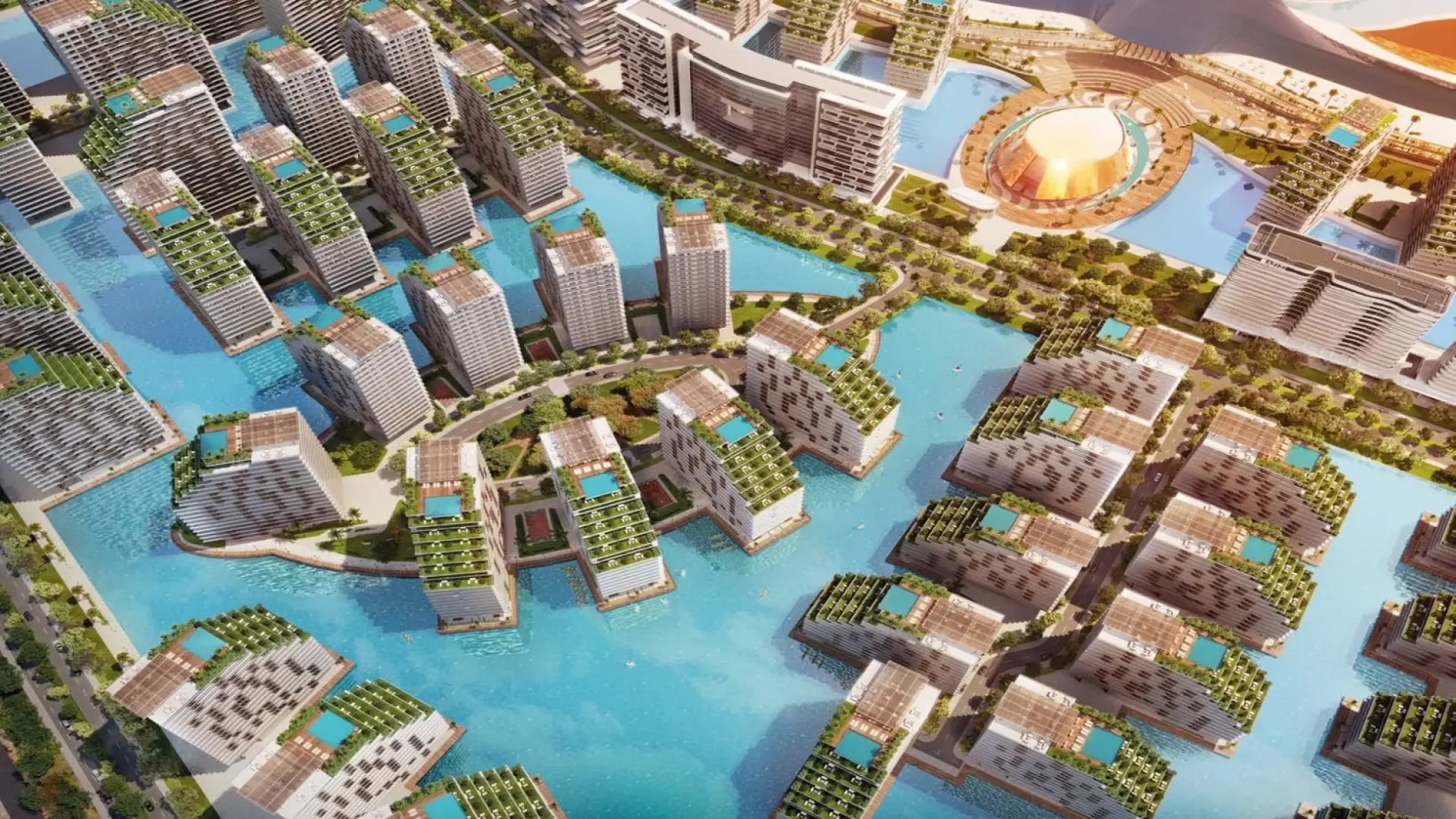
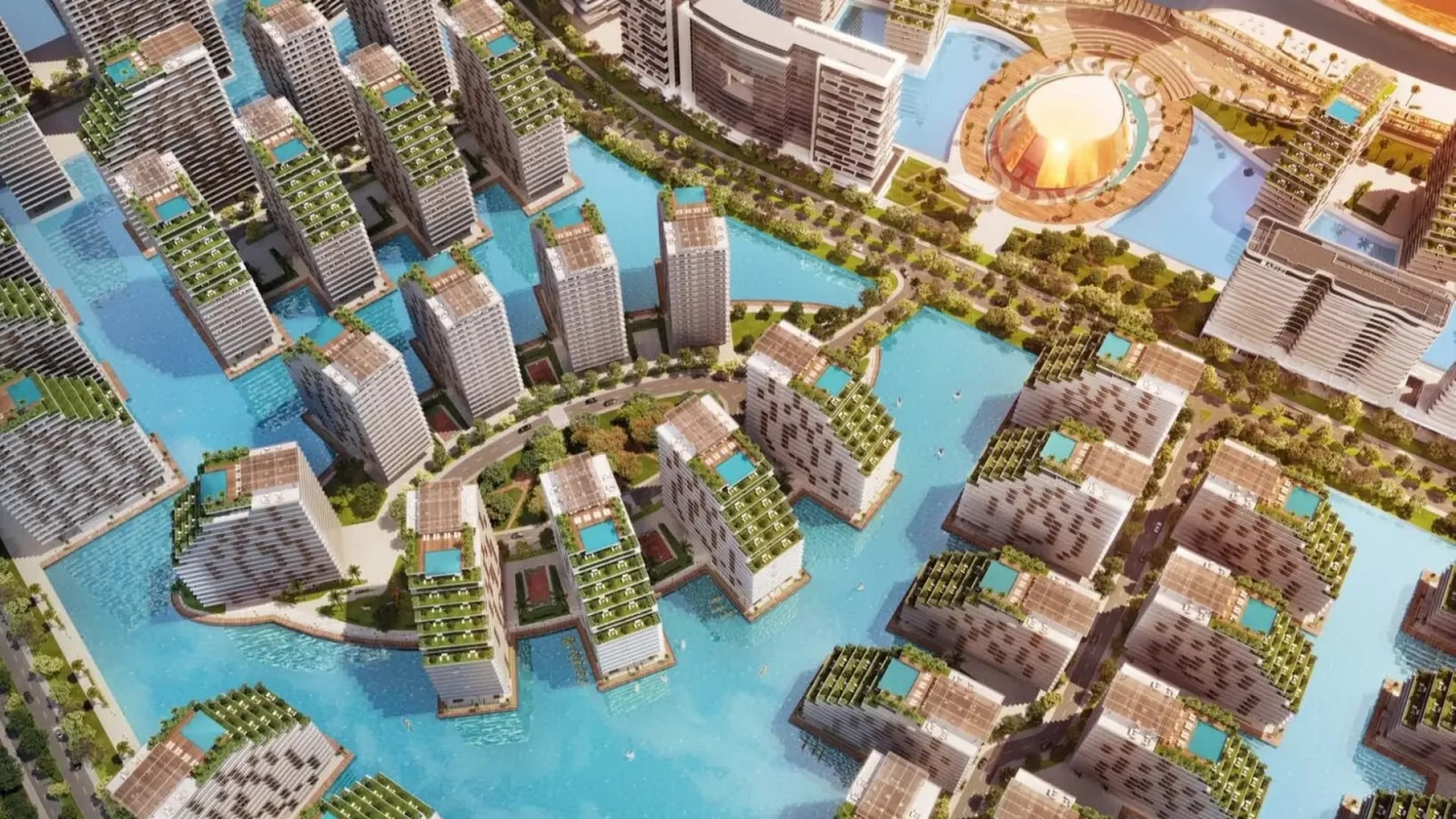
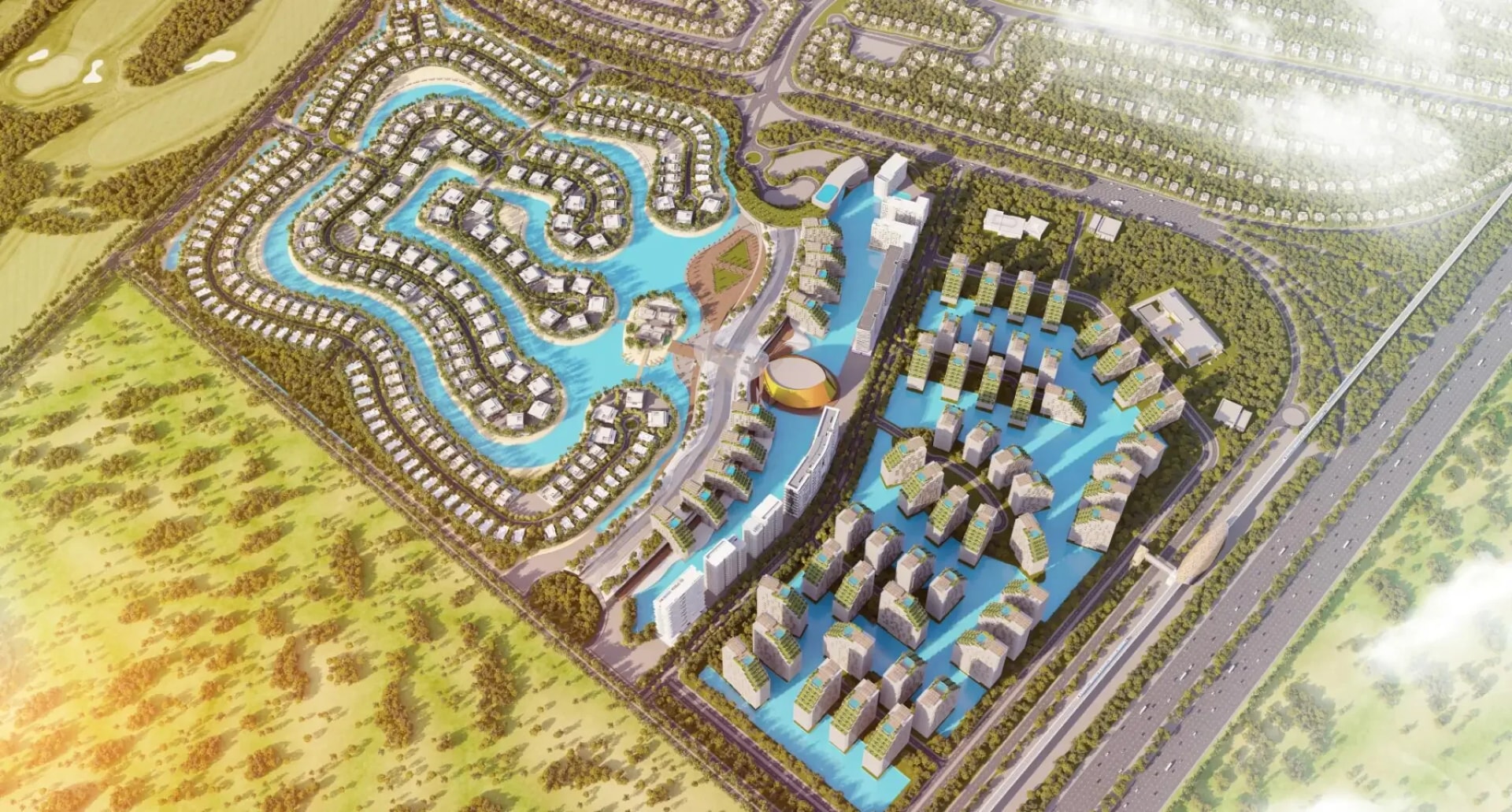
Dubai South spans 145 square kilometres across residential, commercial, logistics, aviation and humanitarian zones. Each area has its own delivery schedule under the Dubai Aviation City Corporation masterplan.
Communities like The Pulse, Mag 5 Boulevard and Emaar South are all on independent schedules. Some are fully delivered and people are living there now, which means immediate rental income. Others are under construction or off-plan, giving you early-entry pricing but delayed income.
The development strategy prioritises foundational infrastructure (roads, utilities and essential services) before or alongside residential construction. This ensures that completed communities have basic functionality upon handover, though amenity richness varies significantly.
Full completion of Dubai South, particularly the ultimate expansion of Al Maktoum International Airport, unfolds over a multi-decade timeline. Your investment should align with this extended horizon, understanding that the most significant capital appreciation may occur 5-10 years out as the area matures.
Your adviser provides specific handover schedules for any property under consideration. This transparency allows you to model when rental income begins, when surrounding amenities will enhance liveability, and how these timelines fit your broader portfolio strategy.
Current Amenities vs. Masterplan Projections
The gap between current infrastructure and ultimate masterplan promises determines immediate liveability and short-term rental demand. Being clear-eyed about this gap helps avoid unrealistic near-term expectations.
Established residential areas currently offer operational supermarkets, pharmacies, small retail, cafés, community parks, mosques and basic healthcare clinics. These services support day-to-day living but fall short of the comprehensive amenity ecosystem envisioned in the masterplan.
Long-term plans include multiple international schools, large shopping malls, hospitals, entertainment complexes and expansive green spaces. These facilities are essential for attracting and retaining long-term family residents, but their delivery timelines vary and some remain aspirational.
Limited current amenities particularly affect family tenant appeal. Families require school access, healthcare proximity and recreational facilities. Until these complete, family-sized units may face softer demand or require rent concessions. Studios and one-beds serving aviation professionals prove less amenity-dependent since tenants prioritise workplace proximity over community infrastructure.
As projected facilities come online, they directly enhance property desirability and valuation. Your investment gains from this progressive uplift, but the timing matters. Properties in clusters where amenities are already under construction or imminent offer more predictable near-term performance.
Oliva does independent infrastructure checks rather than just believing developer marketing. We verify actual construction progress against promised schedules. This gives you realistic expectations rather than glossy brochure dreams.
Community Infrastructure and Amenities
Long-term tenant retention and property value depend on infrastructure quality. Dubai South's phased development means amenity availability varies dramatically across clusters.
Dubai South Retail, Schools, and Recreation Facilities
Comprehensive services determine whether an area just houses people or supports family life.
Established zones have local supermarkets, convenience stores, pharmacies and casual dining. These handle essential needs but lack proper community malls. Substantial retail developments are planned, though completion schedules stretch years ahead.
School availability massively influences family decisions. Dubai South has several operational international schools, with more under construction. Your adviser can specify which schools serve which clusters and when new ones open. Properties near operating schools command rental premiums.
Existing parks, walking tracks and basic sports facilities provide outdoor options. The masterplan includes more extensive complexes. These matter less for aviation professionals but significantly impact family appeal.
Basic clinics and pharmacies operate in mature areas. Larger facilities and hospitals remain in development. For families with health concerns, healthcare proximity factors into housing decisions.
Oliva verifies actual completions against developer promises, helping you understand what exists today versus tomorrow's aspirations.
Total Cost of Ownership in Dubai South
Accurate returns require understanding all costs, not just the headline price. Expenses accrue during acquisition, throughout ownership and potentially at exit. Oliva shows you the complete picture so you're modelling real returns.
Dubai South ownership costs breakdown:
DLD fees: 4% of purchase price paid at registration (non-negotiable government fee)
Service charges: $2-$4 per square foot annually for communal maintenance and amenities
Property management: 5-8% of annual rental income for professional tenant management
Maintenance reserve: Budget 0.5-1% of property value annually for repairs and upkeep
VAT status: Residential rents are VAT-exempt, simplifying income calculations
Off-Plan Payment Plans and Acquisition Costs
Dubai South offers substantial off-plan inventory, which comes with structured payment schedules that impact your cash flow and financing requirements.
Developers typically structure off-plan purchases with initial deposit (10-20%), then instalments tied to construction milestones. Maybe 30% at 40% completion, 20% at 70% completion, remaining balance at handover (30-40%). Some extend post-handover payments for flexibility.
This mandatory fee on purchase price gets paid during registration. For a $270,000 property, that's $10,800 in DLD fees.
Smaller fees for title deed issuance and registration add modest amounts but need factoring into total outlay.
Traditional brokers charge 2% plus VAT. Oliva operates differently with fixed-salary advisers whose compensation isn't tied to inflating prices or pushing unsuitable properties.
Independent counsel for contract review and title verification typically runs $1,500-$3,000. This isn't optional when you're committing serious capital.
Acquisition breakdown example ($270,000 property):
Property price: $270,000
DLD fee (4%): $10,800
Registration: $1,100
Legal: $1,500-$3,000
Total: $283,400-$285,900
Your adviser provides complete breakdowns upfront for any property you're considering, ensuring capital planning covers everything, not just the headline price.
Ongoing Ownership Costs and Potential Liabilities
Annual expenses directly impact net rental yield. Factoring these prevents overestimating income.
These annual fees to the developer or owners' association cover common area upkeep, amenity operations (pools, gyms), security and shared utilities. Dubai South typically runs $2-$4 per square foot annually. For a 600 sq ft studio, that's $1,200-$2,400 yearly.
Professional management (strongly recommended if you're not local) typically costs 5-8% of annual rental income. Covers tenant sourcing, lease admin, maintenance coordination, rent collection. Property generating $13,500 annual rent means $675-$1,080 in management fees.
Budgeting 0.5-1% of property value annually for unforeseen repairs and routine maintenance provides sensible contingency. For a $270,000 property, that's $1,350-$2,700 annually.
Building and contents insurance costs vary but represent necessary protection.
Tenants usually cover utility consumption, but you're responsible for connection fees and charges during void periods.
Residential rents are VAT-exempt, simplifying calculations. Commercial properties might attract VAT, which your adviser clarifies if relevant.
Oliva's approach gives complete net yield projections factoring all costs against expected income. We also flag tax obligations in both UAE and your home jurisdiction, ensuring you understand the complete financial picture.
Developer Landscape in Dubai South
Developer credibility directly impacts delivery certainty and construction quality. Dubai South mixes government entities with established private developers, each bringing different risk profiles.
Major developers in Dubai South:
Dubai Aviation City Corporation (DACC): Government-backed master developer responsible for overall planning and infrastructure
Emaar Properties: Leading UAE developer with proven track record, operates Emaar South development
Dubai South Properties: DACC subsidiary focusing on affordable mid-market housing aligned with masterplan
Private developers: Multiple established firms with land parcels contributing varied residential and commercial inventory
Quality assurance: Oliva prioritises properties from developers with demonstrated delivery history and financial stability
Dubai Aviation City Corporation and Partner Developers
Understanding who's building your property helps assess completion likelihood and quality standards.
DACC is a government entity responsible for Dubai South's overall planning, infrastructure and management. This government backing provides institutional stability. The project's strategic importance means sustained support, though this doesn't eliminate all delivery risks.
Emaar, one of the UAE's largest developers, runs Emaar South within Dubai South. Their history includes Downtown Dubai and numerous successful projects. Involvement signals quality standards and delivery capability, though even major developers face delays sometimes.
This DACC subsidiary develops projects directly aligned with the master plan, often targeting mid-market segments. Their projects benefit from master developer integration.
Several established developers have land parcels for residential and commercial construction. These include names with solid reputations across Dubai's market.
When evaluating property, your adviser conducts thorough developer due diligence covering financial stability, historical delivery, construction quality and market reputation. Oliva prioritises developers with proven track records, reducing risks around delayed handovers or poor construction. This selective approach helps protect your capital from common pitfalls in large-scale developments.
Portfolio Fit and Risk Factors
Every investment carries risks. Dubai South presents opportunities but requires clear-eyed assessment.
Infrastructure Dependency and Rental Void Risk During Build-Out
Development-phase status introduces risks that mature communities don't present.
Property value and rental appeal depend on surrounding infrastructure (roads, utilities, schools, retail, healthcare). Delays can dampen demand or force rent concessions. Oliva conducts independent progress checks, verifying actual construction against developer timelines.
Properties in nascent areas might face extended vacancies whilst amenities complete. This particularly affects family units; families won't move somewhere lacking schools. Studios and one-beds serving aviation professionals prove more resilient because workplace proximity matters more.
Your adviser guides you toward properties where essential services already operate. We model potential vacancies into cash flow projections so you're planning with realistic expectations. The goal is to position Dubai South as transparent and manageable.
Exit Planning and Capital Repatriation
Understanding exit mechanics is as important as acquisition. Here's how liquidation and capital retrieval works.
Dubai South exit and repatriation framework:
Market liquidity: Studios and one-beds near airport sell fastest due to consistent buyer demand
Capital gains tax: Zero capital gains tax on individual property sales in Dubai currently
Repatriation freedom: No capital controls, proceeds transfer freely to home-country accounts
Transaction transparency: All sales registered with Dubai Land Department for legal clarity
Currency stability: AED pegged to USD reduces currency volatility for international investors
Liquidity and Repatriation Mechanisms
Dubai's market maintains reasonable liquidity compared to many emerging markets. Properties in developed clusters or high-demand segments sell more readily, whilst family units in less mature areas might need longer marketing.
All sales must be registered with Dubai Land Department, ensuring clear ownership transfers. Dubai doesn't levy capital gains tax on individual property sales; appreciation profit remains yours, subject only to home jurisdiction obligations.
The UAE maintains an open economy with no capital controls. Once liabilities are settled, proceeds transfer freely via standard international banking. The AED-USD peg provides currency predictability, eliminating one risk layer.
Your adviser outlines typical sale procedures and current market conditions affecting timing. This ensures your Dubai South investment provides expected flexibility and security, whether building generational wealth or creating a second income stream.
Explore Dubai Areas on Oliva
Frequently Asked Questions
What makes Dubai South an attractive investment opportunity?
Dubai South offers compelling rental yields, often between 8-10%, and property prices are considerably lower than in central Dubai. Its strategic location around Al Maktoum International Airport and Jebel Ali Port creates consistent demand from aviation and logistics professionals, making it a strong option for long-term wealth building.
What types of properties offer the best returns in Dubai South?
Studios and one-bedroom units generally provide the highest gross yields, typically 8-10%, due to steady demand from aviation workers who prioritise proximity to their workplace. Larger family units, while offering slightly lower initial yields, can provide more stable, longer-term tenancies.
How does the development timeline affect property investment in Dubai South?
The area is undergoing phased development, meaning your returns are closely tied to the delivery of infrastructure and amenities. Properties in clusters with operational facilities tend to perform better immediately. It is important to align your investment horizon with the multi-decade timeline for full completion, as significant capital appreciation may take 5-10 years or more.
What are the key costs associated with owning property in Dubai South (Dubai World Central)?
Beyond the purchase price, you should budget for DLD fees (4% of purchase price), annual service charges (typically $2-$4 per square foot), property management fees (5-8% of annual rental income), and a maintenance reserve (0.5-1% of property value annually). Accounting for all costs is essential for accurate net yield projections.
Is it easy to sell a property and repatriate funds from Dubai South?
Dubai's property market generally maintains good liquidity, especially for high-demand units in mature clusters. There is currently no capital gains tax on individual property sales, and the UAE has no capital controls, allowing you to freely transfer sale proceeds to your home country via standard international banking.
How does Expo City benefit Dubai South property investors?
Expo City, the permanent district that replaced Expo 2020, sits adjacent to Dubai South and provides immediate access to innovation hubs, educational facilities, and recreational amenities. This proximity boosts tenant appeal without requiring investors to wait for Dubai South's own amenities to finish, effectively accelerating rental demand for nearby residential clusters.
Explore further
The project, area, and developer this post covers, with live Dubai Land Department data.
Related articles

Dubai Land Department: The Complete 2026 Investor Guide

Dubai Property ROI by Area: Where to Get 8%+

Islamic Mortgage Uae: Complete Investment Guide

Al Yelayiss: Complete Investment Guide

Wadi Al Safa 5 investor area guide: around Nuve by Zoya (2026)
Dubai Residence Complex for investors: the area around Celesto 2 (2026)
Related Dubai property analysis from the Oliva editorial team.