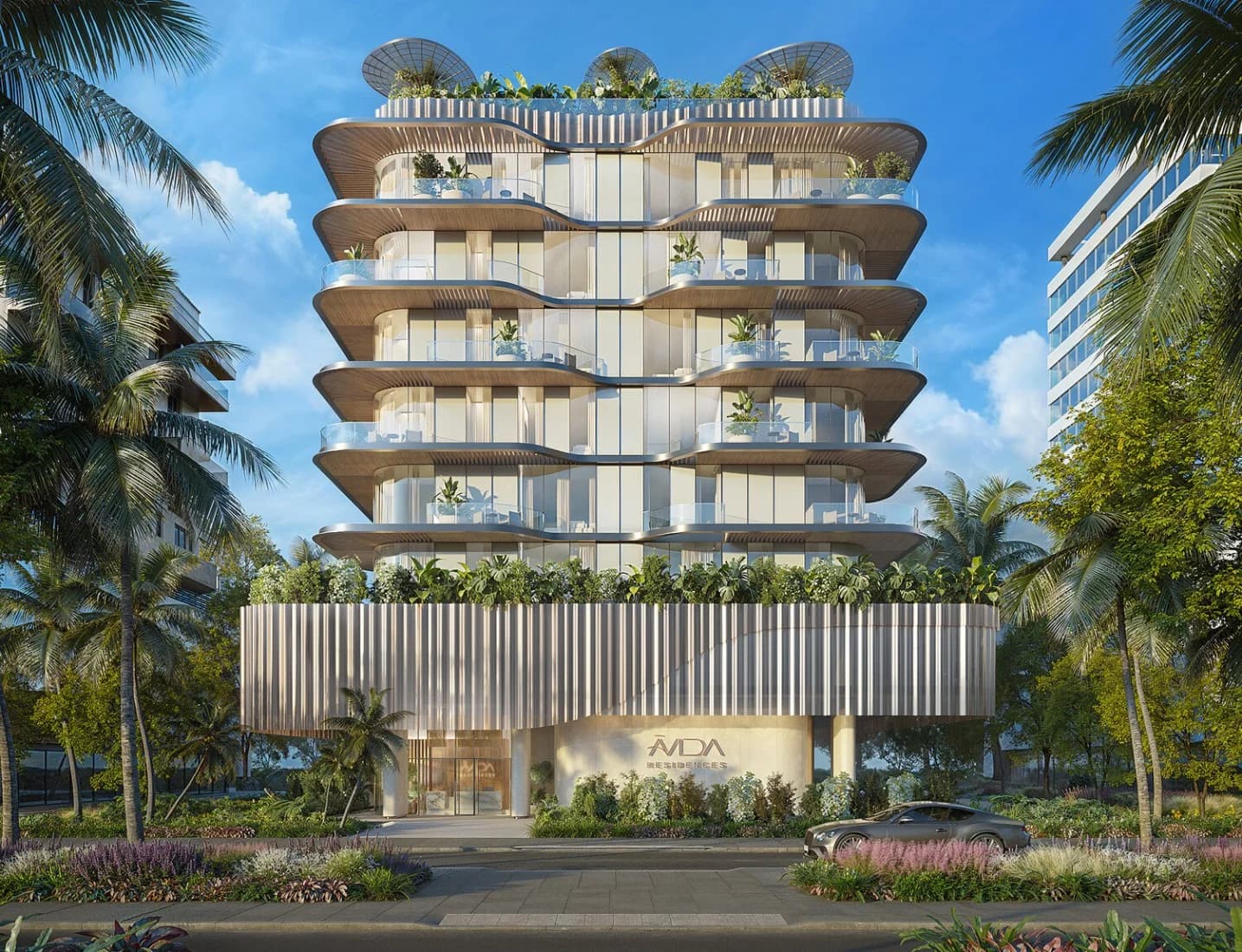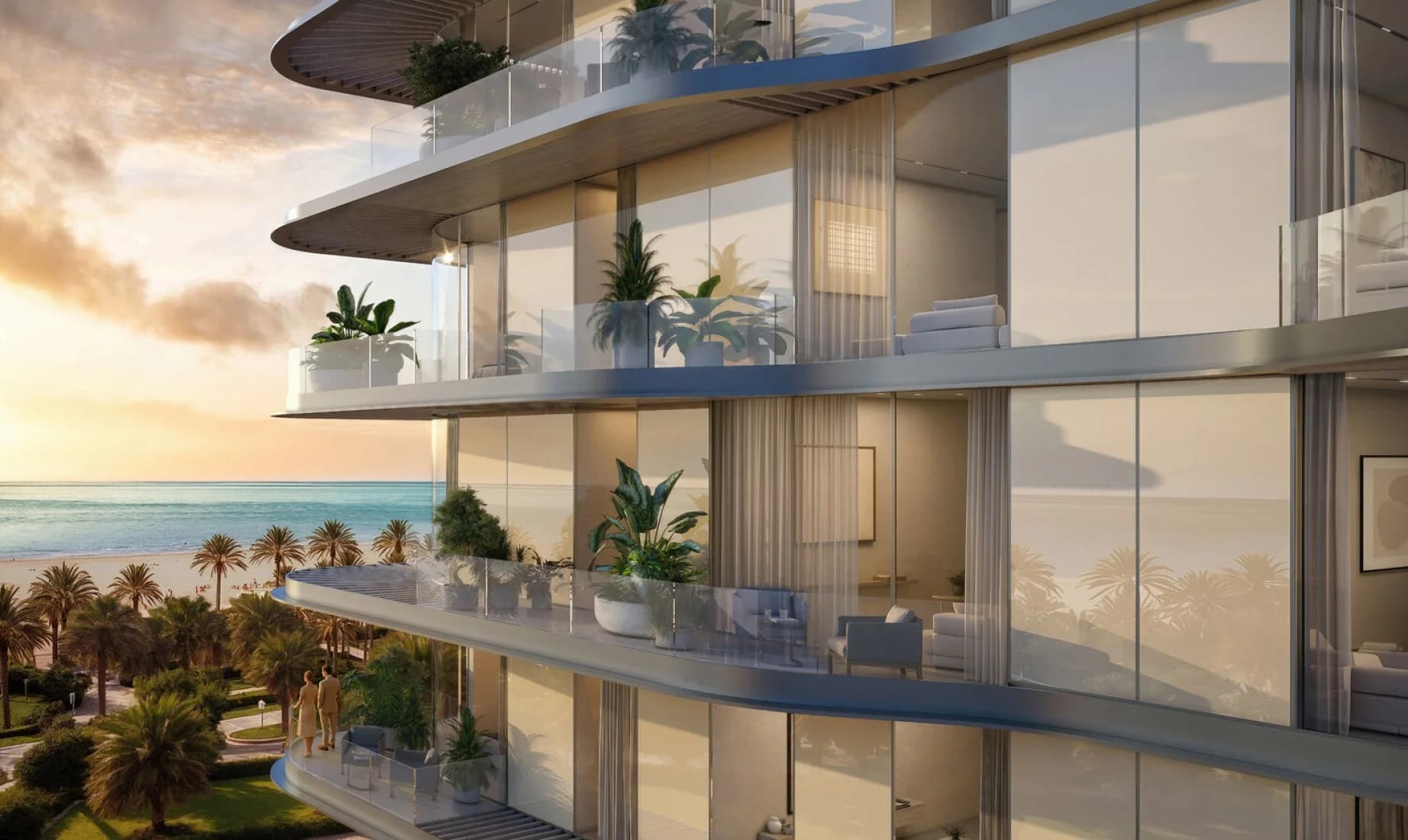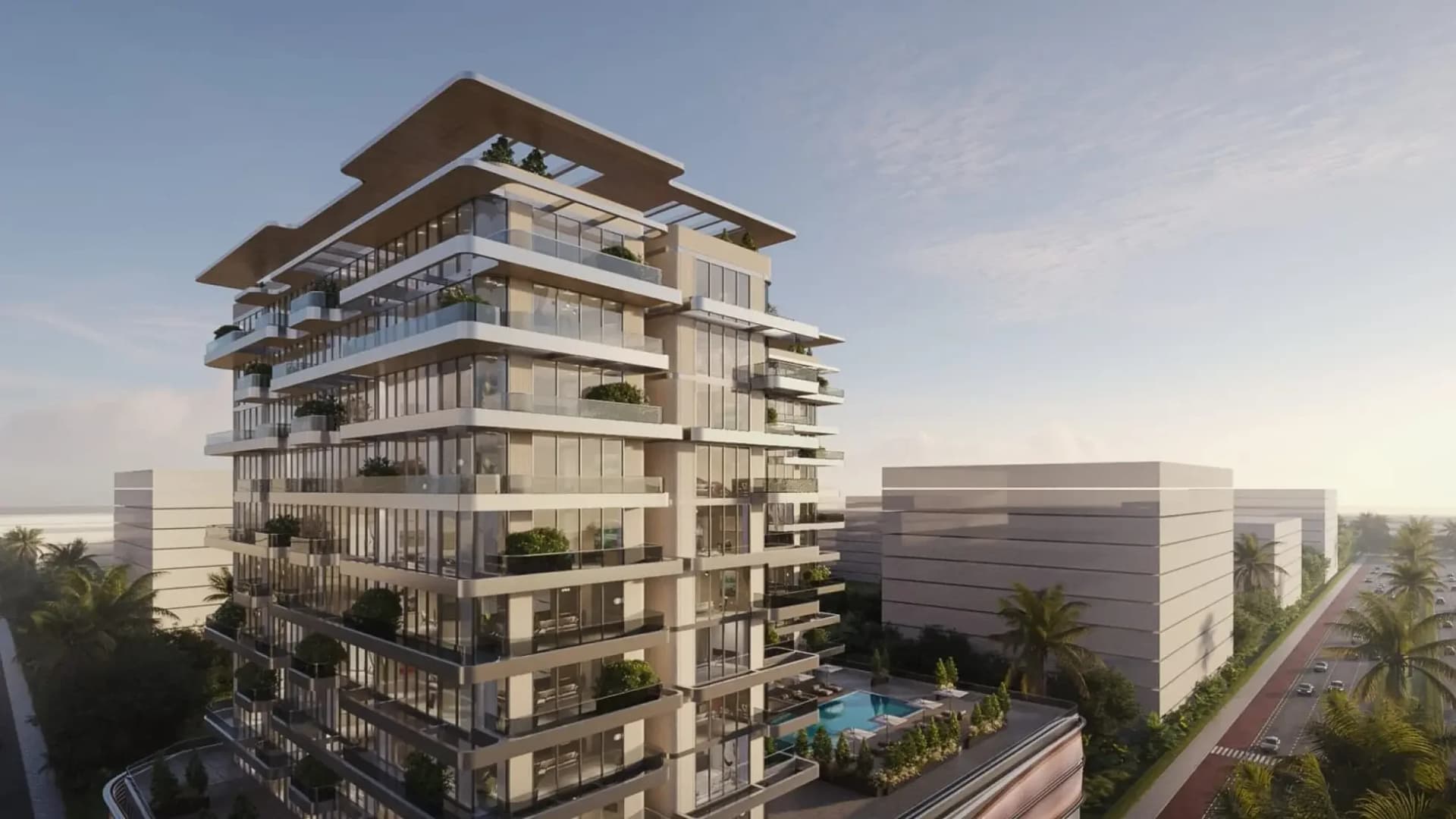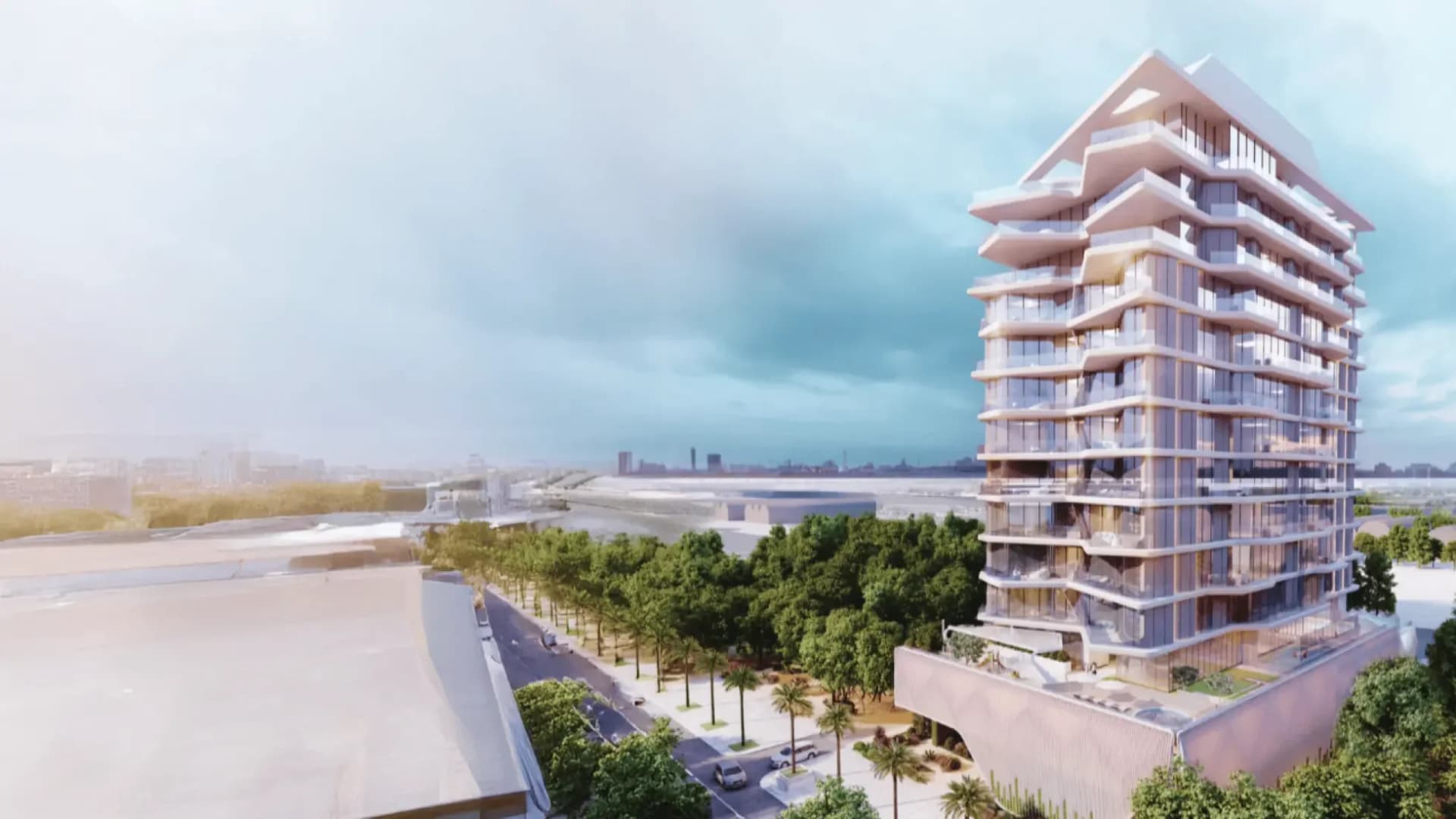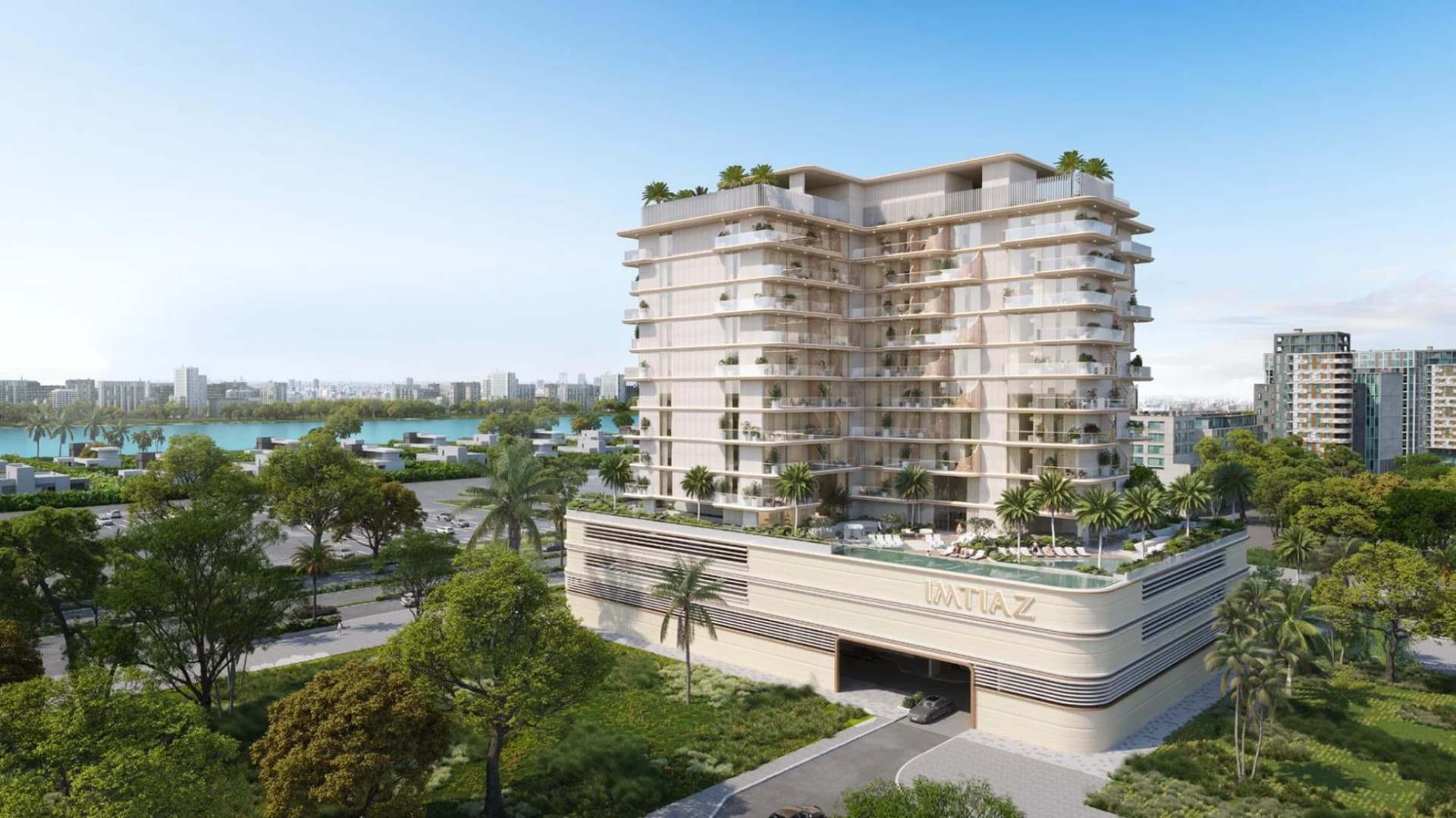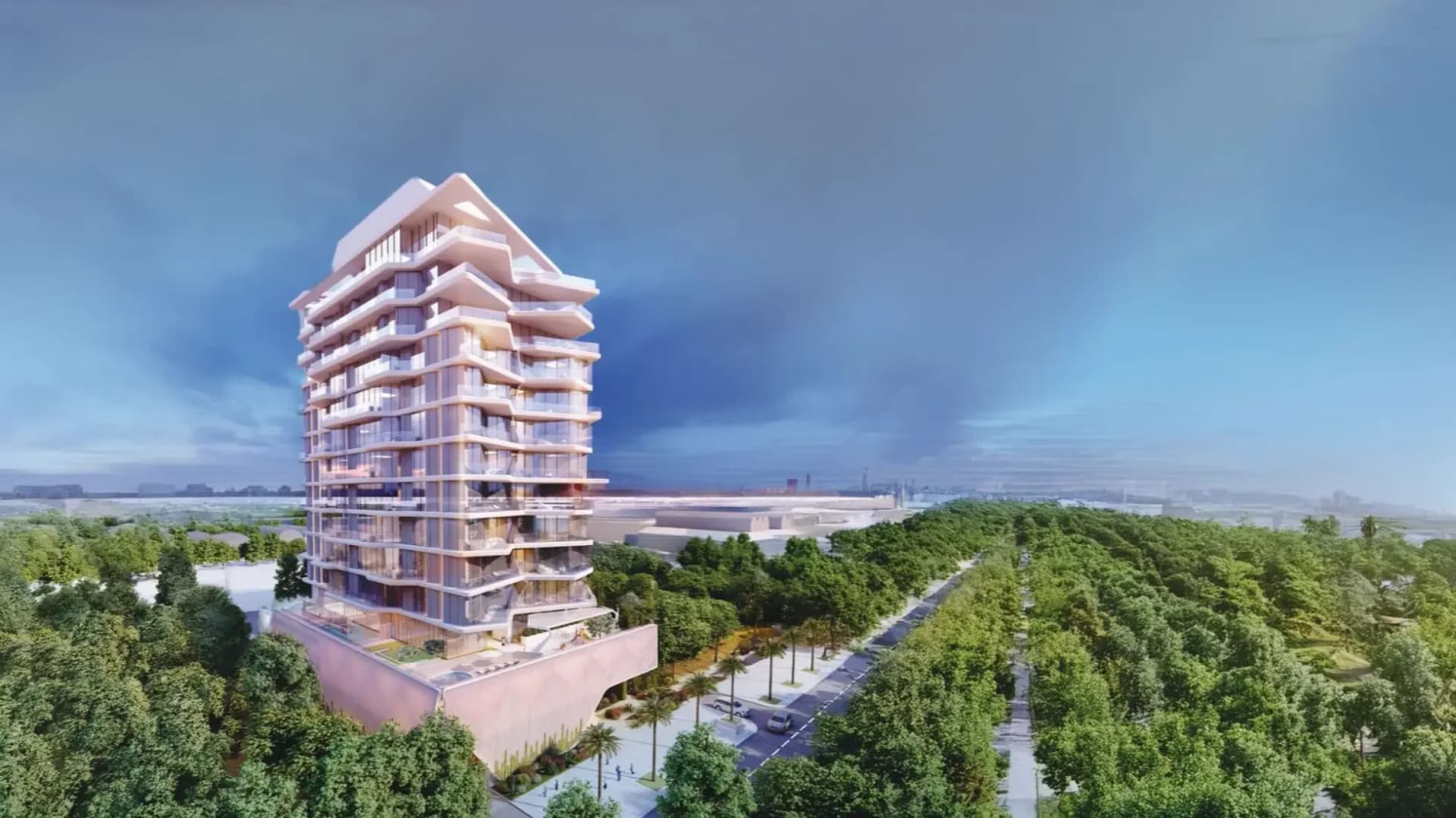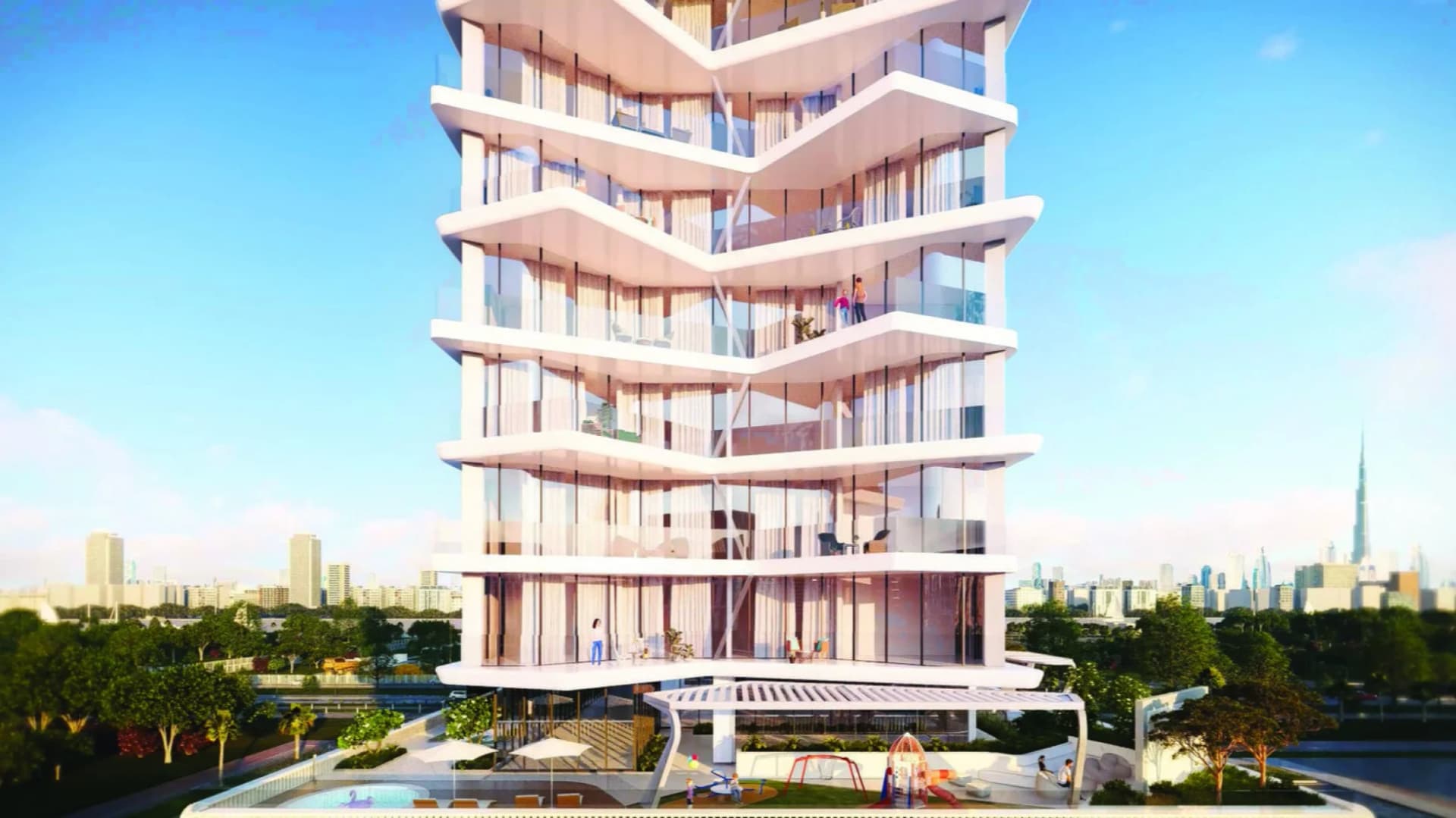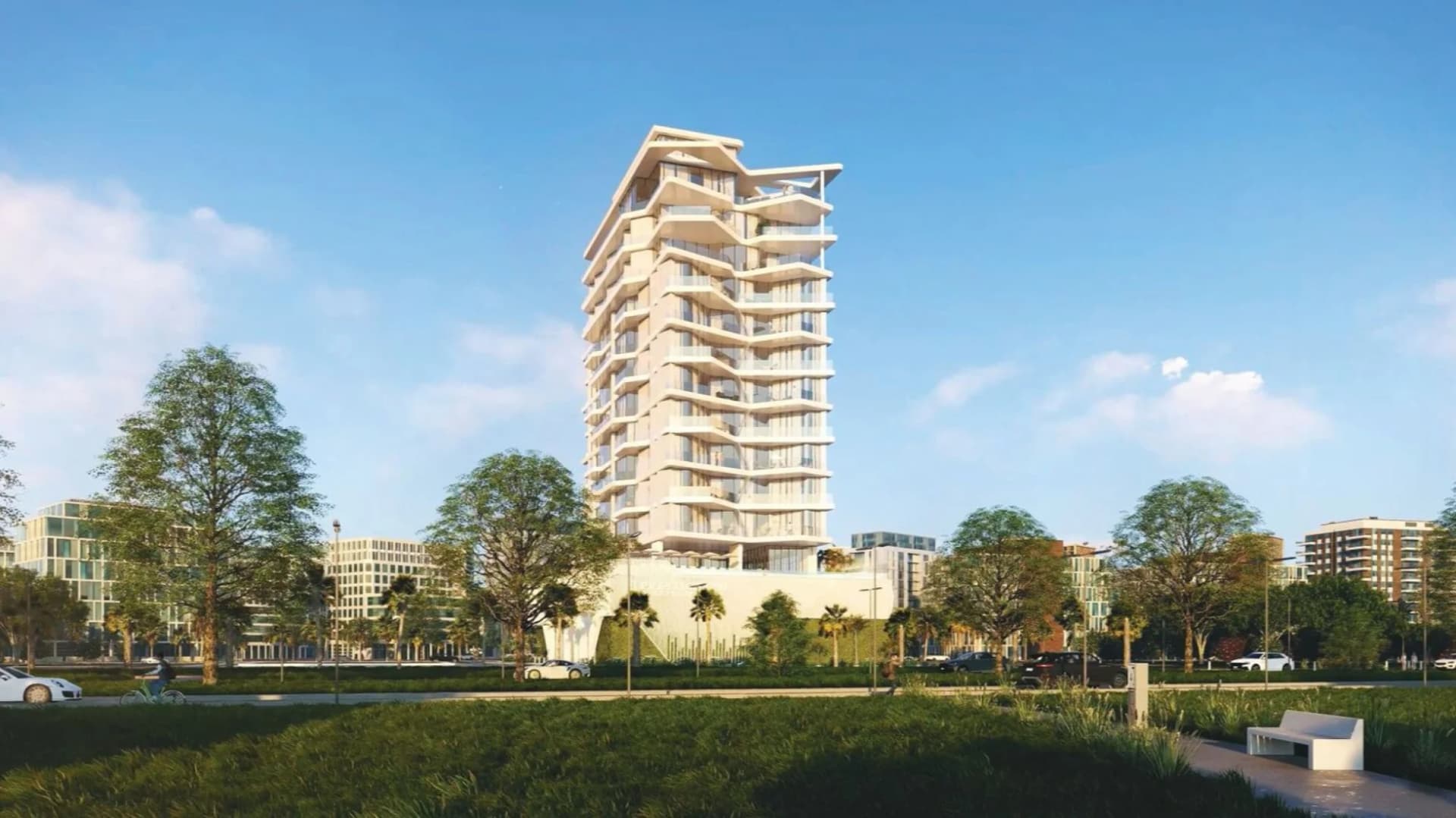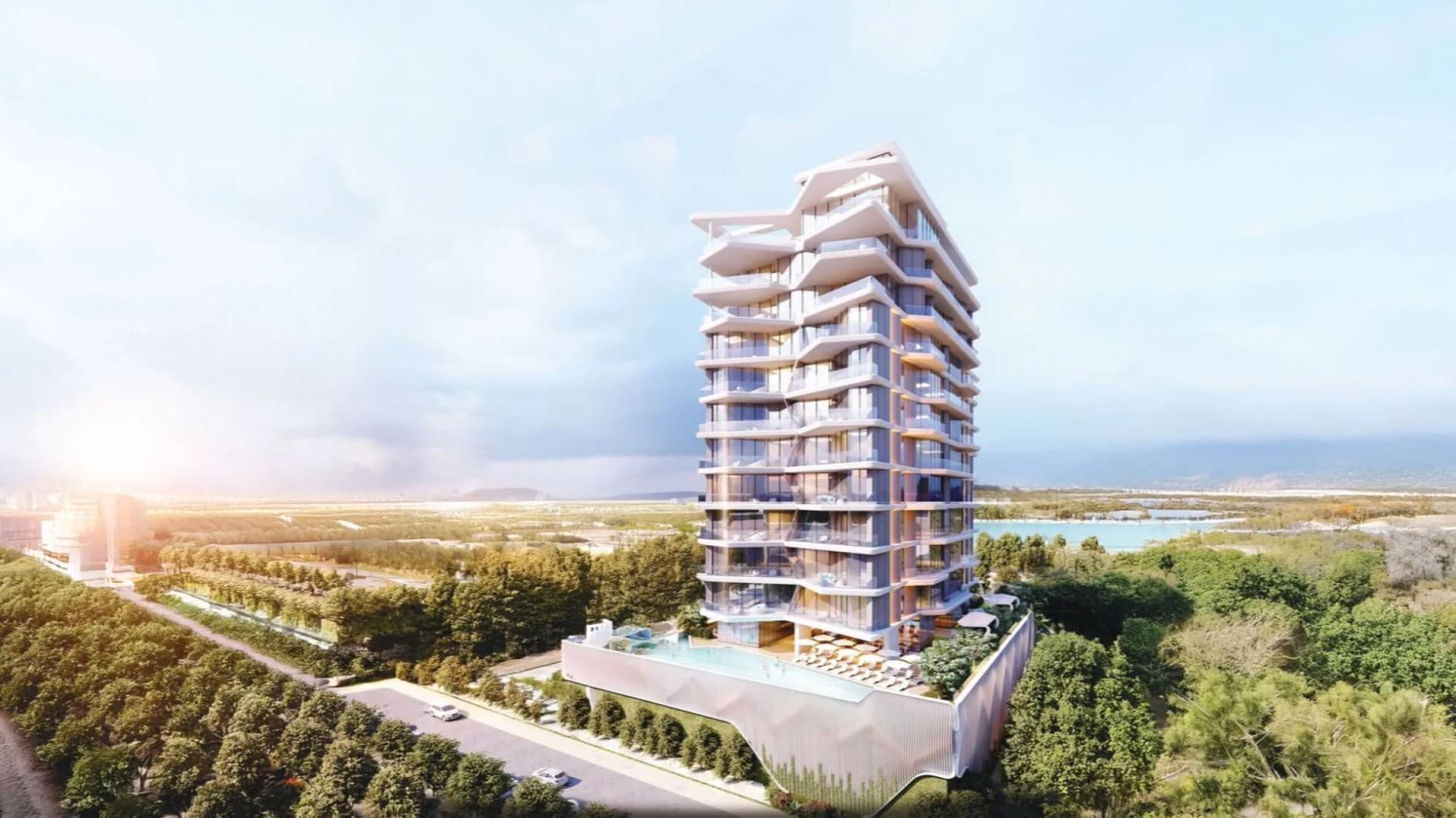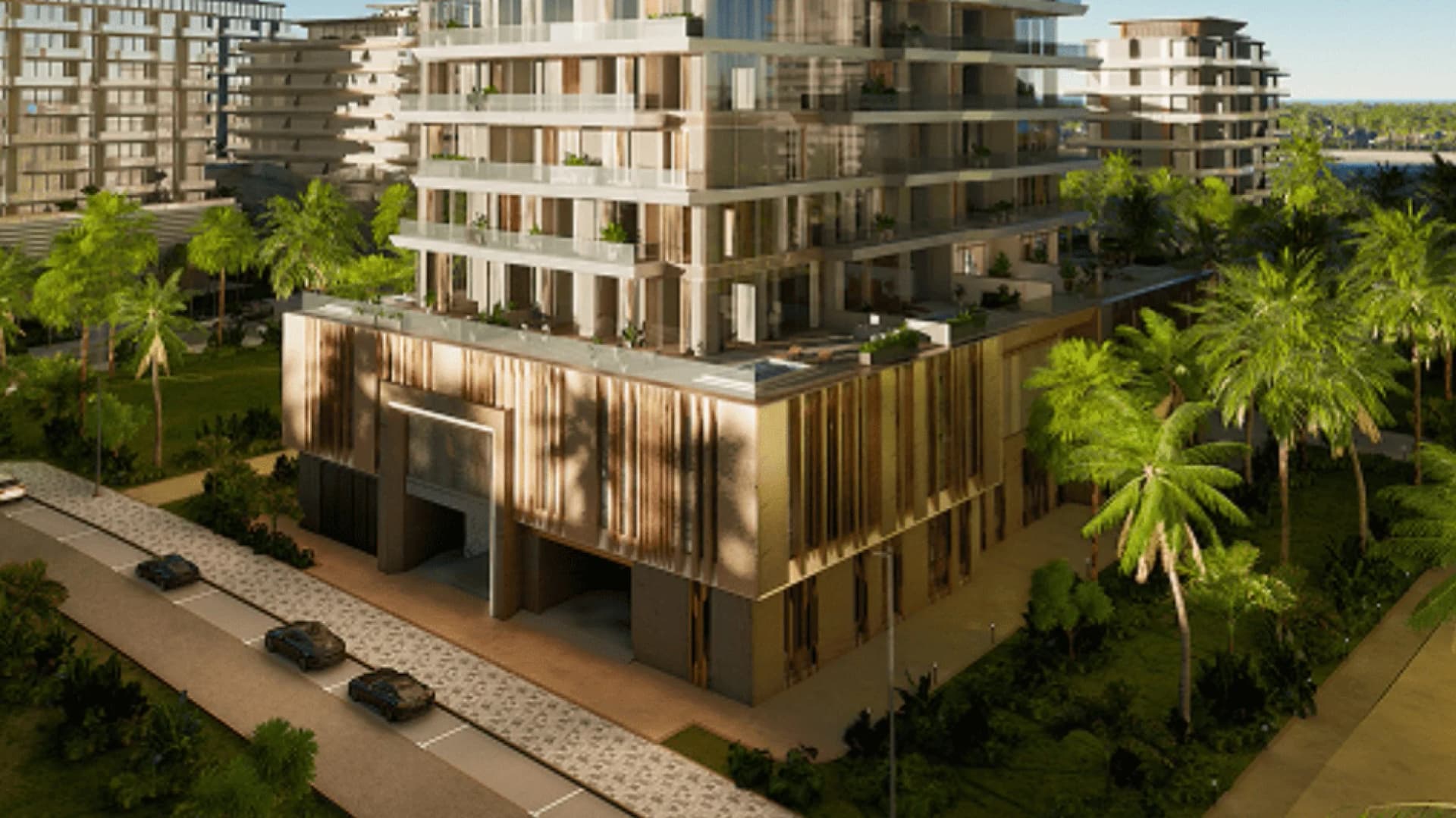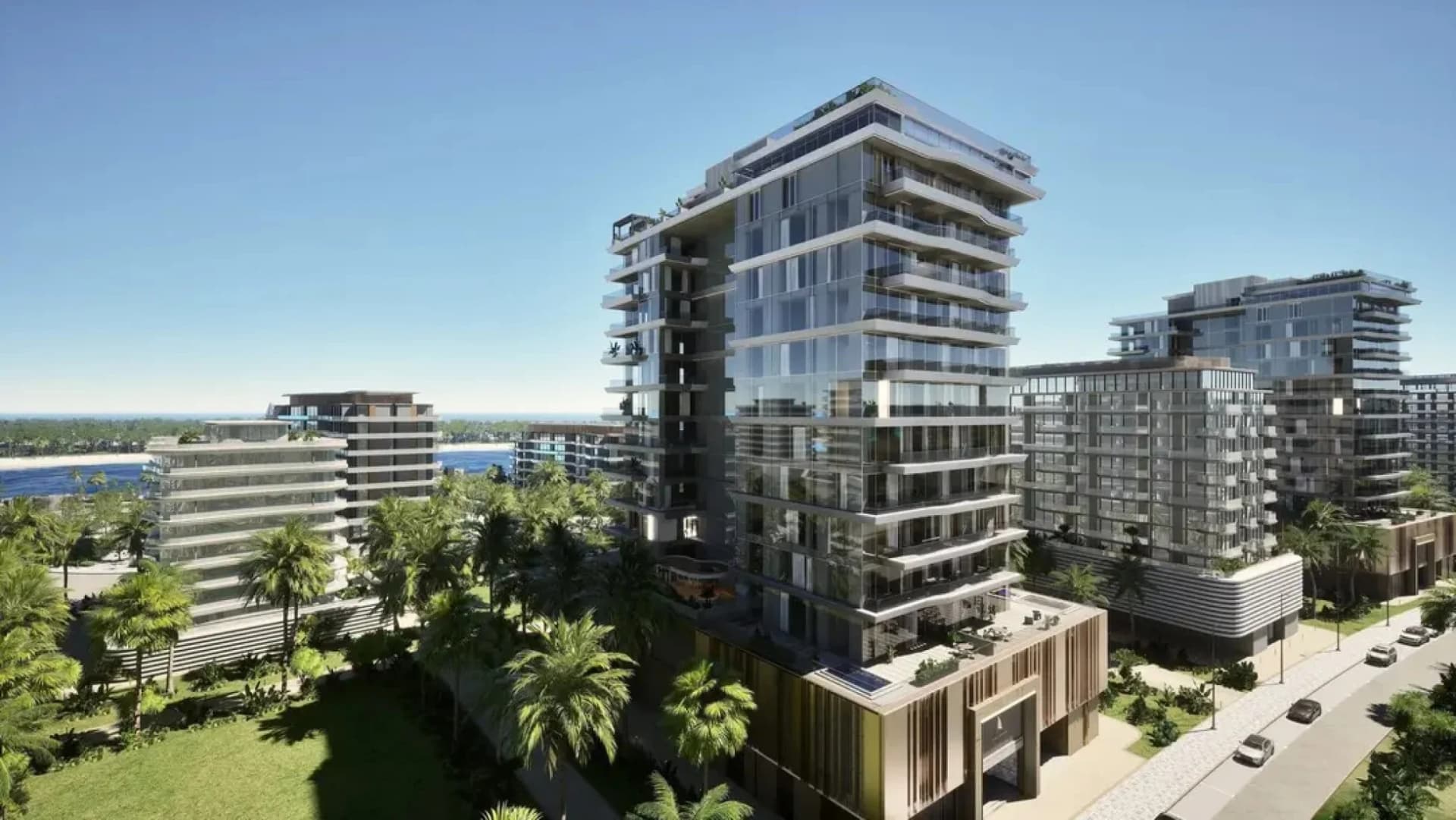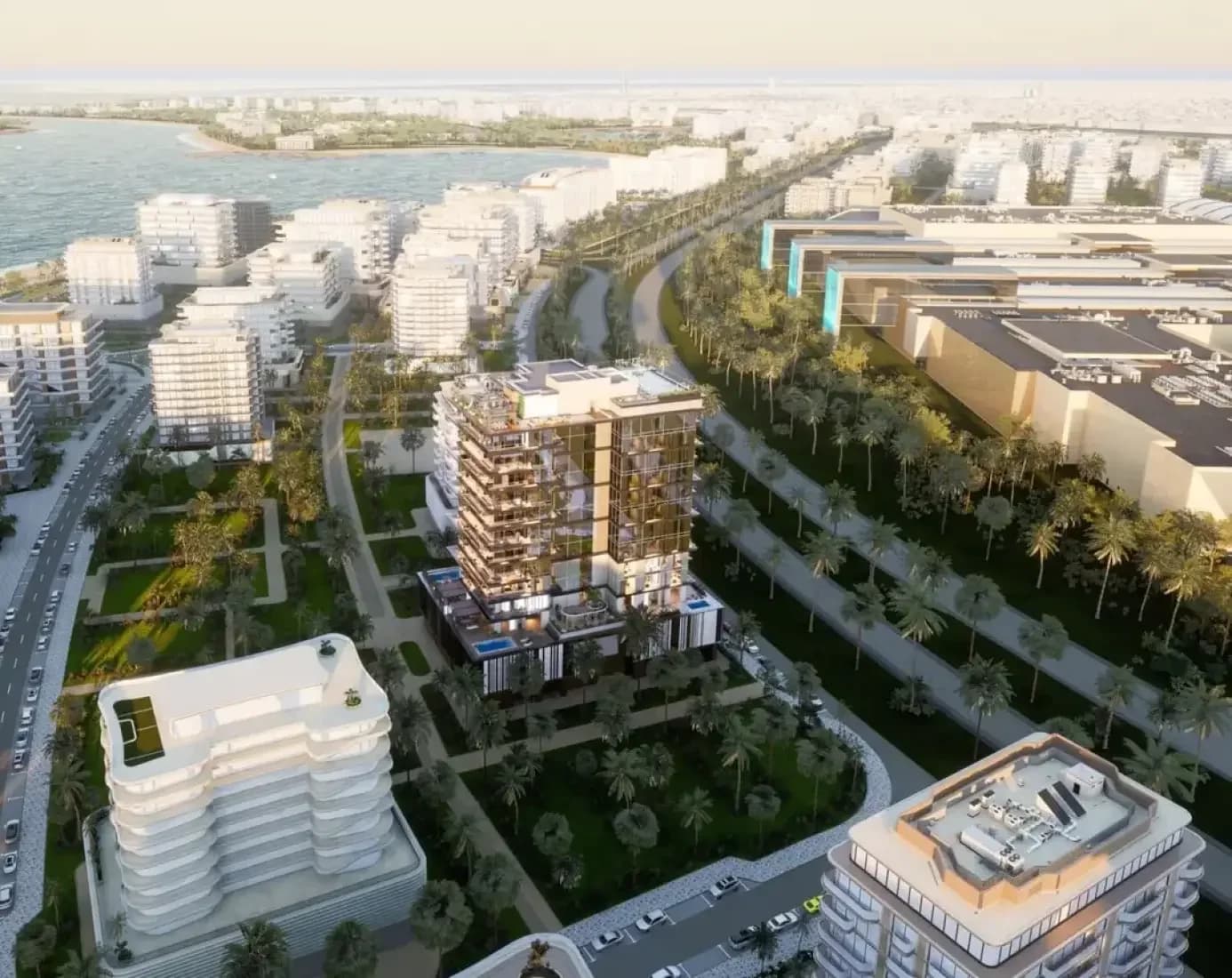

Key Takeaways on Investing in Dubai Islands
Projected Returns vs. Reality: You can expect projected gross rental yields of 6-8%, which is 2-3 times higher than in cities like London. However, this potential comes with the risks of an off-plan development and a 4-6 year wait before you see any income.
Location Trade-Offs: The development's proximity to Deira and the airport is convenient. You are essentially choosing a lower entry price and future appreciation potential over the immediate, proven infrastructure of established areas like Dubai Marina.
Property Type Economics: Apartments offer the chance for higher yields, especially with short-term lets, but demand more hands-on management. Villas and townhouses provide more stable, lower-volatility income from long-term family tenants.
Timeline and Costs: Be aware that the total upfront cost is much more than the initial deposit, with transaction fees adding an extra 6-7%. Also, build potential construction delays of 6-12 months into your financial planning.
Portfolio Suitability: An investment in Dubai Islands works best as a growth-focused part of a larger, diversified portfolio. It suits investors who are comfortable with remote management and emerging market dynamics, rather than those who are new to property investment or need immediate cash flow.
Exit Strategy: Plan your exit from day one. Selling in the early years might take longer, and you must account for transaction costs and capital gains tax in your home country, as Dubai's tax-free status only applies locally.
Rental Yields in Dubai Islands: 6-8% Projections
You're looking at gross rental yields between 6% and 8% annually on Dubai Islands. Compare that to waterfront property in London (2-3%), Paris (1.9%), or New York (sub-2%), and the arbitrage opportunity becomes clear. We're talking 2-3x the yield, which matters when you're building portfolio income rather than just parking capital.
These are projected yields based on a developing beachfront community with phased infrastructure completion through 2030. Your actual yield depends on completion timing, rental market conditions at handover, and your property's specific positioning. Properties handed over in 2026-2027 might underperform projections by 1-2 percentage points until surrounding infrastructure matures.
The yield opportunity is real, but it comes with off-plan risk and a 4-6 year capital commitment before income generation begins.
Proximity to Deira, Dubai Creek, and Dubai International Airport
Dubai Islands sits off the Deira coast, placing you 15-20 minutes from Dubai International Airport in off-peak traffic. This matters for tenant appeal (business professionals and frequent travellers value this proximity) and your own access when managing remotely or conducting property inspections from London or elsewhere in Europe.
The location provides direct access to established Deira infrastructure whilst sitting adjacent to ongoing Dubai Creek redevelopment projects. Deira offers traditional souks, established commercial services, and historic Dubai character that newer districts lack. There's potential for secondary value appreciation as surrounding areas develop, though timing remains speculative rather than certain.
Positioning relative to other Dubai districts:
Dubai Islands targets investors wanting beachfront positioning at entry points below Dubai Marina ($680,000+ for comparable beachfront apartments) and well below Palm Jumeirah ($1,360,000+ for similar specs). You're essentially accepting a developing community in exchange for lower capital outlay and higher projected yields (6-8% versus 4-6% in mature districts).
The trade-off is straightforward and worth understanding clearly. Established districts like Dubai Marina offer immediate infrastructure, proven rental demand, mature secondary markets for exit liquidity, and established community environments where you know exactly what you're getting. Dubai Islands requires patience through infrastructure build-out (2026-2030) in exchange for entry-point pricing and appreciation potential as the community matures over time.
For Western investors accustomed to established markets, this represents a different risk-return profile. You're not buying into a proven community; you're backing Nakheel's execution capability and betting on Dubai's continued appeal to international residents and tourists. That's a different investment thesis than buying established waterfront property in London or coastal property in established European markets.
Road Access via Al Ittihad Road and Future Transport Links
Access currently runs through Al Ittihad Road, a major arterial connecting to Dubai's broader network. Right now, infrastructure depends on private vehicles, which affects who you'll attract as tenants (car owners over public transport users) and may constrain rental appeal until planned public transport actually shows up.
Nakheel's masterplan talks about future metro extensions or bus networks, though delivery dates stay pretty vague beyond general 2030 completion targets. Properties handed over in 2026-2027 will operate with road-only access for potentially 2-4 years, whilst later phases might benefit from completed transport infrastructure.
Impact on rental yields: Earlier-phase properties could see 0.5-1.0 percentage point yield compression versus later phases because of transport limitations. Factor this into projections for specific handover phases.
Villas and Townhouses: Family-Oriented Waterfront Living
Villas (3-6 bedrooms, 300-800 sqm, $1,360,000-$4,090,000) and townhouses (2-4 bedrooms, 180-300 sqm, $815,000-$1,900,000) target family tenants looking for 1-3 year leases.
$2,040,000 four-bedroom villa economics:
Gross yield (6%): $122,400 annual income
Service charges and maintenance: -$14,000
Management fees (8%): -$9,800
Vacancy (10% family rental): -$12,200
Net stabilised yield: 4.2%
That 4.2% net looks modest next to apartments, but it comes with much lower volatility. Family tenants usually renew leases (60-70% renewal rates versus 20-30% for holiday rentals), which dramatically cuts turnover costs and management headaches.
Portfolio construction logic:
Villas work as portfolio stabilisers, not yield maximisers. For $500,000-$2,000,000 portfolios, you'd typically see 60-70% allocated to higher-yield apartments, 30-40% to villas for stability. Those managing $2,000,000+ portfolios can afford more villa exposure given the absolute income even at lower percentage yields.
A 4.2% yield on $2,000,000 still produces $84,000 annually, which represents meaningful income even if the percentage terms look modest compared to apartments.
Nakheel's Masterplan Progression and Handover Timeline
Dubai Islands follows phased development targeting 2030 completion. This timeline directly affects when rental income begins and what infrastructure exists at handover.
Phased handover structure:
Phase 1 (2026-2027): Initial residential blocks, basic infrastructure. Earlier income but limited amenities initially. Expect rental rates 10-15% below stabilised levels.
Phase 2 (2027-2028): Expanded retail, restaurants, community services. Properties benefit from established infrastructure, supporting near-projected rental rates. Optimal risk-reward balance for most investors.
Phase 3 (2028-2030): Final residential phases, resort hotels, premium facilities. Mature community but 5-6 year capital lockup from 2024-2025 purchases. Favours capital appreciation over yield timing.
Understanding off-plan timeline risk:
Nakheel's track record shows early phases typically meet timelines more reliably than later phases, which can face 6-18 month delays. Add 6-12 months to official handover dates in your models, particularly for Phase 3.
A 2026 purchase with a 2028 official handover might realistically complete mid-to-late 2029. That's 3-3.5 years of capital lockup with zero income.
The opportunity cost: $680,000 in money market funds earning 4% generates roughly $27,000 annually whilst waiting for handover. Factor this into total return calculations.
Dubai Islands Beaches, Retail, and Resort Facilities
Dubai Islands' amenity proposition focuses on self-contained community infrastructure, reducing dependency on external districts.
Key amenities include:
Beachfront access: Multiple kilometres of developed shoreline with swimming areas, water sports facilities, beach clubs. The primary differentiation factor, though actual beach quality only becomes clear post-completion.
Retail and dining: Planned supermarkets, retail outlets, restaurant clusters, minimising off-island travel for routine shopping. Specialised goods and premium dining still require trips to established districts.
Resort integration: Hotel developments bringing resort-style amenities (spas, pools, fitness centres) accessible through membership structures. Creates lifestyle value but adds discretionary costs beyond basic service charges.
Early residents experience gradual amenity rollout. Properties handed over in 2026 won't access facilities scheduled for 2029, affecting rental rates until the community reaches 60-70% occupancy.
Off-Plan Payment Plans and Acquisition Costs
Nakheel structures off-plan purchases through staged payments that spread your capital outlay across 2-4 years. This matters because it affects cash flow planning and your financing strategy if you're using use.
$680,000 two-bedroom apartment payment structure:
Initial booking (10%): $68,000 day one
Construction payments (60%): $408,000 across 2-3 years in 6-8 instalments
Handover payment (30%): $204,000 at completion
This structure means deploying $68,000 immediately, then roughly $150,000-$200,000 annually over 2-3 years. If you're financing through savings accumulation rather than lump-sum capital, the staged structure gives you some flexibility. If you're using mortgage finance, most UAE banks want a 20-25% deposit minimum.
Complete acquisition cost breakdown:
Your initial $68,000 booking covers the down payment, but total upfront costs run significantly higher once you add all transaction fees:
Booking deposit (10%): $68,000
DLD fees (4%): $27,200
Agent commission (2%): $13,600
Mortgage arrangement (1.5% of $510,000 loan): $7,650
Registration and trustee fees: $1,090
Total initial outlay: $117,540 (17.3% of purchase price)
Cash buyers eliminating mortgage costs sit at $109,890 total initial outlay (16.2% of purchase price).
Many investors underestimate this, budgeting just the 10% deposit. The additional 6-7% in transaction costs can create cash flow strain when construction payments start hitting. Model accurately to avoid surprises.
Ongoing Costs: What Actually Reduces Net Yields
Annual service charges and maintenance reduce gross yields (7% apartments, 6% villas) to net yields (5-6% apartments, 4-5% villas). Understanding these ongoing costs matters because they determine your actual cash flow, not the headline yield figures.
Annual costs for a $680,000 apartment generating $47,600 gross rent:
Cost Category
Holiday Rental
Long-Term Lease
Service charges
$4,000-$5,000
$4,000-$5,000
Property management (8%)
Maintenance & repairs
$1,500-$2,500
$1,500-$2,500
Vacancy allowance
$9,500 (20%)
$0 (stable tenant)
Tourism fees & licence
Total annual costs
$20,800-$22,800
$9,300-$11,300
Net annual income
$24,800-$26,800
$29,500-$31,500
Notice how long-term leases (despite lower gross rents of $40,800 versus $47,600) can deliver similar or even better net yields than holiday rentals once you factor in vacancy, licensing, and tourism fees. The holiday rental premium needs significantly higher occupancy rates (80%+) to justify the extra complexity.
Why cost transparency matters:
Many property advisors present gross yields without detailed cost breakdowns, which creates unrealistic expectations. Western investors used to London's 2-3% net yields might see Dubai's "7% gross yields" and assume they'll get 4-5% net when reality lands closer to 3.5-4.5% after all costs.
That's still significantly better than London (roughly 2x), but the gap between what you expect and what you actually get matters for portfolio planning. If you're building a $1,000,000 portfolio across five properties expecting $50,000 annual net income (5% net yield), but reality delivers $35,000-$40,000 (3.5-4% net yield), that $10,000-$15,000 shortfall affects your financial planning in a meaningful way.
Nakheel Dubai Islands Development: Quality and Track Record
Nakheel Properties brings substantial large-scale development experience, most notably Palm Jumeirah, establishing capability in complex waterfront construction.
Development pattern:
Infrastructure-first approach prioritises foundational work (land reclamation, utilities, roads) before vertical construction. This front-loaded timeline reduces construction risk but extends project duration. Previous projects show consistent phased delivery, with early phases meeting schedules more reliably than final phases (which can face 6-18 month delays).
Developer risk assessment:
Nakheel operates as a government-backed entity, providing stronger financial stability than private developers. This reduces (though doesn't eliminate) risks of project abandonment or financial distress affecting completion.
Properties like Palma Residences demonstrate current design and finishing standards, serving as reasonable proxies for expected Dubai Islands quality.
Portfolio Fit and Risk Factors
Dubai Islands suits investors seeking yield arbitrage through Gulf market exposure, but requires careful evaluation against concerns Western investors typically face when allocating capital to emerging markets.
Capital safety and property rights: Dubai operates under a government-backed framework with established legal structures for foreign ownership. The Dubai Land Department maintains a transparent title registry system. Upon completion, you receive a registered title deed providing ownership documentation equivalent to UK Land Registry standards.
Escrow account requirements for off-plan purchases provide structural protection against developer fund misuse. Your payments sit in regulated escrow until completion milestones, representing one of Dubai's strongest institutional safeguards. However, you remain exposed to potential UAE regulatory changes.
Exit liquidity considerations: Established Dubai communities (Dubai Marina, Palm Jumeirah) see 2-6 month marketing periods for competitively priced properties. Dubai Islands during early phases (2026-2029) may experience extended periods (4-8 months) until critical occupancy develops. Budget for 6-12 month exit timelines rather than assuming immediate liquidity.
Dubai maintains no foreign exchange controls. Capital repatriation completes within 2-5 business days from sale to funds arriving in your UK or European account. The AED's peg to USD (fixed since 1997 at 3.67:1) provides stability for US investors but creates USD exposure for UK and European investors.
Tax implications: Dubai levies no capital gains tax, income tax, or inheritance tax. However, your tax obligations arise in your country of residence. UK investors face UK capital gains tax on worldwide property gains at 18-28% rates; European and North American investors face equivalent home country taxation.
Factor home country tax rates into total return calculations. A 6% gross Dubai yield, after 4% costs and 24% capital gains tax on appreciation, delivers different returns than initial projections suggest.
Vacancy and market cycle risks: Dubai's rental market operates in cycles. Strong demand periods (2021-2024) alternate with softer markets (2015-2019). Oversupply risk exists: if substantial competing inventory reaches completion simultaneously with Dubai Islands phases, yields could compress from projected 6-8% to realised 5-6%.
Remote management realities: Managing Dubai property from London or Europe requires either professional management fees (8-12% of rental income) or significant time investment in remote oversight. Holiday rental models demand intensive management: guest communication, cleaning coordination, maintenance response, platform management.
This isn't passive income during operations; it's operational income requiring systems and potentially local support. The 8-12% management fee is a genuine cost of doing business in remote markets, not an optional expense.
Portfolio positioning: Dubai Islands functions as a satellite position (10-20% allocation for $250,000-$1,000,000 portfolios; 15-25% for $1,000,000-$5,000,000 portfolios) rather than core holding. Your core should remain in established markets with deeper liquidity: London, major UK cities, or mature Dubai districts.
This investment suits:
Portfolio builders seeking geographic diversification beyond Western markets
Yield-focused investors frustrated with London's 2-3% returns
Growth investors targeting 40-80% appreciation over 7-10 years
Those with systems for remote management or who can afford professional fees
This investment doesn't suit:
First-time investors lacking rental management experience
Those requiring immediate income (4-6 year off-plan wait)
Investors unable to absorb 6-12 month completion delays
Anyone uncomfortable with emerging market risk or currency exposure
Exit Planning and Capital Repatriation
Exit strategy planning belongs at the purchase stage. Dubai's property market provides several mechanisms, each with distinct timelines and costs.
The secondary market sales process typically runs as follows: marketing periods of 2-6 months, depending on pricing and market conditions, due diligence taking 2-4 weeks, and completion requiring 1-2 weeks for funds transfer and title deed registration. Budget 4-5% of sale price for total transaction costs (2% DLD transfer fee, 2% agent commission, plus mortgage discharge and certification costs).
For capital repatriation, sale completion transfers funds to your UAE account, currency conversion happens at spot rates (accepting 0.3-0.8% FX spreads), international wire costs $30-$100, with a 2-5 business day total timeline from sale to funds arriving in your overseas account.
Regarding tax obligations, there's no UAE tax on property transactions. However, UK, European, and North American investors face potential capital gains tax in their residence country. Consult tax advisors on treaty provisions and reporting requirements.
Market timing matters for optimal exits. Dubai's cycles average 7 to 10-year peaks. Dubai Islands likely reaches peak value 3-5 years post full completion (2033-2035). Optimal hold period: 8-12 years to capture community maturation and full market cycle.
Looking Ahead: Your Dubai Islands Investment Journey
Dubai Islands represents a specific proposition: beachfront exposure in a developing Gulf market targeting 6-8% net yields (2-3x London's 2-3%) through phased development extending to 2030.
For many Western investors, property investing isn't about percentages. It's about what returns enable: funding university education without debt, building income streams independent of employment, or creating wealth that compounds across generations.
Dubai Islands offers faster wealth building than saturated Western markets allow. London's 2-3% yields barely exceed inflation after costs. Dubai's 6-8% yields (net 4-6% after costs) actually build equity and generate meaningful cash flow.
This isn't a purchase to rush. The valuable work happens before capital commitment: evaluating portfolio positioning, modelling realistic costs, stress-testing yield assumptions, and building systems for remote management.
Examine the full ownership lifecycle, not just attractive yield projections. Consider practical realities of managing beachfront property from London or Europe, currency exposure implications, exit liquidity constraints during early phases, and opportunity cost of capital locked for 4-6 years.
If this advances your objectives and you can absorb the risk factors, structure intelligently: select property types for your management capacity, choose handover phases balancing timing with amenity maturity, and size exposure appropriately within your portfolio.
If concerns about construction timing, management complexity, or currency exposure create discomfort you can't absorb, there's no urgency. Property markets offer continuous opportunities. The skill lies in recognising which ones fit your circumstances rather than pursuing every attractive headline yield.
Dubai Islands represents one component in building property portfolios that generate reliable income without consuming time, appreciate steadily without requiring active trading, and create genuine wealth over 10-20 years. For those building international portfolios, Gulf opportunities like Dubai Islands provide geographic diversification and yield enhancement, complementing Western core holdings.
That's what separates successful property investors from those who underperform: clear strategy, realistic modelling, honest risk assessment, and positioning each investment deliberately within a broader wealth-building framework. Your work is determining whether Dubai Islands fits yours.
Explore Dubai Areas on Oliva
Frequently Asked Questions
What are the realistic net rental yields I can expect from a property in Dubai Islands?
While gross yields are advertised between 6-8%, you should model your expectations more conservatively. After accounting for service charges, management fees, potential vacancies, and other operational costs, a realistic net yield is likely to be in the 3.5% to 4.6% range, depending on whether you opt for a long-term lease or a holiday rental model.
How much cash do I actually need upfront to buy an off-plan property?
You'll need significantly more than just the initial 10% booking deposit. Budget for an additional 6-7% of the property's value to cover essential costs like the 4% Dubai Land Department fee, agent commissions, and registration fees. For a $680,000 apartment, this means an initial outlay of around $110,000 to $118,000, not just $68,000.
Is buying in a developing area like this riskier than an established community?
Yes, it carries a different risk profile. You are investing in the future potential of the community, which means you'll have to wait for infrastructure and amenities to be completed. This can affect initial rental demand and rates. In contrast, established areas offer proven demand and immediate returns but at a higher purchase price and with lower yield potential.
How difficult is it to manage a property in Dubai while living in the UK or Europe?
Remote management requires a clear system. For holiday lets, it is quite intensive and involves coordinating guest communication, cleaning, and maintenance. Most overseas investors find it necessary to hire a professional property management company, which typically charges 8-12% of the rental income. This is a key cost to factor into your net yield calculations.
What happens when I want to sell my property and bring the money back home?
Dubai has a straightforward process for selling and repatriating funds, with no foreign exchange controls. The process from sale to having funds in your UK or European account usually takes a few business days. The main thing to remember is that while there is no capital gains tax in Dubai, you will be liable for it in your country of residence.
What is the optimal holding period for a Dubai Islands investment?
Plan for an 8-12 year hold period to capture both community maturation and a full market cycle. Dubai Islands likely reaches peak value 3-5 years after full completion, projected around 2033-2035. Shorter holds of 3-5 years carry higher risk of selling before infrastructure fully develops and demand stabilises.
Explore further
The project, area, and developer this post covers, with live Dubai Land Department data.
Related articles

Dubai Land Department: The Complete 2026 Investor Guide

Returns on Investment in Dubai Property: Data

Dubai Real Estate: Complete Guide 2026

Dubai Marina: Complete Investment Guide

Dubai Sports City: Complete Investment Guide