Underwrite before you commit
The figures in this post are checked against Dubai Land Department records and RERA filings. Get an independent underwriting score on any project, or ask Javier on WhatsApp.
Pros and cons of living in Al Satwa, Dubai
Last reviewed 2026-05-09. Al Satwa is a working answer for a specific Dubai buyer profile in 2026, not a default-good or default-bad address. The numbers below pull from live DLD data and the Oliva 6-dimension scoring model so the verdict tracks reality rather than brochure copy. Use this guide to decide whether the area fits your timeline, budget and exit-route assumptions.
Best for wealth-preservation buyers who care about address quality and resale liquidity. Worth thinking twice if you want keys-in-hand income inside 18 months. The pros section below pulls together the strongest objective points; the cons section is honest about where the data raises flags.
Pro 1: Transaction heat index of 1.09 signals an active market
Our internal heat index for Al Satwa sits at 1.09 on a 0-1 scale, where anything above 0.5 indicates a market with healthy bid-ask depth and short median days-on-market. Hot indices favour sellers on exit but also keep stock moving, which is what investors need when they want to refinance or rebalance the portfolio.
Pro 2: Oliva Score of 54.1 sits above the Dubai average
Al Satwa carries an Oliva Score of 54.1 out of 100 on our 6-dimension composite covering financial value, location, developer trust, market dynamics, risk and liquidity (macro context is computed and shown separately as Market Context, not part of the composite). The Dubai-wide average sits at 44.0, so the area is doing better than half of all listed Dubai areas across the same input mix.
Pro 3: Premium psf reflects address quality, AED 3,942 psf
Al Satwa sits in the top tier of Dubai psf at AED 3,942, roughly 104% above the Dubai median of AED 1,933 psf. The ticket buys location, finish quality and resale liquidity, three factors that historically hold value through a downturn better than mid-tier inventory.
Pro 4: 8+ active developers reduces concentration risk
The 8-plus developer roster in Al Satwa means no single builder controls the area's pricing or finish standard. If a major developer slips on handovers, the rest of the inventory keeps trading at fair value. Concentration risk is one of the under-discussed cons of newer single-developer master communities.
Pro 5: AED is pegged to the US dollar at 3.6725
The dirham is hard-pegged to the dollar at 3.6725, a peg held since 1997 with no signal from the UAE Central Bank that a regime change is on the table. For dollar-denominated buyers, Al Satwa returns sit in dollar terms with no FX overlay; for sterling, euro and rupee buyers, the property hedges against a falling local currency the same way a US treasury would. The peg is not an investment thesis on its own, but it removes one variable from the return calculation.
Pro 6: Transaction velocity ranks in the top 20% of Dubai
Al Satwa clears 263 transactions per quarter on the rolling DLD register, comfortably above the Dubai median of 80. High velocity matters at exit: a buyer who needs out in 60 days is far more likely to find a counterparty here than in a thin-market community where 3-month listings are normal.
Con 1: Average delivery in 2028 ties up capital for years
Average completion across Al Satwa sits at 2028. Buyers on standard 60/40 or 50/50 payment plans wait the better part of three years before keys, rent or sale. The construction-progress payment risk is real and the IRR on locked equity is zero until handover. Buyers who need yield faster should weigh ready secondary stock instead.
Con 2: Premium psf at AED 3,942 narrows the buyer pool
Average psf in Al Satwa sits at AED 3,942, 104% above the Dubai median. Buyers under AED 1.5M find very limited stock here, and the resale market is concentrated in a smaller cohort of high-net-worth investors. Bid depth is real but thinner than in the AED 1,200-1,800 psf bracket.
Con 3: Construction activity through 2028 means daily site noise
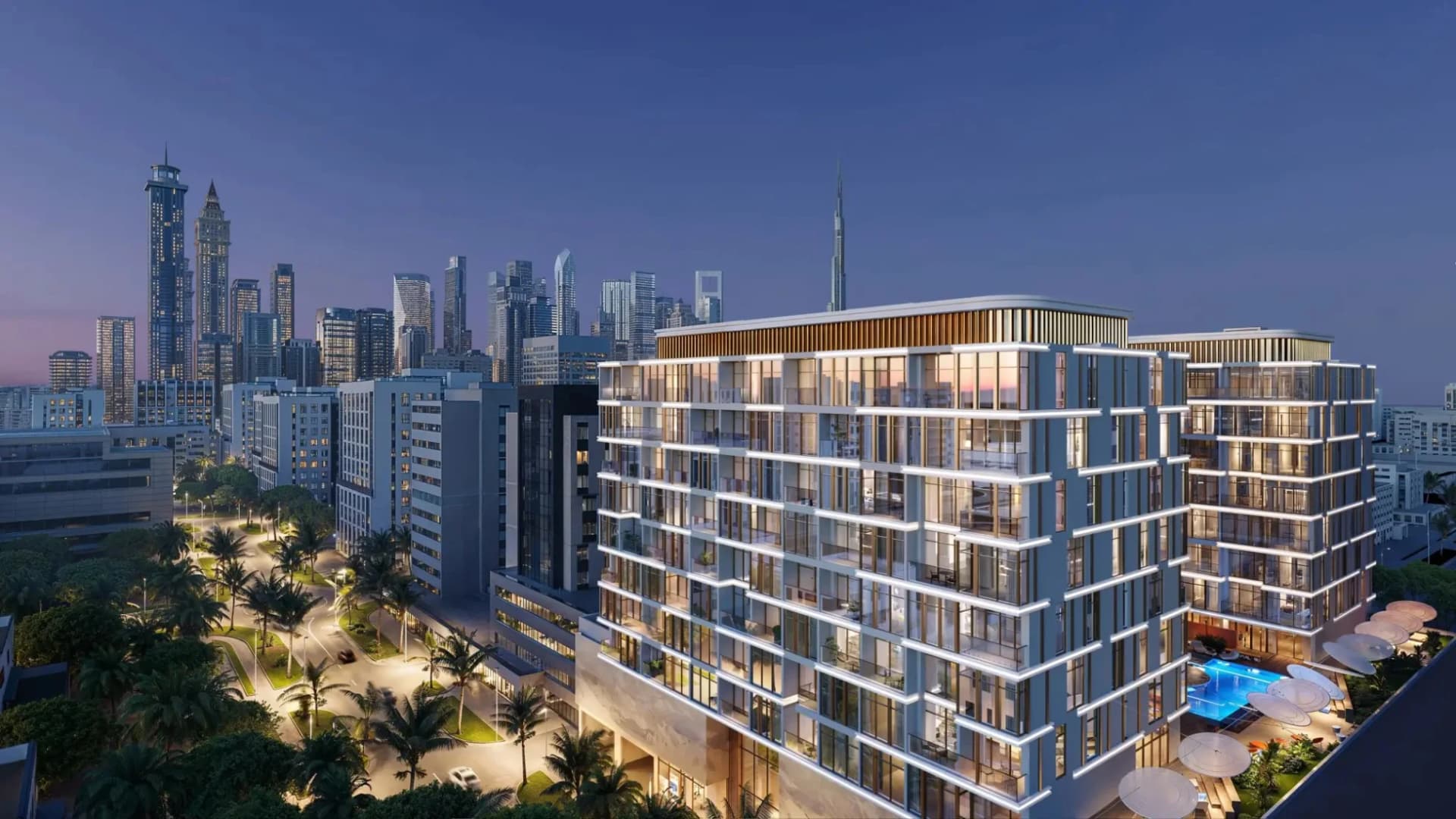
8 active projects translate to multiple cranes within walking distance for the next 18-30 months. Residents report dust, weekend concrete pours and construction-traffic detours. The trade-off is genuine: high pipeline counts reflect a growing area, but day-one quality of life lags the brochure renderings until the cluster finishes.
Con 4: Service charges run higher than buyers usually budget
Across Dubai, service charges land at AED 14-22 per square foot per year for typical mid-market apartment stock and AED 22-40 psf for premium towers. Al Satwa sits inside that band but specific projects can run 20-30% above the area average where the building has resort-style amenities. Always pull the latest Mollak service-charge filing before signing.
Best for, not for: who should live in Al Satwa
Best for: - long-hold capital-preservation buyers who care about address quality - investors who want above-median scoring across the 6-dimension Oliva model - off-plan investors who want choice across multiple builders
Not the right fit for: - income-driven investors who need rent inside 12-18 months - residents sensitive to active construction noise on a daily basis - families who need an established school on the doorstep from day one - buyers who want zero off-plan exposure
The numbers in 2026
| Metric | Al Satwa | Dubai median | --- | --- | --- | Average price psf | AED 3,942 | AED 1,933 | Average headline price | AED 3.96M | AED 2.96M | Active projects | 8 | 2 | Transaction velocity | 263 / quarter | 80 / quarter | Oliva Score | 54.1 / 100 | 44.0 / 100 | Average delivery year | 2028 | 2027 |
|---|
Source: DLD transaction register and Oliva scoring engine, refreshed daily. The Dubai median column reflects the 168 listed Dubai areas in the live discovery feed.
Cost of living in Al Satwa
Service charges run AED 14-22 psf per year for mid-market buildings and AED 22-40 psf for premium towers; pull the Mollak filing for actual numbers. A 750 sqft one-bed priced at the area average of AED 2,956,500 carries roughly AED 17,246 per month on a 25% deposit and 5% mortgage. Add AED 500-1,500 per month in DEWA, AED 350-700 in chiller cooling, and AED 200-450 in internet.
Five projects to consider in Al Satwa
These developers run the largest active inventory in Al Satwa as of the most recent DLD pull. Use the live project page on Oliva to see floor plans, payment plans and Oliva Score breakdowns.
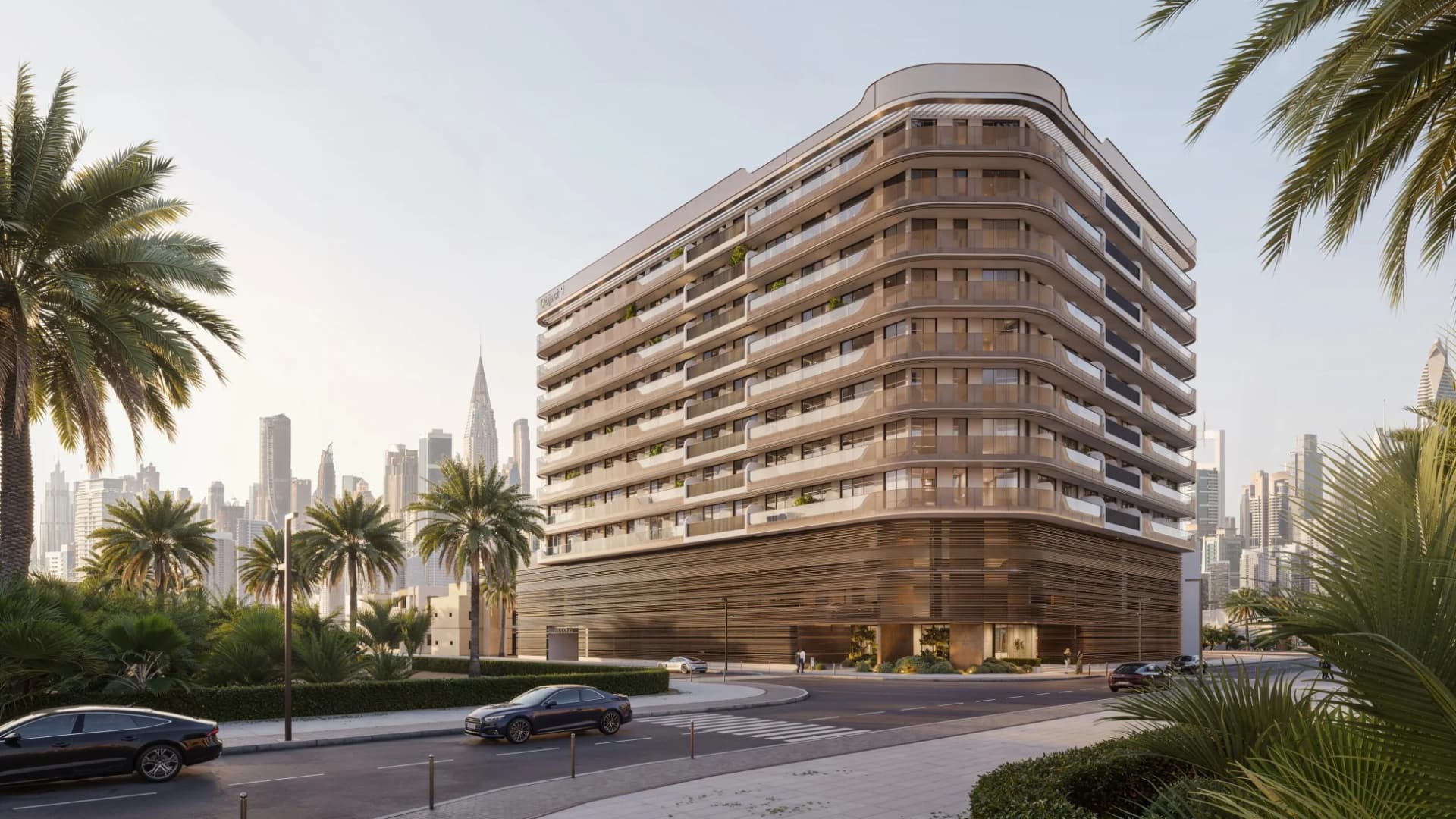
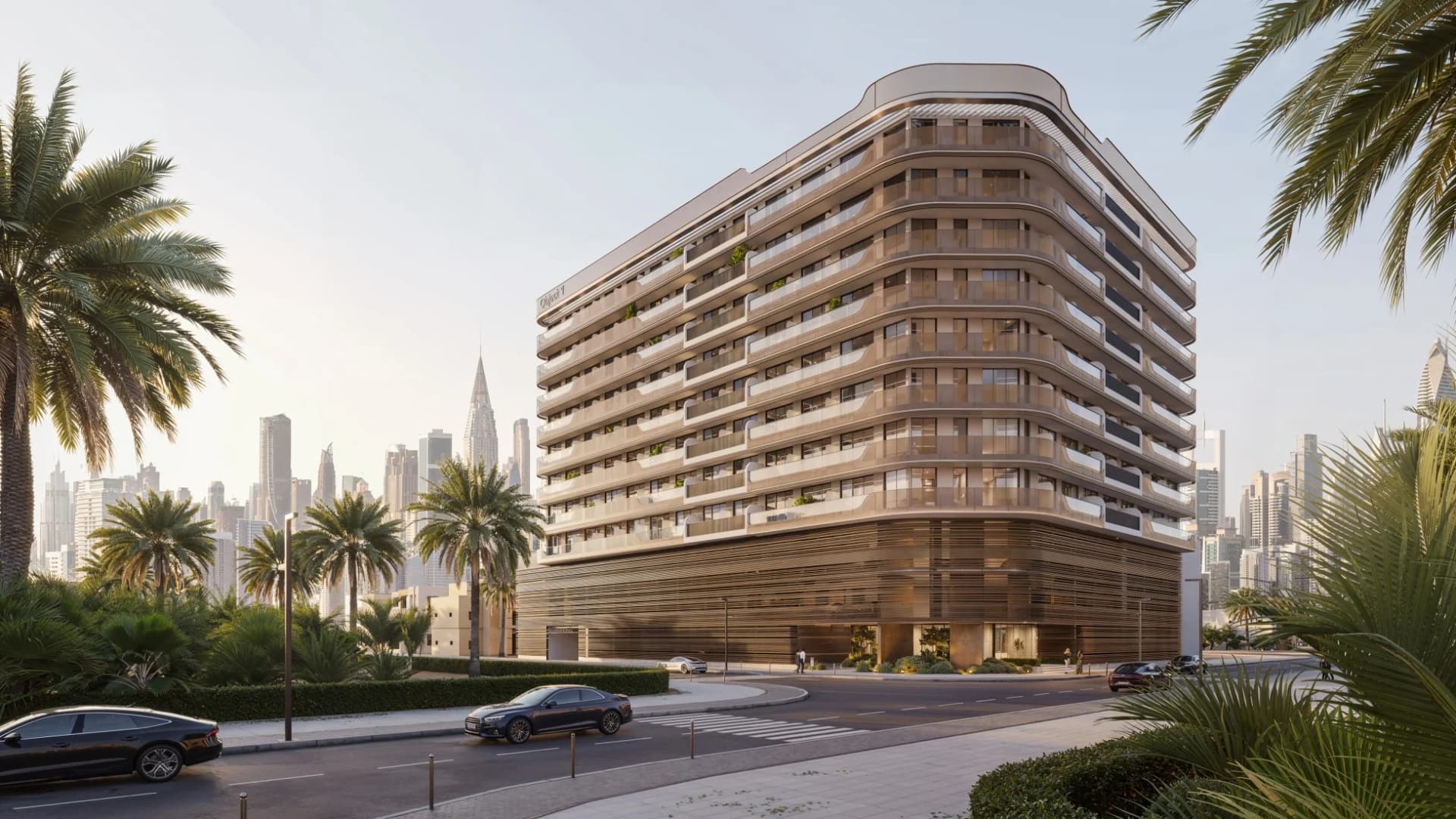
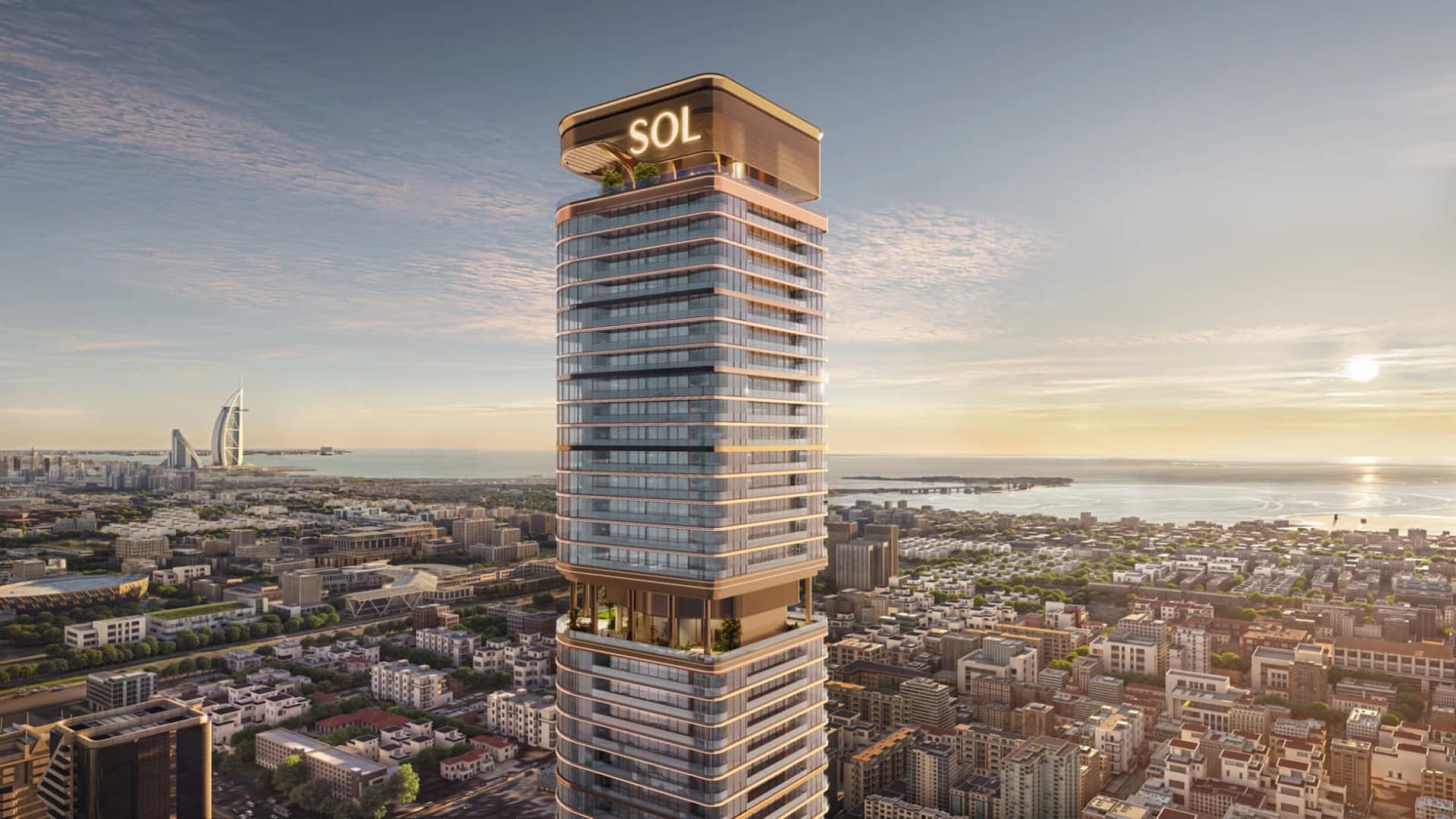
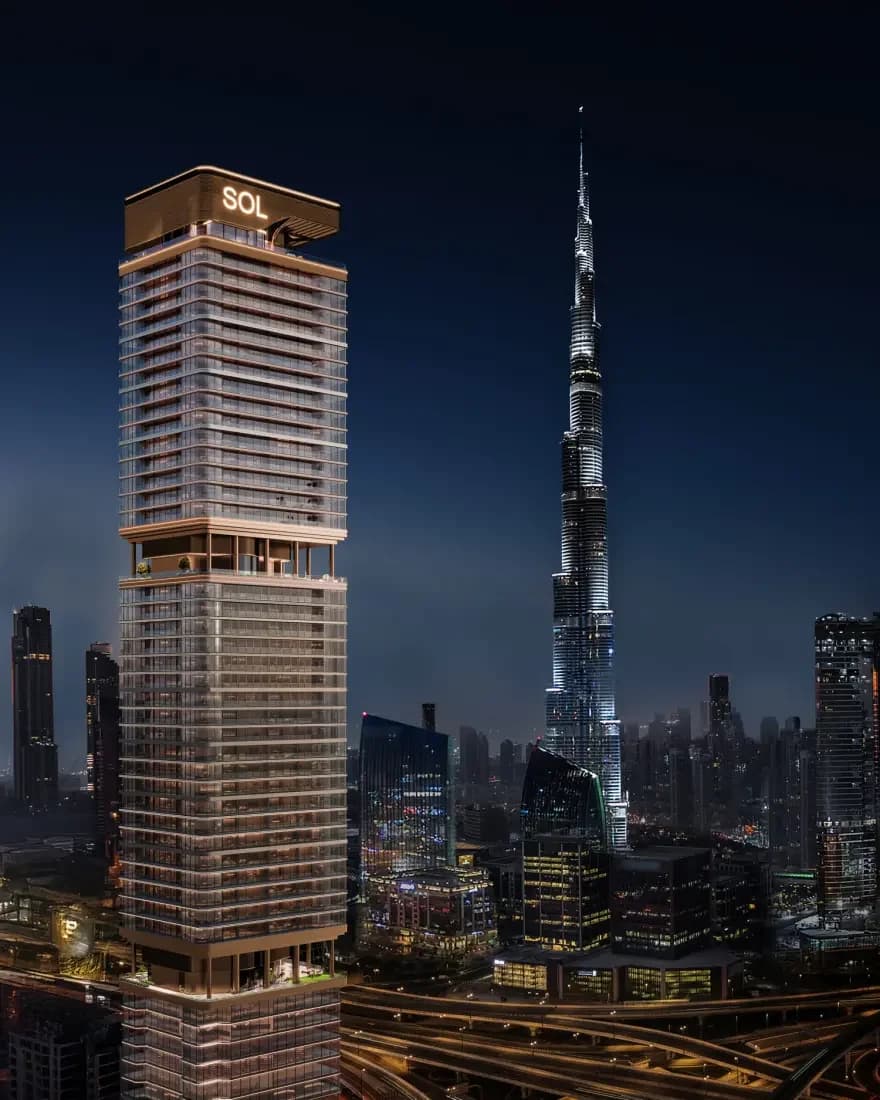
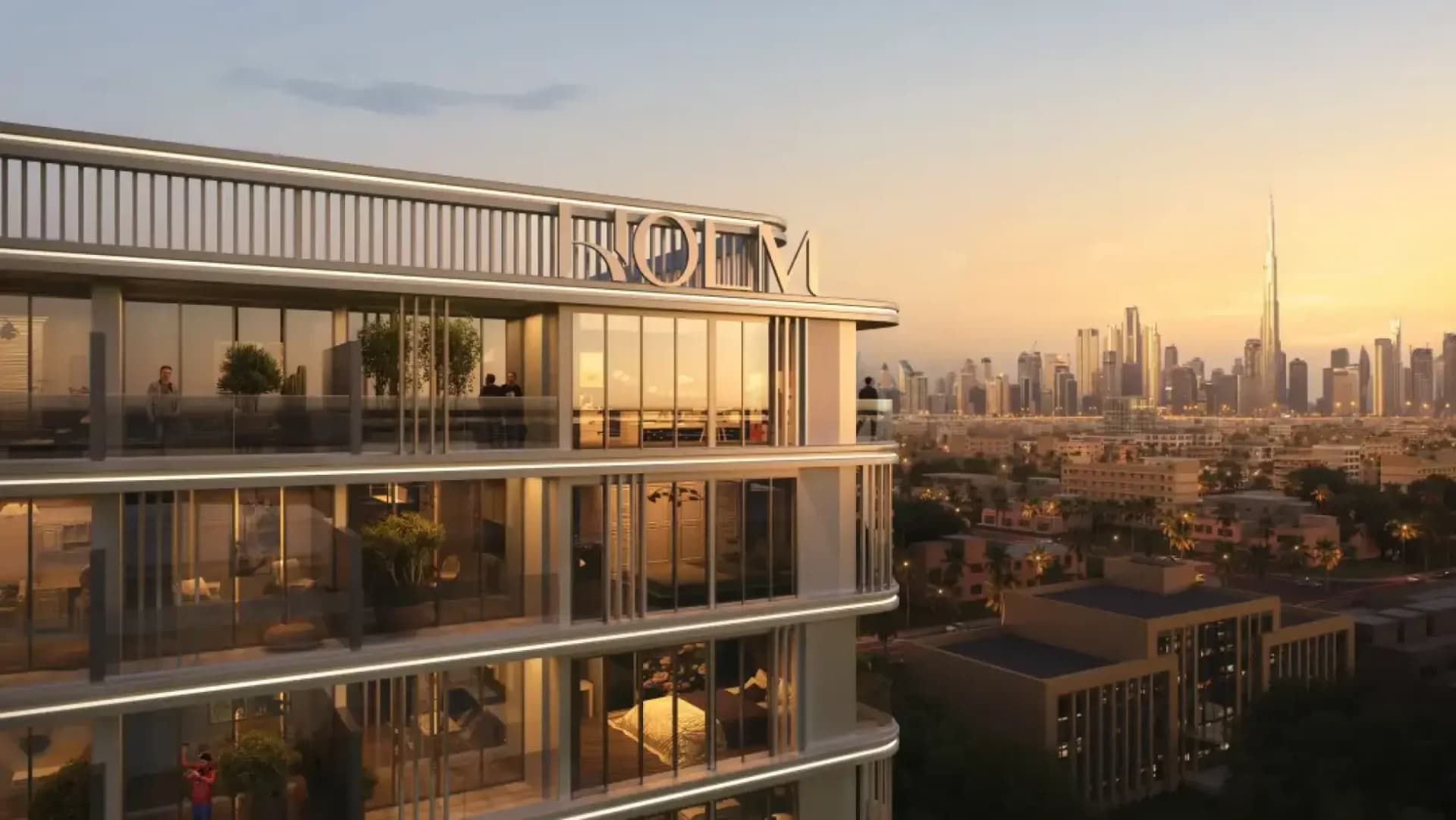
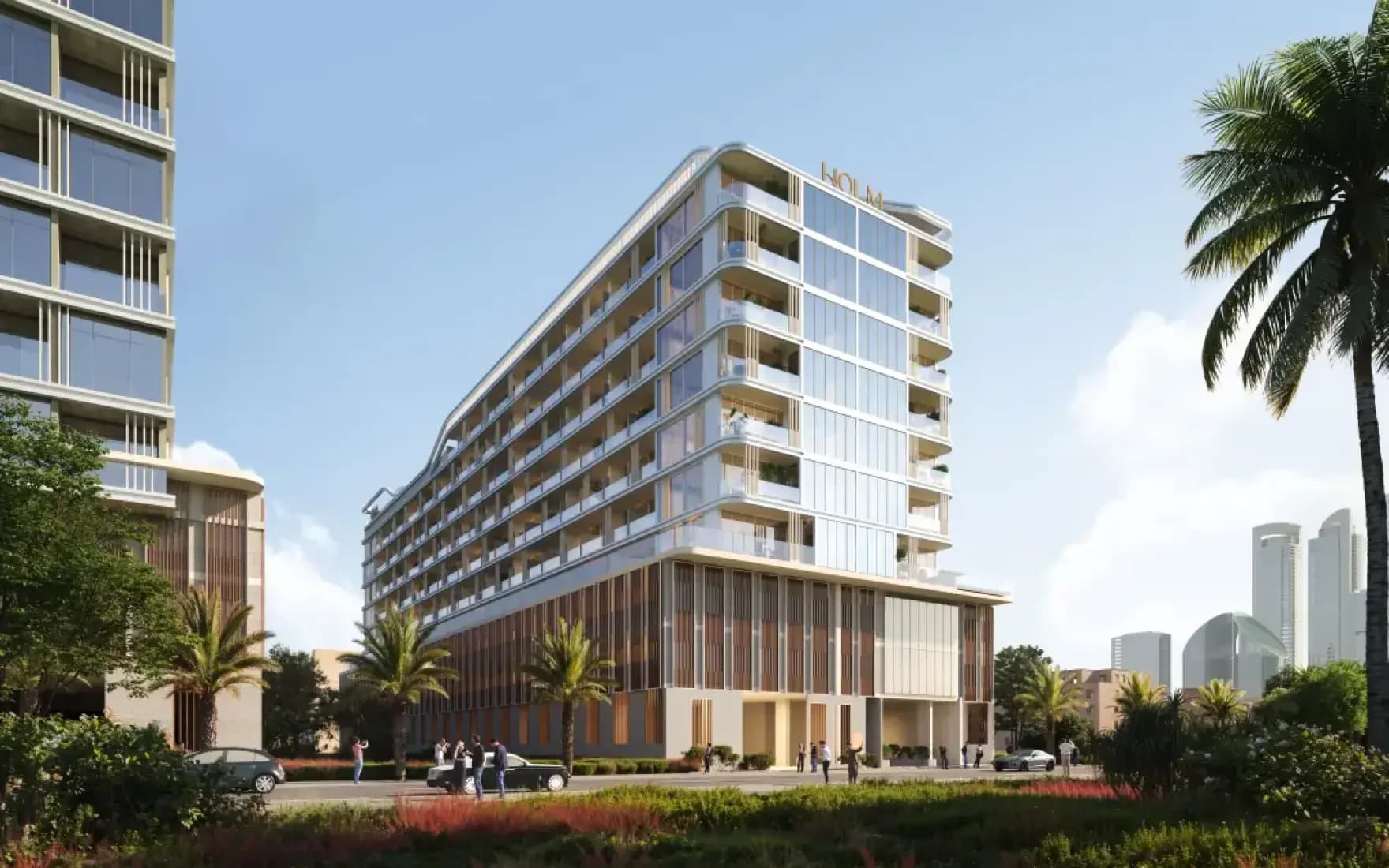
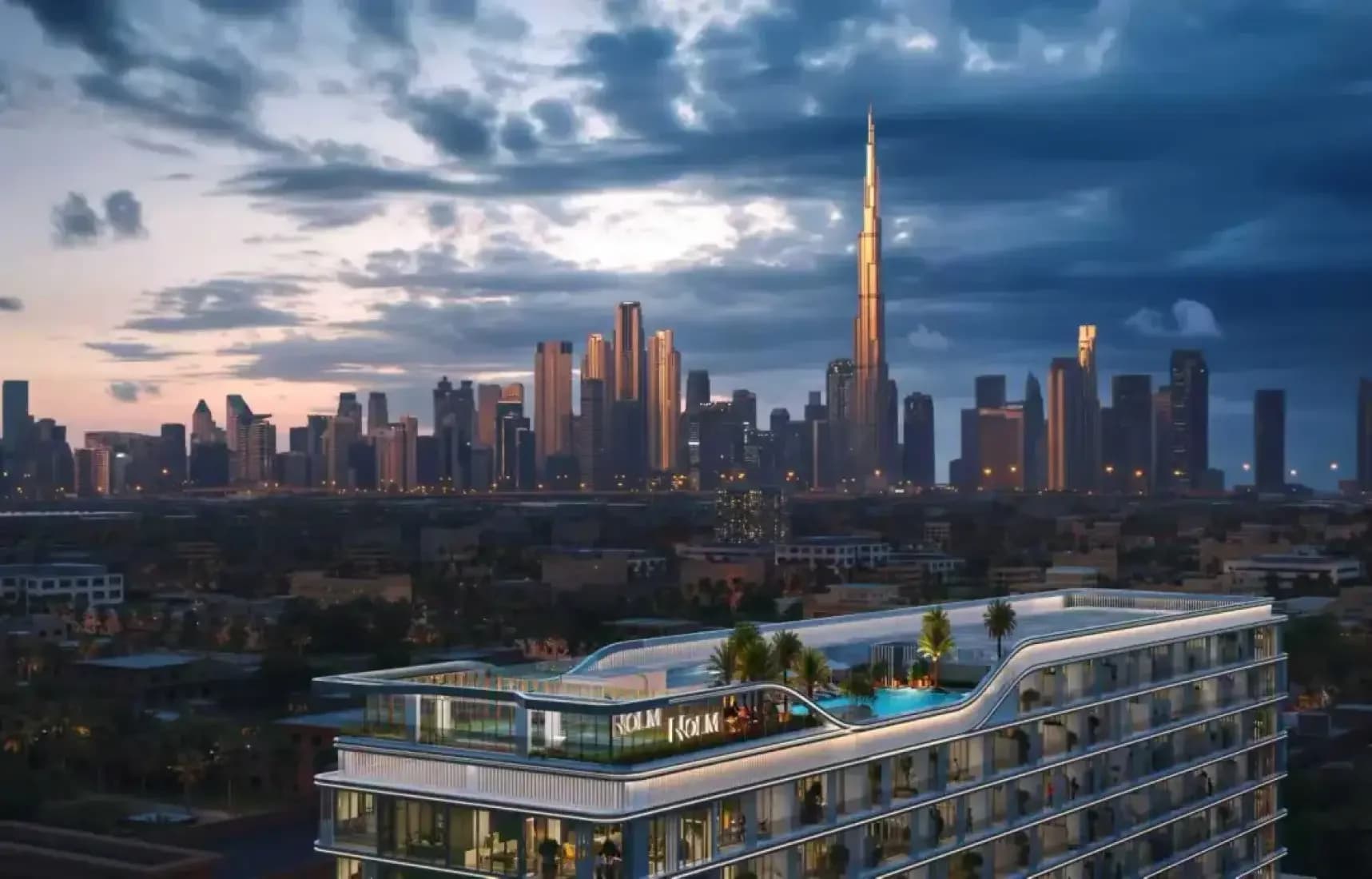
- Object 1: 1 active project priced from AED 2.44M to AED 2.44M. Browse the live shortlist on /projects/object-1-al-satwa. - SOL Properties: 1 active project priced from AED 2.88M to AED 6.52M. Browse the live shortlist on /projects/sol-properties-al-satwa. - HOLM Developments: 1 active project priced from AED 1.29M to AED 2.17M. Browse the live shortlist on /projects/holm-developments-al-satwa. - Rabdan Developments: 1 active project priced from AED 1.17M to AED 6.5M. Browse the live shortlist on /projects/rabdan-developments-al-satwa. - Azizi: 1 active project priced from AED 5.03M to AED 33.94M. Browse the live shortlist on /projects/azizi-al-satwa.
Frequently Asked Questions
Is Al Satwa a good place to live?
Al Satwa is a good place to live for buyers whose timeline and budget match the area's profile. The average property runs AED 3,942 per square foot, the Oliva Score sits at 54.1/100 and 8 active projects keep choice open for buyers entering today. As with any Dubai community, fit depends on commute, schooling needs and yield targets, so read the full pros and cons above before deciding.
What is the average rent in Al Satwa?
Studio rents in Al Satwa typically run AED 45,000-75,000 per year, one-bedrooms AED 65,000-110,000, and two-bedrooms AED 95,000-160,000 depending on building, view and finish. Rents have moved with the wider Dubai market through 2024-2026, with renewal escalations governed by the RERA rental index. Always check the current RERA calculator output before agreeing a renewal.
Is Al Satwa safe?
Al Satwa, like the rest of Dubai, is one of the safest urban neighbourhoods in the world. Dubai consistently ranks in the top tier on the Numbeo safety index and the UAE Ministry of Interior publishes quarterly crime statistics that show very low rates of personal and property crime. Standard Dubai safety norms apply: secure buildings, gated parking, 24/7 security desks in the larger communities.
How easy is it to commute from Al Satwa?
Commute from Al Satwa depends on the destination and time of day. Most Dubai residents access work via Sheikh Zayed Road, Al Khail Road or the Dubai Metro. Peak-hour driving from outer-ring areas to DIFC or Downtown typically runs 25-45 minutes; metro-served areas come in shorter and more predictable. Always test-drive the commute at peak time before signing.
Can a non-resident buy property in Al Satwa?
Yes, non-residents can buy freehold property in Al Satwa provided the area is on the Dubai Land Department freehold register and the title deed records the buyer's name directly. Foreign buyers do not need UAE residency to purchase. Properties priced from AED 960K qualify for the 2-year investor visa under the post-April-2026 rules; AED 2M+ purchases qualify for the 10-year Golden Visa, including off-plan and mortgaged properties.
Explore further
The project, area, and developer this post covers, with live Dubai Land Department data.
Related articles

Tilal Al Ghaf Investor Guide
Al Furjan Investor Guide

Liwan Investor Guide

Discovery Gardens Investor Guide

Dubai Investment Park Investor Guide