Underwrite before you commit
The figures in this post are checked against Dubai Land Department records and RERA filings. Get an independent underwriting score on any project, or ask Javier on WhatsApp.
Market Overview: Mina Rashid Investment Returns
Mina Rashid
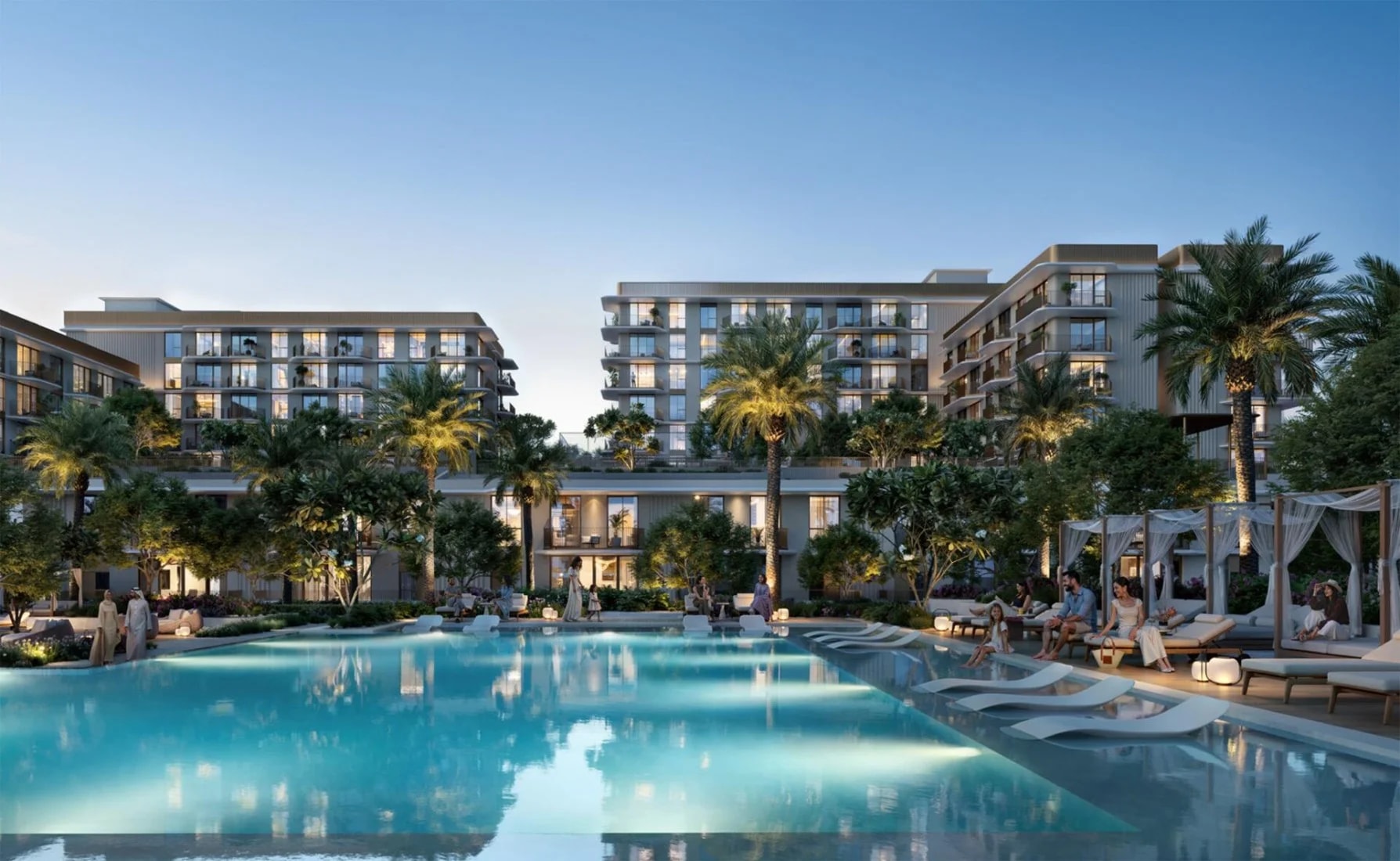
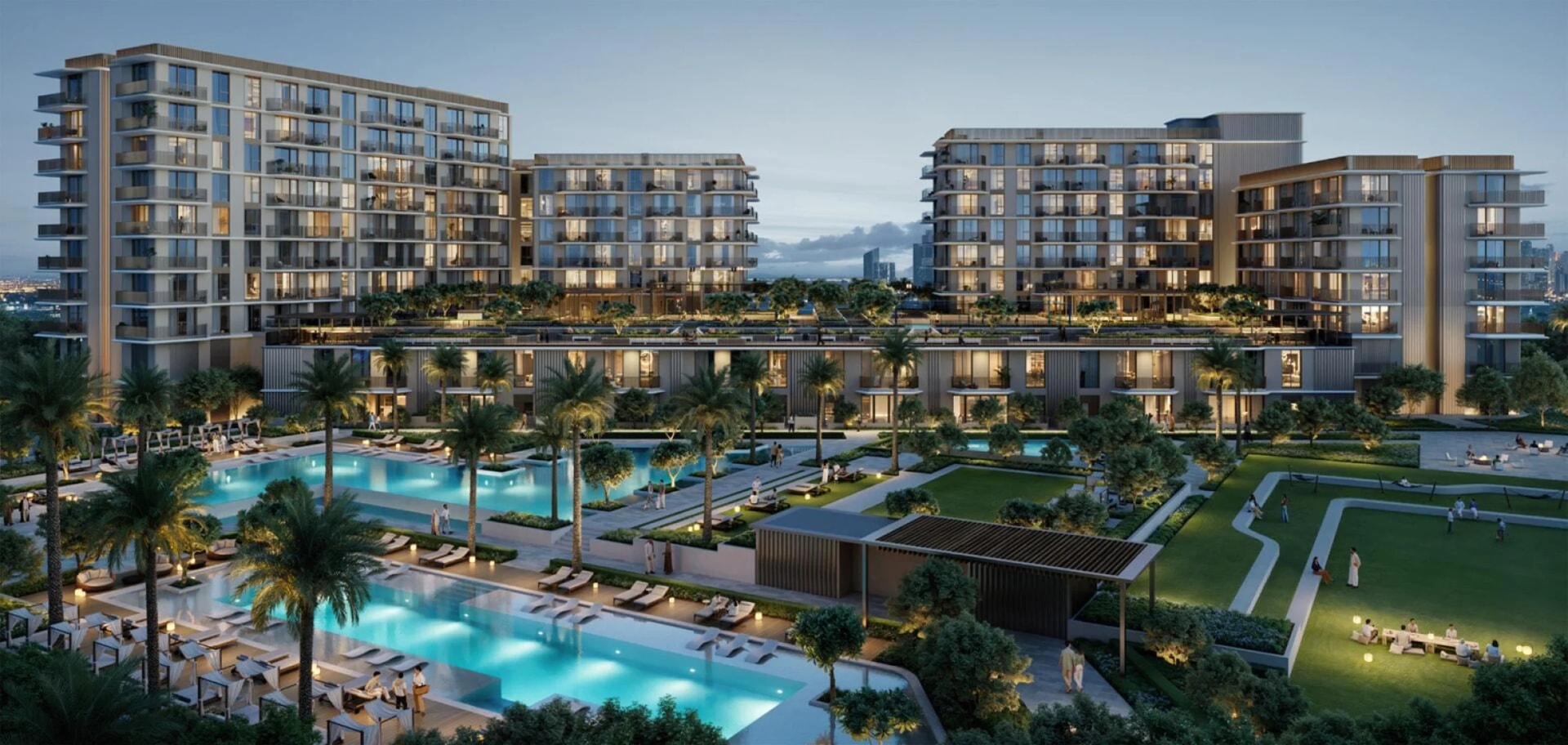
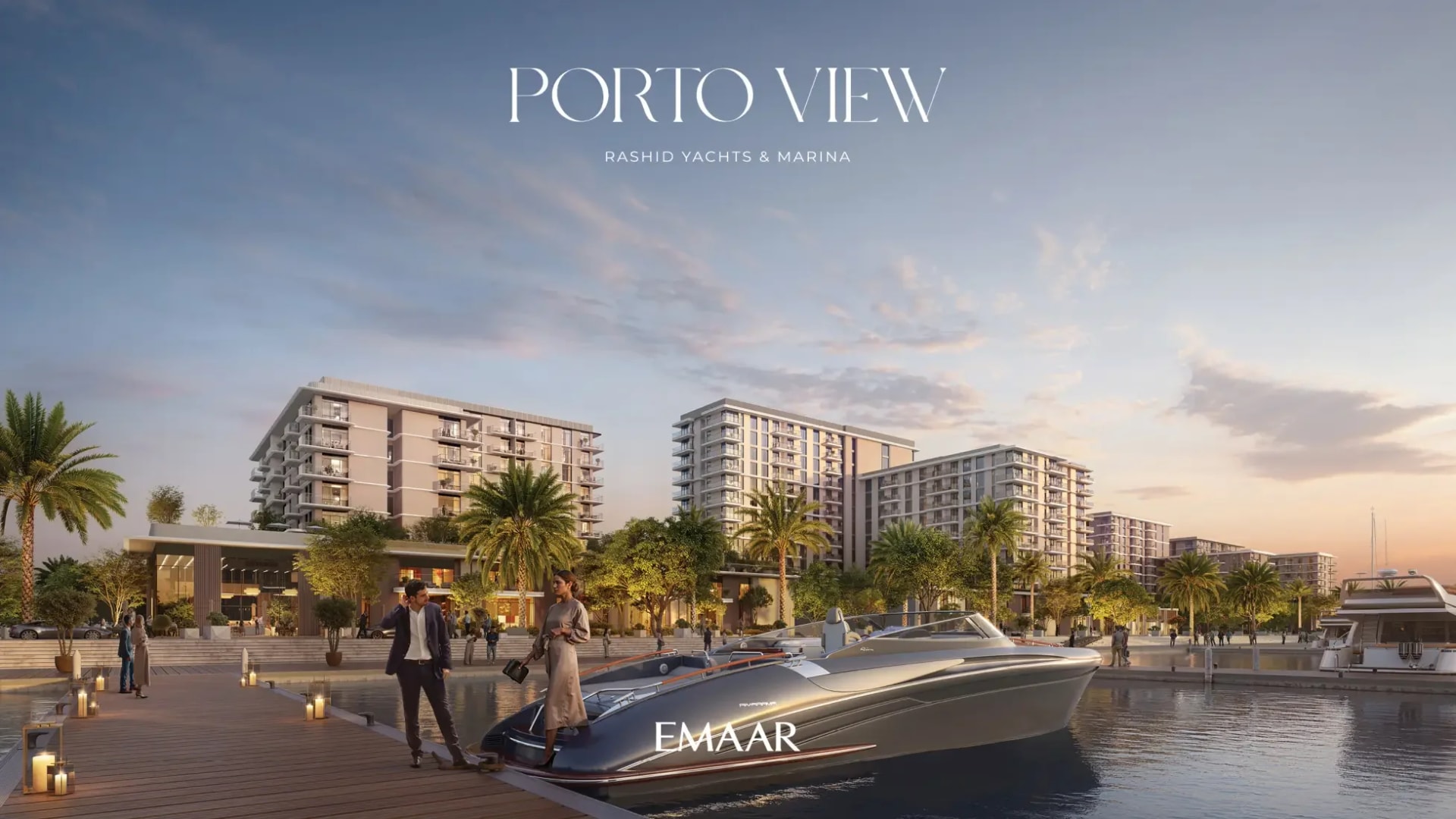
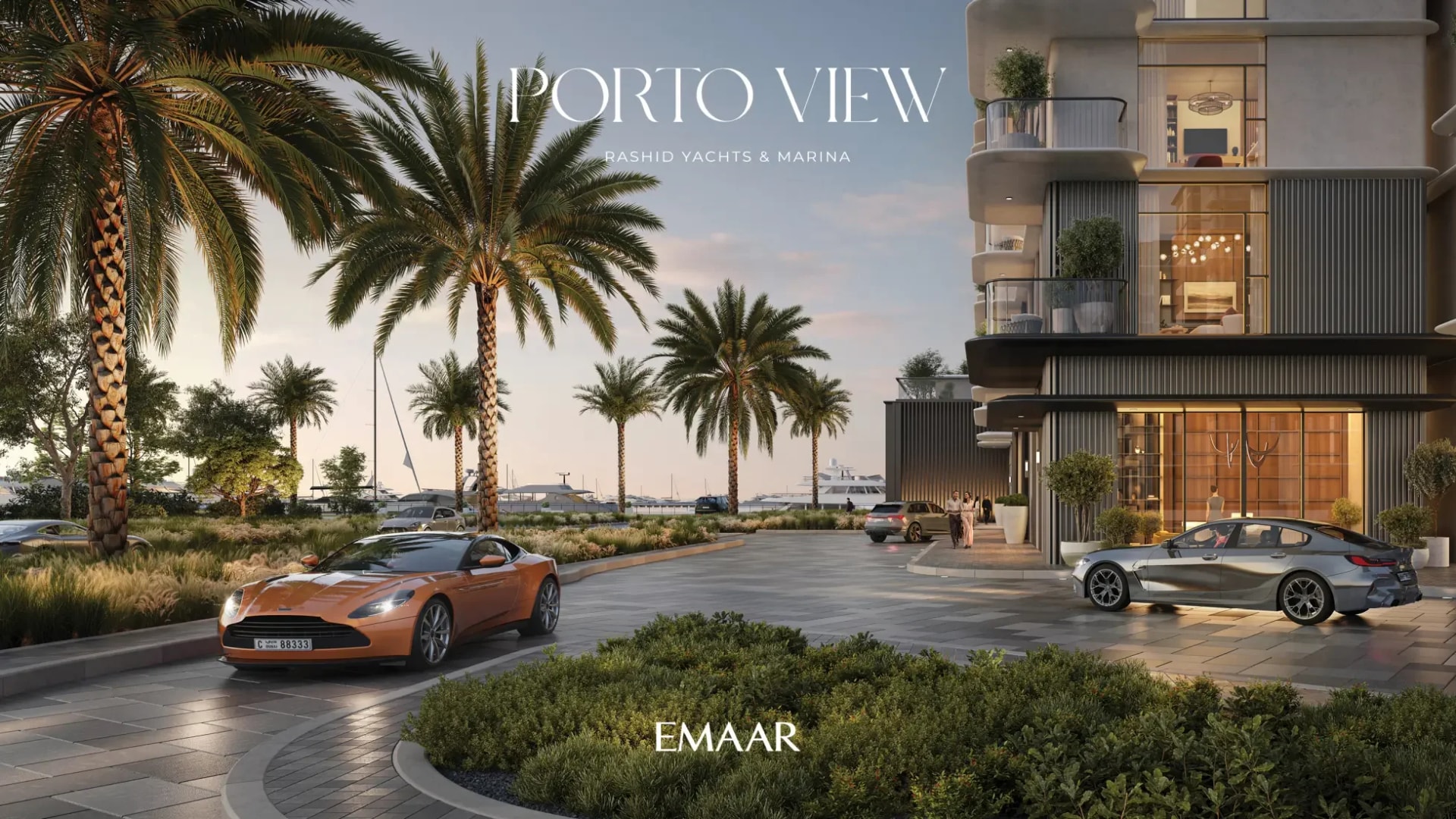
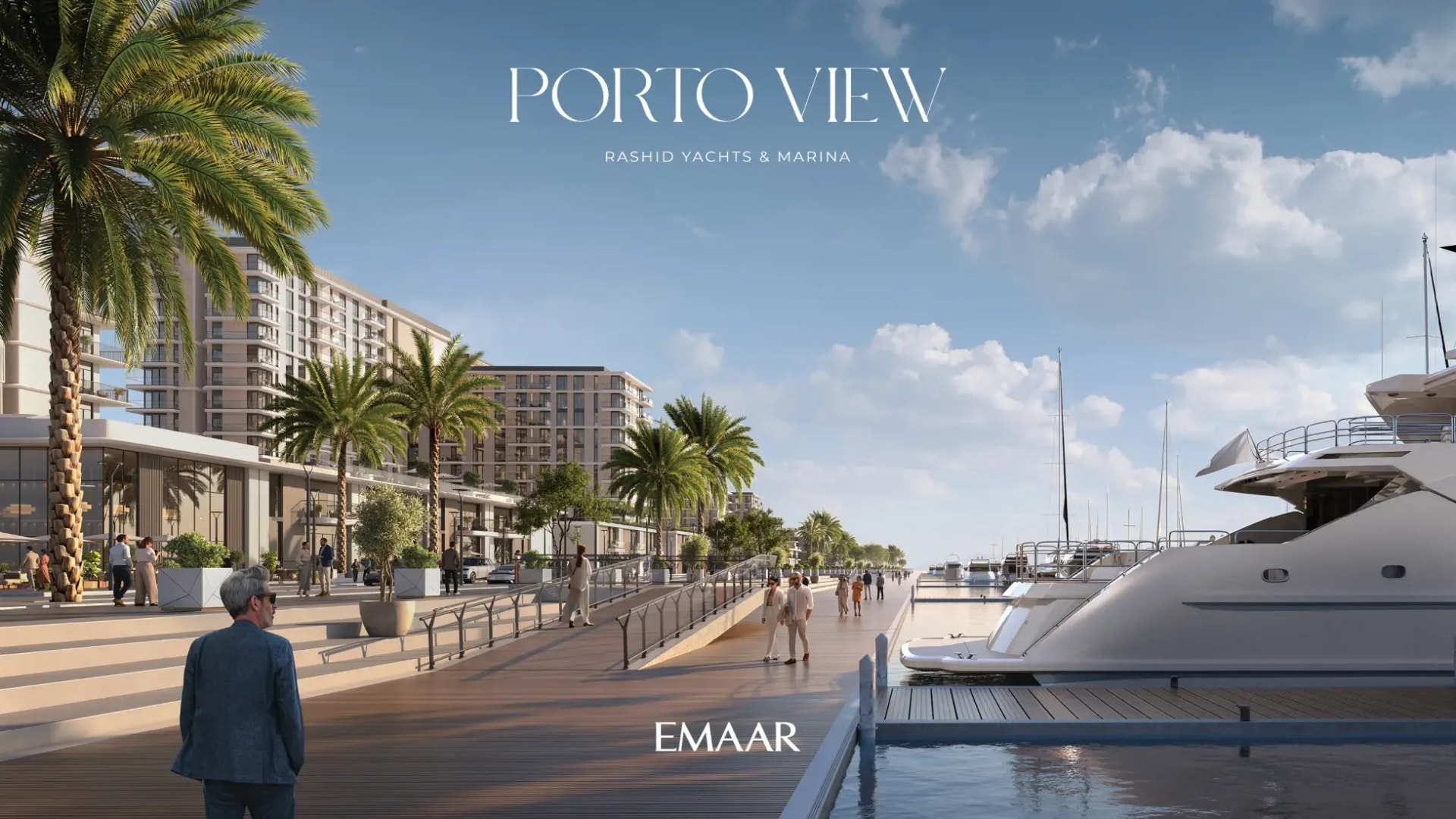
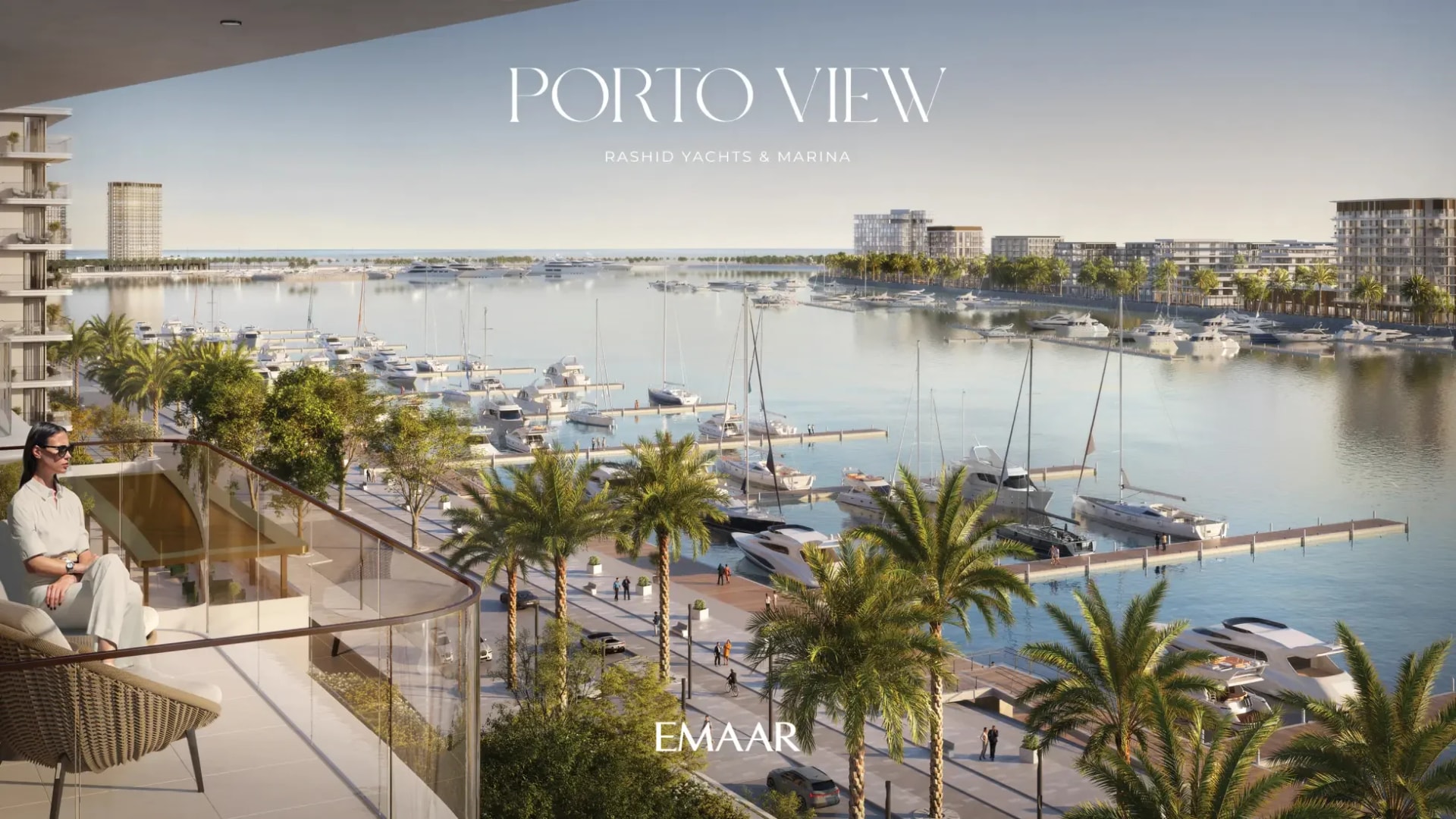
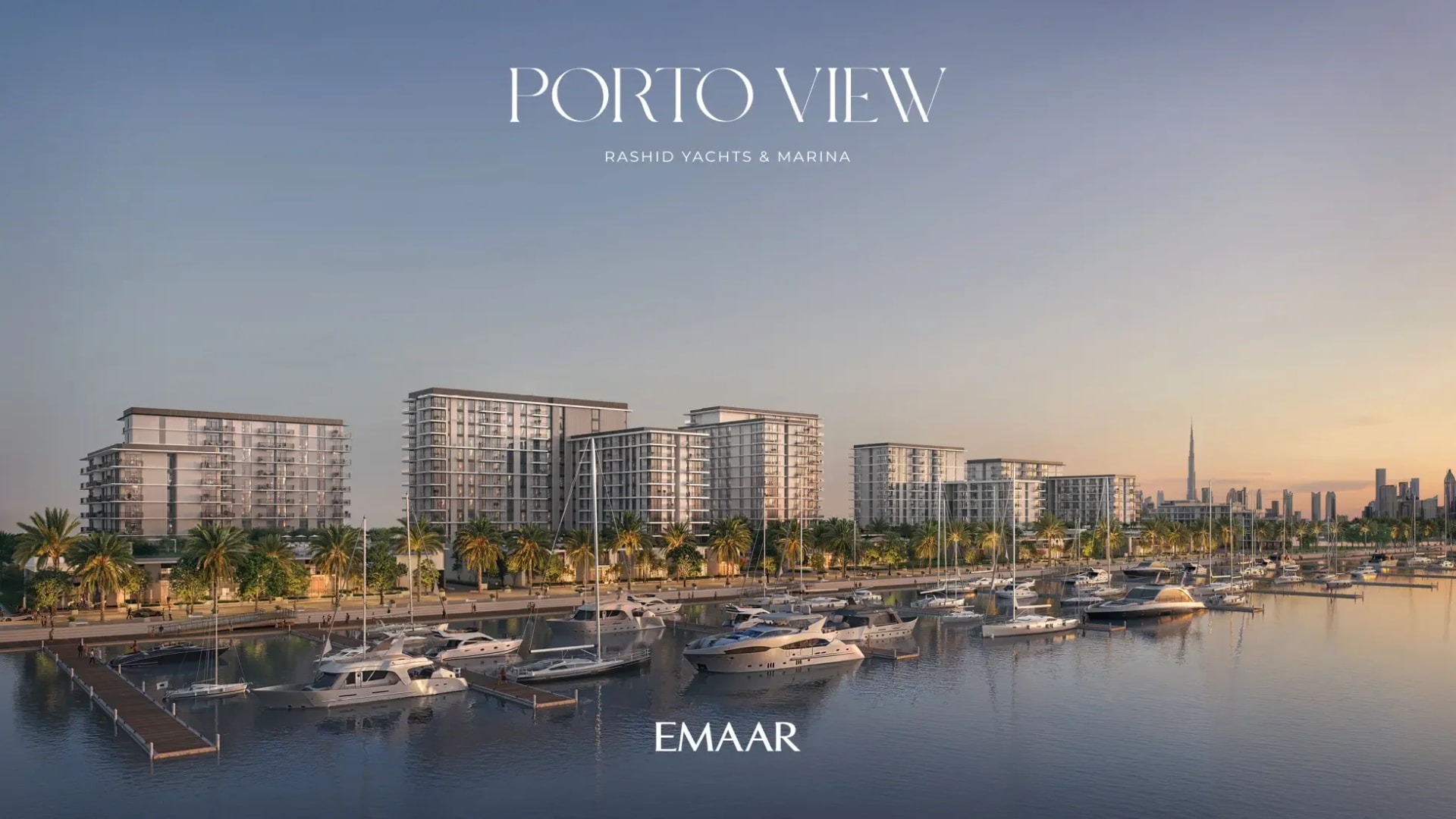
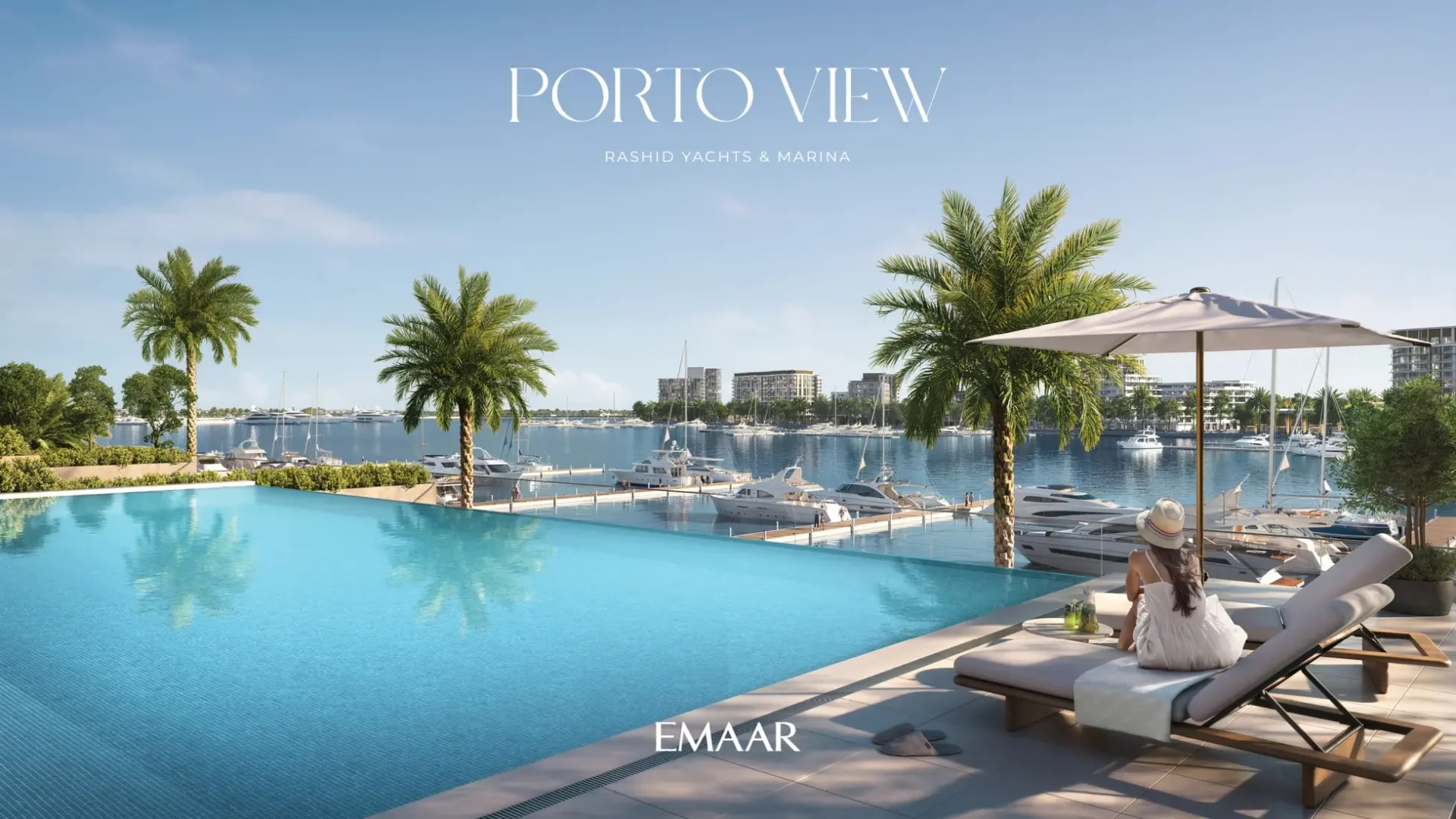
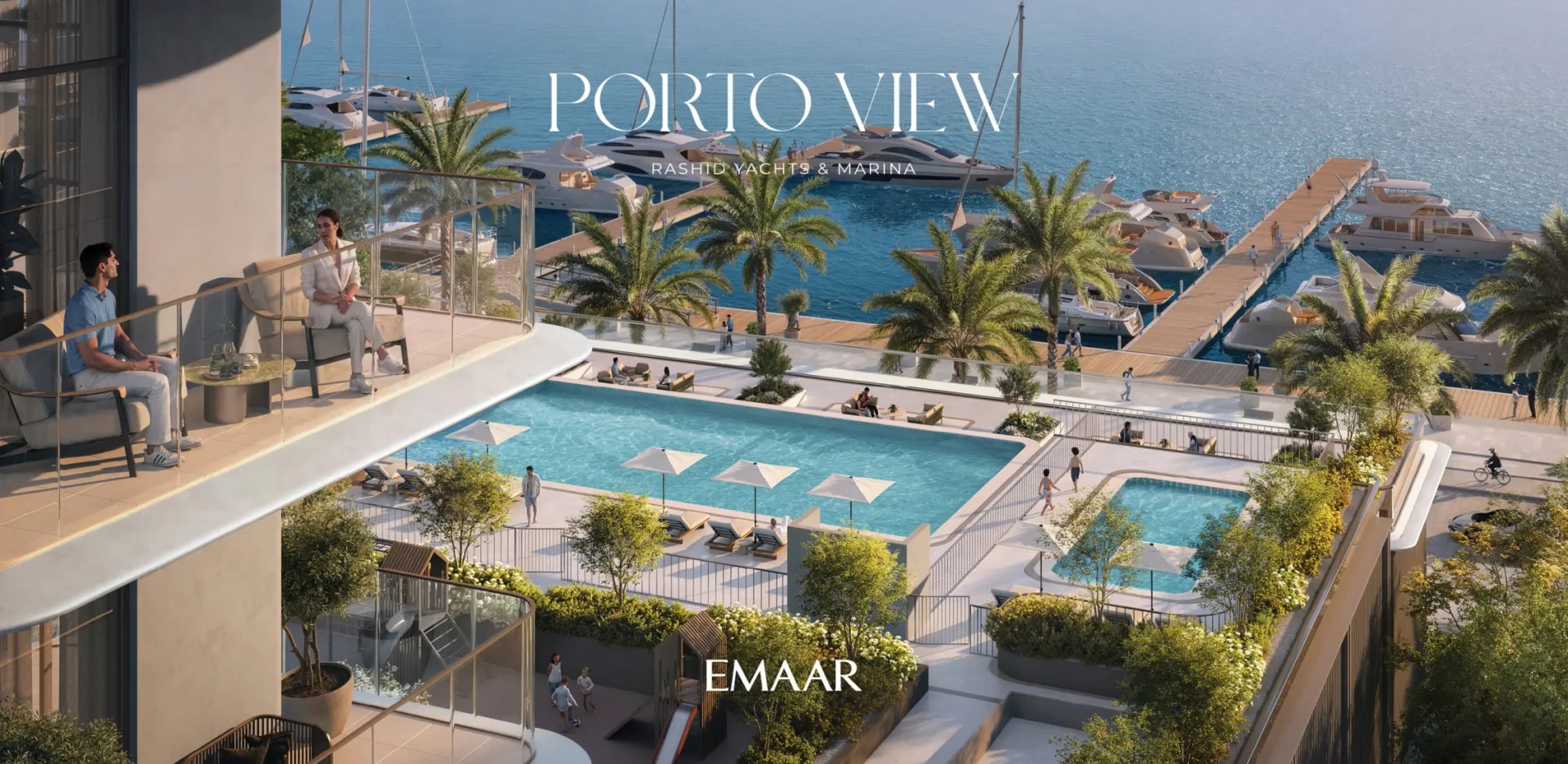
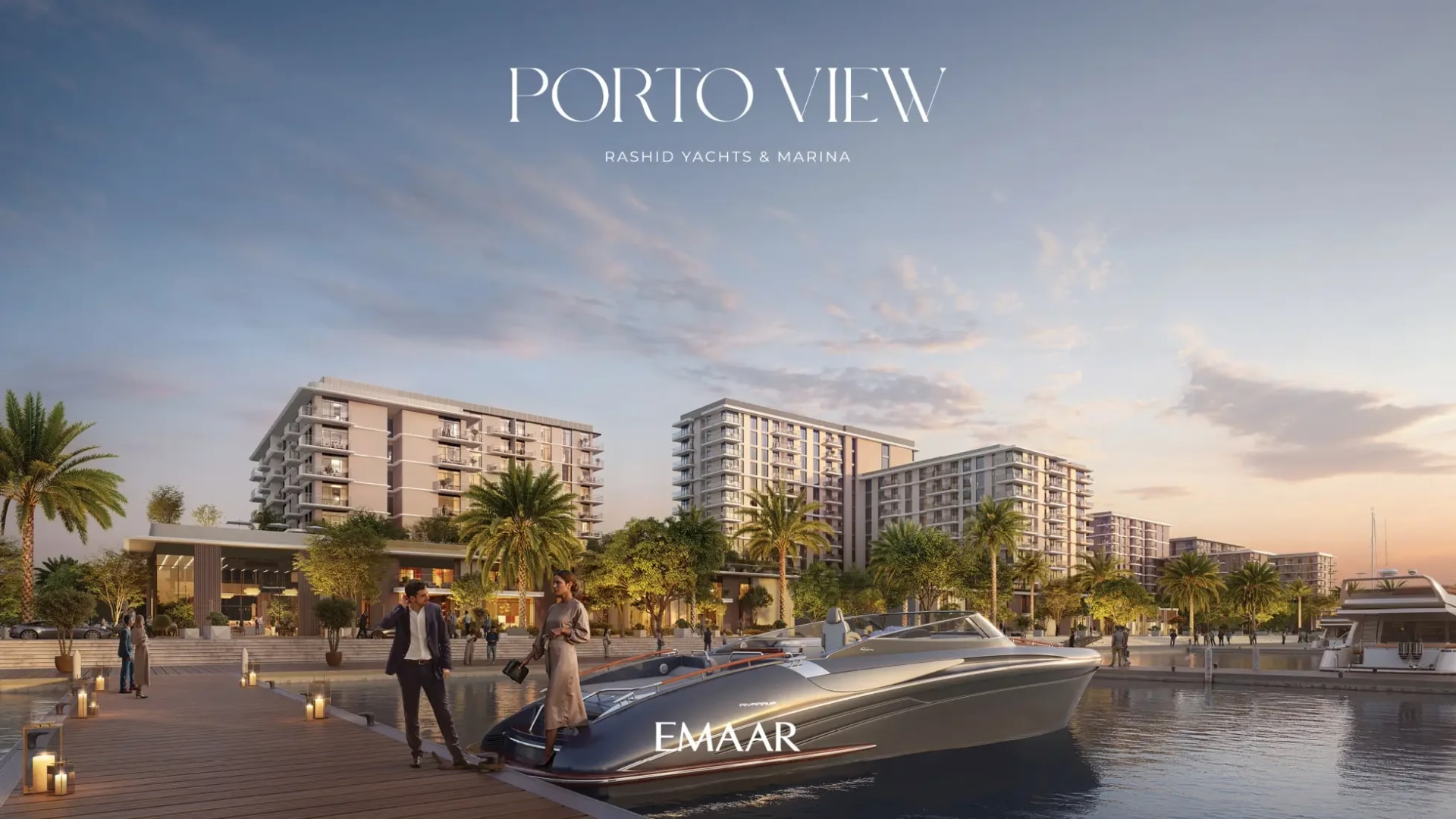
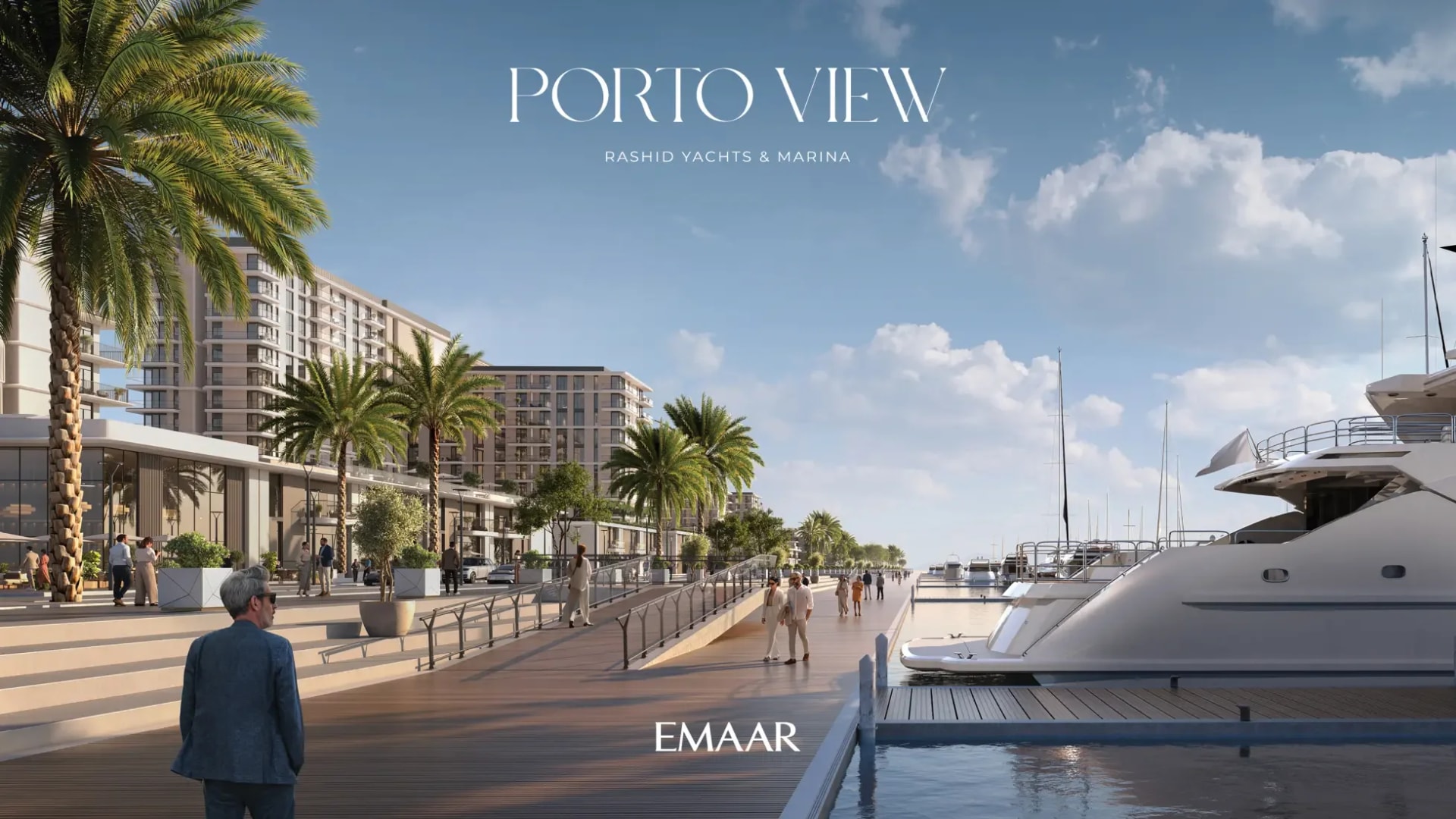
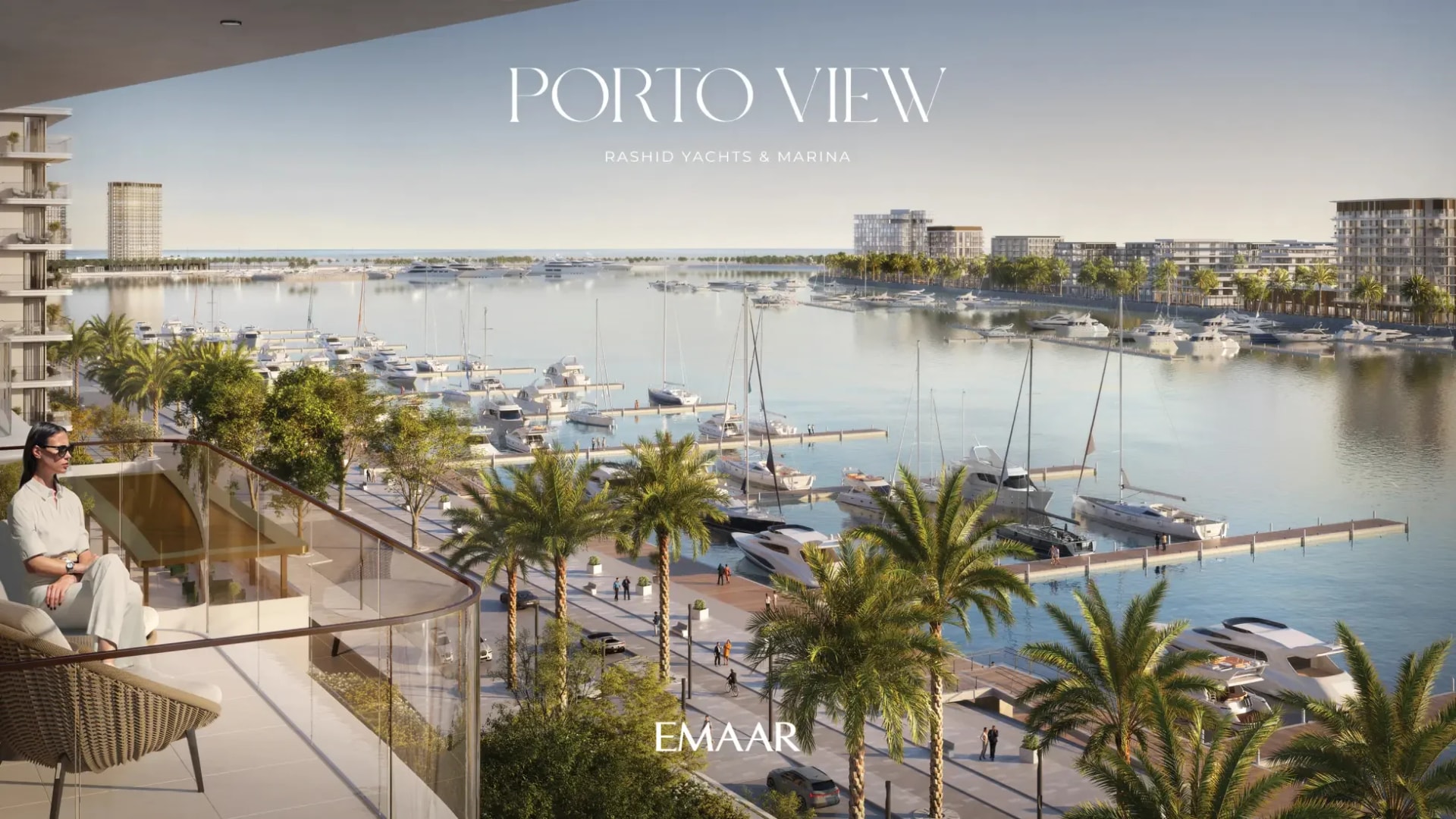
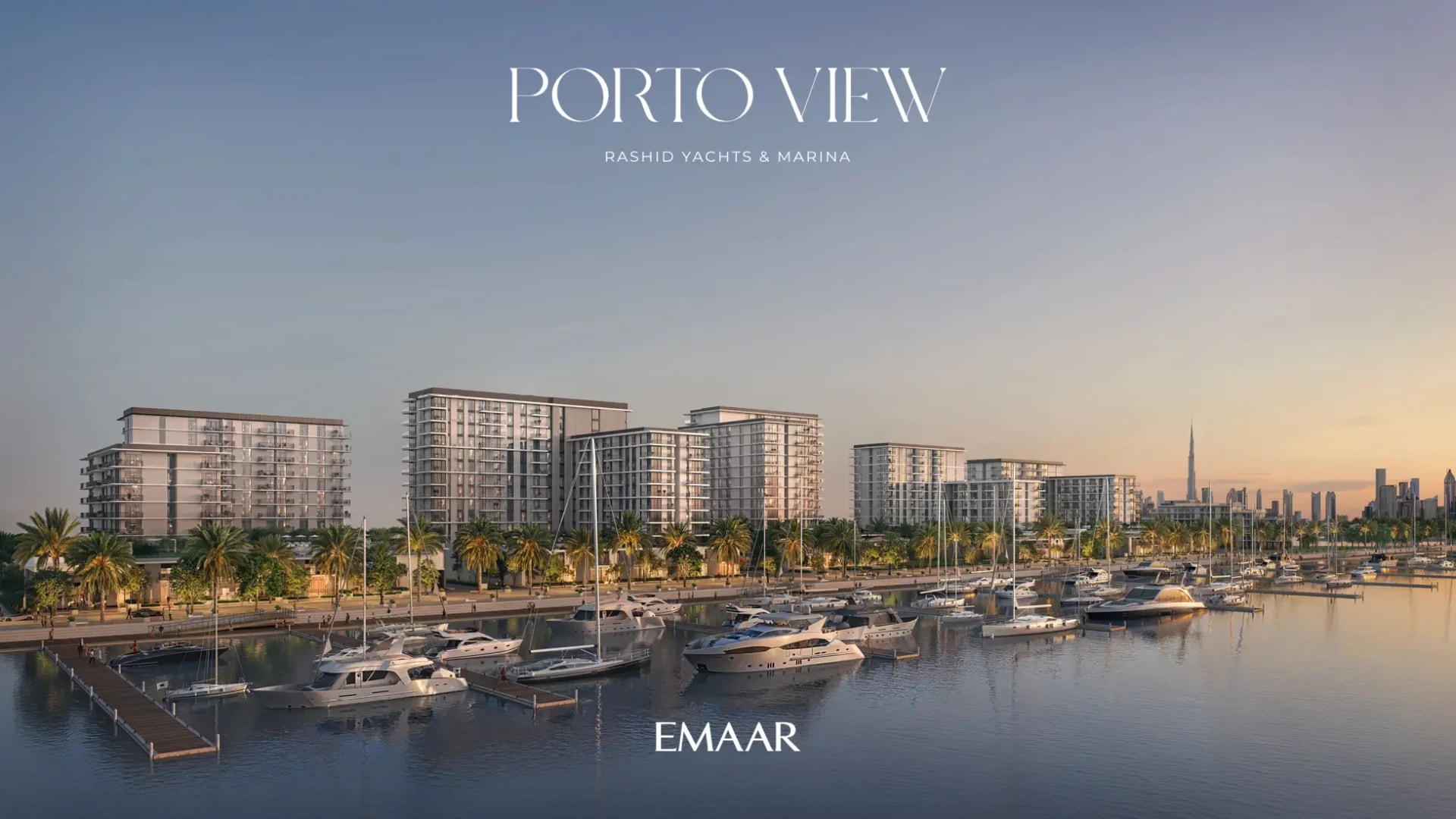
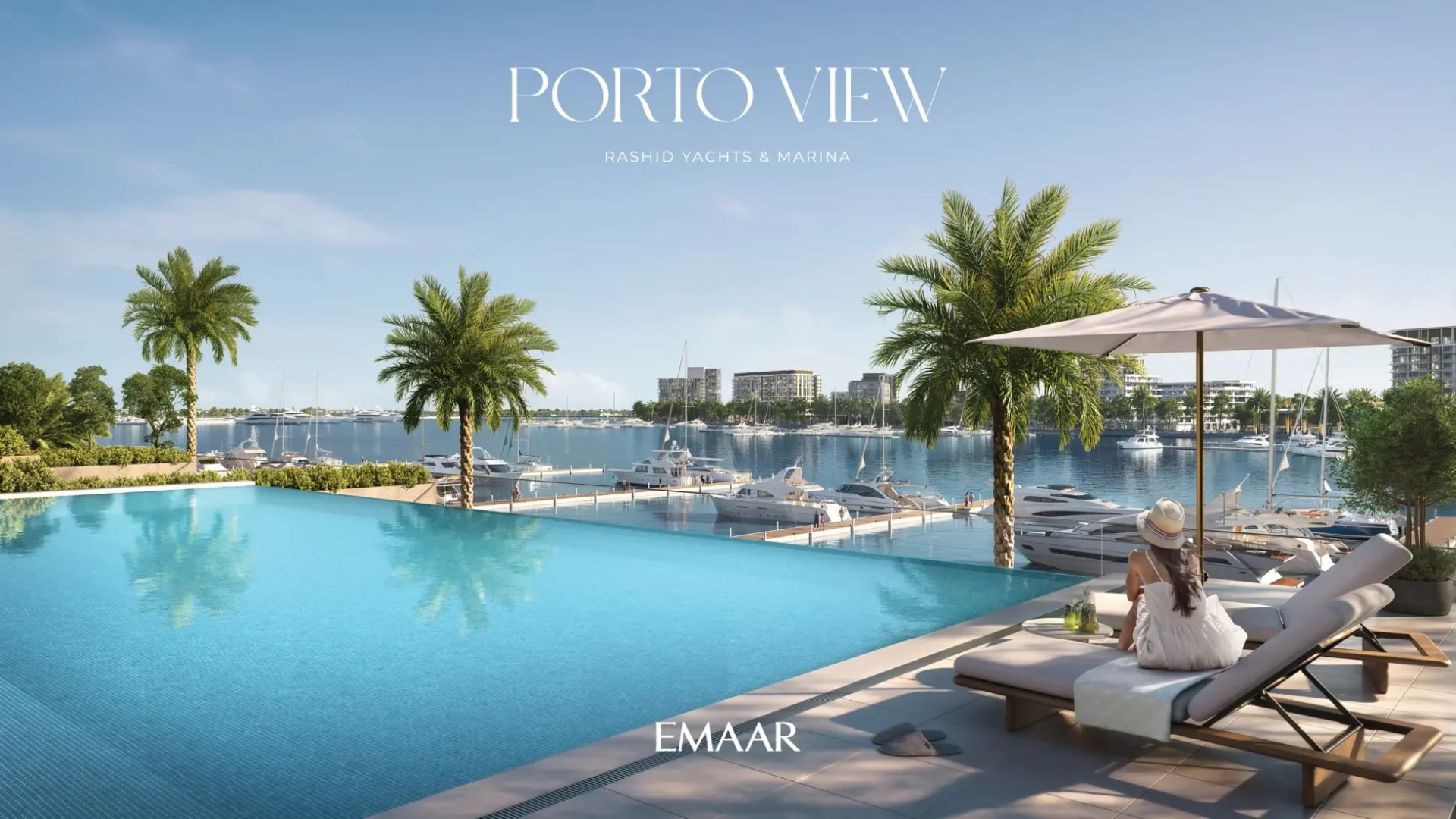
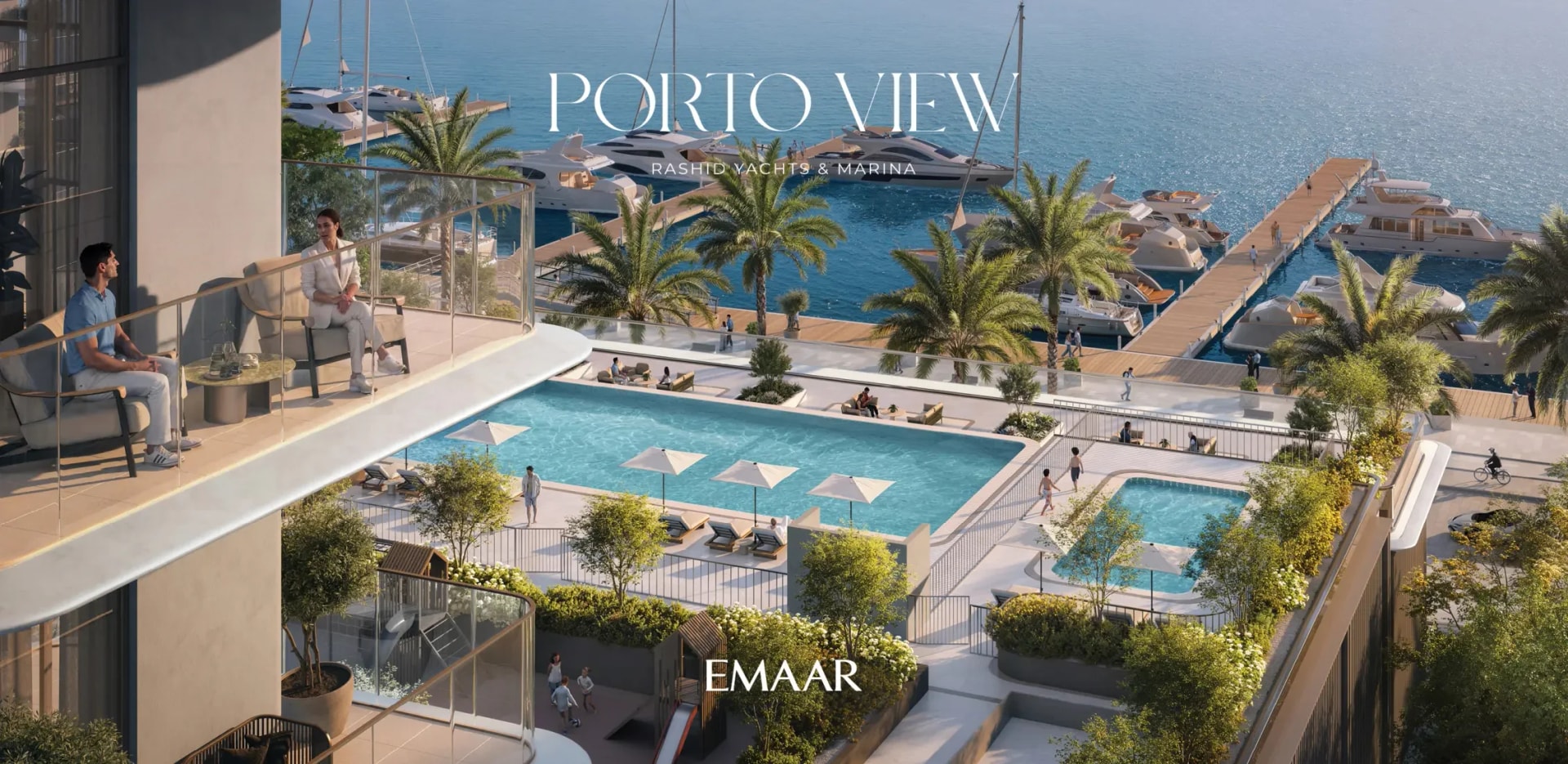
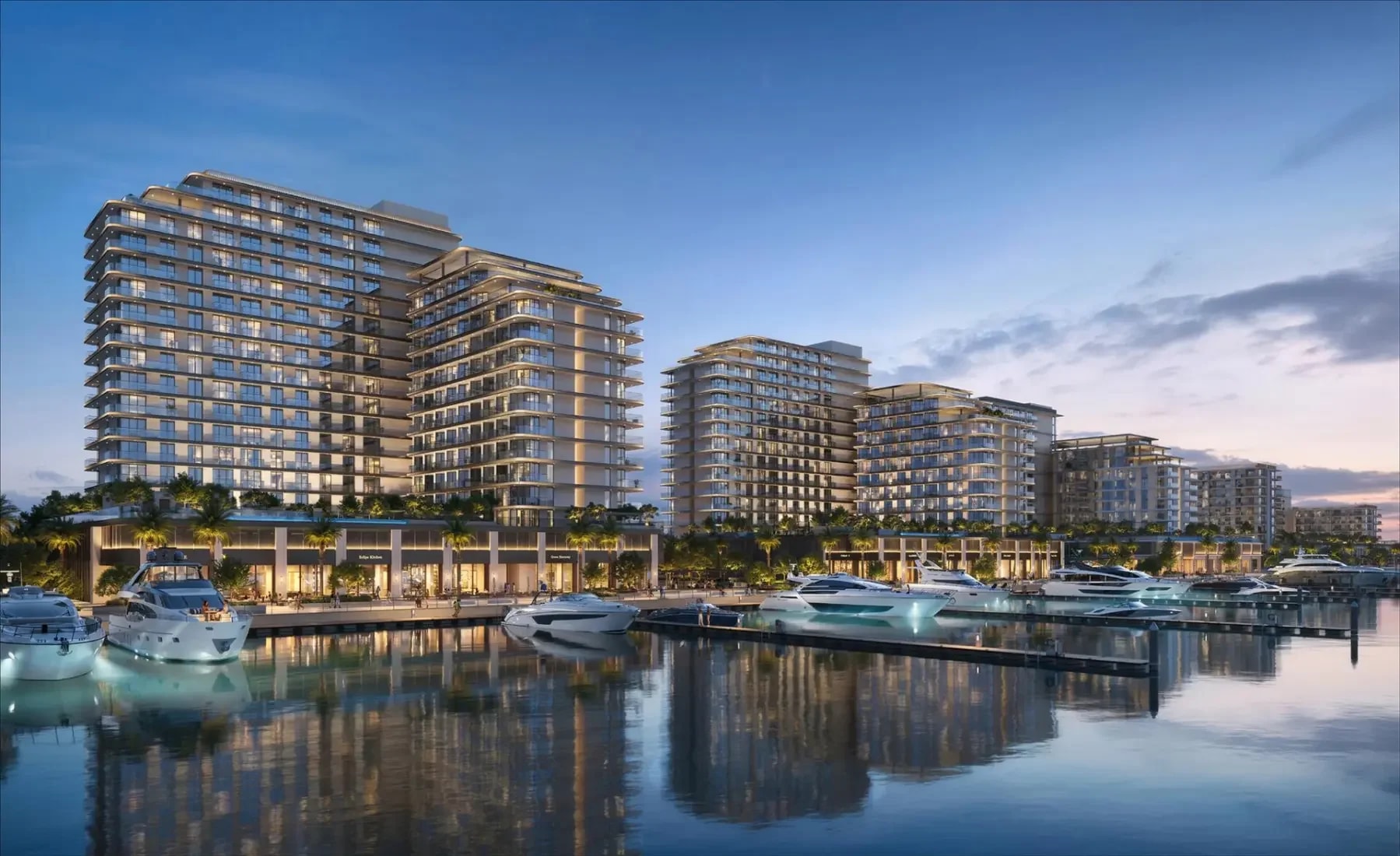
sits on what used to be Port Rashid. If you know anything about Dubai's history, that was one of the original maritime hubs before everything went vertical. Emaar bought the site and turned it into something completely different. Now there's a cruise terminal handling around a million passengers yearly. A yacht club with 430 berths. About half a kilometre of waterfront promenade.
But let's talk about what you actually care about. Gross rental yields between 5% and 7%. There's no property tax in Dubai. No capital gains tax either. You get full foreign ownership, which isn't universal in emerging markets; some places still have restrictions or require local partners. Your title deed goes on the Dubai Land Department registry. That's a government entity with a transparent system you can verify online. When you eventually sell, the proceeds wire straight back to you. The UAE doesn't impose capital controls. And the dirham? It's been pegged to the dollar at 3.67:1 since 1997. That peg held through 2008, through oil prices cratering in 2014-2016, through COVID.
Now think about what you're getting in legacy markets. London waterfront properties might deliver 2.5% gross if you're fortunate. New York? Perhaps 3% on a strong year. Mina Rashid's offering is roughly double that. You're buying from Emaar, who have serious form: Burj Khalifa, Dubai Marina, Downtown Dubai. They've been completing major projects for two decades without the wheels coming off, which honestly matters more than people realise when you're dealing with developers in emerging markets. Completion risk is one of the biggest concerns, and Emaar's track record significantly mitigates that.
The investment thesis is fairly straightforward when you break it down. Scarcity drives the value. Dubai doesn't have many proper integrated maritime communities with real yacht access and cruise terminal infrastructure. Emaar's brand and balance sheet reduce your risk of non-delivery compared to smaller developers who might struggle with funding or approvals halfway through. That yield gap between Dubai and Western markets? It's compensation for perceived risk that's genuinely lower than most Western investors think, once you actually examine how property rights and legal enforcement work in Dubai.
Rental Yields in Mina Rashid: 5-7% Waterfront Analysis
Think about it this way. You take a million dollars and put it into London property. After all your costs, you're probably pulling out something like $25,000 a year. That doesn't cover a year at a decent university. It barely makes a meaningful contribution to retirement income. It's basically just keeping pace with inflation if you're lucky.
Take that same million and put it into Mina Rashid? You're generating between $50,000 and $60,000 net annually. That's the difference between theoretical appreciation on a spreadsheet and actual money you can deploy for something meaningful.
Here's how the maths breaks down. A two-bedroom with marina views will run you somewhere between $950,000 and $1.1 million. Annual rent comes in at $55,000 to $65,000, which puts you at 5.5-6.5% gross. Service charges will eat $5,000-$7,000 of that each year, but you're still looking at 5-6% net before you factor in any financing costs.
Key rental yield drivers in Mina Rashid:
Waterfront scarcity: Tenants in Dubai will consistently pay 15-20% more for marina views compared to city views. That premium's held up through different market cycles, so it's not just speculation.
New build quality: You're getting 2024-2025 handovers with smart home systems, European fixtures, proper energy-efficient cooling. All of which reduces your operating costs whilst attracting tenants who'll pay for those modern standards.
Professional tenant base: You're typically renting to senior professionals from finance, consulting, legal sectors. These tenants tend to hold tenancies for 18-24 months compared to 12 months in more transient areas.
Lower turnover costs: Longer tenancies mean you're spending less on agent fees, less on maintenance between tenants, fewer vacancy periods eating into your returns.
Let me give you a concrete example. Say you purchase a 1,000 square foot two-bedroom overlooking the yacht club. The purchase price is one million dollars. Annual rent is $60,000. Service charge runs $6,000. So your net operating income sits at $54,000, which works out to 5.4% net yield before any debt service.
Now, if you finance this at 70% loan-to-value with a 4.5% interest rate, your annual debt service runs approximately $35,000. That leaves you with $19,000 in annual cash flow on your $300,000 equity investment. You're getting a 6.3% cash-on-cash return, and you're simultaneously building equity through principal paydown whilst the property (hopefully) appreciates.
Compare that to the London equivalent, generating maybe $10,000 annual cash flow on the same equity. You're literally doubling your cash return.
Mina Rashid Location and Connectivity
Location determines whether your property generates cash flow or sits empty. Fairly straightforward equation. What works about Mina Rashid is this balance it strikes between proximity and peace. You're close enough to Downtown and Business Bay that commutes stay reasonable. But you're far enough from central Dubai's tourist chaos that it feels like an actual place where people live rather than just visit for a weekend.
Distance-wise, you're roughly 15 minutes from Burj Khalifa, 20 minutes to Business Bay, 25 minutes to Dubai International Airport. All accessible via Al Mina Road and Sheikh Zayed Road. This matters quite a bit because the typical tenant you're targeting earns well over $100,000, values being able to get to work without losing an hour in traffic, but definitely doesn't want to live surrounded by tour groups and constant activity.
Proximity to Dubai Creek, Downtown Dubai, and Business Bay
Geography affects your rental economics more than people appreciate. Mina Rashid sits where Dubai Creek meets the Gulf. You get some heritage areas nearby (Al Fahidi's about 10 minutes away if anyone's particularly interested in that), but the real value proposition is proximity to where people actually work.
Downtown Dubai (so Burj Khalifa, Dubai Mall, the DIFC financial district) is 15 minutes away. Business Bay, where many multinational consulting and finance firms have offices, is 20 minutes. Property managers often talk about "the commute threshold" as being under 25 minutes door-to-desk. Mina Rashid sits comfortably within that range.
And this isn't just about tenant convenience. Properties with sub-25-minute commutes to major employment centres typically show about 15-20% lower vacancy rates in Dubai. They also tend to get longer tenancies. Lower vacancy means you're not eating months without rental income. Longer tenancies mean you're spending less on agent fees, less on maintenance between tenants, less on cleaning and remarketing. When you've got a property renting 11 months out of 12 versus 9 months, that's 22% more annual income. That compounds nicely over a hold period.
Port Rashid Access and Road Connectivity via Al Mina Road
Al Mina Road gets you to Sheikh Zayed Road (which is Dubai's main highway artery) in roughly five minutes. So you've got access to pretty much anywhere in the city. Maximum 30 minutes to any major district, assuming traffic cooperates (which admittedly it doesn't always).
The cruise terminal processes over a million passengers each year. That footfall keeps the retail and food outlets viable within the community, which matters more than you'd initially think. A development with functioning shops and restaurants is significantly more pleasant to actually live in than one where half the storefronts sit empty. Tenant satisfaction affects renewal rates, which directly affects your returns.
Public transport is fairly limited. Mostly just bus routes. You should plan on this being a car-dependent environment, which is pretty standard for Dubai residential areas outside the Metro corridors anyway. Hasn't stopped rental demand in similar waterfront communities, so it's not really a red flag.
Unit Economics by Property Type
Different unit types serve different investment purposes. If you're allocating somewhere between $500,000 and a million dollars and want to maximise yield, you're probably looking at one or two-bedroom apartments. If you're deploying $2-5 million and care more about appreciation than immediate cash flow, then penthouses and villas start making more sense. Let's walk through what the numbers actually look like for each category.
Sirdhana Villas: Waterfront Villa Investment Profile
Starting at $4 million, going up to $8 million and beyond for prime waterfront plots.
This isn't about rental yield. You're looking at maybe 3-4% gross at best. The case here is capital preservation and multi-generational wealth building. Waterfront villas in Dubai are genuinely scarce. There's only so much coastline, and most of it's already been developed. That scarcity supports valuations even during market corrections, which is why you see institutional investors and family offices allocating to this segment.
You should budget $50,000-$100,000 annually for service charges and maintenance, depending on plot size.
Emaar's Mina Rashid Development: Quality and Completion
Developer risk is real. Projects stall, deliveries get delayed, build quality disappoints. Emaar's not immune to delays, but their track record reduces completion risk.
They've delivered Downtown Dubai (including Burj Khalifa), Dubai Marina, Arabian Ranches. Twenty years of major projects. They're publicly listed (DFM: Emaar) with over $5 billion annual revenue and institutional oversight. That provides accountability that smaller developers can't match.
Maritime Lifestyle Positioning and Build Standards
Build standards affect your operating costs. Smart home systems, European appliances (Bosch, Miele), floor-to-ceiling windows, and energy-efficient cooling reduce long-term expenses.
Emaar's build quality advantages:
Energy efficiency savings: Newer Emaar builds reduce cooling costs from $200-$300 monthly to $120-$150, saving $1,000-$1,800 annually.
Lower snagging issues: Fewer defects at handover compared to smaller Dubai developers.
Reliable warranty periods: One-year defects liability is more consistently honoured.
Professional inspections: Budget $800-$1,500 for independent snagging inspection before acceptance.
Cruise Terminal and Yacht Club Infrastructure
The Dubai Cruise Terminal handles multiple mega-cruise ships. Processed over 1 million passengers in 2024. That footfall keeps retail and food outlets viable.
The 430-berth yacht club accommodates vessels up to 100 metres. It attracts high-net-worth residents who drive demand for penthouses and villas. Even buying a two-bedroom, their presence lifts valuations across the board.
Both facilities are already operational and generating revenue.
Community Infrastructure and Amenities
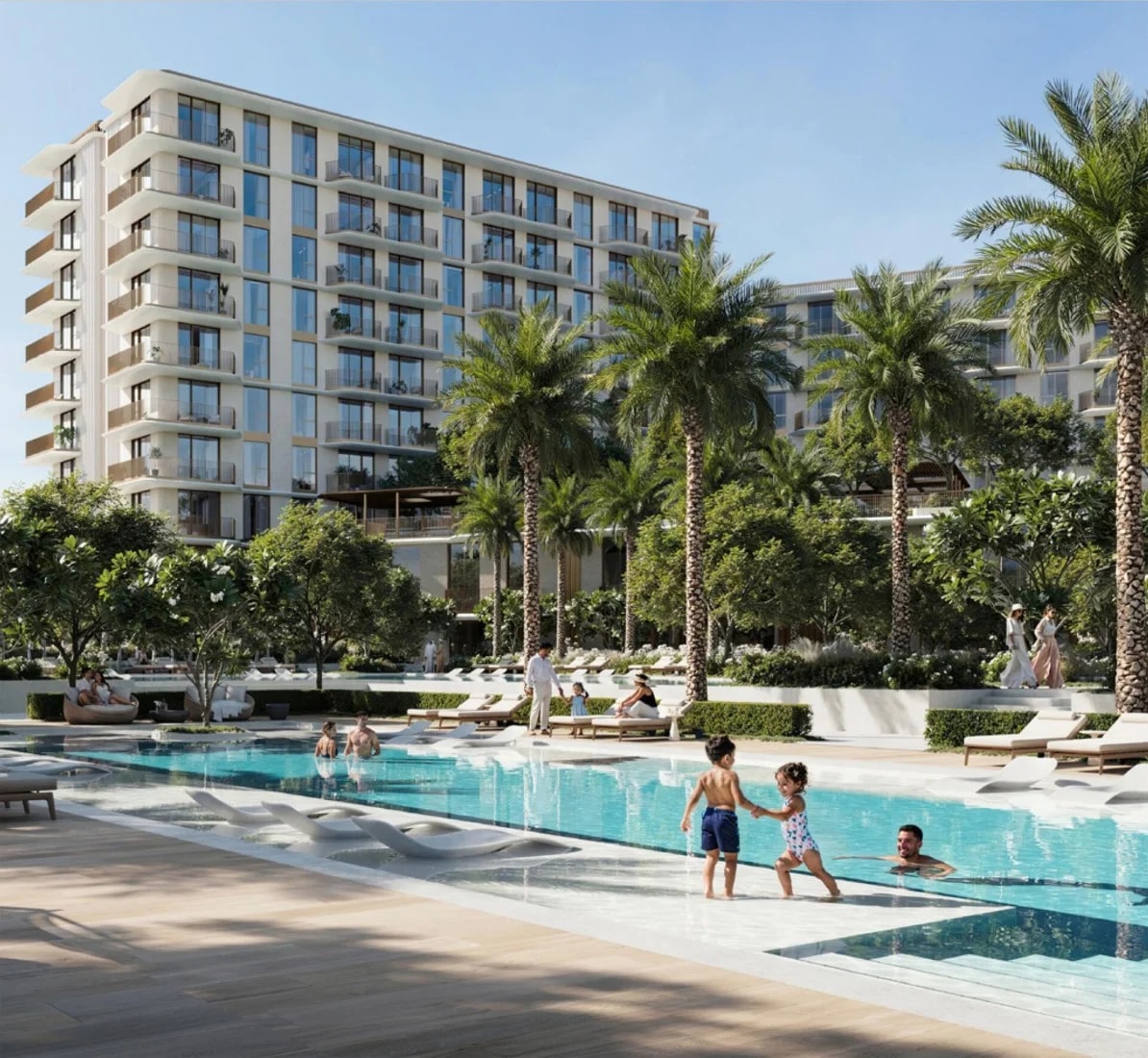
Amenities are rental pricing levers. Properties with better gyms, pools, retail access rent for more and have lower vacancy rates. Mina Rashid's amenity package is strong, though reflected in higher service charges.
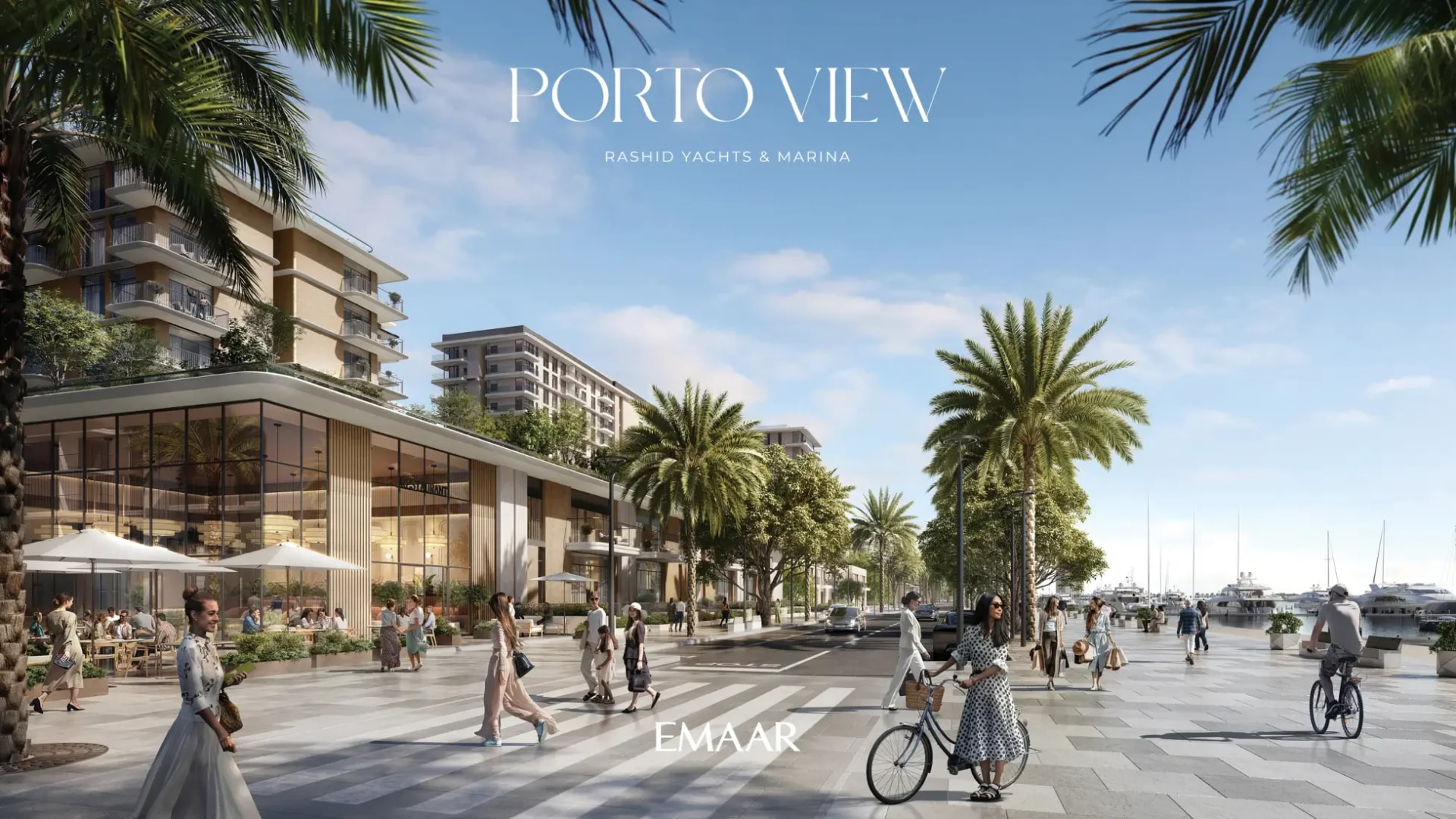
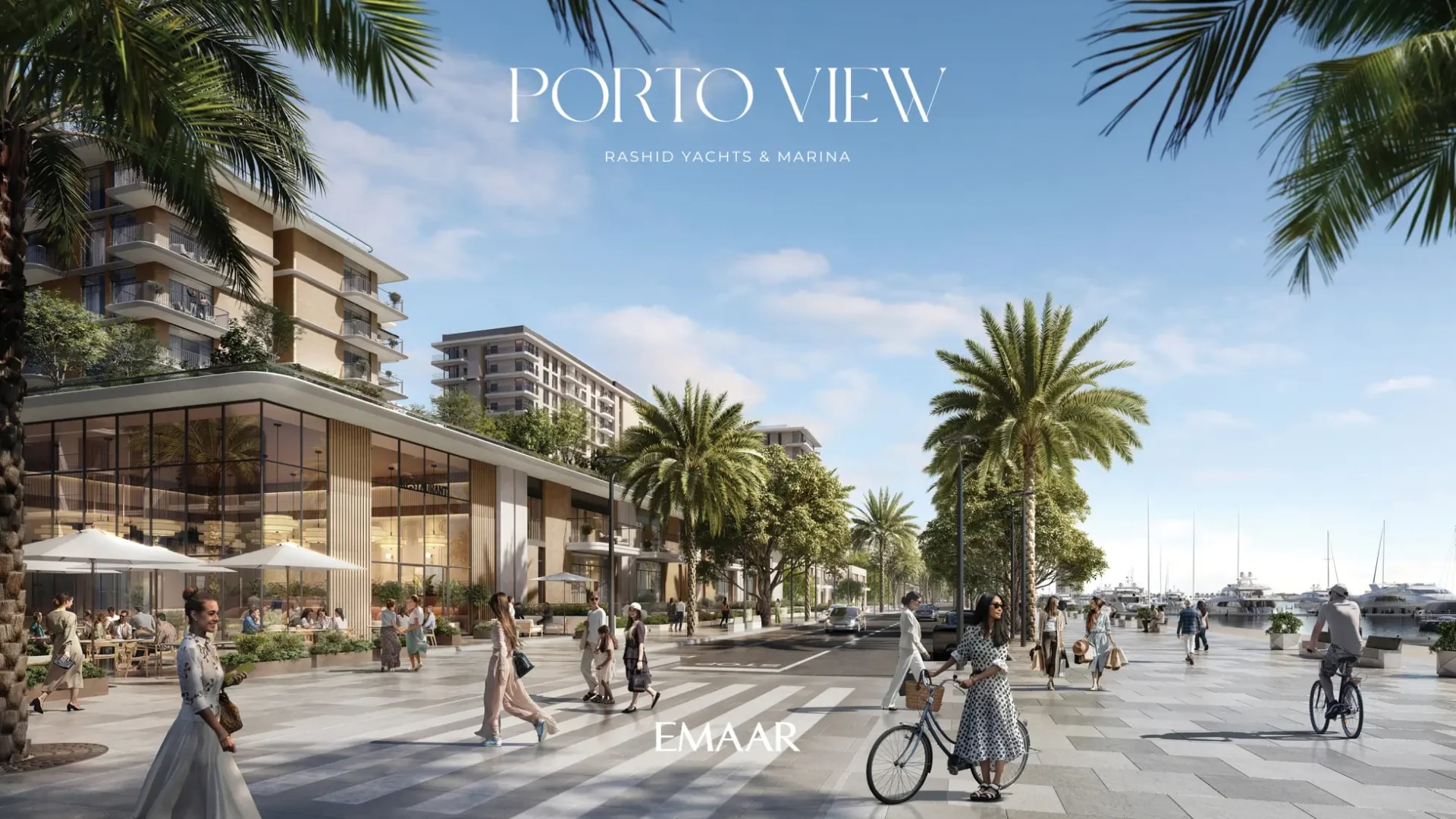
The 500-metre waterfront promenade serves as the community's social spine. Retail covers daily needs. Dining runs from casual cafés to high-end restaurants. The cruise terminal draws international visitors, so outlets get revenue from both residents and tourists.
For families, Mina Rashid is 15-30 minutes from major international schools (GEMS Our Own English High School, Dubai Modern Education School). Healthcare: Rashid Hospital is 10 minutes away, American Hospital Dubai is 15 minutes. This broadens your tenant pool to include families.
Total Cost of Ownership in Mina Rashid
One of the most common concerns about emerging markets? Hidden costs that appear after you've committed capital. Dubai's market does have transparency issues, but the cost structure is knowable if you ask the right questions upfront.
Purchase price is only about 85-90% of your initial outlay. The remaining 10-15% goes to government fees, registration, transaction costs. Then annual recurring costs impact your net yield.
Portfolio Fit and Risk Factors
Let's tackle the concerns that keep Western capital stuck in 2% yield markets. Can you actually own the property? Yes. Dubai's freehold system gives you registered title deeds through the Dubai Land Department. Can you get your money out? Yes. UAE has no capital controls, and the dirham has been pegged to the dollar since 1997. Will the government suddenly change the rules? Look, it's possible anywhere. But Dubai has a 20-year track record of protecting foreign investment that's honestly stronger than most Western investors realise.
That said, real risks do exist. They're just different from London or New York risks, not necessarily bigger.
Limited Supply and Resale Liquidity Considerations
Mina Rashid's scarcity supports pricing, but it also means you've got a smaller buyer pool when you go to exit, especially for larger units.
Penthouses and villas? You're looking at 6-12 months to find a buyer at your target price. If you need to sell quickly for whatever reason, you'll probably take a 10-15% discount. This is fairly normal for ultra-premium assets globally, not unique to Dubai. But it's real, and you need to factor it in.
Smaller units (one-beds, two-beds) have better liquidity. Transaction times average about 2-4 months under normal market conditions.
Mitigation strategy is straightforward: treat this as a 5-10 year hold. If your capital allocation requires liquidity within two years, Mina Rashid probably isn't the right fit.
Tourism Dependency and Short-Term Rental Regulations
Short-term rental yields can run 20-30% higher than long-term leases, but they require active management. Dubai's Department of Economy and Tourism regulates short-term rentals pretty strictly. You need a holiday home licence, which runs $1,350-$2,700 annually. Management companies typically take 15-25% of revenue versus 5-8% for long-term rentals.
Tourism risk is tied to global economic cycles and geopolitical events. Dubai's tourism fell 67% during COVID. If you're depending on short-term rental income, you've got volatility exposure.
Smarter approach: start with long-term leases to establish stable cash flow. Then consider short-term once you're comfortable with how the market works and you've got operational systems in place.
Exit Planning and Capital Repatriation
Can you get your money out when you need it? Yes, and the mechanics are actually fairly straightforward. Dubai operates a freehold system in designated areas like Mina Rashid. Your title deed gets registered with the Dubai Land Department. Property rights are legally enforceable through Dubai's courts.
Capital repatriation framework:
No capital controls: UAE has unrestricted capital repatriation. No approval requirements, no transfer limits
Currency stability: Dirham's been pegged to the dollar at 3.67:1 since 1997. It's survived the 2008 crisis, the 2014-2016 oil collapse, COVID-19
Exit timeline: From signed contract to funds in your bank account typically runs 4-8 weeks, assuming clean title
Transfer fee allocation: Buyer pays the 4% DLD transfer fee (customary but negotiable), seller settles any mortgage and service charges
Tax treatment depends on your home country rather than Dubai. UAE has no property tax, no capital gains tax, no inheritance tax. But you're still subject to your home jurisdiction's tax rules. UK investors need to declare foreign rental income and capital gains to HMRC. US investors face FATCA requirements. Canadian investors have foreign property declaration thresholds. This isn't optional. You should consult a cross-border tax advisor before you buy, not after you sell.
Structural factors supporting exit liquidity: Dubai's government has staked a significant part of its economic model on real estate and foreign investment. Population growth averages over 150,000 annually. Infrastructure investment continues (new metro lines, airport expansion, Expo 2020 legacy development). These don't guarantee returns (no market does), but they provide a framework for sustained buyer demand.
The DLD registry is digitised and transparent. Your title deed specifies your ownership percentage, property boundaries, any encumbrances like mortgages or liens. If there are hidden claims against the property, they show up in the title search. Is the system perfect? No. But it's materially more transparent than many emerging markets, and honestly on par with established Western systems for practical purposes.
Explore Dubai Areas on Oliva
Frequently Asked Questions
What kind of investment returns can you expect from Mina Rashid properties?
You can typically expect gross rental yields between 5% and 7% from properties in Mina Rashid. After accounting for all costs, your net yield might be around 3.5-4%, which is still considerably higher than many established Western markets.
Are there any property or capital gains taxes in Dubai for Mina Rashid investments?
No, Dubai does not impose property tax or capital gains tax. This can significantly enhance your overall returns and simplify your financial planning for your Mina Rashid property.
How secure is property ownership in Mina Rashid for foreign investors?
Dubai operates a freehold system in designated areas like Mina Rashid, meaning you receive a registered title deed through the Dubai Land Department. This system provides legally enforceable property rights, offering you secure ownership.
Can you easily get your capital out of Dubai after selling a Mina Rashid property?
Yes, the UAE has no capital controls, allowing for unrestricted capital repatriation. The dirham has also been stably pegged to the US dollar since 1997, providing currency stability when you decide to exit your investment. Oliva can help you understand these processes.
What are the main advantages of investing in Mina Rashid compared to Dubai Marina?
Mina Rashid offers a premium experience with Emaar's controlled master plan, earlier appreciation potential, and lower population density. While Dubai Marina provides immediate liquidity, Mina Rashid offers higher yields and significant capital appreciation upside, justifying its higher entry point.
What are the typical service charges and total acquisition costs at Mina Rashid?
Service charges run $18-$25 per square foot annually, so a 1,000 sq ft two-bedroom costs $18,000-$25,000 per year. Acquisition costs add roughly 6.3% above the purchase price, including 4% DLD fees, 2% agency commission plus VAT, and registration fees. These costs reduce a 6% gross yield to approximately 3.5-4% net.
Explore further
The project, area, and developer this post covers, with live Dubai Land Department data.
Related articles

Arabian Ranches Dubai: The 2026 Investor Guide

Dubai Land Department: The Complete 2026 Investor Guide

Key Factors That Drive ROI in Dubai Property

Islamic Mortgage Uae: Complete Investment Guide

How to Calculate Rental Yield in Dubai

Wadi Al Safa 5 investor area guide: around Nuve by Zoya (2026)
Related Dubai property analysis from the Oliva editorial team.